Food security in many parts of the world is threatened by reduced water availability, resulting from population growth and climate change. Under these circumstances, irrigating crops with reclaimed water is becoming an increasingly important agricultural practice. A framework is proposed to address these concerns, evaluate how effectively current regulations ensure safe and sustainable water reuse in the context of antimicrobial resistance (AMR), and identify opportunities for more targeted guidance. The paper proposes indicators for water quality assessment that take into account risks specific to AMR and define primary contamination entry points, potential amplification points, and barriers (e.g., contaminant dissipation in soil, delay between irrigation and harvest, postharvest management), along the wastewater-irrigation, water-crop, and production-consumer continuum. In terms of risk management, an overview of the range of water and wastewater treatment options is provided, from secondary sewage treatments to advanced treatments, including weighing the costs and benefits of interventions in the context of local needs and constraints and the availability and quality of alternative irrigation water sources. The recommendations herein were developed through a consensus at an international multidisciplinary expert workshop and literature review.
The use of plant protection products (PPPs) remains a major concern for biodiversity, ecosystem integrity, and human health, even under robust regulatory oversight. Current regulatory assessments are often fragmented: they typically examine single substances and single crops in isolation at local or simplified scales. As a result, they struggle to capture the cumulative and combined effects of multiple PPPs and the way exposure propagates and interacts across space and time (fields, crops, and seasons). Our previously proposed landscape-based Environmental Risk Assessment (ERA) framework offered an integrative solution. By jointly representing agricultural practices, environmental characteristics, species movement among habitats, and the combined impacts of multiple PPPs, the current framework delivers predictions that are more adapted to the field reality. These insights are valuable both for regulatory decision-making and for understanding how PPP risks contribute to the overall environmental stress. In this manuscript, we explore the needs, challenges, opportunities, and modelling tools for implementing a landscape-based ERA in both prospective (ex-ante) and retrospective (ex-post) contexts. Drawing on expert discussions and collaborative initiatives, we propose a conceptual framework with four pillars: (1) flexibility to meet diverse user and stakeholder needs, different decision contexts, and varying data availability; (2) ecological realism, the capacity to represent multiple stressors, cumulative effects, exposure pathways driven by species movement, and recovery dynamics; (3) data integration and transparency, combining monitoring and regulatory datasets for calibration, validation, uncertainty analysis, and reproducibility; and (4) regulatory uptake and interoperability, ensuring compatibility with existing ERA methodologies and producing outputs that can be interpreted and used at the landscape level across jurisdictions and tools. Beyond regulatory compliance, landscape-based ERA is a dynamic and adaptative system that provides a robust scientific basis for setting protection goals, designing targeted risk mitigation measures, shaping sustainable agricultural strategies, and communicating realistic, multi-stressor risk trade-offs to stakeholders and the public.
Source Agritrop Cirad (https://agritrop.cirad.fr/616017/)
Le projet Télesphore est consacré à l’évaluation des transferts et des processus associés (dégradation, infiltration, adsorption, etc.) des résidus pharmaceutiques et biocides provenant à la fois des boues des stations d’épuration urbaines et des lisiers épandus sur les champs comme engrais pour l’agriculture. Il s’inscrit dans le programme RISMEAU réalisé sur l’observatoire SIPIBEL situé sur le bassin versant de l’Arve en Haute-Savoie. Télesphore est fondé sur un partenariat entre des collectivités territoriales, des professionnels de la santé et du monde agricole, et des scientifiques de différentes disciplines. Son objectif principal est d’évaluer le risque de contamination par les produits pharmaceutiques et les biocides des sols et des eaux souterraines due à l’épandage de boues et de lisiers, en associant une approche in situ en conditions réelles et des expérimentations en laboratoire. Les résultats obtenus après deux années d’expérimentation montrent, à un mètre de profondeur, un transfert vertical de certains des résidus pharmaceutiques et biocides suivis dans le projet.
In the context of recycling organic waste products or irrigation by treated wastewaters (re-use), the fate of human and veterinary pharmaceuticals in agricultural soils and consequent ground-water contamination are influenced by many factors, including soil properties controlling sorption and dissipation processes (Verlicchi et al., 2015, Mejías et al., 2021, Rietra et al., 2022). Sorption coefficients are among the most sensitive parameters in models used for risk assessment. However, for different classes of pharmaceuticals, the variations in sorption among different soil types are poorly described and understood (Kodesova et al., 2015). Here we reviewed sorption parameters for different classes of pharmaceuticals and their variation with selected soil properties. We also evaluated the sorption isotherms for three pharmaceuticals, ofloxacin, tetracycline, diclofenac and a bactericide, riclocarban and ten soils from temperate and tropical regions, and assessed the impact of soil properties on Freundlich equation parameters Kf and n. Batch experiments were set up adapting OECD protocol and using initial concentration ranges from 5 to 1000 μg/L. For strongly sorbed molecules, namely ofloxacin, tetracycline and triclocarban, there were strong technical constraints for the quantification of equilibrium concentrations by LC-MS-MS. We used this knowledge from both literature review and experimental data to build pedotransfer functions that allow predicting sorption parameters for a wide range of soils. Sorption of ionizable pharmaceuticals was, in many cases, highly affected by soil pH and CEC whereas soil organic matter content remained a driving factor of sorption for neutral molecular forms. References:Kodesova, R., et al. (2015) Science of the Total Environment 511, 435–443.Mejías, C. et al. (2021) Trends in Environmental Analytical Chemistry 30, e00125.Rietra, R.P.P.J., et al. (2024) Heliyon 10 (2024) e23718.Verlicchi, P. & Zambello, E., (2015) Science of The Total Environment 538, 750–767
The RISMEAU project (RISques liés aux résidus de Médicaments, biocides et antibiorésistance d'origine humaine et vétérinaire sur les ressources en EAU du bassin versant de l'Arve – Risks related to residues of pharmaceuticals and biocides, and antimicrobial resistance of human and veterinary origin on the water resources of the 2083 km2 Arve catchment located in the French Alps) was implanted from 2018 to 2024 on the SIPIBEL observatory. It was devoted to the evaluation of (i) transfers of and processes related to pharmaceutical residues and biocides from both urban sludge and manure spread on fields as fertilisers, and (ii) the environmental impacts of land spreading, in particular the ecotoxicological risks and antimicrobial resistance dissemination. The methodology was based on the physico-chemical, ecotoxicological and antimicrobial resistance (AMR – assessed by molecular biology) characterisation of leachate and soil matrices samples, and focused on organic waste products application at locally representative agronomic rates. This dataset can be reused by other researchers for comparison with their own investigations on this emerging topic under different contexts and conditions, and may contribute to international reviews.The database includes in total 26217 values, measured on 348 samples of organic waste products, soil, in situ lysimeter leachate, earthworms, plants with 3136 usual physico-chemical values, 15469 values on pharmaceuticals and biocides concentrations, 6827 bioassay values (ecotoxicity and phytotoxicity) and 785 values of antimicrobial resistance indicators. The 348 samples have been collected from Nov. 2019 to Dec. 2022: 4 samples in 2019, 26 in 2020, 130 in 2021 and 188 in 2022. Regarding AMR, 96 assays coding for most abundant resistance genes in healthy humans, clinically relevant antibiotic resistance genes, biocide resistance genes, heavy metal genes, integrons (class I, II and III), and mobile genetic elements (transposase genes) have been carried out.
While pesticide use is subject to strict regulatory oversight worldwide, it remains a main concern for environmental protection, including biodiversity conservation. This is partly due to the current regulatory approach that relies on separate assessments for each single pesticide, crop use, and non-target organism group at local scales. Such assessments tend to overlook the combined effects of overall pesticide usage at larger spatial scales. Integrative landscape-based approaches are emerging, enabling the consideration of agricultural management, the environmental characteristics, and the combined effects of pesticides applied in a same or in different crops within an area. These developments offer the opportunity to deliver informative risk predictions relevant for different decision contexts including their connection to larger spatial scales and to combine environmental risks of pesticides, with those from other environmental stressors. We discuss the needs, challenges, opportunities and available tools for implementing landscape-based approaches for prospective and retrospective pesticide Environmental Risk Assessments (ERA). A set of “building blocks” that emerged from the discussions have been integrated into a conceptual framework. The framework includes elements to facilitate its implementation, in particular: flexibility to address the needs of relevant users and stakeholders; means to address the inherent complexity of environmental systems; connections to make use of and integrate data derived from monitoring programs; and options for validation and approaches to facilitate future use in a regulatory context. The conceptual model can be applied to existing ERA methodologies, facilitating its comparability, and highlighting interoperability drivers at landscape level. The benefits of landscape-based pesticide ERA extend beyond regulation. Linking and validating risk predictions with relevant environmental impacts under a solid science-based approach will support the setting of protection goals and the formulation of sustainable agricultural strategies. Moreover, landscape ERA offers a communication tool on realistic pesticide impacts in a multistressors environment for stakeholders and citizens.
Reviewing the transformation pathways and analyzing the reactions undergone according to the matrices and the parent compound chemical structures may help to progress in our understanding of transformation processes of PPCPs. Of the 199 parent molecules initially targeted, 42% had no information on their transformation products (TPs). The transformation of the remaining 116 PPCPs led to 1371 TPs formed by biotic (630), abiotic (568), and both biotic and abiotic (61) reactions in natural (solid waste, natural waters, soils, WWTP effluents, sediments) and/or synthetic matrices. For a small number of TPs (112) no information was found on the conditions of their formation. Eleven main transformation reactions (hydroxylation, dehydrogenation, cleavage, hydrolysis, dealkylation, oxygenation, dehalogenation, other eliminations, other substitutions, addition and rearrangement) were considered to describe the TPs dataset, that ended up with 3230 individual reactions (one TP can result from several successive reactions). Hydroxylation was the major reaction occurring at 28% followed by dehydrogenation (13%), then cleavage (11%). A majority of studies were performed in synthetic media whereas knowledge on transformation reactions in environmental matrices is very heterogeneous with less information on soils and sediments. Finally, we aimed at assessing the relationship between the transformation reactions and the chemical structures of the parent molecules using 1178 molecular fragments and molecular descriptors. Several clusters composed of sulfonamides, cyclines or macrolides showed trends between functional groups and reactions involved in the transformation pathways. Based on these data and results, some research needs were highlighted.
Recently, Comte et al. (2022) re-examined the natural degradation of chlordecone (CLD) in the soils of the French West Indies (FWI) by introducing an additional 'dissipation parameter' into the WISORCH model developed by Cabidoche et al. (2009). Recent data sets of CLD concentrations in FWI soils obtained by Comte et al. enabled them optimizing the model parameters, resulting in significantly shorter estimates of pollution persistence than in the original model. Their conclusions jeopardize the paradigm of a very limited degradation of CLD in FWI soils, which may lead to an entire revision of the management of CLD contamination. However, we believe that their study is questionable on several important aspects. This includes potential biases in the data sets and in the modeling approach. It results in an inconsistency between the estimated dissipation half-life time (DT50) of five years that the authors determined for CLD and the fate of CLD in soil from the application period 1972-1993 until nowadays. Most importantly, a rapid dissipation of CLD in the field as proposed by Comte et al. is not sufficiently supported by data and estimates. Hence, the paradigm of long-term persistence of CLD in FWI soils is still to be considered.
<p>The role of dissolved organic matter (DOM) in the transport of trace organic pollutants through the soil profile remains controversial. Several studies reported enhanced transport for nonpolar pesticides and other pollutants such as pharmaceuticals (e.g., Borgman & Chefetz 2013). It is generally hypothesized that DOM modifies the sorption properties of the contaminants through co-sorption and/or cumulative sorption (Totsche et al. 1997). Co-transport with DOM can also enhance the mobility of pollutants (Chabauty et al. 2016). Other authors reported little effect of DOM on both sorption or desorption of herbicides (e.g., Barriuso et al. 2011). To help elucidating the multiple roles of DOM, we developed the PolDOC model implemented in the VSoil modeling platform of INRAE. We took advantage of the modularity of the platform to couple available 1D water flow and solute transport models with novel reactivity modules for organic pollutants and DOM. Indeed, sink/source terms in the transport equation have been used to calculate the interactions between pollutants, DOM and the soil solid phase.</p> <p>The model was designed to simulate the transport of organic pollutants in intact soil cores sampled in the Bt horizon of a cultivated Albeluvisol to which either a synthetic soil solution without DOM (SYNTH), a soil solution extracted from the top horizon (CONTROL) or a soil solution extracted from the top horizon of a neighbour plot receiving sewage sludge and green waste compost (SGW) were applied (Chabauty et al., 2016). In PolDOC, the organic pollutants can be transported either free or associated with DOM. To describe the multiple roles of DOM in the transport of organic pollutants we first simplified the wide spectrum of organic molecules which constitute DOM and distinguished two types of DOM with different reactivity: DOM<sub>Bt</sub> produced by depolymerization of the organic matter in the Bt soil horizon, and DOM<sub>SURF</sub>, produced by depolymerization of the organic matter of the surface horizon.</p> <p>The model was used to simulate the transport of both DOM types and three different organic pollutants: isoproturon (ISO), a mobile herbicide, epoxiconazole (EPX), a moderately mobile fungicide and sulfamethoxazole (SMX), a mobile antibiotic. Since pollutants are applied at the soil surface, we considered that organic pollutants will be more prone to interact with DOM<sub>SURF</sub>, which is rich in phenolic compounds. Physical non-equilibrium transport conditions were identified and quantified with PolDOC. Model showed that the Bt horizon acted as a sink to partly retain DOM<sub>SURF</sub>. While differences in ISO and SMX transport could be explained by different sorption reactivity with the soil solid phase, the increased leaching of EPX in presence of DOM<sub>SURF</sub> required the activation of co-transport with DOM<sub>SURF</sub>.</p> <p><strong>References:</strong></p> <p>Barriuso, E., Andrades, M.-S., Benoit, P., and Houot, S. (2011) Biogeochemistry <em>106</em>, 117&#8211;133.</p> <p>Borgman, O., and Chefetz, B. (2013) Water Research <em>47</em>, 3431&#8211;3443.</p> <p>Chabauty F., Pot V., Bourdat-Deschamps M., Bernet N., Labat C., and Benoit P. (2016) Environmental Science and Pollution Research, <em>23</em>, 7, 6907-6918.</p> <p>Totsche, K.U., Danzer, J., and K&#246;gel-Knabner, I. (1997). Journal of Environment Quality <em>26</em>, 1090&#8211;1100.</p>
The use of pesticides in agriculture to protect crops against pests and diseases generates environmental contamination. The atmospheric compartment contributes to their dispersion at different distances from the application areas and to the exposure of organisms in untreated areas through dry and wet deposition. A multiresidue analytical method using the same TD-GC-MS analytical pipeline to quantify pesticide concentrations in both the atmosphere and rainwater was developed and tested in natura. A Box-Behnken experimental design was used to identify the best compromise in extraction conditions for all 27 of the targeted molecules in rainwater. Extraction yields were above 80% except for the pyrethroid family, for which the recovery yields were around 40-59%. TD-GC-MS proved to be a good analytical solution to detect and quantify pesticides in both target matrices with low limits of quantification. Twelve pesticides (six fungicides, five herbicides and one insecticide) were quantified in rainwater at concentrations ranging from 0.5 ng·L-1 to 170 ng·L-1 with a seasonal effect, and a correlation was found between the concentrations in rainwater and air. The calculated cumulative wet deposition rates are discussed regarding pesticide concentrations in the topsoil in untreated areas for some of the studied compounds.
The quantitative structure activity relationship (QSAR) methodology has been developed and extensively used to predict unknown environmental data for compounds that have not been experimentally studied yet. QSAR is based on a large series of descriptors: such as the number of atoms, the number of bonds horizontal ellipsis (descriptive), or based on the 2D structure of the molecule (connectivity indices horizontal ellipsis ) or on its 3D structure (dipole moment, polarizability horizontal ellipsis ). Among them, quantum-based 3D descriptors appear as promising tools to predict macroscopic environmental properties. For a set of 104 pharmaceuticals and personal care products, four quantum-based 3D descriptors (electric dipole moment, polarizability, HOMO energy and ionization potential) were calculated using different computational chemistry strategies involving a conformational search followed by local quenches within three different frameworks: density functional theory (DFT), semi-empirical Austin Model 1 (AM1) approach, and density functional based tight binding (DFTB). Comparing the results obtained using each framework highlights the necessity of a comprehensive conformational search and the use of an accurate potential for the local quenches. Using the combination of a global exploration through molecular dynamics with local quenches at B3LYP/6-31G* (DFT) allows the calculation of accurate and tractable quantum-based 3D descriptors.
During wastewater treatment, incomplete elimination of micropollutants occurs. Recently, the potential impacts of the release of some micropollutants at the scale of France have been studied. These impact calculations were incomplete due to a lack of characterization factors (CFs). In the present study, we used already developed machine learning models to complement the missing CFs. The conclusions were not modified for the impact on aquatic environment, but were mitigated for the impact on human health: the higher toxicological potential impact could be driven by a high-emitted mass, and a high number of compounds could take a significant part of the overall impact.
Agricultural recycling of organic waste (OW) derived from urban, agricultural and agroindustrial sources is an essential sustainable development strategy. Yet repeated application of nutrient-laden OW in crop fields can also drastically boost contaminant levels in soil. This review focuses on the consideration of three categories of OW-borne contaminants, namely trace elements, organic contaminants and pathogens (including antibiotic resistance), in environmental assessments, chiefly involving life cycle assessment (LCA) and risk assessment (RA). The in-depth discussion also focuses on gaps between empirical knowledge and the models underlying these frameworks. Potential improvements to fill the identified gaps are proposed, including novel approaches and uses of existing approaches, while also featuring various levels of "readiness." Finally, a comprehensive theoretical framework to assess OW recycling scenarios, combining complementary approaches and models, is proposed and exemplified.
 Enrique Barriuso合作论文数53
 Dominique Patureau合作论文数41
 Laure Mamy合作论文数39
 Carole Bedos合作论文数33Yves Coquet合作论文数31Bergheaud Valérie合作论文数28
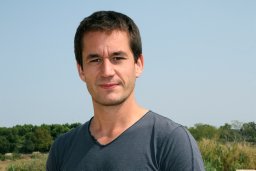 Lionel Alletto合作论文数UMR 1248 AGIR INRA-INP, Université de Toulouse – École d’ingénieurs de Purpan27
 Sabine HOUOT合作论文数26Valérie Pot合作论文数22Sylvie Nélieu合作论文数UMR ECOSYS, Univ Paris Saclay21
 Eric Latrille合作论文数Laboratoire de Biotechnologie de l’Environnement, INRA20
 Virginie Rossard合作论文数Laboratoire de Biotechnologie de l'Environnement, INRA18
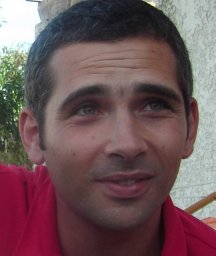 Remi Servien合作论文数Research Centre in Food Toxicology, Université de Toulouse;Laboratoire de Biotechnologie de l'Environnement, INRA;Research Centre in Food Toxicology, Université de Toulouse17Claire-Sophie Haudin合作论文数17
 Patricia Garnier合作论文数17Anaïs Goulas合作论文数16
 Fabrice Martin-Laurent合作论文数National Research Institute for Agriculture, Food and Environment;Institut National de la Recherche Agronomique;UMR Agroécologie14Marjolaine Deschamps合作论文数12valerie dumeny合作论文数12
 Philippe Cambier合作论文数12
 Olivier Crouzet合作论文数12Fabienne Bessac合作论文数12
 Kevin Bonnot合作论文数11
 Vilim Filipovic合作论文数11b real合作论文数11Eric Justes合作论文数INRA, Unité d‘agronomie, Centre de Recherches Agonomiques, 2 esplanade Roland Garros, BP 224, F-51686 Reims Cedex 2, France FR11M Bourdatdeschamps合作论文数10V Pot合作论文数9Sabine Houot合作论文数8Xavier Louchart合作论文数8Sylvie Nazaret合作论文数Research Group on “Bacterial Opportunistic Pathogens and Environment”,, Université de Lyon8Christophe Dagot合作论文数LSGC8Guillaume Bodineau合作论文数7veronique etievant合作论文数7Sohaib Aslam合作论文数7sabrina ferhi合作论文数7
 Vincent Mercier合作论文数7Véronique Gouy合作论文数7
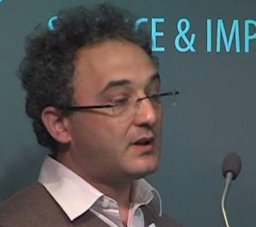 David Makowski合作论文数UMR211 INRA/AgroParisTech, INRA7Francois Lafolie合作论文数7michel moquet合作论文数7i madrigal合作论文数6Marjorie Ubertosi合作论文数6
 Barbara Livoreil合作论文数6
 Cédric Laouénan合作论文数Département d'Epidémiologie Biostatistique et Recherche Clinique, Université Paris Cité;Unit of Infection Antimicrobials Modelling Evolution, French Institute of Health and Medical Research6
 Antoine Andremont合作论文数Medical School, Paris Diderot University;Da Volterra6
 Marco Trevisan合作论文数Istituto di Chimica Agraria ed Ambientale, Università Cattolica del Sacro Cuore6
 Fabienne Petit合作论文数6
 Marie-Paule Charnay合作论文数Ecole Polytechnique Fédérale de Lausanne (EPFL), ENAC IIE—Laboratory for Environmental Biotechnology, Station 6, 1015 Lausanne, Switzerland6




