In Switzerland, the Opalinus Clay has been selected as a potential host rock for the deep geological disposal of radioactive waste due to its low hydraulic conductivity and favorable swelling properties. During the operational phase of the repository, the host rock will be exposed to pH values as high as 13.5 due to concrete degradation, which will certainly affect its hydraulic properties. This study investigates the effect of pH increase on the water retention properties of Opalinus Clay. A series of samples from the lower sandy facies of the Mont Terri site in Switzerland, at initial dry state, were exposed to a hyperalkaline solution of pH=13.5 and to the synthetic water of pH=7.5 at different water contents. After equilibrium, the total suction was measured with a dew point potentiometer and microstructural analyses were conducted via mercury intrusion porosimetry (MIP) and nitrogen adsorption-desorption technique. It was found that the total suction decreased with hydration and pH increase. Since the two investigated solutions have the same osmotic suction, the decrease in total suction was attributed to the decrease in matric suction. Indeed, the total porosity increased with saturation and pH increase. This was confirmed by MIP data that evidenced an increase in the proportion of macropores, and by Barret–Joyner–Halenda (BJH) data that showed mesopore generation. The specific surface area (SSA) also increased. The previous results were due to mineral hydration and, exclusively in the case of alkaline solution, to (1) the dissolution of quartz and calcite and (2) the acid-base reactions, which were concentrated at the edges of the clay particles, leading to an increase in negatively charged groups and thus to a face-to-face association of the clay particles (dispersion), causing an increase in the repulsive forces between the clay particles. In addition, the weakening of covalent bonds led to the primary dissolution of clay minerals, i.e. silicon and aluminum detachment.
A new experimental device allowing the follow-up of the self-sealing of damaged claystone has been developed. This device consists of a constant volume cell with a displacement transducer tracking the closure of the artificially created diametric fracture. Two additional sensors were installed to obtain additional information: a total pressure sensor monitoring the radial swelling pressure and a mini-pressure sensor inserted within the diametric fracture that measure the pressure changes during the sealing process. To simulate in situ conditions, a series of three small-scale mock-up tests were performed on artificially fractured Opalinus Clay samples from the lower sandy facies of the Mont Terri site. The solutions used were synthetic water with the same salt concentration and pH as the natural neutral pore water, a sodium nitrate (NaNO3) saline solution, and an alkaline solution. Results showed that the end frictions, identified from the evolution of the radial swelling pressure, together with the mini-pressure sensor, control the fracture closing. The mini-pressure sensor that was installed in the first test immediately fell out of service because of hydration, and the radial swelling pressure was affected by the rigidrigid contact between the sample and the total pressure sensor. This series of tests revealed the key points related to the designed cell for further improvement. In the second design, a cavity to house the mini-pressure sensor was engraved on the facet of one of the two halfsamples, and the preparation of this sensor was improved to ensure its water tightness. A cylindrical wedge was fabricated to avoid the rigid-rigid contact. A second series of tests with the same three solutions and the same material were then conducted. This series has been running for 270 days and its results are more satisfactory.
When unloaded, saturated deep clay soils can be subjected to volumetric expansion, which causes significant problems in the design and construction of certain structures such as tunnels, deep excavations, and raft foundations. These deformations typically evolve progressively over the lifespan of the structure. The presence of swelling soils raised substantial concerns during the Grand Paris Express project, leading the CFMS ( Comité Français de Mécanique des Sols et de Géotechnique ) to establish an expert panel tasked with formulating recommendations for the characterization and management of these problematic soils. Subsequent to the publication of the recommendations, this paper offers a concise synthesis intended to facilitate a rapid comprehension of their content, written by some members of the working group.
Carefully designed oedometer and triaxial tests were carried out on reconstituted illite–smectite rich Lucera clay to reach specific states of the critical state soil mechanics (CSSM) framework, which were then investigated at the microscale using mercury intrusion porosimetry and scanning electron microscopy. The combination of mechanical and microscopy tests allowed further insight into the relationship between porosity and CSSM. The pore size distributions at the points selected are monomodal, and unique for a given state, independent of the stress path history. Lines representing the loci of normally consolidated states and critical states were drawn in terms of mean pore size against mean effective stress, but, unlike in CSSM, for the stress range investigated, the lines seem not to be parallel to each other. Examination of pore orientation using a fabric index shows that for this clay, very high isotropic stresses need to be applied to attain an isotropic fabric, while a constant fabric index seems to define the critical state line. Overall, states on the K0 normal compression line and critical state line correspond to unique particle size distributions and fabrics that are independent of the paths taken to reach them and solely dependent on the stress levels, a framework that is consistent with CSSM.
In this study, the impact of salinity on the water retention properties and microstructure of the Opalinus Clay from the lower sandy facies (LSF) of Mont Terri site was investigated by exposing a series of unsaturated Opalinus Clay samples to two sodium nitrate NaNO_3 solutions of controlled osmotic suctions ( π =15 and 34 MPa ) and to a synthetic water (same salinity as the natural pore water) π =1 MPa) at different water contents. The water retention curves were determined along wetting path for the three osmotic suctions, and microstructural analyses were conducted at different saturation states. While the total suction increased with salinity, the porosity decreased, suggesting the decrease in the swelling potential. Exposing the Opalinus Clay to a highly saline solution at low water contents increased the specific surface area and the peak of the dominant mesopore population. This is due to the dispersion of the Na-clay fraction and to the swelling of the initially unsaturated clay fraction. At higher water content, the water transfer from the meso to the macropores prevails and a decrease in specific surface area, peak and density of the mesopores were observed. The higher the osmotic suction, the lower the water content at which the shrinkage of the mesopores is initiated.
In the context of deep geological radioactive waste disposal in Switzerland, this study investigates the hydromechanical behavior of Opalinus Clay from a borehole in Northern Switzerland at around 800 m depth. Laboratory experiments include the determination of petrophysical and water retention properties, and hydromechanical tests in a high-pressure isotropic cell. Various loading sequences were conducted on samples saturated under conditions approximating in situ stress. The cyclic drained loading and unloading revealed linear deformation above initial stress and nonlinear volume increases below it, with both reversible (elastic) and inelastic strains exhibiting anisotropy. Inelastic swelling, potentially indicative of damage, was gradual and nonlinear. Main poroelastic properties, drained bulk modulus, pore pressure modulus, and undrained bulk modulus, each with anisotropic strain components were identified. Positive correlations with effective stress were observed for the drained bulk modulus and the pore pressure modulus. The anisotropy ratio of strains perpendicular and parallel to bedding did not show significant effective stress dependency. Very low permeability was observed, at least one order of magnitude lower than measured at other sites, with negligible effective stress dependency. This study enhances the Opalinus Clay database concerning various geomechanical properties and provides direct input properties for a poroelasticity constitutive model, in particular the stress-dependent Biot tangent tensor components b_ij which are compatible with the Voigt–Reuss–Hill average of the mineral compressibilities, and the unjacketed pore modulus K_ϕ .
Introduction:Determining the seismic wave velocity in a given soil is of great value in the study of its elastic properties, and to establish a coherent sub-surface model. This non-destructive technique is widely used in both geotechnical and geophysical communities, and has also been used in planetary exploration. The InSight seismometer SEIS [Lognonné et al., 2019] operated for 4 terrestrial years and was able to record near-surface events generated by the trials of the HP3 instrument to penetrate the martian soil.[Brinkmann et al., 2022]. This has enabled the seismic wave velocity in the regolith (i.e the entire unconsolidated cover that overlies more coherent bedrock) to be determined. Similarly, the seismic wave velocity in the lunar regolith has been inferred [Tanimoto et al., 2008] thanks to seismometers on board the Apollo missions [Latham et al., 1969].However, martian and lunar regolith do not have the same characteristics. Due to aeolian processes, martian grains are more rounded than the lunar ones, that are generated by impact processes. Moreover, martian and lunar regolith present different grain size distributions The goal of our work is to check if the regolith grain size distribution can have an impact on measured seismic wave velocities. A deep understanding of this effect is of interest for interpreting data from past missions (InSight, Apollo), and also for planning future missions, such as the Farside Seismic Suite for the Moon [Panning et al., 2022] or seismometers for asteroids [Murdoch et al. 2017; Murdoch et al. 2024; Bernauer et al. 2020]. To this end, we perform laboratory experiments to determine seismic wave speeds in samples with different grain size distributions.Methodology:The experimental set-up is described in Fig. 1. The main components are the bender elements [Dyvik and Madshus, 1985]. These piezoelectric pieces can bend and generate a shear seismic wave when a voltage is applied, or generate an electric signal when a movement is applied to them. An emitting and a receiver bender element are placed at each end of a cylindrical sample. Different levels of confining pressure are reached by applying vacuum inside the sample with a vacuum pump. Sample density variations are measured when the pressure is changed. The tested samples are constituted of binary glass beads. They are characterized by two parameters: the grain size ratio (GSR), which is the ratio of the small bead diameter to that of the large grains, and the mass fraction (MF), which is the proportion in mass of the small beads. Three values of the GSR are tested (0.3, 0.4, 0.5) and for each grain size ratio, the mass fraction is varied from 0.05 to 0.8. Two levels of confining pressure are studied here: 25 and 50 kPa. Results: For GSR = 0.3, the seismic velocity increases with the mass fraction up to MF = 0.2. We interpret those variations as a marker of the filling of the voids between the large beads by the small beads, leading to the seismic wave path shortening. The velocity decrease for MF>0.2 shows that small beads are pushing apart the large beads, rupturing the contacts between large beads [Choo and Lee, 2021] and lengthening the path of the seismic waves. When GSR=0.5, as small beads are too large to fit into the voids between large beads, the contact rupture mechanism makes the velocity decrease up to MF = 0.4. For higher MF, the path of the seismic wave is mainly composed of small beads. Thus, increasing the MF does not impact the seismic velocity. At GSR = 0.4, we suggest that there is a competition between hole filling and contact rupture mechanism, leading to a slight increase in the velocity with the mass fraction. Velocity variations are similar at both confining pressure levels and they are independent of the frequency of the input signal used. In addition, the observed velocity variations cannot be explained by density variations. Conclusions:Our results demonstrate that grain size distribution has a density-independent effect on the seismic velocities. Given the large variety of regolith grain size distributions found on different planetary surfaces, size distribution has to be characterized to deeply understand mechanical macro-parameters differences from one planetary regolith to another.
The dynamic properties of loose sands under low stresses have been poorly investigated because of the higher order of magnitude of stress levels in terrestrial geotechnical structures. However, low densities and low stresses prevail in the sandy surface deposits of some other rocky planets, making low stress conditions relevant for extra-terrestrial soil mechanics. This is the case of Mars, on the surface of which a seismometer has been placed during the InSight mission. In this context, a dynamic shear rheometer was used to measure the shear modulus and damping ratio of a Martian regolith simulant under very low stresses to improve the interpretation of the InSight dataset on surface materials. This paper also revisits the grain contact stiffness and the overall modulus of a random packing of identical spheres, based on the Hertz-Mindlin contact theory. A micromechanical model accounting for the effects of both grain roughness and slipping in the soil degradation curve is proposed. The results of the model show a good agreement with experimental data, capturing the non-linear transition from low to high-shear strains. The model hence provides a new framework for a better understanding of the behaviour of granular materials in low gravity (extra-terrestrial) conditions.
Three small-scale mock-up tests were carried out on artificially fractured Opalinus Clay samples from the lower sandy facies of Mont Terri site: the first with the synthetic water of neutral pH and at an osmotic suction of 1 MPa, the second with a highly NaNO3 saline solution with a neutral pH and at osmotic suction of 34 MPa, and the third with a hyperalkaline solution at pH = 13.5 and at osmotic suction of 1.16 MPa. The radial swelling pressure was monitored using a total pressure sensor along with the fracture opening using a displacement transducer. The tests ran for over 290 days. After that, the three tests were dismantled. A detailed petrophysical characterization of 45 subsamples was conducted, and the pore size distribution was determined at different positions. X-ray diffractometry measurements were also conducted to identify any mineralogical changes. Results show that, in the case of the synthetic water and the alkaline solution, the friction forces exerted by the lid and the base on the sample were significant and probably hampered the self-sealing of the fracture. Saline solutions affect the self-sealing process of claystones. Indeed, even though increasing the salinity caused the contraction of the diffuse double layer and generated additional fractures within the sample, which increased the permeability and thus accelerated the hydration process, a complete self-sealing of the fracture opening was not observed.
The pore size, shape and orientation of an illite-dominant clay were mapped during one-dimensional compression, using mercury intrusion porosimetry (MIP), scanning electron microscopy and gas adsorption. The total porosity was found to spread over the three International Union of Pure and Applied Chemistry classes of pores sizes: micropores (below 2 nm), mesopores (2–50 nm) and macropores (above 50 nm), and all three pore classes were observed during the compression. The clay structure is aggregated, with visible inter-aggregate pores (about 80% of the total porosity), and the remaining intra-aggregate pores of size approximately equal to the thickness of illite platelets (50–100 layers). During compression the largest pores first collapsed, followed by a progressive collapse, in an orderly manner, of smaller and smaller pores. MIP data suggest that the macroscopic deformation mainly translates at the pore scale into changes of inter-aggregate porosity, while intra-aggregate pores spread over the micro- to mesopore size range. Gas adsorption tests show that the volume of intra-aggregate pores decreases with loading, probably due to rearrangement of particles composing the aggregates, while the specific surface area reduces. Examination of the pores’ orientation on both vertical and horizontal planes confirms a preferential orientation of pores normal to the loading direction, with a gradual flattening of the pores.
The InSight mission is a geophysical mission aimed at better understanding the structure of Mars and of the other rocky planets of the solar system. To do so, a lander accommodating two cameras, a very sensitive seismometer, and a dynamic self-penetrating heat probe nicknamed the mole were placed on the Mars surface by the Instrument Deployment Arm (IDA). Besides geophysical data (which definitely enriched the existing knowledge on the structure of Mars), the InSight instruments significantly increased the knowledge of the geological and geotechnical characteristics of the surface material at the InSight site. Small strain (elastic) parameters were derived from wave velocity measurements during the hammering sessions between the self-penetrating probe and the seismometer. A detailed observation of the soil profile along a depth of 37 cm was made possible thanks to the photos taken by the cameras, and to a detailed analysis of the mole penetration process. Further information was provided by an intense campaign of scraping and piling conducted by the IDA on the surface sand/dust layer. It was shown that the soil profile was composed of a surface 1 cm thick sand/dust layer, overlaying an around 20 cm thick loose duricrust made up of a cohesive matrix containing some pebbles, located above a 12 cm layer of sand overlaying a gravel/sand deposit. It is believed that the geology and soil mechanics data provided by the InSight mission will help for further robotic exploration of Mars.
Seismometers on board the Apollo and InSight missions measured seismic wave velocities in lunar and Martian surface material (i.e., regolith). As on Earth, these regolith have different grain size distributions. To better interpret these in situ seismic observations, we conducted laboratory experiments to investigate the role of grain size heterogeneity on seismic wave velocity. Our experiments use piezoelectric bender elements to excite and measure seismic wave propagation through samples comprised of binary mixes of glass beads. We propose a physical explanation of the experimental observations, which cannot be attributed to bulk density variations alone. To isolate the effect of grain size distribution, 14 binary mixes were intentionally designed with different grain size distributions, and our results indicate that two mechanisms influence the sample microstructure depending on grain size distribution: hole filling and contact rupture. While the former leads to increases in seismic velocity, the latter does the opposite. Consequently, particle size heterogeneity should be considered when investigating seismic wave velocities in planetary surfaces.
In an attempt to improve the quality of the seismic signals provided by the seismometer of the InSight mission ( In terior Exploration using S eismic I nvestigations, G eodesy and H eat T ransport) on Mars, part of the tether linking the seismometer to the InSight lander was buried by some regolith using the scoop of the articulated robotic arm. The regolith in a source area was scraped into piles, scooped and dumped by the scoop from a height of ∼50 cm above the surface onto the tether. Part of the regolith was carried away by the wind and dispersed 1–2 m downwind, as evidenced by the comparison between images taken from the lander before and after the regolith pouring. Using both ballistic trajectory and wind dispersion effects as a sorter, the grain size range was determined through numerical fluid mechanics simulations. The trajectory of the poured grains is determined by the Martian atmospheric and gravimetry conditions, the initial conditions of scoop pouring and grain lithology. The spatial grain distribution on the ground shows a downwind decrease in grain size from the pouring point, with a size ranging from 1 mm near the dump point to ∼100 μm at the farthest area observed on the images. We find that the deposit of grains coarser than 500 μm is controlled mainly by gravity. Grains finer than 100 μm are present in the regolith, but they are not quantifiable with this method because they are blown away by the wind.
This paper presents a theoretical analysis of the data on wave velocity measurements at small stresses presented in a companion paper describing the experimental results on a Martian regolith loose sandy simulant (Fontainebleau sand) of the soil at the InSight landing site on Mars (Elysium Planitia). Experimental data of wave velocities and Poisson's ratio are interpreted in the light of a granular contact mechanics theory and completed accounting for rugosity effects that are suspected to have stronger effects in sands under low stresses. The asperities of a grain of Fontainebleau sand were investigated through Atomic Force Microscopy, but larger asperities had to be adopted so as to better fit the model prediction with experimental data. A good agreement between the experimental data and the model predictions is obtained for stress above 10 kPa. Below 5 kPa, an area in which asperities are suspected to have a stronger influence, the model is not fully satisfactory, showing that further experimental and theoretical investigation is necessary in a stress zone particularly relevant to surface soils in planets, with probably enhanced effects of asperities on the intergrain contact mechanics.
Some (saturated) claystones, considered as host rocks for deep radioactive waste disposal, are sensitive to drying and wetting. Wetting may result in swelling and damage during the resaturation of specimens for mechanical testing. Given that, due to evaporation, specimens may have lost some pore water during coring, transport, storage and trimming prior to lab testing, it is required to re-saturate them by reinjecting the evaporated water content, compressing the pore space under constant water content, or by using a combination of both. It is important to characterize the hydromechanical processes involving suction changes under total stress loading in order to adapt preparation methods and minimize sample disturbances. We present a novel experimental setup to test claystone specimens under isotropic compression at constant water content, while measuring suction, and we discuss the data of three specimens testedat different initial suctions and degrees of saturation. Interestingly, the path followed in the (decreased) suction vs (increased) total confining stress diagram was observed to be close to the Gens-Alonso “Neutral Line” (a line inclined of 45° in a suction/mean total stress diagram, illustrating similar effects of changes of both variables). In other words, even in close to saturated conditions, changes in confining stress resulted in comparable changes in suction. The data obtained indicate that applying a total stress of 12.2 MPa during resaturation keeps the material on the compressive side of the Neutral Line, limiting swelling-induced sample disturbance.
In the context of deep waste disposals, the geological barrier (i.e., the host rock) will be exposed to saline plumes from bituminous waste and alkaline plumes from concrete degradation. These chemical disturbances will affect the hydraulic and mechanical properties of the clay rock by modifying its microstructure. As a result, the self-sealing of the fractures created during excavation could be affected,further affecting the long-term safety of the repositories. To this end, the effect of salinity and alkalinity on the microstructure of a partially saturated Opalinus Clay from the lower sandy facies of Mont Terri was investigated. It was found that at 𝑤 = 4.1%, salinity decreases the density and the peak of the mesopores compared to the synthetic water. This is due to the water transfer from the meso to the macro pores and to the decrease of the thickness of the diffuse double layer. For the same water content, alkalinity generates meso and macro pores. The dissolutions of clay and non-clay minerals are the main mechanisms involved.
Significant interest has been devoted to claystones and shales in the context of geological radioactive waste disposal at great depth. The determination of their mechanical properties is needed for appropriate design of the underground galleries and tunnels. Given their high sensitivity to changes in water content, special care has to be taken so as to provide characteristics as close as possible to the (saturated) insitu ones. Based on the hydromechanical path followed by samples from coring to trimming in the lab, that most often lead to some degree of desaturation resulting from evaporation and drying of the samples, some procedures aimed at minimising the resulting perturbations are described. The considerations presented are based on data obtained on two (swelling) claystones considered in Europe for deep geological disposal, i.e., the Callovo-Oxfordian claystone (France) and the Opalinus Clay (Switzerland).
The dynamic properties of loose sands under low stresses are an unexplored topic in soil dynamics because these soil conditions are uncommon in most geotechnical structures on Earth. However, low densities and low-stress conditions prevail on other planets, like, for instance, the surface of Mars, for which particular attention is presently given through the InSight NASA mission. This work presents a new procedure for measuring the dynamic properties of loose sand under low stress by using the dynamical mechanical analysis (DMA) tester, a technique commonly used in asphalt engineering but not in geotechnical engineering. Compared to traditional geotechnical methods (resonant column and cyclic triaxial tests), DMA investigates a broader range of strains using a single apparatus. In this work, we assess the dynamical properties of loose fine sand Dr & AP; 0.2, considered a possible Mars regolith analog, by varying the input strain from & gamma; = 10-6 to & gamma; = 10-2 while applying confining pressures from & sigma;3 = 3 kPa to & sigma;3 = 30 kPa. The results validate the proposed procedure, showing an increment of the shear modulus as the confining pressure increases. Furthermore, they highlight DMA's advantages for studying the dynamic properties of granular soils under low stress and strain.
The InSight lander carried an Instrument Deployment System (IDS) that included an Instrument Deployment Arm (IDA), scoop, five finger “claw” grapple, forearm-mounted Instrument Deployment Camera (IDC) requiring arm motion to image a target, and lander-mounted Instrument Context Camera (ICC), designed to image the workspace, and to place the instruments onto the surface. As originally proposed, the IDS included a previously built arm and flight spare black and white cameras and had no science objectives or requirements, or expectation to be used after instrument deployment (90 sols). During project development the detectors were upgraded to color, and it was recognized that the arm could be used to carry out a wide variety of activities that would enable both geology and physical properties investigations. During surface operations for two martian years, the IDA was used during major campaigns to image the surface around the lander, to deploy the instruments, to assist the mole in penetrating beneath the surface, to bury a portion of the seismometer tether, to clean dust from the solar arrays to increase power, and to conduct a surface geology investigation including soil mechanics and physical properties experiments. No other surface mission has engaged in such a sustained and varied campaign of arm and scoop activities directed at such a diverse suite of objectives. Images close to the surface and continuous meteorology measurements provided important constraints on the threshold friction wind speed needed to initiate aeolian saltation and surface creep. The IDA was used extensively for almost 22 months to assist the mole in penetrating into the subsurface. Soil was scraped into piles and dumped onto the seismometer tether six times in an attempt to bury the tether and ∼30% was entrained in the wind and dispersed downwind 1-2 m, darkening the surface. Seven solar array cleaning experiments were conducted by dumping scoops of soil from 35 cm above the lander deck during periods of high wind that dispersed the sand onto the panels that kicked dust off of the panels into suspension in the atmosphere, thereby increasing the power by ∼15
 Yujun Cui合作论文数Laboratoire Navier, Ecole des Ponts ParisTech130
 Anh-Minh Tang合作论文数Ecole Nationale des Ponts et Chaussées, Institut Polytechnique de Paris67
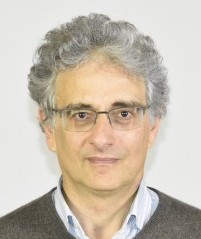 Jean Sulem合作论文数Navier-CERMES, Ecole des Ponts ParisTech26
 Philippe Lognonné合作论文数Institut de Physique du Globe de Paris, Université Paris Cité24
 Jean-Michel Pereira合作论文数NAVIER23
 Behrouz Gatmiri合作论文数Civil Engineering Department, University of Tehran22
 W. Bruce Banerdt合作论文数22
 M. Mohajerani合作论文数École des Ponts Paris Tech, Université Paris-Est21
 mohammad monfared合作论文数UR Lab Navier CERMES, Univ Paris Est18Nadia Mokni合作论文数17Emmanuel De Laure合作论文数ENPC-Cermes17
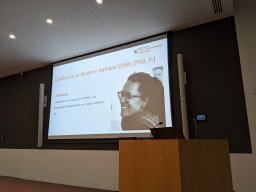 Nathalie Conil合作论文数Laboratoire de modélisation, matériaux et structures, université Pierre et Marie Curie17
 Siavash Ghabezloo合作论文数Laboratoire Navier, Ecole Nationale des Ponts et Chaussées17
 Michel Bornert合作论文数Laboratoire Navier, École des Ponts ParisTech16Frederic Bernier合作论文数15V. De Gennaro合作论文数14Brigitte Knapmeyer-Endrun合作论文数Univ Cologne, Bensberg Observ, Bergisch Gladbach, Germany13
 Philipp Braun合作论文数13
 Vincenzo De Gennaro合作论文数13
 Patrick Aimedieu合作论文数12
 Naomi Murdoch合作论文数Institut Superieur de l'Aeronautique et de l'Espace12
 Matthias Grott合作论文数12Kenneth Hurst合作论文数11
 Filip Stanic合作论文数Ecole Ponts ParisTech, HM&Co11
 Sharon Kedar合作论文数11
 Christian Schroeder合作论文数11
 Hamza Menaceur合作论文数MENARD Grp, Paris, France10
 Malik Belmokhtar合作论文数Ecole Des Ponts ParisTech10
 Agustin Molinero Guerra合作论文数10L. Fayon合作论文数10
 Tilman Spohn合作论文数Institut für Planetenforschung, DLR10
 Xiangling Li合作论文数Belgian Nuclear Research Center(SCK-CEN)10
 Nabil Sultan合作论文数Laboratoire Environnements Sédimentaires10
 Frederic Collin合作论文数FRS-FNRS – Fonds National de la Recherche Scientifique10
 Daniel Schertzer合作论文数Université Paris Est École des Ponts ParisTech, LEESU9Pierre-Antoine Versini合作论文数9
 Matthew P Golombek合作论文数9D. Marcial合作论文数9
 Nick Teanby合作论文数School of Earth Sciences, University of Bristol9
 Cedric Schmelzbach合作论文数Department of Geosciences, University of Potsdam9Nienke Brinkman合作论文数Institute of Geophysics, ETH Zürich8
 David Sollberger合作论文数Institute of Geophysics, ETH Zurich;david.sollberger@gmail.com;Institute of Geophysics, ETH Zurich8
 Tom Pike合作论文数Optical and Semiconductor Devices, Department of Electrical and Electronic Engineering, Faculty of Engineering, Imperial College London8
 Domenico Giardini合作论文数Institut für Geophysik, Eidgenossische Technische Hochschule Zurich;Department of Earth Sciences, Eidgenossische Technische Hochschule Zurich8Ioulia Tchiguirinskaia合作论文数8Robert Charlier合作论文数University of Liège Belgium8
 Johan Olof Anders Robertsson合作论文数ETH (Swiss Federal Institute of Technology) in Zuurich8v ansan合作论文数7
 Constantinos Charalambous合作论文数Imperial Coll London, Dept Elect & Elect Engn, London, England7




