Alexithymia is a trait characterized by compromised emotion processing. It represents a key risk factor for various psychopathologies, yet its underlying mechanisms remain unclear. According to the attention-appraisal model, one mechanism is experiential avoidance, a tendency to avoid aversive emotional experiences. To investigate this proposed relationship, participants (N = 444) completed questionnaires assessing alexithymia, experiential avoidance, and various psychopathology symptoms. Results showed a strong correlation between alexithymia and experiential avoidance (r = .55, p < .001), with experiential avoidance accounting for 25.4% of the variance in alexithymia. A latent profile analysis identified three distinct subgroups across participants: one with high alexithymia and high experiential avoidance, one with average levels in both, and one with low scores in both. We compared these profiles for their psychopathology levels, showing that the profile highest in both alexithymia and experiential avoidance had the highest symptoms of depression, anxiety, stress, posttraumatic stress disorder, and dissociation. These findings support the attention-appraisal model, suggesting that experiential avoidance may play an important role in alexithymia. When high alexithymia is present, people are generally also engaging in high levels of experiential avoidance. Addressing experiential avoidance may therefore be a useful target in interventions for alexithymia and associated emotional problems.
BACKGROUND:Dreaming during anaesthesia has been documented for over a century, yet it remains poorly understood. This scoping review synthesises evidence on the frequency, phenomenology, predictors, outcomes, and neural correlates of anaesthesia dreaming. METHODS:We systematically searched multiple databases for studies examining anaesthesia dreaming, including clinical trials, observational studies, and experimental investigations in adult and paediatric patients, as well as in healthy volunteers. RESULTS:We identified 157 studies (1921-2024) involving 87 866 participants. Dream recall varied widely, with higher rates in experimental settings (often 40%-80%) compared with large-scale clinical trials (typically 3%-8%), likely reflecting methodological differences. Ketamine (clinical: 0%-95%; experimental: 44%-100%) and propofol (clinical: 0%-64%; experimental: 0%-77%) were most consistently associated with recall. Dreams were predominantly pleasant, featuring everyday autobiographical content. Higher home dream recall frequency, preoperative suggestion or priming, and immediate post-emergence assessment were associated with higher recall. Evidence regarding clinical outcomes was limited, but unpleasant dreams were linked to lower willingness to undergo the same anaesthetic again. Dream recall was not associated with intraoperative awareness, challenging interpretations of dreams as markers of inadequate anaesthetic depth. Emerging neural evidence suggests that dreaming exhibits signatures distinct from unconsciousness and connected consciousness. CONCLUSIONS:Anaesthesia dreaming is common, predominantly positive, and pharmacologically specific. Major gaps in knowledge include inconsistent definitions, inadequate assessment methods, limited mechanistic understanding, sparse paediatric research, and minimal outcome data. Standardised approaches informed by consciousness science and sleep research are needed. The positive nature and suggestibility of anaesthesia dreams suggest potential therapeutic applications warranting investigation.
BACKGROUND:Dreaming during anesthesia is common and may have mental health benefits. However, systematic research on its incidence and outcomes in clinical settings remains limited. This study implemented a standardized propofol-based, electroencephalography (EEG)-guided emergence bundle to facilitate a preemergence state conducive to dreaming, integrating it into routine care to assess adherence, dream recall, patient experience, and safety. METHODS:In this prospective quality improvement feasibility study, 474 patients undergoing elective surgeries were anesthetized according to a five-element protocol: (1) preinduction verbal priming about dreaming; (2) propofol as emergence anesthetic; (3) EEG (SedLine, Masimo Corporation, USA) monitoring to guide emergence; (4) 10 min or longer of minimized stimulation before emergence; and (5) immediate postemergence interviews regarding dream recall, valence, and subjective sleep quality. In a subset of breast cancer patients (N = 106), preregistered analyses examined postanesthesia recovery unit outcomes. RESULTS:Of 452 patients interviewed, 69% reported dreaming. Among 57 patients with full adherence to all protocol elements, 93% reported dreaming. Most dreams were positive (86%), with no very negative dreams. Dreamers (mean ± SD, 9.16 ± 1.57) reported higher sleep quality than nondreamers (7.65 ± 2.86; P < 0.001). The protocol was safe, with no intraoperative awareness. Recovery times and analgesic and antiemetic use did not differ between groups. Feasibility was supported by high adherence to most elements (100% for verbal priming and propofol use, greater than or equal to 90% for EEG monitoring, and 95% for immediate interviews), although adherence to the no-stimulation emergence period was low (14%). CONCLUSIONS:This study demonstrates the feasibility of using a standardized anesthetic protocol in real-world clinical setting to facilitate anesthesia dreaming. With full adherence, dream recall rates approached experimental studies. The protocol was safe and linked to positive patient experiences, although dream recall was unrelated to postanesthesia care unit outcomes. These findings align with Enhanced Recovery After Surgery principles and provide a foundation for exploring potential therapeutic applications of anesthesia dreaming.
Abstract Sleep plays an important role in affective processing and affect regulation during wakefulness. Dreaming—the subjective experiences occurring during sleep—has been suggested to reflect, or even contribute to, waking affect regulation. However, the role of dream affect in waking affect regulation has rarely been studied directly. Here, we investigated how dream affect relates to waking affect reactivity and regulation at the between-person level. Over 7 days, 87 participants (18–70 years, M = 27.23, SD = 11.75; 76 females) kept dream journals and rated their dream affect and sleep quality each morning upon awakening. They then completed an affect reactivity and regulation task in the laboratory while their brain activity was measured using electroencephalography. Participants were shown negative and neutral pictures and instructed to either (1) look at the pictures and experience affect elicited by the pictures or (2) downregulate their affective responses. We analyzed subjective ratings of valence and arousal as well as the late positive potential (LPP), a well-validated index of affect reactivity and regulation. Multiple linear regression analyses showed that participants with higher average levels of dream fear and good sleep quality displayed stronger affect reactivity (indexed by larger LPP amplitudes) to negative pictures. No significant relationship emerged between dream affect and subjective ratings of affect reactivity or between dream affect and waking affect regulation. These results support, at the between-person level, continuity between dream affect and objective, neurophysiological affect reactivity in wakefulness but not continuity in subjective affective experiences.
Importance:Ketamine has well-known dissociative, analgesic, and antidepressant properties, but it is unknown whether the neurophysiologic effects that are associated with these properties can be modulated separately from one another. Considering that specific cortical oscillations have been associated with specific therapeutic effects, modulating selective aspects of ketamine neurophysiology could inform efforts to develop more targeted therapies. Objective:To determine whether the neurophysiologic signatures of ketamine are associated with removal of conscious awareness using general anesthesia (GA). Design, Setting, and Participants:This cohort study was a secondary analysis of participant-level data from 3 prospective studies conducted between 2017 and 2023. The primary analysis included data from 2 study cohorts (University of Michigan and Stanford University), and the supplementary analysis included data from a third cohort (University of Auckland). The study cohorts included healthy volunteers, patients undergoing elective surgery, and patients with a diagnosis of depression (all aged ≥18 years). Exposure:Participants received a subanesthetic infusion of ketamine (0.5 mg/kg body weight) over 40 minutes or placebo with or without GA. Main Outcomes and Measures:The primary outcome was change in electroencephalographic (EEG) band power during medication infusion. Changes were computed using nonparametric paired statistical text (Wilcoxon signed-rank test). Results:This study included 52 participants in the primary analysis (mean [SD] age, 43.4 [18.3] years; 34 females [65.4%]) and 27 additional participants in the supplementary analysis (mean [SD] age, 30.2 [8.2] years; 15 females [55.6%]). GA differentially altered EEG features commonly associated with ketamine in all 52 participants (100%) in the primary analysis. Compared with awake administration, ketamine administered during GA preserved its βγ power modulation (mean [SEM] increase from 6.3 [11.3] to 11.6 [2.2] dB for awake administration; increase from 8.5 [2.9] to 11.2 [3.8] dB for administration during GA) but lacked its characteristic θ augmentation (increase from 17.3 [10.5] to 22.9 [3.1] dB during awake administration; nonsignificant decrease from 29.0 [3.0] to 27.8 [3.5] dB for administration during GA). Conclusions and Relevance:In this cohort study, coadministration of ketamine with GA selectively modulated the θ but not the βγ neurophysiologic correlates of ketamine. These findings suggest a potential method to explore the role of these components in the behavioral effects of ketamine.
STUDY OBJECTIVES:Dreaming is theorized to regulate waking affect via fear extinction learning, similar to exposure therapy. We tested whether fear in dreams was associated with lower negative affect (NA) and higher positive affect (PA) on subsequent mornings and whether these effects were moderated by emotion regulation strategies or mixed dream emotion states. Additionally, we examined whether individuals with higher average dream fear showed more adaptive emotion regulation. METHODS:We employed a natural language processing tool and Bayesian multilevel modeling using online daily survey data in a community sample (n = 536; 85.6% women; Mage = 39.3 ± 17.3; days = 4715). RESULTS:Frightening dreams were associated with more negative affect the following morning (+7% NA, pd = 100%), which was amplified for individuals with more adaptive emotion regulation (+3% NA, pd = 98.69). Dreams concurrently high in fear and joy were related to 20% higher odds of zero NA the next morning (pd = 97.82%). Higher average dream joy was related to 9% higher morning PA (pd = 98.79%). Individuals with higher average dream fear showed greater adaptive emotion regulation (β = 0.18, pd = 99.93%). CONCLUSIONS:Findings supported affect continuity from dream to wake, yet affect regulation at the individual level. Frightening dreams were related to worse morning affect, with a more pronounced effect among high-regulation individuals. High-regulation individuals tended to experience more fearful dreams. Mixed dream emotions were related to mornings without NA, and dream joy was related to higher morning PA. Our findings suggest adaptive, though dynamic, effects of dream emotions on psychological functioning.
Psychedelic substances and meditation can elicit personally meaningful experiences that support well-being, yet their relative and combined contributions remain unclear. Meditation typically produces gradual improvements through sustained practice, whereas psychedelics may induce acute shifts. To examine these dynamics, we re-analysed data from two cross-sectional online surveys using multiple regression models. In Study 1 (N = 679), we assessed associations of cumulative psychedelic use and meditation practice with well-being, ill-being, and psychological flexibility. When examined separately, both practices were associated with greater well-being and flexibility. However, when considered jointly, the associations for psychedelics were reduced or became nonsignificant, whereas meditation remained consistently associated with the outcomes. Weak evidence also emerged for a potential synergy effect via an interaction between the two practices. In Study 2 (N = 137), we examined perceived well-being changes following a personally meaningful experience facilitated by psychedelics alone, meditation alone, or both combined. Participants in the combined and meditation groups reported significantly greater improvements compared with the psychedelic-only group, although all groups showed positive change on average. Together, these findings suggest that meditation may enhance the benefits of psychedelic experiences and that meditation practice can confound associations between psychedelic use and well-being. More broadly, they highlight the importance of considering both practices together when evaluating their contributions to mental health outcomes.
Magneto/electroencephalography (M/EEG) studies of dreaming are an essential paradigm in the investigation of neurocognitive processes of human consciousness during sleep, but they are limited by the number of observations that can be collected per study. Dream research also involves substantial methodological and conceptual variability, which poses problems for the integration of results. To address these issues, here we present the DREAM database—an expanding collection of standardized datasets on human sleep M/EEG combined with dream report data—with an initial release comprising 20 datasets, 505 participants, and 2643 awakenings. Each awakening consists, at minimum, of sleep M/EEG ( ≥ 20 s, ≥100 Hz, ≥2 electrodes) up to the time of waking and a standardized dream report classification of the subject’s experience during sleep. We observed that reports of conscious experiences can be predicted with objective features extracted from EEG recordings in both Rapid Eye Movement (REM) and non-REM (NREM) sleep. We also provide several examples of analyses, showcasing the database’s high potential in paving the way for new research questions at a scale beyond the capacity of any single research group.
Both psychedelic substances and meditation have been proposed to facilitate personally meaningful and transformative experiences, with insights playing a central role. However, previous research has mainly relied on questionnaires, limiting the range of insights that can be identified. In this study, we recruited participants who provided narrative reports of insights in personally meaningful psychedelic (n = 147) or meditation (n = 66) experiences. Psychedelic experiences were facilitated both by classic (e.g., LSD, psilocybin, DMT) as well as non-classic (e.g., MDMA, ketamine, cannabis) psychedelics. Qualitative analysis revealed three main insight themes: Mystical-type (subclasses Unity, Metaphysical, and Other), Psychological (subclasses Metacognitive, Value, and Compassion), and Philosophical-existential (subclasses Purpose, Value, and Other). Mystical-type insights were more frequent in reports of meditation experiences, while value insights were more common in psychedelic reports. Otherwise, the reported insights were highly similar across the two types of reports, and only minor differences were observed between classic and non-classic psychedelics. Regression analyses indicated that metacognitive and value insights were positively associated with perceived improvements in positive affect, while mystical-type insights predicted increased meaning in life. These findings suggest that both psychedelic substances and meditation can facilitate a broad range of insights that are not fully captured by existing questionnaires. The results highlight similarities between psychedelic and meditation experiences supporting the notion that transformative experiences are not exclusive to classic psychedelics but can be facilitated through various means.
The language people use in everyday life provides a window into the mind. Mind-wandering and dreams have been thought to reflect unique individual differences and mental health. Here we use a large dataset of mind-wandering (n=1619) and dream (n=1434) reports from 176 individuals in conjunction with graph theory applied to natural language. We find that dream reports have a more complex structure, while mind-wandering reports have fewer word repetitions and more verbose structure, with essential nodal points in the narrative flux. Dream reports tend to have more thematic repetitions, local cliques, and global integration. Capitalising on a repeated measures design, we found that the structure of dream and mind-wandering reports contains individual-specific information. Finally, we find that word centrality in dreams is predictive of depression symptoms. Thus, this approach is sensitive to individual differences, quantitatively differentiates two distinct contents of consciousness, and seems promising for cost-effective analyses of large naturalistically occurring qualitative datasets.
Back to table of contents Previous article Next article Letters to the EditorFull AccessReduction in Trauma-Related Symptoms After Anesthetic-Induced Intra-Operative DreamingLaura M. Hack, M.D., Ph.D., Pilleriin Sikka, Ph.D., Kelly Zhou, D.N.P., C.R.N.A., Makoto Kawai, M.D., Harrison S. Chow, M.D., Boris Heifets, M.D., Ph.D.Laura M. Hack, M.D., Ph.D., Pilleriin Sikka, Ph.D., Kelly Zhou, D.N.P., C.R.N.A., Makoto Kawai, M.D., Harrison S. Chow, M.D., Boris Heifets, M.D., Ph.D.Published Online:13 Mar 2024https://doi.org/10.1176/appi.ajp.20230698AboutSectionsPDF/EPUB ToolsAdd to favoritesDownload CitationsTrack Citations ShareShare onFacebookTwitterLinked InEmail To the editor: While dreaming during anesthesia is common (1), it is not known whether this phenomenon differs from normal dreaming or has post-surgical benefits. We present two cases of female patients who experienced rapid and sustained reduction of posttraumatic stress disorder (PTSD) symptoms immediately following anesthetic-based EEG-guided intraoperative dream induction. Both patients underwent surgeries and received propofol/opioid-based anesthetics. Upon finishing the surgery but before emergence, we maintained a pre-emergent anesthetic state characterized by specific frontal cortical activity for several minutes: reduced alpha power and enhanced beta power (2). Based on previous findings showing that dreaming during anesthesia is associated with more high-frequency frontal power before emergence (3) or as compared to connected consciousness (1), we believe this cortical activity reflects dreaming while being sedated. Patients were interviewed immediately upon emergence, and both reported having had vivid dreams.Both patients were identified as part of a quality-improvement program to enhance recovery after surgery, which includes informing patients of the possibility of dreaming without priming content, minimizing likelihood of emergence agitation through use of intravenous rather than inhalational anesthesia, minimal sensory input during gradual anesthetic emergence (4), and assessment for intraoperative awareness and dreaming immediately on emergence using a modified Brice Questionnaire (5). After identification, both patients provided informed consent for retrospective psychiatric diagnostic interviews. Patients were not identified preoperatively. Anesthetic adjustments, assessment, and diagnostic interviews adhere to established standards of care, received approval from the IRB, or fall under IRB exemption (IRB exempt protocols #54043, #59783, #65538, #67245; informed consent provided on IRB protocol #67399).Patient 1, a 57-year-old White female with no current alcohol, tobacco, or drug use and noncontributory medical history except invasive ductal carcinoma of the right breast, presented for a right breast lumpectomy and axillary lymph node biopsy. She was not taking psychiatric medications at the time of surgery. She endorsed one nightmare per week about her son, who had died by suicide in 2017. She recalled two "euphoric" intra-operative dreams: in one, she experienced her son's birth, originally traumatic, as deeply joyful; in a second, she spent time with her adult son and experienced cathartic relief. The Clinician-Administered PTSD Scale for DSM-5 (CAPS-5) indicated a diagnosis of PTSD pre-operatively. One-month post-surgery, she no longer met criteria for PTSD, and by 1 year, she had remitted. Self-report scales indicated improvement in depression, anxiety, and sleep (Figure 1). The patient reported that she has not had a nightmare "in over 18 months" and that her experience during surgery "saved her life."FIGURE 1. Retrospective symptom ratings after dreaming associated with anesthesiaaaDiagnostic interviews for PTSD were performed at 38 and 324 days (patient 1) and 25 days (patient 2) after the surgical encounter. From left to right, symptom scales for PTSD (Clinician-Administered PTSD Scale [CAPS-5], depression (Patient Health Questionnaire, eight items [PHQ-8]), Generalized Anxiety Disorder, seven items [GAD-7]), and sleep quality (Pittsburgh Sleep Quality Index [PSQI]). Retrospective ratings are indicated by open symbols, current ratings are indicated by closed symbols. Day of surgery indicated on x-axis, orange line. Remission threshold for each scale indicated on y-axis, dashed red line.Patient 2, a 72-year-old White female with no reported alcohol, tobacco, or drug use and noncontributory medical history except hyperparathyroidism, presented for parathyroidectomy. She was taking fluoxetine for anxiety and depression at the time of surgery. She reported occasional nightmares about her son in the month pre-surgery, who died in 2000 from alcohol poisoning during a college fraternity hazing. Intra-operatively, she dreamed about being with her late son and other family members and described the dream as "very positive." CAPS-5 assessment indicated that she met criteria for PTSD in the month pre-surgery but not in the month post-surgery, and self-report scales for anxiety and depression showed improvement (Figure 1). She denied nightmares in the month post-surgery.Anesthetic-induced prolonged dream states may serve as an emotion regulation function. Patients experiencing fear memory elements (i.e., dreaming about their sons) on a background of anesthetic-induced low arousal may have contributed to fear extinction (6). We recently presented a case of resolution of acute stress disorder (2) after anesthetic-induced intra-operative dreaming. These collected cases suggest that anesthetic-induced intra-operative dreaming may be therapeutic in both recent onset and long-standing trauma disorders and have a rapid and durable effect. This preliminary evidence justifies an open-label study of deliberate induction of dreaming with anesthesia in PTSD.Department of Psychiatry and Behavioral Sciences, Stanford University School of Medicine, Stanford, Calif. (Hack, Kawai, Heifets); Sierra Pacific Mental Illness Research, Education, and Clinical Center (MIRECC), VA Palo Alto Health Care System, Palo Alto, Calif. (Hack, Kawai); Department of Psychology, Stanford University, Stanford, Calif. (Sikka); Department of Psychology, University of Turku, Turku, Finland (Sikka); Department of Cognitive Neuroscience and Philosophy, University of Skövde, Skövde, Sweden (Sikka); Department of Anesthesiology, Perioperative and Pain Medicine, Stanford University School of Medicine, Stanford, Calif. (Sikka, Zhou, Chow, Heifets).Send correspondence to Dr. Heifets ([email protected]).Dr. Hack and Dr. Sikka are equal first authors.Dr. Chow and Dr. Heifets are equal senior authors.The authors report no financial relationships with commercial interests.References1. Casey CP, Tanabe S, Farahbakhsh Z, et al.: Distinct EEG signatures differentiate unconsciousness and disconnection during anaesthesia and sleep. Br J Anaesth 2022; 128:1006–1018Crossref, Medline, Google Scholar2. Chow HS, Hack LM, Kawai M, et al.: Anesthetic-induced intraoperative dream associated with remission of a psychiatric disorder: a case report. A A Pract 2022; 16:e01613Medline, Google Scholar3. Leslie K, Sleigh J, Paech MJ, et al.: Dreaming and electroencephalographic changes during anesthesia maintained with propofol or desflurane. Anesthesiology 2009; 111:547–555Crossref, Medline, Google Scholar4. Tolly B, Waly A, Peterson G, et al.: Adult emergence agitation: a veteran-focused narrative review. Anesth Analg 2021; 132:353–364Crossref, Medline, Google Scholar5. Brice DD, Hetherington RR, Utting JE: A simple study of awareness and dreaming during anaesthesia. Br J Anaesth 1970; 42:535–542Crossref, Medline, Google Scholar6. Levin R, Nielsen TA: Disturbed dreaming, posttraumatic stress disorder, and affect distress: a review and neurocognitive model. Psychol Bull. 2007; 133:482–528Crossref, Medline, Google Scholar FiguresReferencesCited byDetailsCited byNone Metrics KeywordsPosttraumatic Stress Disorder (PTSD)PsychopharmacologyPDF download History Received 5 September 2023 Revised 12 December 2023 Accepted 3 January 2024 Published online 13 March 2024
Do the words we use reveal how we feel? While much research has explored language use in social media, little is known about how the content of spontaneous thoughts and experiences—daytime mind-wandering and nighttime dreaming—reflects well-being and ill-being. Here, we analyzed 1496 mind-wandering reports (N = 152) and 1781 dream reports (N = 172) using the Linguistic Inquiry and Word Count. Participants also self-reported their well-being and ill-being. Linear mixed-effects models showed that ill-being (negative affect, anxiety and depression symptoms) was associated with negative tone and negative emotion words (including anxiety, anger, sadness words) in mind-wandering reports. Ill-being (specifically, negative affect) was also associated with greater use of anxiety words in dream reports. However, no associations were found between measures of well-being and emotional language use in either mind-wandering or dream reports. These findings indicate that the way people describe their feelings in reports of different conscious states reflects aspects of their mental health and may contribute to future diagnostic tools in psychology and psychiatry.
Increased psychological flexibility (PF) may underlie the lasting positive effects of psychedelic experiences on mental well-being. The associations between different components of PF, psychological inflexibility (PI), and well-being with psychedelic use are not well understood. We conducted a cross-sectional internet survey of participants (N = 629) with experience of classical psychedelics. Using network analysis, we examined how aspects of a single psychedelic experience (mystical-type features and psychological insights) and the frequency of past psychedelic use, were associated with current PF and PI components, as well as with mental well-being and ill-being. Mediation analyses explored whether PF mediated the relationship between past psychedelic use and well-being or ill-being. The network analysis linked psychological insight to the PF component Acceptance, with no association found between the frequency of past use and PF. Mediation analyses showed PF mediates the association between past psychedelic use and well-being and ill-being. These results suggest that the quality and depth of the psychedelic experience, rather than the frequency of use, are primarily linked to psychological flexibility, particularly Acceptance, and overall well-being. This underscores the importance of treating PF as a multidimensional construct to better understand the long-term mental health benefits of psychedelics.
Impairments in sleep and affect regulation are evident across a wide range of mental disorders. Understanding the sleep factors that relate to affect regulatory difficulties will inform mechanistic understanding and aid in treatment. Despite rising interest, some research challenges in this area include integrating across different clinical and non-clinical literatures investigating the role of sleep architecture (measured with polysomnography) and experimentally manipulated sleep, as well as integrating more explicit versus implicit affect regulation processes. In this comprehensive review, we use a unifying framework to examine sleep’s relationship with implicit-automatic regulation and explicit-controlled regulation, both of which are relevant to mental health (e.g., PTSD and depression). Many studies of implicit-automatic regulation (e.g., fear extinction and safety learning) demonstrate the importance of sleep, and REM sleep specifically. Studies of explicit-controlled regulation (e.g., cognitive reappraisal and expressive suppression) are less consistent in their findings, with results differing depending on the type of affect regulation and/or way that sleep was measured or manipulated. There is a clear relationship between objective sleep and affect regulation processes. However, there is a need for 1) more studies focusing on sleep and explicit-controlled affect regulation; 2) replication with the same types of regulation strategies; 3) more studies experimentally manipulating sleep to examine its impact on affect regulation and vice versa in order to infer cause and effect; and 4) more studies looking at sleep’s impact on next-day affect regulation (not just overnight change in affect reactivity).
Large language model (LLM) chatbots are susceptible to biases and hallucinations, but current evaluations of mental wellness technologies lack comprehensive case studies to evaluate their practical applications. Here, we address this gap by introducing the MHealth-EVAL framework, a new role-play based interactive evaluation method designed specifically for evaluating the appropriateness, trustworthiness, and safety of mental wellness chatbots. We also introduce Psyfy, a new chatbot leveraging LLMs to facilitate transdiagnostic Cognitive Behavioral Therapy (CBT). We demonstrate the MHealth-EVAL framework's utility through a comparative study of two versions of Psyfy against standard baseline chatbots. Our results showed that Psyfy chatbots outperformed the baseline chatbots in delivering appropriate responses, engaging users, and avoiding untrustworthy responses. However, both Psyfy and the baseline chatbots exhibited some limitations, such as providing predominantly US-centric resources. While Psyfy chatbots were able to identify most unsafe situations and avoid giving unsafe responses, they sometimes struggled to recognize subtle harmful intentions when prompted in role play scenarios. Our study demonstrates a practical application of the MHealth-EVAL framework and showcases Psyfy's utility in harnessing LLMs to enhance user engagement and provide flexible and appropriate responses aligned with an evidence-based CBT approach.
BackgroundAlexithymia is an important transdiagnostic risk factor for emotion-based psychopathologies. However, it remains unclear whether alexithymia questionnaires actually measure alexithymia, or whether they measure emotional distress. Our aim here was to address this discriminant validity concern via exploratory factor analysis (EFA) of the 20-item Toronto Alexithymia Scale (TAS-20) and the Perth Alexithymia Questionnaire (PAQ).MethodUnited States general community adults (N = 508) completed the TAS-20, PAQ, and the Depression Anxiety Stress Scales-21 (DASS-21). EFA was used to examine the latent dimensions underlying these measures' scores.ResultsOur EFA extracted two higher-order factors, an “alexithymia” factor and a “general distress” factor (i.e., depression, anxiety, stress). All PAQ scores loaded cleanly on the alexithymia factor, with no cross-loadings on the distress factor. However, for the TAS-20, Difficulty Identifying Feelings (DIF) facet scores cross-loaded highly on the distress factor.LimitationsOur sample consisted of general community adults; future work in clinical settings will be useful.ConclusionsOur data indicate that the PAQ has good discriminant validity. However, the TAS-20 appears to have significant discriminant validity problems, in that much of the variance in its DIF facet reflects people's current levels of distress, rather than alexithymia. The TAS-20, which has traditionally been the most widely used alexithymia questionnaire, may therefore not be the optimal alexithymia tool. Our findings add to the body of evidence supporting the validity and utility of the PAQ and suggest that, moving forward, it is a superior option to the TAS-20 for alexithymia assessments.
Despite a surge of studies on the effects of COVID-19 on our well-being, we know little about how the pandemic is reflected in people’s spontaneous thoughts and experiences, such as mind-wandering (or daydreaming) during wakefulness and dreaming during sleep. We investigated whether and how COVID-19 related general concern, anxiety, and daily worry are associated with the daily fluctuation of the affective quality of mind-wandering and dreaming, and to what extent these associations can be explained by poor sleep quality. We used ecological momentary assessment by asking participants to rate the affect they experienced during mind-wandering and dreaming in daily logs over a two-week period. Our preregistered analyses based on 1755 dream logs from 172 individuals and 1496 mind-wandering logs from 152 individuals showed that, on days when people reported higher levels of negative affect and lower levels of positive affect during mind-wandering, they experienced more worry. Only daily sleep quality was associated with affect experienced during dreaming at the within-person level: on nights with poorer sleep quality people reported experiencing more negative and less positive affect in dreams and were more likely to experience nightmares. However, at the between-person level, individuals who experienced more daily COVID-19 worry during the study period also reported experiencing more negative affect during mind-wandering and during dreaming. As such, the continuity between daily and nightly experiences seems to rely more on stable trait-like individual differences in affective processing.
Background: Alexithymia is a multidimensional trait comprised of difficulties identifying feelings, difficulties describing feelings, and externally orientated thinking. It is regarded as an important risk factor for emotional disorders, but there are presently limited data on each specific facet of alexithymia, or the extent to which deficits in processing negative emotions, positive emotions, or both, are important. In this study, we address these gaps by using the Perth Alexithymia Questionnaire (PAQ) to comprehensively examine the relationships between alexithymia and depression, anxiety, and stress symptoms. Methods: University students (N N = 1250) completed the PAQ and the Depression Anxiety Stress Scales-21. Pearson correlations, hierarchical regressions, and latent profile analysis were conducted. Results: All facets of alexithymia, across both valence domains, were significantly correlated with depression, anxiety, and stress symptoms (r r = 0.27-0.40). Regression analyses indicated that the alexithymia facets, together, could account for a significant 14.6 %-16.4 % of the variance in depression, anxiety, and stress. Difficulties identifying negative feelings and difficulties identifying positive feelings were the strongest unique predictors across all symptom categories. Our latent profile analysis extracted eight profiles, comprising different combinations of alexithymia facets and psychopathology symptoms, collectively highlighting the transdiagnostic relevance of alexithymia facets. Limitations: Our study involved a student sample, and further work in clinical samples will be beneficial. Conclusions: Our data indicate that all facets of alexithymia, across both valence domains, are relevant for understanding depression, anxiety, and stress. These findings demonstrate the value of facet-level and valence- specific alexithymia assessments, informing more comprehensive understanding and more targeted treatments of emotional disorder symptoms.
BACKGROUND:Alexithymia is a trait characterized by difficulties identifying feelings, difficulties describing feelings, and externally orientated thinking. It is widely regarded as an important transdiagnostic risk factor for a range of psychopathologies, including depressive and anxiety disorders. Whilst several well-validated psychometric measures of alexithymia exist, these are relatively lengthy, thus limiting their utility in time-pressured settings. In this paper, we address this gap by introducing and validating a brief 6-item version of the Perth Alexithymia Questionnaire, called the Perth Alexithymia Questionnaire-Short Form (PAQ-S). METHOD:Across two studies with adult samples (Study 1 N = 508 United States community; Study 2 = 378 Australian college students), we examined the psychometric properties of the PAQ-S in terms of its factor structure, reliability, and concurrent/criterion validity. RESULTS:In exploratory and confirmatory factor analyses, all PAQ-S items loaded well on a single general alexithymia factor. The PAQ-S total score had high reliability, and correlated as expected with the long-form of the PAQ, as well as other established markers of alexithymia, emotion regulation, and affective disorder symptoms. LIMITATIONS:Our samples were general community or college student samples from two Western countries; future validation work in clinical samples and more diverse cultural groups is thus needed. CONCLUSIONS:The PAQ-S retains the psychometric strengths of the PAQ. As such, the PAQ-S can be used as a quick, robust measure of overall alexithymia levels. The introduction of the PAQ-S hence enables valid assessments of alexithymia in a more diverse range of settings and research designs.
 Antti Revonsuo合作论文数School of Bioscience, University of Skovde;University of Turku18
 Katja Valli合作论文数School of Humanities and Informatics, University of Skövde13
 Jarno Tuominen合作论文数Univ Turku10
 Noreika Valdas合作论文数Univ Cambridge9
 James Gross合作论文数Psychophysiology Laboratory, Department of Psychology, Stanford University9
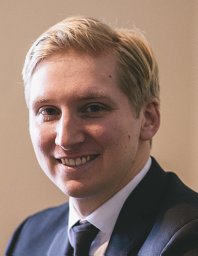 David Preece合作论文数Curtin University8
 Kate Petrova合作论文数Department of Psychology, Stanford University4Ashish Mehta合作论文数Department of Psychology, Stanford University4
 Jennifer Windt合作论文数School of Philosophical, Historical and International Studies, Faculty of Arts, Monash University4
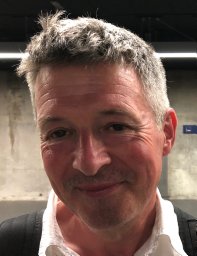 Mark Blagrove合作论文数Department of Psychology, Swansea University4
 Makoto Kawai合作论文数Department of Psychiatry and Behavioral Sciences, School of Medicine, Stanford University3
 Boris Heifets合作论文数Department of Anesthesiology, Perioperative and Pain Medicine, School of Medicine, Stanford University3
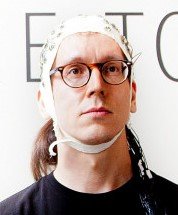 Jussi Jylkka合作论文数Dept Psychol, Abo Akad Univ3
 Pavol Kacmar合作论文数Jozef Safarik University in Kosice3
 Jozef Bavolar合作论文数Jozef Safarik University in Kosice3
 Andreas Lieberoth合作论文数Universities of Copenhagen and Southern Denmark3Yao-Yuan Yeh合作论文数2
 Charles Kuan-Sheng Wu合作论文数2Yookyung Lee合作论文数2
 Francesca Siclari合作论文数2Salomé Mamede合作论文数2
 Dmitrii Dubrov合作论文数2
 İlknur Dilekler合作论文数Dept Psychol, TOBB Univ Econ & Technol2
 Eda Ermagan-Caglar合作论文数Dept Psychol, Beykoz Univ2
 Arooj Najmussaqib合作论文数2
 Martin Pirko合作论文数2
 D. Bergamo合作论文数IMT School for Advanced Studies Lucca2
 Manuela Kirberg合作论文数2
 Tiago Marot合作论文数Pontificia Univ Catolica Rio de Jaineiro2
 Arian Musliu合作论文数2
 Fang-Yu Chen合作论文数2
 Anna Studzinska合作论文数Humanities Department, Icam Toulouse2
 Benjamin Baird合作论文数Department of Psychology, College of Liberal Arts, University of Texas at Austin2
 Angelique Blackburn合作论文数Texas A&M Int Univ2
 Alma Jeftić合作论文数Peace Res Inst, Int Christian Univ2
 André S Nilsen合作论文数Brain Signalling Lab, Univ Oslo2
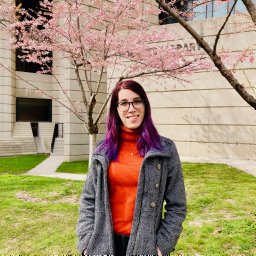 Rebekah Gelpi合作论文数Dept Psychol, Univ Toronto2
 Karolina Koszałkowska合作论文数Inst Psychol, Univ Lodz2Barbora Hubená合作论文数2Giulia Avvenuti合作论文数IMT School for Advanced Studies2
 Brendan Chng合作论文数University of Malaya2Thao P. Tran合作论文数2
 Oli Ahmed合作论文数Dept Psychol, Univ Chittagong2
 David Lacko合作论文数Masaryk Univ2
 John Jamir Benzon R. Aruta合作论文数De La Salle University2
 Marta Kowal合作论文数Institute of Psychology, University of Wroclaw2
 Nikolay R. Rachev合作论文数Department of General, Experimental, Developmental, and Health Psychology, Sofia University St. Kliment Ohridski2
 Samuel Lins合作论文数Fac Psychol & Educ Sci, Univ Porto2
 Remington Mallett合作论文数Dept Psychol, Northwestern Univ2




