This paper introduces the task of analytical question answering over large, semi-structured document collections. We present MuDABench, a benchmark for multi-document analytical QA, where questions require extracting and synthesizing information across numerous documents to perform quantitative analysis. Unlike existing multi-document QA benchmarks that typically require information from only a few documents with limited cross-document reasoning, MuDABench demands extensive inter-document analysis and aggregation. Constructed via distant supervision by leveraging document-level metadata and annotated financial databases, MuDABench comprises over 80,000 pages and 332 analytical QA instances. We also propose an evaluation protocol that measures final answer accuracy and uses intermediate-fact coverage as an auxiliary diagnostic signal for the reasoning process. Experiments reveal that standard RAG systems, which treat all documents as a flat retrieval pool, perform poorly. To address these limitations, we propose a multi-agent workflow that orchestrates planning, extraction, and code generation modules. While this approach substantially improves both process and outcome metrics, a significant gap remains compared to human expert performance. Our analysis identifies two primary bottlenecks: single-document information extraction accuracy and insufficient domain-specific knowledge in current systems. MuDABench is available at https://github.com/Zhanli-Li/MuDABench.
With the rapid progress of tool-using and agentic large language models (LLMs), Retrieval-Augmented Generation (RAG) is evolving from one-shot, passive retrieval into multi-turn, decision-driven evidence acquisition. Despite strong results in open-domain settings, existing agentic search frameworks commonly treat long documents as flat collections of chunks, underutilizing document-native priors such as hierarchical organization and sequential discourse structure. We introduce DeepRead, a structure-aware, multi-turn document reasoning agent that explicitly operationalizes these priors for long-document question answering. DeepRead leverages LLM-based OCR model to convert PDFs into structured Markdown that preserves headings and paragraph boundaries. It then indexes documents at the paragraph level and assigns each paragraph a coordinate-style metadata key encoding its section identity and in-section order. Building on this representation, DeepRead equips the LLM with two complementary tools: a Retrieve tool that localizes relevant paragraphs while exposing their structural coordinates (with lightweight scanning context), and a ReadSection tool that enables contiguous, order-preserving reading within a specified section and paragraph range. Our experiments demonstrate that DeepRead achieves significant improvements over Search-o1-style agentic search in document question answering. The synergistic effect between retrieval and reading tools is also validated. Our fine-grained behavioral analysis reveals a reading and reasoning paradigm resembling human-like “locate then read” behavior.
The trading volume of China's secondary bond market reached CNY 2,735.44 trillion in 2024. The majority of transactions were conducted through the over-the-counter (OTC) market. In this market, brokers, buyers, and sellers send request-for-quote (RFQ) messages via group or private chats, generating an RFQ pool containing tens of thousands of requests. Brokers search through this pool to match suitable counterparties and facilitate transactions between them. The faster they match, the more trading opportunities and profits they can obtain. However, as RFQs are unstructured text messages, manual matching is time-consuming. Therefore, we built a system to accelerate this process. The core task of this system is to automatically parse RFQs into structured data, which faces two key challenges: highly domain-specific jargon in RFQs and the rapid evolution of jargon patterns. To address these challenges, we propose an RFQ parsing method based on fine-tuned large language models (LLMs). It consists of three sequential components: (1) Message Chunking, which decomposes an RFQ message into shorter items; (2) Few-shot Retrieval, which retrieves similar historical RFQs; and (3) Record Extraction, which generates structured RFQ records leveraging retrieved demonstrations. Compared with baseline methods, this approach delivers significant performance gains and exhibits superior adaptability to novel expressions. Building on this methodology, we developed Chat2Trade, a trading assistance system that parses RFQs and supports rapid filtering and querying. Chat2Trade transforms the brokers' traditional workflow from actively searching for relevant RFQs into a passive, real-time, push-based paradigm. The system has been deployed at China Securities, one of the largest securities firms in China, for nearly one year. It improves brokers' average trading volume by 3.67 times compared to traditional manual methods.
Discovering possible candidate elements and capturing their connections to form the output triplets constitute the core challenge of aspect sentiment triplet extraction (ASTE). However, the information encapsulated by prevailing methods within a solitary sentence may often prove insufficient, particularly in complex scenarios characterized by uncommon aspect, opinion terms or intricate syntax patterns. To mitigate these limitations, we advocate incorporating inter-sentence information retrieval to enrich intra-sentence representations within ASTE. One existing study has proposed a method dubbed Retrieval-Based Aspect Sentiment Triplet Extraction via Label Interpolation (RLI), which retrieves triplets from the corpus to augment the representations of a candidate aspect-opinion pair and further improve sentiment prediction. Nevertheless, obtaining data with standard triplets might be challenging in practice. Therefore, we propose an approach, namely Multi-Task ASTE with the Corpus-Enhanced Graph (MACG), to conduct sentence-level retrieval and extract helpful information from unlabeled similar sentences. Specifically, we design a corpus-level enhanced graph to capture inter-sentence information, alongside a local graph preserving intra-sentence information. A graph neural network is subsequently employed to adaptively learn enhanced representations of the target sentence for ASTE. RLI and MACG collaboratively form a comprehensive methodological framework, which is effective in both scenarios with and without standard triplet labels. Extensive experiments on two benchmarks demonstrate the superiority and flexibility of retrieving inter-sentence information, which underscores their potential to advance ASTE by leveraging neighboring information.
In multi-page documents, a table may span more than one page, known as a cross-page table. Since many downstream tasks rely on the structural integrity of such tables, their reconstruction has become a critical subtask in multi-page document parsing. However, existing multi-page document parsing methods either ignore cross-page table reconstruction entirely or implement it via heuristic rules, leading to erroneous fragmentation or poor generalization. In particular, real-world cross-page tables often exhibit challenging patterns—such as vertical splitting, header repetition, cross-page cells, and dimension mismatch—which rule-based methods struggle to resolve robustly. To overcome these limitations, we propose TabStitcher, an LLM-based, two-stage framework for cross-page table reconstruction that can be seamlessly integrated with existing single-page parsers. It first identifies table fragments across consecutive pages and then merges them into a coherent, unified table structure. Furthermore, to address the scarcity of costly manually annotated data for training, we propose a data synthesis framework that can generate large-scale cross-page table instances with challenging patterns, enabling the model to learn to handle such cases effectively. Experiments on real-world benchmarks demonstrate TabStitcher’s effectiveness in both detection (98.3 F1-score) and merging tasks (96.6 TEDS). Besides, its integration with diverse off-the-shelf single-page parsers yields substantial improvements (at least 11.9 CPTEDS higher than the best baseline) in end-to-end cross-page table reconstruction. To the best of our knowledge, this work presents the first systematic study of cross-page table reconstruction in multi-page document parsing and offers a practical solution to this challenging task.
Quantitative facts are constantly produced in the operations of companies and governments, supporting data-driven decision-making. While common facts are structured, many long-tail quantitative facts remain hidden in unstructured documents, making them difficult to access. We propose the task of Quantity Retrieval—given a description of a quantitative fact, the system returns the relevant value and supporting evidence. Understanding quantity semantics in context is key to solving this task. We introduce a framework based on description parsing, which converts text into structured (description, quantity) pairs and enables effective retrieval. To improve learning, we construct a large paraphrase dataset using weak supervision based on quantity co-occurrence. We demonstrate our approach using a large corpus of financial annual reports and a newly annotated quantity description dataset. Experiments show our framework significantly improves top-1 retrieval accuracy.
Ensembles of generative large language models (LLMs) are a promising way to compensate for individual model limitations, integrating the strengths of different LLMs. Existing LLM ensemble methods, however, face limitations such as first-token delay and challenges in long-range semantic collaboration between models, Moreover, they typically assume equal voting weights for all models during ensemble, ignoring performance differences between models for a given task. In this work, we propose SpecEM, a training-free, plug-and-play LLM ensemble framework that dynamically adjusts each model's model contribution in real time based on task performance. Inspired by speculative decoding, SpecFuse iteratively performs drafting and verification, allowing models to collaborate semantically at the segment level for integrated output. Furthermore, we introduce an online feedback mechanism with multiplicative weight updates, where each model's voting weight is adjusted on-the-fly according to how often it "outperforms" others during verification stage, ensuring that stronger models exert greater influence on the ensemble during generation. Experimental results on five popular LLMs (ranging from 7B to 72B parameters) and six benchmark tasks, spanning instruction following, reasoning, commonsense, and general instruction response, demonstrate consistent performance improvements compared to state-of-the-art LLM ensemble methods.
Recommendation systems are effective tools for information filtering and discovery. These systems are widely applied across various consumer sectors and hold significant potential for applications in professional domains to enhance work efficiency. However, supporting decision-making in professional contexts requires not only providing recommendation results but also offering explanations to persuade users to adopt the suggestions. Taking the task in the primary bond market as an example, where sales staff seek potential investors for bonds, this paper presents the development and deployment of a recommendation system designed for a professional setting. The system provides a set of key features as explanations for its recommendations. In this process, we observe that current explanation methods may select redundant and spurious features, which can undermine the persuasive impact of the explanations. To address this issue, we propose a method named ConciseExplain, which leverages a mask training strategy and gradient descent to directly identify a concise set of features. We conduct experiments on real-world and synthetic datasets. Our method achieves relative improvements of 6.1% and 12.4% over the best-performing baseline on redundant and spurious metrics, respectively. Our method also outperforms the baseline method in online manual evaluations. Moreover, during the one-year official deployment of our system at China Securities Co., Ltd. (a leading brokerage firm in China), we observed a continuous improvement in the accuracy of the recommendation system. This suggests that, with concise explanations, a positive feedback loop might be established between recommendation outcomes and investment decisions.
Image tagging, which assigns multiple tags to an image, is a crucial method for searching and managing large collections of images. Traditional image tagging tasks primarily focus on natural scene images. However, in recent years, with the development of digital art and AI image generation, the number of images dominated by virtual content has rapidly increased. These virtual content images often have new themes that emerge dynamically, while existing tagging methods rely on accessible tag sets for classification or matching and cannot discover new, unknown emerging tags. To address this issue, this paper proposes the dynamic image tagging task and introduces a generative tagging method based on Multi-Modal Large Language Models (MLLM). This method transforms image tagging from a classification or matching problem into a generation problem, utilizing MLLMs to extract topic keywords from images and then linking them to existing tags or identifying them as new emerging tags. This method can dynamically update and expand the tag set, effectively identifying emerging tags. To validate the effectiveness of the proposed method, we constructed a multi-modal virtual content tagging dataset. Experimental results demonstrate that the method presented in this paper can effectively discover emerging tags.
To assist humans in efficiently validating RAG-generated content, developing a fine-grained attribution mechanism that provides supporting evidence from retrieved documents for every answer span is essential. Existing fine-grained attribution methods rely on model-internal similarity metrics between responses and documents, such as saliency scores and hidden state similarity. However, these approaches suffer from either high computational complexity or coarse-grained representations. Additionally, a common problem shared by the previous works is their reliance on decoder-only Transformers, limiting their ability to incorporate contextual information after the target span. To address the above problems, we propose two techniques applicable to all model-internals-based methods. First, we aggregate token-wise evidence through set union operations, preserving the granularity of representations. Second, we enhance the attributor by integrating dependency parsing to enrich the semantic completeness of target spans. For practical implementation, our approach employs attention weights as the similarity metric. Experimental results demonstrate that the proposed method consistently outperforms all prior works.
Large Language Models (LLMs) have demonstrated remarkable reasoning capabilities under the widely adopted SFT+RLVR paradigm, which first performs Supervised Fine-Tuning (SFT) on human-annotated reasoning trajectories (rationales) to establish initial reasoning behaviors, then applies Reinforcement Learning with Verifiable Rewards (RLVR) to optimize the model using verifiable signals without golden rationales. However, annotating high-quality rationales for the SFT stage remains prohibitively expensive. This paper investigates when and how rationale annotation costs can be substantially reduced without compromising reasoning performance. We identify a broad class of problems, termed patterned reasoning tasks, where reasoning follows a fixed, procedural strategy consistent across instances. Although instances vary in content such as domain knowledge, factual information, or numeric values, the solution derives from applying a shared reasoning pattern. We argue that the success of SFT+RLVR on such tasks primarily stems from its ability to enable models to internalize these reasoning patterns. Using numerical semantic matching as a representative task, we provide both causal and behavioral evidence showing that reasoning patterns rather than the quantity or quality of rationales are the key determinant of performance. Building on these insights, we propose Pattern-Aware LLMs as Rationale AnnOtators (PARO), a simple yet effective framework that enables LLMs to generate rationales aligned with task-specific reasoning patterns without requiring human rationale annotations. Experiments show that PARO-generated rationales achieve comparable SFT+RLVR performance to human rationales that are 10 times larger. These results suggest that large-scale human rationale annotations can be replaced with LLM-based automatic annotations requiring only limited human supervision over reasoning patterns.
A Retrieval-Augmented Generation (RAG)-based question-answering (QA) system enhances a large language model's knowledge by retrieving relevant documents based on user queries. Discrepancies between user queries and document phrasings often necessitate query rewriting. However, in specialized domains, the rewriter model may struggle due to limited domain-specific knowledge. To resolve this, we propose the R&R (Read the doc before Rewriting) rewriter, which involves continual pre-training on professional documents, akin to how students prepare for open-book exams by reviewing textbooks. Additionally, it can be combined with supervised fine-tuning for improved results. Experiments on multiple datasets demonstrate that R&R excels in professional QA across multiple domains, effectively bridging the query-document gap, while maintaining good performance in general scenarios, thus advancing the application of RAG-based QA systems in specialized fields.
Detecting AI-involved text is essential for combating misinformation, plagiarism, and academic misconduct. However, AI text generation includes diverse collaborative processes (AI-written text edited by humans, human-written text edited by AI, and AI-generated text refined by other AI), where various or even new LLMs could be involved. Texts generated through these varied processes exhibit complex characteristics, presenting significant challenges for detection. Current methods model these processes rather crudely, primarily employing binary classification (purely human vs. AI-involved) or multi-classification (treating human-AI collaboration as a new class). We observe that representations of texts generated through different processes exhibit inherent clustering relationships. Therefore, we propose DETree, a novel approach that models the relationships among different processes as a Hierarchical Affinity Tree structure, and introduces a specialized loss function that aligns text representations with this tree. To facilitate this learning, we developed RealBench, a comprehensive benchmark dataset that automatically incorporates a wide spectrum of hybrid texts produced through various human-AI collaboration processes. Our method improves performance in hybrid text detection tasks and significantly enhances robustness and generalization in out-of-distribution scenarios, particularly in few-shot learning conditions, further demonstrating the promise of training-based approaches in OOD settings. Our code and dataset are available at https://github.com/heyongxin233/DETree.
Numerical consistency across tables in disclosure documents is critical for ensuring accuracy, maintaining credibility, and avoiding reputational and economic risks. Automated tabular numerical cross-checking presents two significant challenges: (C1) managing the combinatorial explosion of candidate instances at the document level and (C2) comprehending multi-faceted numerical semantics. Previous research typically depends on heuristic-based filtering or simplified context extraction, often struggling to balance performance and efficiency. Recently, large language models (LLMs) have demonstrated remarkable contextual understanding capabilities that helps address C2 at the instance level, yet they remain hampered by computational inefficiency (C1) and limited domain expertise. This paper introduces CoFiTCheck, a novel LLM-based coarse-to-fine framework that addresses these challenges through two sequential stages: embedding-based filtering and discriminative classification. The embedding-based filtering stage introduces an instructional parallel encoding method to efficiently represent all numerical mentions in a table with LLMs, as well as a decoupled InfoNCE objective to mitigate the isolated mention problem. The discriminative classification stage employs a specialized LLM for fine-grained analysis of the remaining candidate pairs. This stage is further enhanced by our crosstable numerical alignment pretraining paradigm, which leverages weak supervision from cross-table numerical equality relationships to enrich task-specific priors without requiring manual annotation. Comprehensive evaluation across three types of real-world disclosure documents demonstrates that CoFiTCheck significantly outperforms previous methods while maintaining practical efficiency.
Questioning is an effective method of extracting information from documents. While Large Language Models excel at answering user queries in document question-answering systems, users often struggle to formulate effective questions when encountering unfamiliar documents. Fortunately, expert-formulated questions embodying professional knowledge can be transferred to new documents to assist ordinary users. Therefore, we propose a question recommendation approach that transfers expert questions on historical documents to new ones, enabling users to "stand on the shoulders of giants" for enhanced document comprehension. Our approach comprises two modules: 1) A "question reusability classification" module identifies domain-general questions applicable across similar documents; 2) A "document-bridged question ranking" module selects semantically appropriate questions for new documents. Experiments on our self-constructed expert question dataset demonstrate that both components significantly impact recommendation accuracy, and performance improves as historical data volume increases.
Ensuring that Large Language Models (LLMs) generate summaries faithful to a given source document is essential for real-world applications. While prior research has explored LLM faithfulness, existing benchmarks suffer from annotation ambiguity, primarily due to the ill-defined boundary of permissible external knowledge in generated outputs. For instance, common sense is often incorporated into responses and labeled as "faithful", yet the acceptable extent of such knowledge remains unspecified, leading to inconsistent annotations. To address this issue, we propose a novel faithfulness annotation framework, which introduces an intermediate category, Out-Dependent, to classify cases where external knowledge is required for verification. Using this framework, we construct VeriGray (Verification with the Gray Zone) – a new unfaithfulness detection benchmark in summarization. Statistics reveal that even SOTA LLMs, such as GPT-5, exhibit hallucinations (∼ 6% of sentences) in summarization tasks. Moreover, a substantial proportion (∼ 8% on average of models) of generated sentences fall into the Out-Dependent category, underscoring the importance of resolving annotation ambiguity in unfaithfulness detection benchmarks. Experiments demonstrate that our benchmark poses significant challenges to multiple baseline methods, indicating considerable room for future improvement.
Knowledge editing has emerged as a promising strategy for updating obsolete or inaccurate knowledge embedded within large language models (LLMs) without costly fine-tuning. The widely adopted locating-then-editing paradigm first locates parameters responsible for knowledge storage and then modifies them to integrate updated knowledge. However, in lifelong knowledge editing scenarios, catastrophic forgetting poses a significant challenge. Existing methods often rely on rehearsal-based techniques, such as storing a feature covariance matrix of previously preserved knowledge to constrain errors, thus raising efficiency and privacy issues. To address this, we introduce ReFEdit, a Rehearsal-Free Lifelong Knowledge Editing framework that enforces an orthogonality restriction on parameter modifications. By aligning the update direction orthogonally to both the latest and initial parameters, ReFEdit minimizes the interference between sequentially edited knowledge while mitigating the impact on previously preserved knowledge, thereby effectively addressing catastrophic forgetting. Extensive evaluations on multiple representative LLMs, including LLaMA3, GPT-J, and GPT2-XL, demonstrate that ReFEdit significantly outperforms most existing rehearsal-based knowledge editing methods while eliminating the need for the rehearsal phase, marking a substantial advancement toward more reliable and flexible lifelong knowledge editing. Our code is available at: https://github.com/Cedric-Mo/ReFEdit
Retrieval-augmented generation improves the factual accuracy of Large Language Models (LLMs) by incorporating external context, but often suffers from irrelevant retrieved content that hinders effectiveness. Context compression addresses this issue by filtering out irrelevant information from context before LLM generation. However, existing methods struggle to adaptively adjust compression rates for different context, maintain low latency and integrate information across multiple documents. To overcome these limitations, We introduce AttnComp, an adaptive, efficient and context-aware compression framework. By leveraging the attention mechanism of LLMs to identify relevant information, AttnComp employs a Top-P compression algorithm to retain the minimal set of documents whose cumulative attention weights exceeds a predefined threshold. In addition to compression, AttnComp estimates response confidence by assessing the overall relevance of the retrieved content, enabling users to gauge response reliability. Experiments demonstrate that AttnComp outperforms existing compression methods and uncompressed baselines, achieving higher accuracy with substantial compression rates and lower latency.
Quantitative facts are continually generated by companies and governments, supporting data-driven decision-making. While common facts are structured, many long-tail quantitative facts remain buried in unstructured documents, making them difficult to access. We propose the task of Quantity Retrieval: given a description of a quantitative fact, the system returns the relevant value and supporting evidence. Understanding quantity semantics in context is essential for this task. We introduce a framework based on description parsing that converts text into structured (description, quantity) pairs for effective retrieval. To improve learning, we construct a large paraphrase dataset using weak supervision based on quantity co-occurrence. We evaluate our approach on a large corpus of financial annual reports and a newly annotated quantity description dataset. Our method significantly improves top-1 retrieval accuracy from 30.98 percent to 64.66 percent.
 Qing He (何清)合作论文数Key Laboratory of Intelligent Information Processing, Institute of Computing Technology, Chinese Academy of Sciences;University of Chinese Academy of Sciences40
 Yixuan Cao (曹逸轩)合作论文数Key Lab of Intelligent Information Processing, Institute of Computing Technology, Chinese Acedamy of Sciences28
 Fuzhen Zhuang (庄福振)合作论文数Research Center for Intelligent Perception and Cognition, Institute of Artificial Intelligence, Beihang University23
 Zhongzhi Shi (史忠植)合作论文数Key Laboratory of Intelligent Information Processing, Institute of Computing Technology, Chinese Academy of Sciences21
 Min Wang合作论文数Visa18
 Yuhong Xiong合作论文数Lashou.Com15
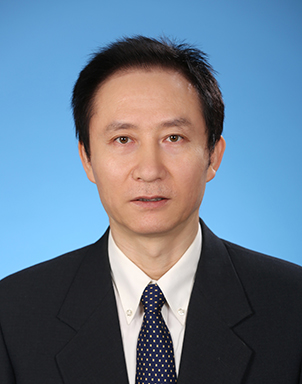 Jianyong Wang (王建勇)合作论文数Department of Computer Science and Technology, Tsinghua University14
 Hui Xiong (熊辉)合作论文数The Hong Kong University of Science and Technology (Guangzhou)14
 Fen Lin合作论文数11
 Ganbin Zhou (周干斌)合作论文数Chinese Academy of Sciences11
 Wei Shen (沈玮)合作论文数College of Computer Science, Nankai University10
 Fangxiang Wu合作论文数Division of Biomedical Engineering, College of Engineering, University of Saskatchewan10
 En-Hong Chen (陈恩红)合作论文数Anhui Province Key Laboratory of Big Data Analysis and Application, School of Computer Science and Technology, University of Science and Technology of China8
 Xiang Ao (敖翔)合作论文数Key Laboratory of Intelligent Information Processing, Institute of Computing Technology, Chinese Academy of Sciences8
 Rongyu Cao合作论文数Technol Key Lab Intelligent Informat Proc, Chinese Acad Sci Inst Comp7
 Zhiyong Shen (沈志勇)合作论文数7
 Hongwei Li (李宏伟)合作论文数School of Mathematical Sciences, Capital Normal University7
 Jian Fan合作论文数HP Labs, Palo Alto, CA, USA
Hewlett-Packard Laboratories
7
Jian Fan合作论文数HP Labs, Palo Alto, CA, USA
Hewlett-Packard Laboratories
7 Yue Yu (余跃)合作论文数National Laboratory for Parallel and Distributed Processing, College of Computer, National University of Defense Technology6
 Liping Tian (田立平)合作论文数School of Information, Bejjing Wuzi University6
 Lei Zhang (张磊)合作论文数MOE Key Laboratory of Intelligent Computing and Signal Processing, School of Computer Science and Technology, Anhui University6
 Peifeng Yin合作论文数Pinterest6
 Linpeng Tang (汤林鹏)合作论文数MyScale6
 Jerry Liu合作论文数HP Labs, Palo Alto, CA, USA6Qiang Ding合作论文数Institute of Computing Technology, Chinese Academy of Sciences5
 Qingping Yang合作论文数Institute of Computing Technology, Chinese Academy of Sciences5
 Chengkai Li (李成锴)合作论文数Department of Computer Science and Engineering, University of Texas at Arlington5Guangxiang Zeng合作论文数5Bo Lv合作论文数Tencent Hunyuan;University of Chinese Academy of Sciences4Chaoxu Pang合作论文数Key Lab of Intelligent Information Processing, Institute of Computing Technology, Chinese Academy of Sciences4
 Xin Jin合作论文数Shandong University of Science and Technology, Shandong Univ. of Sci. and Technol.4
 Bolin Chen (陈伯林)合作论文数Department of Computer Science and Software, School of Computer Science, Northwestern Polytechnical University4
 Baoyao Zhou合作论文数Microsoft4
 Kevin Lu合作论文数College of Business, Arts and Social Sciences, Brunel University London;Brunel Business School, Brunel University London4parag joshi合作论文数3Limei Jiao合作论文数3Huaile Lu合作论文数3Xianjie Mo合作论文数College of Mathematics and Informatics South China Agricultural University Guangzhou People's Republic of China3Xin Liu合作论文数3Qianghua Xiao合作论文数School of Information Science and Engineering,Central South University,Changsha,China3yong zhao合作论文数3
 Youcheng Pan合作论文数Shenzhen Graduate School, Harbin Institute of Technology3
 Qi Liu (刘淇)合作论文数School of Data Science, University of Science and Technology of China;State Key Laboratory of Cognitive Intelligence, School of Computer Science and Technology, University of Science and Technology of China;Anhui Province Key Laboratory of Big Data Analysis and Application, School of Computer Science and Technology, University of Science and Technology of China3
 Kai Shu合作论文数Department of Computer Science, College of Arts and Sciences, Emory University3
 Wang-Chien Lee (李旺謙)合作论文数Department of Computer Science and Engineering, The Pennsylvania State University3
 Lili Jiang (姜丽丽)合作论文数Umea University3Yongshuai Hou (侯永帅)合作论文数Yunnan Reascend Tobacco Technology3
 Ning An (安宁)合作论文数School of Computer Science and Information Engineering, Hefei University of Technology3




