BACKGROUND:Temporary mechanical circulatory support (tMCS) is increasingly used as a bridge to durable left ventricular assist device (LVAD) implantation in patients with advanced heart failure, particularly those with right ventricular dysfunction (RVD). RVD at the time of LVAD implantation predicts early morbidity and mortality, and preoperative tMCS has been associated with inferior survival in registry analyses. However, whether tMCS independently contributes to long-term risk or simply identifies high-acuity patients remains unclear. METHODS:We conducted a retrospective, multicenter cohort study of 201 adult patients with objectively defined RVD undergoing HeartMate 3 implantation between 2018 and 2022. RVD was confirmed by echocardiography (TAPSE <16 mm and/or qualitative RV dysfunction) and invasive hemodynamics (CVP/PCWP >0.54 and/or PAPi <2.0 with cardiac index <2.2L/min/m²). Patients were stratified by preoperative tMCS use. Outcomes included early postoperative morbidity, survival at 1 to 3 years, and conditional survival after 30-, 90-, and 180-days. RESULTS:tMCS patients had higher INTERMACS and EUROMACS-RHF scores, more severe hemodynamic compromise, and greater ventilatory support. They experienced increased early morbidity, including prolonged ICU stay, mechanical ventilation, and higher RVAD utilization. One- and 2-year survival was lower in tMCS patients, but 3-year survival and conditional survival beyond 30 to 180 days were similar between groups. Proportional hazards analysis showed that tMCS was independently associated with earlier but not longer-term mortality. CONCLUSIONS:In LVAD recipients with defined RVD, preoperative tMCS identifies patients at heightened early perioperative risk but does not confer durable mortality risk among conditional survivors. These findings underscore the importance of separating early procedural hazard from durable prognosis and caution against interpreting tMCS use as evidence of LVAD futility.
Topic The use of temporary mechanical circulatory support in the management of a complex vasculopathy with severe cardiomyopathy. Case Summary A 64-year-old male presented with chest pain and dyspnea. He had severe bicuspid aortic stenosis, coronary disease, cardiomyopathy, and widespread vascular disease. He underwent aortic valve replacement with direct aortic Impella 5.5 followed by Impella-supported percutaneous coronary intervention, and carotid endarterectomy. Abdominal aortic aneurysm repair was performed prior to discharge. Take-Home Messages Patients with severe cardiomyopathy should no longer be deemed prohibitive risk in the age of Impella 5.5. Multidisciplinary management is critical to ensure favorable outcomes.
Background Continuous flow ventricular assist devices have revolutionized the care of stage D heart failure; tens of thousands of devices have been implanted. Long-term outcomes continue to improve, making understanding of driveline fractures important for clinicians and patients. We reviewed reports to a publicly available database of driveline fractures in the HeartMate 2 population. Methods We conducted a retrospective analysis of reported incidents involving VAD driveline fractures in the MAUDE (Manufacturer and User Facility Device Experience) database from September 2009 to August 2023. Data from a total of 370 reports were included in the study. Descriptive statistics were employed to categorize and analyze the identified fractures, management, and outcomes. Results Among the 370 reported incidents, 326 (88 %) were confirmed as driveline fractures. Location of fracture was internal in 216 (66%), external in 41 (13%), and could not be characterized from the available information in 69 (21%). Reported management of driveline fractures was described as follows: 152 (47%) received pump exchange, 148 (45%) were repaired by technical specialists, 125 (38%) were managed with an ungrounded cable. Patient death was observed in 27 (8%) patients, 16 (5%) received urgent heart transplants, and pump was explanted in 3 (1%). Conclusions Compared to more commonly studied adverse events of thrombosis, bleeding, neurologic events, and driveline exit site infections, driveline fractures following LVAD are observed less frequently, but with potentially fatal consequences. Efforts to characterize rate and details of this type of device failure are expected to guide efforts to improve durability for future patients. Although this study focused on the HeartMate 2 population, the driveline of the HeartMate 3 is substantially similar, and we might expect comparable long-term failure rates. A limitation of the data available for the present analysis is the lack of implant and fracture dates, which precludes an estimate risk of driveline fracture over time. It is also likely to be incomplete, as not all fractures would be expected to have been reported.
Background The ALT-FLOW trial EFS (Early Feasibility Study) evaluated safety, hemodynamics and outcomes for the APTURE system in patients with HF and mildly reduced or preserved ejection fraction. Objectives In this study, the authors sought to examine the 2-year health status, functional capacity, and outcomes of ALT-FLOW EFS. Methods Device safety, performance, patency, hemodynamics, echocardiographic parameters, and outcomes were assessed in patients with LVEF >40% (n = 95); NYHA functional class, Kansas City Cardiomyopathy Questionnaire (KCCQ) Clinical Summary Score (CSS), Total Symptom Score (TSS), and Overall Summary Score (OSS), 6-minute walk distance, and the ratio of pulmonary capillary wedge pressure at peak exercise to workload normalized to body weight (PCWL) were evaluated. Results Major adverse cardiac, cerebral, and renal events and reintervention through 30 days occurred in 2.8% of patients. All implanted shunts were patent for up to 5 years. The mean PCWL decreased from 131 ± 74 mm Hg/W/kg at baseline to 76 ± 57 mm Hg/W/kg after 6 months (P < 0.0001). After 2 years, NYHA functional class improvement was reported in 51/62 patients (82.3%). Mean KCCQ CSS, TSS, and OSS at baseline were 45 ± 17, 46 ± 19, and 38 ± 18 points, respectively, and improved at 2 years by 25 ± 20, 26 ± 23, and 31 ± 23 points, respectively. The reduction in PCWL and improvement in NYHA functional class and KCCQ scores were consistent in patients with or without pulmonary vascular disease. No detrimental changes in right or left ventricular function were observed. Conclusions In patients with HF and LVEF >40%, the APTURE shunt confirmed an acceptable safety profile with improvements in HF symptoms, quality of life, and functional capacity without negatively affecting right and left heart function after 2 years, regardless of pulmonary vascular disease. (Exploratory Study of the Edwards APTURE Transcatheter Shunt System [ALT-FLOW Canada]; NCT04000607; Early Feasibility Study—Edwards APTURE Transcatheter Shunt System [ALT-FLOW US]; NCT03523416)
Our comprehension of atrial mechanics, atrial cardiomyopathy and their clinical implications across various cardiovascular conditions has advanced significantly. Atrial interventions can have differing effects on atrial mechanics. With the rapid increase in the use of atrial interventions, it is crucial for investigators and clinicians to acknowledge the potential adverse effects of these interventions on atrial mechanics that might not be clinically significant at the time of interventions. Recognizing the preclinical stage of atrial maladaptation might enable early interventions before the development of irreversible atrial remodeling and clinical manifestation. We review normal atrial function and mechanics, and atrial cardiomyopathy in select cardiovascular conditions. We also summarize and discuss the current evidence of the impact of various atrial interventions on atrial function and mechanics.
Right ventricular failure (RVF) is a significant cause of mortality in patients undergoing left ventricular assist device (LVAD) implantation. Although right ventricular assist devices (RVADs) can treat RVF in the perioperative LVAD period, liberal employment before RVF is not well established. We therefore compared the survival outcomes between proactive RVAD placement at the time of LVAD implantation with a bailout strategy in patients with RVF. Retrospectively, 75 adult patients who underwent durable LVAD implantation at our institution and had an RVAD placed proactively before LVAD implantation or as a bailout strategy postoperatively due to hemodynamically unstable RVF were evaluated. Patients treated with a proactive RVAD strategy had lower Interagency Registry for Mechanically Assisted Circulatory Support (INTERMACS) and a higher proportion of these required temporary mechanical circulatory support (MCS) preoperatively. Preoperative hemodynamic profiling showed a low pulmonary artery pulsatility index (PAPi) score of 1.8 ± 1.4 and 1.6 ± 0.94 ( p = 0.42) in the bailout RVAD and proactive RVAD groups, respectively. Survival at 3, 6, and 12 months post-LVAD implantation was statistically significantly higher in patients who received a proactive RVAD. Thus, proactive RVAD implantation is associated with short- and medium-term survival benefits compared to a bailout strategy in RVF patients undergoing LVAD placement.
Although current studies support the use of prophylactic distal perfusion catheters (DPCs) to decrease limb ischemia in patients on venoarterial extracorporeal membrane oxygenation (VA ECMO), methods for monitoring limb ischemia differ between studies. We evaluated the safety of a selective rather than prophylactic DPC strategy at a single center with a well-established protocol for limb ischemia monitoring. Distal perfusion catheters were placed selectively if there was evidence of hypoperfusion at any point until decannulation. All patients were followed daily by vascular surgery with continuous regional saturation monitoring. Of 188 patients supported with VA ECMO, there were no significant differences in baseline characteristics between patients with upfront, delayed, and no DPC. Thirty day mortality was highest in patients with an upfront DPC (56% in the upfront DPC group, 19% in the delayed DPC group, and 22% in the no-DPC group, p < 0.001). The incidence of major bleeding, fasciotomy, and amputation in the entire cohort was 3.7%, 3.7%, and 0%, respectively. With strict adherence to a protocol for limb ischemia monitoring, a selective rather than prophylactic DPC strategy is safe and may obviate the risks of an additional arterial catheter.
Heart failure is a clinical syndrome characterized by the inability of the heart to meet the circulatory demands of the body without requiring an increase in intracardiac pressures at rest or with exertion. Hemodynamic parameters can be measured via right heart catheterization, which has an integral role in the full spectrum of heart failure: from ambulatory patients to those in cardiogenic shock, as well as patients being considered for left ventricular device therapy and heart transplantation. Hemodynamic data are critical for prompt recognition of clinical deterioration, assessment of prognosis, and guidance of treatment decisions. This review is a field guide for hemodynamic assessment, troubleshooting, and interpretation for clinicians treating patients with heart failure.
Aims Despite increased temporary mechanical circulatory support (tMCS) utilization for acute myocardial infarction complicated by cardiogenic shock (AMI-CS), data regarding efficacy and optimal timing for tMCS support are limited. This study aimed to describe outcomes based on tMCS timing in AMI-CS and to identify predictors of 30-day mortality and readmission. Methods and results Patients with AMI-CS identified in the National Readmissions Database were grouped according to the use of tMCS and early (<24 h) vs. delayed (>= 24 h) tMCS. The correlation between tMCS timing and inpatient outcomes was evaluated using linear regression. Multivariate logistic regression was used to identify variables associated with 30-day mortality and readmission. Of 294 839 patients with AMI-CS, 109 148 patients were supported with tMCS (8067 veno-arterial extracorporeal membrane oxygenation, 33 577 Impella, and 79 161 intra-aortic balloon pump). Of patients requiring tMCS, patients who received early tMCS (n = 79 906) had shorter lengths of stay (7 vs. 15 days, P < 0.001) and lower rates of ischaemic and bleeding complications than those with delayed tMCS (n = 32 241). Patients requiring tMCS had higher in-hospital mortality [odds ratio (95% confidence interval)] [1.7 (1.7-1.8), P < 0.001]. Among patients requiring tMCS, early support was associated with fewer complications, lower mortality [0.90 (0.85-0.94), P < 0.001], and fewer 30-day readmissions [0.91 (0.85-0.97), P = 0.005] compared with patients with delayed tMCS. Conclusion Among patients receiving tMCS for AMI-CS, early tMCS was associated with fewer complications, shorter lengths of stay, lower hospital costs, and fewer deaths and readmissions at 30 days.
Background:Infective endocarditis (IE) is a feared complication after surgical valve replacement accounting for 10% to 30% of all cases of IE. Our case is unique as we present a decompensated heart failure patient with IE who urgently needed mechanical circulatory support (MCS) to stabilize while IE was treated. We used Impella to bridge him to sterile state before heart transplant was done. This case highlights the importance of different strategies for bridge to heart transplant in decompensated heart failure patients with endocarditis.Case summary:We describe a case of 62-year-old male who initially presented with severe shortness of breath with minimal exertion, weight gain, and lower extremity oedema diagnosed with acute on chronic systolic heart failure (HF) exacerbation (ACC stage D, NYHA class IV). Initial blood cultures and extensive work-up for IE were negative. He continued to decompensate haemodynamically despite inotropic support and the decision was to proceed with durable left ventricular assist device (LVAD) as bridge to orthotopic heart transplantation (OHT). Immediately prior to LVAD implantation, patient's blood cultures became positive for Cutibacterium acnes. Echocardiogram revealed IE on bioprosthetic aortic valve. Patient therefore underwent urgent aortic valve replacement (AVR) and was stabilized with Impella 5.5.Discussion:We highlight a case where MCS with Impella was used as a bridge to transplant in a decompensated HF patient who was septic. Patient was listed for OHT but was found to be septic due to IE and had to undergo AVR to achieve infection source control prior to undergoing heart transplant. Impella was used effectively to stabilize ACC stage D/NYHA class IV patient while he recovered from AVR and endocarditis before his blood cultures cleared up and he was listed for OHT. He successfully underwent OHT after 3 weeks.
AIMS:Patients with heart failure and mildly reduced or preserved ejection fraction have limited therapeutic options. The ALT-FLOW Early Feasibility Study evaluated safety, haemodynamics and outcomes for the APTURE transcatheter shunt system, a novel left atrium to coronary sinus shunt in these patients. METHODS AND RESULTS:Safety and shunt implantation success was evaluated for all 116 enrolled patients. An analysis population of implanted patients with a left ventricular ejection fraction (LVEF) >40% (n = 95) was chosen to assess efficacy via paired comparison between baseline and follow-up haemodynamic (3 and 6 months), and echocardiographic, clinical and functional outcomes (6 months and 1 year). Health status and quality of life outcomes were assessed using the Kansas City Cardiomyopathy Questionnaire overall summary score (KCCQ-OSS). The primary safety endpoint, major adverse cardiac, cerebral, and renal events, and reintervention through 30 days, occurred in 3/116 patients (2.6%). All implanted shunts were patent at 1 year. In patients with LVEF >40%, the mean (95% confidence interval) reduction in exercise pulmonary capillary wedge pressure (PCWP) at 20 W was -5.7 (-8.6, -2.9) mmHg at 6 months (p < 0.001). At baseline, 8% had New York Heart Association class I-II status and improved to 68% at 1 year (p < 0.001). KCCQ-OSS at baseline was 39 (35, 43) and improved at 6 months and 1 year by 25 (20-30) and 27 (22-32) points, respectively (both p < 0.0001). No adverse changes in haemodynamic and echocardiographic indices of right heart function were observed at 1 year. Overall, the reduction in PCWP at 20 W and improvement in KCCQ-OSS in multiple subgroups were consistent with those observed for the entire population. CONCLUSIONS:In patients with heart failure and LVEF >40%, the APTURE shunt demonstrated an acceptable safety profile with significant sustained improvements in haemodynamic and patient-centred outcomes, underscoring the need for further evaluation of the APTURE shunt in a randomized trial.
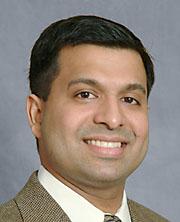 Ranjit John合作论文数Division of Cardiothoracic Surgery, Department of Surgery, Medical School, University of Minnesota56
 Kenneth Liao合作论文数30
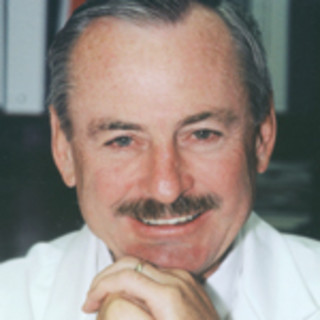 John Repine合作论文数Skaggs School of Pharmacy and Pharmaceutical Sciences, University of Colorado;Webb-Waring Center, University of Colorado28
 Monica Colvinadams合作论文数26
 Sirtaz Adatya合作论文数20Cogswell Rebecca合作论文数19
 Susan Joseph合作论文数19Forum Kamdar合作论文数Division of Cardiothoracic Surgery, University of Minnesota18
 Jennifer A Cowger合作论文数Henry Ford Health15Ross F. Garberich合作论文数15Katarzyna Hryniewicz合作论文数15
 Chaudhry Sunit-Preet合作论文数Department of Medicine, Case Western Reserve University Hospital14
 Shelley Anne Hall合作论文数14Sorajja Paul合作论文数13
 Susmita Roy合作论文数Department of Medicine, University of Minnesota Medical School;Department of Medicine, University of Chicago;University of Minnesota Medical School, University of Chicago12Marc Pritzker合作论文数12
 Sameh Hozayen合作论文数11Susan J. Duval合作论文数11
 Kristin E. Sandau合作论文数10
 Ryan Koene合作论文数10Hamel Aimee合作论文数10M. Soni合作论文数9
 S. Carey合作论文数Baylor Scott & White Research Institute9Jason Neil Katz合作论文数Department of Medicine, Duke University School of Medicine9Marble J合作论文数9Singal Ashish合作论文数9Edo Y. Birati合作论文数Sackler Faculty of Medicine, Tel-Aviv University9
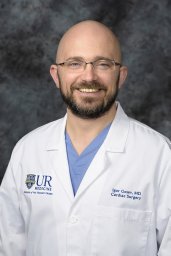 Igor Gosev合作论文数Division of Cardiac Surgery, Brigham and Women's Hospital8
 Kenneth M Faulkner合作论文数8
 Ahmet Kilic合作论文数Department of Chemistry, University of Harran8
 Nir Y. Uriel合作论文数Vagelos College of Physicians and Surgeons, Columbia University;Weill Cornell Medicine Center;Columbia University Irving Medical Center;NewYork-Presbyterian8C.E. Weaver合作论文数7
 Sarah Schroeder合作论文数7G. Conway合作论文数7Holley Christopher T合作论文数7
 Sofia C Masri合作论文数Thomas Jefferson University Hospitals;Jefferson Methodist Hospital;University of Washington7Jonathan D. Rich合作论文数7Andrew N. Rosenbaum合作论文数6C. S. Lee合作论文数6
 Larissa Stanberry合作论文数Minneapolis Heart Institute Foundation at Abbott Northwestern Hospital6Firas Zahr合作论文数6
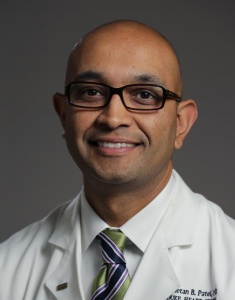 Chetan B. Patel合作论文数Department of Medicine, School of Medicine, Duke University6
 Benjamin C. Sun合作论文数Department of Emergency Medicine, Perelman School of Medicine, University of Pennsylvania6Labinaz Marino合作论文数6
 Emmanouil Brilakis合作论文数Center for Coronary Artery Disease, Minneapolis Heart Institute Foundation;Center for Complex Coronary Interventions, Minneapolis Heart Institute6Gonzalez-Stawinski Gonzalo V合作论文数6Missov Emil合作论文数6
 Leanne Harvey合作论文数6Colvin Monica合作论文数6




