Biofilm-associated infections constitute an ever-increasing and ubiquitous threat to public health and safety. Biofilms, which are microbial conglomerations of sessile bacteria adhering to surfaces and forming three-dimensional architecture with an exopolysaccharide matrix, are known for their remarkable antimicrobial resistance to antibiotics, disinfectants, and sanitizers. Due to their widespread occurrence in healthcare facilities, food processing units, water systems, and marine industries, severely limits the effectiveness of conventional antimicrobial strategies and accelerates the development of antimicrobial resistance. Therefore, there is an urgent need for innovative, safe, and sustainable antibiofilm approaches. This review describes the emerging potential of Lactobacillus-derived non-viable probiotics (paraprobiotics) and probiotic-derived bioactive metabolites (postbiotics) as next-generation biofilm inhibitors. Overall, these findings highlight that these derivatives have the potential to effectively suppress biofilm formation by targeting key stages of biofilm development, including microbial adhesion, quorum-sensing signaling, and extracellular polymeric substance (EPS) production. Among these, several bioactive compounds such as "bacteriocins, organic acids, biosurfactants, lipoteichoic acids, and surface-associated proteins" show strong antibiofilm efficacy against a broad range of pathogenic bacteria. Findings emphasize that paraprobiotics and postbiotics offer several advantages over live probiotics and traditional antimicrobials, including enhanced safety, reduced risk of resistance development, cost-effectiveness, and longer shelf life. In conclusion, "Lactobacillus-derived paraprobiotics and postbiotics," they present a very promising tool that is eco-friendly and has little to no need for resistance. Besides that, their ability to be used in various applications can greatly contribute to the better management of biofilms in a nature-friendly way, and can greatly alleviate the risks of biofilm-related infections and contaminations worldwide.
Biofilm-associated infections caused by Pseudomonas aeruginosa are highly tolerant to conventional antibiotics, driving the search for novel agents capable of disrupting biofilm formation and associated virulence traits. In this study, the antibiofilm, anti-motility, and growth inhibitory effects of indole-3-butyric acid (IBA) and oleic acid (OA) were evaluated against pathogenic P. aeruginosa NG4. Biofilm biomass was quantified by crystal violet staining. The swarming and swimming motility were assessed on semi-solid agar, and planktonic growth was measured spectrophotometrically. Confocal laser scanning microscopy (CLSM) was used to visualise the biofilm structure. Both IBA and OA exhibited potent antibiofilm activity at low concentrations, with 50
Quorum sensing (QS) is a form of cell-to-cell communication in bacteria which regulates the activities of biofilm formation, virulence, motility, sporulation and antimicrobial resistance. The growing prevalence of multidrug-resistant pathogens complicates the use of traditional antibiotics. Quorum quenching (QQ) enzymes are considered promising anti-virulence molecules that disrupt bacterial communication without any effect on cell viability. The present review is intended to offer a detailed discussion on QQ enzymes in terms of their modes of action, classification, therapeutic applications and existing challenges towards the treatment of bacterial infections. This includes QS circuits of Gram-positive and Gram-negative bacteria such as LuxI/LuxR, Las/Rhl, Agr and AI-2 systems as well as the structure, catalytic actions and substrates of QQ enzymes like AHL lactonases, acylases, oxidoreductases, paraoxonases and peptide-degrading proteases. In addition to this, some recent developments in biomedical and industrial fields involving QQ enzymes for application in biofilm control, antivirulence treatment, agriculture, aquaculture, water decontamination, coating of medical devices and nanobiotechnology are discussed. Novel drug strategies involving phage-based QQ enzymes, nanostructures, genetically modified bacteria, and the synergy between QQ and antibiotics are explained in detail for the treatment of bacteria-related diseases. In conclusion, QQ enzymes represent a promising and sustainable approach to controls bacterial pathogenicity and biofilm-associated infections.
Microbes are known to produce various bioactive compounds that find applications in the biomedical field. Out of many bioactive compounds, pigments synthesized from microbes have gained industrial attention. Pigments have been produced from various bacteria, fungi, and algae. Recently, microbial pigment-mediated nanoparticle (NP) synthesis is gaining importance due to its application in various fields. Various pigments such as melanin, phycocyanin, monascus, xanthomonadin, prodigiosin, carotenoid, flexirubin, canthaxanthin, and fucoxanthin have been utilized to generate different types of NPs with diverse shapes and sizes. Generally, silver and gold NPs have mostly been made using microbial pigments. The benefit of utilizing NPs produced through these pigments is that this method is eco-friendly and cost-effective. In addition to this, these NPs can be used in diverse biomedical sectors. These NPs act as anticancer, antibacterial, antifungal, and antioxidant agents. The present review sheds light on various microbial pigments that have been utilized for the synthesis of various NPs and their application in medicine and diagnostics and their future prospects.
Polyaromatic hydrocarbons (PAHs) are a group of organic pollutants commonly found in the environment due to industrial activities, incomplete burning of fossil fuels, and oil spills. Bioremediation of PAHs has emerged as a promising approach. This study investigated the biodegradation of PAHs (anthracene, naphthalene, phenanthrene, anthraquinone, and anthrone) at 100 ppm to 1000 ppm in the presence of glucose and glycerol by a biosurfactant-producing strain of Pseudomonas aeruginosa NG4. The quality of the biosurfactant produced by the bacterial strain was analyzed via emulsion index (E24), drop-collapse assay, and oil displacement assay. The PAH degradation efficiency was studied by HPLC and degradation metabolites were analyzed using GC-MS. Among all five PAHs (fed at 300 ppm), the highest degradation rates of 91.16 ± 3.64% naphthalene and 41.16 ± 1.64% anthrone were observed by P. aeruginosa NG4 after 10 days of incubation. The assessment of degradation intermediate metabolites revealed the PAH catabolism via the dioxygenase route, which plays a key role in the breakdown of these aromatic compounds. Biodegradation of anthrone by P. aeruginosa NG4 at a 300 ppm level in the media was reported for the first time. This study highlights the potential of P. aeruginosa NG4 as a candidate for the development of bioremediation strategies to mitigate environmental pollution caused by persistent organic pollutants like PAHs.
The increasing harm to the environment from synthetic plastics has increased the need for sustainable alternatives, resulting in increased interest in biopolymers such as polyhydroxyalkanoates (PHAs). PHAs have the potential to serve as an alternative plastic derived from petrochemicals. This eco-friendly plastic is produced through microbial fermentation using various carbon sources. Since the cost of PHA production is significantly influenced by the carbon source, researchers are currently exploring cost-effective and more sustainable alternatives to conventional sugar-based feedstocks, including waste lipid streams such as waste cooking oil (WCO). WCOs have been demonstrated to be an excellent carbon source for the production of PHAs. WCOs are vegetable oils discarded after the food frying process and accumulate in larger quantities. Its management is a challenge due to the environmental risk of illegal disposal into rivers and landfills. The individual arrangement of biodegradability and biocompatibility, along with mechanical and thermal characteristics, makes PHA an excellent option for different uses, including paper coatings, films, packaging, adhesives, drug delivery, tissue engineering, and the development of artificial organs in the medical field. In this review we have discussed the potential use of WCO in the microbial fermentation of PHA production and its industrial applications.
Edible vegetable oil used in the frying process is the main cause of waste cooking oil (WCO). WCO is mainly produced and released into the environment, becoming a significant environmental pollutant. Improper management of large quantities of WCO is giving rise to many adverse environmental issues such as disruptions in sewage pre-treatment at wastewater treatment facilities, blockages in sewage systems, and the risk of water and soil contamination when WCO is deposited in municipal solid waste landfills. In this review, we explore the ongoing biotechnological transformation, composition, and properties of WCO, also examine the use of WCO as a raw material for various purposes, including as a source of energy, for the production of value-added products, grease preparation, animal feed, soap formation, and asphalt rejuvenation. These applications ensure the effective utilization of WCO as a valuable resource for both household goods and industrially important products.
Effective removal of hazardous heavy metals from wastewater has become a crucial concern for environmental scientists and engineers aiming to ensure a clean environment, protect aquatic life, and safeguarding human health worldwide. Continuous progress in this field has led to the development of various physicochemical advanced techniques for removing metal ions from wastewater and for reusing treated wastewater. However, these methods often face challenges related to scalability and sustainability. In recent years, significant advancements have been made, with numerous studies indicating that extracellular polymeric substances (EPS) produced by a wide range of microorganisms are a promising and eco-friendly strategy for heavy metal removal from wastewater. Due to their ease of use, high efficiency, and economic advantages, EPS has gained increasing attention as a green biosorbent for heavy metals. Despite this growing interest, few review articles comprehensively discuss the insights into heavy metal removal from aqueous streams using EPS. This review compiles information on microbial EPS from diverse habitats, focusing on biosorption mechanisms for heavy metal removal from contaminated environments. It also examines key factors influencing bio-adsorption, which are essential for achieving effective heavy metal removal from polluted wastewater. However, the reviewed literature reveals that most studies have primarily focused on the morphological and qualitative aspects of EPS production. Recent research emphasizes the potential of microbial formation of granules and the integration of EPS with plants as a promising approach for the efficient removal of metal contaminants. Furthermore, this review identifies key research gaps and practical issues while suggesting future prospects for utilizing EPS in heavy metal remediation. By harnessing the potential of EPS with appropriate interventions, researchers can develop sustainable solutions to reduce metal toxicity, thereby enhancing human health and environmental sustainability.
Pairing is a vital task in industries today for rational allocation of resources and generating the best match for high productivity. To develop the most compatible match for a huge database, pairing the records without the help of an automated approach is impractical. so this paper proposes a computerized pairing algorithm, i.e., Brace, which is designed to cater to the most compatible human resource pairing. A few of its applications include pairing mentor-mentee, co-workers for a project, etc. Brace generates a score for each field, affecting the pairing of every record to create a final compatibility matrix. The matrix is cumulative of all individual compatibility scores for the fields of every record on both category sides. The paper takes the intricacies of algorithm design through a use case of mentor-mentee pairing. Finally, Brace performance evaluation demonstrates its effectiveness based on various parameters.
The growing biotechnology industry has focused a lot of attention on biosurfactants because of several advantages over synthetic surfactants. These benefits include worldwide public health, environmental sustainability, and the increasing demand from sectors for environmentally friendly products. Replacement with biosurfactants can reduce upto 8% lifetime CO2 emissions avoiding about 1.5 million tons of greenhouse gas released into the atmosphere. Therefore, the demand for biosurfactants has risen sharply occupying about 10% (~10 million tons/year) of the world production of surfactants. Biosurfactants' distinct amphipathic structure, which is made up of both hydrophilic and hydrophobic components, enables these molecules to perform essential functions in emulsification, foam formation, detergency, and oil dispersion—all of which are highly valued characteristic in a variety of sectors. Today, a variety of biosurfactants are manufactured on a commercial scale for use in the food, petroleum, and agricultural industries, as well as the pharmaceutical and cosmetic industries. We provide a thorough analysis of the body of knowledge on microbial biosurfactants that has been gained over time in this research. We also discuss the benefits and obstacles that need to be overcome for the effective development and use of biosurfactants, as well as their present and future industrial uses.
Protein structures are essential to understanding cellular processes in molecular detail. While advances in artificial intelligence revealed the tertiary structure of proteins at scale, their quaternary structure remains mostly unknown. We devise a scalable strategy based on AlphaFold2 to predict homo-oligomeric assemblies across four proteomes spanning the tree of life. Our results suggest that approximately 45% of an archaeal proteome and a bacterial proteome and 20% of two eukaryotic proteomes form homomers. Our predictions accurately capture protein homo-oligomerization, recapitulate megadalton complexes, and unveil hundreds of homo-oligomer types, including three confirmed experimentally by structure determination. Integrating these datasets with omics information suggests that a majority of known protein complexes are symmetric. Finally, these datasets provide a structural context for interpreting disease mutations and reveal coiled-coil regions as major enablers of quaternary structure evolution in human. Our strategy is applicable to any organism and provides a comprehensive view of homo-oligomerization in proteomes.
As compared to chemical surfactants, biosurfactants exhibit a more significant impact in various sectors due to their degradability, stability, and other specific physicochemical properties. Biosurfactant production by Pseudomonas aeruginosa NG4 was studied by co-metabolism of 1% glucose (wv(-1)) and 1% CG (vv(-1)) with different time intervals. The addition of Glucose (0h) + CG (24 h) (1:1, wv(-1), vv(-1)) to the culture medium resulted in 4.23 gL(-1) of biosurfactant production. An enhancement of about 4.75-fold in the yield was observed. The time period of incubation of CG in the feed was optimized to be 24 h after the initiation of fermentation with glucose. Among the several nitrogen sources used in this study, sodium nitrate produced more biosurfactant than the others. Biochemical characterization through FTIR and LC-MS of biosurfactant reflected the presence of mono- and di-rhamnolipids. Therefore, this study highlights the ability of P. aeruginosa NG4 to increase biosurfactant production by co-utilizing substrates.
Biosurfactants are extremely valuable and promising compounds that have a wide range of applications across various industries and aspects of human life. Thus, there is a great need to enhance their production yield, by developing new and more efficient fermentation methods. In pursuit of this objective, batch fermentation was carried out with different feed concentrations and addition. The results were compared in relation to their effectiveness in producing biosurfactants using Pseudomonas aeruginosa. Batch fermentation experiments were conducted using two different substrates feeding strategies, such as single substrate utilization and co-utilization of substrates. The comparison of these substrates utilization processes revealed that the co-utilization of glucose and crude glycerol was a superior cultivation strategy compared to the single substrate utilization for biosurfactant production. The biosurfactant production by P. aeruginosa from co-utilization of glucose and crude glycerol reached to a yield of 2.5 gL-1. There was about 2.2 fold enhancement in the yield compared to single carbon substrates. Such co-utilization of substrates is not reported for biosurfactant production. The biosurfactant was characterized and the presence of mono-rhamnolipid and di-rhamnolipid compounds was confirmed through FT-IR and LC-MS.
As technology advances, merging virtual environments, blockchain, and 5G networks opens new possibilities, especially in medical training. This paper introduces a framework that combines these technologies to create an innovative medical training system. In this paper, we proposes Metaverse-enabled Virtual Medical Training and Patient Care framework, i.e., M- VMT-PC. In the proposed framework, metaverse comprises a dig-ital space where users can interact in 3D, offers exciting opportunities for medical training. It allows for realistic and interactive simulations, where trainees can practice medical scenarios and procedures in a virtual setting. More, the M- VMT-PC uses blockchain technology within this framework to ensure that the data is securely stored, enhancing its reliability. Next, 5G technology is used to make this framework effective. With ultra-reliable, low-latency communication (uRLLC) and high-speed data transfer (eMBB), 5G supports real-time interactions and smoothly handles large volumes of data. This technology ensures the training environment is responsive and can handle extensive data needs, essential for ongoing updates and improvements. Our proposed framework M- VMT-PC addresses the current challenges in medical training by providing a scalable, secure, and engaging learning environment. It improves the medical professionals training and sets the stage for future advancements in medical education and patient care.
α-Helical coiled coils are common tertiary and quaternary elements of protein structure. In coiled coils, two or more α helices wrap around each other to form bundles. This apparently simple structural motif can generate many architectures and topologies. Coiled coil-forming sequences can be predicted from heptad repeats of hydrophobic and polar residues, hpphppp, although this is not always reliable. Alternatively, coiled-coil structures can be identified using the program SOCKET, which finds knobs-into-holes (KIH) packing between side chains of neighboring helices. SOCKET also classifies coiled-coil architecture and topology, thus allowing sequence-to-structure relationships to be garnered. In 2009, we used SOCKET to create a relational database of coiled-coil structures, CC+ , from the RCSB Protein Data Bank (PDB). Here, we report an update of CC+ following an update of SOCKET (to Socket2) and the recent explosion of structural data and the success of AlphaFold2 in predicting protein structures from genome sequences. With the most-stringent SOCKET parameters, CC+ contains ≈12,000 coiled-coil assemblies from experimentally determined structures, and ≈120,000 potential coiled-coil structures within single-chain models predicted by AlphaFold2 across 48 proteomes. CC+ allows these and other less-stringently defined coiled coils to be searched at various levels of structure, sequence, and side-chain interactions. The identified coiled coils can be viewed directly from CC+ using the Socket2 application, and their associated data can be downloaded for further analyses. CC+ is available freely at http://coiledcoils.chm.bris.ac.uk/CCPlus/Home.html. It will be updated automatically. We envisage that CC+ could be used to understand coiled-coil assemblies and their sequence-to-structure relationships, and to aid protein design and engineering.
 Vipin Chandra Kalia合作论文数Department of Chemical Engineering, Konkuk University26
 Subhasree Ray合作论文数22
 Sanjay Kumar Singh Patel合作论文数CSIR-Institute of Genomics and Integrative Biology (IGIB),, Delhi University Campus;Department of Chemical Engineering, Konkuk University;Delhi University Campus, Konkuk University11
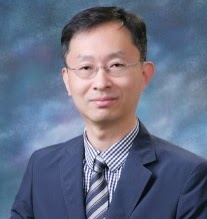 Beom Soo Kim合作论文数Department of Chemical Engineering, Chungbuk National University9
 Soumya Pandit合作论文数Institute of Radio Physics and Electronics, University of Calcutta9
 Lee Jung-Kul合作论文数8
 Manju Bansal合作论文数Molecular Biophysics Unit, Indian Institute of Science8
 Madan Sonkar合作论文数Dept Paper Technol, Indian Inst Technol7
 Mehariya Sanjeet合作论文数CSIR-Institute of Genomics and Integrative Biology (IGIB),, Delhi University Campus7Mamtesh Singh合作论文数Institute of Genomics and Integrative Biology (IGIB),, Delhi University Campus;Department of Biotechnology, University of Pune;Delhi University Campus, University of Pune6
 Shikha Koul合作论文数Acad Sci & Innovat Res AcSIR5
 Dek Woolfson合作论文数School of Chemistry, University of Bristol5
 Chandrasekhar Kuppam合作论文数4Ezhaveni Sathiyamoorthi合作论文数3Anjali Mishra合作论文数3
 Aparna Kumari合作论文数Nirma Univ, Inst Technol, Dept Comp Sci & Engn, Ahmadabad, Gujarat, India3
 Jintae Lee合作论文数School of Chemical Engineering, Yeungnam University3Ravi Kumar合作论文数3
 Kiet Tuan Tran合作论文数2
 SatyaEswari Jujjavarapu合作论文数2Hugo Schweke合作论文数2
 Vivek Kumar合作论文数2
 Rishi Sharma合作论文数2
 Jin-Hyung Lee合作论文数Sch Chem Engn, Yeungnam Univ2
 Nishant Ranjan合作论文数Chandigarh University2
 Paterson Neil G合作论文数2
 Archana Kumari合作论文数Department of Biotechnology, Birla Institute of Technology2
 Jonathan Clayden合作论文数School of Chemistry, University of Bristol2
 Hemant Purohit合作论文数Environmental Genomics Division, National Environmental Engineering Research Institute2Ching T Hou合作论文数National Center for Agricultural Utilization Research, ARS, United States Department of Agriculture2
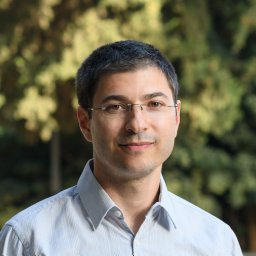 Emmanuel D. Levy合作论文数MRC Laboratory of Molecular Biology, Cambridge, CB2 0QH, UK2Hang bae Jun合作论文数2hak ryul kim合作论文数1William M. Dawson合作论文数1Sukanya Halder合作论文数1Rokas Petrenas合作论文数1Yoan Duhoo合作论文数1B.S. Kim合作论文数1Shinzo Mayuzumi合作论文数1
 Ezgi Bezirhan合作论文数1
 Lalit Kumar Singh合作论文数1
 P.K. Parhi合作论文数1
 Antonio Molino合作论文数1Muhammad Mehtab合作论文数1Tal Levin合作论文数1Charose M. T. Perez合作论文数1Motomu Ishigaki合作论文数1
 Prince Sharma合作论文数1




