Predicting student academic performance is vital for enabling educational institutions to provide early interventions and enhance learning outcomes. This study presents a comparative analysis of machine learning (ML) algorithms for classifying student performance using a hybrid dataset consisting of academic records and socio-demographic attributes. The dataset includes 97 undergraduate computer science students and features such as GPA, attendance, parental education, part-time employment, and extracurricular activities. The data underwent preprocessing steps including label encoding, feature scaling, and feature selection. GPA values were discretized into four grade categories (A, B, C, D) to serve as the target class. Four ML classification algorithms—Random Forest, Support Vector Machine, Decision Tree, and AdaBoost—were evaluated using accuracy, precision, recall, and F1-score. Among the models tested, AdaBoost achieved the highest accuracy of 85
This study examines the public opinion towards the utilization of green energy in Malaysia through social media analysis. Facebook and Threads (N = 89 posts) data were collected through green energy-related keywords. Text mining techniques—sentiment analysis, topic modeling (LDA, BERTopic), and co-occurrence network analysis—were performed using R and Voyant tools. Findings indicate that public opinion is mostly neutral to positive, with the conversation topics revolving around solar power and sustainability. Public trust in initiatives like the Net Energy Metering (NEM) and Green Energy Tariff (GET) remains in question due to policy ambiguity and misinformation. Topic modeling found subjects pertaining to policy effectiveness, infrastructure, and electric vehicles. The findings suggest that social media offers an economically efficient and scalable means for tracking public sentiment in real time. Findings from this research can be used to shape more effective communications and inform policy and business decision-making to promote greater acceptance of sustainable energy in Malaysia.
Breast cancer is a leading global cause of cancer-related deaths highlighting the need for an accurate diagnostic system. Up to now, computer-aided diagnosis (CAD) system plays an essential role in supporting pathologists with prompt and accurate classification. Feature selection within the CAD system is crucial as it helps identify the most relevant data for subsequent classification tasks. This paper proposed a novel method that focuses on fuzzy discretization in handling continuous features and selecting relevant and interactive features while eliminating redundancy using Class Association Rule Mining (CARM). The proposed method, FD-CARI was compared with other feature selection techniques including CFS, FCBF, Consistency, Relief-F, and mRMR using five different machine learning classifiers such as Decision Tree (DT), Random Forest (RF), Logistic Regression (LR), Naive Bayes (NB), and Support Vector Machine (SVM). Performance evaluation metrics such as Accuracy (ACC), Sensitivity (SEN), Specificity (SPE), Precision, F1-Score, and AUC were then utilized. Results: The experimental findings consistently showed that the proposed method achieved high performance with an ACC of 96.21%, SEN of 94.26%, and SPE of 97.38% on the SVM classifiers, and an ACC of 96.05%, SEN of 93.82%, and SPE of 97.38% on the LR classifiers. It demonstrated similar effectiveness to Relief-F for DT and RF classifiers. However, FCBF achieved the highest performance on NB with ACC, SEN, and SPE values of 96.21%, 92%, and 96.60%, respectively. The proposed method efficiently selects relevant and interactive features while enabling classifiers to achieve better classification accuracy.
One of the primary concerns in higher education is the early identification of underperforming students. To address this issue, the current study proposes the development of a system that would assist academic advisers and faculty management to identifying students at risk of low academic performance at an early stage. This system utilises a prediction model based on a dataset of academic and demographic data from the UPNM’s Computer Science students. The dataset contains information from 97 students and 21 characteristics. We developed a prediction model for Cumulative Grade Point Average (CGPA) using the regression technique, focusing on three variables: 'activity', 'absence', and 'GPA'. The prototype model was used in the system development process. The study's findings are valuable for the institution (university), since they enable for the early identification of those who may struggle academically. Future enhancements include increasing the dataset and using more powerful algorithms to predict kids' academic achievement.
The English Tafseer Translation of the Holy Quran is essential for comprehending and interpreting Allah’s words for non-Arabic Muslims. This research adopted five different English translators (TR1-TR5) of chapter (Surah) Al-Baqarah and invested the advantages of the text clustering process to rank (prioritise) between these input five datasets. The absence of dataset ground truth (not standard datasets) requires the use of unsupervised learning (clustering technique) instead of other techniques (e.g. classification (supervised learning)). This study expanded the assessment to include both partitioning-based and hierarchical-based clustering algorithms. In a cluster based on partitioning, k-means is utilized. While for the hierarchical-based, the Agglomerative has been implemented. This research’s aim was achieved through a three-step procedure (stages). The first stage uses text cleansing to remove unnecessary words (Tokenisation, POS tagging, normalisation, stemming, and Stop-word removal). In addition, feature selection used VSM (Vector Space Model) and TF-IDF (Term Frequency-Inverse Document Frequency) to make the five corpora. The second stage implemented the clustering process. In the third stage, clustering validation was obtained using SC (Silhouette Coefficient) and DBI (Davies-Bouldin Index) metrics plus the execution time (ET). Principle Component Analysis (PCA) is used to visualise the clustering outputs. The results show, based on (ET, SC, and DBI) of the k-means algorithm, only ranks (1) and (3) demonstrate the same ranking for these five translators. In contrast, the Agglomerative algorithm shows the same five translators’ positions; each (ET, SC, and DBI) has a distinct rank. However, to obtain the optimal union rank, it is crucial to use a modern approach technique such as MCDM (Multi-Criteria Decision-making Analysis) in future work.
The metaverse, a virtually shared digital world where individuals interact, create, and explore, has witnessed rapid evolution and widespread adoption. Communication between avatars is crucial to their actions in the metaverse. Advances in natural language processing have allowed for significant progress in producing spoken conversations. Within this digital landscape, the integration of Visual Speech Recognition (VSR) powered by deep learning emerges as a transformative application. This research delves into the concept and implications of VSR in the metaverse. This study focuses on developing realistic avatars and a lip-reading application within the metaverse, utilizing Artificial Intelligence (AI) techniques for visual speech recognition. Visual Speech Recognition in the metaverse refers to using deep learning techniques to comprehend and respond to spoken language, relying on the visual cues provided by users' avatars. This multidisciplinary approach combines computer vision and natural language processing, enabling avatars to understand spoken words by analyzing the movements of their lips and facial expressions. Key components encompass the collection of extensive video datasets, the employment of 3D Convolutional Neural Networks (3D CNNs) combined with ShuffleNet and Densely Connected Temporal Convolutional Neural Networks (DC-TCN) called (CFS-DCTCN) to model visual and temporal features, and the integration of contextual understanding mechanisms. The two datasets Wild (LRW) dataset and the GRID Corpus datasets are utilized to validate the proposed model. As the metaverse continues its prominence, integrating Visual Speech Recognition through deep learning represents a pivotal step towards forging immersive and dynamic virtual worlds where communication transcends physical boundaries. This paper contributes to the foundation of technology-driven metaverse development and fosters a future where digital interactions mirror the complexities of human communication. The proposed model achieves 99.5 % on LRW and 98.8 % on the GRID dataset.
A comprehensive study focused on the efficiency and effectiveness of machine learning models for Twitter spam detection was presented in this research. Spam detection on social media platforms is not only vital for user experience but also poses computational challenges due to the vast and dynamic nature of Twitter data. This investigation encompassed a range of machine learning models, including Naive Bayes (NB), Support Vector Machine (SVM), Logistic Regression (LR), k-Nearest Neighbours (KNN), and Decision Trees (DT). Their performances were scrutinized across two critical dimensions: classification accuracy and computational efficiency, as measured by the time taken for model execution. The results of the analysis revealed valuable insights into model performance. The NB and LR models emerged as the most computationally efficient models, with execution times ranging from 1.016 to 1.949 seconds. These models offered an attractive balance between speed and accuracy, making them suitable for real-time or resource-constrained applications. SVM, LR, KNN and DT were effective in classification with a performance of 98%. However, SVM models demanded longer execution times, ranging from 7.670 to 37.657 seconds. KNN and DT stroked a balance between accuracy and efficiency, with execution times ranging from 2.852 to 10.941 seconds and 1.080 to 2.442 seconds, respectively. Our research underscores the importance of considering both model effectiveness and computational efficiency when selecting a Twitter spam detection model. By offering a comparative assessment of these models, this study equipped researchers with valuable insights for making informed decisions in Twitter spam detection. It highlighted the trade-offs between model performance and efficiency, paving the way for more effective and resource-conscious approaches to combating spam on social media platforms.
The global health crisis caused by COVID-19 has significantly impacted both lifestyle and healthcare. Accurate and prompt medical diagnosis is crucial in combating the spread of the disease. However, the time required for laboratory interpretation and the high cost of a Computed Tomography (CT) scan can lead to inaccurate predictions of this disease. Several existing works have addressed this issue by using the Chest X-ray (CXR) images, however, achieving high accuracy is still a challenge in this domain. In this paper, features extracted from various modified CXR images that could produce more informative features, coupled with deep learning architectures, were evaluated to address the accuracy issue. First, the original CXR images were preprocessed and generated two subsequent different sets: the enhanced CXR images using histogram equalisation and the CXR contour images using contour-based methods. VGG16, InceptionV3, and Xception were used as feature extractors and classifiers; trained on public datasets to classify the CXR images into three categories: health, pneumonia, and COVID-19. The results demonstrate that the proposed work is able to accurately differentiate CXR images based on their respective classes. The best individual model was trained using InceptionV3 with histogram equalisation, achieving an accuracy of 98.25%.
As the emergence of the voice biometric provides enhanced security and convenience, voice biometric-based applications such as speaker verification were gradually replacing the authentication techniques that were less secure. However, the automatic speaker verification (ASV) systems were exposed to spoofing attacks, especially artificial speech attacks that can be generated with a large amount in a short period of time using state-of-the-art speech synthesis and voice conversion algorithms. Despite the extensively used support vector machine (SVM) in recent works, there were none of the studies shown to investigate the performance of different SVM settings against artificial speech detection. In this paper, the performance of different SVM settings in artificial speech detection will be investigated. The objective is to identify the appropriate SVM kernels for artificial speech detection. An experiment was conducted to find the appropriate combination of the proposed features and SVM kernels. Experimental results showed that the polynomial kernel was able to detect artificial speech effectively, with an equal error rate (EER) of 1.42% when applied to the presented handcrafted features.
Education quality has undoubtedly become an important local and international benchmark for education, and an institute's ranking is assessed based on the quality of education, research projects, theses, and dissertations, which has always been controversial. Hence, this research paper is influenced by the institutes ranking all over the world. The data of institutes are obtained through Google Scholar (GS), as input to investigate the United Kingdom's Research Excellence Framework (UK-REF) process. For this purpose, the current research used a Bespoke Program to evaluate the institutes' ranking based on their source. The bespoke program requires changes to improve the results by addressing these methodological issues: Firstly, Redundant profiles, which increased their citation and rank to produce false results. Secondly, the exclusion of theses and dissertation documents to retrieve the actual publications to count for citations. Thirdly, the elimination of falsely owned articles from scholars' profiles. To accomplish this task, the experimental design referred to collecting data from 120 UK-REF institutes and GS for the present year to enhance its correlation analysis in this new evaluation. The data extracted from GS is processed into structured data, and afterward, it is utilized to generate statistical computations of citations' analysis that contribute to the ranking based on their citations. The research promoted the predictive approach of correlational research. Furthermore, experimental evaluation reported encouraging results in comparison to the previous modi-fication made by the proposed taxonomy. This paper discussed the limitations of the current evaluation and suggested the potential paths to improve the research impact algorithm.
The coagulation profile report contains international normalized ratio (INR) blood test, activated partial thromboplastin clotting time (APTT), platelets, and fibrinogen. The report is for identifying abnormal blood clotting tendencies by examining key factors associated with bleeding issues. Traditional paper-based reporting methods frequently encounter difficulties such as manual data entry errors, delayed result dissemination, and restricted accessibility. The incorporation of technology in coagulation profile e-reporting offers a promising solution for addressing these deficiencies and revolutionizing the documentation and communication of laboratory results. This exploratory study seeks to evaluate the practicability and prospective advantages of integrating technology into coagulation profile reporting processes. Utilizing a design-thinking methodology, this study investigates the stakeholder and users using persona, empathy, journey mapping, ideation and prototyping processes in order to determine the requirements for a proposed mobile application. The paper presents a solution to enhance existing operations by describing its components, prototype design, and validation procedure. The solution is driven by the imperative to provide timely notifications to healthcare providers regarding the availability of laboratory results in the electronic medical record (EMR) system.
Al-Quran is Muslims’ main book of belief and behaviour. The Al-Quran is used as a reference book by millions of Muslims worldwide, and as such, it is useful for Muslims in general and Muslim academics to gain knowledge from it. Many translators have worked on the Quran’s translation into many different languages around the world, including English. Thus, every translator has his/her own perspectives, statements, and opinions when translating verses acquired from the (Tafseer) of the Quran. However, this work aims to cluster these variations among translations of the Tafseer by utilising text clustering. As a part of the text mining approach, text clustering includes clustering documents according to how similar they are. This study adapted the (k-means) clustering technique algorithm (unsupervised learning) to illustrate and discover the relationships between keywords called features or concepts for five different translators on the 286 verses of the Al-Baqarah chapter. The datasets have been preprocessed, and features extracted by applying TF-IDF (Term Frequency-Inverse Document Frequency). The findings show two/three-dimensional clustering plotting for the first two/three most frequent features assigned to seven cluster categories (k=7) for each of five translated Tafseer. The features ‘allah/god’, ‘believ’, and ‘said’ are the three most features shared by the five Tafseer.
The integration of Industrial Revolution (IR) 4.0 technologies in the aviation industry requires well-trained and adaptable aircraft maintenance technicians (AMT). This study examines the gap in digital competency assessment in the initial training of Royal Malaysian Air Force (RMAF) technicians. To address this gap, the study develops a survey based on IR 4.0 digital competencies on seven dimensions, namely: problem-solving, communication, active learning, technical knowledge, analytical and critical thinking, technology skills and experience and lessons learned required for aircraft maintenance. The survey is validated by three expert panels specialising in aircraft maintenance and IR 4.0 readiness. A total of 234 AMTs participated in the survey, providing valuable demographic information about the respondents. Findings from the survey show a higher proportion of skilled AMT in the 21-30 and 31-40 age groups compared to low-skilled AMT. It is noteworthy that there are significant numbers of low-skilled and skilled AMTs in all squadrons. Many Air Corporals, Air Sergeants, and Flight Sergeants have high qualifications, but some have low qualifications. In addition, No. 12 Squadron has the highest percentage of low-skilled AMTs with less than five years of experience, while No. 10 Squadron has the highest percentage of those with more than ten years of experience. The descriptive analysis of the study sheds light on the skills and competencies of the AMT. From the results, there is a need to address and improve digital competencies, especially in the context of IR 4.0, to ensure a highly competent workforce in the aviation industry.
The evolution of Chatbots today has been seen to be popular in various service sectors such as education, business, as well as banking. The assistance provided by the system has been able to ease the tasks that otherwise need to be done by human agents. This paper highlights the development of the visual-based energy efficient Chatbot (VBE2Chatbot), testing, and explores the changes of sentiment projected by the end user during the pre-survey stage and post-survey stage. The visual-based and energy efficient Chatbot system refers to one that is designed using visual elements (such as images, videos, or graphical interfaces) to enhance user experience whilst being optimized for energy efficient (optimising code, server-side processing, smart wake-up and sleep modes and caching). This paper also highlights the findings of sentiment analysis based on customer satisfaction. On the whole, findings of the study showed positive results on its satisfaction based on the design and development of a visual-based energy efficient Chatbot (VBE2Chatbot). More work needs to be conducted to integrate AI, visual elements, and energy efficient elements into the VBE2Chatbot.
The major challenge faced by academician is identifying low-performing students at an earlier stage before they graduate. Since this problem occurs every semester, this study proposes a solution by developing a web application that applies a predictive model to assist academic advisors or faculty management in identifying students who are predicted to perform poorly in academics at an earlier stage. The data set used in this study was obtained from (i) the demographic profile of 3rd year undergraduate computer science students and (ii) the examination results from the Academic Management Division (BPA), UPNM. The Multiple Linear Regression (MLR) algorithm is used to develop this academic performance prediction model based on selected ‘Activity’, ‘Absence’ dan GPA attributes. Meanwhile, the CRISP-DM methodology is used to solve the development problem of this application consisting of six main phases: research understanding, data understanding, data preparation, modelling, evaluation and deployment. The findings of this study can be used by the university to identify students who are expected to have poor academic performance at the beginning of the semester so that various learning activities can be carried out to enhance the student's performance.
The interest in social media sentiment analysis and opinion mining for public security events has increased over the years. The availability of social media platforms for communication provides a valuable source of information for sentiment analysis and opinion mining research. The content shared across the media gives potential input to the physical environment and social phenomena related to public security threats. The input has been used to: monitor public security threats or emergency events, analyzing sentiment and opinionated data for threat management and the detection of public security threat events using geographic location-based sentiment analysis. However, a systematic survey that describes the trends and latest developments in this domain is unavailable. This paper presents a survey of social media sentiment analysis and opinion mining for public security. This paper aims to: understand the progress of the current state-of-the-art, identify the research gaps, and propose potential future directions. In total, 200 articles published from 2016 to 2023 were considered in this survey. The taxonomy shows the key attributes and limitations of the work presented in the surveyed articles. Subsequently, the potential future direction of work on sentiment analysis in the public security domain is suggested for interested researchers.
 Zuraini Zainol合作论文数Informatics Research Centre, University of Reading35
 Frans Coenen合作论文数Department of Computer Science, School of Electrical Engineering and Computer Science, University of Liverpool;Faculty of Science and Engineering, University of Liverpool12
 Mohd Hanafi Ahmad Hijazi合作论文数Department of Computer Science, University of Liverpool12
 Hanif Baharin合作论文数National University of Malaysia9
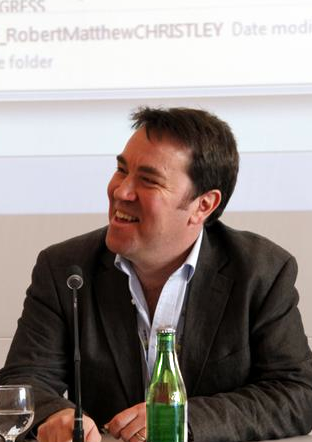 Rob Christley合作论文数Institute of Infection, Veterinary and Ecological Sciences, Faculty of Health & Life Sciences, University of Liverpool9
 A. Imran Nordin合作论文数8Stephanie Chua合作论文数Universiti Malaysia Sarawak8
 Wan Muhamad Umarullah Noormanshah合作论文数6Christian Setzkorn合作论文数Added by Christian Setzkorn, last edited by Christian Setzkorn on 02 May, 2007 (view change) Labels: multi-objective, evolutionary, algorithms
Add Labels Wait Image
Enter labels to add to this page:
Tip: Looking for a label? Just start typing6
Wan Muhamad Umarullah Noormanshah合作论文数6Christian Setzkorn合作论文数Added by Christian Setzkorn, last edited by Christian Setzkorn on 02 May, 2007 (view change) Labels: multi-objective, evolutionary, algorithms
Add Labels Wait Image
Enter labels to add to this page:
Tip: Looking for a label? Just start typing6 Omar Zakaria合作论文数Faculty of Computer Science and Information Technology, University of Malaya6
 T. Nanthakumaran Thulasy合作论文数5
 Mohammed A. Ahmed合作论文数Inst IR 4 0, Univ Kebangsaan Malaysia5
 Choon Beng Tan合作论文数Universiti of Malaysia Sabah5
 Syahaneim Marzukhi合作论文数Victoria University of Wellington5Nadhirah Rasid合作论文数4
 Dr Mardhiyati Mohd Yunus合作论文数4
 Nurul Muizzah Johari合作论文数4
 Noorlizawati Abd Rahim合作论文数Dept Sci Management & Design, Univ Teknol Malaysia4Mohamad Abu Ubaidah Amir Abu Zarim合作论文数4
 Astuty Amrin合作论文数Dept Engn, Univ Teknol Malaysia4
 Muhammad Khalis Abdul Karim合作论文数4
 Akmal Sabarudin合作论文数Dept Diagnost & Appl Hlth Sci, Univ Kebangsaan Malaysia4Wataru Sunayama合作论文数4
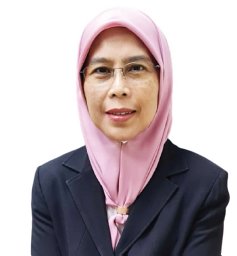 Hamidah Alias合作论文数Faculty of Medicine, Universiti Kebangsaan Malaysia4
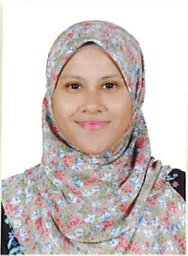 Nora Azima Noordin合作论文数4Narishah Mohamed Salleh合作论文数3Ummul Fahri Abdul Rauf合作论文数3
 Irna Hamzah合作论文数3
 Nur Haidar Hanafi合作论文数3
 Rina Mohd Sharip合作论文数3
 Sharyar Wani合作论文数Kulliyyah of Information and Communication Technology, International Islamic University Malaysia3Halimah Badioze Zaman合作论文数Institute of Visual Informatics, Universiti Kebangsaan Malaysia3Istas F. Nusyirwan合作论文数Centre for Aerospace Design Technology;RMIT University;Centre for Aerospace Design Technology, RMIT University3
 Angela Siew Hoong Lee合作论文数3Mohd Izhar A. Bakar合作论文数2Zahidan Zabri合作论文数2Mohd Shahril Mohd Shamsul合作论文数2
 ahmad khairuddin bin mohamed yusof合作论文数2Muhammad Hafiz Bin Mastro合作论文数2
 Isa Azzaki Zainal合作论文数2
 Anis Nur Assila Rozmi合作论文数2
 Afiqah M. Azahari合作论文数2
 Ummul Hanan Mohamad合作论文数Inst IR4 0, Univ Kebangsaan Malaysia2
 Shureen Shukor合作论文数2Mohd. Shahrudin Abd. Manan合作论文数2
 Mohd Suhairi bin Md Suhaimin合作论文数2Rabiatul-Adawiah Ahmad Rashid合作论文数Universiti Sains Malaysia2Mohd Afizi Mohd Shukran合作论文数2
 Kok Bc合作论文数2




