Dynamic Graph Neural Networks (DGNNs) can effectively capture the evolution of user-item interactions to precisely predict users’ future preferences. However, existing work lacks systematic modeling of the evolution of user long-term and short-term interest and adequate characterization of dynamic interaction attributes within interest environments, resulting in biased preference prediction. To address these issues, we propose a long-term and short-term Fine-grained Attribute Environment-Aware Dynamic graph Recommendation (FAEA-DR) method to model dynamically evolving attribute interest environments while capturing users’ long-term and short-term preferences. Specifically, we first design a Dual-level Attribute attention Fusion Reconstruction module (DAFR) to model local and global attribute-environment distributions at a fine-grained level, which captures user attribute dependencies and leverages the attention mechanism to adaptively fuse different-granularity attribute features for graph structure reconstruction, creating a dynamically evolving attribute environment for users and items. Second, we design a Sequence-Gated Interpolation Attribute-aware Transformer (SGIA-Transformer) to perform differentiated modeling of long-term user behaviors through odd-even sequence decomposition and gated interpolation-based complementation, while incorporating dynamic attribute environments to enhance the model’s ability to capture long-term dependency features. In addition, we design a Sliding Window Dynamic attribute Conditional variational autoEncoder (SW-DCE), which adaptively adjusts and models users’ short-term preferences within the attribute environment window, and learns short-term interests based on attribute environment distribution constraints, accurately mining user preferences and maintaining strong generalization ability across different time spans. Finally, on three real-world datasets (MeiTuan, MovieLens 1M, and MovieLens 100K) containing 82,754 to 697,377 interaction records under multiple Top-K settings (10, 15, 20, and 25), we achieve an average improvement of 7.22% on Recall@K and an average improvement of 4.34% on NDCG@K. These results demonstrate the effectiveness of FAEA-DR in modeling dynamically evolving user interests in real-world recommendation scenarios.
Blockchain technology plays a crucial role in ensuring the security of cryptocurrency transactions. However, with the advances in information technology, phishing fraud has emerged as a major cyber threat, compromising the integrity of transactions within the blockchain ecosystem. Consequently, phishing fraud detection has become a critical research challenge in the blockchain domain. Existing approaches struggle to effectively model user anonymity and capture temporal dependencies in dynamic transaction networks. To address these limitations, we propose EFD-AW, an Ethereum Phishing Fraud Detection via Dynamic Graph Neural Network with Anonymous Walks, which formulates cryptocurrency transaction networks fraud detection as a link prediction problem in dynamic graphs. First, we introduce a dynamic graph construction strategy based on Ethereum transaction data. Additionally, we develop a novel temporal anonymity walk mechanism to model user anonymity on the Ethereum platform while establishing relationships between cryptocurrency transaction accounts as key entities for analysis. Subsequently, we propose a temporal feature encoding strategy to effectively capture the temporal dynamics of account transaction history. Finally, we design a topology-aware Transformer architecture that integrates graph structural features and transaction history information at the semantic level, leveraging the multi-attention mechanism to capture long-term evolutionary patterns of phishing behaviors and predict the next potential phishing target. Experiments conducted on four real-world datasets and one Ethereum cryptocurrency transaction dataset demonstrate that EFD-AW consistently outperforms existing methods in the link prediction task, as evaluated by AP and AUC-ROC metrics. The source code is publicly available at: https://github.com/zhabng/EFD-AW.
Zero-shot relation extraction based on semantic matching is one of the hot topics in natural language processing. However, on the one hand, simply using relation descriptions and sentences for matching leads to insufficient semantic information; on the other hand, not all parts of a text contribute equally to relation extraction. Therefore, a zero-shot relation extraction method based on self-attention mechanism and semantic matching (SASM) is proposed. In order to enrich the semantics of relation descriptions, SASM proposes to sums up synonyms of relations with relation descriptions to obtain relation vectors. At the same time, it adopts self-attention mechanism to obtain key contextual information in sentences, and then concatenates the two entities to obtain sentence vectors. Then, jointly minimizing the distance between sentence vectors and relationship vectors to classify the seen relationships. During testing, generate embeddings of unseen relations and new sentences, and use nearest neighbor search to predict unseen relation. The F1 value on two public datasets increased by 0.39 and 0.52, respectively. Synonyms can effectively expand the semantics of relations, and self-attention mechanism help accurately locate key information in sentences. Combining them can effectively improve the performance of semantic matching-based zero-shot relation extraction. We release our code at https://github.com/lululu666123/yang_second_work/tree/master .
Accurate image segmentation of experimental instruments is important for intelligent analysis and automated assessment in physical laboratory scenarios. However, practical experimental images often contain background clutter, target-scale variation, and thin structures, which challenge the feature representation and multi-scale modeling capabilities of existing segmentation networks. To address these issues, we propose an Adaptive Coordinated Aggregation Res-UNet (ACA-ResUNet) for physical experimental instrument segmentation. The model incorporates an adaptive semantic filtering (ASF) module to suppress irrelevant background responses, a hierarchical feature coordination (HFC) module to improve cross-level feature fusion, and a multi-perceptual context aggregation (MPCA) module to capture contextual information at multiple scales. These components are jointly regulated through a coordinated aggregation strategy that integrates local details, hierarchical semantics, and multi-scale context during decoding. The proposed model is evaluated on three self-constructed physical experiment datasets and two public segmentation benchmarks under unified experimental protocols. Experimental results demonstrate competitive segmentation performance on physical experimental images and provide further evidence of its applicability to external segmentation domains.
Heterogeneous graph data in real world is characterized by a wide variety of node and edge types and complex structures. They also commonly suffer from label scarcity and incomplete data, which constrains the performance and generalization capabilities of traditional semi-supervised graph neural networks. Contrastive learning methods based on multi-graph paradigm can achieve excellent performance in label-scarce scenarios. However, many of these approaches enhance each meta-path-based view from a local perspective, struggling to fully exploit semantic and structural information. Moreover, existing methods often employ batch normalization to reduce redundancy, yet the normalized features can retain correlation, potentially leading to dimensional collapse. To address these challenges, we propose the Heterogeneous Graph Contrastive Learning with Meta-path Augmentation and Whitening (HGCL-MAW). Based on a self-supervised contrastive learning framework, HGCL-MAW captures comprehensive graph information by designing and constructing meta-path-based graph augmentation and neighbor augmentation strategies to learn more robust node representations. Meanwhile, an encoder based on the graph attention technique is employed, which performs intra-graph aggregation to capture local structural features and inter-graph aggregation to fuse information from different meta-paths, thereby capturing global semantic features. Furthermore, a whitening technique is introduced to process node embeddings, which effectively reduces dimensional correlation, preserves feature independence, and alleviates the issue of dimensional collapse. Experimental results on four public datasets for downstream tasks, including node classification and clustering, demonstrate that the proposed model significantly improves performance under label-scarce conditions, thus validating the effectiveness of our method. Our code and data are available at https://github.com/desslie047/HGCL-MAW .
Knowledge Tracing (KT) aims to dynamically model a student's knowledge state to predict future learning performance. However, most existing approaches have two main limitations. On the one hand, they fail to capture the gradual evolution of knowledge over time, overlooking the stable nature of the learning process. As a result, their predictions often show significant temporal fluctuations. On the other hand, they ignore individual differences in students' abilities across different tasks within the same domain, typically modeling ability as a single, static level, which limits the accuracy of personalized predictions. To address these issues, this research proposes Dynamic Domain Learning Ability Enhanced Knowledge Tracing with Stability (DLAKT). Firstly, unlike previous knowledge tracing methods that primarily rely on knowledge mastery, DLAKT is the first to explicitly incorporate domain learning ability into the KT framework. This design addresses the limitation that knowledge states alone cannot fully capture individual differences. By establishing a clear mapping between skills and multiple ability dimensions, DLAKT constructs an interpretable representation of domain learning ability. The model dynamically adjusts the ability improvement rate according to the student's knowledge state, response time, and item difficulty, enabling personalized modeling of evolving abilities. Secondly, DLAKT explicitly models knowledge forgetting and accumulation based on memory networks by incorporating multiple learning behavior features, thereby more accurately simulating the learning dynamics. It further introduces a Transformer-based smoothing module to reduce fluctuations in the knowledge state and enhance model stability. Finally, through the joint modeling of knowledge evolution and the dynamic update of domain learning ability, DLAKT achieves more accurate and stable predictions of student performance. Experiments on three real-world educational datasets show that DLAKT consistently outperforms existing mainstream models in prediction accuracy.
Business process prediction is essential for monitoring workflows and ensuring service quality. A key task in this area, remaining time prediction, focuses on estimating process duration and has been extensively studied. While Long Short-Term Memory (LSTM) networks are widely adopted, their limited parallelization and sequential modeling capabilities constrain performance. To address these limitations, we propose a remaining time prediction approach based on a bidirectional Quasi-Recurrent Neural Network (QRNN) with an attention mechanism. Specifically, the bidirectional QRNN is employed to construct the prediction model, while the attention mechanism enhances its ability to extract feature information. Next, a transfer training iteration strategy based on different trace prefix lengths is designed to address the imbalance in trace lengths. Then, a Word2Vec-based event representation learning approach is introduced to generate similarity vector of adjacent events, further improving prediction accuracy. Finally, using five publicly real-life event logs, the proposed approach is evaluated against state-of-the-art approaches. Experimental results demonstrate that it improves average prediction accuracy by nearly 15% while reducing average model training time by approximately 26%.
Graph Neural Networks (GNNs) have demonstrated remarkable success in various scenarios. However, their impressive performance is under the assumption of class balance (i.e., equal training sample distribution across various categories). Once trapped in the class-imbalanced issue, the GNN-based models typically under-represent the minority ones, resulting in decreased performance compared to balanced graphs. A promising solution is to balance the graph in a generative manner. However, the existing studies overlook the consistency between the synthesized sample and its corresponding class. Furthermore, the homophily assumption (i.e., like attracts like) undermines the topological diversity of graphs, thereby complicating the capability of models to capture the true distribution and boundaries of the categories. To this end, we propose a Consistency-Aware and Loose Homophily guided generative method for class-imbalanced graphs, namely GraphCALH. Specifically, we design a consistency-aware feature synthesis method to balance the node-wise characteristics and the class-wise commonality for the synthesized samples. Moreover, we devise a loose homophily guided topology modeling method to enrich the topological diversity and simplify category boundaries. The experimental results on eleven class-imbalanced datasets demonstrate that the proposed GraphCALH outperforms ten state-of-the-art methods.
The surge in compute-intensive applications, together with the rising need for service differentiation, presents substantial challenges to conventional terrestrial communication infrastructure. In response to these issues, we explore the problem of jointly managing user association and resource slicing in a UAV-assisted mobile edge computing (MEC) system. First, we propose a two-tier architecture consisting of a terrestrial layer (TL) and an aerial layer (AL). In this framework, UAVs (unmanned aerial vehicles) are deployed in the AL to assist base stations (BSs) in handling traffic overload and extending coverage to ground users. Based on this architecture, we formulate a joint optimization problem aimed at maximizing the system data rate while minimizing computational latency and slicing cost, and ensuring the slice service satisfaction ratio (SSR). Due to the NP-hard nature of the formulated problem, a priority-based greedy policy (GP) is designed to obtain an efficient user association strategy. Subsequently, a Long Short-Term Memory (LSTM)-enhanced Soft Actor-Critic (LSAC) algorithm is proposed to address the resource allocation subproblem. Simulation results show that the GP-based user association method achieves better performance than both the random association (RA) and maximum signal-to-interference-plus-noise ratio (max-SINR)-based schemes, particularly in overall system utility. Furthermore, the LSAC-GP algorithm improves system utility by 4.36%, 3.94%, and 88.8% compared with SAC-GP, DDPG-GP, TD3-GP and Hard-slicing baseline algorithms, respectively.
Multivariate time series have broad applications in domains such as healthcare, finance, and climate science. However, irregular sampling often leads to severe data gaps and misaligned variables across dimensions, making time series forecasting under such conditions particularly challenging. Common approaches typically fill in missing values via interpolation before applying classic time series models-such as Transformers-for prediction. Yet these methods suffer from two major drawbacks: first, conventional interpolation techniques often fail to restore missing data accurately, resulting in imputed values that diverge substantially from the true observations; second, common models struggle to learn both the temporal dynamics of individual variables and the interdependencies among multiple variables in a unified manner. To address both challenges, this paper proposes a novel strategy. First, it uses a fixed template to convert time series data into text prompts and utilizes a large language model to extract text embeddings. Second, it employs a message passing mechanism to fully exploit the correlations among variables in an irregularly sampled series, yielding more reasonable imputations. Next, it transforms the time series into multi-channel images, a representation that not only preserves the temporal dynamics of each variable but also captures the interactions among different variables at each time point. Finally, it adopts a dual-modal alignment method for text and time series data based on multi-head attention to learn the time series information and classify it. Experimental results on the PAM, P12, and P19 datasets demonstrate that the proposed method achieves superior predictive performance compared to common approaches for irregularly sampled time series classification.
Personalized exercise recommendation can accurately match learners' individual needs, significantly enhancing their motivation and learning efficiency. However, existing exercise recommendation methods mainly focus on knowledge matching while neglecting the time factor. Learning time, as a core dimension for measuring learning efficiency, is equally important in personalized exercise recommendation. In this paper, we propose a novel model named Multi-Head Self-Attention based Personalized Exercise Recommendation with Time Demand (MSATD). Given a learner's current behaviour sequence, MSATD predicts the next exercise along with an appropriate attempting time. Specifically, we firstly construct a learning behaviour sequence modeling module that integrates learning time. Based on the exercise-time interaction sequence, MSATD uses an LSTM enhanced by multi-head self-attention to capture the dynamic correlations between learning behaviour and attempting time. Then, we construct a learner global representation module that leverages graph neural networks (GNNs) to extract structural relations and behavioural similarity features among learners in the overall learning network. Finally, MSATD integrates the learner's behaviour sequence representation, global representation, and exercise difficulty features to achieve more accurate personalized exercise recommendations. To validate the effectiveness and comparative advantages of MSATD against state-of-the-art baselines, we conduct comprehensive experiments on two real-world datasets using multiple evaluation metrics. A case study is also conducted to further demonstrate its effectiveness in recommending suitable exercises at appropriate times.
Wind turbine operation and maintenance enhance equipment reliability and help regulate electricity costs. Efficient maintenance resource allocation is essential for reducing maintenance expenses. However, existing maintenance resource allocation approaches face several challenges, including imbalanced distribution of human resources and inefficiencies in maintenance operations. To address these challenges, we propose a novel wind turbine maintenance resource allocation strategy by fusing process data and fault data in modern wind power systems. First, wind turbine maintenance process (WTMP) data are integrated with fault data to construct comprehensive fault-process data. Then, the Petri net-based WTMP resource model is discovered from the fault-process data using process mining techniques. Next, we propose a novel cost-and time-aware resource allocation strategy to assign the most suitable resources for each maintenance task. Finally, four deep learning models (LSTM, BiLSTM, GRU, and BiGRU) are built on top of the proposed allocation strategy to predict the time and cost of maintenance tasks. Based on the prediction results, an optimized allocation strategy is obtained and applied to the Petri net-based WTMP resource model. Experimental evaluation using real-life data from the Huangyi Wind Farm in Hebei Province, China, demonstrates that the proposed fusion-based approach effectively discovers an optimized WTMP resource model, while also reducing maintenance costs and improving maintenance efficiency. In addition, the BiGRU model combined with the proposed allocation strategy achieves the optimized resource allocation and the maintenance process time is reduced by up to 96%.
In contrastive learning, the metapath coupled mutual information maximization paradigm struggles to capture rich node context, due to challenge with global representation consistency. Moreover, it simplistically encodes semantic subgraphs in isolation, which not only overlooks potential interactions between different semantic structures but also leads to redundant node encoding. To tackle these challenges, we propose an Efficiently Harmonizing Information Sharing for Heterogeneous Graph Contrastive Learning (HarmoHGCL). Specifically, topology and attribute knowledge are decoupled to capture different relationships and node specific information. Additionally, a semantic subgraph fusion strategy is proposed to capture the structural interactions between different semantics and employ them as anchor samples. Finally, the above learning modules enable efficient cross-view contrastive learning and harmonize information from different views by node attributes sharing and triple loss strategies. Experimental results show that HarmoHGCL outperforms state-of-the-art methods. The source codes can be accessed at GitHub.1
Movie scene detection is challenging because it requires accurately measuring the relationship among shots to find scene boundaries. Most existing methods measure it based on similarity, which may result in the inability to distinguish between similar shots from different scenes and overlook the relationship between dissimilar shots within the same scene. In this paper, we propose a movie scene detection method based on Clue Relationship and Constrained Shot Description (CRCSD) to address the above challenges. First, we propose self-clue and entangled-clue, and rebalance the relationship among shots through clue relevance (CR) to distinguish similar shots from different scenes and bridge dissimilar shots in the same scene. We utilize the information of an entire clue rather than discrete shots for movie scene detection, which is more in line with human thinking habits. Second, we propose Shotboard, which adds constraints with metadata and shot properties to generate descriptions of shots from the camera’s perspective. A BEncoder is used to extract board features of these shot descriptions, thereby establishing latent associations across shots, which can further alleviate the above challenges. Finally, we build two modal clue graphs, transfer weights between graphs, and propagate messages within graphs to learn shot features with clue context to identify the ending shot of a scene. Experiments on multiple public datasets show that our method can significantly improve the performance of movie scene detection. For example, we improve the Average Precision (AP) by 5.5% on the MovieNet dataset. The code is available at https://github.com/KJWQYY/CRCSD.
Current crop disease VQA models primarily focus on object counting and detection. However, accurately identifying various disease stages and determining control measures re quire additional knowledge beyond images, including information about control methods and pathogen details. To address this, the VQA dataset relies on the images and questions to retrieve relevant external knowledge. To realize the VQA task of crop diseases external knowledge, we construct the Visual Question Answer Model Based on Crop Diseases External Knowledge for Smart Agriculture (CDEK). CDEK integrates two categories of external knowledge on 66 common dicotyledonous crop diseases by utilizing large language models and agricultural knowledge repositories to enhance knowledge retrieval. This integration enhances the richness of external knowledge repositories. En hancing fine-grained image understanding in CDEK through the utilization of Stack Self-Attention (SSA), utilising Cross Attention and contrastive learning of two external knowledge, with a focus on emphasizing image-related semantic information during training. Finally, an automatic patrol disease detection robot is constructed based on Tensor Processing Unit (TPU) devices and the CDEK model. CDEK achieves an accuracy of 61.7% on the publicly available dataset OK-VQA, surpassing the previous state-of-the-art by 5.1%. Furthermore, we construct the OKiCD-VQA dataset for crop diseases external knowledge and achieve an accuracy of 89.36% using CDEK. A series of ablation experiments are conducted on various modules, the effectiveness of CDEK is demonstrated through extensive experimentation. Contributing solutions to the sustainable development of smart agriculture.
Anomaly detection in dynamic graphs aims to capture the dynamic evolution characteristics of graphs, and then identify abnormal behaviors that deviate from normal patterns. However, previous studies fail to decouple periodic and bursty information during the time encoding process, which hinders their performances. In addition, most existing methods use attention mechanisms to capture the importance of time points. They fail to leverage the normal and abnormal characteristics in the frequency domain. To address the above issues, we propose a model that integrates multi-scale Frequency encoding with Time-frequency Attention for Anomaly Detection in dynamic graphs, named FreqTAD. We design a multi-scale frequency encoder that decomposes time series into distinct periodic and bursty components. Moreover, we present an effective time-frequency attention mechanism that focuses on frequency components to differentiate frequency-domain features of normal and abnormal behaviors. Experimental results on four datasets demonstrate the superior performance of FreqTAD in both anomaly detection accuracy and computational efficiency.
Named entity recognition (NER) in marine meteorological disaster texts is essential for automated information extraction and disaster management. However, disaster-chain descriptions often contain nested entities that are difficult for conventional flat NER models to represent. This paper proposes PRSpan, a position-role-aware span classification model for nested NER. PRSpan incorporates Rotary Position Embedding (RoPE)-enhanced attention for relative position-aware boundary modeling and uses Conditional Layer Normalization (CLN) to generate role-specific Head, Mid, and Tail token features. A Positional Role Pooling strategy further aggregates these features into span representations to preserve boundary cues and internal semantic coherence. To support evaluation, we construct MMD-NER, a domain-specific dataset containing 1899 sentences, 17,017 entities in 11 categories, and 2978 nested entity pairs through a four-step LLM-assisted pipeline. Experimental results show that PRSpan achieves Micro-F1 and Macro-F1 scores of 94.58% and 93.47%, outperforming the strongest baseline by 3.61 and 3.93 percentage points, respectively. Additional analyses verify the effectiveness of RoPE-enhanced attention, role-specific feature generation, and Positional Role Pooling. Cross-domain transfer and LLM prompting comparisons further demonstrate the practical value of PRSpan for nested entity extraction in low-resource Earth science domains.
Root cause analysis (RCA) aims to discover the root causes of abnormal events. Causal relations reveal the evolution process of abnormal events, which plays a crucial role in RCA. However, existing methods neither explicitly emphasize the “AND/OR” relations among causes, nor consider the synergy effects owned by non-causal variables on causal rules, thereby affecting the credibility of RCA. To address the issues, by fusing Petri nets and Bayesian networks, this study proposes a new knowledge mining and RCA methodology for multivariate time series, called synergy-incorporated Bayesian time Petri net. It integrates the advantages of Petri nets in modeling and analyzing complex temporal dependencies and Bayesian networks in evidence reasoning. It takes into account “AND/OR” relations and synergy effects in temporal knowledge mining and RCA. Two cases are employed to verify its performance in knowledge mining and RCA, including a case study of quality anomaly detection of solar panels and the Tennessee-Eastman process. The experimental results from both cases indicate that it can effectively consider “AND/OR” relations and synergy effects. When applied to the former, it outperforms the state-of-the-art RCA methods in accuracy by over 11%.
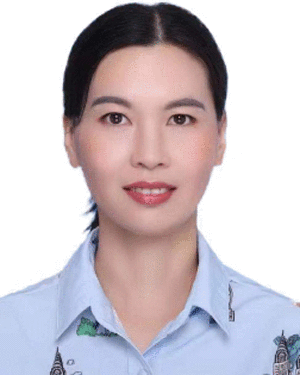 Hua Duan (段华)合作论文数108
 Cong Liu合作论文数College of Information Science and Engineering, Shandong University of Science and Technology68
 Weijian Ni (倪维健)合作论文数College of Computer Science and Engineering, Shandong University of Science and Technology64
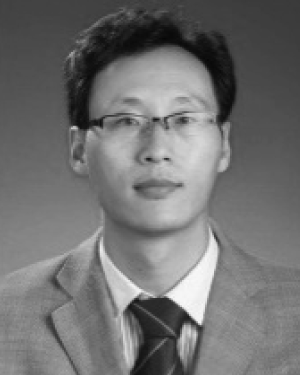 Faming Lu合作论文数35
 Zhongying Zhao (赵中英)合作论文数College of Computer Science and Engineering, Shandong University of Science and Technology33
 Nengfu Xie (谢能付)合作论文数Agricultural Information Institute of CAAS31
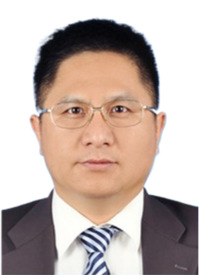 Geng Chen (陈庚)合作论文数College of Civil and Transportation Engineering, Hohai University27
 Hua Zhao (赵华)合作论文数College of Computer Science and Engineering, Shandong University of Science and Technology26
 Guiyuan Yuan合作论文数Shandong Univ Sci & Technol, Coll Comp Scien & Engn, Qingdao 266590, Peoples R China20
 Tong Liu合作论文数19
 Long Cheng (程龙)合作论文数School of Control and Computer Engineering, North China Electric Power University18
 Shansong Wang合作论文数17
 Wenyan Guo (郭文艳)合作论文数12
 YunXia Bao (包云霞)合作论文数12
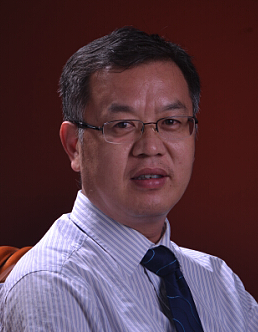 Yongquan Liang (梁永全)合作论文数College of Computer Science and Engineering, Shandong University of Science and Technology12
 Mengchu Zhou (周孟初)合作论文数Department of Electrical and Computer Engineering, New Jersey Institute of Technology;Discrete Event Systems Laboratory, New Jersey Institute of Technology12
 Fei Shen (沈斐)合作论文数University of Chinese Academy of Sciences;Shanghai Institute of Microsystem and Information Technology, Chinese Academy of Sciences10Ge Song合作论文数10XiuLi Diao (刁秀丽)合作论文数10
 Hui Zhou合作论文数Beijing Tongren Hospital, Beijing Hospital9Minghao Zou合作论文数8Zhengguo Song合作论文数8
 Yudong Zhang (张煜东)合作论文数School of Informatics, University of Leicester8
 Jiujun Cheng (程久军)合作论文数School of Computer Science and Technology, Tongji University7Ziqi Zhao合作论文数6
 Zedong Lin合作论文数6Xiao-jun ZHANG (张小军)合作论文数6Fengjing Xiao (肖风劲)合作论文数中国气象局6
 Feng Zhang (张峰)合作论文数College of Computer Science and Engineering, Shandong University of Science and Technology6
 Rui Cao合作论文数Shenzhen Key Lab Spatial Smart Sensing & Serv, Shenzhen Univ6
 Jianming Cui合作论文数6
 Yeyu Yan (闫页宇)合作论文数The Institute of Information Science, Beijing Jiaotong University; Beijing Key Laboratory of Advanced Information Science and Network Technology5Wenjuan Lian合作论文数5Yan Wen合作论文数5XiaoRong Yang (杨晓蓉)合作论文数5
 Xue Zhang合作论文数5
 Chao Li合作论文数Center for Advanced Intelligence Project, RIKEN5
 Huaiqing Wang (王怀清)合作论文数BZISLAND5
 Shangce Gao (高尚策)合作论文数Artificial Intelligence Lab, Faculty of Engineering, University of Toyama5Jiufang An合作论文数5
 Jinhu Fu (付金虎)合作论文数Beijing University of Posts and Telecommunications4Xiaoyu Tang合作论文数4
 Tianyi Zhang合作论文数4Jian Sun合作论文数4
 Zhengmao Jia合作论文数4Gen LIU (刘根)合作论文数4
 Wenyin Liu (刘文印)合作论文数School of Computer Science and Technology, Guangdong University of Technology4




