Contrastively pretrained audio–language models (e.g., CLAP) excel at clip-level understanding but struggle with frame-level tasks.Existing extensions fail to exploit the varying granularity of real-world audio–text data, where massive clip-level textual descriptions coexist with limited frame-level annotations. This paper proposes **Fine**-grained **L**anguage-**A**udio **P**retraining (**FineLAP**), a novel training paradigm that advances both clip- and frame-level alignment in CLAP with heterogeneous data.FineLAP introduces a dual-stream sigmoid loss with a cluster-based sampling strategy to jointly learn from clip- and frame-level supervision. To capture both global semantics and local details, FineLAP uses a decoupled audio projector on top of a self-supervised encoder.To alleviate the scarcity of temporally annotated data, we present FineLAP-100k, a large-scale synthetic SED dataset constructed through a scalable curation pipeline.Extensive experiments demonstrate that FineLAP achieves SOTA performance across multiple audio understanding tasks, including retrieval, classification, sound event detection, and text-to-audio grounding. Ablation studies further show that coarse- and fine-grained alignment are mutually beneficial, providing insights for building better audio-language models (ALMs).
DCASE 2026 Task 5 introduces Audio-Dependent Question Answering (ADQA), which tests whether large audio-language models answer from the audio rather than from textual priors. An Audio-Dependency Filtering (ADF) pipeline combines silent-audio probing, per-option perplexity, a large language model (LLM) commonsense check, and human review to remove items solvable from text alone. The 3000 items that pass form the ADQA-Bench evaluation set, spanning music, speech, and environmental audio. The inaugural edition draws 14 teams and 36 submissions across two tracks defined by total parameter count (up to 100B and under 10B). A Chung-Ang University ensemble of MOSS-Audio-8B-Thinking and Qwen3-Omni-30B reaches the top overall accuracy at 58.33, and a MOSS-only configuration from the same team leads the sub-10B track at 57.30. Across the 30 submissions with a comparable development score, evaluation accuracy falls by 11.91 percentage points (pp) on average (median 10.91 pp) on the hidden evaluation split, which is designed to be harder than the development split. The most common building blocks are: the MOSS-Audio-8B-Thinking backbone (13 of 36 submissions), Low-Rank Adaptation (LoRA) fine-tuning on AudioMCQ-StrongAC, and preference or reinforcement-learning objectives – Group Relative Policy Optimization (GRPO) in five teams, Group reward-Decoupled Normalization Policy Optimization (GDPO) in two. At test time, prompt engineering is near-universal, and majority or choice-permutation voting is common. Every system misses the same set of 233 evaluation items.
Computational Auditory Scene Analysis (CASA) aims to detect what sounds appear and when they occur in an audio recording, as well as to separate the audio into waveforms corresponding to the identified sound classes. The CASA problem presents several challenges. First, previous source separation systems require training on clean data, which is often scarce. Second, existing conditional source separation systems are designed to separate only a limited number of sound classes and cannot scale to separate hundreds of classes. Third, prior works require users to specify the sounds to be separated and cannot automatically detect which sound classes to separate. Fourth, there is a limited research on building hierarchical source separation systems. The contributions of this work are as follows. First, we propose training universal source separation (USS) systems on large-scale weakly labeled and unlabelled datasets, rather than relying solely on clean data. Second, we develop a large-scale USS system capable of separating up to 527 sound classes, with the potential to scale to unlimited number of classes. Third, we introduce a method to automatically detect and separate sound classes without user specification. Fourth, we present a hierarchical USS system that can separate sound classes at various hierarchical levels. We train the USS systems on AudioSet and evaluate their performance on speech, audio, and music datasets, demonstrating the effectiveness of our approach.
Voice timbre attribute detection (vTAD) is the task of determining the relative intensity of timbre attributes between speech utterances. Voice timbre is a crucial yet inherently complex component of speech perception. While deep neural network (DNN) embeddings perform well in speaker modelling, they often act as black-box representations with limited physical interpretability and high computational cost. In this work, a compact acoustic parameter set is investigated for vTAD. The set captures important acoustic measures and their temporal dynamics which are found to be crucial in the task. Despite its simplicity, the acoustic parameter set is competitive, outperforming conventional cepstral features and supervised DNN embeddings, and approaching state-of-the-art self-supervised models. Importantly, the studied set require no trainable parameters, incur negligible computation, and offer explicit interpretability for analysing physical traits behind human timbre perception.
Although diffusion-based, non-autoregressive text-to-speech (TTS) systems have demonstrated impressive zero-shot synthesis capabilities, their efficacy is still hindered by two key challenges: the difficulty of text-speech alignment modeling and the high computational overhead of the iterative denoising process. To address these limitations, we propose ARCHI-TTS that features a dedicated semantic aligner to ensure robust temporal and semantic consistency between text and audio. To overcome high computational inference costs, ARCHI-TTS employs an efficient inference strategy that reuses encoder features across denoising steps, drastically accelerating synthesis without performance degradation. An auxiliary CTC loss applied to the condition encoder further enhances the semantic understanding. Experimental results demonstrate that ARCHI-TTS achieves a WER of 1.98
Audio source separation typically uses one-step inference, which may not fully exploit model capabilities. We show that pretrained one-step separation models can achieve multi-step separation without additional training. Our method iteratively refines separation by optimally blending the input mixture with previous outputs, determining blending ratios through metric maximization. We prove this approach guarantees improvement over one-step inference, provide error bounds based on model smoothness and metric robustness, and establish theoretical connections to denoising diffusion bridge models. Empirically, our multi-step approach consistently outperforms one-step inference in both speech enhancement and music source separation, achieving performance gains comparable to training larger models or using more data—effectively providing a "free lunch" from existing models. These improvements extend to nearly all non-optimized metrics beyond the optimization target.
Spoken dialogue models typically start from text LLM backbones, yet reasoning often degrades when conditioning on speech instead of text. We attribute part of this modality gap to a temporal-granularity mismatch: speech tokens are temporally redundant and far longer than text under matched semantics, diluting per-token semantic density and weakening text-native reasoning dynamics. We study speech token design as a representation selection problem and sweep frame rates under a frozen LLM backbone with a fixed information rate. To make low frame rates feasible, we introduce factorized FSQ and a lightweight non-autoregressive audio LM head, scaling capacity to nearly 300 bits/frame without sacrificing efficient prediction. With the bottleneck removed, we sweep frame rates (50→2.08 Hz) and alignment depth, and observe a consistent best regime for speech QA at 4.17 Hz with intermediate-layer representation alignment.
AI has revolutionized music creation by enabling systems to accompany solo singing with polished instrumental accompaniments. However, existing methods such as SingSong [1] and FastSAG [2] struggle to process long singing inputs and offer limited control over genre, intro length, and other music parameters that are essential to accommodating user preferences. To this end, we propose Sing2Song, a hybrid accompaniment generation system that accepts solo singing audio and produces fully orchestrated accompaniment. The system comprises three core modules: (1) data-driven music information retrieval (MIR) models specifically trained using solo singing, including singing voice transcription (SVT), dynamic beat tracking, and music structure segmentation; (2) rule-based multi-track MIDI accompaniment generation; and (3) rule-based adaptive audio synthesis. This combination ensures both the accuracy of extracting essential music information from singing inputs and the accompaniment quality by using rules and templates designed by professional musicians. The results show that our system outperforms not only the existing systems SingSong and FastSAG, but also the current state-of-the-art MIR models for solo singing. Our output samples are available on the demo page1.
Neural audio codecs are central to modern LLM-based Text-to-Speech (TTS) and multimodal systems. As low-bitrate semantic codecs gain prominence, the Token-to-Waveform (Token2Wav) decoder becomes a bottleneck determining both perceptual quality and system efficiency. Conventional multi-step flow-matching decoders offer superior quality but suffer from high inference latency due to iterative sampling, creating a severe quality-speed trade-off. In this paper, we propose a novel Token2Wav architecture that overcomes this limitation by applying MeanFlow in a highly compressed latent space. By modeling the average velocity rather than the instantaneous velocity field, MeanFlow enables true one-step generation. Operating in the latent domain mitigates the memory and stability issues of waveform-level flows, yielding up to a 17$\times$ improvement in Real-Time Factor (RTF) compared to multi-step baselines with negligible quality degradation. Furthermore, we introduce refinement strategies that mitigate latent mismatch, including decoder-only fine-tuning with the MeanFlow generator frozen and end-to-end joint fine-tuning, improving fidelity without increasing inference-time cost. Code and demo are publicly available.
Music Source Restoration (MSR) aims to recover original, unprocessed instrument stems from professionally mixed and degraded audio, requiring the reversal of both production effects and real-world degradations. We present the inaugural MSR Challenge, which features objective evaluation on studio-produced mixtures using Multi-Mel-SNR, Zimtohrli, and FAD-CLAP, alongside subjective evaluation on real-world degraded recordings. Five teams participated in the challenge. The winning system achieved 4.46 dB Multi-Mel-SNR and 3.47 MOS-Overall, corresponding to relative improvements of 91
With the rapid growth of Internet of Things (IoT) technologies, acoustic signal-based localization has been increasingly adopted. However, non-line-of-sight (NLoS) propagation introduces severe multipath and reverberation, motivating reliable NLoS identification for robust indoor deployment. This article proposes a lightweight end-to-end LoS/NLoS classification framework. The received chirp is self-mixed to form an intermediate-frequency (IF) signal and then quadrature-demodulated to baseband. The resulting in-phase and quadrature (IQ) components are converted into a 2-D IQ-trajectory image. An adaptive elliptic low-pass filter with a dynamically estimated cutoff frequency is introduced to mitigate reverberation. To improve cross-environment robustness, we employ two-view knowledge distillation, where the teacher uses weak augmentation and the student uses strong augmentation with a consistency objective. Experiments in three indoor scenarios achieve accuracies of 0.977, 0.986, and 0.978, and robustness is further validated under distance variation, small displacement, and additive noise. The INT8-quantized TinyCNN is similar to 50 kB and runs in 6.8 ms on a Raspberry Pi 4 and 5.0-5.8 ms on Android.
We introduce Voices of Civilizations, the first multilingual QA benchmark for evaluating audio LLMs' cultural comprehension on full-length music recordings. Covering 380 tracks across 38 languages, our automated pipeline yields 1,190 multiple-choice questions through four stages - each followed by manual verification: 1) compiling a representative music list; 2) generating cultural-background documents for each sample in the music list via LLMs; 3) extracting key attributes from those documents; and 4) constructing multiple-choice questions probing language, region associations, mood, and thematic content. We evaluate models under four conditions and report per-language accuracy. Our findings demonstrate that even state-of-the-art audio LLMs struggle to capture subtle cultural nuances without rich textual context and exhibit systematic biases in interpreting music from different cultural traditions. The dataset is publicly available on Hugging Face to foster culturally inclusive music understanding research.
We introduce symphony rendering, a conditional orchestration system that converts a melody —either from MIDI or a piano solo— into full symphonic audio in the style of a target composer. Our approach uses a flow-matching Transformer conditioned on time-aligned transcription features and a global composer label, enabling faithful realization of melodic content while controlling orchestral style. Trained on a curated 12-composer YouTube corpus (≈62 hours), the system supports two inference modes: MIDI-to-symphony rendering and audio-to-symphony style transfer from piano reductions (e.g., Mahler’s Symphony No. 10). We release all resources: the complete list of source recordings with original YouTube URLs, training code, pretrained checkpoints, and the transcription model, together with audio demos on our project page: https://symphony-rendering.github.io
In recent years, Text-to-Audio Generation has achieved remarkable progress, offering sound creators powerful tools to transform textual inspirations into vivid audio. However, existing models predominantly operate directly in the acoustic latent space of a Variational Autoencoder (VAE), often leading to suboptimal alignment between generated audio and textual descriptions. In this paper, we introduce SemanticAudio, a novel framework that conducts both audio generation and editing directly in a high-level semantic space. We define this semantic space as a compact representation capturing the global identity and temporal sequence of sound events, distinct from fine-grained acoustic details. SemanticAudio employs a two-stage Flow Matching architecture: the Semantic Planner first generates these compact semantic features to sketch the global semantic layout, and the Acoustic Synthesizer subsequently produces high-fidelity acoustic latents conditioned on this semantic plan. Leveraging this decoupled design, we further introduce a training-free text-guided editing mechanism that enables precise attribute-level modifications on general audio without retraining. Specifically, this is achieved by steering the semantic generation trajectory via the difference of velocity fields derived from source and target text prompts. Extensive experiments demonstrate that SemanticAudio surpasses existing mainstream approaches in semantic alignment. Demo available at: https://semanticaudio1.github.io/
Diffusion models have demonstrated remarkable success in generative tasks, including audio super-resolution (SR). In many applications like movie post-production and album mastering, substantial computational budgets are available for achieving superior audio quality. However, while existing diffusion approaches typically increase sampling steps to improve quality, the performance remains fundamentally limited by the stochastic nature of the sampling process, leading to high-variance and quality-limited outputs. Here, rather than simply increasing the number of sampling steps, we propose a different paradigm through inference-time scaling for SR, which explores multiple solution trajectories during the sampling process. Different task-specific verifiers are developed, and two search algorithms, including the random search and zero-order search for SR, are introduced. By actively guiding the exploration of the high-dimensional solution space through verifier-algorithm combinations, we enable more robust and higher-quality outputs. Through extensive validation across diverse audio domains (speech, music, sound effects) and frequency ranges, we demonstrate consistent performance gains, achieving improvements of up to 9.70% in aesthetics, 5.88% in speaker similarity, 15.20% in word error rate, and 46.98% in spectral distance for speech SR from 4 kHz to 24 kHz, showcasing the effectiveness of our approach.
Immersive spatial audio has become increasingly critical for applications ranging from AR/VR to home entertainment and automotive sound systems. However, existing generative methods remain constrained to low-dimensional formats such as binaural audio and First-Order Ambisonics (FOA). Binaural rendering is inherently limited to headphone playback, while FOA suffers from spatial aliasing and insufficient resolution for high-frequency. To overcome these limitations, we introduce ImmersiveFlow, the first end-to-end generative framework that directly synthesizes discrete 7.1.4 format spatial audio from stereo input. ImmersiveFlow leverages Flow Matching to learn trajectories from stereo inputs to multichannel spatial features within a pretrained VAE latent space. At inference, the Flow Matching model predicted latent features are decoded by the VAE and converted into the final 7.1.4 waveform. Comprehensive objective and subjective evaluations demonstrate that our method produces perceptually rich sound fields and enhanced externalization, significantly outperforming traditional upmixing techniques. Code implementations and audio samples are provided at: https://github.com/violet-audio/ImmersiveFlow.
Large Audio Language Models (LALMs) represent an important frontier in multimodal AI, addressing diverse audio tasks. Recently, post-training of LALMs has received increasing attention due to significant performance improvements over foundation models. While single-stage post-training such as reinforcement learning (RL) has demonstrated promising results, multi-stage approaches such as supervised fine-tuning (SFT) followed by RL remain suboptimal. The allocation of data across multiple training stages to maximize LALM capabilities has not been fully explored, and large-scale, high-quality datasets for such research are also lacking. To address these problems, we firstly present AudioMCQ, a comprehensive audio multiple-choice question dataset comprising 571k samples with two kinds of chain-of-thought annotations. Secondly, we investigate the prevalent zero audio-contribution phenomenon in LALMs, where models derive correct answers solely from textual information without processing audio content. We propose Audio-Contribution Filtering to partition data into weak and strong audio-contribution subsets. Based on these insights, we develop two effective post-training paradigms: Weak-to-Strong (SFT on weak audio-contribution data followed by RL on strong audio-contribution data) and Mixed-to-Strong (SFT on mixed audio-contribution data followed by RL on strong audio-contribution data). We achieve first place in the DCASE 2025 Audio-Question-Answering challenge by using AudioMCQ. Additionally, leveraging our dataset with different training strategies, we achieve 78.2\% on MMAU-test-mini, 75.6\% on MMAU, 67.0\% on MMAR, and 71.7\% on MMSU, establishing new state-of-the-art performance across these benchmarks.
Autoregressive (AR) language models have emerged as powerful solutions for zero-shot text-to-speech (TTS) synthesis, capable of generating natural speech from a few seconds of audio prompts. However, conventional AR-based TTS systems relying on discrete audio tokens face the challenge of lossy compression during tokenization, requiring longer discrete token sequences to capture the same information as continuous ones, which adds inference latency and complicates AR modeling. To address this challenge, this paper proposes the Continuous Latent Autoregressive model (CLEAR), a unified zero-shot TTS framework that directly models continuous audio representations. More specifically, CLEAR introduces an enhanced variational autoencoder with shortcut connections, which achieves a high compression ratio to map waveforms into compact continuous latents. A lightweight MLP-based rectified flow head that operates independently for each hidden state is presented to model the continuous latent probability distribution, and trained jointly with the AR model within a single-stage framework. Experiments show that the proposed zero-shot CLEAR TTS can synthesize high-quality speech with low latency. Compared to state-of-the-art (SOTA) TTS models, CLEAR delivers competitive performance in robustness, speaker similarity and naturalness, while offering a lower real-time factor (RTF). In particular, CLEAR achieves SOTA results on the LibriSpeech test-clean dataset, with a word error rate of 1.88% and an RTF of 0.29. Moreover, CLEAR facilitates streaming speech synthesis with a first-frame delay of 96ms, while maintaining high-quality speech synthesis.
We introduce Music Source Restoration (MSR), a novel task addressing the gap between idealized source separation and real-world music production. Current Music Source Separation (MSS) approaches assume mixtures are simple sums of sources, ignoring signal degradations employed during music production like equalization, compression, and reverb. MSR models mixtures as degraded sums of individually degraded sources, with the goal of recovering original, undegraded signals. Due to the lack of data for MSR, we present RawStems, a dataset annotation of 578 songs with unprocessed source signals organized into 8 primary and 17 secondary instrument groups, totaling 354.13 hours. To the best of our knowledge, RawStems is the first dataset that contains unprocessed music stems with hierarchical categories. We consider spectral filtering, dynamic range compression, harmonic distortion, reverb and lossy codec as possible degradations, and establish U-Former as a baseline method, demonstrating the feasibility of MSR on our dataset. We release the RawStems dataset annotations, degradation simulation pipeline, training code and pre-trained models to be publicly available.
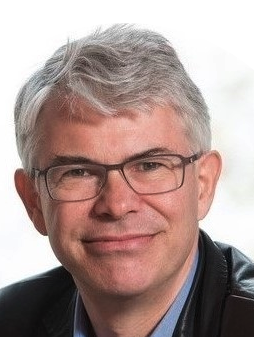 Mark Plumbley合作论文数Centre for Vision, Speech and Signal Processing, Department of Electrical and Electronic Engineering, School of Computer Science and Electronic Engineering, University of Surrey59
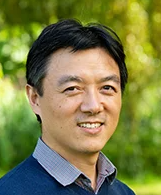 Wenwu Wang合作论文数Centre for Vision, Speech and Signal Processing, School of Computer Science and Electronic Engineering, Faculty of Engineering and Physical Sciences, University of Surrey;Surrey Institute for People Centred Artificial Intelligence, University of Surrey44
 Haohe Liu (刘濠赫)合作论文数Centre for Vision Speech and Signal Processing, University of Surrey25
 Luke Xu (徐勇)合作论文数Meta19
 Yin Cao (曹寅)合作论文数Department of Intelligent Science, School of Advanced Technology, Xi'an Jiaotong-Liverpool University17
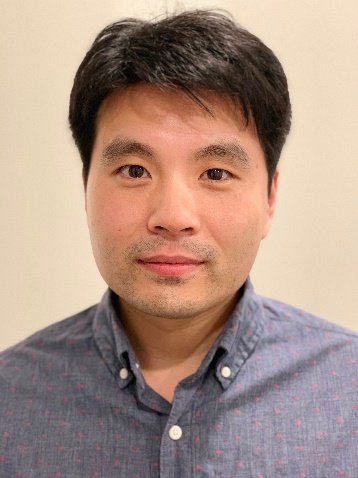 Yuxuan Wang合作论文数ByteDance15
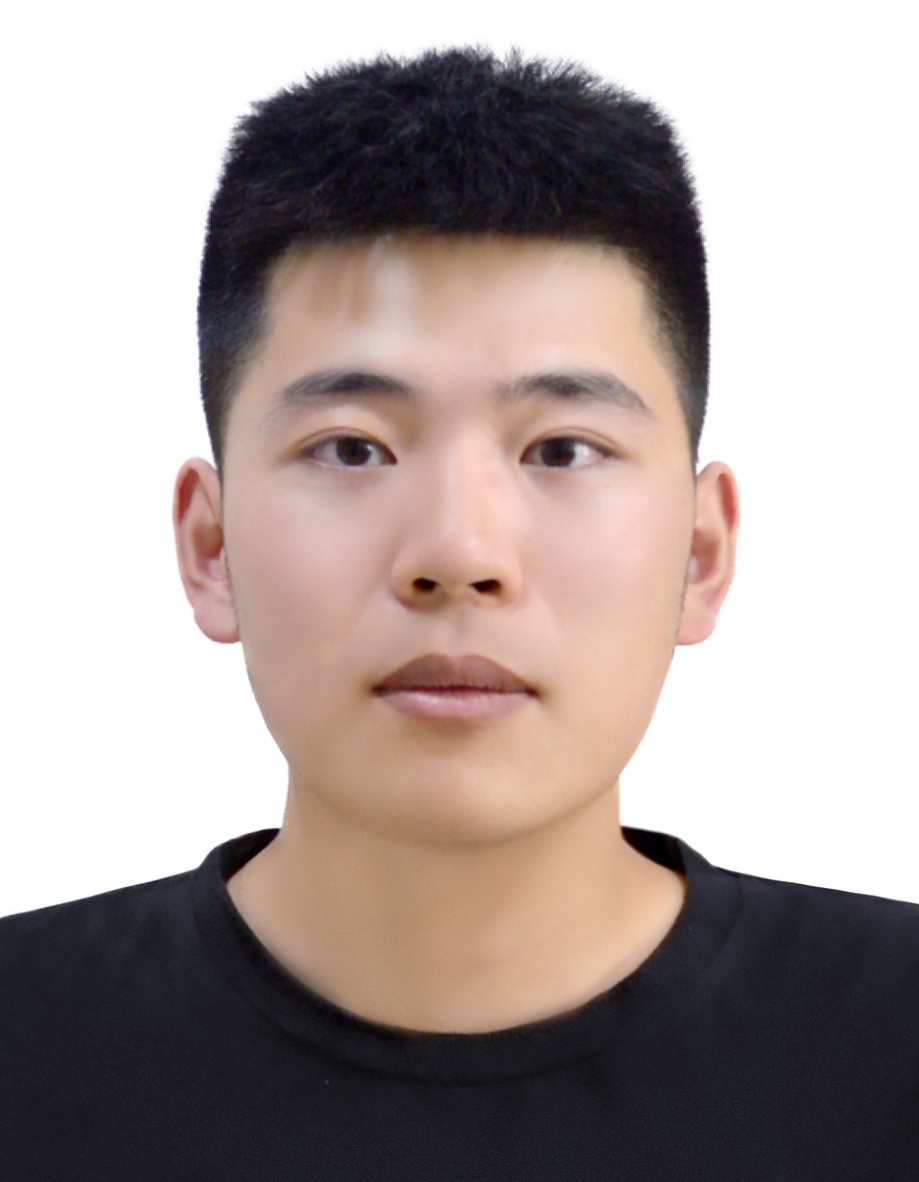 Xubo Liu (刘徐博)合作论文数Meta14
 Turab Iqbal合作论文数University of Surrey13
 Xingjian Du (杜行健)合作论文数Bytedance AI Lab10
 Xinhao Mei (梅昕浩)合作论文数Meta8Qiao Tian合作论文数7Xuzhou Ye合作论文数5
 Wei Xue合作论文数Imperial Coll London, Dept Elect & Elect Engn, London, England5
 Keunwoo Choi合作论文数Upstage5
 Shengchen Li (李圣辰)合作论文数北京邮电大学电子工程学院5
 Kele Xu (许可乐)合作论文数College of Computer Science and Technology, National University of Defense Technology;National Key Laboratory of Parallel and Distributed Computing, National University of Defense Technology;State Key Laboratory of Complex & Critical Software Environment, National University of Defense Technology5
 Bochen Li合作论文数5
 Xie Chen (陈谐)合作论文数4
 Yuanbo Hou合作论文数Beijing University of Posts Telecommunications4
 Xu Tan (谭旭)合作论文数Moonshot AI4
 Dezhi Wang合作论文数School of Optical and Electronic Information, Huazhong University of Science and Technology4
 Yi Yuan (袁燚)合作论文数Visual Computing Group, Netease Fuxi AI Lab4
 Huai-Min Wang (王怀民)合作论文数National University of Defense Technology4
 Ju-Chiang Wang (王如江)合作论文数ByteDance4
 Emmanouil Benetos合作论文数Centre for Digital Music, Queen Mary Univ of London4Zheqi Dai合作论文数3
 Qiushi Huang合作论文数Southern University of Science and Technology;Computer Science Research Centre, University of Surrey3
 Hongzhan Lin (林鸿展)合作论文数Department of Computer Science, Hong Kong Baptist University3Shilei Liu合作论文数3
 Feiran Yang (杨飞然)合作论文数Key Laboratory of Noise and Vibration Research, Institute of Acoustics, Chinese Academy of Sciences;University of Chinese Academy of Sciences3Junjie Shi合作论文数3Yujia Xiao合作论文数The Chinese University of Hong Kong3
 Jinbo Hu合作论文数3
 Liumeng Xue (薛浏蒙)合作论文数School of Intelligence Science and Technology, Nanjing University3
 Iwona Sobieraj合作论文数University of Surrey Centre for Vision Speech and Signal Processing3
 Deliang Wang (汪德亮)合作论文数School of Data Science, Chinese University of Hong Kong, Shenzhen3
 Björn Schuller合作论文数School of Computation, Information and Technology, Technical University of Munich;School of Medicine and Health, Technical University of Munich;Department of Computing, Faculty of Engineering, Imperial College London;AudEERING GmbH3
 Zhao Ren (赵仁)合作论文数Department of Physics, Shanxi Datong University3Boqing Zhu合作论文数Department of Computer Science and Technology, College of Computer, National University of Defense Technology3
 Jun Yang (杨军)合作论文数Institute of Acoustics, Chinese Academy of Sciences3Yike Guo (郭毅可)合作论文数3
 Tan Lee (李丹)合作论文数Department of Electronic Engineering, The Chinese University of Hong Kong3Jiahe Lei合作论文数2
 Xiquan Li合作论文数2Yun-Ning Hung合作论文数2
 Lijian Lin合作论文数ARC Lab, Tencent PCG2
 Zeyue Tian合作论文数2Yuping Wang合作论文数2




