Biomimetic designs that draw inspiration from structures found in nature provide a unique approach to engineering solutions and can reveal innovative concepts. The use of hollow-walled designs with porous infill provides an opportunity to achieve highly efficient structural designs. However, the experimental application of using hollow-walled designs as an approach to increase the efficiency of biomimetic structures is yet to be explored. This paper hence investigates the influence of shell thickness and lattice infill on the mechanical performance of a biomimetic structure using the example of an alligator mandible. Experimental and numerical approaches were employed to assess the mechanical properties of additively manufactured mandible structures under bending and compressive loading conditions. Finite element simulations were validated against mechanical testing and quantitative thermoelastic stress analysis (TSA). The shell thickness of the mandible was found to be more critical to the specific bending and compressive stiffness of the structure compared to the inclusion of the lattice infill. The TSA scans quantified the effect of shell thickness and infill on the unique surface stress distribution of the mandible, which increased with a reduction in shell thickness. These findings highlight the potential of hollow-walled designs as an approach to create more efficient, and optimised, biomimetic structures. This methodology can be applied to alligator mandible-like designs for load-bearing engineering applications that involve complex loading conditions, such as cantilevered bracket structures.
Additively manufactured lattice metamaterials provide exceptional strength-to-weight ratios, yet their mechanical properties critically depend on specimen size. A core design challenge is therefore defining a minimum representative volume—the smallest cell array that yields bulklike, size-invariant properties—to ensure reliable performance. While often discussed, this critical scale has never been rigorously established for architected lattices. Here, through integrated experiments and numerical simulations on metallic (AlSi10Mg) and polymeric (ABS) lattices spanning multiple topologies (simple cubic, body-centred cubic, and octet-truss) and a broad range of strut slenderness ratios, encompassing bending-dominated, stretching-dominated, and transitional deformation regimes, we establish the first systematic general convergence criterion. We show that a 5 × 5 × 5 cell array ensures convergence of elastic modulus and strength, independent of topology, material, or absolute scale. Crucially, while this threshold is general, it is found that the deformation regime plays a previously unreported role in governing the pathway to convergence as array size increases. Stretching-dominated architectures converge earlier than bending-dominated ones, and lattices exhibiting simultaneous bending, stretching, and shear achieve the earliest convergence of all. Across deformation regimes, strength stabilizes prior to modulus and failure modes evolving from boundary-driven collapse to progressive, bulk-like failure. These material-independent design rules eliminate the need for exhaustive size-scaling studies, accelerating the development of reliable lightweight lattice metamaterials for advanced engineering applications.
Understanding and measuring the growth rates of small fatigue cracks is important for the ability to predict fatigue cracks in aircraft structures growing from small naturally occurring discontinuities. RMIT University, in collaboration with the Defence Science and Technology Group, have researched small fatigue cracks in common aerospace aluminium alloys for many years. Near-threshold crack growth rates have been collected for a range of materials, including aluminium alloys 7050-T7451, 7075-T7351 and 7085-T7452. In this paper, near-threshold crack growth rates are examined for aluminium alloy 2024-T351. Specially designed loading sequences were applied to coupons to create distinguishable markings on the fracture surface. Scanning electron microscopes and optical microscopes were utilised to determine crack growth rates. The findings were then compared to the extensive amount of experimental data and analytical methods available in the literature for near-threshold crack growth rates in AA2024 to highlight the differences in results between approaches. This paper presents new experimental data that further enhances the existing experimental data for near-threshold crack growth rate data for AA2024. Additionally, the paper aims to aid the aircraft engineer to navigate the vast amount of experimental data and analytical methods that can be utilised to predict small fatigue crack growth in AA2024 and other commonly used aerospace aluminium alloys.
The introduction of turbofan engines with increasingly higher-bypass ratios has imposed greater thermal loading on the engine housing (nacelle) materials. With ultra-high-bypass turbofan engines in development, current carbon-fibre composite systems must be assessed for their suitability at increased operating temperatures. This study investigates a legacy carbon-fibre/thermoset epoxy system exposed to temperatures above the rated maximum operating temperature of 121 ℃. Carbon-fibre reinforced polymer (CFRP) panels were fabricated by a nacelle manufacturer from which samples were prepared. Samples were exposed to elevated temperatures for periods of 7 or 21 days, with temperatures ranging from 140 ℃ to 170 ℃. The focus was to assess the structural response of this composite system to elevated temperatures. Combined Loading Compression (CLC), Open Hole Compression (OHC), and Interlaminar Shear Strength (ILSS) tests of thermally conditioned samples were performed at room temperature to characterise the thermal effects on structural properties. Microscale variations in the epoxy modulus were subsequently measured through nanoindentation. Fourier-Transform Infrared Spectroscopy (FTIR), Dynamic Mechanical Analysis (DMA), and Differential Scanning Calorimetry (DSC) were then used to characterise, respectively, the extent of oxidation, changes in glass transition temperature (Tg), and the degree of cure in exposed samples. Results revealed a complex response involving epoxy post-curing, oxidation, and degradation. Mechanical strengths changed modestly after exposure at 140 ℃ and 155 ℃ but decreased after exposure at 170 ℃. In contrast, the matrix modulus and Tg initially decreased but recovered after 21 days at 170 ℃. This work highlights the complex nature of thermal exposure in composites.
Friction stir welding of austenitic stainless steel 304L was numerically investigated using a three-dimensional fully coupled transient thermomechanical finite element model at different rotational (angular) speeds (300, 400 and 500 revolutions per minute (rpm)), respectively. The computational model integrates temperature-dependent material properties and verified mesh independence constraints to predict temperature distribution, heat flux, stress, strain and deformation behaviour. The results indicate a maximum temperature of approximately 600 C-degrees at 500 rpm, accompanied by a reduction in equivalent stress and elastic strain due to thermal softening. Total deformation and material flow were observed to increase with rotational speed, indicating enhanced plasticization at higher heat input conditions. Gaussian Process Regression models are trained using finite element model (FEM) data, generated from the computation methods to establish relationships between process parameters and thermomechanical responses. The model achieved coefficients of determination (R-2) of 0.945, 0.783, 0.998 and 0.996 for temperature, stress, strain and deformation, respectively, with low prediction error and quantified uncertainty. The integrated FEM-Gaussian Process Regression framework demonstrates high predictive capability and computational efficiency, offering a reliable approach for process optimization and performance prediction.
Laser-based Direct Energy Deposition (DED-LB) is a key technology in both manufacturing and repair of components within metal Additive Manufacturing (AM). However, challenges such as heat accumulation and insufficient dynamic process control restrict its broader adoption. This work proposes a novel strategy to stabilize the deposition process by integrating a Machine Learning (ML) model as a ML-based surrogate controller, coupled with a Finite Element (FE) solver for run-time process control. The FE framework performs thermal analysis of the DED-LB process and generates High-Fidelity (HF) synthetic data through an offline optimization approach for training the ML model. The architecture of the ML model is optimized via hyperparameter tuning and validated on an independent case outside the training dataset. The resulting ML-based surrogate controller, coupled with the FE solver, analyzes melt pool morphology and thermal profiles in run-time and outputs corrective laser power adjustments to maintain a constant melt pool penetration depth. This closed-loop system enables autonomous control and rapid dynamic response, ensuring consistent thermal management throughout the deposition process. Three scanning-sequence scenarios are presented to evaluate the performance of the run-time control system. The results indicate that integrating this framework maintains a stable melt pool penetration depth, thereby enhancing geometric precision and reliability in DED-LB through tailored time-series power profiles, while reducing the computation time to one-third relative to the offline optimization approach. Among the three sequences, two were not included in the training dataset of the ML model, and the accurate control of these cases demonstrates the robust generalization capability of the ML-based surrogate controller and confirms its suitability for precise and scalable control of metal AM processes.
Additively manufactured lattice structures present several advantages to engineering applications through their lightweight properties and efficient load transfer pathways. Structural damage during fatigue loading to components with integrated lattices, however, can result in strut discontinuities that impede their mechanical properties. In-situ identification of discontinuities in lattice structures is necessary to ensure the robustness of structural performance. The assessment of such discontinuities can be difficult, whereby methods of optical analysis present a viable technique to evaluate structural behaviour. This work utilises thermoelastic stress analysis (TSA) as a method to rapidly identify strut discontinuities in lattice structures and assess the resultant alteration in load transfer pathways. TSA scans were performed on lattice tensile specimens under cyclic loading and calibrated using strain gauge rosettes, which were compared to numerical models obtained using the finite element (FE) method. Several lattice topologies were investigated with various tensile loading magnitudes to assess the applicability of the TSA method for several stress ranges and load transfer pathways. TSA was found to be an effective method for both qualitative and quantitative analyses of discontinuities in the lattice specimens, which agreed with the FE models. Furthermore, the TSA scans showed the change in load transfer pathways through stress redistribution, highlighting the evolution of critical lattice members and identifying potential failure sites. This approach of rapid stress assessment can be applied to the design and in situ failure analysis of lightweight aerospace and spacecraft structures under dynamic loading conditions.
Additively manufactured Ti–8.5Cu alloy has attracted growing interest due to its distinctive microstructure, characterized by fine equiaxed grains and ultra-fine pearlite. However, the primary grain refining mechanism remains unclear due to the formation of pearlite. This study investigates the role of constitutional supercooling (CS) in directed energy deposition—laser beam/metals processed thin-walled Ti–Cu alloys with varying Cu concentrations, by deliberately suppressing pearlite. The absence of pearlite allows for the reconstruction of parent β-Ti grains using the Burgers orientation relationship on electron-backscattered diffraction maps. The results reveal that the CS during solidification, induced by Cu solute addition, significantly refines grains. Additionally, lower laser energy density also promotes grain refinement that can be attributed to the increased thermal undercooling induced by a higher cooling rate. This research quantifies CS under pearlite-suppressed condition to understand its contribution to grain refining mechanisms in Ti–Cu alloys, offering pathways to control the mechanical properties of eutectoid alloy systems.
This study introduces a chemically resilient Polybenzimidazole (PBI) thin-film composite membrane for organic solvent nanofiltration (OSN) based flavonoid fractionation of citrus waste, employing Phosphoric Acid (PA) as a mild, versatile, and low cost green crosslinker. The influence of crosslinking PA concentration (6, 10, 20 wt%), and time (12, 24, 48 h) on flavonoid rejection was investigated. Optimal molecular sieving occurred at 10 wt% PA, 24 h, and 25 degrees C, yielding 80.8% rejection and correlating with significant bound PA (BPA) and negligible unbound acid. Structural characterization confirmed stable PBI-PA bonding by Fourier Transform Infrared (FTIR) spectroscopy analysis. The newly developed PBI-PA membrane exhibited remarkable chemical resistance, retaining stability against ethanolic citrus extract, reactive compounds such as limonene, and harsh organic solvents including N,N dimethylacetamide (DMAc) and dimethyl sulfoxide (DMSO). After crosslinking with PA, the fragile PBI membrane was transformed into a robust, flexible structure with a tensile strength of 7.91 +/- 0.26 MPa and a permeate flux of the ethanolic citrus extract of 18.06 Lm-2h-1. These results demonstrate the potential of PBI-PA membranes to efficiently fractionate and concentrate antioxidant-rich flavonoids from citrus waste via OSN, with broader applicability for separating phytochemicals from diverse natural sources.
Soft lattice structures with direction-independent mechanical properties are desirable for protective applications associated with unpredictable loading directions and deformation rates, yet the rate dependent viscoelastic behaviour of flexible thermoplastic polyurethane (TPU)-based triply periodic minimal surface (TPMS) lattices under large strain deformation remains largely unexplored. This study established a systematic framework for designing elastically isotropic TPU-based TPMS lattices through data-driven optimisation, followed by comprehensive experimental characterisation and finite element analysis across strain rates from 0.001-0.1 s(-1). Three optimised structures (D-iso, IWP-iso, and P-iso) demonstrate exceptional energy absorption capacity (specific energy absorption of 0.61-1.42 J/g). Systematic optimisation achieved elastic isotropy whilst revealing a progressive decoupling of directional uniformity across deformation stages: all structures achieved strong elastic isotropy (coefficient of variation (CV) < 7%), with moderate directional variation in plateau stress (CV = 4.2-23.1%) and energy absorption (CV = 12.9-22.9%). The revealed stage-dependent isotropy characteristics provide essential criteria for selecting and tailoring soft TPMS lattices to meet application-specific requirements in protective structures across the investigated strain rate range.
Granular chains are a benchmark system for strongly nonlinear wave propagation, where impulse transmission is typically controlled through mass, material, or lattice design. Here, we introduce contact topology as a new and experimentally accessible control parameter. By locally tuning contact geometry, we directly modify the nonlinear force–displacement law and realise exponent-driven contact defects without altering particle mass or material.Combining controlled experiments with discrete element simulations, we show that local variations in the interaction exponent induce amplitude-dependent scattering, delay, pulse splitting, and energy redistribution. When multiple defects are introduced, their interactions are non-additive: upstream defects condition the waveform before it reaches downstream ones, enabling tunable attenuation, programmable delay, and passive directional transmission asymmetry.These results establish exponent engineering via contact topology as a practical design approach for granular metamaterials, opening new pathways for compact impact mitigation, waveform conditioning, and nonlinear mechanical signal control.
Data-driven generative design of lattice metamaterials often demands excessively large training datasets to capture complex three-dimensional geometries. This work introduces an exploratory hierarchical workflow that circumvents this limitation through a compact, cubic symmetry-constrained topological representation, enabling efficient design space exploration with minimal data and a lightweight machine learning surrogate. Using 213 additively manufactured sub-millimetre AlSi10Mg specimens, the approach identifies two novel lattice topologies: fractal face cubic and cross face cubic. These metallic architectures achieve a significant increase of up to 30% higher yield strength compared to simple cubic lattices, a widely used high-strength lattice benchmark (stretch-dominated), across multiple relative densities and a broad range of strut slenderness ratios, covering distinct deformation regimes. Notably, the emergent fractal face cubic topology reveals an unprescribed transition toward thin-plate-like architectures, where strut fusion promotes uniform load distribution and maximizes structural efficiency. This small-but-efficient-data framework provides a scalable path for discovering non-intuitive, high-performance architected materials within symmetry-constrained design spaces, with direct relevance to thin-walled structural applications.
With ongoing technological advancements, Urban Air Mobility (UAM), an innovative transportation solution for metropolitan areas, is expected to gain widespread acceptance with the use of electric vertical take-off and landing (eVTOL) capability. However, the anticipated increase in air traffic, combined with low operating altitudes, potentially raises the risk of mid-air collisions with foreign objects such as birds and drones. This study presents an analysis of damage severity of composite rotor blades subjected to high-speed impacts. A validated finite element (FE) model was used to simulate bird and drone strike scenarios under varying impact parameters, including impactor type, velocity, angle, and location. Results reveal that bird impacts caused progressive surface damage with catastrophic failure at higher masses, whereas drone impacts, produced more severe internal damage due to the presence of denser components, like battery and motors. The findings highlight the need for tailored design and risk mitigation strategies, especially considering the variability in rotor configurations and operational conditions across UAM settings. This work contributes to a deeper understanding of impact vulnerability in UAM rotor systems and supports the development of safer, more resilient air mobility solutions.
Compression-after-impact (CAI) allowables for laminated composites are typically derived from coupon tests under uniaxial compression; however, many aircraft structures experience compression combined with in-plane shear. To isolate the influence of in-plane shear from broader structural effects, this study employs acoupon-scale numerical framework to study residual strength and failure mechanisms under combined compression-and-shear-after-impact (CSAI) loading. The simulations predict a progressive reduction in residual compressive strength with increasing applied shear. In-plane shear rotates the principal strain axis, reorienting the impact-induced local buckling mode and biasing primary delamination growth toward the direction normal to the shear-induced compression axis. Increasing in-plane shear also increases the load carried by the ± 45° plies, promoting the accumulation of fibre-dominated damage in these orientations and shifting the critical ply direction away from the 0° plies that typically dominate under uniaxial CAI. Motivated by the consistently buckling-driven collapse observed across CSAI cases, a preliminary interaction relationship based on the critical multiaxial buckling state of an undamaged specimen is proposed for the residual strength of impact-damaged coupons under the same combined loading. Collectively, these findings provide mechanistic guidance for interpreting multiaxial post-impact performance and support the development of CSAI test methodologies and design knockdown factors representative of in-service loading.
Laser-based Direct Energy Deposition (DED-LB) is a key technology in both manufacturing and repair of components within metal Additive Manufacturing (AM). However, challenges such as heat accumulation and insufficient dynamic process control restrict its broader adoption. This work proposes a novel strategy to stabilize the deposition process by integrating a Machine Learning (ML) model as an online controller, coupled with a Finite Element (FE) solver for real-time process monitoring of the deposition process within a computational domain. The FE framework performs thermal analysis of the DED-LB process and generates synthetic data for training the ML model. The ML-enhanced control system then analyzes the melt pool morphology and thermal profiles from simulations in real-time, and outputs corrective laser power adjustments to maintain a constant penetration depth. This closed-loop system enables autonomous monitoring and rapid dynamic response, ensuring consistent thermal management throughout the deposition process. The ML model architecture was optimized through hyperparameter tuning and trained using synthetic data generated from high-fidelity simulations. Three scanning sequence scenarios are presented to evaluate the accuracy of the online monitoring system. Results demonstrate that integrating this control framework maintains a stable melt pool penetration depth, thereby enhancing geometric precision and reliability in DED-LB processes through tailored time-series power profiles. The generalization capability of the ML-based controller was demonstrated by its effective performance on scenarios beyond the training data. This result highlights its adaptability and improved process control compared to traditional parameter-tuned controllers. By improving dimensional accuracy and consistency of AM components, this study supports broader industrial adoption of the DED-LB technology. Additionally, it establishes a preliminary framework for evaluating the feasibility of the proposed control strategy, with the objective of future implementation for physical control of DED-LB machines by adjusting the laser power inreal-time.
This study explores the deformation behaviour of a novel graphene-reinforced stainless steel 316L (Gr-SS316L) composite, demonstrating significant enhancement in strength while maintaining good ductility. The composite was fabricated using the laser-powder bed fusion method to achieve homogeneous dispersion of graphene within the stainless steel matrix. Strain-induced lattice rotation altered the crystallographic texture from <001> || BD to <110> || BD in the Gr-SS316L composite. The incorporation of graphene nanoplatelets has enhanced the yield strength by approximately 62% as compared to that of the additively manufactured stainless steel. The primary reason for this improved strength is attributed to the increased overall dislocation density (similar to 10(15) m(-2)). Several strengthening models have been proposed to explain this phenomenon in the Gr-SS316L composite. The deformed microstructures of Gr-SS316L composites consisted of dislocation pile-ups, deformation nano-twins, stacking faults, shear bands and dislocation locks. The addition of GNP in SS316L promotes the formation of deformation twins, a mechanism that has not been addressed in previous research. Hence, a comprehensive investigation using microscopy was conducted to understand the physics of deformation in Gr-SS316L composites.
Energy absorption capabilities are critical to the performance of structures in fast dynamic applications, such as crash and impact. This study experimentally investigated the influence of wall thickness on the compressive properties of a conventional body-centred cubic (BCC) lattice design. The structures were additively manufactured from aluminium alloy, AlSi10Mg, and heat-treated to increase ductility. Three wall thicknesses were investigated: 0.5 mm, 1.0 mm, and 1.5 mm, as well as no wall, with two relative densities for the BCC structure: 20% and 30%. This aimed to quantify their structural response in terms of apparent stress and strain, potential dynamic enhancement and specific energy absorption (SEA) capacities. The collapse mechanisms and plastic buckling wavelength of the deformed structures were examined, along with the effect of relative density, loading rate and heat treatment. It was found that the addition of the 0.5 mm wall increased the energy absorption qualities of the BCC structure for both relative densities. The lattice controlled the response mechanism similar to that of a bending-dominated structure. A dynamic enhancement was found for the BCC structure with 30% density and 1.0 mm wall thickness, with the lattice controlling the response mechanism under dynamic loading conditions. When considering an equivalent densification strain, the heat-treated and as-built structures with 0.5 mm wall thickness showed similar SEA and plateau stress responses for both relative densities. The findings of this study can be utilised to identify optimal wall thicknesses for various loading conditions in safety-critical impact applications.
This paper investigates the damage mechanisms of 3D needled C/SiC composites through finite element method analysis and orthogonal turning experiments using polycrystalline diamond (PCD) tools. The results show that material can be removed in a fragmented manner due to its brittleness. The SiC ceramic matrix fractures earlier than the carbon fibers, leading to cracks along the fiber-reinforcement direction and machining surface defects that are primarily characterized by matrix cracking, fiber fracture, fiber pull-out, and microcracks. Chips resulting from the fracture of carbon fiber bundles are typically elongated and flat, whereas those containing SiC ceramic matrix are irregularly block-shaped, with cracks present on their surface. The optimized turning parameters were found to be - a spindle speed of 200 r/min, a feed rate of 0.15 mm/r, and a cutting depth of 0.1 mm, which led to a 50.38 % increase in material removal rate compared to current turning process parameters.
Fire emergencies present significant challenges to human safety, with evacuation success relying on situational awareness and informed decision-making. Traditional methods, such as rendered fire simulations and physical evacuation drills, often fail to capture the complexity of fire dynamics or provide realistic, immersive environments for evaluating human behaviour. To address these limitations, this study pioneers a novel augmented reality (AR) platform that, for the first time, integrates real-time, scientifically accurate fire dynamics simulations with immersive visualisations. Unlike existing approaches, the proposed AR workflow offers an end-to-end process, from geometry extraction, fire simulation, and data processing to visualisation in real-world settings. This enables a high-fidelity representation of flame structures and smoke layers, providing an interactive tool for studying evacuee behaviour. A primary survey was conducted to evaluate user perceptions and exit choice preferences in AR environments. Results showed that 77% of participants preferred AR over traditional simulations, citing its interactivity and improved situational awareness. The survey also confirmed that clear signage significantly influences evacuation decisions, with 71% choosing the nearest exit when the exit sign was visible, compared to 31% when obscured. These findings demonstrate the feasibility of AR for evaluating human behaviour in fire scenarios and highlight its potential as a safe, cost-effective tool for fire safety engineering and emergency preparedness.
 Emilio Calius合作论文数Industrial Research Ltd.22
 Paul W. Cleary合作论文数The Commonwealth Scientific and Industrial Research Organisation18
 Ma Qian合作论文数School of Engineering, Royal Melbourne Institute of Technology17
 Arnab Banerjee合作论文数16
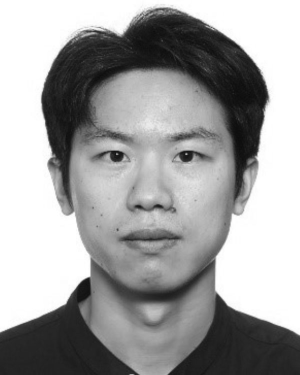 Guobiao Hu合作论文数Univ Auckland, Dept Mech Engn, 20 Symonds St, Auckland 1010, New Zealand15
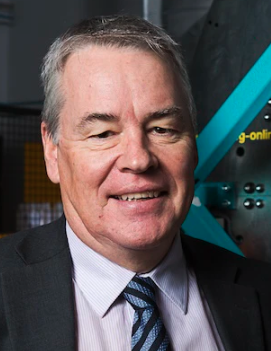 Adrian Mouritz合作论文数School of Engineering, RMIT15
 Akbar Afaghi Khatibi合作论文数Department of Mechanical Engineering;University of Tehran;Department of Mechanical Engineering, University of Tehran14
 Lihua Tang (唐利华)合作论文数Department of Mechanical Engineering, Faculty of Engineering, The University of Auckland14
 Justin Fernandez合作论文数13
 Debes Bhattacharyya合作论文数Department of Mechanical Engineering, The University of Auckland12
 Rhys Jones合作论文数Department of Mechanical and Aerospace Engineering, Monash University12Mark Battley合作论文数12
 Everson Kandare合作论文数Ctr Mat Res & Innovat, Univ Bolton12
 Nathaniel Burbery合作论文数11
 Erick I. Saavedra Flores合作论文数Swansea University, Univer11
 Shankar Kalyanasundaram合作论文数Department of Engineering, The Australian National University11Youming Chen (陈友明)合作论文数School of Automotive Engineering, Wuhan University of Technology10
 Joel Galos合作论文数Materials Engineering, California Polytechnic State University9
 Wesley Cantwell合作论文数Department of Aerospace Engineering, College of Engineering, Khalifa University;Aerospace Research and Innovation Center, Khalifa University9
 William George Ferguson合作论文数Department of Chemical and Materials Engineering, Faculty of Engineering, The University of Auckland9Phuong Tran合作论文数8
 Maedeh Amirpour合作论文数Department of Mechanical Engineering, Faculty of Engineering, The University of Auckland8
 Simon Barter合作论文数Air Vehicles Division, Defence Science and Technology Organisation8
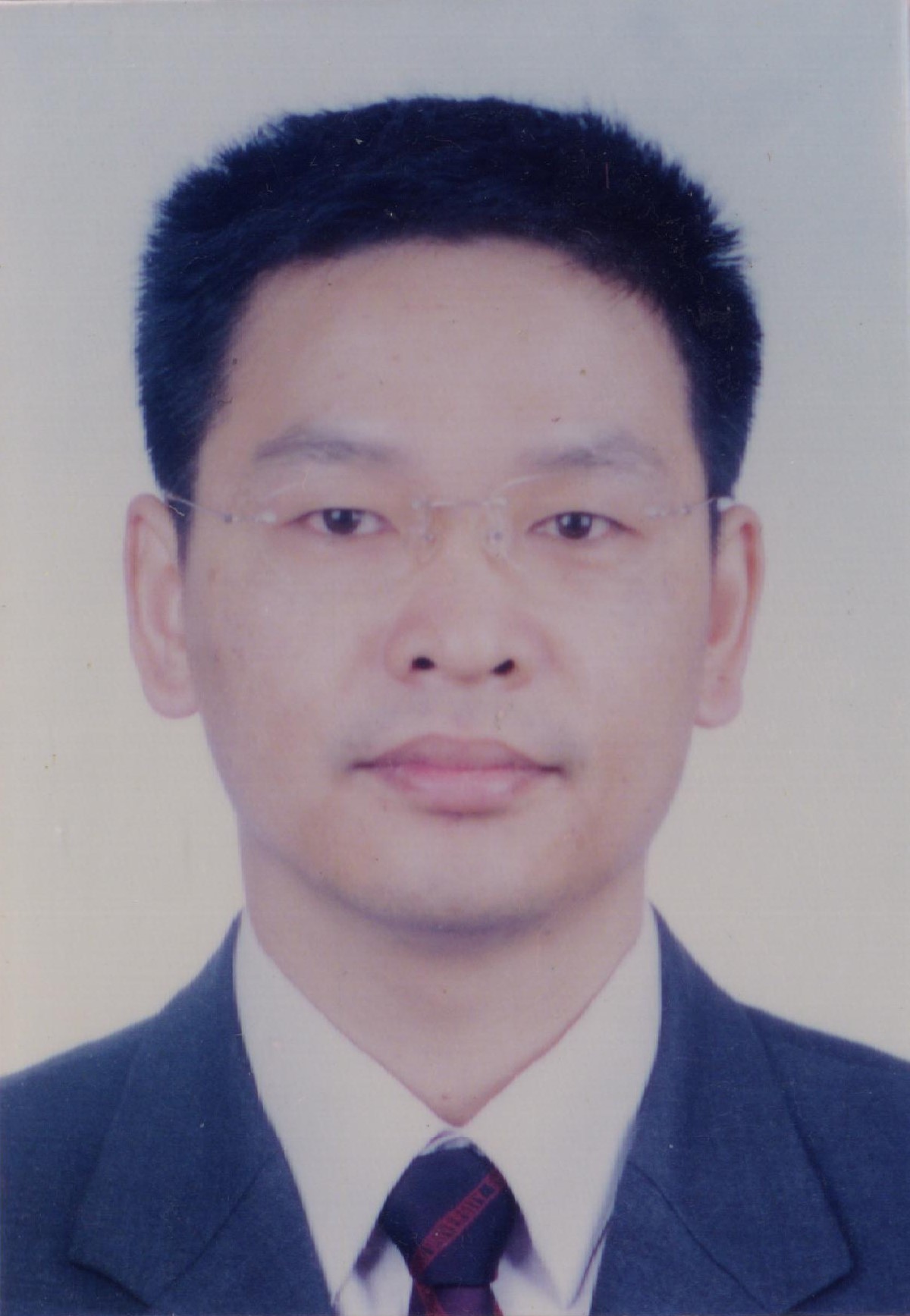 Jianfeng Gu (顾剑锋)合作论文数School of Materials Science and Engineering, Shanghai Jiao Tong University8R. N. Ibrahim合作论文数8
 Sontipee Aimmanee合作论文数Center of Operation for Computer Aided Research Engineering, King Mongkut's University of Technology8
 Shyam Mohan Panamoottil合作论文数Centre for Advanced Composite Materials, University of Auckland7
 John Holmes合作论文数ARC Training Ctr Automated Manufacture Adv Compos, Australian Natl Univ7
 Avishek Chanda合作论文数Washington State University7
 Krishnan Jayaraman合作论文数Mechanical Engineering, Faculty of Engineering, University of Auckland7
 Zbigniew H. Stachurski合作论文数School of Engineering, College of Engineering, Computing and Cybernetics, Australian National University7
 Adrian Orifici合作论文数School of Engineering, RMIT University7
 Akanae Chattrairat合作论文数6A. Gargano合作论文数6
 Krishna Kumar Saxena合作论文数Dept Mech Engn, Katholieke Univ Leuven6Tingting Song合作论文数Shanghai University, Shanghai University6
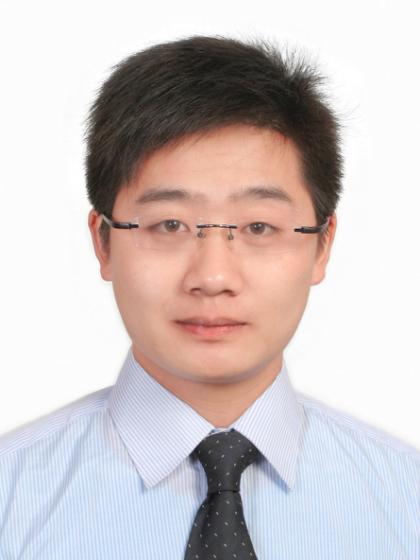 Chuanwei Li (李传维)合作论文数School of Materials Science and Engineering, Shanghai Jiao Tong University6
 Paul Compston合作论文数Department of Engineering, FEIT, Australian National University6
 Piergiovanni Marzocca合作论文数Clarkson University;RMIT Univesity6
 Charles Clifton合作论文数Department of Civil and Environmental Engineering, Faculty of Engineering, The University of Auckland6
 Dong Qiu (邱冬)合作论文数5
 Nathaphon Buddhacosa合作论文数5
 Kariappa maletira karumbaiah合作论文数Ctr Adv Composite Mat, Univ Auckland5Eryn Kwon合作论文数Matai Med Res Inst5
 Reza Shahmiri合作论文数UNSW Sydney5
 Andrey Molotnikov合作论文数Department of Materials Engineering, Monash University5
 Mark Alan Easton合作论文数School of Engineering, RMIT University5
 Simon Bickerton合作论文数Department of Mechanical Engineering, Faculty of Engineering, The University of Auckland5Daniel Lowe合作论文数4




