Background:Social determinants of health continue to drive persistent disparities in perioperative care. Our team has previously demonstrated racial and socioeconomic disparities in perioperative processes, notably in the administration of antiemetic prophylaxis, in several large perioperative registries. Given how neighborhoods are socially segregated in the United States, we examined geospatial clustering of perioperative antiemetic disparities. Objective:The study aimed to determine whether disparities in perioperative antiemetic prophylaxis exhibit geographic clustering based on neighborhood-level disadvantage and whether patients from disadvantaged communities are more likely to be undertreated after adjusting for individual postoperative nausea and vomiting risk. Methods:We conducted a retrospective cohort study of anesthetic records from the University of Utah Hospital involving 19,477 patients who met the inclusion criteria. We geocoded patient home addresses and combined them with the census block group-level neighborhood disadvantage, a composite index from the National Neighborhood Data Archive. We stratified our patients by antiemetic risk score and calculated the number of antiemetic interventions. We used Poisson spatial scan statistics, implemented in SaTScan (Information Management Services, Inc), to detect geographic clusters of undertreatment. Results:We identified 1 significant cluster (P<.001) of undertreated perioperative antiemetic prophylaxis cases. The relative risk of the whole cluster was 1.44, implying that patients within the cluster were 1.44 times more likely to receive fewer antiemetics after controlling for antiemetic risk. Patients from more disadvantaged neighborhoods were more likely to receive below-median antiemetic prophylaxis after controlling for risk. Conclusions:To our knowledge, this is the first geospatial cluster analysis of perioperative process disparities; we leveraged innovative geostatistical methods and identified a spatially defined, geographic cluster of patients whose home address census-tract level neighborhood deprivation index predicted disparities in risk-adjusted antiemetic prophylaxis.
Background Cataract surgery, the most frequently performed surgical procedure worldwide, is increasing, with many patients receiving intravenous sedation by anesthesia clinicians. Given anesthesia clinician shortages and ambulatory surgery facility scheduling constraints, some ophthalmologists are moving to office-based care without anesthesia services. We examined the potential impact of such a shift in care on reducing anesthesia clinician staffing. Methods We analyzed 622,953 cataract surgeries performed at 672 facilities between 2022 and 2023, using data from the American Society of Anesthesiologists' national anesthesia registry, to determine the proportion of shortest lists that exceeded four hours on regular workdays. The number of anesthesia clinicians staffing these cases, by facility, was determined from the counts of cases with overlapping care during each workday minute. The time for the number of simultaneously running operating rooms (ORs) to decrease permanently by one on a specified day corresponds to the completion of the facility's shortest list. Results There was at least one cataract case for 80.3% (95% CI 79.4% to 81.3%) of all combinations of facilities and workdays. Among all facilities, the proportion of time for the OR to complete its shortest list exceeded four hours for 84.3% of combinations of quarter of the year and day of the week (95% CI, 81.8% to 86.8%). Conclusions The complete removal of anesthesia clinician staffing would likely result in a substantive disruption to the cataract surgery workload, given the number of patients receiving care during half-day sessions and the probability that some patients will require an anesthesia clinician to manage their intraoperative care.
Continuous improvement of quality and safety is a professional obligation of anesthesiologists and an ongoing activity of all academic departments and private practices. Quality improvement is an infinite process that is never fully complete but that instead evolves over time in response to emerging threats to patient safety from new medications, new surgical procedures, and increased recognition of systematic threats. This review discusses current definitions and thinking in anesthesia quality improvement, outlines recommended efforts at the local department level, and makes suggestions for the projects and activities most likely to benefit the anesthesia patients and clinicians of the future.
BACKGROUND:Over the decade from 2013 to 2023, the percentage increase in the number of anesthesia clinicians in the United States increased more than the percentage increase in the yearly number of cases involving an anesthesia clinician. A potential explanation is that the expansion of ambulatory surgery has increased anesthetizing locations on weekday mornings, thereby decreasing overall anesthetic hours per clinician. We tested this hypothesis using 2022-2023 data from the American Society of Anesthesiologist's National Anesthesia Clinical Outcomes Registry. We performed analyses comparable to those from our earlier studies using 2013 NACOR data. METHODS:We studied N = 13,901,414 anesthetics, excluding labor epidurals. Cases' start and end dates and times were used to create categories, including regular workdays (Mondays - Fridays, excluding US federal holidays) and weekends (Saturdays - Sundays). Proportions of cases were estimated along with standard errors calculated among the 26 four-week periods. A similarity index compared pairwise, between regular workdays and weekends, the relative proportions of different anesthesia Current Procedural Terminology procedure codes. RESULTS:Regular workdays accounted for 95.5 % of the total anesthetic minutes. Among regular workdays, the 8-h period of 7:30 AM to 3:29 PM had 82.9 % (0.1 %) of anesthesia minutes, significantly >0.8 (i.e., ⅘, P < .0001). There were 61.2 % (0.1 %) of all anesthetic minutes completed on regular workdays and before 1:00 PM, significantly >53.0 % (P < .0001), the percentage from 2013. There were 79.2 % (0.1 %) of all anesthetic minutes on regular workdays 7:30 AM to 3:29 PM, significantly >70.3 % (P < .0001), from 2013. At least ⅔rd of anesthetic minutes, 67.9 % (0.1 %) were covered by the 6.5 h, 7:30 AM to 1:59 PM. More than half (P < .0001) of the minutes were mornings: 51.6 % (0.1 %). There were 4.1 % (0.1 %) of case minutes on weekends, <5.2 % (P < .0001), the observed percentage in 2013. There was moderate similarity (0.511 [0.002]) between surgical procedure categories on regular workdays 7:30 AM to 3:29 PM and weekends, much <0.8, the value expected if experience with the types of procedures performed on regular workdays matched those on weekends, and < 0.55 (P < .0001), the estimate from 2013. CONCLUSIONS:Nationwide, anesthesia times on regular workdays sum to substantially less than 8 h and even less than in 2013. Demand for daily numbers of clinicians at the start of the regular workdays probably is a large contributor to perceived workforce shortages and ongoing institutional support. The small but significant changes for weekends suggest an increased rationale for the development of acute care anesthesiology teams.
INTRODUCTION:Mixed methods are often used to understand organizational associations and differences. For example, one might compare hospitals and ambulatory surgery centers, each described by its relative distribution of cases' categories of surgical procedures, quantified using anesthesia Current Procedural Terminology (CPT) codes. The similarity of these distributions between facilities can be assessed using a metric akin to a correlation coefficient. Conceptually, identifying similar organizational pairs is feasible, as most U.S. states and Canadian provinces maintain databases containing such administrative data. However, research proposals based on mixed methods may be hindered by the lack of statistical power analysis to determine whether the quantitative phase will yield a sufficient number of similar facilities to support the qualitative phase (i.e., interviews). MATERIALS AND METHODS:Data were obtained from the American Society of Anesthesiologists' National Anesthesia Clinical Outcomes Registry. The dataset included 12,902,159 cases across 272 procedure categories, performed at 2442 facilities in the United States. The similarity index between facilities ranged from 0 (no overlap in surgical procedures) to 1 (identical distribution of procedures). Values ≥0.80 were considered indicative of high similarity. We estimated the proportion of highly similar facility pairs (similarity index ≥0.80) with low standard errors (<2.0). For each pair, we computed the inverse of the standard normal distribution based on the ratio of the difference from 0.80 to the standard error. The average of these values yielded the mean prevalence of high similarity. This estimated prevalence was then used in power analyses based on the binomial distribution. RESULTS:Only 1.00% (standard error: 0.01%) of facility pairs had a similarity index ≥0.80. Based on this prevalence, a database would need to include just 38 organizations to have an ≥80% probability of identifying at least five highly similar pairs for interviews. With data from 67 organizations, there would be a ≥95% probability of identifying at least 15 pairs. In contrast, consider an individual organization deciding whether to (a) join a consortium to identify similar organizations for shared strategies, or (b) invest in analysts to explore mandatory state or provincial databases for such purposes. Unless more than 1,000, and ideally more than 2,100, organizations contribute data, the probability of finding multiple highly similar peers may be low. CONCLUSIONS:Investigators can expect a high probability of obtaining sufficient organizational sample sizes for qualitative interviews when using large-scale databases. Although only a small fraction (approximately 1%) of organization pairs exhibit high similarity, the sheer number of potential pairs in state, provincial, and national databases compensates for this. However, for an individual organization seeking to identify peers for qualitative comparison, the chance of finding highly similar matches based on similar surgical procedures is extremely low, unless joining a very large data collective.
Importance:Despite guidelines recommending avoidance of benzodiazepine administration to older patients, many of them now receive benzodiazepines as a part of anesthesia care. The effectiveness of clinician- and patient-facing interventions to discourage such use remains insufficiently characterized. Objective:To evaluate the effect of clinician peer comparison, patient informational mail, or a combination of these interventions compared with usual care on the rate of perioperative benzodiazepine administration to older patients. Design, Setting, and Participants:This 2 × 2 factorial, stepped-wedge, cluster randomized clinical trial of a corporate quality improvement initiative was conducted between August 8, 2022, and May 28, 2023, across 415 hospitals, surgery centers, and physician offices in 8 US states served by anesthesia clinicians from a national anesthesia practice. Participants were adults aged 65 years or older who underwent an elective surgical or endoscopic procedure with general anesthesia. Data analyses followed the intention-to-treat principle. Intervention:Patients were randomly assigned to 1 of 4 groups-clinician peer comparison (wherein clinicians received feedback regarding their performance compared with other clinicians in the practice), patient informational mail (wherein patients received an informational letter encouraging them to have a discussion regarding medication selection with their clinician on the day of surgery), both interventions, or usual care (no intervention). Main Outcomes and Measures:Rate of benzodiazepine administration during anesthesia care and patient satisfaction with anesthesia care (measured by the Anesthesia Patient Satisfaction Questionnaire, version 2). Results:Among the 509 269 enrolled participants (255 871 females [50.2%]; mean [SD] age, 74 [7] years), 81 363 (16.0%) were assigned to clinician peer comparison, 98 520 (19.3%) to patient informational mail, 169 712 (33.3%) to both interventions, and 159 674 (31.4%) to usual care. Among patients who received benzodiazepine during anesthesia care, 24.5% were in the usual care group compared with 19.7% in the clinician peer comparison group, 20.0% in the patient informational mail group, and 19.7% in the combination group. After adjustment for time, none of the study interventions were associated with lower odds of benzodiazepine administration compared with usual care (odds ratio [OR], 1.02 [95% CI, 0.98-1.07]; P = .35 for clinician peer comparison; OR, 1.01 [95% CI, 0.96-1.05]; P = .81 for patient informational mail; and OR, 1.11 [95% CI, 1.05-1.16]; P < .001 for combined interventions). Satisfaction scores were high in all groups and did not vary by treatment assignment. Conclusions and Relevance:This randomized clinical trial found that clinician peer comparison, patient informational mail, or a combination of both interventions did not reduce benzodiazepine administration to older patients compared with usual care; patient satisfaction remained high throughout the study. Overall, the findings suggest a need to explore other patient-targeted interventions to improve anesthesia care. Trial Registration:Clinicaltrials.gov Identifier: NCT05436392.
Introduction:A 4-week summer preceptorship offered first-year medical students early exposure to anesthesiology following their preclerkship courses in pharmacology and cardiopulmonary physiology. The main objective was to provide students with clinical skills and prepare them for rotations while immersing them in a unique experience, introducing a specialty not covered in core rotations.Methods:Participants were selected via their responses to an application. In addition to shadowing anesthesiologists, curriculum components included weekly faculty lectures on core aspects of anesthesiology (introductory basics, perioperative drugs, airway, and crisis management); multiple simulation labs (workstation setup, intubation clinics, intravenous and central line placement, ultrasound techniques); research opportunities; and mentorship from physicians and senior medical students. The program culminated in each student successfully leading a simulated case to receive a certificate of completion.Results:A survey of 15 participants revealed significant improvements in ability to intubate (P < 0.05), ability to perform a transthoracic echocardiogram (P < 0.05), interest in anesthesiology as a specialty (P < 0.05), and preparedness for future rotations (P < 0.05).Discussion:This program accelerates clinical exposure for preclerkship students, providing insights into anesthesiology early in their medical journey. It provides research and mentorship, fosters professional growth, and enhances individual competitiveness for residency program applications.
The malpractice system in the United States provides civil remedies-payment-for patients injured by non-standard-of-care medical practice. Anesthesiologists are not sued often, but one can still expect to be named in a suit at least once in their career. Although many prefer not to be involved in malpractice cases, there is a critical role for anesthesiologist expert witnesses to educate and inform the court regarding the appropriate standard of anesthesia care, and the contribution, if any, of anesthesia clinicians to specific adverse outcomes. This article describes the basic features of malpractice litigation, offering advice for anesthesiologist expert witnesses.
PURPOSE OF REVIEW:Anesthesia professionals work in an unpredictable, rapidly changing environment in which they are quickly diagnose and manage uncommon and life-threatening critical events. The perioperative environment has traditionally been viewed as a deterministic system in which outcomes can be predicted, but recent studies suggest that the operating room behaves more like a complex adaptive system, in which events can interact and connect with each other in unpredictable and unplanned ways. RECENT FINDINGS:The increasing complexity of the healthcare environment suggests that the complete elimination of human error is not possible. Complex clinical situations predispose to errors that are the result of high workload, decision making under stress, and poor team coordination. The theory behind complex adaptive systems differs from medicine's traditional approach to safety and highlights the importance of an institutional safety culture that encourages flexibility, adaptability, reporting and learning from errors. Instead of focusing on standardization and strict adherence to procedures, clinicians can improve safety by recognizing that unpredictable changes routinely occur in the work environment and learning how resilience can prevent adverse events. SUMMARY:A better understanding of automation, complexity, and resilience in a changing environment are essential steps toward the safe practice of anesthesia.
Study objectives: To measure the incidence of intraoperative hypotension (IOH) during surgery in ambulatory surgery centers (ASCs) and describe associated characteristics of patients and procedures.Design: Retrospective analysis.Setting: 20 ASCs.Patients: 16,750 patients having non-emergent, non-cardiac surgery; ASA physical status 2 through 4.Interventions: None.Measurements: We assessed incidence of IOH using the definition from the Centers for Medicare & Medicaid Services (CMS) Merit-based Incentive Payment System (MIPS)-mean arterial pressure (MAP) < 65 mmHg for at least 15 cumulative minutes-and three secondary definitions: minutes of MAP <65 mmHg, area under MAP of 65 mmHg, and time-weighted average MAP <65 mmHg.Main results: 30.9% of ASC cases had a MAP <65 mmHg for at least 15 min. The incidence of IOH varied significantly, and was higher among younger adults (age 18-39; 36.2%), females (35.2%), and patients with ASA physical status 2 (32.8%). IOH increased with increasing surgery length, even when time-weighted, and was higher among low complexity (30.6%) than moderate complexity (28.8%) procedures, and highest among high complexity procedures (44.1%).Conclusions: There was substantial occurrence of IOH in ASCs, similar to that described in academic hospital settings in previous literature. We hypothesize that this may reflect clinician preference not to intervene in perceived healthy patients or assumptions about ability to tolerate lower blood pressures on behalf of these patients. Future research will determine whether IOH in ACSs is associated with adverse outcomes to the same extent as described in more complex hospital-based surgeries.
These practice guidelines provide evidence-based recommendations on the management of neuromuscular monitoring and antagonism of neuromuscular blocking agents during and after general anesthesia. The guidance focuses primarily on the type and site of monitoring and the process of antagonizing neuromuscular blockade to reduce residual neuromuscular blockade.
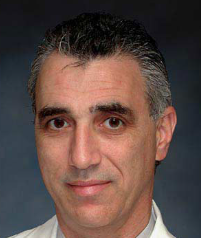 Thomas M. Scalea合作论文数School of Medicine, University of Maryland;R Adams Cowley Shock Trauma Center, University of Maryland35
 Richard Urman合作论文数Wexner Medical Center, The Ohio State University27
 John R. Hess合作论文数Harborview Medical Center, Department of Laboratory Medicine & Pathology, University of Washington25
 Peter F. Hu合作论文数20
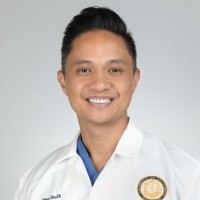 Rodney Gabriel合作论文数Department of Anesthesiology, School of Medicine, University of California, San Diego;Division of Perioperative Informatics, University of California, San Diego Health19
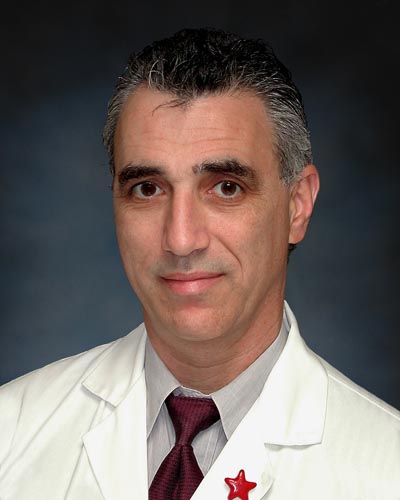 Thomas Scalea合作论文数Department of Surgery,University of Maryland School of Medicine18
 Deborah M. Stein合作论文数17Thomas E. Grissom合作论文数14
 Laurent G. Glance合作论文数Department of Anesthesiology, University of Rochester School of Medicine13
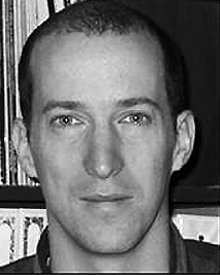 F. Jacob Seagull合作论文数University of Maryland School of Medicine12McCunn Maureen合作论文数11
 John B. Holcomb合作论文数Department of Surgery, Heersink School of Medicine, The University of Alabama at Birmingham;Decisio Health, Inc.11
 Franklin Dexter合作论文数Division of Management Consulting, Department of Anesthesia, Carver College of Medicine, The University of Iowa10
 Carl J. Hauser合作论文数Beth Israel Deaconess Medical Center, Harvard Medical School;Department of Surgery, Harvard Medical School9Stewart J. Lustik合作论文数9
 Colin R. MacKenzie合作论文数Institite of Medical Microbiology and Hospital Hygiene;Heinrich-Heine University9
 Andrew Dick合作论文数8Stansbury Lynn G合作论文数8
 Yan Xiao合作论文数Department of Industrial, Manufacturing and Systems Engineering, The University of Texas at Arlington8
 Ayan Sen合作论文数Sarat Chandra Sur Institution8Avery Tung合作论文数8
 Yue Li合作论文数Department of Public Health Sciences, University of Rochester7
 Richard H, Epstein合作论文数Department of Anesthesiology, School of Medicine, University of Miami;Division of Pain Management, School of Medicine, University of Miami;Sidney Kimmel Medical College, Thomas Jefferson University7
 Bizhan Aarabi合作论文数University of Maryland School of Medicine7Colin F. Mackenzie合作论文数6Hubert Kordylewski合作论文数6Michael M. Parr合作论文数6Nagrebetsky Alexander合作论文数Department of Primary Care Health Sciences, University of Oxford6Westlake Benjamin合作论文数6
 Bertil Bouillon合作论文数Department für Humanmedizin, Fakultät für Gesundheit, Universität Witten/Herdecke;Klinik für Unfallchirurgie, Orthopädie und Sporttraumatologie, Klinikum Köln-Merheim6
 Alan D. Kaye合作论文数Department of Anesthesiology, School of Medicine, LSU Health Sciences Center in New Orleans;Kenner Medical Center;LSUHSC Pain Clinic6Michael P. Eaton合作论文数6Frank Herbstreit合作论文数Klinik für Anästhesiologie und Intensivmedizin;Universität Duisburg-Essen and Universitätsklinikum Essen;Universität Duisburg-Essen, Universitätsklinikum Essen6Aesha S Shukla合作论文数5Grant V. Bochicchio合作论文数5David Glick合作论文数5James V. O???Connor合作论文数5Amy C. Sisley合作论文数5Bennett B Edelman合作论文数4Anastasia Pozdnyakova合作论文数4Tsai Mitchell H合作论文数4Netzer Giora合作论文数Sch Med, Univ Maryland4Floccare Douglas J合作论文数4
 Monica S. Vavilala合作论文数School of Medicine, University of Washington4
 Karen B. Domino合作论文数Department of Anesthesiology & Pain Medicine, University of Washington4Kenneth D. Boffard合作论文数University of the Witwatersrand Department of Surgery, Johannesburg Hospital4
 Jean-Francois Pittet合作论文数4
 Mahmood Jaberi合作论文数4




