2058 Background: The management of isocitrate dehydrogenase (IDH) mutant glioma is rapidly evolving following the recent FDA approval of the mutant IDH inhibitor, vorasidenib. Optimal treatment decisions for many specific clinical scenarios remain undefined leading different neuro-oncology providers to recommend different treatment approaches. The aim of this study was to characterize how clinicians collectively approach different clinical scenarios and evaluate how demographic and professional backgrounds influence decision-making in IDH-mutant glioma. Methods: An online survey was developed by a team of neuro-oncologists and radiation oncologists and distributed via email and X to clinicians treating patients IDH-mutant glioma. The survey included demographic questions and multiple case-based clinical scenarios with standardized response options. We compared the responses of neuro/medical oncologists, radiation oncologists, and neurosurgeons, and performed univariable regression to identify predictors of treatment preference, as well as to understand familiarity and enthusiasm with the use of IDH inhibitors. Results: A total of 153 clinicians (58% neuro/medical-oncologists, 34% radiation oncologists, 8% neurosurgeons) completed the online survey. Five of ten scenarios reached consensus (>75% agreement on a treatment option), while the remainder demonstrated heterogeneity of treatment approaches. Compared to neuro/medical oncologists, radiation oncologists were less likely than neuro/medical oncologists to recommend IDH inhibitor therapy (IRR 0.57, p<0.001) and more likely to recommend radiotherapy (IRR 1.54, p<0.001) or chemo-radiotherapy (IRR 1.47, p<0.001). Neuro-oncologists and neurosurgeons reported the most and least familiarity, respectively, with the use of IDH inhibitors whereas medical oncologists and radiation oncologists reported the most and least enthusiasm for IDH inhibitor use, respectively. Conclusions: Our survey results evidence substantial variation in real-world management of IDH-mutant glioma across specialties and institutions. While several clinical scenarios demonstrated strong therapeutic consensus, others revealed diverse approaches, underscoring the need for ongoing multidisciplinary collaboration and further advancement of evidence-based consensus to guide clinical decisions.
e14081 Background: Adult-type diffuse glioma is an aggressive primary brain tumor characterized by profound spatial and temporal heterogeneity. Although, clinical decision-making relies primarily on tissue biopsy, pathologic examination of resected tumor typically involves only a small portion of the heterogeneous tumor mass, limiting molecular interpretation. Moreover, repetitive sampling of intracranial tissue is not feasible. Small extracellular vesicles (sEV), released by all cell types and detectable in circulation, can carry nucleic acids originating from intracranial tumors, capable of crossing the blood–brain barrier. Since sEV can be isolated from blood repeatedly and non-invasively, they represent a promising platform for longitudinal genomic and transcriptomic profiling. Methods: DNA isolated from plasma sEV of glioma patients was sequenced and processed through a standardized variant calling and hard-filtering workflow (depth, mapping quality, genotype quality, strand-bias metrics). Variant recurrence across plasma-derived sEV (n=5) and concordance with matched solid tumor DNA (n=3) were assessed. RNA was also isolated from plasma sEV (n=5 healthy; n=3 glioma) and analyzed by capture-based whole-transcriptome sequencing. Results: Across sEV-DNA samples, we detected ~30–70 high-confidence variants per patient after filtering, with multiple loci recurrent across individuals. A subset of these variants was shared across all samples, supporting technical reproducibility. In matched sEV–solid biopsy datasets, more than 200 shared variants were observed in a representative paired analysis, demonstrating measurable overlap between sEV and tissue DNA while also indicating that sEV profiles contain additional variants not captured by single-site biopsy sampling. Importantly, sEV RNA whole-transcriptome sequencing detected expression of >9,000 genes and identified ~500 dysregulated genes in glioma sEV relative to healthy controls. sEV from glioma patients broadly showed transcriptional suppression compared to healthy controls, with 13 transcripts uniquely detected in glioma sEV and 43 were exclusive to controls. Notably, several recurrent sEV-DNA variants, including those annotated to WBP1L, ATXN1, and MLLT3, were consistently detected across all five glioma sEV-DNA samples, and their corresponding transcripts also showed altered expression in sEV-RNA profiling. This concordance between DNA-level variation and transcriptomic signal strengthens confidence in the sEV-derived mutation calls and highlights their potential for uncovering previously unrecognized molecular alterations relevant to glioma biology. Conclusions: Combined sEV- DNA and -RNA profiling provides a feasible, non-invasive, and repeatable approach to capture complementary genomic and transcriptomic features of glioma.
IDH-mutant glioma management has been rapidly evolving following the 2024 FDA approval of the mutant IDH inhibitor (IDHi), vorasidenib. However, optimal treatment decisions for many specific scenarios remain unclear. The aim of this study was to provide insight into how clinicians collectively approach different clinical scenarios and evaluate how demographic and professional backgrounds influence decision-making for IDH-mutant glioma. A survey was developed by a team of neuro-oncologists and radiation oncologists and distributed via email and X (formerly Twitter) to clinicians who treat patients with IDH-mutant glioma (neuro/medical oncologists, radiation oncologists, and neurosurgeons). The survey included demographic questions and 10–13 case-based clinical scenarios with standardized response options. We compared responses between neuro/medical oncologists and radiation oncologists and performed univariable regression to identify predictors of treatment preference and IDHi familiarity/enthusiasm. A total of 153 clinicians (58
Glioblastoma (GBM) is an extremely aggressive and incurable primary tumor of the brain. GBM is characterized by interpatient and intratumoral heterogeneity, making this cancer particularly resistant to therapy and likely to recur. Mapping the complex dynamics that underpin the development and evolution of gliomas with human-based in vitro models is difficult. This study aimed to generate 3D glioma patient-derived tumor constructs (PTCs) using a clinically relevant, Matrigel-free, hyaluronic acid system, evaluate their suitability in drug screening assays, and determine the stability of their genetic profiles compared to originating tumors. In this study, we utilized a synthetically modified hyaluronic acid and gelatin hydrogel system to generate tumor constructs containing cells from clinical glioma biospecimens. PTCs were characterized phenotypically, after which they were deployed in chemotherapy drug screens using temozolomide (TMZ) and a P53 activator compound. Drug responses of these 3D cultures were compared with 2D cultures, as well as PTCs that were generated after passaging in 2D. RNA sequencing was used to evaluate genetic parity between PTCs or 2D cultures with originating tumor tissues, using The Cancer Genome Atlas (TCGA) GBM subpopulations for subcategorizing. PTCs were created successfully from five World Health Organization (WHO) grade 4, two grade 3, and two grade 2 gliomas. PTCs were maintained with high viability. Chemotherapy drug screens demonstrated that expected TMZ responses were observed for Isocitrate dehydrogenase (IDH) mutant diffuse gliomas while drug response was variable for IDH wildtype GBM PTCs. PTCs demonstrated stable drug response over time, while 2D passaging resulted in significant shifts in drug sensitivity. RNA sequencing revealed maintenance of subpopulation signatures for PTCs which clustered with their originating patient tumor tissue. In contrast, 2D cultures largely clustered together regardless of the patient. Our PTC approach utilizes a defined hydrogel biomaterial system that maintains the genotypic and drug response characteristics of patient tumors making this an ideal ex vivo model for translational applications.
Systemic treatments are limited for patients with meningiomas that have progressed after surgery or radiation. Loss of NF2 and CDKN2A/CDKN2B is common in higher-grade meningiomas and promotes progression in preclinical models. We evaluated the efficacy of abemaciclib, a cyclin-dependent kinase 4/6 inhibitor, as one arm of the Alliance umbrella trial A071401, a genomically driven phase 2 study in recurrent and progressive meningiomas. Eligible patients with grade 2 or 3 tumors and NF2 mutations or CDK pathway alterations were treated with abemaciclib. Two co-primary endpoints were used: progression-free survival at 6 months (PFS6) and response rate as defined by local review; the trial would be declared positive if either endpoint was met. The success threshold for PFS6 was 8 or more of 24 patients; for the response rate, it was 3 or more of 24 patients. Ninety-six patients were screened and 36 patients received treatment. The mean number of treatment cycles was nine and the median follow-up was 21 months. The first 24 patients who met the eligibility criteria and began treatment could be evaluated for the primary endpoint. The observed PFS6 rate was 58 NCT02523014 . In an arm of an ongoing multicenter phase 2 trial testing different therapies in patients with genetically profiled grade 2 or 3 meningiomas, treatment with an oral CDK4/6 inhibitor met the primary endpoint for progression-free survival at 6 months in patients with CDK or NF2 alterations.
e24091 Background: Oxaliplatin-induced peripheral neuropathy (OIPN) presents a huge clinical challenge for patients and clinicians as reliable biomarkers to identify patients at risk of developing OIPN are lacking. Previous studies have focused on circulating molecules (e.g., neurofilament light chain) as potential biomarkers associated with OIPN risk in the post-chemotherapy period. Conversely, insufficient investigations have concentrated on the potential effects of the tumor itself (pre-chemotherapy) and OIPN. In order to address this gap, we sought to determine whether there was a relationship between colorectal cancer (CRC) and OIPN. Methods: This is a retrospective cohort study enrolling patients with CRC (any stage) from 2013-2024 with clinically documented OIPN by comprehensive medical record review documenting demographic and other clinical features. OIPN was defined as “cold sensitivity”, “numbness” “tingling” or “neuropathy” and/or dose reduction, delay or discontinuation as a result of OIPN symptoms. Our study leveraged routine primary tumor DNA sequencing of CRC patients treated at AHWFBCCC (n=156) by FoundationOneCDx testing, which analyzes over 360 tumor mutations. Results: We found that patients with OIPN (n=123) received a higher cumulative dose of oxaliplatin and have a higher proportion of non-smokers compared to current smokers than non-OIPN patients (n=33). While we did not find any single mutation associated with OIPN, notably, we observed that patients with a low number of primary tumor mutations (<11) have an increased risk of developing OIPN compared to patients harboring a high number of tumor mutations (≥11) (p = 0.0138) after adjusting for race, age, sex, oxaliplatin cumulative dose, and smoking status. Using ROC Curve analysis, we also found that number of mutations was promising as a predictive marker for OIPN (AUC = 0.668). We next aimed to ascertain how these mutations potentially function together and performed cancer pathway analysis comparing patients by OIPN status. Our analysis revealed that mutations in the Notch and TGFβ pathway were enriched in patients without OIPN. Conclusions: Our findings suggest, for the first time, that the primary tumor mutational profiles of patients with and without OIPN differ in their mutation number and associated pathways associated. We speculate that a low number of tumor mutations and/or inactive pathways may trigger immune cell activation to induce pro-inflammatory cytokine release that damages nerves, resulting in OIPN, although mechanistic studies are warranted. Our studies indicate harboring less tumor mutations may be a factor in altering the risk of developing OIPN and thus routine tumor sequencing has the potential to be utilized as an OIPN predictive biomarker.
Background. To examine the feasibility of adding ramipril for prevention of cognitive decline to chemoradiation treatment of glioblastoma (GBM). Methods. This prospective single-arm study (WF-1801) coordinated by the Wake Forest NCI Community Oncology Research Program Research Base (UG1CA189824) assessed feasibility, tolerability, and potential efficacy of ramipril to prevent treatment-induced cognitive decline in patients with GBM. Inclusion criteria and chemoradiotherapeutic paradigms were mirrored to the standard arm of NRG/RTOG 0825, such that cognitive outcomes could be compared. All patients were treated with ramipril during chemoradiation and for 4 weeks after completion of radiotherapy (RT). Major outcomes were retention and the Clinical Trial Battery Composite (CTB COMP) score of the cognitive tests. Results were compared to the corresponding outcomes from NRG/RTOG 0825. Results. A total of 75 participants were accrued between March 25, 2019 and November 14, 2023: median age was 63 years. The NRG/RTOG 0825 cohort was younger (median 57 years, P < .0001). Overall retention rate at 1-month post-RT (defined as compliant with 75% of doses and completion of cognitive testing) was 48% (1-sided 95% CI: 38%-100%); 61% of patients completed more than 75% of doses and 57% had a CTB COMP score through week 10. The median (range) change in the CTB COMP score at 1 month after RT completion was 0.01 (-82.6, 13.0) versus NRG/RTOG 0825 median of 0.10 (-48.2, 8.6); P = .49. Conclusions. The ramipril intervention did not meet the prespecified feasibility endpoint, neither did the cognitive scores differ significantly from the NRG/RTOG 0925 control group. We expect other agents will be the focus of future cytoprotective trials.
Current assessments of brain permeability rely predominantly on drug delivery to contrast-enhancing tumor regions. However, substantial portions of central nervous system (CNS) tumors reside within non-enhancing brain (NEB), where drug concentrations frequently remain subtherapeutic. This collaborative Adult Brain Tumor Consortium and Food and Drug Administration workshop aimed to identify criteria for defining NEB permeability to accomplish 2 critical objectives: (1) allocate clinical trial resources toward agents achieving therapeutic NEB concentrations and (2) minimize systemic toxicity when CNS benefit is improbable. The workshop systematically evaluated permeability assessment modalities, including drug physicochemical properties, in vitro blood-brain barrier models, and penetration into cerebrospinal fluid and normal rodent brain. Methodological approaches to determine requisite NEB drug concentrations and approaches to measuring NEB pharmacokinetics and pharmacodynamics were examined. This culminated in developing the Non-Enhancing Brain Permeability Index (NEBPI), which assigns therapeutic agents to 3 categories: sufficiently permeable, insufficiently permeable, or impermeable. The NEBPI provides a standardized framework to assist investigators and regulatory agencies to evaluate NEB penetration before human efficacy studies are initiated for agents that require direct tumor contact. Assessing NEB drug penetration is critical to improving outcomes in CNS tumors and reducing the incidence of brain metastases in systemic malignancies.
Introduction and Problem Statement:Few formal programs provide structured training in medical education (MedEd) early in a learner's career. MedEd training curricula for medical students may cultivate student understanding (and thus interest) in a MedEd career. The Johns Hopkins Osler Apprenticeship (OA) in Neurology is a structured 1-year program for senior medical students (Osler Apprentices/OAs) created to develop talent in MedEd. Objectives:By the end of the program, OAs will be better able to (1) cultivate and sustain longitudinal mentorship relationships; (2) design, implement, and present a MedEd project; (3) understand individual leadership strengths; (4) develop and refine skills in educational leadership and integrate feedback to enhance learning experiences; and (5) develop an understanding of the responsibilities of an academic educator. Methods and Curriculum Description:The OA is a 1-year program that provides learners with comprehensive exposure to MedEd through key program components of mentorship, a scholarly project, strength coaching, and leadership and experiential opportunities. To evaluate the program's impact on OAs and preceptor motivations for engagement and its benefits, we administered 3 distinct surveys to OAs at exit, OA alumni, and faculty preceptors. We implemented the 4 levels of the New World Kirkpatrick Model to evaluate the impact of the program. Results and Assessment Data:Twenty-four of 33 OAs (73%), 18 of 29 alumni (62%), and 6 of 7 preceptors (86%) responded to the surveys. Twenty-one OAs (88%) and 18 alumni (100%) recommended the OA to medical students (level 1). Alumni felt confident participating in educational activities (n = 15/83%), research (n = 15/83%), and leadership (n = 12/67%). Thirty-one OAs (94%) produced educational scholarship (level 2). OAs (n = 22/92%) and alumni (n = 14/78%) agreed that the OA influenced their academic practices and behaviors, and 7 alumni (39%) were recognized or awarded (level 3). Ten alumni (56%) have an educational role (level 4). Preceptors had scholarly output from the OA and reported career or personal development as key factors for participation. Discussion and Lessons Learned:The OA made effective progress toward building a pathway for medical educators while supporting the careers of faculty, allowing for program sustainability. These findings suggest the OA may serve as a prototype for more formalized training programs in neurology MedEd.
Inhibitors of murine double minute homolog 2 (MDM2) represent a promising therapeutic approach for the treatment of TP53 wild-type glioblastomas (GBMs), reactivating p53 signaling to induce cancer cell death. We conducted a surgical window-of-opportunity trial (NCT03107780) of the MDM2 inhibitor navtemadlin (KRT-232) in 21 patients with TP53 wild-type recurrent GBM to determine achievable drug concentrations within tumor tissues and biological mechanisms of response and resistance. Participants received navtemadlin at 120 mg (n = 10) or 240 mg (n = 11) for 2 days before surgical resection and after surgery until progression or unacceptable toxicity. Both 120 and 240 mg daily dosing achieved a pharmacodynamic impact, but median progression-free survival was 3.1 months. DNA sequencing of three recurrent tumors revealed an absence of TP53-inactivating mutations, indicating alternative mechanisms of resistance. To understand the mechanisms of response and resistance associated with navtemadlin, we conducted functional and spatial analyses of human tissue and patient-derived GBM neurosphere models. Navtemadlin induced partial tumor cell death as monotherapy, and combination with temozolomide enhanced apoptosis in GBM neurospheres while sparing normal bone marrow cells in vitro. We also observed up-regulation of oligodendrocyte differentiation genes with navtemadlin treatment and enrichment of oligodendrocyte transcription factor 2 (OLIG2)-positive cells at relapse, suggesting an unexplored mechanism of navtemadlin tolerance in GBM. Overall, these results indicated that clinically achievable doses of navtemadlin exert pharmacodynamic effects on GBM and suggest that combined treatment with temozolomide may be a route to more durable survival benefits.
Recurrent isocitrate dehydrogenase (IDH) wild-type glioblastoma has no established standard-of-care treatment. Preclinical models have demonstrated that hypoxia-inducible factor-2 alpha (HIF-2α) contributes to stabilizing the hypoxic environment in glioblastoma. It was thus hypothesized that the first-in-class HIF-2α inhibitor, belzutifan, may improve outcomes in patients with recurrent IDH wild-type glioblastoma. The glioblastoma cohort of the phase 1 LITESPARK-001 trial enrolled participants who had received radiotherapy and temozolomide. Although targeting HIF-2α may have a role in advancing treatment options for patients with glioblastoma, single-agent belzutifan did not have antitumor activity in this cohort.
PURPOSE STELLAR (ClinicalTrials.gov identifier: NCT02796261 ) was a phase III, randomized, open-label trial of eflornithine + lomustine versus lomustine monotherapy in patients with recurrent grade 3 astrocytoma. METHODS At trial initiation, eligibility criteria included: age ≥18 years, anaplastic astrocytoma (2016 WHO CNS Tumor classification [WHO CNS4]), first recurrence ≥6 months after radiation and temozolomide (TMZ), Karnofsky performance status ≥70, and no imaging findings consistent with grade 4 glioblastoma. Random assignment (1:1) was stratified by isocitrate dehydrogenase ( IDH ) mutation, age, resection extent, and geography. Patients received eflornithine (2.8 g/m 2 orally, every 8 hours [2 weeks on, 1 week off]) + lomustine (90 mg/m 2 orally, once every 6 weeks), or lomustine monotherapy (110 mg/m 2 once every 6 weeks). The primary end point was overall survival (OS). RESULTS Among 343 patients randomly assigned across 74 sites in eight countries, there was no difference in survival between eflornithine + lomustine and lomustine monotherapy (median OS 23.4 v 20.3 months, hazard ratio [HR], 0.94). Following changes in classification and grading in the 2021 WHO CNS5, a subset analysis of patients with IDH- mutant, grade 3 astrocytoma (n = 196), defined in 2024, before unblinding, showed clinically meaningful improvements in median OS with eflornithine + lomustine versus lomustine monotherapy (34.9 v 23.5 months, HR, 0.64) and median progression-free survival (PFS, 15.8 v 7.2 months, HR, 0.57). No differences were observed among patients with CNS grade 4 disease. Grade ≥3 treatment-emergent adverse events of relevance were related to reversible myelosuppression (eflornithine + lomustine 42% v lomustine monotherapy 29% of patients) and hearing impairment (24% v 0%). No new safety signals were identified. CONCLUSION Clinically meaningful improvements were observed; eflornithine + lomustine doubled PFS and improved OS in patients with recurrent IDH -mutant, grade 3 astrocytoma, but not grade 4 tumors, after prior radiotherapy and TMZ, consistent with its cytostatic mechanism of action.
Our patient was a 20-year-old female when diagnosed with a left parietal WHO Grade III anaplastic ganglioglioma (AGG) with BRAFV600E mutation, APC rearrangement exon 16 and CDKN2A/B loss per next generation sequencing after presenting with decreased unilateral visual acuity. Initial treatment included surgical resection, followed by concurrent radiation and temozolomide (TMZ). She initiated anti-BRAFV600E therapy with dabrafenib and trametinib but was intolerant due to intractable flu-like symptoms including fever, rash and fatigue. She declined further therapy after three months. She then completed six months of adjuvant TMZ. Approximately four years after initial diagnosis, she was admitted for progressive symptoms including ocular seizures, cognitive decline, cranial nerve palsies, uncontrolled anxiety and pain. MRI imaging demonstrated a focus of parenchymal enhancement, and adjacent leptomeningeal and cranial nerve enhancement. Following subsequent clinical decline, lumbar puncture confirmed malignant cells and metronomic TMZ was started for two weeks. A supportive care-only approach was considered given her clinical deterioration, including progressive cognitive decline, deafness, and blindness. However, she and her family agreed to initiate treatment with Enc/Bini. Two weeks after starting the BRAF/MEK inhibitor combination, her clinical picture had significantly improved, and the regimen was tolerated with minimal nausea. Ocular and generalized seizures resolved with targeted treatment and transition to lacosamide. Follow up MRI, ten weeks after initiating treatment showed posterior hemisphere cortical and subcortical encephalomalacia, laminar necrosis, increased FLAIR signal, and improving enhancement along the cranial nerves consistent with inflammatory, treatment related changes considering her dramatic clinical improvement. Prior studies in patients with primary CNS tumors and brain metastases have demonstrated encouraging responses and overall tolerability with this regimen. To our knowledge, this represents the first documented case of a rapid and durable (four months to date) clinical and radiographic response to systemic BRAF-targeted therapy in a patient with recurrent-AGG and leptomeningeal spread.
TPS2092 Background: Glioblastoma (GBM) is the most common primary brain malignancy in adults. GBM is universally recurrent and associated with dismal outcomes. Re-irradiation (reRT) is ideal for evaluating combination therapy for recurrent GBM (rGBM) due to its multifactorial mechanism of action, including downstream immunomodulatory activity. RT (especially multi-fraction) increases immunogenicity in preclinical models by promoting immune activation, immune migration, and antigen uptake. Additionally, a recent study demonstrated enhanced PD-L1 expression in the glioma tumor microenvironment (TME) following RT, and combining stereotactic RT with a PD-1 inhibitor improved survival in murine models. Retifanlimab is a humanized monoclonal anti-PD1 IgG4 antibody that received FDA approval for adults with metastatic or recurrent locally advanced Merkel cell carcinoma. Bevacizumab, an anti-VEGF antibody, is a treatment for radiation necrosis/cerebral edema with less immune suppression than corticosteroids. In a previous Phase 2 study, hypofractionated RT (HFRT), retifanlimab, and bevacizumab was associated with a 9-month overall survival (OS) rate of 71.4%. To demonstrate the efficacy of this regimen compared to HFRT and bevacizumab, we have designed a new randomized controlled Phase 2 trial. We hypothesize that combination reRT with retifanlimab will produce a more robust anti-tumor immune response and improve OS compared to reRT without retifanlimab. Methods: This is a multicenter, open-label, randomized, controlled Phase 2 study of retifanlimab, bevacizumab, and HFRT for adult patients with rGBM. Patients are randomized 1:1 to the experimental (bevacizumab + retifanlimab + HFRT) or control cohort (bevacizumab + HFRT). Key eligibility criteria include age ≥ 18 years, Karnofsky performance status ≥ 60, ≥ 4 months since administration of any prior bevacizumab, and dexamethasone dose ≤ 4 mg at the time of randomization. The primary endpoint is 9-month OS. Secondary endpoints include OS, progression-free survival, objective response rate, neurologic assessment by NANO criteria, and adverse events profile. Protocol treatment will continue up to two years, or until progression or intolerable toxicity. Survival follow up will continue every two months, up to four years. Seven of the planned 94 patients have been enrolled as of submission on 1/28/25. Clinical trial #: NCT06160206. Funding provided by Incyte. Clinical trial information: NCT06160206 .
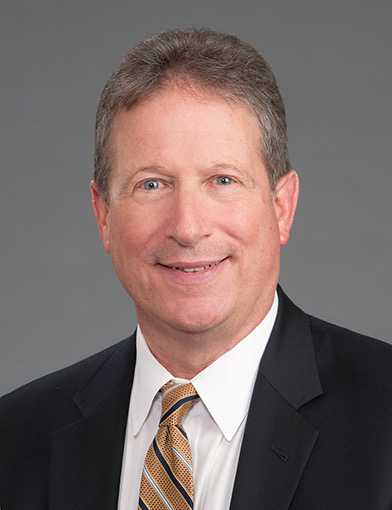 Glenn J. Lesser合作论文数Department of Hematology and Oncology, School of Medicine, Wake Forest University;Comprehensive Cancer Center, Wake Forest University;Hypertension and Vascular Research Center, Wake Forest University50
 Stephen Bradley Tatter合作论文数Department of Neurosurgery, Wake Forest University Health Sciences47
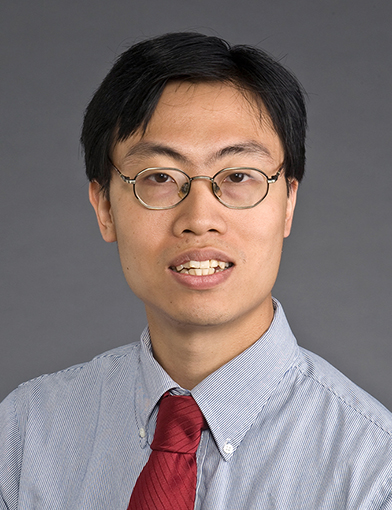 Michael D. Chan合作论文数Department of Radiation Oncology, Wake Forest University School of Medicine;Department of Neurosurgery, Wake Forest University School of Medicine;Comprehensive Cancer Center, Wake Forest University School of Medicine44
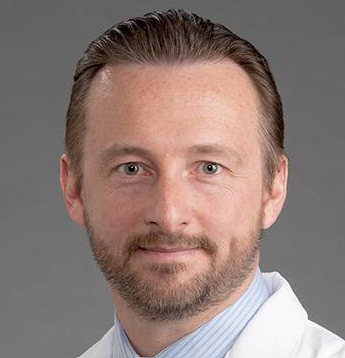 Adrian W. Laxton合作论文数Atrium Health Wake Forest Baptist37
 Stuart Grossman合作论文数Johns Hopkins Sidney Kimmel Comprehensive Cancer Center;The Johns Hopkins Hospita37
 Charlene E Gamaldo合作论文数Dept Neurol, Johns Hopkins Univ29
 Fang-Chi Hsu合作论文数Department of Global Health and Social Medicine, Blavatnik Institute, Harvard Medical School28
 Xiaobu Ye合作论文数Departments of Neurology and Neurosurgery, School of Medicine, Biomedical Engineering26
 Christina Cramer合作论文数Department of Radiation Oncology, Wake Forest School of Medicine, Medical Center Blvd, Winston-Salem, NC, 27157, USA23
 Louis Nabors合作论文数Department of Neurology, School of Medicine, The University of Alabama at Birmingham;Department of Cell, Developmental and Integrative Biology, The University of Alabama at Birmingham22
 Karisa Schreck合作论文数From The Johns Hopkins Hospital;St. Mary's Hospital (D.G.E.),;University of Alabama at Birmingham;M.A.K., NYU Langone Medical Center;From The Johns Hopkins Hospital, University of Alabama at Birmingham21
 Serena Desideri合作论文数21Blakeley Jaishri O合作论文数Dept Neurol, Johns Hopkins Univ19Hui-Wen Lo合作论文数19Waldemar Debinski合作论文数18
 Alexandra Thomas合作论文数17
 Rachel Salas合作论文数Johns Hopkins School of Medicine;Center for Sleep and Wellness, Johns Hopkins University17Joy Fisher合作论文数17Lauren Strauss合作论文数16
 Amy K Guzik合作论文数Chobanian & Avedisian School of Medicine, Boston University;Chobanian & Avedisian School of Medicine, Boston University;Chobanian & Avedisian School of Medicine, Boston University;National Hospital Organization, Osaka National Hospital;St Anne's University Hospital, Masaryk University;2nd Department of Neurology (Anna Czlonkowska, M.A.K.), Institute of Psychiatry and Neurology, Warsaw, Poland;University Hospital Brno, Masaryk University;Department of Neurology (O.Y.M.),, Alexandria University;Department of Neurology (H.R.V., K.U.),, Cleveland Clinic;Bordeaux Population Health Research Center, Centre Hospitalier de l'Université de Bordeaux (E.L.),;"Attikon" University Hospital, National and Kapodistrian University of Athens;Ohio Health Riverside Methodist Hospital (A.I.L.);Neurology Department (J.D., Robin Lemmens),, Leuven University Hospital;University of Tennessee Health Science Center;Cooper Neurological Institute (J.E.S., J.W.),, Cooper University Hospital;Rhode Island Hospital, Brown University;Stroke Center (D.A.S.),, Centro Hospitalar Universitário Lisboa Central-CHULC;Institute of Anatomy (D.A.S.),, Universidade de Lisboa;Grady Memorial Hospital, Emory University School of Medicine;University of Oslo, University of Oslo;Departmento de Neurologia, Institute for Neurological Research-FLENI;Stroke Unit (S.D.S.),, Ramos Mejia Hospital;Melbourne Brain Centre at the Royal Melbourne Hospital, University of Melbourne;Alice Ma, Royal North Shore Hospital;Department of Neurophysiology (J.O.T),, Liverpool Hospital;Department of Neurology (M.W.P.),, Liverpool Hospital;Departments of Neurology (Shaloo Singal) and Radiology (L.-A.S.),, Monash Medical Centre;School of Clinical Sciences at Monash Health, Monash University;Department of Neurology (Rodrigo Tomazini Martins),, Mater Hospital;Department of Neurology (Chris Enzinger),, Medical University of Graz;Department of Neurology and Division of Neuroradiology (T.G.),, Medical University of Graz;Department of Neurology (Aminur Rahman),, Sir Salimullah Medical College;Hopital Erasme (T.B., N.L.),;Universitair Ziekenhuis Brussel, Vrije Universiteit Brussel;Department of Neurology (P.V.),, University Hospitals Antwerp;Department of Translational Neuroscience (P.V.),, University of Antwerp;Hospital das Clínicas (A.B.C., I.L.S.),, São Paulo University;Department of Neurology and Interventional Neuroradiology (R.C.T.H.),, Hospital de Base de São José do Rio Preto;Hospital São Carlos, Nossa Senhora da Conceição Hospital;Moinhos de Vento Hospital (D.L.M.C.),;Hospital de Base do Distrito Federal (L.C.R.), Brasilia, Brazil;St. Anna University Hospital;Department of Neurology (Luciana Catanese),, McMaster University;Department of Diagnostic Radiology (E.A.C.),, Dalhousie University;Hotchkiss Brain Institute, University of Calgary;Royal University Hospital (M.E.K., Lissa Peeling),;Sunnybrook Health Sciences Centre, University of Toronto;Hopital Enfant Jesus (Pascale Lavoie),, Centre Hospitalier de l'Université Laval;Toronto Western Hospital (A.P.),, University of Toronto;Neuroradiology Department (R.R.),, Instituto de Neurocirugía Dr. Asenjo;Department of Neurology (H.-S.C.),, General Hospital of Northern Theater Command;Department of Neurology (Y.C., Foshan Sanshui District People's Hospital;Interventional Neuroradiology (X.H., Z.M.),, Beijing Tiantian Hospital;Department of Neurology, Sestre Milosrdnice University Hospital Center;Department of Neurology (Marina Bralic),, Clinical Hospital Center Rijeka;Department of Neurology, Sveti Duh University Hospital - Zagreb;Faculty of Medicine, J.J. Strossmayer University of Osijek;Department of Neurology (A.B.C.-Q.),, Hospital Departamental Universitario del Quindío San Juan de Dios;Department of Neurology (O.E.L.-S.),, Clínica de la Costa;Department of Neurology (Martin Cabal),, Faculty Hospital Ostrava;Department of Neurology (D.T.),, Blansko Hospital;Oblastní Nemocnice Trutnov a.s.;Faculty of Medicine and University Hospital, Charles University;Neurology (H.H.),, Hospital Příbram;Uherskohradišťská Hospital (E.H.),;Department of Neurology, Thomayer University Hospital Prague;Neurocenter (L.J.),, Regional Hospital Liberec;Neurology (Jana Kadlcikova),, Hospital Vyskov;Igor Karpowicz, Regional Hospital Karlovy Vary;Ostrava (L.K.),;Na Homolce Hospital;Third Faculty of Medicine, Charles University and University Hospital Kralovske Vinohrady;Department of Neurology (J.N.E.S.O.),, Krajská zdravotní, a.s.-Hospital Chomutov;Karvina Mining Hospital (H.P.),;Neurology (Martin Reiser, České Budejovice Hospital;Charles University, General University Hospital in Prague;Department of Neurology (V.R.),, University Hospital Plzen;Department of Neurology (O.S.),, Hospital Jihlava;Masaryk University, University Hospital Brno;Oblastni Nemocnice Kladno (L.S.),;Martin Sramek),, Central Military Hospital in Prague;Nemocnice Třinec, Lenka Zakova;Copenhagen University Hospital;Stroke Center (H.K.I., T.C.T.), Rigshospitalet, University of Copenhagen;Zealand University Hospital, University of Copenhagen;El hussein Alzahar University Hospital;Turku University Hospital, Turku University;Department of Radiology (K.A.),, Turku University Hospital;Helsinki University Hospital, University of Helsinki;Stroke Unit, Bayonne Hospital Neurology;Stroke Unit, Libourne Hospital Neurology (Philippe Casenave),;Centre Hospitalier d'Arcachon-Neurologie (Maria Dan),;Stroke Unit, Agen Hospital Neurology (J.-M.F.),;Neuroradiologie Interventionelle (J.-C.G.),, Brest University Hospital;Brest University Hospital;Department of Neurology (C.S.),, Rothschild Foundation Hospital;Lariboisiere Hospital (Peggy Reiner),;Stroke Unit, Bordeaux University Hospital;University Hospital, Goethe University;Department of Neurology, Albertinen Krankenhaus;Department of Neurology and Stroke (Joshua Mbroh, Eberhard-Karls University;Hertie Institute for Clinical Brain Research (Joshua Mbroh, S.P.),, Eberhard-Karls University;Department of Neurology (Simon Nagel),, Klinikum Ludwigshafen;Department of Neurology, Heidelberg University Hospital;Berlin Institute of Health, Charité-Universitätsmedizin Berlin;Klinik und Poliklinik für Neurologie, Universitätsklinikum Hamburg-Eppendorf (Götz Thomalla),;AHEPA University Hospital, Aristotle University of Thessaloniki;Stroke Unit (O.K.),, Metropolitan Hospital;Hospital General San Juan de Dios (J.D.B.G.),;Mazumdar Shaw Medical Center (V.H.), Bangalore, Karnataka, India;Department of Neurology (Bindu Menon),, Apollo Specialty Hospitals Nellore;Sir JJ Hospital, Grant Medical College;Mazumdar Shaw Medical Center (C.P.), Bangalore, Karnataka, India;Sree Chitra Tirunal Institute for Medical Sciences and Technology (P.N.S.),;Faculty of Medicine, Udayana University;Dr. Soetomo General Hospital Surabaya, Universitas Airlangga;School of Medicine, Zanjan University of Medical Sciences;Imam Reza Hospital, Tabriz University of Medical Sciences;Neurology Department (T.A.R., S.I.S.),, Hillel Yaffe Medical Center;Neurointerventional Unit (S.A.K., Levite Ronen),, Shamir Medical Center;Stroke Unit (Maurizio Acampa),, University of Siena;Stroke Center IRCCS Sacro Cuore Don Calabria (A.A.),;Dipartimento di Neuroradiologia Diagnostica e Interventistica Policinico Universitario IRCCS San Martino (Lucio Castellan, C.R.B.), Genova, Italy;Neurology and Stroke Unit (M.L., Michele Romoli), Ospedale Bufalini, Cesena, Italy;Department of Biotechnological and Applied Clinical Sciences, University of L'Aquila;Interventional Neurovascular Unit (Leonardo Renieri),, Careggi University Hospital;Neurological Department (Andrea Salmaggi, Davide Sangalli),, "Alessandro Manzoni" Hospital;Neurologia e Rete Stroke Metropolitana, IRCCS Istituto delle Scienze Neurologiche di Bologna (A.Z.),;Department of Neurosurgery (R.D., Iwate Prefectural Central Hospital;Department of Neurology (H.F.),, Japanese Red Cross Matsue Hospital;Department of Neurosurgery (T.F.),, National Hospital Organization Osaka National Hospital;Department of Endovascular Surgery (K.F.),, Tokyo Medical and Dental University;Department of Neurosurgery (H.I., N.S.),, Kobe City Medical Center General Hospital;NTT Medical Center Tokyo;Department of Neurology (Ryuhei Kono),, Kin-ikyo Chuo Hospital;Shiroyama Hospital (K.M.),;Department of Neurology (Manabu Sakaguchi),, Osaka General Medical Center;Department of Neurology, The Jikei University School of Medicine;Department of Neurology (Kazutaka Sonoda),, Saiseikai Fukuoka General Hospital;Stroke Center (Kenichi Todo),, Osaka University Hospital;Department of Neurology (Fumio Miyashita),, Kagoshima City Hospital;Department of Neurology (N.T.),, Japanese Red Cross Kyoto Daini Hospital;Department of Stroke and Cerebrovascular Diseases (Y.M.),, University of Tsukuba Hospital;Comprehensive Strokology (S.M.),, Fujita Health University School of Medicine;Department of Neurology (N.O.),, Kobe City Medical Center General Hospital;Department of Neurology (Seigo Shindo),, Japanese Red Cross Kummoto Hospital;Osaka Red Cross Hospital (Y.T.),;Department of Neurology (, National Cerebral and Cardiovascular Center;Department of Cerebrovascular Medicine (, National Cerebral and Cardiovascular Center;Stroke Center, Saga Medical Centre Koseikan;Stroke Medicine, Kawasaki Medical School;Department of Neurology and Stroke Treatment, Japanese Red Cross Kyoto Daiichi Hospital;Advanced Brain Research (N.Y.),, Tokushima University;Yokohama Brain and Spine Center (R.Y.),;Department of Stroke Neurology (Yukako Yazawa),, Kohnan Hospital;Toyonaka Municipal Hospital (Y.S.),;Referral and Research Hospital, Kenyatta University Teaching (P.K.W.),;Kangbuk Samsung Hospital, Sungkyunkwan University School of Medicine;College of Medicine, The Catholic University of Korea;Department of Neurology (K.-D.S.),, National Health Insurance Service Ilsan Hospital;Keimyung University, Keimyung University School of Medicine;University Clinic of Neurology, University Ss. Cyril and Methodius-Faculty of Medicine;Hospital Sultan Abdul Halim (Y.C.C.),;Department of Medicine (W.A.W.Z.),, National University of Malaysia;Department of Surgery (A.S.J.),, National University of Malaysia;University Hospital Jose Eleuterio Gonzalez, Universidad Autonoma de Nuevo Leon;Department of Neurology (M.M.-M.),, Hospital de especialidades del Centro Médico Nacional Siglo XXI IMSS;"Nicolae Testemitanu" State University of Medicine and Pharmacy;Emergency Medicine Institute (L.P., S.G.), Chisinau, Republic of Moldova;Medical Centers Amsterdam, Amsterdam University;Departments of Neurology (D.W.J.D.) and Neurology and Radiology (D.H.K.D.-N.),, Erasmus University Medical Center Rotterdam;Wellington Hospital, University of Otago-Wellington;Department of Neurology (T.Y.W.),, Christchurch Hospital;Department of Medical Records (T.T.A.),, Federal Medical Centre;Neurology Unit (A.H.B., K.W.W.),, University of Ilorin;Federal Medical Centre Owerri, Federal Medical Centre;Department of Medicine, (T.A.S.) Federal Medical Center;Akershus University Hospital, University of Oslo;Department of Neurology (E.C.S.),, The Norwegian Air Ambulance Foundation;Ministry of Health, Khoula Hospital;Lahore General Hospital (S.A., U.R.),;Departamento de Neurología (L.R.-K., M.Á.V.),, Hospital Nacional Edgardo Rebagliati Martins;St. Luke's Medical Center (P.M.Y.), Global City, Philippines;St. Luke's Medical Center (J.S.H.D., M.C.P.-F., C.O.C.), Quezon City, Philippines;Specialist Hospital Konskie, Jan Kochanowski University;Clinic of Neurology (Aleksander Debiec, J.S.),, Military Institute of Medicine;Department of Neurology (Malgorzata Dorobek), Central Clinical Hospital of the Ministry of Interior and Administration (M.D.), Warsaw, Poland;Institute of Medical Sciences, University of Opole;the Silesian Medical University in Katowice, Medical University of Silesia in Katowice;1st Department of Neurology (H.S.-J.), Institute of Psychiatry and Neurology, Warsaw, Poland;Department of Neurology in Sandomierz (Piotr Sobolewski),, Jan Kochanowski University in Kielce;Medical College, Rzeszow University;Department of Neurology (J.Z.-T.),, Central Clinical Hospital of the Ministry of Interior;Department of Neurology (J.Z.-T.),, Central Clinical Hospital of the Ministry of Internal Affairs and Administration;Neuroradiology Department-Centr, o Hospitalar de Vila Nova de Gaia/Espinho (A.P.A.),;Neurology Department (Mariana Rocha),, Centro Hospitalar Vila Nova de Gaia/Espinho;Department of Neurology (Pedro Castro),, Centro Hospitalar Universitário de São João;Stroke Unit-Hospital Pedro Hispano (V.T.C., P.V.F.), Matosinhos, Portugal;Stroke Unit, Centro Hospitalar Universitário de Lisboa Central;Medicine Department, Centro Hospitalar Universitário de São João;Hospital de Egas Moniz, Centro Hospitalar Lisboa Ocidental;Hospital de Santa Maria-Centro Hospitalar Lisboa Norte (T.P.M.),;Department of Neurology (Miguel Rodrigues),, Hospital Garcia de Orta;Centro Hospitalar Universitário de São João (M.L.S.),;Bucarest University Emergency Hospital (Adela Dimitriade),;Faculty of Medicine, Transilvania University;Department of Neurology, King Fahad Hospital of the University Imam Abdulrahman bin Faisal University Dammam (M.A.H.),;Raffles Hospital (N.V.),;Department of Neurology (G.K., Faculty Hospital Trnava;Jessenius Medical Faculty (G.K., M.M.),, Commenius University;Department of Neurology (G.K.),, Slovak Medical University;(O.A.-M., F.H.-F.),, Complejo Hospitalario Universitario de Albacete;Interventional Neuroradiology (J.B.),, Hospital Clínic de Barcelona;Comprehensive Stroke Center (A.R.-V.),, Hospital Clínic de Barcelona;Department of Neurology (Unidad de Ictus) (A.C.-C.),, Hospital Universitario Ramón y Cajal;Neurology Department, Hospital Universitario Virgen del Rocío;Hospital Universitario Virgen Macarena & Neurovascular Research Laboratory, Instituto de Biomedicina de Sevilla-IbiS;Department of Neuroradiology (M.J.G.S.),, Hospital Universitario Rey Juan Carlos;Department of Neurology (M.G.R.),, Hospital Universitario Rey Juan Carlos;Institute of Neuroscience and Physiology (K.J., University of Gothenburg;Department of Neurology (K.J., Sahlgrenska University Hospital;Karolinska Institute, Karolinska University;Interventional Neuroradiology (G.B.),, University Hospitals of Geneva;Department of Neurology, Bern University Hospital;Neurocenter (Manuel Bolognese),, Cantonal Hospital of Lucerne;Department of Neurology (E.C.),, University Hospitals of Geneva;Bern University Hospital, University of Bern;Radiology and Nuclear Medicine (G.M.K.),, Cantonal Hospital of Lucerne;University Hospital (E.K.),, University of Zurich;Department of Neurology (C.Y.H.),, Tainan Sin Lau Hospital;Ramathibodi Hospital, Mahidol University;Siriraj Hospital, Mahidol University;Eskisehir Osmangazi University;Florya Medicalpark Stroke Center, Istanbul Aydın University;Cleveland Clinic Abu Dhabi, .I.H., S.J.;Charing Cross Hospital, Imperial College Healthcare NHS Trust;Department of Medicine (K.K.),, Nottingham University Hospitals NHS Trust;Neuroradiology, Nottingham University Hospitals NHS Trust;Barking Havering and Redbridge University Hospitals;Barts Health NHS Trust, Royal London Hospital (K.W.;Liqun Zhang, St George's University Hospital;Valley Hospital Health System (D.A.),, Neurosurgeons of NJ;Amita Health and University of Illinois-Chicago;Inova Fairfax Hospital (Z.B.),;Neuroscience and Stroke Program (K.B., O.O.Z.),, Bon Secours Mercy Health St Vincent Hospital;Chicago Stritch School of Medicine, Loyola University;Inova Fairfax Hospital (S.A.C.),, University of Virginia School of Medicine;Michael Chen, Y.R., Rush University Medical Center;Department of Neurology (Alex Chebl),, Henry Ford Health System;Health Science Center, University of Tennessee;Health Science Center, University of Tennessee;Department of Radiology (Marco Colasurdo),, University of Texas Medical Branch;Neurology, UTHealth McGovern Medical School;School of Medicine, Yale University;Brigham and Women's Hospital (S.D.A., A.A.D.), Boston;Baptist Health Medical Center-Little Rock (S.D., K.B.G.), Little Rock, AR;London Health Sciences Centre, Western University;Massachusetts General Hospital & Brigham and Women's Hospital, Harvard Medical School;Department of Neurology (, Massachusetts General Hospital;Neuroscience Center, SSM Health DePaul Hospital;University of Iowa;Santa Barbara Cottage Hospital;Department of Neurology (U.G.),, Saint Louis University School of Medicine;Department of Neurology (A.K.G., S.L.),, Wake Forest Baptist Medical Center;M.H.G.N.P., A.M.K.),, Wayne State University;College of Human Medicine, Michigan State University;School of Medicine, Emory University;Department of Neurosurgery (P.T.K.),, University of Texas;Health Science Center, Texas Tech University;School of Medicine, Southern Illinois University;Virginia Hospital Center (B.S.K.);Baptist Health Medical Group (M.K.K.),, Baptist Health Lexington;Department of Radiology, University of Massachusetts Medical Center;S.L.-H.C.A.,S.C.R.N., N.E.T.),, Community Memorial Hospital;Vascular and Neurointerventional Services (G.L.),, Saint Louis University;Miami Cardiac & Vascular Institute (I.L.),, Miami Neuroscience Institute;T.G.L., D.M.R.-S.),, Dartmouth Hitchcock Medical Center;Department of Neurology & Neurosurgery (S.S.M.),, ECU Health Medical Center;Medical Center, University of Kansas;West Virginia University;Department of Neurology (H.M., A.B.R.),, SUNY Upstate;Department of Neurology, Medical University of South Carolina;Department of Neurosurgery, University at Buffalo;Department of Neurology (F.N.),, Emory University;Department of Neurology (K.N.),, University of Arkansas for Medical Sciences;Ascension St Johns Medical Center (R.H.R.), Tulsa, OK;Riverside Regional Medical Center (Pankajavalli Ramakrishnan),;Hospital, the University of Pennsylvania;University of Colorado School of Medicine (S.S.O.),;Miami Neuroscience Institute (A.K.S.),;UNC School of Medicine (M.J.W.), North Carolina;University of Utah;Hue Central (H.V.L., Q.V.N.),;T.N.P., T.T.N.),, Da Nang Hospital;H.T.P., M.D.T.),, Bach Mai Hospital;Basel University Hospital, University of Basel;Lausanne University Hospital, University of Lausanne;Department of Neurology (S.O.M.),, Federal University of Rio Grande do Sul;Hospital de Clínicas de Porto Alegre (S.O.M.),;Charles University, University Hospital;Boston University, Cooper University Hospital16Mott Ryan T合作论文数16Neeraja Danda合作论文数15
 Shakti Ramkissoon合作论文数Labcorp Oncology15
 Daniel Doheny合作论文数Dept Canc Biol, Wake Forest Univ14Noah R. Aguayo合作论文数13Whitley W Aamodt合作论文数13Zhu Dongqin合作论文数13
 Patrick Y. Wen合作论文数Department of Neurology, Harvard Medical School;Center For Neuro-Oncology, Dana-Farber Cancer Institute13Michael S Cartwright合作论文数13Tiana E Cruz合作论文数12Rebecca Merrill合作论文数12
 Michelle A. Rudek合作论文数Department of Otolaryngology-Head and Neck Surgery, School of Medicine, Johns Hopkins University12
 Benjamin Ellingson合作论文数University of California Los Angeles12
 Tobias Walbert合作论文数Department of Neuro-Oncology, The University of Texas M. D. Anderson Cancer Center12Sherona Sirkisoon合作论文数11Marlyn Anguelov合作论文数11Sara G Manore合作论文数11
 Emory R McTyre合作论文数Radiology Informatics & Image Processing Laboratory, Wake Forest School of Medicine11Rachel Marie Salas合作论文数10Sharon Thomson合作论文数10Alexander Ambrosini合作论文数10Rachel Graham合作论文数10Patrick Reynolds合作论文数10Kizilbash Sani H合作论文数Authors' Affiliations: Departments of Radiation Oncology, and.10
 Christopher T. Whitlow合作论文数Department of Radiology, School of Medicine, Wake Forest University;Comprehensive Cancer Center, Wake Forest University10
 Umit Topaloglu合作论文数University of Arkansas for Medical Sciences10Michaella Iacoboni合作论文数9Trisha Surakus合作论文数9Carly Olszewski合作论文数9




