Coastal lakes in Antarctica provide exceptional archives of past climatic and environmental change. Their evolution is closely linked to variations in relative sea level (RSL) driven by deglaciation, making them ideal natural laboratories for investigating marine-lacustrine transitions and reconstructing ancient sea levels. This study presents a high-resolution reconstruction of mid- to late-Holocene paleoenvironmental changes from Heart Lake, a low-elevation coastal lake in the Larsemann Hills, East Antarctica. Multiple proxies, including diatom assemblages, environmental magnetic parameters, geochemical indicators, and sedimentological features, were employed to decipher the regional paleoclimate and environmental history. The lake existed as a submarine basin from approximately 6.37 to 3.07 cal ka BP. Around 4.3 cal ka BP, increasing chemical weathering indices suggest a trend toward warmer conditions in the lake. The first appearance of lacustrine diatoms around 3.07 cal ka BP marks the onset of environmental transition within the basin. By ~ 1.75 cal ka BP, the lake had become an isolated freshwater system. This shift from a marine to a lacustrine environment was likely driven by a post-glacial isostatic rebound and the consequent uplift of the land surface.
Neogloboquadrina pachyderma is the dominant planktonic foraminiferal species in polar oceans and a major contributor to biogenic carbonate production in the Southern Ocean. Its calcite test serves as a key geochemical archive for reconstructing past ocean conditions through stable isotope and trace element proxies. As polar marine ecosystems undergo rapid environmental change, understanding the ecological associations and trophic dependencies of N. pachyderma within surrounding pelagic communities is increasingly important, particularly in extreme Antarctic environments. Here, we present the first molecular characterization of pelagic eukaryotic assemblages associated with individual N. pachyderma (genetic Type IV) specimens collected from Prydz Bay, East Antarctica, using a single-cell 18S rRNA gene metabarcoding approach. High-throughput sequencing revealed that the N. pachyderma eukaryome was dominated by dinoflagellates (Dinophyceae), diatoms (Bacillariophyceae), radiolarians, Syndiniales, and metazoans. In contrast, ambient seawater communities were enriched in cercozoans, followed by dinoflagellates, radiolarians, and ciliates. The distinct composition of eukaryotic assemblages associated with N. pachyderma relative to the surrounding seawater suggests selective incorporation of a subset of the local pelagic eukaryotic pool, potentially reflecting trophic interactions or transient associations with aggregate-associated prey. These results provide preliminary molecular insights into the trophic linkages or pelagic eukaryotic associations of Antarctic N. pachyderma Type IV, in Prydz Bay, East Antarctica, and establish an important baseline for future investigations. Our findings highlight the role of pelagic eukaryotes in shaping foraminiferal microbial interactions and underscore the relevance of such associations for interpreting palaeoceanographic proxies in a rapidly changing Southern Ocean.
Polar regions are particularly sensitive to even small increases in temperature. Eastern Antarctic coastal waters may therefore be especially vulnerable to warming, posing an increased risk to planktonic communities. Despite this vulnerability, zooplankton studies in the coastal waters of Eastern Antarctica (Indian Ocean sector) have received comparatively less scientific attention than those in West Antarctica, particularly with respect to understanding the impacts of ongoing climate change on zooplankton. To address this information gap, we investigated zooplankton biovolume, community composition, and vertical distribution in relation to hydrographic parameters in the coastal waters of Antarctica during the sea-ice melting season (January and February) of 2017. The sea surface temperature conditions observed in the neritic zone were highly unusual and, to our knowledge, had not been reported previously. In the seasonal ice zone, freshening of surface waters likely constrained the biomass of both phytoplankton and zooplankton. Conversely, the elevated zooplankton biovolume recorded in the neritic and ice free zones was likely associated with higher chlorophyll-a concentrations compared to those in the seasonal ice zone. Calanus simillimus and Calanus australis are key taxa in the oceanic domain, whereas Stephos longipes and Paralabidocera antarctica serve as indicator species of the continental shelf region, where their occurrence is closely associated with floating sea ice. We hypothesized that the combined influence regional factors including sea surface temperature, food availability, sea ice extent, ongoing sea ice decline, and surface freshening would exert the strongest control on zooplankton abundance and species diversity in the coastal waters of East Antarctica. As a result, such environmental changes are expected to substantially affect biogeochemical process in coastal Antarctic ecosystem.
The Southern Ocean (SO) plays a central role in regulating global heat and carbon exchange, yet the Indian sector remains one of its least observed regions despite spanning major oceanic fronts. Phytoplankton dynamics here are strongly influenced by light availability, nutrient supply and vertical mixing, all of which are being reshaped by rapid climate-driven changes. This study examines interannual variability in Subsurface Chlorophyll Maximum (SCM) characteristics and phytoplankton community structure during the austral summers of 2018 and 2020 across the Subtropical Front (STF), Subantarctic Front (SAF), Polar Front (PF) and the region south of the PF (SPF). Phytoplankton pigments were quantified using high-performance liquid chromatography (HPLC), and community composition was assessed via flow cytometry and microscopy. Modest interannual changes in upper-ocean structure resulted in pronounced differences in SCM depth, intensity and community composition. In 2018, shallow mixed layers (25-35 m) and deep euphotic zones (60-80 m) supported shallow, intense SCMs at the STF and SAF (Chlmax approximate to 1.4 mg m-3; Dmax 30-40 m), dominated by small flagellates and dinoflagellates. In 2020, deeper mixing (MLD 55-75 m) and reduced light penetration (Zeu 40-55 m) produced weaker, deeper SCMs at the STF (Chlmax 0.25-0.38 mg m-3), while the SAF developed a stronger, shallower SCM (Chlmax approximate to 1.6 mg m-3). Enhanced stratification at the PF and SPF in 2020 yielded stronger, shallower SCMs (Chlmax up to 0.74 mg m-3), accompanied by surface cooling and freshening indicative of melt water influence. Phytoplankton communities shifted accordingly: diatoms such as Fragilariopsis and Chaetoceros increased by 40-60% south of the PF in 2020, while picophytoplankton (Synechococcus, picoeukaryotes) peaked at the STF under warm, high-light conditions. Principal Component Analysis revealed a shift in dominant environmental controls-from density and salinity in 2018 to light and oxygen in 2020-indicating a transition from physically to radiatively regulated SCMs. These findings highlight the sensitivity of the Indian Sector of the Southern Ocean to small perturbations in stratification and light climate, with implications for regional carbon export, ecosystem functioning and future productivity under continued climate forcing.
Abstract Under‐ice phytoplankton blooms (UIBs) are important contributors to polar primary production; however, their organic matter dynamics remain poorly constrained, particularly in Antarctic landfast ice regions with limited field observations. We analyzed particulate organic matter (POM) composition at three different depths (surface, 50, and 140 m) along with high‐resolution nutrient and chlorophyll‐ a (chl‐ a ) profiling during a 38‐day time‐series to investigate a phytoplankton bloom under landfast ice in Prydz Bay, East Antarctica during the austral spring–summer transition. Surface (0–1 m below the ice–water interface) chl‐ a concentrations increased steadily from 0.3 to 14.4 μg L −1 along with other biochemical components like particulate organic carbon, particulate nitrogen, isotopic ratios (δ 13 C and δ 15 N), particulate proteins (P‐PRT), carbohydrates (P‐CHO), and lipids (P‐LIP), marking the onset and progression of an under‐ice bloom (UIB) under favorable snow and ice melting, a stratified surface layer, and rapid nutrient decline. Although P‐PRT dominated the surface POM throughout, the biochemical ratios (PRT/CHO, PRT/LIP, and CHO/LIP) showed a marked shift at mid‐period (Day 17), indicating a relative enrichment of carbohydrates and lipids, with a concurrent shift in the monosaccharide composition. This transition suggested a combination of community shift, physiological adaptations and remineralization processes sustaining the UIB in the later‐phase nutrient‐depleted conditions, while Day 17 also reflected enhanced detrital inputs to the surface waters. The findings reveal strong, environment driven shifts in both the magnitude and biochemical quality of POM during the UIB, improving our understanding of biogeochemical processes and its implications for food‐web dynamics and pelagic–benthic coupling in Antarctic landfast ice systems.
High diatom blooms occur on the Crozet and Kerguelen Plateaus of the Southern Ocean (SO) due to natural iron fertilization, despite iron and light co-limitation in the Polar Front Zone (PFZ). However, glacial-interglacial records of diatom productivity and the biological carbon pump are limited. We present a diatom productivity record for the past ∼40 ka from sediment core SN2 (47°S, 57°30′E), located between the Crozet and Kerguelen Plateaus. Our results show the highest diatom productivity during early Marine Isotope Stage (MIS) 2, the lowest during the deglacial-Holocene, and intermediate during late MIS3 and the Last Glacial Maximum (LGM). The abundances of the permanent open ocean zone (POOZ) group diatoms co-varied with diatom productivity and were inversely correlated with coastal planktonic group diatoms. Neither diatom productivity nor POOZ diatoms correlated with dust and iron fluxes. An inverse relationship was also observed between the PFZ and Antarctic zone diatoms. We suggest that higher diatom productivity during early MIS 2 likely resulted from nutrient-rich southern waters resulting from SO upwelling, driven by the northward migration of the Antarctic Polar Front (APF). Conversely, reduced southern nutrient-rich waters led to lower diatom productivity during late MIS 3 and the deglacial-Holocene. Although the APF was present near the core site during the LGM, lower diatom productivity may have resulted from increased stratification. We propose that APF migration and upwelling intensity may have controlled diatom productivity and the biological carbon pump through deep-water nutrients (iron and silicate).
Polynyas are within the sea ice cover, typically formed by wind-driven sea ice divergence or upwelling of warm subsurface waters. They play a crucial role in ocean-atmosphere interactions, climate regulation and marine ecosystems by substantially enhancing primary production. Open-ocean polynyas in the Southern Ocean are rare and are typically associated with deep convection, which disrupts conventional circulation pathways and impacts regional heat and carbon budgets. The Cosmonauts Sea (30 degrees E-60 degrees E) is an exception, with open-ocean polynyas forming annually. Using satellite-derived sea ice observations, we examined the spatiotemporal variability of polynyas in this region over the past two decades. The Cosmonauts Sea polynya exhibited large spatial and interannual variability, with the largest event occurring in 2016 (139,000 km(2)). An Argo float near the polynya recorded deep mixed layers (>400 m) and near-complete erosion of stratification, and the presence of dense water. This event coincided with anomalously intense cyclonic wind stress curl due to synoptic scale storms and a prolonged positive Southern Annular Mode (SAM) phase (2014-2016), both generally associated with reduced sea ice concentrations. While the southward shift of the Antarctic Circumpolar Current (ACC) during 2015 acted as a preconditioning mechanism, bringing warmer water towards the polynya region and inducing upwelling by vortex stretching. Additionally, anomalously high shortwave radiative fluxes (similar to+20 Wm(-2)) were observed in the summer preceding the 2016 event. The deep convective mixing observed during this event, together with the presence of dense water, indicates that the Cosmonauts Sea could be a potential dense water formation site.
The Indian Sector of the Southern Ocean (ISSO) is a key region for global biogeochemical cycling, where strong frontal systems regulate nutrient supply and ecosystem structure. During two austral summer expeditions (2018 and 2020), we examined phytoplankton and zooplankton communities across the Subtropical Front (STF), Subantarctic Front (SAF), Polar Front (PF), and south of the Polar Front (SPF) using hydrography, nutrients, HPLC-CHEMTAX pigments, microscopic cell counts, taxon-resolved carbon biomass, and zooplankton abundances. Environmental gradients were pronounced: STF surface waters were warm (12-16 degrees C) and saline (similar to 35), with low nitrate and silicate, whereas PF/SPF waters were cooler (0-3 degrees C), fresher, and nutrient-rich, with silicate up to 49 mu M. These gradients structured phytoplankton composition: cryptophytes contributed 40-50% of chlorophyll-a in STF, while dinoflagellates (Gyrodinium sp.) reached similar to 1400 cells L-1, contributing similar to 1.0 mu g C L-1. Polar Front and SPF were dominated by diatoms (Fragilariopsis sp., Chaetoceros sp., Thalassiosira sp.), contributing 45-55% of chlorophyll-a and up to 1.7 mu g C L-1. Zooplankton co-varied with phytoplankton, with calanoid copepods increasing from similar to 110 ind. m(-3) in PF (2018) to similar to 756 ind. m(-3) in 2020, coinciding with higher diatom biomass in the same frontal zones. Correlations confirmed associations, with cryptophytes positively linked to temperature and negatively to nitrate and silicate, while diatoms were associated with cooler, nutrient-rich waters. These findings show that gradients in temperature, salinity, and nutrients structure phytoplankton composition and carbon biomass, which in turn co-vary with zooplankton. This study provides a quantitative assessment of interannual variability in the ISSO and highlights the critical role of frontal systems in modulating Southern Ocean carbon cycling.
The Southern Ocean's Marginal Ice Zone (MIZ) plays a crucial role in carbon cycling through its influence on phytoplankton biomass and distribution. Here we investigate the impact of climate change on phytoplankton dynamics in the MIZ using satellite-derived chlorophyll-a (Chl-a) data from 1997 to 2020. We observed significant (P < 0.05) increases in Chl-a concentration across most sectors of the MIZ. We observed a significant expansion (>30 %) in the spatial extent of high-biomass areas within the MIZ, with the highest increase in the Ross Sea. However, these trends are spatially variable, with offshore regions showing significant increases, while trends in shelf and coastal waters are mixed, including areas of decrease and non-significance. This indicates the potential for heightened productivity in the Antarctic Ocean region, leading to the export of additional carbon in the future. Furthermore, we establish connections between climate drivers and Chl-a trends, emphasizing the impact of freshening and stratification on Chl-a concentration. These changes in salinity and water column structure are critical factors influencing phytoplankton growth and distribution. Our findings contribute to a better understanding of the interlinked interactions between phytoplankton, sea ice dynamics, and climate variability in the MIZ. By explaining the links between environmental changes and biological responses, this study emphasizes the importance of these relationships for future climate change assessments.
The Southern Ocean, a region characterized by high nutrient levels but often low productivity, hosts dynamic picophytoplankton communities crucial for its food web. This study investigated the spatial and inter-annual variability of picophytoplankton abundances and their environmental drivers in the Indian sector of the Southern Ocean during the austral summers of 2018 and 2020. Using flow cytometry for picophytoplankton quantification and standard oceanographic methods for environmental parameters (temperature, salinity, nitrate, phosphate, silicate), we employed descriptive statistics, inferential group comparisons (t-tests, analysis of variance), principal component analysis (PCA) and principal component regression (PCR) to analyse the dataset. Our analyses revealed significant differences in picophytoplankton abundances and environmental conditions across distinct oceanic fronts, between deep chlorophyll maximum and surface depths and, notably, between the two study years. PCA identified three major environmental gradients explaining over 93.5% of the variance in temperature, salinity, nitrate, phosphate and silicate. PCR confirmed our hypothesis: the abundance and carbon biomass of picoeukaryote II (PEUK-II) picophytoplankton was statistically significant overall (F-statistic = 3.415, P = 0.0290). The model explained 24.2% of the variance in PEUK-II abundance (R2 = 0.242), indicating its sensitivity to dynamic oceanographic conditions, with PC3 (primarily representing a salinity gradient) being a significant predictor. Conversely, Prochlorococcus-like/Synechococcus picophytoplankton abundance was not statistically significant overall (F-statistic = 2.068, P = 0.124), suggesting control by other, potentially non-linear factors. These findings highlight distinct ecological strategies among picophytoplankton groups and are vital for predicting their roles in the Southern Ocean's microbial food web amidst ongoing environmental change.
In February 2023, the Antarctic Sea ice extent (SIE) reached a historic low of 1.7 million km2, which was 43 % lower than the monthly average extent recorded since 1979. This marked the second consecutive year of record lows, surpassing the minimum SIE from the previous year. Our study aims to understand the atmospheric and oceanic factors from September 2022 to August 2023 that contributed to these new lows. Throughout the study period, the monthly SIE consistently indicated lower extents compared to the long-term average. The Weddell Sea and Amundsen-Bellingshausen Sea (ABS) experienced the most decline in austral spring and summer, respectively, while the Ross Sea showed the minimum sea ice loss. The lower stratospheric cooling patterns observed during summer resulted in a reinforcement of the Southern Annular Mode (SAM), which caused intensification of the surface temperature inversion. This disturbance led to the Antarctic Polar Vortex shifting towards the Equator. The transition from the distinct triple La Nina event to the onset of a warm phase in 2023 resulted in the Amundsen Sea Low (ASL) deepening, which advected warm air into the region and push sea ice back towards the coast, reducing its extent particularly in the west of the Antarctic Peninsula region. Additionally, anomalies in the upper ocean (0-300 m) indicate subsurface ocean warming in most sectors.
Arctic fjords are ideal sites for studying the recent sedimentary process that affects high-latitude coastal ecosystems. High latitude Raudfjord, Magdalenefjord, and St. Jonsfjord from the west Spitsbergen, Svalbard have been investigated to assess the source and distribution of clay minerals, weathering processes, and geochemistry of major elements. The results showed illite to be the dominant clay mineral group, followed by chlorite and kaolinite, suggesting physical rather than chemical weathering is prominent in the region, also supported by a decrease in the illite chemistry and an increase in illite crystallinity (0.18°Δ2θ). The mineralogical proxies, along with the K2O/(Na2O+CaO) molar ratio, chemical index of alteration (CIA), and major elements, suggested hydrolysis of plagioclase (enrichment of Ca and Na) as compared to the K-feldspar. An appreciable amount of plagioclase (21–40
ABSTRACT Surface albedo (SAL), a critical factor in climate studies, significantly impacts the Earth's radiation budget and sea ice dynamics. The long‐term spatial and temporal variability of Antarctic SAL were derived from the third edition of the Cloud, Albedo, and Surface Radiation Dataset (CLARA‐A3). The analysis focused on spring and summer across five longitudinal sectors around Antarctica. The relationships of sea ice concentration (SIC) and SAL with climatic variables such as sea surface temperature (SST), 2 m air temperature (T2m), turbulent heat flux, and total cloud cover are explored in detail. The study examined SAL changes in two distinct timescales, pre‐2015 (1979–2015) and post‐2015 (2016–2021), to understand sea ice variations and trends in Antarctic climate change. The study revealed contrasting summer SAL trends, with a positive trend pre‐2015 and a decreasing trend post‐2016 across most of Antarctica, except the Amundsen‐Bellingshausen Sea, which showed an opposite trend. West Antarctica exhibited higher SAL compared to East Antarctica. SAL and SIC were significantly negatively correlated with SST, T2m, and turbulent heat flux across all sectors. Cross‐seasonal lead–lag analysis indicated that increased turbulent heat flux was followed by an increase in SAL after 1–5 months. Wind patterns showed that winds from higher to lower latitudes increased SIC and SAL, while winds from lower to higher latitudes reduced SIC. Post‐2015, notable wind direction reversals were observed in the Antarctic Peninsula during spring. Sectors with higher cloud cover absorbed more ocean heat, reducing turbulent heat flux and affecting SAL. Overall, post‐2015 observations highlighted major shifts in sea ice dynamics and SAL trends during both spring and summer seasons. The SIC decreased markedly across all sectors, with the Weddell Sea showing the most significant reduction. This study highlights regional and seasonal variations in SAL and its interactions with SIC and climatic factors, emphasising shifts in trends post‐2015.
The Agulhas Current system in the Indian sector of the Southern Ocean is significant for the climate as well as marine ecosystems. Global warming and alteration in wind patterns are altering the Agulhas region. However, it remains unresolved whether phytoplankton blooms in the Agulhas region show a robust trend in the satellite data era, and if so, what physical mechanisms account for this trend. We used high-resolution satellite-derived chlorophyll-a (Chl-a) data, a proxy for phytoplankton biomass, to examine seasonal and long-term trends and their relationship to sea surface temperature(SST), mixed layer depth (MLD), wind speed, sea surface height, and stratification in the Agulhas Current system between 1998 and 2022. Using Empirical Orthogonal Function analysis, we identified dominant spatial and temporal patterns associated with Chl-a variability. Notable results indicate a significant increase in Chl-a concentrations in the Agulhas Return Current (ARC) and Agulhas Retroflection regions, with increasing trends of 26% and 15% per decade, respectively. In the ARC region, decreased SST, deepened MLD, and intensified wind speeds promoted vertical mixing and nutrient entrainment, supporting increased Chl-a levels. This effect is largely driven by the Southern Annular Mode (SAM), which enhances westerly winds, promoting these physical changes. In contrast, the influence of SAM in the Agulhas Retroflection zone is moderated by the stabilizing presence of Indian Ocean waters. These results highlight the complex interaction between local physical processes and broader climatic variability in driving phytoplankton dynamics in the Agulhas region.
This article summarises the status of coccolithophores in the Indian sector of the Southern Ocean based on the observations carried out during the four Indian Southern Ocean Expeditions (viz. during austral summer of 2004, 2009, 2010, and 2012). These studies provide crucial information on (1) coccolithophores role in the biological carbon and carbonate counter pumps, (2) coccolithophore species specific response to the in-situ environmental settings, (3) changes in the coccolithophore biogeographic boundaries with respect to the varying environmental settings, and (4) possible response of coccolithophores to the ongoing and projected changes in the ecosystem and environment. This article is expected to improve understanding on the present biological settings in the Indian sector of the Southern Ocean and provide crucial information for future investigations in this region.
We determined and discussed the mineral magnetic properties of the soil samples (n = 78) from the Schirmacher Oasis, East Antarctica. Environmental magnetism analysis was conducted to identify the mechanisms controlling the formation and distribution of iron oxide minerals such as magnetite and hematite. Magnetic susceptibility (chi(lf)) exhibited a mean (+/- SD) value of 109.5 (+/- 76.6) x 10(-8) m(3)kg(-1), indicating the presence of magnetically strong minerals. A statistically significant correlation (r = 0.79; p < 0.01) between chi(lf) and saturation isothermal remanent magnetization (SIRM), the S-ratio values (0.97-0.99) and temperature-dependent magnetization measurements, suggests that low-coercivity magnetic minerals, such as magnetite, primarily regulate the magnetic signal. The percentage of frequency-dependent susceptibility remains below 2 % for most samples, indicating an insignificant presence of ultrafine superparamagnetic grains. The chi(ARM)/SIRM parameter (mean (+/- SD) values of 53.7 (+/- 26.3) x 10(-5) mA(-1)) suggests a predominance of coarse-grained magnetic minerals, while magnetic hysteresis parameters indicate the dominance of multidomain magnetic grains, with minor proportions of single-domain and superparamagnetic grains. Various inter-parametric ratios reveal the absence of bacterial magnetite, anthropogenic magnetite, and authigenic greigite, suggesting that the magnetic minerals in these Antarctic soils from Schirmacher Oasis predominantly result from weathering processes.
We here describe a distinctive weakly calcified holococcolithophore Crotalia jafari gen. et sp. nov. from the Southwest Indian Ocean phytoplankton. The coccospheres of Crotalia jafari measure 8–15 ?m in diameter, and possess 430–538 coccoliths, with each coccolith measuring less than 1 ?m in diameter. The coccoliths are tightly attached to each other by an organic layer. Their central area appears open. Finger-shaped extensions are present in the peripheral coccoliths, and stretch from the hexagonal surface layer towards the basal plate. The basal plate is flat and composed of irregular wall fabric. The crystallites of the coccoliths are small. These morphological features make this holococcolithophore unique among the extant and fossil coccolithophores. The described species is therefore placed into the new genus ‘Crotalia’. This study also suggests that high diversity of weakly calcified (and still undescribed) holo- and heterococcolithophores may exist in the Southern Ocean, which requires additional careful observation.
The marine environmental conditions of the last 2.9 cal ka in the Knipovich Ridge area, Norwegian Sea, were reconstructed using micropaleontological and sedimentological data and quantitative estimations of sea-ice cover, surface and subsurface temperatures and salinity. From 2.9 to 2.2 cal kyr BP, harsh conditions prevailed throughout the entire water column, accompanied by low bottom-current activity, which we associate with the final phase of the Neoglacial cooling. A substantial change in the marine environment towards warming and establishment of modern-like oceanic conditions occurred at 2.2 cal kyr BP simultaneously in surface, subsurface and bottom waters. Dinocyst and diatom data suggest the warmest period in surface waters was recorded at 2.2-1.2 cal kyr BP, followed by a short-lived cooling at 1.0-1.2 cal kyr BP marked by sea ice recurrence. Another major shift in ocean conditions occurred at 0.6 cal kyr BP, corresponding to the onset of the Little Ice Age (LIA) and showing decoupling in surface and subsurface water layers. According to our records, the LIA cooling signal in the Knipovich Ridge area was only evident in the upper water layer, without changes throughout the water column. The regional LIA cooling could be associated with cold surface currents from the Barents Sea shelf flowing into the Norwegian Sea in summer.
This study examines the mesoscale eddy variability in the Southern Subtropical Front (SSTF) and Subantarctic Front (SAF) regions of the Indian Sector of the Southern Ocean (ISSO), using highresolution underway Conductivity-Temperature-Depth (uCTD) data collected during the 11th Indian Scientific Expedition to the Southern Ocean (February-March 2020). Two mesoscale eddies-one cyclonic (41-44 degrees S, similar to 300 km) and one anticyclonic (45-46 degrees S, similar to 100 km)-were identified and analyzed. These features appear to be recurring, with formation driven by baroclinic instability influenced by bathymetry. The anticyclonic eddy exhibited significant modification of local thermohaline structure through water mass mixing. Eddy-induced meridional heat transport was estimated to be similar to+ 0.075 PW north of 42 degrees S (northward) and similar to- 0.075 PW south of 42(degrees)30 ' S (southward). Notably, the Subtropical Surface Water (STSW) was advected from the SSTF to SAF via the cyclonic eddy's periphery, resulting in regional modification of water mass between 42 degrees S and 45 degrees S. Enhanced primary productivity was observed along the cyclonic eddy's boundary, with chlorophyll-a concentrations reaching 0.8 mgm(-3). These findings highlight the dynamic role of mesoscale eddies in modulating frontal systems, cross-frontal exchange, and biological productivity, offering critical insights into the physical-biogeochemical coupling in the ISSO under a changing climate.
Understanding phytoplankton size classes (PSCs) is vital for assessing the abundance of phytoplankton communities, their role in carbon sequestration through the biological pump, and their photosynthetic efficiency in the Southern Ocean. We developed a three-component model to calculate the fractional contributions of three phytoplankton size classes, i.e., micro, nano, and picophytoplankton, to the total chlorophyll-a (C) in the Indian Sector of the Southern Ocean. Using high-performance liquid chromatography-based phytoplankton diagnostic pigments PSCs were quantified, and the PSCs model equations were developed, which were well-fitted for all PSCs in this region. In situ models for C and pigment-based size-fractionated chlorophyll-a (micro (C-m), nano (C-n), pico (C-p), and pico+nano phytoplankton (C-p,C-n)) demonstrated high statistical significance (p < 0.0001) and with correlation coefficient (R-2) values of 0.90, 0.80, 0.74, and 0.90 for C-m, C-n, C-p, and C-p,C-n, respectively, indicating strong reliability. While these PSCs models effectively captured the distributions of nano and microphytoplankton, they consistently underestimated picophytoplankton, highlighting the need for refinement in modeling approaches for this smaller fraction. This study also examined the dynamics of PSCs in the Indian Sector of the Southern Ocean from 2010 to 2020, comparing three distinct PSCs models: the current model, an average irradiance model within the mixed layer depth, and the sea surface temperature model. The current PSCs model performed best in understanding interannual variability. Environmental factors, particularly sea ice extent, significantly impacted phytoplankton dynamics, with a reduction in sea ice during 2016 correlating with notable changes in PSCs from 2017 to 2020. These findings underscore the complex relationships between PSCs, sea ice dynamics, and climate change, suggesting that shifts in phytoplankton can have cascading effects on the biological pump. Monitoring and improving models are crucial for understanding phytoplankton carbon dynamics at synoptic scales and managing ecological interactions.
 Shramik M. Patil合作论文数Corresponding author.29
 Suhas Shetye合作论文数National Centre for Antarctic and Ocean Research27
 Anish Kumar Warrier合作论文数Department of Marine Geology, Mangalore University22
 B.S. Mahesh合作论文数22
 Meloth Thamban合作论文数National Centre for Antarctic and Ocean Research19
 Avinash Kumar合作论文数Department of Marine Geology, Mangalore University17Sahina Gazi合作论文数16
 Abhilash Nair合作论文数Natl Ctr Polar & Ocean Res NCPOR, Antarctic Sci16
 Juhi Yadav合作论文数National Centre for Polar and Ocean Research, Ministry of Earth Sciences (Govt. of India),14
 Manish Tiwari合作论文数12
 Syed Abbas Jafar合作论文数Ministry of Earth Sciences, National Centre for Polar and Ocean Research12
 Rasik Ravindra合作论文数National Center for Antarctic and Ocean Research11
 Malla Sudhakar合作论文数Dept Mech Engn, Sri Sai Ram Engn Coll10
 Sunil Kumar Shukla合作论文数National Centre for Antarctic and Ocean Research;Ministry of Earth Sciences;Govt of India;National Centre for Antarctic and Ocean Research, Govt of India8Maruthadu Sudhakar合作论文数6Pallavi P. Choudhari合作论文数6
 M.C. Manoj合作论文数Quaternary Lake Drilling Project (QLDP), Birbal Sahni Institute of Palaeosciences (BSIP), 53 University Road, Lucknow 226007, Uttar Pradesh, India
Academy of Scientific and Innovative Research (AcSIR), Ghaziabad 201002, Uttar Pradesh, India6Sabu P合作论文数Centre for Marine Living Resources and Ecology, Ministry of Earth Sciences, Kochi, India, sabu@ncaor.gov.in.6
M.C. Manoj合作论文数Quaternary Lake Drilling Project (QLDP), Birbal Sahni Institute of Palaeosciences (BSIP), 53 University Road, Lucknow 226007, Uttar Pradesh, India
Academy of Scientific and Innovative Research (AcSIR), Ghaziabad 201002, Uttar Pradesh, India6Sabu P合作论文数Centre for Marine Living Resources and Ecology, Ministry of Earth Sciences, Kochi, India, sabu@ncaor.gov.in.6 K. R. Ramesh合作论文数Geosciences Division;Physical Research Laboratory;Geosciences Division|Physical Research Laboratory6
 Xavier Crosta合作论文数Environnements et Paléoenvironnements Océaniques et Continentaux (UMR 5805), University of Bordeaux6
 Babula Jena合作论文数6Cheryl A. Noronha-D’Mello合作论文数5
 N. Anilkumar合作论文数5
 Pooja Ghadi合作论文数Sch Earth Ocean & Atmospher Sci, Goa Univ5
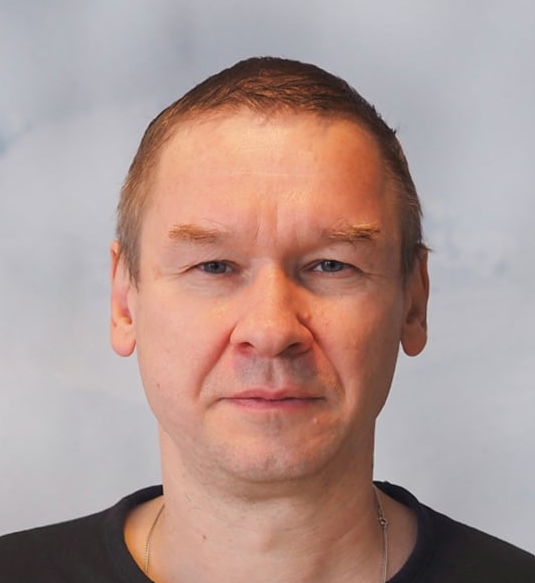 Dmitry Divine合作论文数Scientific Research Department, Norwegian Polar Institute5
 Arto Miettinen合作论文数Department of Geology;Division of Geology and Palaeontology;University of Helsinki;Department of Geology, University of Helsinki5Aakriti Srivastava合作论文数4A. S. Yamuna Sali合作论文数4
 Jenson George合作论文数4
 Sheshshayee Sreeman合作论文数Department of Crop Physiology;University of Agricultural Sciences;Department of Crop Physiology, University of Agricultural Sciences4
 M.V.s. Guptha合作论文数4
 Katrine Husum合作论文数Department of Geology, University of Tromsø4Rajesh Asthana合作论文数4
 Prince Prakash合作论文数4
 Mohammad Nuruzzama合作论文数ESSO Natl Ctr Polar & Ocean Res, Polar Sci Div3Shabnam Choudhary合作论文数Ministry of Earth Sciences, New Delhi, India3
 Joju George合作论文数Manipal Acad Higher Educ, Manipal Inst Technol3
 Syed Mohammad Saalim合作论文数Natl Ctr Polar & Ocean Res, Antarctic Sci Div3
 Lisa Orme合作论文数Maynooth University3
 Yogesh Ray合作论文数Wadia Institute of Himalayan Geology3
 Waliur Rahaman合作论文数3
 Marcos Chaparro合作论文数3
 Alexander Matul合作论文数3
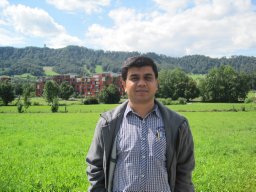 Amzad Laskar合作论文数Physical Research Laboratory, Navrangpura, Ahmedabad, 380 009 India3Lina P. Mergulhao合作论文数3Sharon B. Noronha合作论文数2
 Racheal Chacko合作论文数Natl Ctr Polar & Ocean Res2
 Sandip K. Roy合作论文数Geol Survey India2
 Rajani Kanta Mishra合作论文数Ministry of Earth Sciences, National Centre for Polar and Ocean Research2




