The experiment was conducted during October, 2024–June, 2025 at Indian Agricultural Research Institute, New Delhi to study seed respiration and vigour assessment in lentil and paddy. Seed respiration was one of the earliest metabolic activities recorded in the imbibed seeds. Seed ageing impairs cellular function, leading to reduced respiration. This study evaluated CO2 evolution in three seed lots, each of paddy and lentil, using an infrared CO2 sensor. Lentil exhibited the highest CO2 evolution (854.93 ppm seed-1), while paddy recorded the lowest CO2 evolution (429.65 ppm seed-1). Significant within-crop variation was observed. In lentil, the lot L-4727(23-24), which had the highest germination, also recorded the highest CO2 release (1034.73 ppm seed-1), whereas L-4727(19-20) showed the lowest (707.87 ppm seed-1). Similarly, in paddy, PB 1847 recorded the highest CO2 evolution (446.69 ppm seed-1) and PB 1985 recorded the lowest (418.77 ppm seed-1). A rapid colorimetric vigour test was developed by trapping the CO2 in the bromothymol blue (BTB) solution. OD430 values showed strong correlations with vigour index-I (R²=0.96) and vigour index-II (R²=0.93) in paddy and with vigour index-I (R²= 0.98) and vigour index-II (R²=0.76) in lentil. High-vigour seeds consistently exhibited higher respiration rates and higher OD430 values, validating BTB as a reliable indicator for vigour assessment. The present study presented a novel respiration-based rapid colorimetric vigour test capable of distinguishing seed lot vigour within 7 h.
Sustainable nutrient management is essential for optimizing sugarcane production. In India, nutrient management practices predominantly rely on chemical fertilizers, which can have long-term adverse effects on soil health and sustainability. To address this issue, there is a growing need to adopt integrated nutrient management strategies. In this context, a field experiment was conducted to evaluate the impact of combining nanofertilizers and biofertilizers on sugarcane yield, economic returns, and soil health. The study included eight treatments in a randomized block design with three replications. The application of 50
Cropping system diversification plays an important role in improving productivity, nutrient use efficiency and sustainability of intensive cereal-based cropping systems of the Indo-Gangetic Plains. Continuous cultivation of conventional rice–wheat cropping systems has resulted in declining soil fertility, nutrient imbalance and reduced system productivity over time. Therefore, the present investigation was conducted during 2023–24 and 2024–25 at the Student Instructional Farm, Chandra Shekhar Azad University of Agriculture and Technology, Kanpur (Uttar Pradesh) to evaluate the performance of diversified cropping systems on system productivity, nutrient content, nutrient uptake and nutrient harvest index. The experiment was laid out in Randomized Block Design with ten cropping system treatments and four replications. The results revealed that diversified cropping systems significantly influenced productivity and nutrient dynamics. Legume and vegetable-based cropping systems recorded higher nutrient content and nutrient uptake compared to cereal-based systems. Inclusion of fodder crops improved total biomass production and nutrient removal, whereas vegetable-based systems showed higher nutrient harvest index. Among different cropping systems, maize + cowpea – oat and maize (cob) – potato + mustard cropping systems performed better in terms of productivity and nutrient uptake. Therefore, cropping system diversification may be recommended for improving system productivity and soil fertility under central Indo-Gangetic Plains of Uttar Pradesh.
This research addresses the mechanization challenges in the System of Wheat Intensification (SWI) by designing and developing an 8-row tractor-drawn planter. The planter is designed to sow wheat seeds in a square pattern, featuring two spacing options for both inter-row and intra-row distances (0.2 × 0.2 m or 0.25 × 0.25 m). The planter is capable of opening furrows, placing seeds at a depth of 5 cm, and firmly covering and pressing the soil around them. Agronomic performance evaluations were carried out at two speeds (1.5 km/h and 2 km/h) of planter using treated and untreated seeds, and compared the performance with conventional sowing and manual SWI planting. The planter had a draft requirement of 3.2 kN and resulted in significantly better seed germination and grain yield compared to conventional or manually sown SWI. The machine-sown SWI plots had an average of 23.3–24.8 hills (planting points) per square meter, with 2–3 plants per hill. It was observed that 87
Cercospora leaf spot (Cercospora beticola) stands as a damaging fungal infection in Beta vulgaris. This fungal disease causes substantial impacts on crop yield which results in heavy economic losses to farmers. This study involved in silico characterization of globally reported C. beticola sequences derived from glyceraldehyde-3-phosphate dehydrogenase (gapdh) gene within B. vulgaris. Phylogenetic analysis and haplotype map were performed in sequences of C. beticola found in this crop. Evolutionary dynamics, including genetic diversity metrics, and parameters such as mismatch distribution plot were conducted based on the geographical distribution of the fungi. Two expansive sub-clusters of this fungi were revealed by the phylogenetic analysis of 20 sequences. Out of 20, 16 isolates originating from Iran had shown two monophyletic groups, positioning themselves into different clusters. Besides, 6 distinct haplotypes have also been analyzed from these gene sequences with haplotype 1 emerging as the predominant variant. Haplotype 1 consists of nine sequences from the USA, Iran, and Egypt. Among the overall population, the diversity in haplotype was 0.763. Population genetics analysis showed a significantly high Tajima value and haplotype diversity in the global C. beticola population. The study also found that genetic homogeneity and gene flow in populations of pathogen in USA-Egypt while genetic differentiation was seen in the populations of Iran-Egypt, Iran-USA. This study explained the insights into the complex genetic diversity of the pathogen within B. vulgaris. This further highlighted the widespread occurrence of distinct haplotypes worldwide.
Background: In eastern India, lentil (Lens culinaris Medikus) is largely grown as a rice-fallow crop under residual soil moisture. Delayed rice harvesting frequently causes delayed lentil sowing, exposing crops to sub-optimal climatic conditions during critical phenophases and inducing terminal heat and drought stress that reduce growth, development and yield. Methods: A field experiment was conducted with five lentil genotypes (WBL-58, PRECOZ, WBL-77, ILL-10893 and L-13-123) sown on 15th November, 30th November and 15th December to assess phenology, physiology, yield attributes and seed quality under delayed sowing. Result: Delayed sowing significantly reduced seed-filling duration, yield components, dry matter partitioning, seed size, micronutrient concentration and seed germination. Flowering time, pollen quality, chlorophyll content, relative leaf water content and proline accumulation were adversely affected across genotypes. WBL-58 performed best under low soil moisture (-0.885 to -1.665 MPa) and high temperature (30-32°C), whereas L-13-123 showed severe yield loss.
Downy mildew disease causes up to 100
Fiber crops face major challenges from climate instability, pests, and suboptimal fiber or oil quality. These challenges can be addressed using plant tissue culture and molecular breeding tools, including genetic transformation and CRISPR/Cas-mediated genome editing. Advances in in vitro regeneration have enabled efficient plant recovery in crops such as cotton, jute, mesta, flax, sunn hemp, and industrial hemp. Techniques including anther culture have facilitated the development of doubled haploid lines with improved fiber quality and uniformity. Genetic transformation and emerging genome-editing applications provide new opportunities for targeted trait improvement in fiber crops. This review covers in detail the application of in vitro regeneration, genetic transformation, and genome editing studies in fiber crops. This review also includes several insights for improving fiber crops by applying these tools. This review will be a rich resource for the details of in vitro regeneration, genetic transformation, and gene editing studies in fiber crops.
Tomato (Solanum lycopersicum L.) is among the most widely cultivated vegetable crops, with genetic diversity influencing traits such as inflorescence architecture. While floral development is well studied, flowers arising from unusual positions are rare and scientifically intriguing. Here we report a novel floral phenotype in indeterminate tomato under polyhouse conditions i.e., Extended Sympodial Growth (ESG). ESG involves reversion of the terminal flower to a vegetative shoot that resumes growth and produces additional inflorescences, altering the typical sympodial rhythm. ESG was consistently observed over six seasons in the var. NS-4266. Notably, this phenotype did not occur in field trials of NS-4266, suggesting polyhouse-specific expression influenced by controlled conditions. This first report of ESG highlights meristem plasticity in tomato and opens opportunities for exploring alternative growth habits and yield-enhancing traits.
Phytopathogens pose a major challenge to sustainable crop production in the current global context, with fungal pathogens responsible for approximately 80
Unstable climatic fluctuations and environmental perturbations are increasingly causing multi-trait aberrations in edible oilseed crops, including male sterility, seed set failure, recalcitrance to regeneration, altered anti-nutritional profiles (pungency, isothiocyanates and glucosinolates), oil quality deterioration (elevated eruric acid), weakened antioxidant capacity, and reduced pathogen resistance. These complex and interconnected challenges necessitate an integrative biotechnological approach wherein plant tissue culture techniques are synergistically combined with precise genome editing tools. In this context, the present review critically compiles and evaluates recent advances in regeneration and genetic improvement strategies aimed at mitigating or reverse trait aberrations in major oilseed crops. Both direct and indirect gene transfer approaches, such as CRISPR/Cas systems, Agrobacterium mediated transformation, pollen transformation, particle bombardment (gene gun), electroporation, microinjection, PEG mediated protoplast fusion, somatic embryogenesis, and organogenesis, have been successfully employed in major oilseed crops such as Brassica juncea, Brassica napus, Glycine max, Carthamus tinctorius, Helianthus annuus, Sesamum indicum and Arachis hypogaea, resulting in efficient regeneration of stable, non-chimeric plants. This review examines integrated strategies to restore regeneration competence and accelerate stable trait improvement in major oilseed crops under climate stress. Moreover, tissue culture based regeneration combined with transformation and CRISPR/Cas genome editing is also emphasized in this review for production of reliable, non-chimeric plants with significant trait improvements, including enhanced pod shatter resistance via targeted editing of the indehiscent (IND) gene in Brassica napus, modification of flower color and carotenoid accumulation via editing of the pescadillo (PES) gene in Brassica rapa and improved oil quality through the reduction of erucic acid content by targeting the transparent testa glabra (TTG) gene. Further improvements in regeneration efficiency, accelerated biofortification acceleration, and rapid population advancement have been achieved through emerging technologies, such as speed breeding and soilless culture under controlled environmental conditions. Thus, this review comprehensively synthesizes recent progress in regeneration technologies and genetic enhancement strategies aimed at alleviating trait aberrations in major oilseed crops.
A phenological stage-based nutrient scheduling approach was developed and validated for tomato cultivation under naturally ventilated polyhouse conditions. Nutrient uptake dynamics revealed a progressive decline in nitrogen and phosphorus concentrations from seedling to ripening, whereas potassium demand increased steadily toward fruiting, with the reproductive phase accounting for the majority of total nutrient requirements. Based on tissue nutrient removal and nutrient use efficiency, an estimated dose of fertilizers framework was derived and translated into stage-wise fertilization schedules using water-soluble fertilizers. Five fertilization levels (75-175% of the estimated dose of fertilizers) were evaluated. Among these, a 125% estimated fertilzer dose consistently resulted in superior plant growth, yield attributes, and fruit yield, while maintaining desirable fruit quality traits. Lower fertilization levels enhanced certain bioactive compounds but at the expense of yield. Overall, the study demonstrates that an estimated dose of fertilizers-based fertilization at 125% provides an effective balance between productivity and quality, offering a physiologically grounded and resource-efficient nutrient management strategy for protected tomato cultivation. These findings highlight a trade-off between yield and nutraceutical quality, suggesting that fertilization strategies should be tailored according to production objectives.
This study investigated the effects of manual whole cane and mechanical billet harvesting methods and post-harvest storage duration (0–10 days) on sugarcane deterioration indicators in cultivar Co86032 under tropical conditions during the late milling season. Cane weight loss, juice quality parameters (pH, titratable acidity, brix
One of the most important vegetables cum spices crops in the world, chilli crop is threatened by several environmental stressors, including high temperature. High ambient temperatures above 35 °C are harmful, mainly during flowering and fruit set, adversely affecting photosynthetic efficiency, pollen viability, fertilization, and fruit development, ultimately leading to significant yield and quality losses. High temperature stress affects membrane stability, accelerates reactive oxygen species (ROS) production, and alters metabolic and hormonal balance in chilli plants. Unpredictable climatic patterns, which result in both gradual and sudden temperature rise along with higher intensity and duration, further worsen the impact of high temperature on crop. The development of high temperature tolerant chilli cultivars is important to fulfil the increasing demand for chilli at global level. This can be accomplished by understanding the pertinent physiological, biochemical, and molecular processes involved in high temperature stress response. These cellular adjustments assist in reducing the harmful consequences of high temperature stress. Genes or quantitative trait loci governing such stress responses are particularly of more interest to develop stress tolerant cultivars. The current review presents insights into the high temperature stress response in chilli through different molecular, biochemical, and physiological processes along with the progress in chilli improvement programmes using genetics and biotechnological approaches. In addition, advances in conventional breeding, marker-assisted selection, genomics, transcriptomics, and emerging genome-editing approaches are discussed in the context of developing high temperature tolerant chilli cultivars. By synthesizing chilli focused physiological, molecular, and breeding related studies within a single framework, this review advances current understanding of high temperature tolerance in chilli. The review also summarizes recent advances in chilli heat tolerance research, including QTL mapping, multi omics analysis, and emerging genome editing applications, while identifying existing gaps in trait validation and targeted improvement of high temperature tolerance.
Climate change poses a major threat to global crop production and food security, with cucurbit crops particularly vulnerable to heat, drought, and other climatic stresses. In this study, seven Cucurbitaceae species—bottle gourd, sponge gourd, ridge gourd, pumpkin, ash gourd, Summerfit (an interspecific hybrid of snap melon), and cucumber—were evaluated for tolerance to moisture stress. Plants were subjected to two irrigation regimes (50% and 75% of field capacity) after 15 days of transplanting, and morphological, physiological, and biochemical traits were assessed after 65 days. Severe reductions in growth and physiological performance occurred at 50% field capacity, indicating intense water-deficit stress. Bottle gourd exhibited the lowest reduction in relative water content (7.72%), while ash gourd showed the lowest reduction in membrane stability index (22.88%). Hierarchical clustering grouped bottle gourd and ash gourd as highly drought-tolerant species. Principal component analysis confirmed their superior performance, with higher catalase activity, root length, root surface area, root volume, root density, shoot length, and shoot dry weight under moisture stress. These findings suggest that ash gourd and bottle gourd enhance water uptake through improved root architecture, making them promising rootstocks for cucumber cultivation in water-limited environments.
Weeds represent one of the most critical biotic stress factors in rice-based cropping systems, often causing severe yield losses. Understanding crop-weed interactions under both current and projected climate change scenarios is essential for safeguarding rice productivity. Weed species, such as Echinochloa colona and Alternanthera paronychioides, exert profound competitive effects on rice, with early crop growth stages being particularly vulnerable. During this period, rice seedlings encounter simultaneous challenges of weed interference and abiotic stresses, such as water limitation, resulting in oxidative damage, impaired physiology, and significant yield reductions. These interactions highlight the urgent need for systematic and quantitative approaches to evaluate the impact of weeds on rice performance. This chapter presents detailed methodologies for assessing weed impacts on rice growth and productivity, including experimental designs, measurement protocols, and analytical frameworks. The outlined approaches enable accurate quantification of competition dynamics and yield losses, providing a foundation for developing effective and sustainable weed management strategies tailored to diverse rice production systems.
Wheat grain is the most commonly used substrate for oyster mushroom spawn production; however, increasing demand and climate-related constraints necessitate sustainable alternatives. The present study evaluated nutrient-enriched finger millet stem pellets (FSPs), an underutilized agro-residue, as an alternative spawn substrate for Pleurotus ostreatus. Six nutrient formulations, viz., glucose peptone yeast broth (GPYB), sucrose peptone yeast broth (SPYB), potato sucrose broth (PSB), potato dextrose broth (PDB), sucrose broth (SB), and dextrose broth (DB), were used for spawn development with FSPs and compared with conventional wheat grain spawn. Significant differences were observed among treatments for spawn development, mycelial growth, yield, biological efficiency, and economic return. Among the FSP-based formulations, PSB-enriched pellets (T3) recorded faster spawn formation (14.4 days), higher radial growth rate (0.75 cm day⁻¹), and dense mycelial colonization. Under cultivation conditions, T3 produced 863.10 g fresh mushroom yield with 86.31
Background: Grass pea is a valuable legume crop due to its high protein content and adaptability to harsh environment. Drought is one of the most significant abiotic stresses affecting plant growth, development and productivity. Drought stress has a major impact on the number of physiological and biochemical attributes. Understanding physio-biochemical and molecular responses under drought is crucial for identifying tolerant genotypes and improving stress-resilient cultivars. Methods: The present study was conducted at Research Cum Instructional Farm, IGKV Raipur, Chhattisgarh, India during rabi season under rainfed condition. A total of 20 Lathyrus genotypes were evaluated for drought tolerance. The experiments were conducted in randomized block design (RBD) with three replications under non-stress (control) and drought stress conditions. Drought was imposed at the flowering stage by withholding irrigation until 80% soil available water was depleted, measured gravimetrically. Standard agronomic practices were followed. Physiological parameters such as leaf area, relative water content (RWC) and chlorophyll content were measured. Biochemical analysis includes different enzymatic activity like SOD, CAT, PPO, POD and ODAP. The molecular analysis was performed using ISSR markers. Result: Physiological, biochemical and molecular traits is affected by drought stress. Reduction of physiological parameters is observed in stressed plant compared to control. Genotype RLK-83 and RLK-169 exhibit better drought tolerance and lower ODAP content. RLK-78 and RLK-169 showed the highest similarity, while RLK-150 and RLK-310 were the most genetically distinct.
Muskmelon (Cucumis melo L.) is a high-value crop with significant nutritional and market appeal. Protected cultivation improves fruit quality and profitability, but the lack of parthenocarpic varieties limits yield under low pollination conditions. This study evaluated the potential of plant growth regulators (PGRs) to induce parthenocarpy in muskmelon variety ‘Kashi Madhu’ under greenhouse conditions. A mixture of β-naphthoxyacetic acid (10 µM), gibberellic acid (GA3 290 µM), 24-epibrassinolide (0.2 µM), melatonin (10 µM), and putrescine hydrochloride (180 µM) was applied via lanolin wax to the pedicels on the day of anthesis. PGR-induced fruits were 8.2
 Ranjit Singh Gujjar合作论文数Div Crop Improvement, Indian Inst Sugarcane Res25
 Sanjay Kumar Goswami合作论文数Indian Inst Sugarcane Res, Indian Council Agr Res ICAR21
 Hare Krishna合作论文数ICAR, Indian Institute of Vegetable Research13
 Mala Kumari合作论文数12
 Anant Bahadur合作论文数Indian Institute of Vegetable Research, P.O. Banaras Hindu University12Dasari Sreekanth合作论文数11
 Himanshu Pandey合作论文数9Varucha Misra合作论文数7
 Ashutosh Kumar Mall合作论文数7
 Tusar Kanti Behera合作论文数Div Vegetable Sci, ICAR Indian Agr Res Inst7
 Sukanya Barua合作论文数Div Agr Extens, ICAR Indian Agr Res Inst6
 Indra Mani合作论文数National Bureau of Fish Genetic Resources6Vidya Sagar合作论文数5
 Swati Sharma合作论文数5
 Arjun Singh合作论文数5
 Amit Vashishth合作论文数School of Chemistry and Biochemistry, Thapar University5Punabati Heisnam合作论文数4
 Satish Lande合作论文数Division of Agricultural Engineering, ICAR‐IARI4Vivek Verma合作论文数4
 Prassan Choudhary合作论文数ICAR Natl Bur Agr Important Microorganisms4
 Rai N合作论文数4
 Ramaswamy Manimekalai合作论文数4
 Hillol Chakdar合作论文数Centre for Conservation and Utilisation of Blue Green Algae (CCUBGA),, Indian Agricultural Research Institute (IARI),4
 P.K. Sahoo合作论文数CSlR-National Aerospace Laboratories;Academy of Scientific and Innovative Research4
 Shobha Sondhia合作论文数National Research Centre for Weed Science Organic Chemistry Department Adhartal4
 R. Viswanathan合作论文数ICAR Plant Pathology, Sugarcane Breeding Institute4
 B. Kiran Kumar合作论文数3Ashwini Dutt Pathak合作论文数3
 Abhishek Kumar Dubey合作论文数3
 Atul Kumar Upadhyay合作论文数3Sanjeev Kumar合作论文数3
 Avinash Sharma合作论文数3
 Deepak Vishwanath Pawar合作论文数ICAR Natl Res Ctr Plant Biotechnol3
 Sangeeta Srivastava合作论文数3
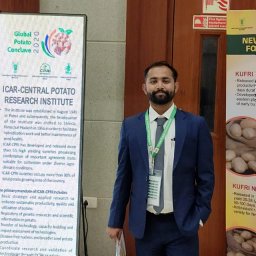 Rahul Kumar Tiwari合作论文数ICAR-Central Potato Research Institute3
 Pradip Karmakar合作论文数ICAR Indian Inst Vegetable Res IIVR3
 Anil Kumar合作论文数3
 Subhash Chander合作论文数Department of Mechanical Engineering, Indian Institute of Technology3
 Viswanathan Chinnusamy合作论文数Div Plant Physiol, Indian Agr Res Inst3Ajay Arora合作论文数Division of Plant Physiology, Indian Agricultural Research Institute3
 Chinnaswamy Appunu合作论文数Division of Crop Improvement, Sugarcane Breeding Institute3Aswini Nunavath合作论文数2
 Ramkishor Kurmi合作论文数2Monika Wason合作论文数2Jhuma Datta合作论文数2
 Akbar Hossain合作论文数2
 Ravinder Kumar合作论文数2R. Valarmathi合作论文数2




