Sexual satisfaction is associated with a person’s intrinsic perceived sense of pleasure from sexual behaviors. People’s perception of sexual satisfaction and its related factors vary with the culture. The present study explored the husbands’ sexual and emotional relationships as predictors of sexual satisfaction Iranian women. This study is a descriptive, cross-sectional study that includes 490 married women who referred to the health centers in North of Iran, in 2016. The health centers were selected randomly as samples. The mean age was 33.63 ± 9.15 years for participants and the mean number of sexual intercourse per month was 5.38 ± 3.1. The use of methods of contraception (p = 0.004), feeling of dislike for the husband (p < 0.001), less typical sex (p < 0.001), fatigued within sex in early hours of night (p < 0.001), the permanent second marriage of the husband (p < 0.001), and use of injectable contraceptive methods (p = 0.004) were the predictors of sexual satisfaction among women participating in this study. Observed results indicated that more than half of the women participating in this study (52.2
Background: Thyroid nodules are a significant clinical concern due to their potential for malignancy. Research suggests prolactin, a known mitogen, may contribute to cancer development, and elevated thyroid peroxidase antibody (TPO-Ab) levels are linked to increased thyroid nodularity in hyperprolactinemia. This study investigates the relationship between serum prolactin levels, thyroid nodularity, and TPO-Ab presence. Methods: Ninety patients were divided into three groups of 30: a control group without nodules, and two case groups with nodules (one TPO-Ab positive, one TPO-Ab negative). Serum prolactin, TPO-Ab, thyroid stimulating hormone, T4, and thyroid ultrasound data were analyzed. Statistical significance was set at p < 0.05. Results: The mean age of the participants was 46.07±12.40 years, with 16 (17.8%) males and 74 (82.2%) females. Serum TSH, prolactin, and TPO-Ab levels were significantly higher in the case group than in the control group (P=0.041, 0.050, and 0.000, respectively). The case group had more instances of hyperprolactinemia than the control group (35% vs. 13.3%) (OR = 3.5, CI 95% = 1.08-11.38, P=0.031). Furthermore, the TPO-Ab positive group demonstrated greater solidity than the TPO-Ab negative group (93.3% vs 73.3%, P=0.038). Conclusion: Our study revealed a positive correlation between thyroid nodules and increased serum TSH, prolactin, and TPO-Ab levels. Furthermore, we discovered that TPO-Ab positive nodules exhibit greater solidity and elevated TSH levels.
The Type 1 diabetes (T1D) management is a major challenge for families. Parenting styles are considered critical psychosocial factors influencing diabetes management outcomes. The present study investigated the relationship between parenting styles and glycemic control in children with T1D. This study is a cross-sectional study. The samples accordingly consisted of 110 parent–child pairs refereed to an endocrinology clinic in Iran in 2020. Demographic and Clinical Data and Parenting Styles and Dimensions Questionnaire-Short Form (PSDQ-SF) collected data. As a final point, the data were analyzed using the SPSS Statistics software and the associated tests. The Mean ± SD age of the children was 10.31 ± 2.23. Out of 110 parents, 108 cases were practicing the authoritative parenting style and two individuals had thus far adopted the permissive one. More authoritativeness practiced by parents was associated with improved glycemic control. A significant direct relationship was found between the sub-factor 2 of the authoritative parenting style and HbA1c and postprandial blood sugar (β = 0.342, p = 0.004 and β = 0.301, p = 0.02, respectively). This study contributed to more understanding of the significant role of parental responsiveness in promoting good glycemic control.
Metabolic syndrome (MetS) is a global pandemic, making it a serious public health concern. Individuals with psychiatric disorders have a higher risk of developing MetS. This study aimed to assess MetS in people suffering from psychiatric disorders. From 2021 to 2022, a cross-sectional study was conducted on inpatients at the general teaching hospital in Sari, Iran. The study included 100 women with psychiatric disorders. MetS was initially diagnosed based on the National Cholesterol Education Program/Adult Treatment Panel III (NCEP/ATP-III) guidelines and the International Diabetes Federation (IDF) criteria [1]. Data were analyzed with the SPSS software package (version 20). The study included 100 female patients with a mean age of 45.28 ± 12.76 years. The majority of them were married (70
INTRODUCTION:The emergency department is an environment with a high volume of workload pressure and stressors accompanied by various moral problems and challenges. Thus, the current research examined the association between moral injury and the quality of work life of the nurses. METHODS:In this descriptive-correlational study done in 2022, 168 nurses working in the emergency department of the referral hospitals of Mazandaran University of Medical Sciences participated via census sampling. The demographic questionnaire, moral injury questionnaire (Moral Injury Symptom Scale-Healthcare Professionals version), and Brooks' Quality of Nursing Work Life scale were used to collect the data, which were analyzed by SPSS 25 and used descriptive and inferential statistics with Spearman's rank correlation coefficient and Mann-Whitney and Kruskal-Wallis tests. RESULTS:The mean moral injury and the mean quality of nursing work life resulted as 9.58 ± 46.69 and 129.92 ± 15.76, respectively. Moral injury displayed a significant and indirect relationship with the quality of nursing work life (r = -0.433, P<0.05). In addition, moral injury was meaningfully associated with age, work record, work shift, job rank, and the number of patients (P = .05). The quality of work life was also significantly associated with gender, education, and marital status (P<.05). DISCUSSION:In the current study, a significant relationship was discovered between moral injury and the quality of work life of nurses during the coronavirus disease 2019 pandemic. As moral injury increases, the nurses' quality of work life decreases.
Objective: Gout and metabolic syndrome (MetS) are associated with increased risk of cardiovascular involvement. The aim of the current study was to evaluate the frequency of MetS and its components in patients with gout. Materials and Methods: This cross-sectional study was conducted on 150 patients with gout in Sari, Iran. The demographic, clinical and laboratory variables of the patients were recorded. The MetS was defined by the 2005 National Cholesterol Education Program (NCEP/ATP III) and International Diabetes Federation (IDF). Then, patients with gout with and without metabolic syndrome were compared in terms of demographic and clinical characteristics. Data analysis was performed by SPSS (version 19), at a significance level of < 0.05. Results: The mean age of the patients was 50.17±15 year. Based on the NCEP/ATP III and IDF criteria, 88 (58.7%) and 90 (60%) were diagnosed with MetS, respectively. Age, body mass index, and duration of gout were significantly higher in patients with MetS criteria (P< 0.05). Conclusion: The frequency of MetS was found about 60% of patients with gout. Hypertriglyceridemia and central obesity are two more prevalent components of MetS in our patients. The association of MetS and cardiovascular diseases highlights the importance of attention and management of this condition in patients with gout
Background and purpose: Since 2013, Iran's health system reform has been implemented at the national level with goals such as increasing people's access to health services, reducing direct payments to patients, and improving the quality of services. As this initiative has been associated with significant changes in the financing of hospitals, this study aims to investigate the changes in income and expenses of public hospitals in Mazandaran province, as two important indicators of key hospital financial performance, before and after the implementation of the reform. Materials and methods: This is a retrospective study that was conducted in 2018. Since this study deals with the impact of the intervention carried out by the public sector by comparing the changes before and after the implementation of the intervention, it is therefore considered a type of quasi-experimental study. The statistical population includes all government hospitals in Mazandaran province. The sampling method was census and covered all 24 public hospitals of Mazandaran province. The time frame of the study covers from 2009 to 2016, that is, 4 years before and 4 years after the implementation of the reform. Secondary data that is routinely recorded in the information system of the country's hospital system has been used in this study. To collect the data, a researcher-made checklist was used based on the objectives of the study and the availability of data in the routine information recording system of hospitals, which mainly included the variables of staff cost, non-staff cost, cash income, insurance income, and working year. After collecting the data from the comprehensive and centralized Electronic Information System (HIS), which contains all the financial and functional information of all hospitals in the province, the data were extracted and analyzed using SPSS software and appropriate statistical methods. Results: In general, after the implementation of the reform, the average costs in the studied hospitals increased from 249,613 to 771,552 million Tomans (2.61 times) and the average incomes increased from 152,738 to 534,804 million Tomans (3.50 times). Therefore, both the average cost and the average income in the 4-year periods before and after the implementation of the initiative have generally increased, but the growth rate of costs and incomes in the period before the implementation of the reform was lower than the period after its implementation, although, in the same period, the gap between expenses and incomes has been widening. In the period after the implementation of reform, due to the rapid increase in income at the beginning of the implementation, the gap between cost and income has decreased relatively, but gradually the rate of income growth has decreased compared to the rate of cost growth, and as a result, the gap between the cost and income of the hospitals studied in the end of the study period has experienced an unprecedented gap. It has also been found that during the years of the study, the staff cost has continued to rise with more or less trends, while the non-staff cost has started to decrease sharply and unprecedentedly since 1995. Conclusion: Although the implementation of the reform has increased the financial turnover of government hospitals, due to the increase in the average cost compared to the increase in their average income, the implementation of this plan has increased the financial pressure on the hospitals and widened the income deficit compared to their cost. Therefore, the gap between cost and income and the rising trend of this gap in government hospitals can be a challenge for funding hospitals and guaranteeing the relative access of people to these services now and in the future.
Background: Modifying and enhancing treatment methods is essential to meet effluent standards for treating landfill leachate. This study investigated the treatment of municipal solid waste leachate (MSWL) using coagulation, flocculation, advanced oxidation, and extended aeration processes. Methods: The effects of different coagulant doses and pH values on coagulation processes were compared. The treatment procedure was analyzed to determine the impact of varying concentrations of potassium persulfate (K2S2O8) and hydrogen peroxide (H2O2) on the results after coagulation with FeCl3. The extended aeration process’s biological stages were studied using a sludge retention time (SRT) of 23 days and the effects of hydraulic retention time (HRT) of 18 and 36 hours. Results: The experimental results show that in the pH range of 5–8, the lower the pH value, the higher the treatment efficiency. The addition of 0.8 g L1− FeCl3 can achieve a 57% removal of chemical oxygen demand (COD). The addition of 2.5 g L1− K2S2O8 and 1.5 g L1− H2O2 with UV-C (15 W) for 70 minutes at pH 7 can effectively remove 86% of COD. Activated sludge extended aeration can attain an 88% removal of COD under optimal operating conditions (HRT = 36 hours, SRT = 23 days, and aeration = 36 hours). The studied hybrid process with the efficiency of 99%, 98%, 95%, 87%, and 83% removal of COD, biochemical oxygen demand (BOD), total suspended solids (TSS), turbidity, and total Kjeldahl nitrogen (TKN), respectively, is suitable for leachate treatment. Conclusion: This study showed that flocculation-coagulation followed by the advanced oxidation process (AOP) and extended aeration can be an efficient and promising treatment method for MSWL.
The Anaerobic Baffled Reactor (ABR) is an effective solution for landfill leachate treatment using an anaerobic fermentation process, which helps to reduce operating costs and sludge volume. To better understand the biological, chemical, and physical processes involved, especially when combining the ABR with an aerobic component, the study aimed to investigate the performance of an Anaerobic–Aerobic Hybrid Baffled Reactor (AABR) that includes an Anaerobic Filter (AF) for treating landfill leachate. This research utilized two glass reactors. The first reactor, designated as AABR-AF, consisted of six independent rectangular glass chambers arranged side by side. The third and sixth chamber designed for aerobic treatment and AF, respectively. The second reactor was used as a control reactor and did not include any aerobic chamber. The highest Removal Efficiencies (REs) for turbidity, COD, BOD, TP, TKN, nitrate, TOC, and TSS in the AABR-AF and ABR-AF were found to be (65.4
Background and Purpose: The majority of research on parent-adolescent sexual communication has predominantly focused on mothers, leaving fathers’ involvement in this matter largely unexplored. Therefore, this study seeks to identify the obstacles hindering sexual communication between fathers and adolescents. Materials and Methods: This cross-sectional study was performed on 196 fathers of adolescents aged 15 to 19 from August 2020 to January 2021 in northern Iran. A socio-demographic medical information form, a culturally validated parent-adolescent sexual communication barriers questionnaire, and the sexual communication topics between parents and adolescents were used to gather information. A logistic regression test was administered using SPSS software, version 18 to determine the barriers to sexual communication. Results: The mean age was 47.38±5.04 for fathers, 16.79±1.46 for boys, and 17.00±1.30 for girls. The prevalence of father-girl sexual communication (51.1%) was lower than that of father-boy sexual communication (55.8%). The most frequent barriers to fathers’ sexual communication with both genders were the adolescent’s embarrassment and the possibility of provoking their curiosity about sex. The logistic regressions showed that adolescents’ embarrassment and not trusting them and approving of them having sex were barriers to father-adolescent sexual communication (P<0.001). Conversely, adolescents asking more private questions were positive predictors of father-adolescent sexual conversation (P<0.001). Conclusion: The findings underscore the prevalence of adolescent embarrassment and concerns about sparking curiosity about sex as key obstacles to such communication. Additionally, the results highlight the importance of adolescents feeling trusted and supported by their fathers in discussing sexual topics. These insights emphasize the need for targeted interventions to address these barriers and promote healthier, more open communication between fathers and adolescents regarding sexual matters.
Background: Leachate, containing challenging-to-degrade organic substances and persistent toxins, poses significant environmental concerns. Advanced oxidation processes (AOPs) have emerged as a promising solution for effective leachate treatment. This research provides a comprehensive review of the impact of various AOPs in leachate treatment. Methods: This systematic review was conducted, encompassing commonly used AOPs such as ozone, peroxone, O3/catalyst, Fenton, photo-Fenton, UV/TiO2, photolytic persulfate, O3/UV, and O3/H2O2/ UV. Extensive searches were performed using reputable databases, including EBSCO, PubMed, Web of Science, and Google Scholar. Specific keywords and inclusion/exclusion criteria were applied. Data regarding leachate treatment parameters were meticulously summarized and analyzed using descriptive statistical methods. Results: The efficiency of AOPs in removing leachate organic matter varied, with chemical oxygen demand (COD) removal ranging from 41% to 83% in treatment systems. The order of effectiveness was found to be: O3/UV/H2O2 > photo-Fenton > UV/TiO2 > Fenton > persulfate (PS) > O3/UV > O3/H2O2 > O3/ catalyst > ozonation (O3). The highest COD removal efficiency of 83.75% was achieved using the O3/UV/ H2O2 AOP approach. The removal efficiency of color also varied, ranging from 32% to 100%, depending on the leachate’s characteristics, concentration, and specific treatment process utilized. Conclusion: AOPs, particularly the hybrid approach using O3/UV/H2O2, significantly enhance waste leachate treatment by effectively degrading persistent organic compounds through the generation of hydroxyl radicals. Further research is required to optimize AOPs and improve their efficiency in waste leachate treatment.
Background and Objective: The COVID-19 pandemic has threatened global health and increased the possibility of anxiety symptoms. The present study aims to investigate the frequency of post-traumatic stress disorder (PTSD) symptoms after the outbreak of COVID-19 in patients referred to the Mazandaran Welfare Organization in Mazandaran Province, Iran, in 2020. Materials & Methods: In this descriptive-analytical study, 255 people enrolled. All participants were evaluated based on calls or in-person visits to the Mazandaran Welfare Counseling Center in Mazandaran Province, Iran, using the post-traumatic stress disorder checklist (PCL-5) with a cut-off point of 33 to diagnose PTSD. Also, the quality of sleep was measured based on the Pittsburg questionnaire. The P<0.05 was considered significant. Results: The prevalence of PTSD in the high-risk population of welfare referees was 40.4% (CI 95%: 34.4 -46.4). The prevalence of PTSD had a significant relationship with the level of education (P=0.03). There was a positive and significant correlation of 30.2% between sleep quality scores and PCL-5 scores (P< 0.001). Conclusion: Considering the high prevalence of PTSD in people who are referred to welfare centers, as well as the availability of most of these individuals, it is possible to reduce the damage to this group by identifying factors related to PTSD and health planning.
Background and purpose: Stress hyperglycemia is a neuroendocrine physiological response to medical stress, hyperglycemic stress increases the risk of mortality and morbidity in ill patients. This study aimed to investigate the frequency of hyperglycemic stress and its related factors, as well as the relationship between hyperglycemia and the severity and clinical outcomes of hospitalized patients with COVID-19. Materials and methods: This cross-sectional study was conducted in Imam Khomeini Hospital in Sari in 2019. The patients were diagnosed based on clinical symptoms, CBC, CRP, ESR tests, RT-PCR test, and CT scan of the lungs and were hospitalized in the Covid ward. Data analysis was performed using SPSS Software. Results: 312 COVID-19 patients were investigated, and 22 (7.1%) suffered from hyperglycemic stress. Hyperglycemic stress patients had more mortality, hospitalization in ICU, respiratory ventilation, and length of hospital stay compared to the normoglycemic subjects, but only in terms of mortality, there was a statistically significant difference between the two groups (P=0.46) Conclusion: Considering the effect of hyperglycemia on the outcome of the disease and the death rate in ill and hospitalized patients compared to patients with normal blood sugar, it shows the importance of timely diagnosis and proper control of blood sugar in these patients.
Background and purpose: A part of the expenses of every household in all societies of the world is health expenditures, which can sometimes be disastrous for families. This study was conducted to investigate the change in the share of health expenditure from the total Household costs in Mazandaran province and the possible impact of health system reforms on it in Iran during the recent two decades, especially the Health Transformation Plan. Materials and methods: This is a retrospective descriptive-analytical study, based on quantitative and secondary data. The data required for this study was taken from the Statistics Center including household income and expenditure for a period of 18 years from 2001 to 2018. Descriptive statistics indicators and trend charts were used to describe the quantitative data, and to analyze household health expenditures, the t-test was applied in SPSS software. Results: The results of the study showed that on average, the share of health expenditures in the total household expenses was 12.04% for urban households and 11.36% for rural households that is more than the stated and expected limit of 10%. The trend of changes in the percentage of health expenditures from the total household expenses at the time of the research compared to the base year has been variable and in some years it has decreased and in some years it has increased. Conclusion: The health system reforms have not ultimately led to the reduction of household health expenditure to less than the expected level and its increasing trend in Mazandaran province.This means the risk of catastrophc health expenditure among households still exist. Even with the implementation of subsequent plans, the achievement of the previous plan has been neutralized. Considering the importance of financial issues in universal health coverage and also the limited resources of the health sector, more detailed policies and plans should be designed and implemented to target vulnerable groups so that families' financial hardship is prevented as well as the possibility of universal coverage is increased to the maximum.
Background and purpose: Fibromyalgia is a syndrome characterized by chronic musculoskeletal pain, tenderness, and other physical symptoms. We determined the frequency of Fibromyalgia in hypothyroid patients and the relationship between FM symptoms and hypothyroid status. Materials and methods: The current study is a cross-sectional descriptive study investigating the prevalence and demographic characteristics of fibromyalgia in hypothyroid patients referred to University clinic in Sari in 1401-1402. Ninety-one hypothyroid patients were included in the study. The sampling method was convenience sampling. The sociodemographic features and the clinical features of hypothyroid patients were recorded. Thyroid tests included T4, TSH, and Anti Tpo Ab. Patients were examined for Fibromyalgia using American College Rheumatology (ACR) criteria for FM 2010 and 1990. For the patients who were classified as FM, the FIQR questionnaire was completed. To analyze the data, descriptive statistics indicators such as central and dispersion indicators and calculation of ratios were used, and to check the relationship between qualitative variables, chi-square test and quantitative variable comparison in different groups were used by t-tests and ANOVA in SPSS-25 software was used. Results: The mean age and duration of hypothyroidism were 48.35 ± 13.8 and 9.84± 6.6 years respectively. The frequency of fibromyalgia in hypothyroid patients was 7(8%) patients based on ACR 2010 criteria. In patients with hypothyroidism and fibromyalgia, 6 patients (85.7%) were positive for Anti Tpo Ab, while in patients with hypothyroidism without fibromyalgia, 29 patients (34.5%) had this antibody (P=0.007). Conclusion: It seems that Anti Tpo Ab is more important than thyroid dysfunction, and it is suggested to check this antibody in fibromyalgia patients in addition to thyroid function tests.
Objective:To investigate the use of prognostic markers such as C-reactive protein (CRP) and D-dimer for clinical outcomes in patients with mild traumatic brain injury (TBI).Methods:This cross-sectional study was conducted on patients with mild head trauma who were admitted to the Emergency Department of Imam Khomeini Hospital (Sari, Iran). Data were collected from 2018 to 2019. Age, sex, the time of injury hospitalization, length of hospitalization, length of unconsciousness, blood pressure, heart rate, respiratory rate, and concomitant symptoms were all recorded using a pre-designed checklist. The patient's Glasgow Coma Scale (GCS), CRP, and D-dimer were also measured. Moreover, all patients underwent CT scan.Results:This study included 74 patients with TBI. The mean age of the participants was 36.92±3.54. The mean CRP and D-dimer values were 5.69±0.77 and 0.58±0.11 in these patients, respectively. At the cut-off point of 11.50 for CRP, the sensitivity and specificity to detect the pathological lesions in CT scan were 75% and 95.50%, respectively (p<0.001). Additionally, with a D-dimer cut-off point of 0.90, the sensitivity and specificity for diagnosing pathological lesions in CT scan were 100% and 98.50%, respectively (p<0.001).Conclusion:In general, the CRP and D-dimer levels of patients with mild TBI (GCS≥13) can be assessed to protect against CT-induced radiation exposure and subsequent disorders; if they do not exhibit clinical signs to increase the risk of adverse brain damage, such as reduced level of consciousness, drowsiness, and prolonged periods of unconsciousness.
This study aimed to determine the psycho-social needs of the families of patients hospitalized in the burn intensive care unit (ICU). This cross-sectional study recruited 152 family members of patients hospitalized in the burn ICU, using the convenience sampling method. Data were collected from May to August 2018. The data collection instrument included the socio-demographic information questionnaire for first-degree relatives (FDRs), and the critical care family needs inventory (CCFNI). The data were analyzed using Spearman's correlation coefficient test. The average of the needs of family members of patients hospitalized in the burn ICU in the fields of support, information, proximity, comfort, and assurance were 27.69 (SD=2.45), 62.98 (SD=7.1), 73.79 (SD=3.2), 18.82 (SD=3.35), and 25.26 (SD=2.14), respectively. The most and lowest the needs of family members of patients hospitalized in the burn ICU were in the areas of proximity and comfort, respectively. There was a significant positive relationship between needs and assurance (ρ=0.162, P<0.05), information (ρ=0.264, P<0.05), support (ρ=0.698, P<0.05), proximity (ρ=0.618, P<0.05), and comfort subscales (ρ=0.692, P<0.05). Providing adequate and appropriate support for the burn’s patients and their families, especially by nurses, and noticing their primary needs reduces their anxiety, strengthens their trust in the medical team, enhances the quality of services to the patients and their families, and increases their satisfaction. Therefore, appropriate planning and increasing the workforce in these wards are essential.
Background Polycystic ovary syndrome (PCOS) is an endocrine disease of women of reproductive age that impacts their oral and systemic well-being. This study aimed to compare the gingival inflammation indices and matrix metalloproteinase-9 (MMP-9) of non-obese women with PCOS. Materials and methods This is a case-control study in which 78 women were referred to the Babol Clinic Hospital in Northern Iran between 2018 and 2019. They were divided into three groups: 26 women with PCOS and gingivitis, 26 women with PCOS with no gingivitis, and 26 women with no PCOS and no gingivitis as a control group. After recording the anthropometric and demographic variables, fasting saliva samples were taken from all participants before any periodontal intervention. These samples were transferred to Babol Molecular Cell Research Center under highly guaranteed cold-chain conditions to measure the serum levels of MMP-9. Periodontal status was evaluated for Gingival Index (GI), Plaque Index (PI), and Bleeding on Probing (BOP). Analysis of variance was used to compare the mean results for these indices. The significance level was considered when p ≤ 0.05. Results All the gingival indices were significantly higher for women with PCOS with gingivitis compared to the results for women from the other two groups. Similarly, women with PCOS showed high salivary MMP-9 levels but were within the normal reference ranges. Conclusion The gingival indices (GI, PI, and BOP) and salivary MMP-9 are higher in women with PCOS, regardless of the gingival status.
Background: Worldwide, more than 10 million regions with an area of more than 20 million hectares are considered contaminated soils. The expansion in industrial activities and urbanization has led to accumulation of high concentration of cadmium (Cd) in soil and water resources, which is a serious danger for environment and human health. Phytoremediation is a technique recommended for the removal of heavy metals from contaminated soils, sediments, and waters. This study aimed to investigate the Portulaca oleracea in the removal of Cd from contaminated soil. Methods: To investigate the effect of P. oleracea phytoremediation on the removal of Cd, in 5 pots, 3 kg of soil was poured. And in each pot, 10 seeds were pursued. The pots were irrigated twice a week for 8 weeks with concentrations of 25, 50, 75, and 100 mg/L Cd. After 8 weeks, the amount of Cd of roots, shoots, and leaves was measured by atomic absorption spectrometry. Results: The results showed that Cd accumulation in purslane plants was significant (P=0.008) and the highest Cd accumulation was in leaves and shoots, and increasing Cd concentration prevented plant growth and led to lower growth at higher concentrations. Conclusion: According to the results, P. oleracea can be used for the phytoremediation of Cd.
Traffic accidents are one of the most important causes of death and disability in the world, which cause much damage to countries and millions of people every year. Many researchers have focused on the time series caused by different aspects of these accidents. Box-Jenkins is one of the most common and widely used time series forecasting models, which is used under the condition of model stationarity. With the advancement of technology and the development of neural networks in time series, the discussion of comparing the predictive power of these models with traditional time series models has been raised. In this study, we investigated the traffic accidents leading to death or injury in iran during 2011 to 2021. Materials and methods: Statistical analyses related to the SARIMA time series model have been performed by using Minitab and EViews and the LSTM neural network model by Python and Visual Studio Code. Results: During period of the study, The trend of the number of deaths has always been decreasing, but the number of injured has been increasing before the coronavirus epidemic and decreasing after that. The highest number of dead and injured has always been in Shahrivar (August and September) every year and the months with 9 days off had significantly less deaths and more injuries. 21.38% and 27.56% of dead and injured were women. The ages of 20 to 29 had the highest number of deaths and injuries, but children and the elderly were more vulnerable and their share in the deaths was more than the injuries. According to the results, as the weather worsens, the share of accidents leading to death increases. In comparison of SARIMA and LSTM the results indicated that LSTM has been better in estimating data trends. The forecast shows the increasing trend of fatality and injuries in the comind years. Conclusion: Compared to the SARIMA model, the LSTM model showed better performance in predicting trend and time series components.
 Zabihollah Yousefi合作论文数Mazandaran University of Medical Sciences18
 Maryam Mobini合作论文数Imam Khomeini Hospital, Mazandaran University of Medical Sciences17
 Ali Ghaemian合作论文数Mazandaran Heart Center, Mazandaran University of Medical Sciences11Kashi Zahra合作论文数10Zohreh Taraghi合作论文数9Fatemeh Niksolat合作论文数Imam-Khomeini Hospital8
 Elyasi Forouzan合作论文数Psychiatry and Behavioral Sciences Research Center, Mazandaran University of Medical Science;Psychiatry and Behavioral Sciences Research Center, Mazandaran University of Medical Science7Soghra Khani合作论文数Department of Midwifery and Reproductive Health, Tarbiat Modares University7
 Jamshid Yazdani Charati合作论文数School of Health, Mazandaran University of Medical Sciences7Bahar Adele合作论文数7
 Jafari Hedayat合作论文数School of Nursing and Midwifery (Nasibeh),, Mazandaran University of Medical Sciences7Zohreh Hajheydari合作论文数7Zohreh Shahhosseini合作论文数6
 Mohsen Aarabi合作论文数6
 Fatemeh Nasiriamiri合作论文数6
 Seyed Hamzeh Hosseini合作论文数Addict Inst, Mazandaran Univ Med Sci6Rouhani Samad合作论文数School of Health, Mazandaran University of Medical Sciences6
 Maboudi Avideh合作论文数Dental Faculty, Mazandaran University of Medical Sciences6
 Hamideh Azimi Lolaty合作论文数School of Nursing and Midwifery, Shahid Beheshti University of Medical Sciences6
 Mohammad Ali Ali Heidari Gorji合作论文数5Farzad Kazemi合作论文数5
 M Barzegartahamtan合作论文数Loghamn Hakim Hosp, Shahid Beheshti Univ Med Sci5
 Fatemeh Sadat Asgarian合作论文数Social Determinants Hlth SDH Res Ctr, Kashan Univ Med Sci5
 Mohammad T Hedayati合作论文数5
 Ehteram Ilali合作论文数Addict Inst, Mazandaran Univ Med Sci5
 Ehsan Babanezhad合作论文数Department of Chemistry, Sharif University of Technology5
 Seyyed Payman Ziapour合作论文数5
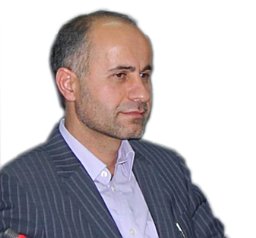 Ahmad Ali Enayati合作论文数School of Public Health and Health Sciences Research Centre, Mazandaran University of Medical Sciences5Sadegh Kheiri合作论文数4
 Alireza Ala合作论文数4J Heydari合作论文数Department of Genral Psychology, Islamic Azad University4Jila Ganji合作论文数4
 Ramezani Tehrani Fahimeh合作论文数Reprod Endocrinol Res Ctr, Shahid Beheshti Univ Med Sci4
 Seyed Hassan Nikookar合作论文数4
 Fazeli-Dinan Mahmoud合作论文数4N. Vaezzadeh合作论文数4Ozra Akha合作论文数Sari Medical School4
 Vida Shafipour合作论文数4
 Masoumeh Simbar合作论文数Sydney Centre for Reproductive Health Research, University of SydneySydney4Tahereh Yaghoobi合作论文数3e nasiri合作论文数3M. T. Hedayati合作论文数3
 Fatemeh Abdollahi合作论文数3
 Somayeh Bagheri合作论文数Dept Biostat, Zabol Univ Med Sci3
 Zeinab Hamzehgardeshi合作论文数Department of Midwifery, Mazandaran University of Medical Sciences3
 Masoudzadeh Abbas合作论文数Faculty of Medicine, Mazandaran University of Medical Sciences3
 Alizadeh Ahad合作论文数Biostatistics Department, Mazandaran University of Medical Sciences3
 Jannati Yadollah合作论文数Faculty of Nursing and Midwifery, Tehran University of Medical Sciences3
 Bagheri-Nesami Masoumeh合作论文数Mazandaran University of Medical Sciences3




