This article considers Bayesian model inference on binary model spaces. Binary model spaces are used by a large class of models, including graphical models, variable selection, mixture distributions, and decision trees. Traditional strategies in this field, such as reversible jump or birth-death MCMC algorithms, are still popular, despite suffering from a slow exploration of the model space. In this article, we propose an alternative: the Multiple Jump MCMC algorithm. The algorithm is simple, rejection-free, and remarkably fast. When applied to undirected Gaussian graphical models, it is 100 to 200 times faster than the state-of-the-art, solving models with 500,000 parameters in less than a minute. We provide theorems showing how accurately our algorithm targets the posterior, and we show how to apply our framework to Gaussian graphical models, Ising models, and variable selection, but note that it applies to most Bayesian posterior inference on binary model spaces.
The global increase in natural disasters has profoundly impacted the spiritual health of those affected. Inadequate attention to this dimension of health during disaster recovery can lead to long-term adverse effects. This study aimed to evaluate the impact of a mosque-based spiritual rehabilitation intervention on the spiritual health of individuals affected by flooding. A randomized controlled field trial was conducted with 100 married men, aged 22–70 years, in a rural community in Golestan, Iran. Participants were allocated into intervention and control groups through convenience sampling and simple randomization. The intervention consisted of six group sessions facilitated by the researcher, a village health worker, and the Imam of the village mosque in flood-affected areas. The spiritual health of the participants was assessed using a standardized questionnaire tailored for the Iranian context, administered before and after the intervention. The paired t-test showed a significant improvement in the spiritual health of the intervention group, with an increase of 24.9 units (P < 0.001). Multivariate linear regression, adjusted for age and education level, confirmed a significant positive effect of the intervention on spiritual health scores among the flood-affected men (β = 28.3; P < 0.001). These findings underscore the importance of integrating spiritual rehabilitation programs into all phases of disaster management. Such programs should be led by spiritual counselors with expertise in the religious beliefs and values of the affected community. In the preparedness phase, disaster managers and health policymakers should establish guidelines and provide necessary training to ensure the effective implementation of spiritual rehabilitation interventions.
The Manchester Driving Behavior Questionnaire is a widely-used instrument to assess driving behavior but has become outdated, omitting items addressing modern communication technologies and health-related issues that impact today's drivers. This study updated the original instrument with relevant health and technology items. The instrument updating process involved 5 steps. First, a literature review identified new and relevant items from existing instruments. Second, an international team with expertise in driving behavior, including the original instrument developer, reviewed and suggested revisions, assessed face validity, and recommend changes iteratively. Third, content validity was evaluated via computation of a content validity index (CVI) and content validity ratios (CVR). Fourth, the updated English version was translated into 11 languages by a global team. Finally, reliability of the Persian version was assessed via Cronbach's alpha and intra-class correlation coefficient. The literature review led to new items addressing topics such as smartphone use and health conditions that may impact safe driving. Experts refined these items iteratively, creating an updated MDBQ with the 27 original items and 12 newly-developed ones. Content validity was assessed, yielding average CVIs of 0.95 and CVRs of 0.87. The questionnaire was then translated into 11 languages (Arabic, Azerbaijani Turkish, Chinese, French, German, Italian, Persian, Spanish, Swedish, Tagalog, and Turkish) according to standardized methods. The updated instrument retained all components of the original MDBQ, preserving comparability with existing data while also assessing contemporary topics. It provides a comprehensive instrument to assess driving behaviors and is recommended for use in research, policy, public health, and intervention development.
Accurately interpreting complex relationships among many variables is of significant importance in science. One appealing approach to this task is Bayesian Gaussian graphical modeling, which has recently undergone numerous improvements. However, this model may struggle with datasets containing outliers; replacing Gaussian distributions with t-distributions enhances inferences and handles datasets with outliers. In this paper, we aim to address the challenges of Gaussian graphical models through t-distributions graphical models. To this end, we draw inspiration from the Birth–Death Monte Carlo Markov Chain (BDMCMC) algorithm and introduce a Bayesian method for structure learning in both classical and alternative t-distributions graphical models. We also demonstrate that the more flexible model outperforms the other when applied to more complex generated data. This is illustrated using a wide range of simulated datasets as well as a real-world dataset.
BackgroundThe early detection of Alzheimer's disease (AD) requires an understanding of the relationships between a wide range of features. Conditional independencies and partial correlations are suitable measures for these relationships, because they can identify the effects of confounding and mediating variables.ObjectiveTo estimate conditional dependencies and partial correlations between relevant features in AD using a Bayesian approach to Gaussian copula graphical models (GCGMs). This approach has two key advantages. First, it includes binary, discrete, and continuous variables. Second, it quantifies the uncertainty of the estimates. Despite these advantages, Bayesian GCGMs have not been applied to AD research yet.MethodsWe design a GCGM to find the conditional dependencies and partial correlations among brain-region specific gray matter volume and glucose uptake, amyloid-beta levels, demographic information, and cognitive test scores. We applied our model to 1022 participants, including healthy and cognitively impaired, across different stages of AD.ResultsWe found that aging reduces cognition through three indirect pathways: hippocampal volume loss, posterior cingulate cortex (PCC) volume loss, and amyloid-beta accumulation. We found a positive partial correlation between being woman and cognition, but also discovered four indirect pathways that dampen this association in women: lower hippocampal volume, lower PCC volume, more amyloid-beta accumulation, and less education. We found limited relations between brain-region specific glucose uptake and cognition, but discovered that the hippocampus and PCC volumes are related to cognition.ConclusionsThis study shows that the use of GCGMs offers valuable insights into AD pathogenesis.
Background: Rabies remains a public health problem in middle-income countries like Iran, despite being preventable. This study aimed to evaluate the six-year incidence of animal bites in the southern Caspian Sea region from 2016 to 2022, and focus on estimating the direct costs of animal bite cases using the incidence-based method. Methods: A multicenter, registry-based study was conducted using surveillance data of animal bites. Results: Of the 40922 cases reported during the study period, 65.9% were male and 34.1% were female. Animal bites were most frequent among individuals over 50 years of age (23.5%), while children under 10 years of age had the lowest frequency of animal bites (2.3%). Animal bites were most common in June. Dogs were responsible for 33277 (81%) cases, cats for 5,624 (13.7%) cases, cows for 1054 (2.5%) cases, and other animals for the remaining cases. During the six-year study period, four deaths due to rabies were reported in the study area. The annual bite incidence rate was 386.3 per 100000 people in northern Iran. The males-to-female ratio was highest in 2019 (M/F ratio=2.4, 95% CI=1.2‒3.4). Conclusion: The elderly are at higher risk of animal bites, especially in rural areas. It is important to emphasize the use of protective clothing, washing wounds with soap water and rabies vaccination as initial treatment. Targeted vaccination efforts for eligible animals should be prioritized to minimize unnecessary financial burden. Educating farmers about rabies prevention programs, especially in cases of cow bites, is also important.
IntroductionThis large case-control study explored the application of machine learning models to identify risk factors for primary invasive incident breast cancer (BC) in the Iranian population. This study serves as a bridge toward improved BC prevention, early detection, and management through the identification of modifiable and unmodifiable risk factors. MethodsThe dataset includes 1,009 cases and 1,009 controls, with comprehensive data on lifestyle, health-behavior, reproductive and sociodemographic factors. Different machine learning models, namely Random Forest (RF), Neural Networks (NN), Bootstrap Aggregating Classification and Regression Trees (Bagged CART), and Extreme Gradient Boosting Tree (XGBoost), were employed to analyze the data. ResultsThe findings highlight the significance of a chest X-ray history, deliberate weight loss, abortion history, and post-menopausal status as predictors. Factors such as second-hand smoking, lower education, menarche age (>14), occupation (employed), first delivery age (18-23), and breastfeeding duration (>42 months) were also identified as important predictors in multiple models. The RF model exhibited the highest Area Under the Curve (AUC) value of 0.9, as indicated by the Receiver Operating Characteristic (ROC) curve. Following closely was the Bagged CART model with an AUC of 0.89, while the XGBoost model achieved a slightly lower AUC of 0.78. In contrast, the NN model demonstrated the lowest AUC of 0.74. On the other hand, the RF model achieved an accuracy of 83.9% and a Kappa coefficient of 67.8% and the XGBoost, achieved a lower accuracy of 82.5% and a lower Kappa coefficient of 0.6.ConclusionThis study could be beneficial for targeted preventive measures according to the main risk factors for BC among high-risk women.
High dimensional and heterogeneous count data are collected in various applied fields. In this paper, we look closely at high-resolution sequencing data on the microbiome, which have enabled researchers to study the genomes of entire microbial communities. Revealing the underlying interactions between these communities is of vital importance to learn how microbes influence human health. To perform structural learning from multivariate count data such as these, we develop a novel Gaussian copula graphical model with two key elements. Firstly, we employ parametric regression to characterize the marginal distributions. This step is crucial for accommodating the impact of external covariates. Neglecting this adjustment could potentially introduce distortions in the inference of the underlying network of dependences. Secondly, we advance a Bayesian structure learning framework, based on a computationally efficient search algorithm that is suited to high dimensionality. The approach returns simultaneous inference of the marginal effects and of the dependence structure, including graph uncertainty estimates. A simulation study and a real data analysis of microbiome data highlight the applicability of the proposed approach at inferring networks from multivariate count data in general, and its relevance to microbiome analyses in particular. The proposed method is implemented in the R package BDgraph.
Background Road traffic crash injuries are the fastest growing public health challenge in many low and middle income countries including Iran.Traffic injuries are responsible for 17.3% of death and 26% of Years of Life Lost in Iran. 1,200,000 life lost with 6 billion US$ cost, almost 5% of GNP. Motorcyclists are the most vulnerable groups among all road users. The mortality rate in this group is high, most of the victims are young and bread winners. Objective To assess epidemiology of motorcyclists' death in 14 cities of Iran To compare motorcyclists' mortality and morbidity in two groups of cities Methods Data was gathered through the vital registration from five sources, including: public and private hospitals, cemeteries, office of the forensic medicine organization, household visits by CHW in rural areas, data from community health volunteers and the motorcyclist's statements and observation of the interviewers themselves. comparison of motorcyclist's fatality in in two groups of the cities, those cities practicing intersectoral collaboration approach for the management of road traffic accident Vs those cities with no models to approach to RTI. Initial analysis produced descriptive statistics for each group. For continuous exposure data of normal distribution, a one way analysis of variance (ANOVA) test was used to analysis the relationship between outcome variables from each of the groups Result Young male adult of 15–40 are the most victims of motorcycle accidents in both the groups. Except the khorasan city the other cities found no differences on motorcyclists death compare to the fellow cities. 97% knew advantage of helmet, 97% owning one at least one helmet, rate of helmet usage was 13%. 74 percent of the motorcyclists in both groups believed that public education and law enforcement and accessibility to affordable helmet are the good way to promote helmet wearing rate among the riders Other suggestions were mentioned by participants including; improving helmet designing to suit the local climate and making new legislation. Conclusion Improving of helmet designing to suit the local climate, developing new legislation and accessibility of helmet with lesser price and good quality were mentioned by 39 percent of participants.
Background and Objectives: The COVID-19 pandemic has had a significant impact on people's livelihoods, prompting studies to assess its impact on unintentional injury. The study aims to assess trends in fatal and non-fatal drownings and to compare events during the COVID-19 pandemic with events in the past two years (2018 and 2019) in the South Caspian Sea. Methods: Using an autoregressive moving average (ARMA) model and a chi-squared test, the study compared changes in drowning cases-both fatal and non-fatal- during the pandemic (2020 and 2021) to two years prior (2018-2019). Results: During the pandemic, the number of drowning cases decreased by 10.7% when compared to the pre-pandemic period. Before the pandemic, drowning rates were high, but they marginally decreased throughout it. But since then, they have recovered. There was a significant change in the mean age of victims, which was 34.5 years in pre-COVID-19 period versus 30.9 years in COVID-19 period. The annual trends show that the number of male and female drowning cases increased before the introduction of COVID-19 in 2019 and decreased in 2020. Conclusion: The authors propose the implementation of lifeguards and rescue services in high-risk regions for drowning as a solution to this issue. They also suggest making life jackets and vests available for aquatic activities even during the epidemic, enforcing required first aid training for pool owners and rural health professionals. These findings can assist policymakers in low- and middle-income nations prepare for future pandemics and increase public awareness.
Objective:Adverse sleep and wake patterns are associated with physical health complaints, including metabolic disorders. The aim of this study was to evaluate the relationship between delayed sleep phase syndrome (DSPS) and napping during the day with metabolic syndrome (MetS). Methods:This study was conducted on 10 065 participants aged 35-65 years using baseline data from the Ravansar Non-Communicable Disease (RaNCD) cohort study. Delayed sleep phase syndrome was evaluated through a clinical interview to rule out the possibility that the sleep complaints were a result of psychiatric disorders. Logistic and linear regression models were used to determine associations. Results:The severity of MetS was found to be higher in men, older age groups, married people, subjects with a lower education level, urban residents, smokers, people with low physical activity, and DSPS. In the fully adjusted model, the odds of having MetS were 26% (95% Confidence interval (CI): 1.08, 1.48) higher in those with DSPS compared to those without DSPS. Additionally, the odds of MetS were 18% higher in people who napped less than 1 hour per day, 26% higher in those who napped 1-2 hours per day, and 21% higher in those who napped over 2 hours per day, compared to non-nappers. All of these associations were statistically significant. The odds of having the severity of MetS were significantly 6% (95% CI: 0.01, 0.12) higher in those with DSPS compared to those without DSPS. Conclusion:The findings of this study indicate that DSPS and daytime napping are associated with an increased risk of MetS. Interventions aimed at improving sleep quality are recommended as potential strategies to help reduce the risk of developing MetS.
Purpose Despite to high burden of road traffic injuries (RTIs), the RTI epidemiology has received less attention with rare investments on robust population cohorts. The PERSIAN Traffic Safety and Health Cohort (PTSHC) was designed to assess the potential causal relationships between human factors and RTI mortality, injuries, severity of the injury, hospitalised injury, violation of traffic law as well as offer the strongest scientific evidence.Participants The precrash cohort study is carried out in four cities of Tabriz, Jolfa, Shabestar and Osku in East Azerbaijan province located in northwest Iran. The participants were people who sampled among the general population. The cluster sampling method was used to enrol the households in this study. The PTSHC encompasses a wide and comprehensive range and types of data. These include not only the common cohort data collections such as medical examination measures, previous medical history, bio assays and behavioural assessments but also includes data obtained using advanced novel technologies, for example, electronic travel monitoring, driving simulation and neuro-psycho-physiologic laboratory assessments specifically developed for traffic health field.Findings to date A total of 7200 participants aged 14 years and above were enrolled at baseline, nearly half of them being men. The mean age of participants was 39.2 (SD=19.9) years. The majority of participants (55.4%) belonged to the age group of 30–56 years. Currently, approximately 1 200 000 person-measurements have been collected.Future plans PSTHC will be used to determine the human-related risk factors by adjusting for the vehicle and land-use-related factors. Therefore, a lot of crashes can be prevented using effective interventions. Although this cohort provides valuable data, it is planned to increase its size to achieve the highest level of evidence with higher generalisability. Also, according to the national agreement this cohort is going to be extended to several geographical regions in second decade.
The early detection of Alzheimer's disease (AD) requires the understanding of the relations between a wide range of disease-related features. Analyses that estimate these relations and evaluate their uncertainty are still rare. We address this gap by presenting a Bayesian approach using a Gaussian copula graphical model (GCGM). This model is able to estimate the relations between both continuous, discrete, and binary variables and compute the uncertainty of these estimates. Our method estimates the relations between brain-region specific gray matter volume and glucose uptake, amyloid levels, demographic information, and cognitive test scores. We applied our model to 1022 participants across different stages of AD. We found three indirect pathways through which old age reduces cognition: hippocampal volume loss, posterior cingulate cortex (PCC) volume loss, and amyloid accumulation. Corrected for other variables, we found that women perform better on cognitive tests, but also discovered four indirect pathways that dampen this association in women: lower hippocampal volume, lower PCC volume, more amyloid accumulation and less education. We found limited relations between brain-region specific glucose uptake and cognition, but did discover that the hippocampus and PCC volumes are related to cognition. These results showcase that the novel use of GCGMs can offer valuable insights into AD pathogenesis.
Gaussian graphical models provide a powerful framework to reveal the conditional dependency structure between multivariate variables. The process of uncovering the conditional dependency network is known as structure learning. Bayesian methods can measure the uncertainty of conditional relationships and include prior information. However, frequentist methods are often preferred due to the computational burden of the Bayesian approach. Over the last decade, Bayesian methods have seen substantial improvements, with some now capable of generating accurate estimates of graphs up to a thousand variables in mere minutes. Despite these advancements, a comprehensive review or empirical comparison of all recent methods has not been conducted. This paper delves into a wide spectrum of Bayesian approaches used for structure learning and evaluates their efficacy through a simulation study. We also demonstrate how to apply Bayesian structure learning to a real-world data set and provide directions for future research. This study gives an exhaustive overview of this dynamic field for newcomers, practitioners, and experts.
BACKGROUND:Every year, natural disasters in many countries lead to the destruction of infrastructure, loss of assets, and harm to the physical, mental, social, and spiritual health of people. The attention of policymakers and the media is mostly focused on the reconstruction of damaged buildings and the physical rehabilitation and recovery of the injured, while the spiritual rehabilitation of the people affected is often neglected. This study aims to identify the factors influencing the spiritual rehabilitation of people affected by natural disasters. METHODS:This study was conducted using a systematic literature review following the PRISMA guidelines. Relevant studies were extracted from data sources, including MEDLINE (PubMed), Web of Science, Google Scholar, Embase, ProQuest, PsycInfo, Scopus, IranMedex, SID, and ISC. Systematic review studies, key journals, and conference proceedings related to the factors affecting the spiritual rehabilitation of individuals after natural disasters from January 1, 2020 to March 31, 2022 were included. Thematic analysis was used to analyze the obtained data. RESULTS:Initially, 1,753 studies were identified based on the initial search, and eventually, 22 final studies were included in the study. Based on the thematic analysis results, the factors influencing the spiritual rehabilitation of people affected by natural disasters were classified into four main themes and eleven sub-themes. The main themes included communication with God, strengthening religious beliefs, social participation, and meaning-making. The sub-themes included praying, using supplication, reading the holy book, praising God, believing in the afterlife, understanding the position and characteristics of the world, understanding the divine, participating in religious ceremonies, membership in supportive groups, the meaning of suffering and adversity, and the meaning of death. CONCLUSIONS:The results of this study demonstrate that the connection with the divine (God), strengthening religious beliefs, social participation, and meaning-making are influential factors in the spiritual rehabilitation of affected people after natural disasters. Incorporating these factors in the spiritual counseling and care of the affected people can improve their spiritual health after encountering the destructive effects of natural disasters. These findings can provide valuable insights for managing natural disasters through a holistic approach to the health of affected people, and can guide caregivers in implementing spiritual rehabilitation interventions.
Background: Reliable estimation of prevalence is important for monitoring and evaluation of COVID-19 prevention programmes among at-risk populations. Aims: We compared the capture-recapture method with a seroprevalence survey for accurate estimation of the prevalence of COVID-19 during a 1-year period in Guilan Province, northern Islamic Republic of Iran. Methods: We used the capture-recapture method to estimate the prevalence of COVID-19. Records from the primary care registry system and the Medical Care Monitoring Center were compared, using 4 matching approaches based on combinations of the following variables: name, age, gender, date of death, positive or negative cases, and alive or dead cases. Results: The estimated prevalence of COVID-19 in the study population from the beginning of the pandemic in February 2020 until the end of January 2021 was 16.2-19.8%, depending on the matching approach used, which was lower than in previous studies. Conclusion: The capture-recapture method may provide better accuracy than seroprevalence surveys in measuring the prevalence of COVID-19. This method may also reduce the bias in the estimation of prevalence and correct the misconception of policymakers about seroprevalence survey results.
BACKGROUND:Knowledge about the spiritual rehabilitation of affected people after disasters is scare. The objective of the present study is to identify the factors affecting the spiritual rehabilitation of affected people after natural disasters employing a systematic review study.METHODS:The protocol of this review has been registered in the International Prospective Register of Systematic Review (PROSPERO) with the code CRD42021228552. Using MEDLIN (PubMed), Web of Science, Google Scholar, Embase, ProQuest, Scopus and ISC database as well as studies related to the research topic till the end of 2022. The Preferred Reporting Items for Systematic Reviews and Meta-Analyses (PRISMA) guidelines was used to find articles related to the research objective. Thematic content analysis then was used for concepts extraction.RESULTS:This systematic review identifies factors affecting the spiritual rehabilitation of affected people after natural disasters.CONCLUSIONS:Both systematic review as well as qualitative study are essential in order to explore spiritual rehabilitation of affected people after natural disasters, while the current study was employed systematic review. It is expected that planners and policy-makers can use the extracted factors for improving the spiritual rehabilitation of people affected by natural disasters.
 Sadeghi-Bazargani Homayoun合作论文数Rd Traff Injury Res Ctr, Tabriz Univ Med Sci29
 Davoud Khorasani-Zavareh合作论文数Department of Public Health Sciences, Karolinska Institutet;National Public Health Management Centre (NPMC),, Tabriz University of Medical Sciences;Urmia University of Medical Sciences;Sina Trauma Research Center, Tehran University of Medical Sciences;Urmia University of Medical Sciences, Tehran University of Medical Sciences24
 Alireza Ahmadi合作论文数22
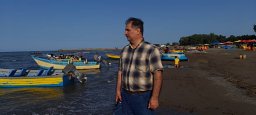 Davoudi-Kiakalayeh Ali合作论文数Guilan Road Trauma Research Center, Guilan University of Medical Sciences14
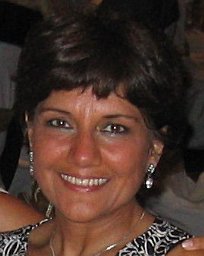 Bazargan-Hejazi Shahrzad合作论文数Charles R Drew Univ Med & Sci13
 David C. Schwebel合作论文数Department of Psychology, College of Arts and Sciences, The University of Alabama at Birmingham11
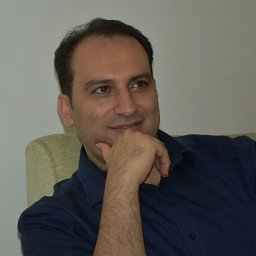 Khazaie Habibolah合作论文数Sleep Disorders Research Center, Kermanshah University of Medical Sciences9
 Yousefzadeh-Chabok Shahrokh合作论文数Trauma Research Center, Guilan University of Medical Sciences8Leif Svanström合作论文数8
 Eija Viitasara合作论文数7
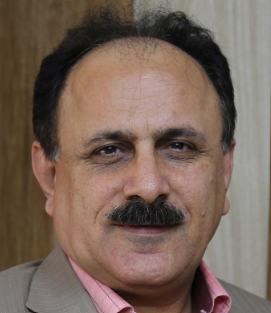 Khodakaram Salimifard合作论文数Department of Industrial Management, School of Business and Economics, Persian Gulf University7Sajad Davoudi Kiakalayeh合作论文数6Lucie Laflamme合作论文数6Joaquim J F Soares合作论文数6
 Sara Saadatmand合作论文数Department of Biology, Science and Research Branch, Islamic Azad University6
 Robert Ekman合作论文数Swedish Rescue Services Agency, National Centre for Learning from Incidents and Accidents (NCO),6
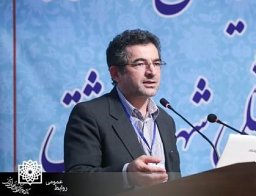 Shahnam Arshi合作论文数Ardabil University of Medical Sciences6Bigdeli Maryam合作论文数5
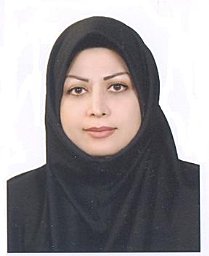 Fereshteh Atabi合作论文数5
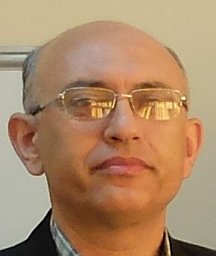 Saeed Dastgiri合作论文数School of Medicine;National Public Health Management Centre;School of Medicine, National Public Health Management Centre5m zangi合作论文数4Alireza Moghisi合作论文数4
 Afshin Almasi合作论文数4
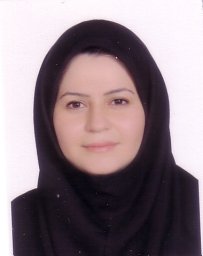 Zohreh Ghomian合作论文数Safety Promotion and Injury Prevention Research Center, Shahid Beheshti University of Medical Sciences4
 Reza Ziaei合作论文数4
 Ali Garavand合作论文数School of Allied Medical Sciences, Lorestan University of Medical Sciences4
 Hamid Safarpour合作论文数School of Nursing and Midwifery, Ilam University of Medical Sciences4
 Safiri Saeid合作论文数School of Nursing and Midwifery, Maragheh University of Medical Sciences4
 Mahdavi Seied Rabi合作论文数Dept Med Phys, Iran Univ Med Sci4
 Marzban Maryam合作论文数Shiraz University of Medical Science, Bushehr University of Medical Sciences4
 Naser Yeganeh合作论文数Department of Anesthesiology, Critical Care and Pain Management, Kermanshah University of Medical Sciences4
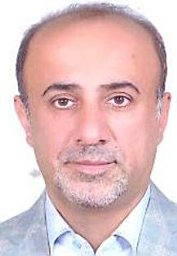 Ali Bikmoradi合作论文数Medical Management Centre, Karolinska Institutet4
 Bo J A Haglund合作论文数4
 Marit Schoonhoven合作论文数4
 Hamid Soori合作论文数3zahra heidari zadie合作论文数3
 Leif Svanstrom合作论文数3Samira Dehdar合作论文数3
 Mostafa Dianati合作论文数Shahroud Univ Med Sci3
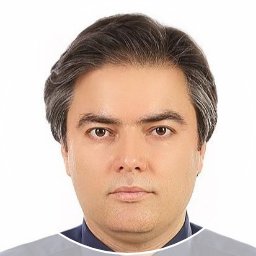 Reza Reiazi合作论文数Div Radiat Oncol, Univ Texas MD Anderson Canc Ctr3Vahab Asl Rahimi合作论文数3Azita Chehri合作论文数The Center for Recent Findings in Applied Psychology, Islamic Azad University3
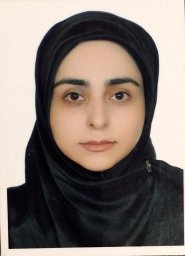 Fatemeh Nouri合作论文数School of Public Health and Safety, Shahid Beheshti University of Medical Sciences3
 Bayram Nejati-Zarnaqi合作论文数School of Public Health and Safety, Shahid Beheshti University of Medical Sciences3
 Shahabeddin Abhari合作论文数Amol Faculty of Paramedical Sciences, Mazandaran University of Medical Sciences3
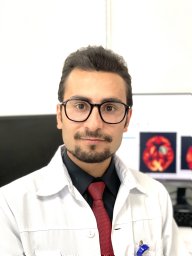 Isaac Shiri合作论文数Div Nucl Med & Mol Imaging, Geneva Univ Hosp3
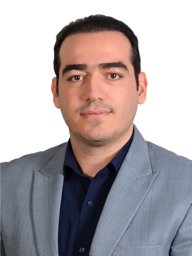 Mohammad Saadati合作论文数Dept Publ Hlth, Khoy Univ Med Sci3
 Koustuv Dalal合作论文数Dept Publ Hlth Sci, Univ Orebro3
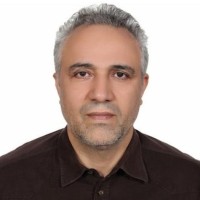 Hamidreza Khankeh合作论文数Karolinska Institutet;Department of Clinical Science and Education, University of Social Welfare and Rehabilitation Sciences;Iranian Academy of Medical Sciences;Charitie-BIH-QUEST Center for Responsible Research3




