Endocannabinoids (ECS) and specialized pro-resolving mediators (SPMs) are both lipid-based compounds, but differ significantly in origin, mechanisms, and functions. Their mechanistic interaction in cancer remains undefined, particularly in gastric cancer (GC). Several interconnections have been described between these two "bioactive lipids" involved in inflammation resolution, homeostatic and anti-tumour functions. Cannabinoid signalling can modulate SPM biosynthesis in immune cells, thus we investigated whether this crosstalk operates in GC cells, and whether SPMs mediate part of the anti-tumour activity of cannabinoid receptors. Using synthetic and selective agonists for the cannabinoid G-protein-coupled receptors CB1 and CB2 (ACEA and JWH133, respectively), we found that receptor activation in GC cells (AGS and MKN45) sustains the synthesis of two SPMs, Resolvin D1 and Lipoxin B4, which in turn suppresses the angiogenic potential of GC cells. These CB1/CB2-driven activities required a SRC/MAPK signalling. At physiological concentrations, these SPMs further enhanced the binding affinity of ACEA and JWH133 for CB1 and CB2, indicating a functional crosstalk between the two systems. Beyond angiogenesis, CB1/2 stimulation reduced cell proliferation and viability, induced apoptosis, impaired the migration and the epithelial-to-mesenchymal program in GC cells. Only CB2 activation reduced the stemness properties of GC cells. Interestingly, while the anti-angiogenic properties of CB1 and CB2 required SPM production, their other anti-tumour actions were independent of the pro-resolving pathway. Our results extend the current knowledge of the endocannabinoid system by defining a new dual mechanism, SPM-dependent and SPM-independent, that restrains GC progression and identify the ECS-SPM axis as a potential target for therapeutic intervention.
Anaplastic thyroid carcinoma (ATC) is a rare but highly aggressive malignancy with dismal prognosis. Standard radiotherapy and chemotherapy offer limited efficacy, and emerging treatments, including multi-kinase inhibitors, often result in the development of adaptive drug resistance. Recent studies suggest that targeting SHP2 (PTPN11), a non-receptor tyrosine phosphatase involved in RAS/MAPK signaling, may offer a promising therapeutic strategy for tumors featuring activation of this pathway, including ATC. Here, we show that SHP2 blockade, by using the SHP099 pharmacologic inhibitor or genetic approaches, significantly affected ATC cell viability, survival, proliferation, motility and stemness assessed by MTS, clonogenic, migration, sphere-forming assays, and Anx-V/PI staining. Importantly, SHP2 inhibition had no detectable cytotoxic effects on normal thyrocytes. SHP099 treatment inhibited tumor-initiating ability and growth in immunocompromised mice by significantly increasing cancer cell apoptosis. Interestingly, SHP2 inhibition modulated anti-cancer immune response by increasing the expression of immunogenic markers in cancer cells and enhancing their phagocytosis by monocyte-derived dendritic cells (MoDCs). Consistently, in a syngeneic ATC mouse model, SHP2 inhibition caused an increase of proinflammatory and a decrease of immunosuppressive cytokines/chemokines concomitantly with an increased tumor infiltration of cytotoxic CD8+ T lymphocytes (6,0 ± 8,1 % vs 17,0 ± 8,4 %) and M1 macrophages (14,6 ± 7,6 % vs 29,3 ± 16,2 %) and a reduction in myeloid-derived suppressor cells (MDSCs) (8,5 ± 4,7 % vs 3,9 ± 1,8 %) compared to vehicle-treated group. These findings pose SHP2 as a critical mediator in ATC progression and underscore its potential as a therapeutic target due to its dual role in both directly impeding tumor growth and enhancing immune-mediated anti-tumor responses.
The homeostasis of a tissue such the gastrointestinal (GI) tract is of fundamental importance for human health, given its constant exposure to a wide variety of external substances. The Formyl peptide Receptor 1 (FPR1) is an innate immune receptor belonging to the FPR family, that can recognize various endogenous danger- and exogenous pathogen-associated molecules, triggering inflammation. Importantly, depending on the context and on the specific ligand, FPR1 can also stimulate inflammation resolution. Thus, FPR1 is a critical actor in GI physiopathology. Interestingly, not only FPR1 participates and is necessary for maintaining homeostasis, but it also exerts strong tumor suppressor properties in this tissue. The present review discusses the mechanisms responsible for this specific function of FPR1 in cancer of the GI tract, focusing in particular on FPR1-mediated signal transduction.
The well-paced trigger of inflammation resolution following an inflammatory response is crucial for tissue homeostasis and cancer. In gastrointestinal tumors the Formyl peptide receptor 1 (FPR1) stimulates an inflammation resolution response able to restrain cancer angiogenesis and growth. A preceding inflammatory signal is necessary for the induction of the pro-resolving response. However, if FPR1-induced inflammation resolution and tumor suppressor function require an early pro-inflammatory trigger and how this is achieved remains unknown. A ROS-dependent signaling is activated in response to FPR1 activation. In colorectal carcinoma (CRC) cells, we carefully analyzed this signal showing that FPR1 activation by the fMLF peptide induces biphasic ROS production: a first wave, early, mitochondrial (mROS), followed by a second, late, NADPH oxidase (NOX1)-dependent. mROS cause SHP2 phosphatase inactivation restraining its ability to dephosphorylate and inactivate SRC. SRC, in turn, allows the activation of RAS and Rac1 GTPases. RAS activates MAPK signaling, while Rac1 supports NOX1 activation, that causes the second wave of ROS, reinforcing this signaling cycle. Importantly, for the first time, we demonstrate that mROS production precedes and is necessary for pro-inflammatory mediators' release, while NOX1-dependent ROS are only required for pro-resolving mediators' synthesis. Pharmacological and genetic approaches and functional assays show that this signaling cascade is essential for the pro-resolving and anti-angiogenic properties of FPR1 in CRC. In conclusion, we show that FPR1 elicits pro-resolving effects in CRC activating two waves of ROS production characterized by different strength and kinetics, that parallel and are necessary for pro-inflammatory or pro-resolving mediators' production.
In most human tumors, the MAPK pathway is constitutively activated. Since p90RSK is downstream of MAPK, it is often hyperactive and capable of phosphorylating oncogenic substrates. We have previously shown that p90RSK phosphorylates MDM2 at S166, promoting p53 degradation in follicular thyroid carcinomas. Thus, the inhibition of p90RSK restores p53 expression, which in turn inhibits cell proliferation and promotes apoptosis. In the present study, we demonstrated that the p90RSK/MDM2/p53 pathway proved to be an excellent target in the therapy of tumors with MAPK hyperactivation. For this purpose, we selected p53wt melanoma, lung and medullary thyroid carcinoma cell lines with high activation of p90RSK. In these cell lines, we demonstrated that the p90RSK/MDM2/p53 pathway is implicated in the regulation of the cell cycle and apoptosis through p53-dependent transcriptional control of p21 and Bcl-2. Furthermore, with an immunohistochemical evaluation of primary melanomas and lung tumors, which exhibit highly activated p90RSK compared to corresponding normal tissue, we demonstrated that MDM2 stabilization was associated with p90RSK phosphorylation. The results indicate that p90RSK is able to control the proliferative rate and induction of apoptosis through the regulation of p53wt levels by stabilizing MDM2 in selected tumors with constitutively activated MAPKs, making p90RSK a new attractive target for anticancer therapy.
The ADP-ribosyl hydrolases PARG and ARH3 counteract PARP enzymatic activity by removing ADP-ribosylation. PARG and ARH3 activities have a synthetic lethal effect; however, the specific molecular mechanisms underlying this response remain unknown. Here, we show that the PARG and ARH3 synthetic lethality is enhanced further in the presence of DNA alkylating agents, suggesting that the inability to revert ADP-ribosylation primarily affects the repair of alkylated DNA bases. ARH3 knockout cells, treated with PARG inhibitor and alkylating genotoxins, accumulated single-stranded DNA and DNA damage, resulting in G2/M cell cycle arrest and apoptosis. Furthermore, we reveal a reduction in PARP1/PARP2 levels in ARH3-deficient cells treated with PARG inhibitor due to excessive ADP-ribosylation, which may contribute to alkylating agents’ vulnerability. Collectively, these results uncover the potential of targeting ADP-ribosyl hydrolases in combination with alkylating agents for cancer therapy and provide insights into the mechanisms underlying the synthetic lethal effect.
Supplementary Table 4 from A Cell Proliferation and Chromosomal Instability Signature in Anaplastic Thyroid Carcinoma
Thyroid cancer is the most prevalent endocrine malignancy and comprises a wide range of lesions subdivided into differentiated (DTC) and undifferentiated thyroid cancer (UTC), mainly represented by the anaplastic thyroid carcinoma (ATC). This is one of the most lethal malignancies in humankind leading invariably to patient death in few months. Then, a better comprehension of the mechanisms underlying the development of ATC is required to set up new therapeutic approaches. Long non-coding RNAs (lncRNAs) are transcripts over 200 nucleotides in length that do not code for proteins. They show a strong regulatory function at both transcriptional and post-transcriptional level and are emerging as key players in regulating developmental processes. Their aberrant expression has been linked to several biological processes, including cancer, making them potential diagnostic and prognostic markers. We have recently analyzed the lncRNA expression profile in ATC through a microarray technique and have identified rhabdomyosarcoma 2-associated transcript ( RMST ) as one of the most downregulated lncRNA in ATC. RMST has been reported to be deregulated in a series of human cancers, to play an anti-oncogenic role in triple-negative breast cancer, and to modulate neurogenesis by interacting with SOX2. Therefore, these findings prompted us to investigate the role of RMST in ATC development. In this study we show that RMST levels are strongly decreased in ATC, but only slightly in DTC, indicating that the loss of this lncRNA could be related to the loss of the differentiation and high aggressiveness. We also report a concomitant increase of SOX2 levels in the same subset of ATC, that inversely correlated with RMST levels, further supporting the RMST/SOX2 relationship. Finally, functional studies demonstrate that the restoration of RMST in ATC cells reduces cell growth, migration and the stemness properties of ATC stem cells. In conclusion, these findings support a critical role of RMST downregulation in ATC development.
Abstract Thyroid cancer is the most common endocrine cancer, but its key oncogenic drivers remain undefined. In this study we identified the TYRO3 and AXL receptor tyrosine kinases as transcriptional targets of the chemokine CXCL12/SDF-1 in CXCR4-expressing thyroid cancer cells. Both receptors were constitutively expressed in thyroid cancer cell lines but not normal thyroid cells. AXL displayed high levels of tyrosine phosphorylation in most cancer cell lines due to constitutive expression of its ligand GAS6. In human thyroid carcinoma specimens, but not in normal thyroid tissues, AXL and GAS6 were often coexpressed. In cell lines expressing both receptors and ligand, blocking each receptor or ligand dramatically affected cell viability and decreased resistance to apoptotic stimuli. Stimulation of GAS6-negative cancer cells with GAS6 increased their proliferation and survival. Similarly, siRNA-mediated silencing of AXL inhibited cancer cell viability, invasiveness, and growth of tumor xenografts in nude mice. Our findings suggest that a TYRO3/AXL-GAS6 autocrine circuit sustains the malignant features of thyroid cancer cells and that targeting the circuit could offer a novel therapeutic approach in this cancer. Cancer Res; 71(5); 1792–804. ©2011 AACR.
Supplementary Table 3 from A Cell Proliferation and Chromosomal Instability Signature in Anaplastic Thyroid Carcinoma
Supplementary Table 5 from A Cell Proliferation and Chromosomal Instability Signature in Anaplastic Thyroid Carcinoma
Supplementary Methods, Figure Legends 1-7, Table Legend 1 from Activation of TYRO3/AXL Tyrosine Kinase Receptors in Thyroid Cancer
Supplementary Figure 2 from Activation of TYRO3/AXL Tyrosine Kinase Receptors in Thyroid Cancer
Supplementary Table 2 from A Cell Proliferation and Chromosomal Instability Signature in Anaplastic Thyroid Carcinoma
Supplementary Figure 1 from A Cell Proliferation and Chromosomal Instability Signature in Anaplastic Thyroid Carcinoma
Non-resolving inflammation is an enabling feature of cancer. A novel super-family of lipid mediators termed Specialized Pro-resolving Mediators (SPMs) have a role as bioactive molecules mediating the resolution of inflammation in cancer biology. SPMs are derived from ω-3 and ω-6 polyunsaturated fatty acids through the activity of lipoxygenases. SPMs have been described to directly modulate cancer progression by interfering with the epithelial to mesenchymal transition and invasion of cancer cells. SPMs have also been demonstrated to act on several components of the tumor microenvironment (TME). Consistently with their natural immunomodulatory and anti-inflammatory properties, SPMs are able to reprogram macrophages to favor phagocytosis of cell debris, which are an important source of pro-inflammatory and pro-angiogenic signals; sustain a direct cytotoxic immune response against cancer cells; stimulate neutrophils anti-tumor activities; and inhibit the development of regulatory T and B cells, thus indirectly leading to enhanced anti-tumor immunity. Furthermore, the resolution pathways exert crucial anti-angiogenic functions in lung, liver, and gastrointestinal cancers, and inhibit cancer-associated fibroblast differentiation and functions in hepatocellular carcinoma and pancreatic cancer. The present review will be focused on the potential protective effects of resolution pathways against cancer, exerted by modulating different components of the TME.
Background Treatment with PARP inhibitors (PARPi) is primarily effective against high-grade serous ovarian cancers (HGSOC) with BRCA1/2 mutations or other deficiencies in homologous recombination (HR) repair mechanisms. However, resistance to PARPi frequently develops, mostly as a result of BRCA1/2 reversion mutations. The tumour suppressor CCDC6 is involved in HR repair by regulating the PP4c phosphatase activity on γH2AX. In this work, we reported that in ovarian cancer cells, a physical or functional loss of CCDC6 results synthetic lethal with the PARP-inhibitors drugs, by affecting the HR repair. We also unravelled a role for CCDC6 as predictive marker of PARPi sensitivity in ovarian cancer, and the impact of CCDC6 downregulation in overcoming PARPi resistance in these tumours. Methods A panel of HGSOC cell lines (either BRCA -wild type or mutant) were treated with PARPi after CCDC6 was attenuated by silencing or by inhibiting USP7, a CCDC6-deubiquitinating enzyme, and the effects on cell survival were assessed. At the cellular and molecular levels, the processes underlying the CCDC6-dependent modification of drugs’ sensitivity were examined. Patient-derived xenografts (PDXs) were immunostained for CCDC6, and the expression of the protein was analysed statistically after digital or visual means. Results HGSOC cells acquired PARPi sensitivity after CCDC6 depletion. Notably, CCDC6 downregulation restored the PARPi sensitivity in newly generated or spontaneously resistant cells containing either wild type- or mutant- BRCA2 . When in an un-phosphorylated state, the CCDC6 residue threonine 427 is crucial for effective CCDC6-PP4 complex formation and PP4 sequestration, which maintains high γH2AX levels and effective HR. Remarkably, the PP4-dependent control of HR repair is influenced by the CCDC6 constitutively phosphorylated mutant T427D or by the CCDC6 loss, favouring PARPi sensitivity. As a result, the PP4 regulatory component PP4R3α showed to be essential for both the activity of the PP4 complex and the CCDC6 dependent PARPi sensitivity. It's interesting to note that immunohistochemistry revealed an intense CCDC6 protein staining in olaparib-resistant HGSOC cells and PDXs. Conclusions Our findings suggest that the physical loss or the functional impairment of CCDC6 enhances the PP4c complex activity, which causes BRCAness and PARPi sensitivity in HGSOC cells. Moreover, CCDC6 downregulation might overcome PARPi resistance in HGSOCs, thus supporting the potential of targeting CCDC6 by USP7 inhibitors to tackle PARPi resistance.
Adiposity and diabetes affect breast cancer (BC) progression. We addressed whether glucose may affect the interaction between mammary adipose tissue-derived mesenchymal stromal/stem cells (MAT-MSCs) and BC cells. Two-dimensional co-cultures and spheroids were established in 25 mM or 5.5 mM glucose (High Glucose-HG or Low Glucose-LG) by using MAT-MSCs and MCF7 or MDA-MB231 BC cells. Gene expression was measured by qPCR, while protein levels were measured by cytofluorimetry and ELISA. CD44high/CD24low BC stem-like sub-population was quantified by cytofluorimetry. An in vivo zebrafish model was assessed by injecting spheroid-derived labeled cells. MAT-MSCs co-cultured with BC cells showed an inflammatory/senescent phenotype with increased abundance of IL-6, IL-8, VEGF and p16INK4a, accompanied by altered levels of CDKN2A and LMNB1. BC cells reduced multipotency and increased fibrotic features modulating OCT4, SOX2, NANOG, αSMA and FAP in MAT-MSCs. Of note, these co-culture-mediated changes in MAT-MSCs were partially reverted in LG. Only in HG, MAT-MSCs increased CD44high/CD24low MCF7 sub-population and promoted their ability to form mammospheres. Injection in zebrafish embryos of HG spheroid-derived MCF7 and MAT-MSCs was followed by a significant cellular migration and caudal dissemination. Thus, MAT-MSCs enhance the aggressiveness of BC cells in a HG environment.
Formyl peptide receptors (FPR1, FPR2 and FPR3) are innate immune sensors of pathogen and commensal bacteria and have a role in colonic mucosa homeostasis. We identified FPR1 as a tumour suppressor in gastric cancer cells due to its ability to sustain an inflammation resolution response with antiangiogenic potential. Here, we investigate whether FPR1 exerts similar functions in colorectal carcinoma (CRC) cells. Since it has been shown that the commensal bacterium Lactobacillus rhamnosus GG (LGG) can promote intestinal epithelial homeostasis through FPR1, we explored the possibility that it could induce proresolving and antiangiogenic effects in CRC cells. We demonstrated that pharmacologic inhibition or genetic deletion of FPR1 in CRC cells caused a reduction of proresolving mediators and a consequent upregulation of angiogenic factors. The activation of FPR1 mediates opposite effects. Proresolving, antiangiogenic and homeostatic functions were also observed upon treatment of CRC cells with supernatant of LGG culture, but not of other lactic acid or nonprobiotic bacteria (i.e. Bifidobacterium bifidum or Escherichia coli). These activities of LGG are dependent on FPR1 expression and on the subsequent MAPK signalling activation. Thus, the innate immune receptor FPR1 could be a regulator of the balance between microbiota, inflammation and cancer in CRC models.
EDITORIAL article Front. Endocrinol., 24 August 2022Sec. Cancer Endocrinology https://doi.org/10.3389/fendo.2022.1009963
 Alfredo Fusco合作论文数Facoltà di Medicina e Chirurgia, Università degli Studi di Napoli Federico II77
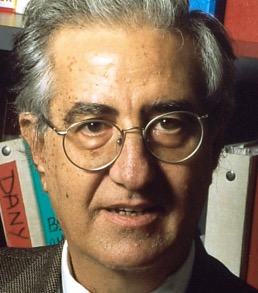 Giancarlo Vecchio合作论文数Dipartimento di Medicina Molecolare e Biotecnologie Mediche, University of Naples Federico II71
 Massimo Santoro合作论文数63
 Francesca Carlomagno合作论文数Dipartimento di Biologia e Patologia Cellulare e Molecolare;University Federico II;Istituto di Endocrinologia ed Oncologia Sperimentale del Consiglio49M Santoro合作论文数45Federica Liotti合作论文数29Giuliana Salvatore合作论文数29
 Maria Domenica Castellone合作论文数27Nella Prevete合作论文数24Fulvio Basolo合作论文数20Anna Maria Cirafici合作论文数Centro di Endocrinologia ed Oncologia Sperimentale, del CNR20
 Angela Celetti合作论文数19
 Gabriella De Vita合作论文数Centro di Endocrinologia ed Oncologia Sperimentale del CNR, Chirurgia Università degli Studi di Napoli «Federico II Via S. Pansini17
 Valentina Guarino合作论文数15
 Pietro Formisano合作论文数School of Medicine, University of Naples “Federico II15
 Roberta Visconti合作论文数National Institute of Arthritis and Musculoskeletal and Skin Diseases, National Institutes of Health15
 Monica Fedele合作论文数Facoltà di Medicina e Chirurgia di Napoli, Università degli Studi di Napoli “Federico II”,14
 Roberto Pacelli合作论文数Department of Advanced Biomedical Sciences, University Federico II13
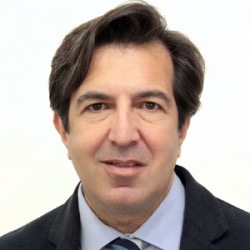 Giancarlo Troncone合作论文数Dipartimento di Sanità Pubblica, Scuola di Medicina e Chirurgia, Università degli Studi di Napoli Federico II13Giuseppe Portella合作论文数13
 Francesco Beguinot合作论文数13Giuseppe Viglietto合作论文数Instituto dei Tumori di Napoli13Massimo Imbriaco合作论文数12Antonio Leonardi合作论文数Dipartimento Med Mol & Biotecnol Med, Univ Naples Federico II12Paolo Laccetti合作论文数12
 Claudia Miele合作论文数12
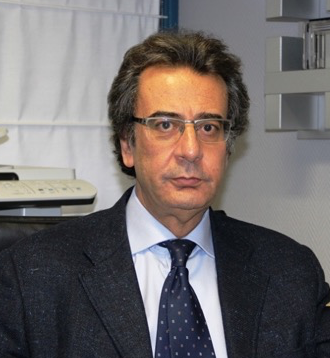 DE PLACIDO SABINO合作论文数Dipartimento di Medicina clinica e Chirurgia, Universita degli Studi di Napoli Federico II12
 Barbara Majello合作论文数Department of Genetics, General and Molecular Biology, University of Naples12Donatella Tramontano合作论文数Centro di Endocrinologia ed Oncologia Sperimentale del C.N.R., II Facoltà di Medicina, Via Pansini, 80131, napoli-Italy12Gabriella Castoria合作论文数11
 Giampaolo Tortora合作论文数Department of Medical Oncology, Policlinico Universitario Agostino Gemelli11
 Giuseppe Palumbo合作论文数Institute of Pediatrics, University “La Sapienza”,11
 Silvio Parodi合作论文数11Antonio Rosato合作论文数10
 Paolo Miccoli合作论文数Dipartimento di Chirurgia, Facolta di Medicina e Chirurgia, University di Pisa10Bianco Angelo Raffaele合作论文数10
 Gennaro Chiappetta合作论文数Istituto Nazionale dei Tumori di Napoli, Fondazione Senatore Pascale10
 Valentina De Falco合作论文数Istituto di Endocrinologia;Dipartimento di Biologia e Patologia Cellulare e Molecolare;Istituto di Endocrinologia|Dipartimento di Biologia e Patologia Cellulare e Molecolare10Vincenzo Casolaro合作论文数9Annamaria Cirafici合作论文数9Elvira Avilla合作论文数9James G. Herman合作论文数9
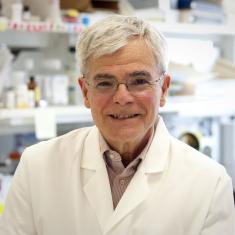 Michael M. Gottesman合作论文数Laboratory of Cell Biology, Center for Cancer Research, National Cancer Institute, National Institutes of Health9
 Francesco Oriente合作论文数9Amato De Paulis合作论文数Division of Clinical Immunology and Allergy, University of Naples Federico II9Clara Ugolini合作论文数9Vincenzo Ciminale合作论文数8
 Renato Franco合作论文数8Giorgio Punzo合作论文数8




