Injustice lies at the heart of many societal challenges. By adopting the lens of injustice, we argue that critical insights and interventions can be illuminated. We highlight the importance of healing for addressing the pain and trauma of injustice as well as the role of justice in the healing process, where it can serve as a motivating force (e.g., when people desire justice), healing salve (e.g., when people “do justice”), and desired end state (e.g., working towards a just society). In doing so, we outline how to facilitate healing from injustice and enable the transition from injustice to justice. We provide an agenda for future research that showcases the importance of further understanding the pain and trauma of injustice. We conclude with a call for scholars and practitioners to engage in courageous action to recognize the toll of injustice, promote healing, and work towards a more just society.
Although punishment deters misconduct, protects employees from harm, and maintains cooperation in organizations, not all leaders punish-some are lenient. Employees keenly watch leaders' responses to misconduct. Leniency is often judged as unfair because it violates moral principles of justice, motivating observers to withhold support to leaders. Our research shifts the conversation to explain how moral consideration of offenders factors into the sensemaking of leaders' leniency that influences observer reactions. Perceptions of offender personal need (distress from the offender's personal life that is outside their control) raise observers' humanitarianism, which is reflected in compassion. Compassion elicited from offender personal need motivates observers to reduce the distress from the situation, lessening the unfairness of the leniency and punitive reactions to the leader. Three experiments demonstrated that leniency elicited unfairness that reduced support to leaders; observers' perceptions of offender personal need moderated the effects of leniency, reducing its unfairness and punitive reactions to leaders. In Studies 2 and 3, we found that compassion mediated the moderating effects of offender personal need. Only distress from personal need that is inflicted onto offenders (i.e., other-inflicted personal need), compared to distress from work performance need (Study 2) and self-inflicted personal need (Study 3), elicited compassion that lessened the unfairness of leniency. Study 3 also showed that self-inflicted personal need elicited contempt for the offender, which mediated the moderating effect of self-inflicted personal need, bolstering the unfairness of leniency and lessening support to lenient leaders. Implications to theory and practice are presented.
Throughout history, there are numerous examples of business and government leaders who have fallen from grace only to rise again, and have a "second act" and a "second chance" as a legitimate social actor or leader-that is, they achieved redemption. We explore "the road to redemption" of leaders-when and why it occurs, and what "bumps" prevent it. In our analysis, we conceptualize redemption as a process with three elements-remorse, rehabilitation, and restoration-and as an outcome (the restoration of legitimacy). We argue that achieving redemption is not a product of chance; rather, it is a social construction process of narrative creation and identity construction involving many parties. Also, the road to redemption is shaped by cultural-specific factors-and it is temporally dependent. From this framework, we identify new directions for the theory and practice of leadership.
How employees address others' misconduct is a common aspect of organizational life. Although some employees adhere to punishment standards when addressing misconduct, not all do. Instead, some are lenient. We propose that being lenient generates a self-conscious affective process that has countervailing effects for grantors. Drawing from the theory of self-conscious emotions and moral psychology, we propose that leniency elicits feelings of pride that enhance engagement and also elicits feelings of guilt that enhance exhaustion. Taken together, we propose that leniency indirectly influences energy states through self-conscious emotions. A multistudy approach was utilized to test these predictions. The results from Study 1 (a multiwave field study of police officers in the United States) and Study 2 (an experiment) largely supported our predictions. In Study 3 (an experiment), we extended our model to consider a theoretically relevant moderator. Grantors' forgiveness was predicted to impact the extent to which feelings of pride and guilt are experienced from leniency. As predicted, our results showed that the impact of leniency on pride was strengthened by forgiveness and the impact of leniency on guilt was weakened by forgiveness.
Employees facing destructive leader behavior or evidence of unethical or illegal action often remain silent, and such silence has been argued to be problematic. We argue that the management literature has a limited and biased view of silence, and contend that it can have value for employees and the organization. We discuss the functional value of silence in organizations and how it can be a strategic response to destructive and unethical leaders. Indeed, we argue that both voice and silence have functional value. Drawing on the see-judge-act model, we describe why and when employees become silent or choose to "break the silence," and we explain that both silence and voice have the ability to confront or resist destructive leadership.
By facilitating cooperation and enhancing stability, trust is an essential yet extremely fragile commodity in organizations. In this chapter, we explore how trust and distrust can play a significant role in shaping forgiveness in the aftermath of workplace offenses. In a review of the literature, we highlight how trust can enable, and distrust can disable, forgiveness processes. Further, we argue that some offenses may create so much distrust that forgiveness is not even a possibility, and thus alternative approaches must be considered. By leveraging conflict management approaches that have been identified in organizational behaviour as well as in other literatures, we outline alternatives to forgiveness that can emerge when people have varying degrees of trust or distrust in the offender (e.g. peaceful coexistence, détente, separation). We also argue that forgiveness can serve as a contextual factor that can shape the restoration of trust. We conclude with a call for new directions in theory and research examining the interplay between trust, distrust, and forgiveness in organizational settings.
Despite the widespread interest in forgiveness across a diversity of disciplines, the study of forgiveness has been strongly influenced by a psychological (i.e. individual-level) approach. Although this has provided many fruitful insights, it has also resulted in a fragmented literature that has underemphasized the multilevel and contextual nature of this phenomenon. Drawing upon a broad multidisciplinary approach, we provide a singular definition of forgiveness and integrate research on forgiveness into a multilevel systems approach. In doing so, we demonstrate that a deeper understanding can be realized by conceptualizing forgiveness as a part of a system of interconnecting psychological, social, structural, and cultural relations. By embedding forgiveness into context, our systems perspective provides novel insights into the factors that facilitate and constrain forgiveness at multiple levels of analysis, how the interplay between contextual levels can shape forgiveness at lower levels (e.g. individual level), and how examining forgiveness in organizational contexts can highlight the importance of examining other outcomes (e.g. reconciliation, peaceful co-existence, and détente) as well as facilitate the development of actionable theory.
Over the years, the management field has had many important contributors to its theoretical development and practical application of its major concepts. As a relatively young academic discipline, we have the good fortune to have access to many of those pioneers who are responsible for its foundation, history, and evolution. The purpose of the
Current analyses of public trust in business do not capture the new relationships and realities facing business in the twenty-first century.
 Thomas M. Tripp合作论文数27
 Laurie J. Barclay合作论文数Wilfrid Laurier University6
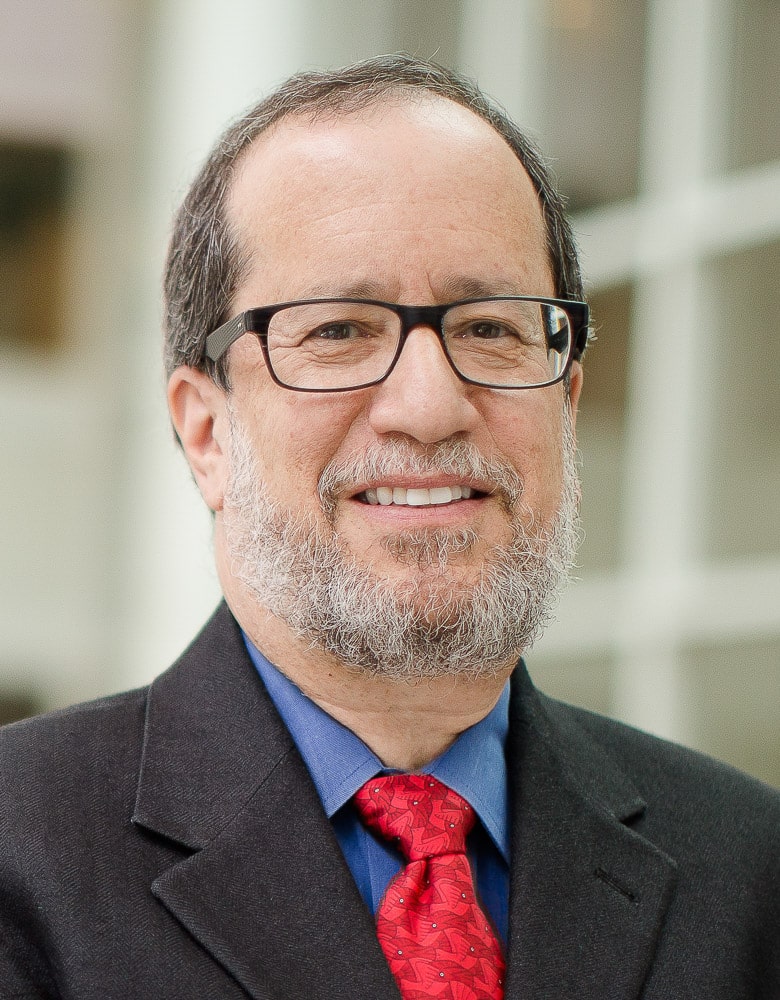 Sim B. Sitkin合作论文数Fuqua School of Business, Duke University5
 Debra L. Shapiro合作论文数Robert H. Smith School of Business, University of Maryland5
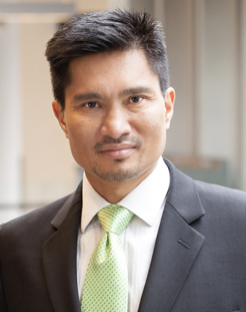 Karl Aquino合作论文数Marketing & Behavioural Science Division, Sauder School of Business, The University of British Columbia5
 Christopher L. Martin合作论文数Harvard-Smithsonian Center for Astrophysics4
 Joel Brockner合作论文数Management Division, Columbia Business School, Columbia University3
 Robert Gordon Folger合作论文数Department of Management, College of Business Administration, University of Central Florida3
 De Cremer合作论文数D'Amore-McKim School of Business, Northeastern University;Institute for Experiential AI, Northeastern University;Yale Law School, Yale University3Jerald Greenberg合作论文数The Ohio State University3
 Jeroen Stouten合作论文数University of Leuven3
 Roy Lewicki合作论文数The Ohio State University3kerry j patterson合作论文数2
 Kate P. Zipay合作论文数Dept Management, Univ Oregon2
 Maria Francisca Saldanha合作论文数Org Behav, Univ Catolica Portuguesa2
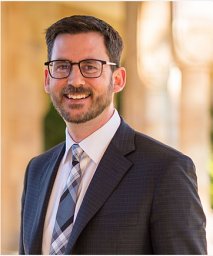 Adam Austen Kay合作论文数UQ Business School, University of Queensland2
 Tom R. Tyler合作论文数Yale Law School, Yale University2
 Marie S. Mitchell合作论文数Department of Management, University of Nebraska2
 Mary Culnan合作论文数Department of Information and Process Management, Bentley University2
 Nathan Bennett合作论文数Georgia Institute of Technology2Shubha Sharma合作论文数1HAROLD J. LEAVITT合作论文数1rochelle cooperschneider合作论文数1
 Hudson Sessions合作论文数Lundquist Coll Business, Univ Oregon1Nancy Roberts合作论文数1Timothy L. Fort合作论文数1
 Elizabeth Wolfe Morrison合作论文数Department of Management and Organizations, Leonard N. Stern School of Business, New York University1
 Daniel J Mcallister合作论文数Departments of Management and Organisation, National University of Singapore Business School1
 David Maxfield合作论文数1
 Jean M. Bartunek合作论文数Department of Management and Organization, Carroll School of Management, Boston College1
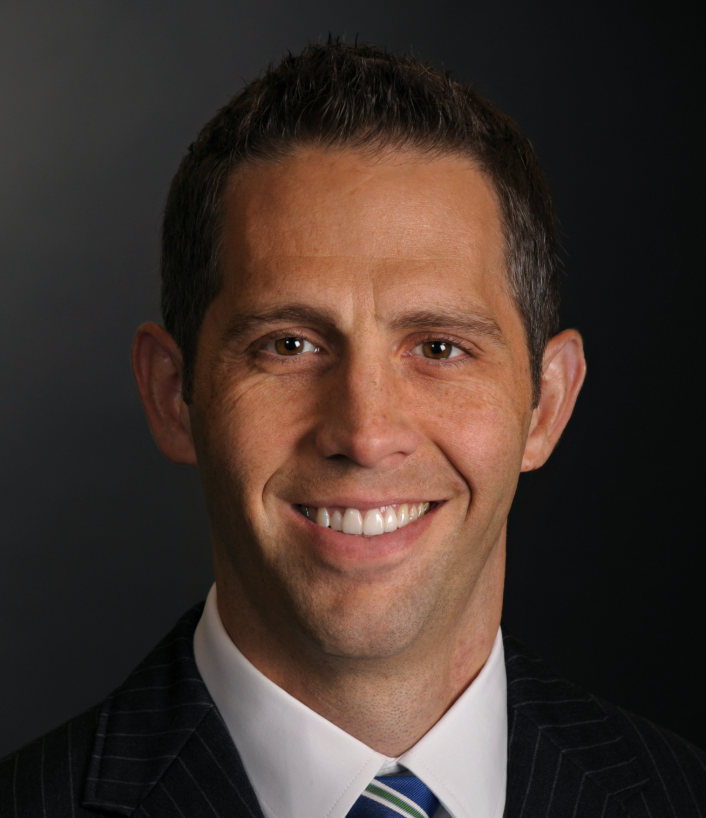 Mike Baer合作论文数Department of Management and Entrepreneurship, W. P. Carey School of Business, Arizona State University1Mayer N. Zald合作论文数1
 Jessica B. Rodell合作论文数1
 Markus Groth合作论文数School of Management & Governance, Business School, The University of New South Wales1
 Russell Cropanzano合作论文数Department of Organizational Behavior, Leeds School of Business, University of Colorado Boulder1Larry L Cummings合作论文数1D. J. Mcallister合作论文数1
 Maureen L. Ambrose合作论文数Department of Management, University of Central Florida1
 Barry M. Goldman合作论文数Medical College of Georgia School of Dentistry Augusta1
 Jerry I. Porras合作论文数Graduate School of Business, Stanford University1
 Blair H. Sheppard合作论文数Division of Business and Economics, Indiana University at South Bend1
 Stephen W. Gilliland合作论文数Michigan State University1
 Margaret Ann Neale合作论文数Graduate School of Business, Stanford University1M Konovsky合作论文数1
 Jean Lipman-Blumen合作论文数National Institute of Education1




