Objective:To characterize surgical interventions in pregnancy and postpartum periods and compare them to baseline periods (outside of pregnancy/postpartum) for patients with idiopathic subglottic stenosis (iSGS). Methods:A retrospective chart review was performed for patients undergoing endoscopic treatment for iSGS during pregnancy, postpartum, and baseline periods at The Cleveland Clinic between July 1, 2000 and January 1, 2025. Data collected included disease characteristics, surgery characteristics, and pregnancy history. The primary endpoint was the surgical interval between surgical interventions, defined as the number of days until the following surgical intervention during pregnancy, postpartum, and baseline periods. Results:Nine patients were included in the analysis. Among these patients, there were 17 term deliveries, 1 pre-term delivery, 2 miscarriages, and 2 terminations. There was no statistically significant difference in the surgical interval for patients undergoing surgery during pregnancy when compared to their surgical interval in the one-year postpartum period (p = 0.69) or when compared to the same patients' baseline surgical interval (p = 0.69). Four patients (45%) experienced more surgical interventions following a pregnancy as compared to before pregnancy. Conclusion:Surgical management of iSGS is safe during pregnancy, and although we observed no significant difference in the surgical interval during pregnancy, postpartum, and baseline periods, four patients did require more surgical interventions after pregnancy, highlighting the importance of counseling patients on the potential risk of iSGS recurrence after pregnancy and closely monitoring these patients during the postpartum period. Level of Evidence:IV.
BACKGROUND:Evaluate whether extranodal extension (ENE) extent impacts outcomes in patients with oral cavity squamous cell carcinoma (OCSCC). METHODS:From an institutional database, patients with OCSCC and pathologic ENE who received adjuvant treatment were included. Surgical slides were reviewed to confirm ENE extent. Multivariable Cox regression was used to relate patient/treatment characteristics with disease-free survival (DFS) and overall survival (OS). ENE was analyzed as both a dichotomous and continuous variable. RESULTS:A total of 113 patients were identified. Between major (>2 mm) versus minor ENE (≤2 mm), there was no significant difference in DFS (HR 1.18, 95%CI 0.72-1.92, p = 0.51) or OS (HR 1.17, 95%CI 0.70-1.96, p = 0.55). There was no significant association between ENE as a continuous variable and DFS (HR 0.97 per mm, 95%CI 0.87-1.4, p = 0.96) or OS (HR 0.96 per mm, 95%CI 0.83-1.11, p = 0.58). CONCLUSION:No significant relationship was seen between ENE extent and DFS or OS in individuals with OCSCC.
OBJECTIVE:Endoscopic management of subglottic stenosis (SGS) includes a wide range of techniques. This 17-year review compares treatment outcomes between carbon dioxide (CO2) laser and cold steel. STUDY DESIGN:Retrospective chart review. SETTING:Single tertiary care center. METHODS:A chart review was performed for all patients undergoing endoscopic treatment of SGS at Cleveland Clinic between July 12, 2000 and September 1, 2017. Data collected included demographics, stenosis etiology, stenosis severity, comorbidities, treatment modality, and airway procedure history. The primary endpoint was repeated treatment-free survival (RTFS) within 2 years using a Kaplan-Meier analysis and Cox proportional hazard model. RESULTS:A total of 139 patients (median [interquartile range] aged 48.7 [37.8, 57.0] years; 83.4% female) were included in the analysis, with etiologies including idiopathic (56.8%), granulomatosis with polyangiitis (25.2%), and intubation (16.5%). All patients underwent either cold steel (107 patients) or CO2 laser (32 patients) lysis of stenosis with concurrent dilation. RTFS within 2 years was 50.2% for CO2 laser and 31.9% for cold steel (hazard ratio [HR] and 95% confidence interval [CI]: 1.69, 0.96-2.97, P = .07). In patients with no prior airway procedures, there was no difference in RTFS between laser and cold knife (P = .41). However, in patients with prior airway procedures, RTFS was significantly greater in the laser group, even after adjusting for age, smoking history, and stenosis etiology (50.0% vs 16.8%, adjusted HR and CI: 2.82, 1.14-6.98, P = .025). CONCLUSION:Endoscopic lysis of SGS with CO2 laser should be considered in revision cases.
Respiratory fungal infections are more commonly found in immunocompromised individuals who have either received long-term steroid therapy or broad-spectrum antimicrobial therapy, or have an unresolving underlying chronic disease.Primary fungal laryngitis is a fungal infection of the larynx without affecting the other parts of the respiratory tract, such as the oral cavity, pharynx, or the lungs. It is an extremely rareclinical entity, particularly in immunocompetent individuals. Aspergillus fumigatus and Candida albicans are common fungi associated with primary fungal laryngitis. The diagnosis is often overlooked and delayed among patients as it is usually evident among immunocompromised patients and is often confused with certain laryngeal diseases such as gastroesophageal reflux disease, granulomatous diseases, leukoplakia, and malignancy. Misdiagnosis or inadequate treatment may lead to significant morbidity and potential life-threatening consequences.We report a case of isolated laryngeal candidiasis with significant upper airway obstruction in an immunocompetent male. The clinical and histological features are highlighted with a review of relevant literature to demonstrate the possibility of such an isolated fungal lesion, even in an immunocompetent individual.
BACKGROUND:The loss of laryngeal function affects breathing, swallowing, and voice, thus severely compromises quality of life. Laryngeal transplantation has long been suggested as a solution for selected highly affected patients with complete laryngeal function loss. OBJECTIVE:To obtain insights regarding the advantages, weaknesses, and limitations of this procedure and facilitate future advances, we collected uniform data from all known laryngeal transplants reported internationally. METHODOLOGY:A case series. Patients were enrolled retrospectively by each institutional hospital or clinic. Eleven patients with complete loss of laryngeal function undergoing total laryngeal transplantation between 1998 and 2018 were recruited. RESULTS:After a minimum of 24 months follow-up, three patients had died (27%), and there were two graft explants in survivors, one total and one partial, due to chronic rejection. In the remaining cases, voice was functional in 62.5% and 50% achieved decannulation. Swallowing was initially restricted, but only one patient was gastrostomy-dependent by 6 months and all had normal or near-normal swallowing by the end of year two after transplantation. Median follow-up was 73 months. Functional (voice, swallowing, airway) recovery peaked between 12 and 24 months. CONCLUSIONS:Laryngeal transplantation is a complex procedure with significant morbidity. Significant improvements in quality of life are possible for highly selected individuals with end-stage laryngeal disorders, including laryngeal neoplasia, but further technical and pharmacological developments are required if the technique is to be more widely applicable. An international registry should be created to provide better quality pooled data for analysis of outcomes of any future laryngeal transplants. LEVEL OF EVIDENCE:4 Laryngoscope, 134:4313-4320, 2024.
BackgroundPrimary fit tracheoesophageal puncture (TEP) is widely preferred for individuals who have not undergone prior radiation. However, there is no consensus on the relative utility of primary-fit TEP in the setting of salvage laryngectomy.MethodsA retrospective, single-center review was conducted of individuals undergoing laryngectomy with primary fit TEP between 2012 and 2018. Multivariable analysis was conducted to compare short-term and long-term complications, as well as speech and swallowing outcomes, of those who underwent primary versus salvage laryngectomy.ResultsIn this study, 134 patients underwent total laryngectomy with primary fit TEP. Aside from a higher rate of peristomal dehiscence (13.1% vs. 1.4%) found in the salvage group, there was no difference in incidence of all other complications, including pharyngocutaneous fistula formation. The groups had comparable speech and swallow outcomes.ConclusionPrimary fit TEP is a safe and effective surgical choice for individuals undergoing salvage laryngectomy who desire a voice prosthesis.
BACKGROUND:Advancements in immunotherapy for recurrent head and neck cancer have necessitated a better understanding of salvage surgical outcomes. This study aimed to determine patterns of failure following salvage head and neck surgery. METHODS:A retrospective cohort study was conducted of 280 patients who underwent salvage surgery for recurrent mucosal squamous cell carcinoma from 1997 to 2018. Cumulative incidence was calculated using the nonparametric Aalen-Johansen estimator. Time to recurrence (TTR) and overall survival (OS) were estimated using the Kaplan-Meier method and multivariable Cox proportional hazard models were used to evaluate associated factors. RESULTS:The 2 and 5-year cumulative incidence rates of second recurrence were 48.3 % (95 % CI 42.4-54.3) and 54.9 % (95 % CI 48.9-60.8), respectively. At 5 years, second locoregional recurrence was twice as common as distant recurrence (41.5 % [95 % CI 35.6-47.4] vs. 21.7 % [95 % CI 16.8-26.6]). The median TTR was 21.1 months (95 % CI 4.4-34.8), which varied by site (38.2 larynx/hypopharynx, 13.9 oral cavity, 8.3 sinonasal, and 7.8 oropharynx, P=.0001). The median OS was 32.1 months (95 % CI 24.1-47.6) and was worse for patients who were Black (hazard ratio [HR] 2.15, 95 % CI 1.19-3.9), current smokers (HR 2.73, 95 % CI 1.53-4.88), former smokers (HR 2.00, 95 % CI 1.19-3.35), ≥ 60 years of age (HR 1.41, 95 % CI 1.01-1.97), or received multimodal primary therapy (HR 1.98, 95 % CI 1.26-3.13). CONCLUSION:Rates of recurrence and mortality after salvage surgery were poor but worse for patients who were Black, older, smoked, had initial multimodal therapy, or had sinonasal or oropharyngeal cancers.
OBJECTIVE:Patients with head and neck paragangliomas who are positive for the SDHD p.Pro81Leu (P81L) mutation are thought to have a distinct phenotype from other SDHx mutations, but few studies have focused on this mutation. The objective of this study was to determine the hazard of developing a second primary, metastatic, or recurrent paraganglioma in SDHx patients with or without P81L.STUDY DESIGN:Retrospective chart review of 60 patients with head and neck paragangliomas and genetic testing, followed for a median of 9 years.SETTING:Single academic medical center.METHODS:Univariable Cox proportional hazards regression evaluated second primary and recurrent paragangliomas in patients with SDHD P81L, SDHx non-P81L, and nonhereditary paraganglioma.RESULTS:This series comprised 31 patients without SDHx, 14 with SDHD P81L, and 15 with other SDHx mutations. At a median 9 years of follow-up, corporal (not head and neck) second primary paragangliomas occurred in 31% of patients with SDHx non-P81L mutations, compared with 0% and 4% of patients with SDHD P81L and without SDHx mutations, respectively. Second corporal paragangliomas were more likely in patients with SDHx non-P81L mutations than in those without a mutation (hazard ratio = 5.461, 95% confidence interval: 0.596-50.030, p = .13).CONCLUSION:This is the first study to report a lower likelihood of corporal tumors for patients with head and neck paragangliomas with SDH mutations positive for P81L. Larger studies are needed to determine if head and neck paraganglioma patients with P81L qualify for less intensive imaging surveillance to screen for second primary paragangliomas outside the head and neck.
Other Supporting Colleagues from Clinical Predictors for Germline Mutations in Head and Neck Paraganglioma Patients: Cost Reduction Strategy in Genetic Diagnostic Process as Fall-Out
Supplementary Table 2 from Clinical Predictors for Germline Mutations in Head and Neck Paraganglioma Patients: Cost Reduction Strategy in Genetic Diagnostic Process as Fall-Out
INTRODUCTION:A novel technique to treat subglottic stenosis, the "Maddern Procedure", has been gaining acceptance in academic centers. This study describes the technique in detail, as well as its evolution over the first 28 patients performed at an academic center.METHODS:A prospective case-series, with descriptive technique modifications cataloged throughout the 6 years needed to accumulate the patient cohort with a minimum of 2 years of follow-up (11/2015-11/2021). Main outcomes examined included changes to surgical indications, complications, and post-operative outcomes as measured by validated measures of voice and breathing.RESULTS:Complete resection of subglottic scaring was performed, at first transcervically (2 pts), then transorally (26 pts). Successful performance of the procedure occurred in all patients without complications, with either successful decannulation of previously existing tracheotomies, or removal of perioperative tracheotomies. Buccal grafts (8/26) replaced skin graft as the graft of choice. Although high subglottic disease was first thought to be a contraindication, superior results became evident in cases of high stenosis rather than disease that included the upper trachea, with 4/26 patients requiring subsequent tracheal resection or tracheal dilation. Of the 22 remaining patients, 19/22 had successful arresting of restenosis, with 2/22 undergoing subsequent cricotracheal resection, and 1/22 pts requiring subglottic dilation. Overall, 19/26 Maddern pts (73%) had objectively favorable outcomes, with 24/26 (92%) reporting that they would have undergone the procedure again.CONCLUSION:Full-thickness mucosal resection and relining of the subglottis is a developing technique that is a safe, yet technically challenging procedure which addresses the recurrent nature of the disease.LEVEL OF EVIDENCE:Level 4 (Case-series) Laryngoscope, 133:3100-3108, 2023.
OBJECTIVE:Some patients with subglottic stenosis (SGS) require open airway reconstruction, which traditionally involves resection of the anterior cricoid cartilage. As an alternative, we present a novel technique: cricoid-sparing high tracheal resection with excision of subglottic stenotic tissue from below. A novel set of posterior circumferential cricoid sutures is used to reline the exposed cricoid plate.STUDY DESIGN:Retrospective chart review.SETTING:Single tertiary care center.METHODS:The surgical technique is described and illustrated. A chart review was performed for all patients who underwent surgery between January 1, 2016, and June 30, 2021.RESULTS:Fourteen patients (100% female) underwent this airway resection and reconstruction surgery during the study time period. After a mean follow-up of 12 months, no patients required tracheostomy. Twelve of 14 patients (86%) had durable airways. Two patients (14%) have required repeated endoscopic procedures for recurrent stenosis and are considered treatment failures. None exhibited postoperative dysfunction to suggest posterior cricoarytenoid muscle injury. Thirteen patients (93%) had a postoperative normal voice or only transient dysphonia. One patient had permanent unilateral vocal fold paralysis.CONCLUSION:Cricoid-sparing high tracheal resection is a safe and effective alternative to cricotracheal resection, especially for predominantly posterior SGS. The cricoid cartilage and cricothyroid muscles are left undisturbed, potentially decreasing the risk of postoperative dysphonia, namely lowered fundamental frequency. This is especially meaningful in the setting of a predominantly female patient population.
Objective The purpose of this study is to characterize Medicare reimbursement trends for laryngology procedures over the last two decades. Methods This analysis used CMS' Physician Fee Schedule (PFS) Look‐Up Tool to determine the reimbursement rate of 48 common laryngology procedures, which were divided into four groups based on their practice setting and clinical use: office‐based, airway, voice disorders, and dysphagia. The PFS reports the physician service reimbursement for “facilities” and global reimbursement for “non‐facilities”. The annual reimbursement rate for each procedure was averaged across all localities and adjusted for inflation. The compound annual growth rate (CAGR) of each procedure's reimbursement was determined, and a weighted average of the CAGR for each group of procedures was calculated using each procedure's 2020 Medicare Part B utilization. Results Reimbursement for laryngology procedure (CPT) codes has declined over the last two decades. In facilities, the weighted average CAGR for office‐based procedures was −2.0%, for airway procedures was −2.2%, for voice disorders procedures was −1.4%, and for dysphagia procedures was −1.7%. In non‐facilities, the weighted average CAGR for office‐based procedures was −0.9%. The procedures in the other procedure groups did not have a corresponding non‐facility reimbursement rate. Conclusion Like other otolaryngology subspecialties, inflation‐adjusted reimbursements for common laryngology procedures have decreased substantially over the past two decades. Because of the large number of physician participants and patient enrollees in the Medicare programs, increased awareness and further research into the implications of these trends on patient care is necessary to ensure quality in the delivery of laryngology care. Level of Evidence NA Laryngoscope , 134:247–256, 2024
The North American Airway Collaborative (NoAAC) previously published a 3-year multi-institutional prospective cohort study showing variation in treatment effectiveness between 3 primary surgical techniques for idiopathic subglottic stenosis (iSGS). In this report, we update these findings to include 5 years of data evaluating treatment effectiveness. Patients in the NoAAC cohort were re-enrolled for 2 additional years and followed using the prespecified published protocol. Consistent with prior data, prospective observation of 487 iSGS patients for 5 years showed treatment effectiveness differed by modality. Cricotracheal resection maintained the lowest rate of recurrent operation (5%), followed by endoscopic resection with adjuvant medical therapy (30%) and endoscopic dilation (50%). These data support the initial observations and continue to provide value to providers and patients navigating longitudinal decision-making. Level of evidence: 2-prospective cohort study.
BackgroundMetastatic or locally advanced cutaneous squamous cell carcinoma (cSCC) can be treated with immunotherapy (IO). Cranial nerve involvement (CNI) is uncommon in cSCC and is a poor prognostic factor. Our aim is to describe how patients with CNI respond to IO monotherapy and/or as an adjunct to RT. MethodsUnder an IRB approved protocol, patients with histologically proven cSCC of the head and neck with CNI treated with IO were retrospectively reviewed. ResultsTwelve patients were included and received cemiplimab or pembrolizumab. Eight patients had CNI at diagnosis, and 4 at time of recurrence after non-IO therapy. Best responses were complete response (1), partial response (7), stable disease (1), progressive disease (2), and pending response (1). Nine patients are alive, 6 of which remain on IO. ConclusionsIn this cohort, IO showed clinical response in 83% of patients, indicating IO can be an effective monotherapy, reserving RT for instances of local failure after IO.
Objectives Post intubation phonatory insufficiency (PIPI) or posterior glottic diastasis describes posterior glottic insufficiency (PGI) caused by prolonged intubation causing medial arytenoid ulceration, mucosal scarring, and incomplete cricoarytenoid joint adduction. The purpose of this review is to showcase diagnostic findings, surgical rehabilitation, and gaps in our treatment algorithm of PIPI. Data Sources Embase, PubMed, Scopus, Web of Science. Review Methods Two independent reviewers completed a systematic search of the literature studying PIPI. Reported intubation history, laryngeal defect, clinical symptoms, surgical intervention, and outcomes were gathered from included studies. Results Nine studies met our inclusion criteria for full review, (45 patients) all of which were case reports/series. All patients had posterior glottic defects, most commonly loss of medial arytenoid tissue, causing varying degrees of PGI. Eleven patients had vocal fold (VF) immobility or hypomobility. Treatment interventions were observation (1), speech therapy (2), VF or posterior glottic injection augmentation (15), medialization laryngoplasty (4), arytenoid repositioning (6), endoscopic (19) or open (3) posterior cricoid reduction, local mucosal rotation flap (11), or free mucosal graft (2) to fill the glottic defect. Observation, voice therapy, and augmentation or type 1 laryngoplasty failed to improve symptoms. Other surgical techniques improved symptoms with varying outcomes. Conclusion PIPI is a difficult injury to diagnosis and treat. Conservative measures and augmentation/laryngoplasty often fail to fix the PGI. Our review supports symptom improvement with reconstruction of the posterior glottic defect with cricoid reduction or mucosal grafts. Future investigation is needed to better define the diagnosis and successful treatment algorithm. Laryngoscope , 134:2048–2058, 2024
Supplementary Table 1 from Clinical Predictors for Germline Mutations in Head and Neck Paraganglioma Patients: Cost Reduction Strategy in Genetic Diagnostic Process as Fall-Out
Objective There are several options for surgical management of subglottic stenosis, including endoscopic and open procedures. However, treatment algorithms, outcomes, and anesthetic management of subglottic stenosis during pregnancy are not well described. Data Sources MEDLINE, EMBASE, and the Cochrane databases. Review Methods A scoping review of management of subglottic stenosis during pregnancy was performed, and then reported in compliance with Preferred Reporting Items for Systematic Reviews and Meta‐Analyses guidelines. Inclusion criteria consisted of those with subglottic or tracheal stenosis aged greater than 18 years, those in whom management was performed during pregnancy, and those who reported delivery related outcomes. Results After systematic review and detailed search of 330 identified articles, 15 articles met inclusion criteria and were included in the final analysis. All studies were case reports or case series (level 4 evidence). This study identified 27 patients. The median age was 29 and the median gestational age at intervention was 28 weeks. Left lateral positioning and fetal heart rate monitoring were used in nearly every case. The most common intervention performed was endoscopic balloon dilation. In many cases, jet ventilation or transnasal humidified rapid insufflation ventilatory exchange was satisfactory for maintenance of the airway. Three women ultimately required tracheostomy prior to labor and delivery. There was no fetal death or complications reported in these studies, and all but one woman proceeded to deliver at term. Conclusion Endoscopic balloon dilation during pregnancy is safe and effective, resulting in optimized respiratory outcomes for the mother and safe delivery of the fetus. The third trimester appears to be safe for airway intervention. Laryngoscope , 134:1014–1022, 2024
OBJECTIVE:Organ preservation (OP) treatment for advanced laryngeal cancer has increased compared to primary total laryngectomy. Our study compares oncologic and functional outcomes between these approaches.STUDY DESIGN:Retrospective cohort study.SETTING:Single tertiary care institution.METHODS:Retrospective review of patients receiving primary total laryngectomy or OP for laryngeal cancer between 1/1/2000 and 12/31/2018.RESULTS:A total of 118 patients received primary total laryngectomy and 119 received OP. Overall survival was similar between total laryngectomy and OP. When stratified by T stage, disease-free survival was worse among T3 patients receiving OP versus total laryngectomy. In T3 patients, 28 OP patients experienced local recurrence (28.9%) compared to 3 total laryngectomy patients (7.1%; p < 0.01). In total, 20 OP patients with local recurrence received salvage surgery. These patients had similar overall survival to patients who underwent initial total laryngectomy (TL). About 14 OP patients with local recurrence did not receive salvage surgery. About 89 (75.4%) TL patients achieved normal diet as compared to 64 (53.8%) OP patients (p < 0.001). In TL patients, 106 (89.8%) received primary or secondary tracheoesophageal-prosthesis, 82 (77.4%) of whom achieved completely understandable speech.CONCLUSIONS:There was no difference in survival by treatment in T4 patients, possibly because of strict patient selection. However, disease-free survival was worse in T3 patients receiving OP, likely due to a high local recurrence rate. Approximately 40% of patients with local recurrence were not eligible for salvage laryngectomy. TL patients had comparable swallowing and speech outcomes with OP patients.LEVEL OF EVIDENCE:3 Laryngoscope, 133:1122-1131, 2023.
 Joseph Scharpf合作论文数74
 David J. Adelstein合作论文数Department of Medicine, School of Medicine, Case Western Reserve University;Case Comprehensive Cancer Center, Case Western Reserve University60Eric D. Lamarre合作论文数58
 Shlomo Koyfman合作论文数Department of Radiation Oncology, Cleveland Clinic;Department of Medicine, School of Medicine, Case Western Reserve University;Case Comprehensive Cancer Center, Case Western Reserve University55
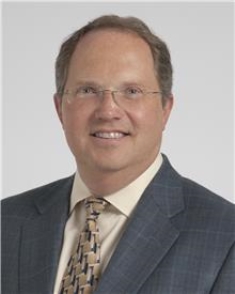 Brian Burkey合作论文数Department of Otolaryngology, Cleveland Clinic53Brandon Prendes合作论文数45
 Neil Woody合作论文数Department of Radiation Oncology, Cleveland Clinic39
 John Greskovich合作论文数25J.L. Geiger合作论文数21Jessica L Geiger合作论文数19Benjamin G. Wood合作论文数Department ofOtolaryngology, Cleveland Clinic Foundation17
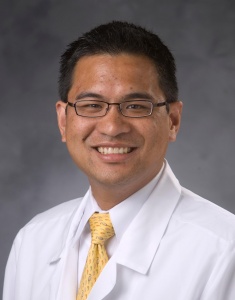 Walter T Lee合作论文数Department of Head and Neck Surgery and Communication Sciences, Duke University School of Medicine16Lisa A. Rybicki合作论文数16Jerrold P. Saxton合作论文数16Chandana A. Reddy合作论文数16
 Matthew Christopher Ward合作论文数15Jamie A Ku合作论文数15J. Ku合作论文数15Marshall Strome合作论文数15
 Nikhil Joshi合作论文数Immunology, Biological & Biomedical Sciences, Yale University13Bryson Paul C合作论文数12
 Contrera Kevin J合作论文数12Christopher Fleming合作论文数Dept Radiat Oncol, Taussig Canc Ctr11Olivia Dan合作论文数11
 David G. Lott合作论文数Mayo Clinic Comprehensive Cancer Center10
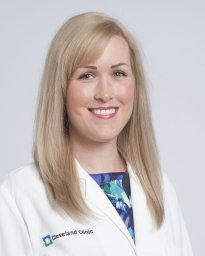 Shauna R Campbell合作论文数Taussig Cancer Institute, Cleveland Clinic9Esclamado Ramon M合作论文数9Khan Mumtaz Jamshed合作论文数9Michael S. Benninger合作论文数9Ives Denise I合作论文数8
 Pierre Lavertu合作论文数8Deborah Chute合作论文数8
 Natalie Silver合作论文数7Cristina P. Rodriguez合作论文数7Mariola Peczkowska合作论文数7Brian Matia合作论文数6Christopher W Fleming合作论文数6Larisa Schwartzman合作论文数6Weil Robert J合作论文数6
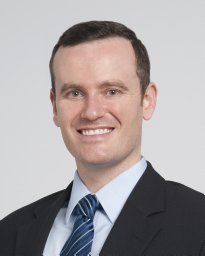 Tierney William合作论文数6Nwizu Tobenna合作论文数6
 Xiong David合作论文数Department of Biology, Washington University in St. Louis6
 Taha Z. Shipchandler合作论文数6Andrzej Januszewicz合作论文数6
 Alexander Gelbard合作论文数6
 Guri S. Sandhu合作论文数6




