Addressing global scientific challenges requires the widespread sharing of consistent and trustworthy research data. Identifying the factors that influence widespread data sharing will help us understand the limitations and potential leverage points. We used two well-known theoretical frameworks, the Theory of Planned Behavior and the Technology Acceptance Model, to analyze three DataONE surveys published in 2011, 2015, and 2020. These surveys aimed to identify individual, social, and organizational influences on data-sharing behavior. In this paper, we report on the application of multiple factor analysis (MFA) on this combined, longitudinal, survey data to determine how these attitudes may have changed over time. The first two dimensions of the MFA were named willingness to share and satisfaction with resources based on the contributing questions and answers. Our results indicated that both dimensions are strongly influenced by individual factors such as perceived benefit, risk, and effort. Satisfaction with resources was significantly influenced by social and organizational factors such as the availability of training and data repositories. Researchers that improved in willingness to share are shown to be operating in domains with a high reliance on shared resources, are reliant on funding from national or federal sources, work in sectors where internal practices are mandated, and live in regions with highly effective communication networks. Significantly, satisfaction with resources was inversely correlated with willingness to share across all regions. We posit that this relationship results from researchers learning what resources they actually need only after engaging with the tools and procedures extensively.
DataONE, funded from 2009-2019 by the U.S. National Science Foundation, is an early example of a large-scale project that built both a cyberinfrastructure and culture of data discovery, sharing, and reuse. DataONE used a Working Group model, where a diverse group of participants collaborated on targeted research and development activities to achieve broader project goals. This article summarizes the work carried out by two of DataONE’s working groups: Usability & Assessment (2009-2019) and Sociocultural Issues (2009-2014). The activities of these working groups provide a unique longitudinal look at how scientists, librarians, and other key stakeholders engaged in convergence research to identify and analyze practices around research data management through the development of boundary objects, an iterative assessment program, and reflection. Members of the working groups disseminated their findings widely in papers, presentations, and datasets, reaching international audiences through publications in 25 different journals and presentations to over 5,000 people at interdisciplinary venues. The working groups helped inform the DataONE cyberinfrastructure and influenced the evolving data management landscape. By studying working groups over time, the paper also presents lessons learned about the working group model for global large-scale projects that bring together participants from multiple disciplines and communities in convergence research.
Background With data becoming a centerpiece of modern scientific discovery, data sharing by scientists is now a crucial element of scientific progress. This article aims to provide an in-depth examination of the practices and perceptions of data management, including data storage, data sharing, and data use and reuse by scientists around the world. Methods The Usability and Assessment Working Group of DataONE, an NSF-funded environmental cyberinfrastructure project, distributed a survey to a multinational and multidisciplinary sample of scientific researchers in a two-waves approach in 2017-2018. We focused our analysis on examining the differences across age groups, sub-disciplines of science, and sectors of employment. Findings Most respondents displayed what we describe as high and mediocre risk data practices by storing their data on their personal computer, departmental servers or USB drives. Respondents appeared to be satisfied with short-term storage solutions; however, only half of them are satisfied with available mechanisms for storing data beyond the life of the process. Data sharing and data reuse were viewed positively: over 85% of respondents admitted they would be willing to share their data with others and said they would use data collected by others if it could be easily accessed. A vast majority of respondents felt that the lack of access to data generated by other researchers or institutions was a major impediment to progress in science at large, yet only about a half thought that it restricted their own ability to answer scientific questions. Although attitudes towards data sharing and data use and reuse are mostly positive, practice does not always support data storage, sharing, and future reuse. Assistance through data managers or data librarians, readily available data repositories for both long-term and short-term storage, and educational programs for both awareness and to help engender good data practices are clearly needed.
For the last decade, academic libraries have talked with each other and with potential partners about their roles in helping to manage research data and their plans to expand or initiate research data services (RDS). Libraries have the capacity to provide these services, but the range and maturity of research data services from libraries vary considerably. In summer 2019, our team surveyed a sample of academic libraries of all sizes who are members of the Association of College and Research Libraries (ACRL) to find out about their current RDS and plans for the future. This study is a follow-up to surveys of this same group in 2012 and 2015. Our findings include the types of RDS currently being offered in academic libraries, the barriers that hinder RDS implementation, and staff capacity for creating RDS.
ABSTRACTImagine a researcher in 2067 examining objects in a digital archive that were deposited in the early 21st century. How can the researcher be assured that those digital materials – whether born‐digital or digital surrogates of analog materials – have not been accidentally or maliciously altered sometime during the intervening decades? Ten archival workers – archivists, metadata specialists, digitization managers and preservation technologists – were interviewed about how contemporary recordkeeping practices ensure the authenticity of born‐digital files and digital surrogates for future users of the archive. This poster presents preliminary results about how archives are adapting to emergent needs for processing digital materials at scale, ensuring that workflows capture entities, activities and agents (provenance information), and ensuring that current systems support migration of provenance information to successor systems.
Research data is an essential part of the scholarly record, and management of research data is increasingly seen as an important role for academic libraries. This article presents the results of a survey of directors of the Association of European Research Libraries (LIBER) academic member libraries to discover what types of research data services (RDS) are being offered by European academic research libraries and what services are planned for the future. Overall, the survey found that library directors strongly agree on the importance of RDS. As was found in earlier studies of academic libraries in North America, more European libraries are currently offering or are planning to offer consultative or reference RDS than technical or hands-on RDS. The majority of libraries provide support for training in skills related to RDS for their staff members. Almost all libraries collaborate with other organizations inside their institutions or with outside institutions in order to offer or develop policy related to RDS. We discuss the implications of the current state of RDS in European academic research libraries, and offer directions for future research.
Provenance data is a type of metadata that computer scientists argue can support trustworthy and reliable replication of scientific results. From its origins in scientific workflow systems and database theory, and with concurrent interest from the ecological informatics community, a standard data model (PROV) and extensions for DataONE (ProvONE) have led to initial implementations in several tools commonly used by scientists (R, MATLAB) and in a global federation of scientific data repositories (DataONE). DataONE's support for ingest, storage, indexing and retrieval of provenance data is presented. Implications for libraries are identified. A research agenda for exploring the applicability of the PROV model to cultural heritage institutions - archives and museums - and their digital asset management systems is presented.
Objectives: The primary objectives of this study are to gauge the various levels of Research Data Service academic libraries provide based on demographic factors, gauging RDS growth since 2011, and what obstacles may prevent expansion or growth of services. Methods: Survey of academic institutions through stratified random sample of ACRL library directors across the U.S. and Canada. Frequencies and chi-square analysis were applied, with some responses grouped into broader categories for analysis. Results: Minimal to no change for what services were offered between survey years, and interviews with library directors were conducted to help explain this lack of change. Conclusion: Further analysis is forthcoming for a librarians study to help explain possible discrepancies in organizational objectives and librarian sentiments of RDS.
The emergence of data intensive science and the establishment of data management mandates have motivated academic libraries to develop research data services (RDS) for their faculty and students. Here the results of two studies are reported: librarians' RDS practices in U.S. and Canadian academic research libraries, and the RDS-related library policies in those or similar libraries. Results show that RDS are currently not frequently employed in libraries, but many services are in the planning stages. Technical RDS are less common than informational RDS, RDS are performed more often for faculty than for students, and more library directors believe they offer opportunities for staff to develop RDS-related skills than the percentage of librarians who perceive such opportunities to be available. Librarians need opportunities to learn more about these services either on campus or through attendance at workshops and professional conferences.
Research funding bodies recognize the importance of infrastructure and services to organize and preserve research data, and academic research libraries have been identified as locations in which to base these research data services (RDS). Research data services include data management planning, digital curation (selection, preservation, maintenance, and archiving), and metadata creation and conversion. We report the results of an empirical investigation into the RDS practices of librarians in US and Canadian academic research libraries, establishing a baseline of the engagement of librarians at this early stage of widespread service development. Specifically, this paper examines the opinions of the surveyed librarians regarding their preparedness to provide RDS (background, skills, and education), their attitudes regarding the importance of RDS for their libraries and institutions, and the factors that contribute to or inhibit librarian engagement in RDS.
Consistent attribution of research data upon reuse is necessary to reward the original data-producing investigators, reconstruct provenance, and inform data sharing policies, tool requirements, and funding decisions. Unfortunately, norms for data attribution are varied and often weak. As part of the DataONE 2010 summer internship program, three interns studied the policies, practice, and implications of current data attribution behavior in the environmental sciences. We found that few policies recommend robust data citation practices: in our preliminary evaluation, only one-third of repositories (n=26), 6% of journals (n=307), and 1 of 53 funders suggested a best practice for data citation. We manually reviewed 500 papers published between 2000 and 2010 across six journals; of the 198 papers that reused datasets, only 14% reported a unique dataset identifier in their dataset attribution, and a partially-overlapping 12% mentioned the author name and repository name. Few citations to datasets themselves were made in the article references section. In multivariate analysis, citation patterns were more correlated with repository (with citations to Genbank being most complete) than journal or datatype. Attribution patterns were found to be steady over time. Consistent with these findings, dataset reuse was difficult to track through standard retrieval resources. Searching by repository name retrieved many instances of data submission rather than data reuse, combing the citation history of data creation articles was time consuming, and searching citation databases for the few early-adopter dataset DOIs and HDLs in reference lists failed due to apparent limitations in database query capabilities and structured extraction of DOIs. We hope these descriptions of the current data attribution environment will highlight outstanding issues and motivate change in policy, tools, and practice. This research was done as open science (http://openwetware.org/wiki/DataONE:Notebook/Summer_2010): ask us about it!
DataONE (Data Observation Network for Earth) aims to ensure the preservation of and access to multi-scale, multi-discipline, and multi-national earth observation data to enable advances in science and science education. DataONE is being designed and built to manage scientific data across a range of disciplines, including atmospheric, ecological, hydrological, oceanographic and other earth sciences, all of which are managing data and creating metadata at varying levels of maturity and complexity, utilizing dozens of metadata standards. This poster describes how PREMIS (Preservation Metadata: Implementation Strategies) was utilized to specify the requirements for preservation metadata for DataONE, one aspect of DataONE's technology architecture.
AbstractThis panel introduces the first two DataNet partners funded through the National Science Foundation's Sustainable Digital Data Preservation and Access Network Partners (DataNet) solicitation (National Science Foundation, 2007). The first two of an expected five projects are The Data Conservancy: A Digital Research and Curation Virtual Organization, based at Johns Hopkins University (Sayeed Choudhury, PI), and DataONE: Observation Network for Earth, based at the University of New Mexico (William K. Michener, PI). Following a brief overview of NSF's DataNet vision and goals, each funded project will be introduced and positioned within the context of NSF's vision for the DataNet Partners. The next part of the panel will describe how information scientists and librarians are integrated into the projects, including research, educational, and service development objectives. The final part of the panel will discuss collaboration between the DataNet partners in order to serve as “elements of an interoperable data preservation and access network” (NSF, 2007).
This paper describes a case study involving the synchronous delivery of portions of an undergraduate course on web technologies taught across three campuses and in the context of a multicultural learning environment. The case study focuses on issues around internationalization and localization, one portion of the course where students learn techniques for developing Web content that supports multiple locales, languages, and written scripts. Another important component of the case study presentation will report student experiences in engaging in collaborative work using an array of synchronous technologies such as teleconferencing; synchronous multi-modal virtual meeting rooms and the like. This portion of the course provides experiences that students will likely encounter in their future careers, as they find themselves working in organizational contexts that require collaboration over long distances, across languages and cultures, and across national or continental boundaries. The challenges of distributed collaborative work across three cultures and two languages are presented and discussed.
North American schools of library and information science (LIS) have traditionally and overwhelmingly focused on providing professional graduate education to practitioners, researchers, and educators in the information sciences and technology. A few schools pioneered undergraduate programs two or more decades ago, but rapid growth in the number of undergraduate programs housed within or closely affiliated with LIS schools began about a decade ago. In addition, several important undergraduate programs have been developed that are not affiliated with American Library Association-accredited programs; some of these programs are administered by organizations affiliated with the iSchools movement. This panel will provide an opportunity for open discussion of how these undergraduate programs are transforming undergraduate students and how their host schools are also being transformed by the presence of these programs. The format of this panel will promote interaction between the panelists, between the audience and the panelists, and between those present at the session and Web users. Prior to the conference, the moderators will create a public Web site (using an open source, Web 2.0-enabled content management system) to present and capture information related to the session. Thematic areas will provide the public with the ability to post comments before, during, and after the session. As audience members arrive, they will receive a handout summarizing characteristics of existing undergraduate programs, including those represented by the panelists. By providing background details about the undergraduate programs, the handout will simultaneously allow audience members to get a sense of the variety among the programs and allow the panelists to focus on issue discussion. These descriptions will also be available on the Web site prior to the conference. The session will also tap into the collective knowledge of the audience regarding the current and potential roles for undergraduate LIS / informatics education. Upon arrival at the session, audience members will be encouraged to either enter contributions to the Web site during the session or use a paper form, provided at the session, to note ideas they would like to share. If they give their permission, the moderators will transcribe written comments to the Web site for dissemination, with attribution. What are key similarities and differences between the graduate and undergraduate programs in your unit, including student goals, instructional goals, course topics and content, and student demographics? How do you describe or talk about your program so that students, faculty, and administrators find it compelling? How do you express your program's goals? Does your program feel like it fits as a coherent part of your unit, or does it feel like a forced marriage? In either case, why? To what degree do full-time faculty, part-time instructors, and teaching assistants teach undergraduate courses? What are the positive impacts that your current program has on your students, your own unit (school, department, or college), your parent college (if applicable), your university, or the greater community? Is there a need for LIS and iSchools to work together to deliver consistent or standard undergraduate programs, either in part or in total? In the final section of the session, the audience will be asked to comment and / or pose questions to the panel that bear upon their own situations as employers, entrepreneurs, educators, administrators, and students.
This article reports the results of a study into the use of discrete journal-article components, particularly tables and figures extracted from published scientific journal articles, and their application to teaching and research. Sixty participants were introduced to and asked to perform searches in a journal-article component prototype that presents individual tables and figures as the items returned in the search results set. Multiple methods, including questionnaires, observations, and structured diaries, were used to collect data. The results are analyzed in the context of previous studies on the use of scientific journal articles and in terms of research on scientists' use of specific journal-article components to find information, assess its relevance, read, interpret, and disaggregate the information found, and reaggregate components into new forms of information. Results indicate that scientists believe searching for journal-article components has value in terms of (a) higher precision result sets, (b) better match between the granularity of the prototype's index and the granularity of the information sought for particular tasks, and (c) fit between journal-article component searching and the established teaching and research practices of scientists. © 2008 Wiley Periodicals, Inc.
Adams, F. (1975). Unearthing seeds of fire: The idea of Highlander. Winston-Salem, N.C.: John F. Blair. Bishop, A.P. & Bruce, B.C. (2005). Community informatics: Integrating action, research, and learning. Bulletin of the American Society for Information Science and Technology, 31(6), 8-10. Carroll, J.M. (2000). Making use: Scenario-based design of human-computer interactions. Cambridge, MA: MIT Press. Freire, P. (1970). Pedagogy of the oppressed. New York: Herder and Herder. Growing Tennessee: Rural Youth Cultivate Common Ground. Participatory Content Management System. Accessed July 10, 2007 at http://glaucon.sunsite.utk.edu/drupalsites/growingtn/. King, B. (2007). Self-portraits. Blast Magazine. Accessed August 14, 2007 at http://blastmagazine.com/2007/08/self-portraits/. Mehra, B. (2004). Service learning in library and information science (LIS) education: Connecting research and practice to cocmmunity. InterActions: UCLA Journal of Education and Information Studies, 1(1), n.p. Accessed October 14, 2007 at http://repositories.cdlib.org/gseis/interactions/vol1/iss1/art3/. Sandusky, R.J. & Gasser, L. (2005). Negotiation and the coordination of information and activity in distributed software problem management. GROUP ‘05: ACM 2005 International Conference on Supporting Group Work, Sanibel Island, Florida, p.Available at: http://portal.acm.org/citation.cfm?doid=1099203.1099238. Stoecker, R. (2005a). Research methods for community change: A project-based approach. Thousand Oaks, CA: Sage. Stoecker, R. (2005b). Is community informatics good for communities? Questions confronting an emerging field. Accessed May 12, 2007 at http://cijournal.net/index.php/ciej/article/view/183. System design / requirements can be expressed informally
 Carol Tenopir合作论文数School of information Sciences, The University of Tennessee14
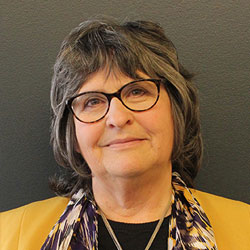 Suzie Allard合作论文数School of Information Sciences, College of Communication and Information, University of Tennessee11
 Lynn Baird合作论文数4Gabriel Ripoche合作论文数4Ben Birch合作论文数4Margaret Casado合作论文数3
 Danielle Pollock合作论文数School of Library &Information Science, Simmons University;School of Library & Information Science, Simmons University3
 Bruce W. Grant合作论文数3Robert Olendorf合作论文数3Rachael Hu合作论文数2Natalie M Rice合作论文数2Dane Hughes合作论文数2Amy Forrester合作论文数2
 Borycz Joshua合作论文数Chemical Theory Center, and Supercomputing Institute, University of Minnesota2
 Alison Specht合作论文数2
 Kevin Crowston合作论文数School of Information Studies, Syracuse University2
 Les Gasser合作论文数University of Illinois at Urbana-Champaign;Graduate School of Library and Information Science2Pnina Shachaf合作论文数1Hervé Le Men合作论文数1
 Alison Le Cornu合作论文数1David M. Nichols合作论文数1Jordan Kaufman合作论文数1
 valerie enriquez合作论文数1Madison L. Langseth合作论文数1
 Leah Cannon合作论文数Sch Informat Sci, Univ Tennessee1Kenneth R. Fleischmann合作论文数1Elina Late合作论文数Fac Informat Technol & Commun Sci, Tampere Univ1
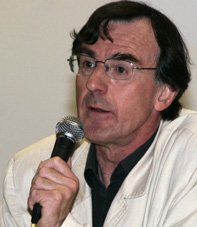 alexandre serres合作论文数Reg Dept Sci & Tech Informat Training, Rennes, France1Lisa Christian合作论文数Coll Commun & Informat, Univ Tennessee1
 Ellen Ndeshi Namhila合作论文数Univ Namibia1Elisabeth Davenport合作论文数Inst Dent, Queen Mary Univ London1
 Barbara Marie Wildemuth合作论文数School of Information and Library Science, University of North Carolina at Chapel Hill1
 Lori Kendall合作论文数School of Information Sciences, University of Illinois at Urbana-Champaign1
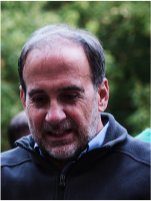 Robert B. Cook合作论文数Oak Ridge National Laboratory1
 Carole L. Palmer合作论文数Information School, University of Washington1
 Lynn Silipigni Connaway合作论文数OCLC Research1
 Michael Bernard Twidale合作论文数School of Information Sciences, University of Illinois at Urbana-Champaign1
 Donna Lanclos合作论文数1
 Michael T Frame合作论文数United States Geological Survey1
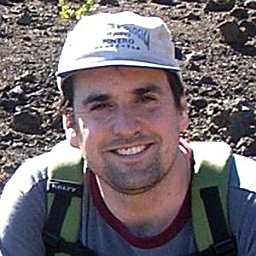 Todd J. Vision合作论文数Dept Biol, Univ N Carolina1
 Sanna Talja合作论文数Faculty of Information Technology and Commucation Sciences, Tampere University1
 Heather Piwowar合作论文数National Evolutionary Synthesis Center1
 Thomas Haigh合作论文数Siegen University;Department of History, School of Information Studies, University of Wisconsin, Milwaukee;The Haigh Group1Patricia Cruse合作论文数1Melissa H. Cragin合作论文数University of Illinois at Urbana-Champaign1
 Simon Aristeguieta-Trillos合作论文数School of Information;University of Tennessee;School of Information, University of Tennessee1Edwin M. Cortez合作论文数1
 Thomas P Mackey合作论文数University at Albany, State University of New York1




