The available potential energy (APE) of a fluid can be defined locally in space, providing useful insights into both the energetics and dynamics of stratified flows ranging from three-dimensional turbulence to planetary scale circulations. Here we develop a framework for considering the multi-scale evolution of the local APE using a spatial filtering, or coarse-graining, approach. Evolution equations for the APE at scales larger, and smaller, than the filtering scale are derived – including the cross-scale APE flux term. These results can be paired with existing frameworks for coarse-grained kinetic energy, offering the potential for examining a complete energy cycle that accounts for conversions between both spatial scales and energy reservoirs. An illustrative example of the application of this approach to a simulation of two-dimensional Kelvin-Helmholtz instability is provided.
Observations of ocean surface currents from the JPL Doppler Scatterometer (DopplerScatt) during the Submesoscale Ocean Dynamics Experiment (S-MODE) campaigns reveal unexpectedly shallow second-order velocity structure function (SF) slopes at submesoscale separation scales ( r < 10 km), deviating from classical turbulence theory and prior modeling results. This discrepancy suggests missing physics in current submesoscale-resolving numerical ocean models or an incomplete interpretation of the DopplerScatt observations. To investigate this, we analyze high-resolution Regional Ocean Modeling System (ROMS) simulations across a range of configurations that isolate the influence of model resolution, season, high-frequency forcings, and surface gravity wave effects on currents. We find that high-frequency motions associated with near-inertial waves reduce the transverse SF amplitude, driving the ratio of longitudinal to transverse SFs close to unity at submesoscales independently of the season. Additionally, the inclusion of wave–current interactions, often omitted in standard submesoscale-resolving models, can produce energetic small-scale motions, leading to broadband shallow structure function slopes. These results reveal a broader mechanism by which shallow structure function slopes can emerge: Any process that injects kinetic energy at small scales over a narrow range of wavenumbers will appear broadband in structure function space and produce shallow scalings. Wave effects are one such candidate and offer a plausible interpretation of the DopplerScatt observations under energetic wave conditions. However, under low wave conditions, other processes with similar spectral characteristics are required to account for the observed shallowness. Finally, the relatively large transverse-to-longitudinal SF ratio in DopplerScatt may reflect its lateral averaging over part of an inertial period, a sampling strategy not replicated in models and warranting further study.
We investigate the governing pathways of energy cascades in the northern Bay of Bengal (BoB) region of the Indian Ocean using a hierarchy of nested Regional Ocean Modeling System (ROMS) simulations. The analysis is focused on 1 month each in the premonsoon (April) and postmonsoon (October) seasons, motivated by the contrasting upper-ocean dynamics in these months. In April, a swift, meandering western boundary current and its separation produces an energetic mesoscale eddy field in the northern BoB. By contrast, the postmonsoon month of October is characterized by an equatorward East India Coastal Current (EICC) and recurrent episodes of surface submesoscale frontogenesis driven by freshwater fluxes from monsoon rainfall and river runoff. Using a coarse-graining analysis for computing scale-to-scale kinetic energy fluxes, we find that at scales smaller than '15 km, surface forward fluxes in October are almost twice as large as in April, producing a fine-scale field of eddies, fronts, and filaments. We show that in both months, forward energy fluxes at submesoscales (/25 km) strongly correlate with convergent, frontogenetic mechanisms. Additionally, we provide evidence that remotely generated, semidiurnal internal tides have a crucial role in stimulating cross-scale energy fluxes in this region. Comparing simulations with and without barotropic tidal forcing, we demonstrate that internal tides are able to catalyze downscale cascades through three distinct mechanisms}direct energy extraction from the eddy field, scattering of the internal wave field by eddies, and nonlinear wave-wave interactions.
We show that the submesoscale inverse cascade almost entirely drives the mesoscale kinetic energy (KE) seasonal cycle in the interior subtropical gyre. Using a coarse-graining framework to diagnose cross-scale energy fluxes (Pi(h)), we show the forward cascade remains confined to <20 km within the mixed layer, peaking January-March. The inverse cascade exhibits a dramatic upscale shift: its peak scale expands from similar to 30 km in January to similar to 200 km by June while penetrating vertically below the mixed layer by March. The observed cascade timescale (similar to 180 days) far exceeds predictions from classical turbulence theory (similar to 40 days), revealing fundamental departures from idealized quasi-geostrophic dynamics. This horizontal and vertical expansion establishes the pathway whereby submesoscale eddies energize mesoscale motions. Lead-lag analysis reveals potential energy conversion precedes frontogenesis by 7-21 days, submesoscale eddies by 9-23 days, and peak Pi(h), by 20-90 days, which in turn leads large-scale KE by 30-70 days.
Oceanic submesoscale currents dominate the vertical exchanges of heat, biological nutrients and carbon between the shallow and the deep ocean and strongly influence the lateral dispersion of biogeochemical tracers and pollutants. Observing these surface intensified currents, however, has been a long-standing challenge due to their small scales and rapid evolution. Here we introduce Geostationary Ocean Flow (GOFLOW), a deep learning framework that takes advantage of geostationary satellites’ contiguous sequences of thermal imagery to produce hourly, high-resolution surface velocity fields that capture submesoscale circulations. Our approach does not assume simplified dynamical balances and inherently filters internal wave noise, both of which limit state-of-the-art satellite altimetry. Applying GOFLOW to the Gulf Stream, we provide satellite-based measurements of submesoscale current statistics, revealing characteristic asymmetries in vorticity and divergence previously documented only in high-resolution circulation models. This ability to routinely map the ocean’s energetic submesoscale currents provides a transformative data source to advance Earth system forecasting, to mitigate ocean pollution, to monitor marine ecosystems and to reduce climate model uncertainties. A deep learning framework called GOFLOW enables observation, and may ultimately improve forecasting of, oceanic surface currents down to submesoscale spatial and temporal resolutions from thermal imagery routinely collected by geostationary satellites.
We examine the pathways of kinetic energy transfer across spatial scales in the North Pacific Subtropical Countercurrent (STCC). This region has energetic mesoscale eddies that coexist with strong internal waves generated by tides and seasonal storms. In a high-resolution, tide-resolving numerical simulation, we use the coarse-graining framework combined with an eddy–internal wave decomposition to quantify scale-dependent energy transfers and deconstruct their underlying mechanisms. Our findings show that cross-scale flux of kinetic energy is principally directed from large scales toward smaller with a dominant contribution from wave-driven fluxes that offset the inverse energy cascade associated with mesoscale and mixed-layer eddies. We show that the forward energy transfer has substantial contributions from both wave-eddy and nonlinear wave-wave interactions. Near the Luzon Strait and along the internal-tide beams, the wave-to-eddy transfer reverses sign, revealing a localized, subsurface, tidally driven upscale conversion to the eddy field, consistent with partial wave absorption. The tidal spring-neap cycle, and intermittent near-inertial waves generated by summer typhoons induce a strong temporal modulation of these wave-driven forward transfers. Employing a scale-resolved energy budget we find that, while most of the energy supplied by wind work and baroclinic conversion is dissipated locally by vertical mixing, the forward wave-driven transfer is the primary route carrying the remainder toward dissipative scales.
Submesoscale currents in the ocean's mixed layer (ML), consisting of fronts, eddies, and filaments, are characterized by order one Rossby (Ro) and Richardson (Ri) numbers. These currents play a crucial role in mediating vertical exchange between the surface and ocean interior and in facilitating cross-scale energy transfers. Despite a growing understanding of their generation mechanisms and energy pathways, two fundamental questions remain unresolved - how does a finite Ro modify the dynamics of ML instabilities, and what mechanisms are responsible for ML frontal arrest when Ro is order one. In this study, we address these questions through a linear stability analysis of a two-dimensional, geostrophically adjusted oceanic front based on the analytical model of Ou(1984), which allows systematic exploration across a range of Ro. In the low Ro, order one Ri regime, the most unstable mode is that of baroclinic instability, with the buoyancy flux serving as the primary source of perturbation kinetic energy. As Ro increases, the dominant instability becomes an inertia-critical layer type, characterized by a resonant interaction between a Rossby wave and an inertia-gravity wave. In the order one Ro regime, the shear production terms become comparable to the buoyancy flux term and even dominate in the region where the adjusted front is strongest. Our results suggest that shear production should be included in parameterizations of ML instabilities.minate in the region where the adjusted front is strongest. Our results suggest that shear production should be included in parameterizations of ML instabilities.
In recent years it has become evident that the spatiotemporal distribution of oceanic kinetic energy (KE) is strongly influenced by the interactions between oceanic mesoscale eddies, submesoscale currents, and near-inertial waves (NIWs). However, the proposed interaction mechanisms remain difficult to evaluate and quantify in complex oceanic numerical simulations. To address these difficulties we introduce an analysis framework that combines spectral KE flux computations across horizontal wavenumbers with temporal filtering and a Helmholtz decomposition, and apply it to idealized, high-resolution, baroclinic channel solutions consisting of eddies, fronts, and filaments in the O(1) $O(1)$ Rossby parameter regime. By comparing solutions with and without NIW forcing we are able to demonstrate that externally forced NIWs lead to a reduction in the inverse KE cascade of the low-passed eddying flow, and to an enhancement in its forward cascade. These stimulated cascades are associated with the interactions between rotational and divergent eddy motions, characteristic of mesoscale eddies and submesoscale currents, respectively. Additionally, we demonstrate that at larger spatial scales the forward KE cascade of NIWs is accomplished through wave scattering and direct extraction by rotational eddy motions, whereas at smaller spatial scales it is also dominated by wave-wave interactions. The caveats of our framework, its suitability to investigate eddy-NIW interactions in realistic oceanic simulations and the disparities between the spectral KE flux and the coarse-graining methods are also discussed.
The flux of kinetic energy between oceanic currents of different horizontal scales is of key importance for the oceans energy balance between wind-forcing on mainly large scales and dissipation on small scales. Oceanic eddies in quasi-geostrophic balance, including submesoscale mixed-layer eddies, are associated with an inverse cascade towards larger scales. In contrast, in regional simulations, internal gravity waves have been shown to reduce the inverse cascade by quasi-geostrophic eddies and to drive a strong forward cascade towards the small dissipative scales. The major forcing mechanisms of internal gravity waves are tides and high-frequency winds. In this study, we investigate the effect of both forcings on the cross-scale kinetic energy flux by comparing the latter in parallel submesoscale-permitting simulations of the full Atlantic i) with both forcings, ii) with only high-frequency wind forcing, and iii) without both forcings. We show that both internal gravity wave forcings contribute to an increase in the forward cascade, which is most pronounced in summer-time when balanced flows are weak. Both forcing effects are present at all investigated scales, but the tidal effect dominates at smaller scale (about 30 km), while at larger scales (about 100 km) the wind-effect dominates. By comparing fluxes from three-day- and hourly-mean velocities, we show that the forward cascade associated with both forcings is a result of high-frequency motions at time-scales less than three days. In spring, the high-frequency forward cascade is overcome by the inverse-cascade of mixed-layer eddies. The comparison of the (mainly inverse) fluxes from the three-day-mean flow between the parallel experiments show that the effect of tides on the low-frequency cascade is very small while the high-frequency winds are responsible for the reduction of the low-frequency inverse cascade. Finally, we show that geostrophic coarse-graining cross-scale kinetic energy fluxes can be computed from SWOT satellite observations despite the gap between the measurement swaths, by applying a SWOT simulator to the ocean model solutions. With this, it is possible to validate the submesoscale geostrophic cross-scale kinetic energy flux in ocean simulations.
Past studies separately demonstrate that vertical boundary layer turbulence can either sharpen or weaken submesoscale fronts in the surface mixed layer. These studies invoke competing interpretations that separately focus on the impact of either vertical momentum mixing or vertical buoyancy mixing, where the former can favor sharpening (frontogenesis) by generation of an ageostrophic secondary circulation, while the latter can weaken the front (frontolysis) via diffusion or shear dispersion. No study comprehensively demonstrates vertical mixing-induced frontogenesis and frontolysis in a common framework. Here, we develop a unified paradigm for this problem with idealized simulations that explore how a front initially in geostrophic balance responds to a fixed vertical mixing profile. We evolve 2D fronts with the hydrostatic, primitive equations over a range of Ekman (Ek = 10-4-10-1) and Rossby (Ro = 0.25-2) numbers, where Ek quantifies the magnitude of vertical mixing and Ro quantifies the initial frontal strength. We observe vertical momentum mixing induced, nonlinear frontogenesis at large Ro and small Ek, and inhibition of frontogenesis via vertical buoyancy diffusion at small Ro and large Ek. Symmetric instability can dominate frontogenesis at very small Ek; however, the fixed mixing limits interpretation of this regime. Simulations that suppress vertical buoyancy mixing are remarkably frontogenetic, even at large Ek, explicitly demonstrating that buoyancy mixing is frontolytic. Application of two scalings to quantify the competition between cross-front buoyancy advection and vertical diffusion identifies practically equivalent controlling parameters (Ro2/Ek, Ro/Ek1/2); these ratios approximately map regime transitions across simulations with equal vertical eddy viscosity and diffusivity. SIGNIFICANCE STATEMENT: This study reconciles competing views on how turbulent vertical mixing on scales of 0.01-1 m controls the sharpening or weakening of upper-ocean fronts characterized by horizontal changes in density and velocity over scales of 100 m-1 km. This sharpening or weakening modulates frontal circulation that acts to bring heat upward. Given the pervasiveness of such fronts, these local dynamics influence upper-ocean heat content globally. Utilizing simulations, we identify a measurable parameter that predicts frontal sharpening or weakening via vertical mixing. This new dynamical framework can better inform the necessary parameterization of these fronts in global climate models. However, future work should interrogate the validity of our simplified model, which unrealistically assumes that the vertical mixing does not evolve.
The spontaneous emission of internal waves (IWs) from balanced mesoscale eddies has been previously proposed to provide a source of oceanic IW kinetic energy (KE). This study examines the mechanisms leading to the spontaneous emission of spiral-shaped IWs from an anticyclonic eddy with an order-one Rossby number, using a high-resolution numerical simulation of a flat-bottomed, wind-forced, reentrant channel flow configured to resemble the Antarctic Circumpolar Current. It is demonstrated that IWs are spontaneously generated as a result of a loss of balance process that is concentrated at the eddy edge, and then radiate radially outward. A 2D linear stability analysis of the eddy shows that the spontaneous emission arises from a radiative instability which involves an interaction between a vortex Rossby wave supported by the radial gradient of potential vorticity and an outgoing IWs. This particular instability occurs when the perturbation frequency is superinertial. This finding is supported by a KE analysis of the unstable modes and the numerical solution, where it is shown that the horizontal shear production provides the source of perturbation KE. Furthermore, the horizontal length scale and frequency of the most unstable mode from the stability analysis agree well with those of the spontaneously emitted IWs in the numerical solution.
Upper-ocean fronts are an important component of the global climate system, regulating both the oceanic energy cycle and material transports. In the common paradigm, upper-ocean fronts are generated by frontogenesis at the mesoscale (20-300 km), driven predominantly by confluent horizontal flows initiated by a background straining field. However, the mechanisms by which this frontogenesis extends down to and influences the submesoscale (0.2-20 km), which dominates vertical transports in the ocean, are still understudied. Here, we provide direct observational evidence that submesoscale frontogenesis, defined as the rate at which submesoscale buoyancy gradients intensify, is closely linked to convergent flows. Analysis of year-long measurements by a mooring array in the North Atlantic indicates that both the upper-ocean frontogenetic rate and the horizontal convergence exhibit strong seasonality and scale dependence, with larger magnitudes in winter and at smaller horizontal scales (down to at least 2 km). The frontogenetic rate is found to correlate more strongly with horizontal convergence as the scale decreases, suggesting that convergent flows are the main driver of submesoscale frontogenesis. Crucially, a rapid forward cascade of kinetic energy and enhanced vertical velocities preferentially occur during periods of submesoscale frontogenesis. Our findings highlight a mechanism underpinning the key role of submesoscale fronts in the oceanic kinetic energy cascade and as a focus of vertical transports, and call for a parameterization of such effects in climate-scale ocean models. The authors present observational evidence revealing that submesoscale frontogenesis is determined by convergent flows and can lead to a forward cascade of kinetic energy and enhanced vertical velocities.
The interactions between oceanic mesoscale eddies, submesoscale currents, and internal gravity waves (IWs) are investigated in submesoscale-resolving realistic simulations in the North Atlantic Ocean. Using a novel analysis framework that couples the coarse-graining method in space with temporal fi ltering and a Helmholtz decomposition, we quantify the effects of the interactions on the cross-scale kinetic energy (KE) and enstrophy fl uxes. By systematically comparing solutions with and without IW forcing, we show that externally forced IWs stimulate a reduction in the KE inverse cascade associated with mesoscale rotational motions and an enhancement in the KE forward cascade associated with divergent submesoscale currents, i.e., a " stimulated cascade " process. The corresponding IW effects on the enstrophy fl uxes are seasonally dependent, with a stimulated reduction (enhancement) in the forward enstrophy cascade during summer (winter). Direct KE and enstrophy transfers from currents to IWs are also found, albeit with weaker magnitudes compared with the stimulated cascades. We further fi nd that the forward KE and enstrophy fl uxes associated with IW motions are almost entirely driven by the scattering of the waves by the rotational eddy fi eld, rather than by wave - wave interactions. This process is investigated in detail in a companion manuscript. Finally, we demonstrate that the stimulated cascades are spatially localized in coherent structures. Speci fi cally, the magnitude and direction of the bidirectional KE fl uxes at submesoscales are highly correlated with, and inversely proportional to, divergence-dominated circulations, and the inverse KE fl uxes at mesoscales are highly correlated with strain-dominated circulations. The predominantly forward enstrophy fl uxes in both seasons are also correlated with strain-dominated fl ow structures.
Abstract The large seasonal increase in marine photosynthetic organisms - i.e., phytoplankton bloom - is a ubiquitous oceanic phenomenon that contributes to the removal of carbon dioxide from the atmosphere and that supports the growth and development of larger organisms throughout the marine ecosystem. The underlying mechanisms controlling the intensity and timing of these blooms have been proposed to be dominated by vertical transport and mixing processes that are enhanced at front and filament circulation patterns, commonly known as submesoscale currents. Here we show that the winter blooms characterizing oligotrophic waters, which are manifested by a seasonal increase in satellite-derived levels of surface chlorophyll, may also be intensified by horizontal stirring motions induced by submesoscale currents. Using ocean color remote sensing data and high-resolution numerical simulations in the Eastern Mediterranean Sea, we demonstrate that the commonly observed energization of submesoscale currents in winter can efficiently connect the coastal waters and the ultra-oligotrophic waters in the sea interior, thereby enriching the latter with chlorophyll-rich water. A comparison of climatological chlorophyll time series indicates that this submesoscale horizontal stirring mechanism is responsible for ∼ 24% of the seasonal surface chlorophyll increase in the region. These results shed new light on the processes governing phytoplankton bloom intensity and emphasize the important role of submesoscale horizontal stirring in regulating the marine ecosystem.
Through interactions with the continental margins, incident low‐mode internal tides (ITs) can be reflected, scattered to high modes, transmitted onto the shelf and dissipated. We investigate the fate of remotely generated mode‐1 ITs in the U.S. West Coast (USWC) continental margin using two 4‐km horizontal resolution regional simulations. These 1‐year long simulations have realistic stratification, and atmospheric, tidal, and sub‐tidal forcings. In addition, one of these simulations has remote internal wave (IW) forcing at the open boundaries while the other does not. To compute the IT reflectivity of the USWC margin, we separate the IT energy fluxes into onshore and offshore propagating components using a Discrete Fourier Transform in space and time. Overall, ∼20% of the remote mode‐1 semidiurnal IT energy fluxes reflect off the USWC margin, 40% is scattered to modes 2–5, and 7% is transmitted onto the shelf while the remaining is dissipated on the continental slope. Furthermore, our results reveal that differences in stratification, slope criticality, topographic roughness and angle of incidence cause these fractions to vary spatially and temporally along the USWC margin. However, there is no clear seasonal variability in these estimates. Remote IWs enhance the advection and diffusion of heat in the continental margin, resulting in cooling at the surface and warming at depth, and a reduction in the thermocline stratification. These results suggest that low‐mode ITs can cause water mass transformation in continental margins that are far away from their generation sites.
Seasonal variability and the effect of bottom interaction on the dynamics of the along-slope boundary current fl owing around the Levantine Basin are investigated using nested high-resolution simulations of the eastern Mediterranean Sea. The numerical solutions show a persistent boundary current year-round that is '60 km wide and '200 m deep. An enstrophy balance diagnostic reveals significant fi cant bottom-drag influence fl uence on the boundary current, leading to anticyclonic vorticity generation in thin regions along the coast, which in turn become unstable and roll into surface-intensified fi ed anticyclonic spirals characterized by O (1) Rossby numbers. An eddy kinetic energy generation analysis suggests that a mix of baroclinic and barotropic instabilities is likely responsible for the spiral formation. The boundary current and spirals play a crucial role in the cross-shore transport of materials. In winter, the anticyclonic spirals frequently interact and exchange material with the energetic offshore submesoscale fl ow fi eld. In summer, when the offshore fl ow structures are relatively less energetic, the spirals remain confined fi ned to the boundary current region as they are advected by the boundary current and undergo an upscale kinetic energy (KE) cascade that is manifested in spiral merging and growth up to 100 km in diameter. In both seasons, a coarse-graining analysis demonstrates that the cross-scale KE fl uxes are spatially localized in coherent structures. The upscale KE fl uxes typically occur within the spirals, while the downscale KE fl uxes are confined fi ned to fronts and fi laments at spiral peripheries.
Oceanic mixing, mostly driven by the breaking of internal waves at small scales in the ocean interior, is of major importance for ocean circulation and the ocean response to future climate scenarios. Understanding how internal waves transfer their energy to smaller scales from their generation to their dissipation is therefore an important step for improving the representation of ocean mixing in climate models. In this study, the processes leading to cross-scale energy fluxes in the internal wave field are quantified using an original decomposition approach in a realistic numerical simulation of the California Current. We quantify the relative contribution of eddy-internal wave interactions and wave-wave interactions to these fluxes and show that eddy- internal wave interactions are more efficient than wave-wave interactions in the formation of the internal wave continuum spectrum. Carrying out twin numerical simulations, where we successively activate or deactivate one of the main internal wave forcing, we also show that eddy-near-inertial internal wave interactions are more efficient in the cross-scale energy transfer than eddy-tidal internal wave interactions. This results in the dissipation being dominated by the near-inertial internal waves over tidal internal waves. A companion study focuses on the role of stimulated cascade on the energy and enstrophy fluxes.
Oceanic internal waves are a major driver for turbulent mixing in the ocean, which controls the global overturning circulation and the oceanic heat and carbon transport. Internal waves are observed to have a continuous energy distribution across all wave frequencies and scales, commonly known as the internal wave continuum, despite being forced at near-inertial and tidal frequencies at large scales. This internal wave continuum is widely thought to be developed primarily through wave-wave interactions. Here we show, using realistic numerical simulations in the subpolar North Atlantic, that oceanic eddies rapidly distribute large-scale wind-forced near-inertial wave energy across spatio-temporal scales, thereby forming an internal wave continuum within three weeks. As a result, wave energy dissipation patterns are controlled by eddies and are substantially enhanced below the mixed layer. The efficiency of this process potentially explains why a phase lag between high-frequency and near-inertial wave energy was observed in eddy-poor regions but not in eddy-rich regions. Our findings highlight the importance of eddies in forming an internal wave continuum and in controlling upper ocean mixing patterns.
 James C. McWilliams合作论文数Institute of the Environment & Sustainability, University of California, Los Angeles;Department of Atmospheric and Oceanic Sciences, University of California, Los Angeles;Nanjing University of Information Science & Technology24
 Kaushik Srinivasan合作论文数Department of Atmospheric and Oceanic Sciences, College of Physical Sciences, University of California, Los Angeles15
 Jeroen Molemaker合作论文数Department of Atmospheric and Oceanic Sciences, College of Physical Sciences, University of California, Los Angeles14
 Brian Arbic合作论文数Department of Climate and Space Sciences and Engineering, College of Engineering, University of Michigan-Ann Arbor7
 Oladeji Siyanbola合作论文数6
 Maarten C. Buijsman合作论文数University of California Los Angeles6Jun Choi合作论文数Ocean Engn, Pukyong Natl Univ5
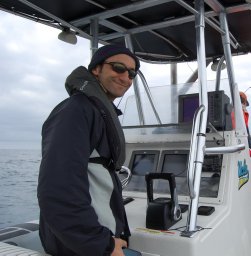 Aviv Solodoch合作论文数Dept Atmospher & Ocean Sci, Univ Calif Los Angeles5
 Annalisa Bracco合作论文数School of Earth and Atmospheric Sciences, College of Sciences, Georgia Institute of Technology5Vicky Verma合作论文数4Audrey Delpech合作论文数4
 Lior Guttman合作论文数Faculty of Agricultural, Food and Environmental Quality Sciences, The Hebrew University of Jerusalem4
 Amir Neori合作论文数Carmel-Haifa University Economic Corporation Ltd.;Department of Marine Biology, Leon Charney School of Marine Sciences, University of Haifa4Kraig B. Winters合作论文数4Jonathan Gula合作论文数3Pierre Damien合作论文数3Lionel Renault合作论文数Department of Atmospheric and Oceanic Sciences, College of Physical Sciences, University of California, Los Angeles3
 Muki Shpigel合作论文数Morris Kahn Marine Research Station, Department of Marine Biology, Leon H. Charney School of Marine Sciences, University of Haif3
 Andrey Shcherbina合作论文数Scripps Institution of Oceanography, University of California3
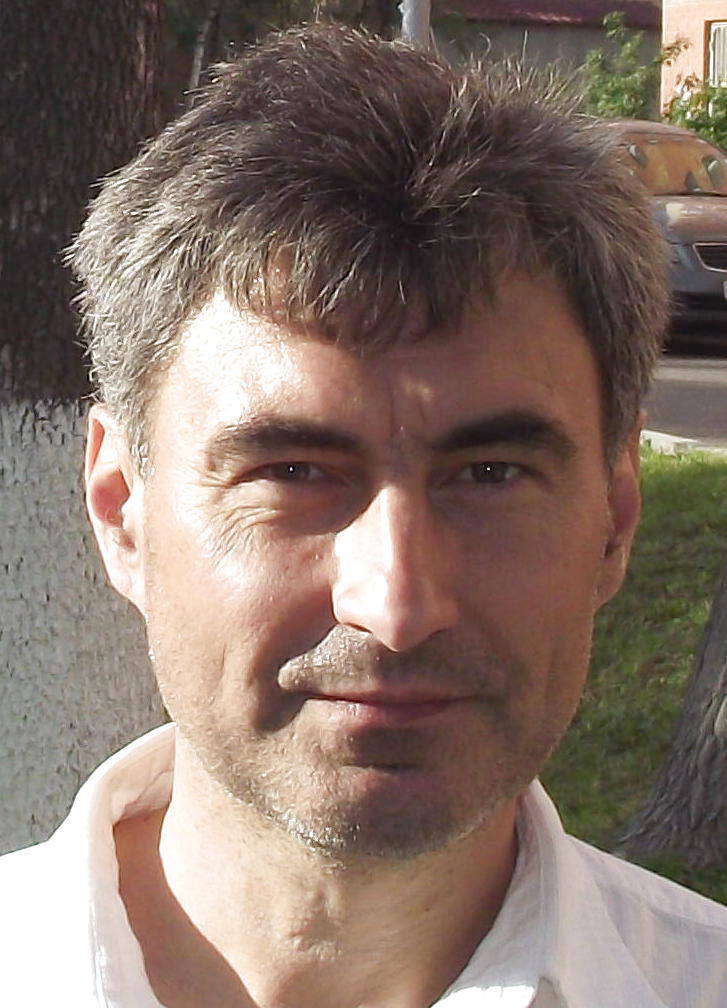 Alexander F. Shchepetkin合作论文数Center for Earth System Research, Institute of Geophysics and Planetary Physics, University of California;Department of Atmospheric and Oceanic Sciences, University of California, Los Angeles3
 Yaron Toledo合作论文数Civil and Environmental Engineering3
 Eric A. D'Asaro合作论文数Applied Physics Laboratory and School of Oceanography,University of Washington3
 Alberto Naveira Garabato合作论文数National Oceanography Centre, University of Southampton3
 Hezi Gildor合作论文数Environmental Sciences, Weizmann Institute3
 Gregg Jacobs合作论文数Stennis Space Center Oceanography Division, Naval Research Laboratory3
 Uri Ten Brink合作论文数Woods Hole Coastal and Marine Science Center, United States Geological Survey;University of Haifa3Suzanne E. Boxman合作论文数2
 Xiaolong Yu (于小龙)合作论文数School of Marine Sciences, Sun Yat-sen University2Alexander Wineteer合作论文数2Ben Shahar合作论文数Israel Oceanog & Limnol Res, Natl Ctr Mariculture2
 Subhajit Kar合作论文数Both authors contributed equally.2Cesar B. Rocha合作论文数2
 Jacob O. Wenegrat合作论文数College Pk, Univ Maryland2
 Joern Callies合作论文数Division of Geological and Planetary Sciences, California Institute of Technology2Luwei Yang合作论文数Department of Atmospheric and Oceanic Sciences, College of Physical Sciences, University of California, Los Angeles2
 Guillaume Novelli合作论文数Rosenstiel School of Marine and Atmospheric Sciences, University of Miami;Rosenstiel School of Marine and Atmospheric Sciences, University of Miami2Ernesto Rodriguez合作论文数Jet Propulsion Laboratory, California Institute of Technology2
 Yoav Lehahn合作论文数Weizmann Institute, Tel Aviv University2A. D. Kirwan合作论文数2Andrew Poje合作论文数Division of Applied Mathematics, Brown University2Jay F. Shriver合作论文数2Stefan G. Llewellyn Smith合作论文数Department of Mechanical and Aerospace Engineering;Jacobs School of Engineering;Department of Mechanical and Aerospace Engineering, Jacobs School of Engineering2
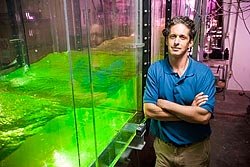 Brian K. Haus合作论文数Rosenstiel School of Marine and Atmospheric Science, University of Miami2
 Tamay M. Özgökmen合作论文数Ocean Sciences Department, Rosenstiel School of Marine and Atmospheric Science, University of Miami2
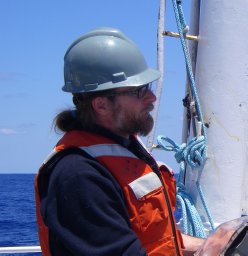 Jody Michael Klymak合作论文数College of Oceanic;Atmospheric Sciences;Oregon State University;College of Oceanic|Atmospheric Sciences, Oregon State University2
 Luc Lenain合作论文数Scripps Institution of Oceanography;University of California , San Diego;Scripps Institution of Oceanography, University of California , San Diego2Angelique C. Haza合作论文数2Helga Huntley合作论文数2
 Shuyi S. Chen合作论文数Department of Atmospheric Sciences, College of the Environment, University of Washington2




