Recently, the advancements in edge computing have boosted the deployment of video analysis systems based on deep learning, which breaks the limitation of the constrained communication and computing resources of local devices. However, processing multi-scene high-resolution video streams in crowd surveillance remains a significant challenge since it is difficult to formulate dynamic video content and communication environments to support offloading decisions. To bridge the gap between applications and modeling, this paper presents a R eal- T ime C loud-edge-device C ollaboration framework, which enables fast and accurate C rowd counting (RT3C) on the real dataset. RT3C comprises key frame detection, adaptive patch partition, patch encoder and decoder and computation offloading decision, designed to divide key frames into a minimum number of patches and determine the offloading location of patches. A Real-Time Multi-Agent Actor-Critic (RTMAAC) algorithm based on multi-agent reinforcement learning is proposed to decide whether to compute patches with a lightweight model on edge or a large model on cloud. Unlike traditional approaches ignoring the contents, RTMAAC is a dynamic online decision algorithm based on context of the network and video. Extensive experiments demonstrate that RT3C effectively discriminate the valid frames and optimizes offloading decisions in complex environments, outperforming other baseline algorithms on the two crowd counting datasets. In summary, RT3C provides a promising framework for multi-scene video streams, which can be extended to other applications to realize video computation based on deep models.
Crowd counting is a challenging task due to the heavy occlusions, scales, and density variations. Existing methods handle these challenges effectively while ignoring low-resolution (LR) circumstances. The LR circumstances weaken the counting performance deeply for two crucial reasons: 1) limited detail information; 2) overlapping head regions accumulate in density maps and result in extreme ground-truth values. An intuitive solution is to employ super-resolution (SR) pre-processes for the input LR images. However, it complicates the inference steps and thus limits application potentials when requiring real-time. We propose a more elegant method termed Multi-Scale Super-Resolution Module (MSSRM). It guides the network to estimate the lost de tails and enhances the detailed information in the feature space. Noteworthy that the MSSRM is plug-in plug-out and deals with the LR problems with no inference cost. As the proposed method requires SR labels, we further propose a Super-Resolution Crowd Counting dataset (SR-Crowd). Extensive experiments on three datasets demonstrate the superiority of our method. The code will be available at https://github.com/PRIS-CV/MSSRM.git.
The urgent requirement of electronic skin conformably attached to nonplanar surfaces to provide stable monitoring in areas of healthcare, prosthetics, and robotics promotes the development of straininsensitive/unperturbed pressure sensors. The main challenges lie in: (1) stretchability and conductive stability of flexible electrodes and (2) mechanical stability of heterogeneous interfaces. This study presents a highly stable strain-insensitive pressure sensor achieved by in-plane strain modulation and quasi-homogenous interfacial design. Strain modulation of stretchable electrodes by both periodic microstructured engineering and pre-stretching strategies (called "island-ripple") was employed to suppress microcracks propagation. The improvement in stretchability and cyclic conductive stability of electrodes was identified by finite element analysis and experimental verification. The pre-stretched microconed stretchable electrode with a low sheet resistance of 0.546 Q sq -1 shows a maximum deformation of up to 80% and excellent cyclic conductive stability over 10 0 0 0 times under 30% strain. Quasi-homogenous interface strategy by the CNTs/PDMS system was employed to enhance the mechanical and electrical stability of the electrode-active materials interface, demonstrating a strong peel strength and shear strength of > 40.9 N/m and > 124.8 kPa, respectively. The as-prepared strain-insensitive pressure sensor provides constant sensing performance over 50 0 0 stretching-releasing cycles within 20% stretching. In addition, a 4 x 4 pixel strain-insensitive pressure sensor array with reduced cross-talk circuit design was further integrated to identify the shape and weight of different objects under strains. The stretchability and stability of our sensor enable it to be applied in stretchable electronics with great potential. (c) 2023 Published by Elsevier Ltd on behalf of The editorial office of Journal of Materials Science & Technology.
Most researchers focus on designing accurate crowd counting models with heavy parameters and computations but ignore the resource burden during the model deployment. A real-world scenario demands an efficient counting model with low-latency and high-performance. Knowledge distillation provides an elegant way to transfer knowledge from a complicated teacher model to a compact student model while maintaining accuracy. However, the student model receives the wrong guidance with the supervision of the teacher model due to the inaccurate information understood by the teacher in some cases. In this paper, we propose a dual-knowledge distillation (DKD) framework, which aims to reduce the side effects of the teacher model and transfer hierarchical knowledge to obtain a more efficient counting model. First, the student model is initialized with global information transferred by the teacher model via adaptive perspectives. Then, the self-knowledge distillation forces the student model to learn the knowledge by itself, based on intermediate feature maps and target map. Specifically, the optimal transport distance is utilized to measure the difference of feature maps between the teacher and the student to perform the distribution alignment of the counting area. Extensive experiments are conducted on four challenging datasets, demonstrating the superiority of DKD. When there are only approximately 6% of the parameters and computations from the original models, the student model achieves a faster and more accurate counting performance as the teacher model even surpasses it.
The Metaverse aims to provide an immersive and interactive experience for people by digitizing the physical world to the virtual world using sensing, communication, and computation technology. However, the seamless transmission of massive data in the communication network and the intensive computation brought by large models in the Metaverse have raised concerns over energy consumption and carbon emissions. To address this issue, this article designs a Context-aware Cloud-edge-end Collaboration framework to establish an energy-efficient green Metaverse system (C3Me-ta) from the six aspects via the collaboration of end, edge, and cloud based on the system condition and information flow. We take the smart city as the case study of C3Meta and focus on a typical crowd counting task in the field of intelligent monitoring to demonstrate the effectiveness of the proposed framework. A series of key technologies, including key frame detection, adaptive partition, offloading location decision, and virtual scene reconstruction, are illustrated to achieve the trade-off between detection performance and energy consumption. An experimental platform is established to verify the performance of the proposed framework, and the results show C3Meta is an energy-saving method while maintaining low delay and high detection performance in the real-time system. The C3Meta framework has the potential to contribute to a sustainable and environmentally friendly Metaverse.
Attribute labeling at large scale is typically incomplete and partial, posing significant challenges to model optimization. Existing attribute learning methods often treat the missing labels as negative or simply ignore them all during training, either of which could hamper the model performance to a great extent. To overcome these limitations, in this paper we leverage the available vision-language knowledge to explicitly disclose the missing labels for enhancing model learning. Given an image, we predict the likelihood of each missing attribute label assisted by an off-the-shelf vision-language model, and randomly select to ignore those with high scores in training. Our strategy strikes a good balance between fully ignoring and negatifying the missing labels, as these high scores are found to be informative on revealing label ambiguity. Extensive experiments show that our proposed vision-language assisted loss can achieve state-of-the-art performance on the newly cleaned VAW dataset. Qualitative evaluation demonstrates the ability of the proposed method in predicting more complete attributes.
Crowd counting is a challenging task due to the heavy occlusions, scales, and density variations. Existing methods handle these challenges effectively while ignoring low-resolution (LR) circumstances. The LR circumstances weaken the counting performance deeply for two crucial reasons: 1) limited detail information; 2) overlapping head regions accumulate in density maps and result in extreme ground-truth values. An intuitive solution is to employ super-resolution (SR) pre-processes for the input LR images. However, it complicates the inference steps and thus limits application potentials when requiring real-time. We propose a more elegant method termed Multi-Scale Super-Resolution Module (MSSRM). It guides the network to estimate the lost details and enhances the detailed information in the feature space. Noteworthy that the MSSRM is plug-in plug-out and deals with the LR problems with no inference cost. As the proposed method requires SR labels, we further propose a Super-Resolution Crowd Counting dataset (SR-Crowd). Extensive experiments on three datasets demonstrate the superiority of our method. The code will be available at https://github.com/PRIS-CV/MSSRM.git.
Due to the expensive and laborious annotations of labeled data required by fully-supervised learning in the crowd counting task, it is desirable to explore a method to reduce the labeling burden. There exists a large number of unlabeled images in the wild that can be easily obtained compared to labeled datasets. Based on the characteristics of consistent spatial transformation with the annotations of heads and image, this paper proposes a self-supervised learning framework with unlabeled and limited labeled data for pre-training and fine-tuning crowd counting model (SSL-FT). It includes an online network and a target network that receive the same images but are randomly processed by two defined augmentation transformations. We leverage unlabeled data to pre-train the online network based on a self-supervised loss and small-scale labeled data to transfer the model to a specific domain based on a fully-supervised loss. We demonstrate the effectiveness of the SSL-FT on four public datasets including ShanghaiTech PartA, PartB, UCF-QNRF and WorldExpo'10 utilizing a classical counting model. Experimental results show that our approach performs better than state-of-art semi-supervised methods.
The significant achievements have been made in crowd detection and tracking due to the advancement of artificial intelligence in the autonomous driving. However, the image-based methods have strict requirements for the collection conditions of video, and the development of the new generation of flexible fabrics has become potential sensors to perceive context. In this paper, an intelligent fabric space enabled by multi-sensing sensors is established to track the motion objects. We propose a behavior analysis pipeline including the modules of data preparation, trajectory coupling, motion scenario segmentation, and motion pattern measurement to capture the crowd information from micro-level and macro-level over the intelligent fabric space. After making preprocess for the multi-sensing data, a coupling mechanism is formulated to fuse the video-based trajectory and fabric-based trajectory. And an automatic motion scenario segmentation model divides the surrounding scenario into main-crowd, sub-crowd, and background according to the motion behavior. Further, we define measurement metrics to analyze the motion pattern for the different crowds. Extensive experiments prove that our proposed methods effectively fuse multiple trajectories and realize the crowd segmentation and the motion description. This will greatly help autonomous vehicles and control system perceive the surrounding pedestrians and the environment to make precise driving decisions.
The application of wearable devices is promoting the development toward digitization and intelligence in the field of health. However, the current smart devices centered on human health have disadvantages such as weak perception, high interference degree, and unfriendly interaction. Here, an intelligent health agent based on multifunctional fibers, with the characteristics of autonomy, activeness, intelligence, and perceptibility enabling health services, is proposed. According to the requirements for healthcare in the medical field and daily life, four major aspects driven by intelligent agents, including health monitoring, therapy, protection, and minimally invasive surgery, are summarized from the perspectives of materials science, medicine, and computer science. The function of intelligent health agents is realized through multifunctional fibers as sensing units and artificial intelligence technology as a cognitive engine. The structure, characteristics, and performance of fibers and analysis systems and algorithms are reviewed, while discussing future challenges and opportunities in healthcare and medicine. Finally, based on the above four aspects, future scenarios related to health protection of a person's life are presented. Intelligent health agents will have the potential to accelerate the realization of precision medicine and active health.
Medical education plays an important role in promoting the development of global medical science. Nevertheless, the intrinsic gap existing between institutional medical teaching and practical clinical tasks causes low education efficiency and students’ weak initiative. Recent developments of sensing fabric and embedded computing, along with the advances in Artificial intelligence (AI) and digital twin technology are paving the way for the transformation of medical research towards digitization. In this work, we present an intelligent fabric space based on novel functional fabric materials and digital twin networking enabled by 5G and Internet of Things (IoT) technologies. In this space, medical students can learn knowledge with collaborative mapping of the digital and real world, cyber-physical interaction and real-time tactile feedback. And the proposed service system will evaluate and feedback students’ operational behaviors to improve their experimental skills. We provide four typical applications of intelligent fabric space for medical education, including medical education training, health and behavior tracking, operation playback and reproduction, as well as medical knowledge popularization. The proposed intelligent fabric space has the potential to promote innovative technologies for training cutting-edge medical students by effective and efficient ways.
Color-changeable fibers can provide diverse functions for intelligent wearable devices such as novel information displays and human–machine interfaces when woven into fabric. This work develops a low-cost, effective, and scalable strategy to produce thermochromic fibers by wet spinning. Through a combination of different thermochromic microcapsules, flexible fibers with abundant and reversible color changes are obtained. These color changes can be clearly observed by the naked eye. It is also found that the fibers exhibit excellent color-changing stability even after 8000 thermal cycles. Moreover, the thermochromic fibers can be fabricated on a large scale and easily woven or implanted into various fabrics with good mechanical performance. Driven by their good mechanical and physical characteristics, applications of thermochromic fibers in dynamic colored display are demonstrated. Dynamic quick response (QR) code display and recognition are successfully realized with thermochromic fabrics. This work well confirms the potential applications of thermochromic fibers in smart textiles, wearable devices, flexible displays, and human–machine interfaces.
The outbreak of the corona virus disease 2019 (COVID-19) has caused serious harm to people’s physical and mental health. Due to the serious situation of the epidemic, a lot of negative energy information increases people’s psychological burden. However, effective interventions against mental health problems are not in abundance. To address such challenges, in this article, we propose the concept of negative information to describe information that has a negative impact on people’s mental health. To achieve the measurement of negative information, the level of mental health inversely measures the degree of negative information. Specifically, we design a system to measure the negative information used to monitor the mental health state of the user under the impact of negative information. The cognition of mental health is realized based on the intelligent algorithm deployed on the edge cloud, and the needs of users can be responded to in real time in practical applications. Finally, we use real collected dataset to verify the influence of negative information. The experiments show that the system can achieve negative information measurement and provide an effective countermeasure for solving mental health problems during a pandemic situation.
Electromagnetism, which has been used to harvest energy from human motion, is expected to power an increasing number of wearable electronic devices upon fabrics. However, most reported electromagnetism‐based approaches necessitate rigid and heavy setups. Here, a scalable‐manufactured flexible magnetoelectrical clothing generator is demonstrated that can generate electricity through the swinging of the arms. A “particle flow spinning” (PFS) method can produce continuous magnetic yarns, resulting in a magnetic fabric through an industrial weaving machine. Fabrics can be prepared in large quantities and have a lower cost. The magnetic fabrics and conductive wires are built on two sides of the armpit parts of the clothing, leading to continuous and stable voltage and current when swinging arm, 14.3 V peak voltage, 31.2 mA peak current, and 96 mW peak power (3197 mW m −2 peak power density) in series to a low‐impedance load (750 ohms). Furthermore, the magnetic fabrics can work under water without sealing treatment, in acidic/alkaline environments or at extreme temperatures. The magnetoelectrical clothing generator can power diverse electronic devices in many fields, such as LED lights, calculators, wireless communication, and health monitoring devices. This approach opens a path toward exploring electromagnetic energy harvesting strategies to realize power generation for the development of clothing electronics.
Flexible sensors, friendly interfaces, and intelligent recognition are important in the research of novel human-computer interaction and the development of smart devices. However, major challenges are still encountered in designing user-centered smart devices with natural, convenient, and efficient interfaces. Inspired by the characteristics of textile-based flexible electronic sensors, in this article, we report a braided electronic cord with a low-cost, and automated fabrication to realize imperceptible, designable, and scalable user interfaces. The braided electronic cord is in a miniaturized form, which is suitable for being integrated with various occasions in life. To achieve high-precision interaction, a multi-feature fusion algorithm is designed to recognize gestures of different positions, different contact areas, and different movements performed on a single braided electronic cord. The recognized action results are fed back to varieties of interactive terminals, which show the diversity of cord forms and applications. Our braided electronic cord with the features of user friendliness, excellent durability and rich interaction mode will greatly promote the development of human-machine integration in the future.
It is significantly challenging for state-of-the-art wearable electronics to stably monitor physicochemical signals under dynamic motions. Herein, a bending-insensitive, self-powered, and intrinsically flexible UV detector has been realized based on well-designed oriented composite fabrics, consisting of ionic liquid (IL)-containing liquid crystalline polymers (ILCPs) and piezoelectric poly(vinylidene fluoride-trifluoroethylene) [P(VDF-TrFE)] nanogenerators. The novel composite fabrics establish effective UV illuminance-internal stress-electric signal conversion by coupling resistive and piezoelectric effects, with a fast response time of 190 ms. Particularly, benefiting from the intrinsic flexibility of composite fabrics, the ILCP/P(VDF-TrFE) device can maintain stable performance under dynamic bending even if the frequency is up to 2.5 Hz, with a bending insensitivity of less than 1% performance variation under 1.0 mW cm-2 UV light. Combined with the Internet of Things and the American Standard Code for Information Interchange (ASCII), wearable encoding electronics have been successfully implemented with a printing speed of 3.2 s per character under dynamic bending.
Incorporating passive radiative cooling structures into personal thermal management technologies could effectively defend humans against intensifying global climate change. We show that large-scale woven metafabrics can provide high emissivity (94.5%) in the atmospheric window and high reflectivity (92.4%) in the solar spectrum because of the hierarchical-morphology design of the randomly dispersed scatterers throughout the metafabric. Through scalable industrial textile manufacturing routes, our metafabrics exhibit desirable mechanical strength, waterproofness, and breathability for commercial clothing while maintaining efficient radiative cooling ability. Practical application tests demonstrated that a human body covered by our metafabric could be cooled ~4.8°C lower than one covered by commercial cotton fabric. The cost-effectiveness and high performance of our metafabrics present substantial advantages for intelligent garments, smart textiles, and passive radiative cooling applications.
The hollow structural yarn of cellulose fibers can be easily flattened to remove their heat insulation ability and folded to incur unfavorable wrinkles. In contrast, natural hollow bamboos are flexible and shape-preserving with regard to external forces, and hollow cocoons are heat insulating to protect silkworms. Inspired by hollow bamboos and cocoons, a high resilience cotton base (i.e., silicon tube/cotton composite hollow, denoted as SCH) yarn was constructed by embedding a continuous hollow silicon tube into the cotton wrapping sheath, aiming to mitigate hollow cellulose yarn collapse and wrinkle problems. Comparatively, three other structural cotton base yarns were also designed: cotton core (CC), vinylon-core/cotton-sheath (VC) and vinylon-dissolved cotton hollow (VCH) yarns. ABAQUS CAE was applied to conduct a comparative theoretical finite element analysis of the heat transfer performance of the four different yarns. The theoretical analysis results indicated that the SCH yarn showed the minimum heat transfer performance to obtain maximum heat insulation. Then, the CC, SCH, VC and VCH yarns were fabricated into woven fabrics. The corresponding yarn structure, properties and fabric performance were comparatively analyzed. The analyzed results indicated that the SCH yarn was stronger and more elastic than other yarns, resulting in a maximum anti-wrinkle performance. The compression rebound ratio of the SCH yarn fabric (85.07%) was much higher than that of the VCH yarn fabric (18.78%) and other fabrics, indicating the excellent recovery ability of the SCH yarn. Different from other yarns, SCH yarn stored static air in the silicone tube, allowing a minimum permeability of air. Accordingly, the SCH yarn fabric had a more durable heat insulation rate than the other yarn fabrics.
With the development of software-defined network (SDN), there will be a large number of devices to access network, which may cause an incalculable burden to the communication network. In addition, due to the high bandwidth in the fifth-generation (5G) era, innovation will occur in different fields. There are not only strict requirements on the communication capability of SDN for these application scenarios but also a lot of computing resources. For massive access devices, it is difficult for the traditional service resource scheduling and the allocation system to meet user demand growth. To address the above-stated problems, an artificial intelligence agent (AI Agent) system is put forth in this article. AI Agents can be deployed in different layers of the SDN, thus realizing functions like network service prediction and resource scheduling. A brand new AI Agent framework is designed, and an AI algorithm is adopted to replace the traditional service prediction and resource scheduling strategies. In the meantime, a relevant agent deployment scheme is put forward. Finally, an AI Agent-based simulation experiment for resource scheduling is designed, and the accuracy in network service prediction and rationality in resource allocation based on this framework are tested. The experimental result showed that the operation efficiency of the SDN can be effectively improved, and the resource hit ratio and user service quality may be improved with AI-agent-based traffic prediction and resource allocation model.
With the appearance of various mobile applications, such as automatic driving and augmented reality, it is difficult for the power and computing ability of mobile terminals to satisfy user demands. Therefore, an increasing number of terminal devices are requesting computing resources on the edge cloud. Because an unmanned aerial vehicle (UAV) is quite flexible and closer to the user side, an UAV can be adopted to assist mobile edge computing (MEC) while executing task offloading, which may reduce the pressure on edge clouds. However, it is unreasonable for users to make blind requests for resources due to the information asymmetry between a user and a service provider, and thus the quality of experience of user may be reduced. In this paper, an agent is introduced into the offloading of computing tasks, and a novel framework of agent-enabled task offloading in UAV-aided MEC(UMEC) is put forth to help the user, UAV, and edge cloud execute the offloading of computing tasks. With the intelligence and perceptibility of an agent, a system model is formulated in this paper to guide the agent in obtaining the optimum computing offloading plan, with minimum task execution delay and energy consumption. Simulation results showed that the introduction of an agent may significantly reduce delay and energy consumption, and the effectiveness of agent has been illustrated.
 Min Chen (陈敏)合作论文数School of Computer Science and Engineering, South China University of Technology11
 Guangming Tao (陶光明)合作论文数Wuhan National Laboratory for Optoelectronics, Huazhong University of Science and Technology;School of Materials Science and Engineering, Huazhong University of Science and Technology8
 Yixue Hao (郝义学)合作论文数School of Computer Science & Technology, Huazhong University of Science and Technology7
 Long Hu合作论文数School of Materials Science and Engineering, University of New South Wales5
 Jiaxi Wang合作论文数4
 Chong Hou (侯冲)合作论文数School of Optical and Electronic Information, Huazhong University of Science and Technology4
 Huamin Zhou (周华民)合作论文数School of Materials Science and Engineering, Huazhong University of Science and Technology4
 Kongming Liang (梁孔明)合作论文数School of Artificial Intelligence, Beijing University of Posts and Telecommunications3
 Yuanzhuo Xiang合作论文数3
 Li Pan合作论文数3
 Yiming Miao合作论文数School of Computer Science and Technology, Huazhong University of Science and Technology, Wuhan, China3
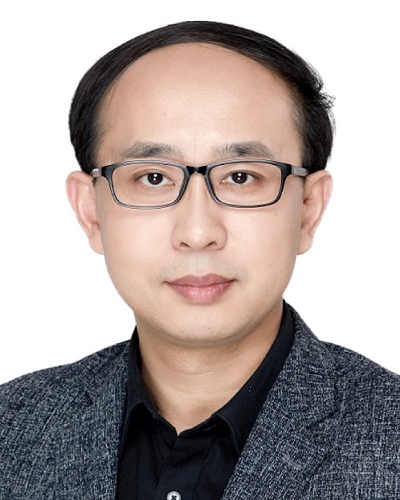 Zhanyu Ma (马占宇)合作论文数PRIS Laboratory, School of Artificial Intelligence, Beijing University of Posts and Telecommunications3
 Jia Liu (刘加)合作论文数Speech and Audio Technology Lab, Department of Electronic Engineering, Tsinghua University3
 Zhigang Xia合作论文数3
 Weidong Liu合作论文数2Jiawei Wu合作论文数2Muyao He合作论文数2Aijia Jian合作论文数2Jingyu Ouyang合作论文数2Yuchen Gong合作论文数2Zhou Yingting合作论文数2Ju Ouyang合作论文数2Zhiheng Huang合作论文数2Xiaojuan Liu合作论文数2Minyu Su合作论文数2
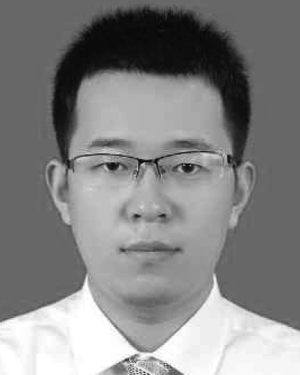 Yuwei Wang合作论文数2Shaoning Zeng合作论文数2Ling Jin合作论文数2
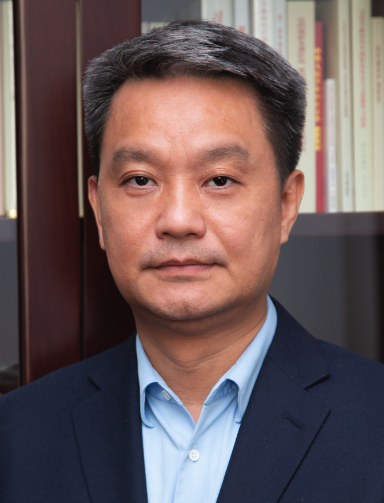 Ping Hong (洪平)合作论文数School of Strength and Conditioning, Beijing Sport University2
 Yong Cao (曹勇)合作论文数EPIC Lab, Huazhong University of Science and Technology2Manni Zhang (张曼妮)合作论文数2
 Di Wu (吴迪)合作论文数School of Computer Science and Engineering, Sun Yat-sen University2
 Xianzhi Li (李贤芝)合作论文数School of Computer Science and Technology, Huazhong University of Science and Technology2Jinfeng Xu合作论文数Embedded and Pervasive Computing Laboratory, School of Computer Science and Technology, Huazhong University of Science and Technology1Jing Zhou合作论文数1Jinchang Meng合作论文数1Sijie Pian合作论文数1Jiahao Xie合作论文数1Shaoxiong Hu合作论文数1Zhuning Wang合作论文数1Qingqing Cen合作论文数1
 Guo Zhanpeng合作论文数1Alitenai Tunuhe合作论文数1Xianjun Zhou合作论文数1Xinhang Liu合作论文数1Xuyang Feng合作论文数1
 Jun Yang (阳俊)合作论文数School of Information Engineering, Wuhan University of Technology1Jiaxin Liu合作论文数1Sun Zhi-hui (孙志晖)合作论文数1




