Understanding dietary preferences in ancient societies is essential for revealing human–environment interactions. Seeds are key archaeological artifacts in archaeobotanical research, yet their identification still relies on expert knowledge, making large-scale analysis inefficient. Although analytical methods in archaeology have advanced, data and methodological gaps persist, particularly in the classification of ancient plant seeds. To address this issue, we construct the first Ancient Plant Seed Image Classification (APS) dataset, containing 8340 images from 17 genus- or species-level categories excavated from 18 archaeological sites across China. We further propose APSNet, a classification framework for ancient plant seeds. APSNet introduces seed scale information via a Size Perception and Embedding (SPE) module to complement fine-grained features, and employs an Asynchronous Decoupled Decoding (ADD) architecture to learn discriminative features from channel and spatial perspectives. Experiments show APSNet outperforms state-of-the-art methods, achieving 90.2% accuracy and providing an effective tool for archaeological research.
Recent advances in image-level self-supervised learning (SSL) have made significant progress, yet learning dense representations for patches remains challenging. Mainstream methods encounter an over-dispersion phenomenon that patches from the same instance/category scatter, harming downstream performance on dense tasks. This work reveals that image-level SSL avoids over-dispersion by involving implicit semantic concentration. Specifically, the non-strict spatial alignment ensures intra-instance consistency, while shared patterns, i.e., similar parts of within-class instances in the input space, ensure inter-image consistency. Unfortunately, these approaches are infeasible for dense SSL due to their spatial sensitivity and complicated scene-centric data. These observations motivate us to explore explicit semantic concentration for dense SSL. First, to break the strict spatial alignment, we propose to distill the patch correspondences. Facing noisy and imbalanced pseudo labels, we propose a noise-tolerant ranking loss. The core idea is extending the Average Precision (AP) loss to continuous targets, such that its decision-agnostic and adaptive focusing properties prevent the student model from being misled. Second, to discriminate the shared patterns from complicated scenes, we propose the object-aware filter to map the output space to an object-based space. Specifically, patches are represented by learnable prototypes of objects via cross-attention. Last but not least, empirical studies across various tasks soundly support the effectiveness of our method.
Learned image compression (LIC) methods have experienced significant progress during recent years. However, these methods are primarily dedicated to optimizing the rate-distortion (R-D) performance at medium and high bitrates (> 0.1 bits per pixel (bpp)), while research on extremely low bitrates is limited. Besides, existing methods fail to explicitly explore the image structure and texture components crucial for image compression, treating them equally alongside uninformative components in networks. This can cause severe perceptual quality degradation, especially under low-bitrate scenarios. In this work, inspired by the success of pre-trained masked autoencoders (MAE) in many downstream tasks, we propose to rethink its mask sampling strategy from structure and texture perspectives for high redundancy reduction and discriminative feature representation, further unleashing the potential of LIC methods. Therefore, we present a dual-adaptive masking approach (DA-Mask) that samples visible patches based on the structure and texture distributions of original images. We combine DA-Mask and pre-trained MAE in masked image modeling (MIM) as an initial compressor that abstracts informative semantic context and texture representations. Such a pipeline can well cooperate with LIC networks to achieve further secondary compression while preserving promising reconstruction quality. Consequently, we propose a simple yet effective masked compression model (MCM), the first framework that unifies MIM and LIC end-to-end for extremely low-bitrate image compression. Extensive experiments have demonstrated that our approach outperforms recent state-of-the-art methods in R-D performance, visual quality, and downstream applications, at very low bitrates. Our code is available at https://github.com/lianqi1008/MCM.git.
Recently, large-scale pre-trained vision-language models (e.g., CLIP), have garnered significant attention thanks to their powerful representative capabilities. This inspires researchers in transferring the knowledge from these large pretrained models to other task-specific models, e.g., Video Action Recognition (VAR) models, via particularly leveraging side networks to enhance the efficiency of parameter-efficient finetuning (PEFT). However, current transferring approaches in VAR tend to directly transfer the frozen knowledge from large pre-trained models to action recognition networks with minimal cost, instead of exploiting the temporal modeling capabilities of the action recognition models themselves. Therefore, in this paper, we propose a novel memory-efficient Temporal Difference Side Network (TDS-CLIP) to balance knowledge transferring and temporal modeling, avoiding backpropagation in frozen parameter models. Specifically, we introduce a Temporal Difference Adapter (TD-Adapter), which can effectively capture local temporal differences in motion features to strengthen the model’s global temporal modeling capabilities. Furthermore, we designed a Side Motion Enhancement Adapter (SME-Adapter) to guide the proposed side network in efficiently learning the rich motion information in videos, thereby improving the side network’s ability to capture and learn motion information. Extensive experiments are conducted on three benchmark datasets, including Something-Something V1&V2, and Kinetics-400. Experimental results show that our method achieves competitive performance in video action recognition tasks. Code will be available at https://github.com/BBYL9413/TDS-CLIP.
The Segment Anything Model 2 (SAM2) has emerged as a foundation model for universal segmentation. Owing to its generalizable visual representations, SAM2 has been successfully applied to various downstream tasks. However, extending SAM2 to the RGB-D video salient object detection (RGB-D VSOD) task encounters three challenges including limited spatial modeling of linear LoRA, insufficient employment of SAM's multi-scale features, and dependence of initialization on explicit prompts. To address the issues, we present Multi-Modal Mixture-of-Experts with Memory-Augmented SAM (M^4-SAM), which equips SAM2 with modality-related PEFT, hierarchical feature fusion, and prompt-free memory initialization. Firstly, we inject Modality-Aware MoE-LORA, which employs convolutional experts to encode local spatial priors and introduces a modality dispatcher for efficient multi-modal fine-tuning, into SAM2's encoder. Secondly, we deploy Gated Multi-Level Feature Fusion, which hierarchically aggregates multi-scale encoder features with an adaptive gating mechanism, to balance spatial details and semantic context. Finally, to conduct zero-shot VSOD without manual prompts, we utilize a Pseudo-Guided Initialization, where a coarse mask is regarded as a pseudo prior and used to bootstrap the memory bank. Extensive experiments demonstrate that M^4-SAM achieves the state-of-the-art performance across all evaluation metrics on three public RGB-D VSOD datasets.
Diffusion models (DM) have achieved remarkable promise in image super-resolution (SR). However, most of them are tailored to solving non-blind inverse problems with fixed known degradation settings, limiting their adaptability to real-world applications that involve complex unknown degradations. In this work, we propose BlindDiff, a DM-based blind SR method to tackle the blind degradation settings in single image super-resolution (SISR). BlindDiff seamlessly integrates the MAP-based optimization into DMs, which constructs a joint distribution of the low-resolution (LR) observation, high-resolution (HR) data, and degradation kernels for the data and kernel priors, and solves the blind SR problem by unfolding the MAP approach along with the reverse process. Unlike most DMs, BlindDiff firstly presents a modulated conditional transformer (MCFormer) that is pre-trained with noise and kernel constraints, further serving as a posterior sampler to provide both priors simultaneously. Then, we plug a simple yet effective kernel-aware gradient term between adjacent sampling iterations that guides the diffusion model to learn degradation consistency knowledge. This also enables to joint refine the degradation model as well as HR images by observing the previous denoised sample. With the MAP-based reverse diffusion process, we show that BlindDiff advocates alternate optimization for blur kernel estimation and HR image restoration in a mutually reinforcing manner. Experiments on both synthetic and real-world datasets show that BlindDiff achieves the state-of-the-art performance with significant model complexity reduction compared to recent DM-based methods. Code is available at https://github.com/lifengcs/BlindDiff .
The eye-tracking video saliency prediction (VSP) task and video salient object detection (VSOD) task both focus on the most attractive objects in video and show the result in the form of predictive heatmaps and pixel-level saliency masks, respectively. In practical applications, eye tracker annotations are more readily obtainable and align closely with the authentic visual patterns of human eyes. Therefore, this paper aims to introduce fixation information to assist the detection of video salient objects under weak supervision. On the one hand, we ponder how to better explore and utilize the information provided by fixation, and then propose a Position and Semantic Embedding (PSE) module to provide location and semantic guidance during the feature learning process. On the other hand, we achieve spatiotemporal feature modeling under weak supervision from the aspects of feature selection and feature contrast. A Semantics and Locality Query (SLQ) Competitor with semantic and locality constraints is designed to effectively select the most matching and accurate object query for spatiotemporal modeling. In addition, an Intra-Inter Mixed Contrastive (IIMC) model improves the spatiotemporal modeling capabilities under weak supervision by forming an intra-video and inter-video contrastive learning paradigm. Experimental results on five popular VSOD benchmarks indicate that our model outperforms other competitors on various evaluation metrics.
Cross-domain few-shot segmentation (CD-FSS) aims to tackle the dual challenge of recognizing novel classes and adapting to unseen domains with limited annotations. However, encoder features often entangle domain-relevant and category-relevant information, limiting both generalization and rapid adaptation to new domains. To address this issue, we propose a Divide-and-Conquer Decoupled Network (DCDNet). In the training stage, to tackle feature entanglement that impedes cross-domain generalization and rapid adaptation, we propose the Adversarial-Contrastive Feature Decomposition (ACFD) module. It decouples backbone features into category-relevant private and domain-relevant shared representations via contrastive learning and adversarial learning. Then, to mitigate the potential degradation caused by the disentanglement, the Matrix-Guided Dynamic Fusion (MGDF) module adaptively integrates base, shared, and private features under spatial guidance, maintaining structural coherence. In addition, in the fine-tuning stage, to enhanced model generalization, the Cross-Adaptive Modulation (CAM) module is placed before the MGDF, where shared features guide private features via modulation ensuring effective integration of domain-relevant information. Extensive experiments on four challenging datasets show that DCDNet outperforms existing CD-FSS methods, setting a new state-of-the-art for cross-domain generalization and few-shot adaptation.
Few-shot segmentation (FSS) aims to segment objects of new categories instructed by only a few annotated samples. Previous research primarily focused on designing interactions between the query features and the support features during the decoding phase, neglecting the exploration of support-query interactions during the encoding phase. This could introduce mismatches from pre-training tasks, thereby affecting the accurate representation of the target categories. In this paper, we re-evaluate the importance of interactions during the encoding phase and propose a novel FSS framework, BSENet, which incorporates interactive operations at all stages. Specifically, the Prompt-based Feature Module (PFM) and the Masked Cross Interaction Module (MCI) are jointly designed for encoding feature interaction. PFM enhances semantic interactions between query and support through the transfer of semantic tokens, and MCI enhances pixel-level visual interactions by employing pixel-level correlation maps. Furthermore, considering the risk of latent novel categories in the support images, a Foreground-Centric Cropping (FCC) strategy is developed for pre-processing support set. Extensive experiments on the PASCAL-$5^{i}$ and COCO-$20^{i}$ benchmarks show that BSENet achieves competitive FSS accuracy, surpassing previous methods that only considered support-query interactions during the decoding phase. The code and results can be found from the link of https://github.com/X-Hang/BSENet_TMM26.
Most existing triple-modal models focus on designing complex multi-modal feature extraction and fusion modules in the spatial domain. They overlook important information in the frequency domain and are difficult to deploy on resource-constrained scenarios. To address these issues, this paper proposes a lightweight Mamba-based Frequency Decomposition-Reconstruction Network (MFDR-Net) for salient object detection (SOD) in visible-depth-thermal (VDT) images. Specifically, we firstly design a Mamba-based Dynamic Extraction and Interaction (MDEI) module to extract global features and dynamically interact with multi-modal features, injecting inter-modalities complementary information into each encoder branch. Secondly, the Frequency Decomposition Downsampling (FDD) module is employed to preserve spatial details during feature downsampling by decomposing features into high-frequency and low-frequency components. Thirdly, we deployed the Frequency-tailored Multi-modal Fusion (FMF) module to reduce noise in high-frequency features while enhancing contextual representations in low-frequency features during the multi-modal fusion process. Finally, the Frequency Reconstruction Upsampling (FRU) module is employed to reconstruct the complete features from the high- and low-frequency components and perform gradual feature decoding. Extensive experiments are performed on the VDT-2048 dataset, and the results show that our model achieves an optimal balance between computational complexity and performance. Our code and results are available at https://github.com/Lx-Bao/MFDR-Net.
Autonomous aerial vehicle (AAV) object detection is essential for autonomous AAV operations. However, current AAV object-detection algorithms ignore leveraging scene features to assist in object detection, which hinders the improvement of the algorithm's generalization across multiple scenarios. To address this, we propose the AAV scene-driven object-detection network. First, we design the global characteristics modeling module to extract scene features and the region-aware attention module to capture the global integrity features of the scene. The scene classification task is leveraged to assist in optimizing the module's parameters. Subsequently, we design the scene feature guidance module to guide the image feature extraction and object-detection process using scene features, encouraging the network to effectively mine scene-related clues and query the targets of the current scene. Finally, we construct a multiscene AAV object-detection dataset, and experiments show that our algorithm effectively improves performance in multi-scenario AAV object-detection tasks.
Existing RGB-D Salient Object Detection (SOD) methods are primarily built on the end-to-end prediction paradigm. Although these methods have achieved remarkable progress, they still struggle to generate accurate predictions in some complex scenes due to their lack of error correction capability. In this paper, we explore the use of conditional diffusion architectures for RGB-D SOD, producing saliency maps in a step-by-step generation paradigm. Accordingly, we propose DiffRGBD, a novel diffusion-driven framework with temporal modulation. The core of DiffRGBD is using time steps to control the conditional information injected into the denoising network in a two-stage temporal modulation manner. Specifically, our DiffRGBD comprises a feature extractor, a conditional generator, two temporal modulators, and a denoising network. First, the SAM2 encoder with adapters is adopted to extract hierarchical cross-modal features. Then, the Mutual-Differential Attention Module is responsible for generating the conditional information via effective cross-modal fusion. Notably, the conditional information continuously achieves channel modulation and spatial modulation in the Temporal Channel Enhancement Module and the Temporal Spatial Refinement Module (i.e., two temporal modulators), resulting in comprehensive conditional information. Finally, conditional information is injected into the denoising network to guide the production of saliency maps. As the time step increases, our DiffRGBD can gradually correct errors and generate accurate saliency maps. Extensive experiments on seven public RGB-D SOD benchmarks demonstrate that our proposed DiffRGBD achieves superior performance over state-of-the-art methods. The code and results of our method are available at https://github.com/Shixiang02/DiffRGBD.
Road defect detection represents a fundamental perceptual task for mobile robots and autonomous driving systems; however, existing approaches struggle to balance detection accuracy and computational efficiency on resource-constrained platforms. To overcome this limitation, we propose ACEF, an asymmetric collaborative evolution framework that addresses two fundamental gaps: (i) depth-guided distillation methods tightly couple geometric enhancement with multimodal overhead at inference time, and (ii) temporal knowledge transfer methods rely solely on correlation-based feature alignment across historical states. ACEF establishes a collaborative learning mechanism between a computationally intensive RGB-D teacher network and an efficient RGB student network, incorporating two key innovations: (1) geometry-aware hash injection, which encodes depth features as binary hash attention masks through discrete cosine transform-based frequency-domain decomposition, injecting geometric priors only during training while imposing no overhead at inference time; and (2) counterfactual trajectory retrospection, which grounds recurrent knowledge transfer within a formal structural causal framework. By formalizing causal validity filtering, ACEF retains only those historical states that empirically reduce the geometric learning gap between the teacher and the student, thereby enabling causally selective, rather than purely correlation-based, trajectory guidance. Comprehensive experimental validation demonstrates that ACEF attains an inference speed of 100.8 FPS in a lightweight unimodal setting, outperforming 19 state-of-the-art methods in detection accuracy while maintaining computational practicality for real-world robotic deployment. Additional evaluations across three diverse datasets further verify the generalizability and adaptability of the proposed framework in robotic operating environments. The code is publicly available [here].
Fine-Tuning-as-a-Service (FTaaS) facilitates the customization of Multimodal Large Language Models (MLLMs) but introduces critical backdoor risks via poisoned data. Existing defenses either rely on supervised signals or fail to generalize across diverse trigger types and modalities. In this work, we uncover a universal backdoor fingerprint——where poisoned samples disrupt the balanced attention distribution across three functional components: system instructions, vision inputs, and user textual queries, regardless of trigger morphology. Motivated by this insight, we propose , an unsupervised defense framework to filter backdoor samples. TCAP decomposes cross-modal attention maps into the three components, identifies trigger-responsive attention heads via Gaussian Mixture Model (GMM) statistical profiling, and isolates poisoned samples through EM-based vote aggregation. Extensive experiments across diverse MLLM architectures and attack methods demonstrate that TCAP achieves consistently strong performance, establishing it as a robust and practical backdoor defense in MLLMs.
Vision Transformer (ViT) and its variants have witnessed a significant success in computer vision. However, their performance may degrade in underwater dense prediction tasks due to challenges like complex underwater environments, quality degradation, and light scattering in underwater images. To solve this problem, we propose the Vision Transformer Underwater-Adapter (ViT-UWA), the first detail-focused and adapted ViT backbone for underwater dense prediction tasks, without requiring task-specific pretraining. In ViT-UWA, we first introduce High-frequency Components Prior (HFCP) to add high-frequency information of underwater images to the plain ViT, which can help recover and capture lost high-frequency information of underwater images. Then, we propose a Detail Aware Module (DAM) to obtain a detail-focused multi-scale convolutional feature pyramid, which can be used in kinds of dense prediction tasks. Through the ViT-DAM Cross Fusion (VDCF), we achieve bidirectional feature cross fusion between ViT and DAM. We evaluate ViT-UWA on multiple underwater dense prediction tasks, including semantic segmentation, instance segmentation, and object detection. With only ImageNet-22K pretraining, our ViT-UWA-B yields state-of-the-art 46.4 box AP and 44.2 mask AP on USIS10K dataset, which demonstrates the superiority of our method.
Underwater salient object detection (USOD) faces two major challenges that hinder accurate detection: substantial image noise owing to water turbidity and low foreground-background contrast caused by high visual similarity. In this study, a dual-model architecture based on mutual learning is proposed to address these issues. First, DenoisedNet, which focuses on addressing water turbidity issues, is developed. Using a separation-denoising-enhancement processing framework, it suppresses noise while maintaining target feature integrity through domain separation and cleaning enhancement modules. Second, SearchNet is designed to address the foreground-background similarity issue. It achieves precise localization through pseudo-label generation and layer-by-layer search mechanisms. To enable both networks to address these challenges collaboratively, a feature-consistent mutual-learning strategy is proposed, which aligns encoded features and prediction results, via evaluation and cross modes, respectively. This strategy enables their respective strengths to be complemented and the challenges of USOD to be solved more comprehensively. Our DenoisedNet and SearchNet outperform the best existing methods on the USOD10K and USOD benchmarks, achieving MAE improvements of 4.52%/5.52% and 1.61%/8.94%, respectively. The source code is available at https://github.com/BeibeiIsFreshman/DSNet_CL.
Low-light images are often plagued by low visibility, poor contrast, and high noise levels, which significantly impair both subjective visual quality and the performance of downstream tasks. Existing enhancement methods typically struggle with color-related degradations such as color casting, artifacts, and distortion. To address these challenges, we propose an end-to-end Color Transformation Network for low-light image enhancement, with a specific focus on improving color restoration. By leveraging the complementary strengths of the HSV and RGB color spaces in capturing color attributes, our approach enables effective interaction between these color spaces at the feature level. The HSV branch simultaneously enhances the V component while extracting features from the H and S components, thereby providing a more comprehensive set of cues for color recovery. To facilitate interaction, we design a learnable Color Transformation Block that bridges the HSV and RGB feature domains, effectively simulating the HSV-to-RGB conversion. Furthermore, a Cross-Integration Block, employing an attention-based cross-guidance mechanism, enables bi-directional information flow between the two color spaces. Extensive experiments on both real and synthetic datasets demonstrate that our method achieves superior performance, surpassing existing approaches both qualitatively and quantitatively. The project is available https://github.com/1013990424/CTNet.
Underwater instance segmentation (UIS), integrating pixel-level understanding and instance-level discrimination, is a pivotal technology in marine resource exploration and ecological protection. In recent years, large-scale pretrained visual foundation models, exemplified by DINO, have advanced rapidly and demonstrated remarkable performance on complex downstream tasks. In this paper, we demonstrate that DINO can serve as an effective feature learner for UIS, and we introduce DiveSeg, a novel framework built upon two insightful components: (1) The AquaStyle Aligner, designed to embed underwater color style features into the DINO fine-tuning process, facilitating better adaptation to the underwater domain. (2) The ObjectPrior Prompter, which incorporates binary segmentation-based prompts to deliver object-level priors, provides essential guidance for instance segmentation task that requires both object- and instance-level reasoning. We conduct thorough experiments on the popular UIIS and USIS10K datasets, and the results show that DiveSeg achieves the state-of-the-art performance. Code: https://github.com/ettof/Diveseg.
Optical remote sensing images (RSIs) exhibit extensive spatial coverage and complex geographic backgrounds, where salient objects in the optical RSIs present a variety of scales, shapes, and orientations. Over the past few years, many deep learning-based approaches, including convolutional neural network (CNN)-based and Transformer-based models, have been devoted to salient object detection (SOD) in optical RSIs. However, those models do not fully explore the complementarity and differences between CNN and Transformer features, resulting in a degradation in performance. Therefore, in this article, we propose a global-local interaction and recalibration network (i.e., GLIR-Net), which leverages the complementarity of global context from Transformer and local details from CNN while harmonizing their inherent differences. Specifically, in the encoder, we use the two-branch architecture comprising a Transformer branch and a CNN branch to extract the global contextual and local detailed features, respectively. Second, we employ the multiscale feature interaction (MFI) module to promote the interaction of the CNN and Transformer features, where the two features are mutually enhanced by their complementarity. Third, the two kinds of features are aggregated via the feature recalibration module (FRM), where the CNN and Transformer features are fused and recalibrated to harmonize their inherent differences. Finally, by deploying the decoder, we can progressively acquire the high-quality saliency map for each optical RSI. We conduct extensive comparative experiments with state-of-the-art models on two public datasets, and the experimental results firmly demonstrate that the proposed GLIR-Net outperforms all the other competitors both qualitatively and quantitatively.
Deep learning-based multi-view coarse-grained 3D shape classification has achieved remarkable success over the past decade, leveraging the powerful feature learning capabilities of various backbone architectures including both CNN-based and ViT-based models. However, as a challenging research area critical for detailed shape understanding, fine-grained 3D classification remains understudied due to the limited discriminative information captured during multi-view feature aggregation. Our analysis reveals that current state-of-the-art methods are significantly limited by subtle inter-class variations, severe class imbalance scenarios, and inherent interpretability of parametric model decision-making. To address these problems, we propose the first prototype-based framework named Proto-FG3D for fine-grained 3D shape classification, which achieves a paradigm shift from parametric softmax to non-parametric prototype learning while simultaneously advancing interpretability from post-hoc to ad-hoc. Firstly, Proto-FG3D establishes joint multi-view and multi-category representation learning via Prototype Association, where both feature types are adaptively mapped to shared learnable prototypes in a unified embedding space. Secondly, our framework automatically refines prototypes via Online Clustering, improving both the robustness of multi-view feature allocation and inter-subclass balance. Finally, we establish prototype-guided supervised learning with joint optimization, which enhances fine-grained discrimination via prototype-view correlation analysis and enables ad-hoc interpretability through transparent case-based reasoning. Experimental results on FG3D and ModelNet40 datasets demonstrate that Proto-FG3D surpasses state-of-the-art methods in classification accuracy, transparent predictions, and extensive ad-hoc interpretability analysis with visualizations, challenging conventional approaches to fine-grained 3D recognition model design.
 Sam Tak Wu Kwong (鄺得互)合作论文数School of Graduate Studies, Lingnan University;Division of Artificial Intelligence, Lingnan University52
 Yao Zhao (赵耀)合作论文数School of Computer and Information Technology, Beijing Jiaotong University;Institute of Information Science of Beijing Jiaotong University43
 Chongyi Li (李重仪)合作论文数College of Computer Science, Nankai University26
 Wei Zhang (张伟)合作论文数Institute of Brain and Brain-Inspired Science, School of Control Science and Engineering, Shandong University25
 Qingming Huang (黄庆明)合作论文数School of Computer Science and Technology, University of Chinese Academy of Sciences22
 Huihui Bai (白慧慧)合作论文数Institute of Information Science, School of Computer and Information Technology, Beijing Jiaotong University;Beijing Key Laboratory of Advanced Information Science and Network Technology, School of Computer and Information Technology, Beijing Jiaotong University22
 Qiuping Jiang (姜求平)合作论文数School of Information Science and Engineering, Ningbo University18
 Huazhu Fu合作论文数Institute of High Performance Computing, Agency for Science, Technology and Research15
 Hao Fang合作论文数Shandong University14
 Feng Li (李锋)合作论文数School of Mechanical Engineering, Sichuan University14
 Jianjun Lei (雷建军)合作论文数School of Electrical and Information Engineering, Tianjin University13
 Chunle Guo (郭春乐)合作论文数College of Computer Science, Nankai University13
 Jinpeng Chen (陈锦芃)合作论文数Huawei Hong Kong Research Center10
 Wujie Zhou (周武杰)合作论文数Zhejiang University of Science and Technology10
 Weisi Lin合作论文数School of Computer Science and Engineering, Nanyang Technological University;College of Computing and Data Science, Nanyang Technological University10
 Junhui Hou (侯軍輝)合作论文数Department of Computer Science, City University of Hong Kong8
 Xiankai Lu (卢宪凯)合作论文数School of Software, Shandong University8
 Ping Han (韩萍)合作论文数8
 Qianqian Xu (许倩倩)合作论文数Key Laboratory of AI Safety, Institute of Computing Technology, Chinese Academy of Sciences8
 Feng Zheng (郑锋)合作论文数Department of Computer Science and Engineering, Southern University of Science and Technology7
 Xiaochun Cao (操晓春)合作论文数School of Cyber Science and Technology, Sun Yat-sen University7
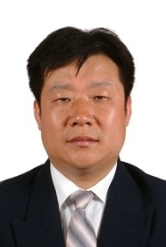 Jichang Guo (郭继昌)合作论文数School of Electrical and Information Engineering, Tianjin University;The School of Future Technology, Tianjin International Engineering Institute7
 Jiyong Zhang (张继勇)合作论文数Intelligent Information Processing Laboratory, Hangzhou Dianzi University7
 Ho Shing Horace Ip (葉豪盛)合作论文数Department of Computer Science, College of Engineering, City University of Hong Kong;Centre for Innovative Applications of Internet and Multimedia Technologies, City University of Hong Kong7
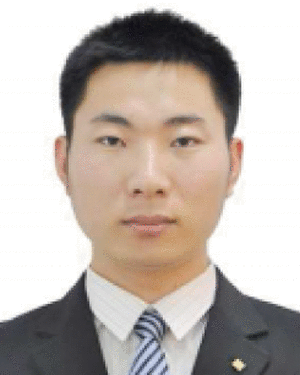 Guanghui Yue合作论文数6
 Ning Yang (杨宁)合作论文数上海电力学院电力与自动化工程学院6
 Weiqing Yan (阎维青)合作论文数School of Computer and Control Engineering, Yantai University5
 Meng Wang (汪萌)合作论文数School of Computer Science and Information Engineering, Hefei University of Technology5
 Radu Timofte合作论文数Computer Vision Laboratory, Institute of Computer Science, Faculty of Mathematics and Computer Science, Julius Maximilians University of Würzburg;ETH Zurich5
 Wenqi Ren (任文琦)合作论文数School of Cyber Science and Technology, Sun Yat-sen University5
 Hua Li (李华)合作论文数School of Computer Science and Technology, Hainan University5
 Xiaofei Zhou (周晓飞)合作论文数Institute of Information Engineering, Chinese Academy of Sciences;University of Chinese Academy of Sciences5
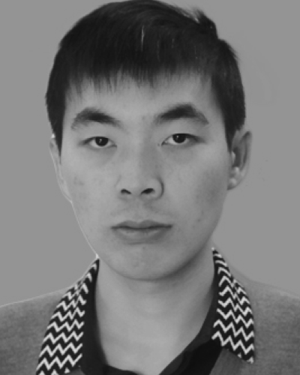 Bolun Zheng合作论文数School of Automation, Hangzhou Dianzi University4
 Yuxuan Luo合作论文数4
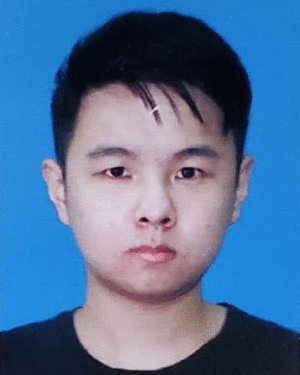 Yixuan Wu合作论文数4
 Wei Gao (高伟)合作论文数School of Electronic and Computer Engineering, Peking University;National Engineering Laboratory for Video Technology - Shenzhen Division, Shenzhen Graduate School, Peking University4
 Zihao Dong合作论文数Nankai Univ, Coll Comp Sci, Tianjin, Peoples R China4
 Lingzhi He合作论文数Beijing Jiaotong Univ, Inst Informat Sci, Beijing 100044, Peoples R China4
 Deyang Liu (刘德阳)合作论文数4
 Feng Shao (邵枫)合作论文数Faculty of Information Science and Engineering, Ningbo University4
 Chunjie Zhang (张淳杰)合作论文数School of Computer and Information Technology, Beijing Jiaotong University4
 Xiuli Shao (邵秀丽)合作论文数College of Computer Science, Nankai University4
 Chunping Hou (侯春萍)合作论文数School of Electronic Information Engineering, Tianjin University4Feiyu Pan合作论文数3Kexin Zhang合作论文数3
 Shijie Lian (连仕杰)合作论文数School of Computer Science & Technology, Huazhong University of Science and Technology3
 Anqi Li合作论文数3




