Identifying processes that promote coral reef recovery and resilience is crucial as ocean warming becomes more frequent and severe. Sexual reproduction is essential for the replenishment of coral populations and maintenance of genetic diversity; however, the ability for corals to reproduce may be impaired by marine heatwaves that cause coral bleaching. In 2014 and 2015, the Hawaiian Islands experienced coral bleaching with differential bleaching susceptibility in the species Montipora capitata, a dominant reef-building coral in the region. We tested the hypothesis that coral bleaching resistance enhances reproductive capacity and offspring performance by examining the reproductive biology of colonies that bleached and recovered (B) and colonies that did not bleach (NB) in 2015 in the subsequent spawning seasons. The proportion of colonies that spawned was higher in 2016 than in 2017. Regardless of parental bleaching history, we found eggs with higher abnormality and bundles with fewer eggs in 2016 than 2017. While reproductive output was similar between B and NB colonies in 2016, survivorship of offspring that year were significantly influenced by the parental bleaching history (egg donor × sperm donor: B × B, B × NB, NB × B, and NB × NB). Offspring produced by NB egg donors had the highest survivorship, while offspring from previously bleached colonies had the lowest survivorship, highlighting the negative effects of bleaching on parental investment and offspring performance. While sexual reproduction continues in M. capitata post-bleaching, gametes are differentially impacted by recovery time following a bleaching event and by parental bleaching resistance. Our results demonstrate the importance of identifying bleaching resistant individuals during and after heating events. This study further highlights the significance of maternal effects through potential egg provisioning for offspring survivorship and provides a baseline for human-assisted intervention (i.e., selective breeding) to mitigate the effects of climate change on coral reefs.
In mesophotic coral ecosystems, reef-building corals and their photosynthetic symbionts can survive with less than 1% of surface irradiance. How depth-specialist corals rely upon autotrophically and heterotrophically derived energy sources across the mesophotic zone remains unclear. We analysed the stable carbon ( δ 13 C) and nitrogen ( δ 15 N) isotope values of a Leptoseris community from the ‘Au‘au Channel, Maui, Hawai‘i (65–125 m) including four coral host species living symbiotically with three algal haplotypes. We characterized the isotope values of hosts and symbionts across species and depth to compare trophic strategies. Symbiont δ 13 C was consistently 0.5‰ higher than host δ 13 C at all depths. Mean colony host and symbiont δ 15 N differed by up to 3.7‰ at shallow depths and converged at deeper depths. These results suggest that both heterotrophy and autotrophy remained integral to colony survival across depth. The increasing similarity between host and symbiont δ 15 N at deeper depths suggests that nitrogen is more efficiently shared between mesophotic coral hosts and their algal symbionts to sustain autotrophy. Isotopic trends across depth did not generally vary by host species or algal haplotype, suggesting that photosynthesis remains essential to Leptoseris survival and growth despite low light availability in the mesophotic zone.
Historically, Hawai'i had few massive coral bleaching events, until two consecutive heatwaves in 2014-2015. Consequent mortality and thermal stress were observed in Kāne'ohe Bay (O'ahu). The two most dominant local species exhibited a phenotypic dichotomy of either bleaching resistance or susceptibility (Montipora capitata and Porites compressa), while the third predominant species (Pocillopora acuta) was broadly susceptible to bleaching. In order to survey shifts in coral microbiomes during bleaching and recovery, 50 colonies were tagged and periodically monitored. Metabarcoding of three genetic markers (16S rRNA gene ITS1 and ITS2) followed by compositional approaches for community structure analysis, differential abundance and correlations for longitudinal data were used to temporally compare Bacteria/Archaea, Fungi and Symbiodiniaceae dynamics. P. compressa corals recovered faster than P. acuta and Montipora capitata. Prokaryotic and algal communities were majorly shaped by host species, and had no apparent pattern of temporal acclimatization. Symbiodiniaceae signatures were identified at the colony scale, and were often related to bleaching susceptibility. Bacterial compositions were practically constant between bleaching phenotypes, and more diverse in P. acuta and M. capitata. P. compressa's prokaryotic community was dominated by a single bacterium. Compositional approaches (via microbial balances) allowed the identification of fine-scale differences in the abundance of a consortium of microbes, driving changes by bleaching susceptibility and time across all hosts. The three major coral reef founder-species in Kāne'ohe Bay revealed different phenotypic and microbiome responses after 2014-2015 heatwaves. It is difficult to forecast, a more successful strategy towards future scenarios of global warming. Differentially abundant microbial taxa across time and/or bleaching susceptibility were broadly shared among all hosts, suggesting that locally, the same microbes may modulate stress responses in sympatric coral species. Our study highlights the potential of investigating microbial balances to identify fine-scale microbiome changes, serving as local diagnostic tools of coral reef fitness.
Corals’ endosymbiotic algae (Symbiodiniaceae) supply much of the energetic demands of the host, and some symbionts, such as Durusdinium spp., may confer higher thermal tolerance than others. However, there may be physiological tradeoffs during non-bleaching periods or across environmental gradients. The common Hawaiian reef-building coral, Montipora capitata, hosts the symbionts Cladocopium C31 and/or Durusdinium glynnii. Here, we measured growth of these holobionts over two months to test whether the higher heat tolerance of D. glynnii involved a tradeoff of lower growth, which could impact survivorship and competition for space on the reef. Additionally, we tested whether any such tradeoffs were modulated by light, which is a major driver of the ecological distribution of these symbionts in Kāneʻohe Bay. During the first month, when water temperatures were warmer (median 25.5 °C), there was no effect of symbiont on growth. However, over the cooler second month (median 23.4 °C), C31-dominated corals grew up to 77
Background Historically, Hawai’i has had few massive coral bleaching events, until two consecutive heatwaves elevated seawater temperatures in 2014 and 2015. Consequent mortality and thermal stress were observed in the reef systems of Kane’ohe Bay (O’ahu). Two of the dominant species exhibited a phenotypic dichotomy of either bleaching resistance or susceptibility ( Montipora capitata and Porites compressa ), while a third species ( Pocillopora acuta ) was broadly susceptible to bleaching. In order to survey temporal shifts in the coral microbiomes during bleaching and recovery in all three of these coral species, 50 colonies were tagged and periodically monitored. Metabarcoding of three genetic markers (16S rRNA gene ITS1 and ITS2) followed by compositional approaches for community structure analysis, differential abundance and correlations for longitudinal data were used to temporally track and compare Bacteria/Archaea, Fungi and Symbiodiniaceae dynamics of the tagged colonies. Results Bleaching susceptible P. compressa corals recovered faster than P. acuta and Montipora capitata . Prokaryotic and algal microbiomes were majorly shaped by host species, and had no apparent pattern of temporal acclimatization in the overall community structure. Symbiodiniaceae signatures were identified at the colony scale, and were at times related to bleaching susceptibility, revealing higher intraspecific resolution than previously reported. Bacterial compositions were practically constant between bleaching phenotypes, and more diverse in P. acuta and M. capitata . P. compressa ’s prokaryotic community was dominated by a single symbiotic bacterium. Fungal associates remained unexplored due to untargeted DNA co-amplification. Compositional approaches (via microbial balances) allowed the identification of fine-scale differences in the abundance of a consortium of microbes, driving changes by bleaching susceptibility and time across all hosts. Conclusions The three major coral reef founders in Kane’ohe Bay revealed different physiological and microbiome responses after 2014–2015 heatwaves. It is difficult to forecast though, a more successful strategy towards future scenarios of global warming. Differentially abundant microbial taxa across time and/or bleaching susceptibility were broadly shared between all hosts, suggesting that locally, the same microbes may modulate stress responses in sympatric coral species. Our study highlights the potential of investigating microbial balances to identify fine-scale microbiome changes, serving as local diagnostic tools of coral reef fitness.
Coral reefs are iconic examples of climate change impacts because climate-induced heat stress causes the breakdown of the coral-algal symbiosis leading to a spectacular loss of color, termed 'coral bleaching'. To examine the fine-scale dynamics of this process, we re-sampled 600 individually marked Montipora capitata colonies from across Kāne'ohe Bay, Hawai'i and compared the algal symbiont composition before and after the 2019 bleaching event. The relative proportion of the heat-tolerant symbiont Durusdinium in corals increased in most parts of the bay following the bleaching event. Despite this widespread increase in abundance of Durusdinium, the overall algal symbiont community composition was largely unchanged, and hydrodynamically defined regions of the bay retained their distinct pre-bleaching compositions. We explain ~ 21% of the total variation, of which depth and temperature variability were the most significant environmental drivers of Symbiodiniaceae community composition by site regardless of bleaching intensity or change in relative proportion of Durusdinium. We hypothesize that the plasticity of symbiont composition in corals may be constrained to adaptively match the long-term environmental conditions surrounding the holobiont, despite an individual coral's stress and bleaching response.
The global decline of coral reefs urgently requires scalable colony‐level data about phenotypic variation to improve coral conservation and management. To address this, we leveraged historical bleaching phenotypes, airborne imaging spectroscopy, and recurrent temperature stress to map coral species composition and thermal tolerance across four focal reefs with a cumulative area of ~15 ha. Spectral data accurately distinguished benthic composition and coral species, and showed substantial capacity for mapping thermal tolerance in two species of healthy coral. We used thermal stress from a 2019 marine heatwave to demonstrate high prediction accuracy during a natural bleaching event, and to strengthen the links between predictions, conserved tolerance phenotypes, and spectral signatures. Large differences in the proportion of tolerant corals at individual reefs suggest that ecosystem‐scale “winners” and “losers” in future bleaching can be predicted, which may greatly increase the efficacy of management. This framework provides foundational evidence for the applicability of organismic‐scale remote sensing to coral conservation.
The survival of most reef-building corals is dependent upon a symbiosis between the coral and the community of Symbiodiniaceae. Montipora capitata, one of the main reef-building coral species in Hawai'i, is known to host a diversity of symbionts, but it remains unclear how they change spatially and whether environmental factors drive those changes. Here, we surveyed the Symbiodiniaceae community in 600 M. capitata colonies from 30 sites across Kāne'ohe Bay and tested for host specificity and environmental gradients driving spatial patterns of algal symbiont distribution. We found that the Symbiodiniaceae community differed markedly across sites, with M. capitata in the most open-ocean (northern) site hosting few or none of the genus Durusdinium, whereas individuals at other sites had a mix of Durusdinium and Cladocopium. Our study shows that the algal symbiont community composition responds to fine-scale differences in environmental gradients; depth and temperature variability were the most significant predictor of Symbiodiniaceae community, although environmental factors measured in the study explained only about 20% of observed variation. Identifying and mapping Symbiodiniaceae community distribution at multiple scales is an important step in advancing our understanding of algal symbiont diversity, distribution and evolution and the potential responses of corals to future environmental change.
Parental effects on early life history stages of corals are poorly understood, but with severe environmental disturbances, these impacts may be increasingly important in understanding future coral survival trajectories on reefs. This study investigated whether parental bleaching of Montipora capitata in 2015 influenced symbiont community composition and offspring size three years after recovery. In July 2018, gametes were collected from Reef 13 in Kāneʻohe Bay, Oʻahu, Hawaiʻi, and made selective crosses to produce three different parental phenotype histories: (1) both parents previously bleached (“bleached” phenotype), (2) both parents previously non-bleached (“non-bleached” phenotype), and (3) crosses from a combination of both parental histories (“crossed” phenotype). Parental bleaching history affected the symbiont community composition in three different life history stages—parents, gametes, and larvae, with the bleached phenotype dominated by Cladocopium and non-bleached phenotype dominated by Durusdinium . Symbiont densities were also different between bleaching phenotypes in parents and gamete bundles but not in larvae, with non-bleached phenotypes having slightly higher symbiont densities than their bleached counterparts. Larvae from each phenotype were then exposed to either ambient or high-temperature conditions for 72 h and larvae from bleached phenotype parents were smallest regardless of temperature treatment, indicating maternal effects beyond the direct transmission of symbionts to the offspring. With these findings, larval recruitment to the reef from previously bleached parents is suspected to decline as ocean warming becomes more frequent and severe, potentially leading to generational symbiont community shifts. The direct heritability of thermal tolerance from parent to offspring in M. capitata provides opportunities for restoration by selectively breeding for traits that may increase community resilience to thermal stress.
Metabolite exchange between coral hosts and their dinoflagellate endosymbionts (family: Symbiodiniaceae) is one of the keys to the ecological success of coral reefs. Due to the physiological variation within Symbiodiniaceae, including amount of organic carbon and stress tolerance provided to the host, symbiont community composition has the potential to influence the nutrition and physiological success of the coral. However, the precise metabolic consequences of harboring different dominant Symbiodiniaceae species in nature is unknown. Using untargeted gas chromatography-mass spectrometry (GC-MS), we compared the metabolite profiles of both the host and symbiont relative to natural variations in the Symbiodiniaceae community composition in the reef coral Montipora capitata. The results show both host and symbiont metabolite profiles were unaffected by Symbiodiniaceae community composition under nonstressful conditions, which suggests that coral-Symbiodiniaceae symbioses have the potential to undergo physiological adjustment overtime to account for differences in their resident symbionts. Here, we discuss the project approach and findings and highlight specific workflow considerations when conducting coral symbiosis metabolomics analyses.
Elevated seawater temperatures associated with climate change lead to coral bleaching. While the ultimate causes of bleaching are well understood, the proximate physiological mechanisms underlying the bleaching response are not as well defined. Here we measured nitric oxide synthase activity, oxidative stress, and cell death in algal symbionts (Symbiodinaceae) freshly isolated from the reef-building coral Pocillopora acuta collected in the field under natural non-bleaching conditions and from corals experimentally exposed to elevated temperatures. Nitric oxide synthase activity in the algal symbionts was >3 orders of magnitude higher than that of the host and increased dramatically with increasing temperature and time of exposure (up to 72 h), consistent with the onset of bleaching for these corals. Oxidative stress and cell death among the algal symbionts were highest in coral holobionts exposed to intermediate as opposed to maximal temperatures, suggesting that these mechanisms are not proximal triggers for bleaching in this species. Our results point to nitric oxide production by the algal symbionts, rather than symbiont dysfunction, as a more important driver of coral bleaching under acute thermal stress in this coral.
Coral reefs are iconic examples of climate change impacts because climate-induced heat stress causes the breakdown of the coral-algal symbiosis leading to a spectacular loss of color, termed ‘coral bleaching’. To examine the fine-scale dynamics of this process, we re-sampled 600 individually marked Montipora capitata colonies from across Kāne‘ohe Bay, Hawai’i and compared the algal symbiont composition before and after the 2019 bleaching event. The relative proportion of the heat-tolerant symbiont Durusdinium in corals increased in most parts of the bay following the bleaching event. Despite this widespread increase in abundance of Durusdinium , the overall algal symbiont community composition was largely unchanged, and hydrodynamically defined regions of the bay retained their distinct pre-bleaching compositions. Furthermore, depth and temperature variability were the most significant drivers of Symbiodiniaceae community composition by site regardless of bleaching intensity or change in relative proportion of Durusdinium . Our results suggest that the plasticity of symbiont composition in corals may be constrained to adaptively match the long-term environmental conditions surrounding the holobiont, independent of an individual coral’s stress and bleaching response.
Coral holobionts are multi-species assemblages, which adds significant complexity to genotype-phenotype connections underlying ecologically important traits like coral bleaching. Small scale heterogeneity in bleaching is ubiquitous in the absence of strong environmental gradients, which provides adaptive variance needed for the long-term persistence of coral reefs. We used RAD-seq, qPCR and LC-MS/MS metabolomics to characterize host genomic variation, symbiont community and biochemical correlates in two bleaching phenotypes of the vertically transmitting coral Montipora capitata . Phenotype was driven by symbiosis state and host genetic variance. We documented 5 gene ontologies that were significantly associated with both the binary bleaching phenotype and symbiont composition, representing functions that confer a phenotype via host-symbiont interactions. We bred these corals and show that symbiont communities were broadly conserved in bulk-crosses, resulting in significantly higher survivorship under temperature stress in juveniles, but not larvae, from tolerant parents. Using a select and re-sequence approach, we document numerous gene ontologies selected by heat stress, some of which (cell signaling, antioxidant activity, pH regulation) have unique selection dynamics in larvae from thermally tolerant parents. These data show that vertically transmitting corals may have an adaptive advantage under climate change if host and symbiont variance interact to influence bleaching phenotype.
Reef-building corals form nutritional symbioses with endosymbiotic dinoflagellates (Symbiodiniaceae), a relationship that facilitates the ecological success of coral reefs. These symbionts are mostly acquired anew each generation from the environment during early life stages ("horizontal transmission"). Symbiodiniaceae species exhibit trait variation that directly impacts the health and performance of the coral host under ocean warming. Here, we test the capacity for larvae of a horizontally transmitting coral, Acropora tenuis, to establish symbioses with Symbiodiniaceae species in four genera that have varying thermal thresholds (the common symbiont genera, Cladocopium and Durusdinium, and the less common Fugacium and Gerakladium). Over a 2-week period in January 2018, a series of both no-choice and four-way choice experiments were conducted at three temperatures (27, 30, and 31 degrees C). Symbiont acquisition success and cell proliferation were measured in individual larvae. Larvae successfully acquired and maintained symbionts of all four genera in no-choice experiments, and >80% of larvae were infected with at least three genera when offered a four-way choice. Unexpectedly, Gerakladium symbionts increased in dominance over time, and at high temperatures outcompeted Durusdinium, which is regarded as thermally tolerant. Although Fugacium displayed the highest thermal tolerance in culture and reached similar cell densities to the other three symbionts at 31 degrees C, it remained a background symbiont in choice experiments, suggesting host preference for other symbiont species. Larval survivorship at 1 week was highest in larvae associated with Gerakladium and Fugacium symbionts at 27 and 30 degrees C, however at 31 degrees C, mortality was similar for all treatments. We hypothesize that symbionts that are currently rare in corals (e.g., Gerakladium) may become more common and widespread in early life stages under climate warming. Uptake of such symbionts may function as a survival strategy in the wild, and has implications for reef restoration practices that use sexually produced coral stock.
Identifying relatively intact areas within ecosystems and determining the conditions favoring their existence is necessary for effective management in the context of widespread environmental degradation. In this study, we used 3766 surveys of randomly selected sites in the United States and U.S. Territories to identify the correlates of sites categorized as “oases” (defined as sites with relatively high total coral cover). We used occupancy models to evaluate the influence of 10 environmental predictors on the probability that an area (21.2-km 2 cell) would harbor coral oases defined at four spatial extents: cross-basin, basin, region, and subregion. Across all four spatial extents, oases were more likely to occur in habitats with high light attenuation. The influence of the other environmental predictors on the probability of oasis occurrence were less consistent and varied with the scale of observation. Oases were most likely in areas of low human population density, but this effect was evident only at the cross-basin and subregional extents. At the regional and subregional extents oases were more likely where sea-surface temperature was more variable, whereas at the larger spatial extents the opposite was true. By identifying the correlates of oasis occurrence, the model can inform the prioritization of reef areas for management. Areas with biophysical conditions that confer corals with physiological resilience, as well as limited human impacts, likely support coral reef oases across spatial extents. Our approach is widely applicable to the development of conservation strategies to protect biodiversity and ecosystems in an era of magnified human disturbance.
Context Coral reef resilience is the product of multiple interacting processes that occur across various interacting scales. This complexity presents challenges for identifying solutions to the ongoing worldwide decline of coral reef ecosystems that are threatened by both local and global human stressors. Objectives We highlight how coral reef resilience is studied at spatial, temporal, and functional scales, and explore emerging technologies that are bringing new insights to our understanding of reef resilience. We then provide a framework for integrating insights across scales by using new and existing technological and analytical tools. We also discuss the implications of scale on both the ecological processes that lead to declines of reefs, and how we study those mechanisms. Methods To illustrate, we present a case study from Kāneʻohe Bay, Hawaiʻi, USA, linking remotely sensed hyperspectral imagery to within-colony symbiont communities that show differential responses to stress. Results In doing so, we transform the scale at which we can study coral resilience from a few individuals to entire ecosystems. Conclusions Together, these perspectives guide best practices for designing management solutions that scale from individuals to ecosystems by integrating multiple levels of biological organization from cellular processes to global patterns of coral degradation and resilience.
Spatial genetic structure (SGS) is important to a population’s ability to adapt to environmental change. For species that reproduce both sexually and asexually, the relative contribution of each reproductive mode has important ecological and evolutionary implications because asexual reproduction can have a strong effect on SGS. Reef building corals reproduce sexually, but many species also propagate asexually under certain conditions. In order to understand SGS and the relative importance of reproductive mode across environmental gradients, we evaluated genetic relatedness in almost 600 colonies of Montipora capitata across 30 environmentally characterized sites in Kāne’ohe Bay, O’ahu, Hawai’i using low-depth restriction digest associated sequencing. Clonal colonies were relatively rare overall but influenced SGS. Clones were located significantly closer to one another spatially than average colonies and were more frequent on sites where wave energy was relatively high, suggesting a strong role of mechanical breakage in their formation. Excluding clones, we found no evidence of isolation by distance within sites or across the bay. Several environmental characteristics were significant predictors of the underlying genetic variation (including degree heating weeks, time spent above 30°C, depth, sedimentation rate and wave height); however, they only explained 5% of this genetic variation. Our results show that colony fragmentation contributes to the ecology of M. capitata at local scales and that genetic diversity is maintained despite strong environmental gradients in a highly impacted ecosystem, suggesting potential for broad adaptation or acclimatization in this population.
Phenotypic plasticity is one mechanism whereby species may cope with stressful environmental changes associated with climate change. Reef building corals present a good model for studying phenotypic plasticity because they have experienced rapid climate-driven declines in recent decades (within a single generation of many corals), often with differential survival among individuals during heat stress. Underlying differences in thermotolerance may be driven by differences in baseline levels of environmental stress, including pollution stress. To examine this possibility, acute heat stress experiments were conducted on Acropora hyacinthus from 10 sites around Tutuila, American Samoa with differing nutrient pollution impact. A threshold-based heat stress assay was conducted in 2014 and a ramp-hold based assay was conducted in 2019. Bleaching responses were measured by assessing color paling. Endosymbiont community composition was assessed at each site using quantitative PCR. RNA sequencing was used to compare differences in coral gene expression patterns prior to and during heat stress in 2019. In 2014, thermotolerance varied among sites, with polluted sites holding more thermotolerant corals. These differences in thermotolerance correlated with differences in symbiont communities, with higher proportions of heat-tolerant Durusdinium found in more polluted sites. By 2019, thermotolerance varied less among sites, with no clear trend by pollution level. This coincided with a shift toward Durusdinium across all sites, reducing symbiont community differences seen in 2014. While pollution and symbiont community no longer could explain variation in thermotolerance by 2019, gene expression patterns at baseline levels could be used to predict thermotolerance thresholds. These patterns suggest that the mechanisms underlying thermotolerance shifted between 2014 and 2019, though it is possible trends may have also been affected by methodological differences between heat stress assays. This study documents a shift in symbiont community over time and captures potential implications of that shift, including how it affects variation in thermotolerance among neighboring reefs. This work also highlights how gene expression patterns could help identify heat-tolerant corals in a future where most corals are dominated by Durusdinium and symbiont-driven thermotolerance has reached an upper limit.
Urgent action is needed to prevent the demise of coral reefs as the climate crisis leads to an increasingly warmer and more acidic ocean. Propagating climate change-resistant corals to restore degraded reefs is one promising strategy; however, empirical evidence is needed to determine whether stress resistance is affected by transplantation beyond a coral's native reef. Here, we assessed the performance of bleaching-resistant individuals of two coral species following reciprocal transplantation between reefs with distinct pH, salinity, dissolved oxygen, sedimentation, and flow dynamics to determine whether heat stress response is altered following coral exposure to novel physicochemical conditions in situ. Critically, transplantation had no influence on coral heat stress responses, indicating that this trait was relatively fixed. In contrast, growth was highly plastic, and native performance was not predictive of performance in the novel environment. Coral metabolic rates and overall fitness were higher at the reef with higher flow, salinity, sedimentation, and diel fluctuations of pH and dissolved oxygen, and did not differ between native and cross-transplanted corals, indicating acclimatization via plasticity within just 3 mo. Conversely, cross-transplants at the second reef had higher fitness than native corals, thus increasing the fitness potential of the recipient population. This experiment was conducted during a nonbleaching year, so the potential benefits to recipient population fitness are likely enhanced during bleaching years. In summary, this study demonstrates that outplanting bleaching-resistant corals is a promising tool for elevating the resistance of coral populations to ocean warming.
The survival of reef-building corals is dependent upon a symbiosis between the coral and the community of Symbiodiniaceae. Montipora capitata , one of the main reef building coral species in Hawaiʻi, is known to host a diversity of symbionts, but it remains unclear how they change spatially and whether environmental factors drive those changes. Here, we surveyed the Symbiodiniaceae community in 600 M. capitata colonies from 30 sites across Kāneʻohe Bay and tested for host specificity and environmental gradients driving spatial patterns of algal symbiont distribution. We found that the Symbiodiniaceae community differed markedly across sites, with M. capitata in the most open-ocean (northern) site hosting few or none of the genus Durusdinium , whereas individuals at other sites had a mix of Durusdinium and Cladocopium . Our study shows that the algal symbiont community composition responds to fine-scale differences in environmental gradients; depth and temperature variability were the most significant predictor of Symbiodiniaceae community, although environmental factors measured in the study explained only about 20% of observed variation. Identifying and mapping Symbiodiniaceae community distribution at multiple scales is an important step in advancing our understanding of algal symbiont diversity, distribution and evolution, and the potential responses of corals to future environmental change.
 Hollie Putnam合作论文数Hawaii Inst Marine Biol, Univ Hawaii44
 Xavier Pochon合作论文数Institute of Marine Science, Faculty of Science, The University of Auckland27
 Michael Stat合作论文数22
 Peter J. Edmunds合作论文数College of Science and Mathematics, California State University, Northridge22
 Jacqueline L. Padilla-Gamiño合作论文数16
 Robert John Toonen (Robert J. Toonen)合作论文数Hawaii Institute of Marine Biology, University of Hawaii at Manoa;Department of Biology, School of Life Sciences, University of Hawaii at Manoa15
 Raphael Ritson-Williams合作论文数Smithsonian Marine Station at Fort Pierce15
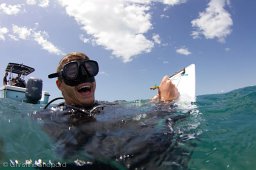 Drury Crawford合作论文数Rosenstiel School of Marine and Atmospheric Science, University of Miami13
 Cunning Ross合作论文数12
 Madeleine J H van Oppen合作论文数Australian Institute of Marine Science11
 Chris Wall合作论文数11
 Ove Hoegh-Guldberg合作论文数School of Biological Sciences, The University of Queensland;ARC Centre for Excellence for Reef Studies;University of Copenhagen11
 Franklin Erik C合作论文数School of Ocean and Earth Science and Technology, University of Hawaii at Manoa9
 Tracy Ainsworth合作论文数School of Biological, Earth & Environmental Sciences, Faculty of Science, The University of New South Wales9
 Tung-Yung Fan合作论文数National Museum of Marine Biology and Aquarium9
 Sogin Emilia M合作论文数Hawaii Institute of Marine Biology;University of Hawaii at Manoa;Hawaii Institute of Marine Biology, University of Hawaii at Manoa8
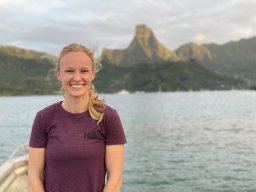 Ariana Huffmyer合作论文数University of Rhode Island7
 Elizabeth A Lenz合作论文数Departments of Evolution and Ecology and;Bodega Marine Laboratory, University of California at Davis;Departments of Evolution and Ecology and;Bodega Marine Laboratory, University of California at Davis7
 John H R Burns合作论文数7
 Michael Lesser合作论文数College of Life Sciences and Agriculture, University of New Hampshire7
 Fabina Nicholas S合作论文数Department of Zoology, University of Wisconsin Madison7
 Laetitia Hedouin合作论文数Institut de Recherche pour le Développement, Station Marine d'Endoume7
 Mariana Souza合作论文数6
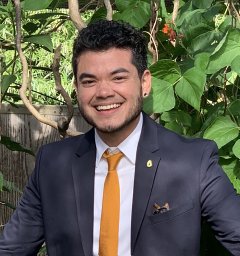 Shayle B. Matsuda合作论文数Hawaii Inst Marine Biol, Univ Hawaii Manoa6
 Zac H. Forsman合作论文数Hawaii Institute of Marine Biology;University of Hawaii;Hawaii Institute of Marine Biology, University of Hawaii6
 Robert van Woesik合作论文数College of Engineering and Science, Florida Institute of Technology;College of Ocean Engineering and Marine Sciences, Florida Institute of Technology6
 Jennifer M. Davidson合作论文数6
 Simon K Davy合作论文数School of Biological Sciences, Victoria University of Wellington6S. B. Matsuda合作论文数5M. Takabayashi合作论文数5Lupita Ruiz-Jones合作论文数5Carlo Caruso合作论文数5
 Joshua R Hancock合作论文数5David K. Jacobs合作论文数5
 David Jacobs合作论文数Department of Ecology and Evolutionary Biology, College of Life Sciences, University of California, Los Angeles5
 Katie Barott合作论文数Department of Biology, School of Arts & Sciences, University of Pennsylvania5Zelzion Ehud合作论文数Department of Ecology, Evolution and Natural Resources, Rutgers University5
 Debashish Bhattacharya合作论文数Department of Ecology, Evolution and Natural Resources, School of Environmental and Biological Sciences, Rutgers, The State University of New Jersey;Department of Marine and Coastal Sciences, School of Environmental and Biological Sciences, Rutgers, The State University of New Jersey5Yost Denise M合作论文数5Julia K. Baum合作论文数5Leonard Muscatine合作论文数5Robert Bidigare合作论文数Hawai‘i Institute of Marine Biology, University of Hawai‘i5
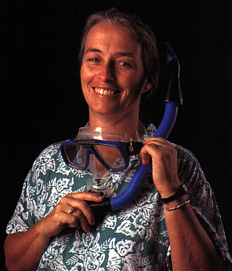 C. M. Smith合作论文数University of Hawai‘i at Mānoa5
 Melissa S Roth合作论文数5
 Heather L Spalding合作论文数Botany Department, University of Hawai'i at Mānoa5
 John C. Bythell合作论文数Department of Marine Sciences and Coastal Management, University of Newcastle5R. Cunning合作论文数4Teegan Innis合作论文数Dept Biol, Univ Penn4
 Rebecca Albright合作论文数Rosenstiel School of Marine and Atmospheric Science, University of Miami4




