The migration of rural youth to urban areas for employment opportunities has been a central scholarship focus on young people in rural and regional contexts. While leaving has often been characterised as a normative transition toward achieving socially accepted visions of adulthood, recent contributions to the rural mobilities literature challenge the assumption that leaving equates to success. These works call for renewed attention to the lived experiences of those who choose to stay. This paper presents a case study of the agriculture sector to examine the structures, influencing factors and available resources that shape young people's decisions to enter, remain in, or exit employment in a sector with a strong presence in rural and regional areas. It aims to highlight both the opportunities and the barriers that can either facilitate or hinder outward mobility from the sector.Our analysis draws on the longitudinal, nationally representative Household, Income and Labour Dynamics in Australia (HILDA) Survey to examine young people's pathways into and out of the agriculture sector. Leveraging the depth and breadth of HILDA, we are able to develop a robust understanding of the conditions that support sustained engagement in the sector, as well as the factors that drive young people to exit. Our findings reveal that a complex interplay of demographic characteristics, employment conditions, familial ties to agriculture, and geographic location shapes these trajectories. In doing so, the analysis highlights a broader set of structural and personal dynamics—both within and beyond young people's control—that influence their employment decisions and patterns of mobility.
OBJECTIVES:Horticulture farms are high-risk, hard-to-reach workplaces where regulatory and education-based safety interventions often fail to achieve lasting impact. Challenges arise from multifaceted hazards, skepticism toward regulatory authority, and the precarious employment conditions of seasonal and culturally diverse workers. This paper reports on findings from a study of an Australian horticulture industry-led Safety Learning Network (SLN) pilot that aimed to drive sustainable safety-culture change. METHODS:Qualitative data collection from participants in the initiative involved semi-structured interviews with farm owners/managers (n = 10), observations (n = 6) and notes from farm visits (n = 2), governance meetings, and informal communications (n = 19). Thematic analysis involved the application of a socio-ecological framework to identify the mechanisms that contributed to the pilot's effectiveness and weaknesses in engaging horticulture farms and fostering safety culture change. RESULTS:Participants identified three interrelated mechanisms through which the SLN supported engagement and contributed to safety culture and safety-related attitudes: building trust between the initiative leaders and farmers involved, providing practical and tailored support to farmers and their employees, and providing credible legal and industry expertise to farmers. Behavior change associated with these mechanisms included shifts in attitude and accountability among all participating farm managers and owners, and observable changes in safety behavior among workers on some farms. CONCLUSION:Industry-led networks have the potential bridge the gap between regulation and farm-level practice and may support culture and behavior change among horticulture workers. However, evidence of effectiveness is limited and these networks typically require participatory, context-specific implementation that can be resource-intensive. Future research could incorporate independent outcome measures (e.g. injury or claims data) and longitudinal designs to assess sustainability and broader impact.
Effectively supporting farm transformation in the face of climate change requires improved understanding of the processes involved in the practices of farm transformation or farm system redesign. This paper presents a case study of farm transformations in the dairy sector in Australia. We interviewed twenty-three dairy farmers (from nineteen farms) and nineteen service providers in two regions about their decisions to move from a grazing-based to more intensified feeding systems including permanently housed production systems. These farm system transformations are highly contentious; however, we use these transformations as an explanatory case from which to develop theory about what the practices of transformation entail. Located in the socio-ecological resilience literature and applying a conceptual framework that integrates social practice theory and the multi-level perspective on socio-technical transitions, we explore the practices involved in transformational processes and what accelerates or stalls them. We found that transformation is a phased process with each phase having different features and challenges. ‘Starting’ processes were catalysed by water resource policy, extreme weather events, milk market conditions or farm succession and other workforce changes. These conditions also influenced whether changes, having been explored, were put on hold, terminated, revised or put in motion. ‘Redesigning the farm system’ involved reshaping an established network or system of dairy farming practices, while ‘Sustaining the transformation’ was influenced by what was relevant and possible within the regional context. While a dairy farming system that has been transformed retains similar practices such as cow care and feeding, the practice elements and links to other practices outside dairying, including the key actors and sociocultural conditions, change significantly. Our findings contribute to an improved conceptualisation of the transformative process in farming. Firstly, by showing that processes commonly defined as incremental adaptation are not separate or lesser to transformative processes but integral to transformation. Secondly, that understanding change through the lens of practice within a multi-level perspective allows policy makers to better anticipate farm changes and their consequences.
IntroductionAdvisers are commonly involved in supporting farmers navigate the smart farming transition, however their experiences in such roles, and any changes to their working lives, has not received a great deal of empirical attention. Knowledge about these changes would enable greater anticipation of disruptions to advisory work and help support strategies to maintain and build advisory capacity. This is important for stakeholders seeking to strengthen the advisory system as part of the Agriculture 4.0 era. This paper reports on a study of advisers in the UK and Australia who work with farmers in implementing Smart Farming Technologies (SFTs), to examine the ways in which their work is changing. Changes to the work of advisers is a less explored topic within smart farming yet is an important aspect to the way the Agriculture 4.0 is unfolding.MethodWe developed a multidisciplinary framework from the literature relating to work and working life to collect and analyse data with an overarching theoretical framing of advisory practice as socio-symbolic and socio-material relations. We interviewed 22 advisers and 4 Agricultural technology (AgTech) company representatives about changes to their work as their farming clients implement SFTs.ResultsBased on qualitative analysis of the interview transcripts, and applying grounded theory techniques of constant comparison, we found a range of changes to work including: the diversity of advisory roles; integration work or the emerging ‘side office’ at the nexus of the office and the farm; demands in work duration and changes in work efficiency and effectiveness; increased workload in learning and developing new knowledge and skills and in the work of building and adapting business models fit for smart farming.DiscussionWe discuss three contributions to the understanding of changes to advisory work: the evolution in advisory roles (including bifurcation and specialisation of roles) expanded knowledge brokering and intermediary work and digiwork, or the work of integrating social, material and symbolic practices in smart farming. These changes have implications for the functioning of the advisory system which, without collective support from government or industry, will privilege technology-centric, commercial and privatised advisory efforts.
While the topic of work in agriculture is gaining more interest from researchers, reflected in increasing scholarly publications, there has been little engagement with the ILO concept of decent work (DW). Yet DW has gained increased prominence due to its inclusion in the UN SDGs, attracting media attention and political discussion, and influencing current and new policies. Moreover, agriculture is a highly hazardous industry which, in many countries, is currently facing different changes and challenges, such as new technologies, climate or market changes, with relevant consequences for the agricultural workforce. Against this backdrop, it is timely to revisit the DW concept with regard to agriculture. This paper follows from the second International Symposium of Work in Agriculture (ISWA), held in 2021, and aims to scrutinise the usefulness of the ILO's DW concept for research, policy and practice on work in agriculture. We do this based on our discussions during and after the ISWA, our expertise in the field and a review of key literature on decent work. The evidence collected indicates that the current formulation of the DW concept is inadequate to ensure decent work for all in the agriculture sector. We recommend expanding the DW concept with a more robust theoretical foundation, encompassing all categories of workers, incorporating the subjective dimension of agricultural work, and considering geographic scale more extensively to enhance DW's relevance for research, policy, and practice.
The intersect between technologies and the future of work is a key topic for both practitioner and scholarly communities. In this paper, we explore this intersect within agriculture by examining the changes to work for farmers implementing smart farming technologies (SFTs) in the United Kingdom (UK) and Australia. We interviewed 17 farmers across the UK and Australia from horticulture, dairy and mixed farming (arable and livestock) enterprises who were implementing diverse SFTs. Interview questions explored farmers' experiences in implementing SFTs with respect to any changes to work for themselves and their employees. Based on an interdisciplinary conceptual framework we developed from the literature for analysing farm work, we applied qualitative data analysis methods to examine the changes to work. We found the benefits from reduced work-duration were commonly counteracted by time spent in computer set-up and data work, with subsequent negative effects for the cognitive and affective dimensions of workload. The organisation of farm work influenced the type of skills and knowledge required to implement SFTs, with larger and corporate farms outsourcing these requirements to advisers, while smaller-medium sized farms used SFTs to augment their existing knowledge and skills, enabling employers to do more with their own time and enhancing employee engagement in work. We found more similarities than differences in work changes between countries. The interrelationships and feedback loops we have identified between the different aspects of work bring a novel perspective to technological transitions in agriculture and represent an important orientation point for researchers and technology developers to better anticipate work effects from different types of SFTs.
Context This article assesses development and implementation of a non-traditional training ‘whole-family extension approach’ (WFEA) that contributes to the innovation-brokering capacity of farm advisors within the current livestock advisory services system of Pakistan. Aims The primary objectives of the research were to explore how the WFEA training leads to improved capacity and knowledge of farm advisors and then examine these through the lens of innovation brokers and the difference they can make within the extension system, including (1) articulation of problems and possibilities, (2) network building and (3) supporting negotiation and learning in networks. Methods A qualitative investigation was conducted during four facilitated discussions and three field follow-up visits following project interventions to build the capacity of 50 farm advisors from across a network of 22 organisations that are part of the Pakistani’s livestock extension system. Data were collected by using the following two qualitative approaches: (1) facilitated discussions, during each of the four separate training workshops; and (2) field follow-up visits, where farm advisors were interviewed following a set of semi-structured questions. The data were analysed to assess the changes observed across the different farm advisors during the training interventions and subsequent mentoring provided by the project team. Key results Gaps in innovation-brokering capacity from WFEA were identified and include co-designing and more institutional support of various collaborating organisations, use of visioning tools, scenario analysis to predict possible future for the farm-advisor training and training of farm advisors on analytical skills to capture the household impacts; these should be incorporated in WFEA training. Conclusions A holistic extension training intervention approach (the WFEA) can positively influence the innovation-brokering capacity of farm advisors within the current livestock advisory services system of Pakistan. Implications This article has contributed to the literature on innovation-brokering roles in the livestock advisory systems by highlighting key additional functions of innovation-brokering in a developing-country context. Furthermore, examples from Pakistan can be used to show how farm advisors can develop skills in articulating problems and possibilities, network building and supporting negotiation and learning in networks.
This paper presents results from a review of methods of agricultural extension, including the evidence for the effectiveness of methods in supporting farm practice change, how they affect the change process, and the critical success factors involved. Agricultural scientists face challenges in aligning their research outputs to the change process on farm. These challenges are exacerbated by the funding environment for research, development, and extension (RD&E), the complexity of the adoption process and the privatisation and commercialisation of advisory and extension services. To assist scientists in navigating these challenges, a structured literature review of extension methods was conducted, examining the following: group-learning/peer-to-peer; technology development; training; information provision; one-on-one advice/coaching; e-extension; co-innovation; best management practice; and social marketing. In addition, two case studies outlining the application of combinations of extension methods in the context of feeding system challenges in the Australian dairy industry, and their effects, are described. While the evidence across the studies reviewed was strongest for the effect on adoption of small group-learning and one to one consulting, it was combinations of methods that resulted in larger effects (for example, in practice change or profitability), which was credited to how they addressed the human and social dimensions of the adoption process. Case studies of adoption in the dairy sector found that scientists influenced adoption by collaborating with the private sector, being directly involved with on-farm trials and demonstrations, and supporting group-learning approaches to help the adoption of past research. This role for scientists in adoption was enabled by investment in programs of RD&E rather than discreet research experiments, and research designs and methods that incorporated the social dimensions of adoption. This synthesis demonstrates the need for scientists to be proactive in providing guidance for farmers on where to access and source information related to their work, engage with a broad range of advisor types associated with their research field, champion in-field trials and/or demonstrations and be active participants in collaborative approaches to RD&E.
The political changes and reformation initiated the agriculture extension devolution to a lower level in the 2000s in Nepal. The federal system devolved the agriculture extension to local government to bring changes in the delivery system, institutional role, and farmers' access to knowledge development and financial resources. The research has analysed the impact of the agriculture extension devolution to the local level in the last twenty years through a structured literature review. Specifically, it has been identified that the increase in government institutions at the local level allowed farmers to receive extension services from field-level institutions. However, lack of accountability towards farmers, limited human resources, and low coordination between government institutions have impacted service delivery. Furthermore, the study shows that the devolution of agriculture extension has provided the private sector, development partners, and field-level extension actors to support government institutions by sharing the role of the extension service provider.
There is growing policy and research interest in the quality or attractiveness of farm jobs, driven by both the deepening problem of agricultural workforce shortages worldwide, and by the United Nations Sustainable Development Goal of achieving “decent work for all” by 2030. Our contribution to this work is a case study of fifty-seven waged workers' experiences of their jobs in the orchard industry in the Australian state of Victoria. Our quantitative survey research used psychological contract theory as a framework for exploring what aspects of people's job experiences contribute most to their job satisfaction and intention to stay in agricultural employment. We also mapped these findings to the domains of the International Labour Organization's decent work concept, to examine the extent to which the decent work concept can provide useful guidance for policy and practice to address workforce challenges in industrialised country agriculture. We found that satisfying employees' expectations in relation to “Safety and security”, “Enabling good work” and “Training and opportunity” had the biggest influence on their intention to continue their employment. While the first of these is captured by the decent work domains, the latter two are not. This suggests that the decent work concept on its own does not fully account for aspects of the employment relationship that are important for worker retention, and for human flourishing.
CONTEXT: The concept of responsible innovation is gaining traction in the Smart Farming field to address emerging socio-ethical issues such as power asymmetries between farmers and technology development com-panies in farm data ownership, and animal welfare issues arising from the automation of livestock management. Responsible innovation involves the democratisation of science and decision making for societal control of in-novations. The application of responsible innovation principles to the adoption phase of Smart Farming tech-nologies is an under explored area in terms of defining what responsible adoption practices are for Smart Farming, and with what effect.OBJECTIVE: This empirical research aims to provide insights into what responsible adoption practices might involve, based on application of a responsible innovation approach to designing a cross-industry adoption strategy for a virtual fencing technology in Australia. This case study also examines what responsible adoption practices mean for enacting responsible innovation of Smart Farming technologies more broadly.METHODS: A participatory Technology Assessment (pTA) approach engaged a range of virtual fencing tech-nology end-users (livestock producers) and stakeholders (agricultural advisers, natural resource managers, food retailers, a food processor, and state government department staff) (n = 80). The participants identified and considered the benefits and risks of implementing a specific virtual fencing product in various contexts. The engagement methods were 12 interactive workshops organized in peer/sector groups and one reflective and deliberative consultation process with 13 adoption specialists and practitioners to define an adoption pathway for virtual herding technology.RESULTS AND CONCLUSIONS: The adoption of the virtual herding technology product requires multiple levels of support to ensure that the technology is used responsibly and generates private, industry and public goods. This prospective knowledge, built from the considerations of end-users and stakeholders, was integrated into a virtual herding adoption strategy, and accounted for animal welfare concerns, the empowerment of producers to lead their own adoption support network and the desire for some form of regulatory governance. The responsible adoption practices were limited by the lack of institutional pathways to mobilise the strategy beyond the life of the research project.SIGNIFICANCE: The research indicates that there is value in further pursuing the notion of responsible adoption practices for Smart Farming technologies. These practices need to be designed for understanding the complexity of the adoption situation, testing the assumptions about what the 'right' adoption pathway should be, and in-clusive participation in the ongoing governance of adoption pathways.
COPYRIGHT © 2023 Dedieu, Contzen, Nettle, Schiavi and Sraïri. This is an open-access article distributed under the terms of the Creative Commons Attribution License (CC BY). The use, distribution or reproduction in other forums is permitted, provided the original author(s) and the copyright owner(s) are credited and that the original publication in this journal is cited, in accordance with accepted academic practice. No use, distribution or reproduction is permitted which does not comply with these terms. Editorial: Work in agriculture: New perspectives
This editorial introduces a special issue (SI) concerning quests for responsible digital agri-food innovation. We present our interpretations of the concepts of responsible innovation and digital agri-food innovation and show why they can and have been productively interrelated with social science theories and methods. First, each of the articles in this SI is briefly introduced and synthesised around three themes: (1) the need for a critique of digital 'solutionism' in current interdisciplinary research, development and innovation settings; (2) that social science contributes value via the ideas it brings to life to challenge dominant power dynamics and (3) that social scientific imagination and practice is a valuable long-term investment to both mitigate risk but also embrace socioenvironmental opportunities as we face ongoing sustainability crises into the future. Second, we identify future research considerations arising within the field, sitting at the intersection of social science and agricultural sociotechnical transitions. Our insights relate to challenges and opportunities to 'do' social science within the context of contemporary and nascent transitions such as increasing digitalisation. Researchers trained in social science theory and practice can make distinctive contributions to agri-food innovation processes by making social stakes visible and by advancing inclusive processes of research policy and technology design.
In this introductory paper, we discuss changes in work in agriculture arising from the influence of a wide variety of factors: global food chains and societal controversies about farming models, the status of agricultural work as a profession alongside others; the progress of rural development; issues of precariousness in work and in health. We summarize these influences and their implications to introduce the Special Issue “Work in agriculture: which perspectives?”, and outline the seven papers that contribute to understanding of the future trajectories for work in agriculture.
Context Social aspects of livestock farming systems, including farm workforce and how work is organised, have received less research attention than the biophysical and technological aspects. This constrains understanding of social challenges to the sustainability of livestock systems, such as farm labour shortages, farmers’ overwork, the undesirability of farming careers, workforce and skills changes linked to new technologies, and the connections of all these to farm performance and profitability. Aims We introduce and test the applicability and utility in the Australian context of a method developed in France for assessing work organisation: The Work Assessment Method (WAM). The WAM goes beyond standard labour productivity metrics, such as total labour cost or livestock units per worker, to examine different types of work (routine, seasonal), who does the work (owner–managers, employees, contractors) and how these change seasonally. A measure of social sustainability (‘calculated time available’) is a key feature. Methods We conducted the first Australian trial of the WAM on two Victorian dairy farms. Through facilitated discussions between participating farmers and the research team, we evaluated the utility of the method, and identified requirements to adapt it for larger, pasture-based dairy systems. Key results The WAM was applied successfully on the pilot farms, despite differences in farm systems between France and Australia. The method characterised in detail the sources of overwork for each farm, enabling discussion of how the social sustainability and overall performance of the farms could be improved. The participating farmers reported that the method provided insights that were not available from current financial and physical analyses. Conclusions The WAM shows potential for supporting farmers, advisors and researchers in work aimed at improving farm social sustainability and profitability, but requires adaptation to suit Australian conditions. A larger exploratory study applying the WAM on additional dairy farms, and on mixed farms, is suggested. Implications This study provides a strong foundation for further research to develop the WAM as a useful research and advisory tool for Australian livestock production systems.
 Margaret Ayre合作论文数School of Agriculture and Food systems, University of Melbourne26
 Nicole Reichelt合作论文数12
 Barbara King合作论文数7
 Jana-Axinja Paschen合作论文数7
 Mark Paine合作论文数7
 L W A (Laurens) Klerkx合作论文数Wageningen University & Research;Department of Agricultural Economics, University of Talca7
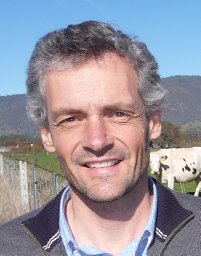 Michael Santhanam-Martin合作论文数Fac Vet & Agr Sci, Univ Melbourne5
 p b brightling合作论文数4
 Brendan R. Cullen合作论文数CSIRO Sustainable Ecosystems4Sean P. Kenny合作论文数NASA Langley Research Center4Ruth Beilin合作论文数4
 Callum R Eastwood合作论文数4
 Sandra Mara de Alencar Schiavi合作论文数Dept Management, Univ Estadual Maringa3s waller合作论文数3
 Mohamed Taher Srairi合作论文数Department of Animal Production and Biotechnology, Hassan II Agronomy and Veterinary Medicine Institute3
 Richard Rawnsley合作论文数School of Agriculture Science;University of Tasmania;School of Agriculture Science, University of Tasmania3
 Benoit Dedieu合作论文数3
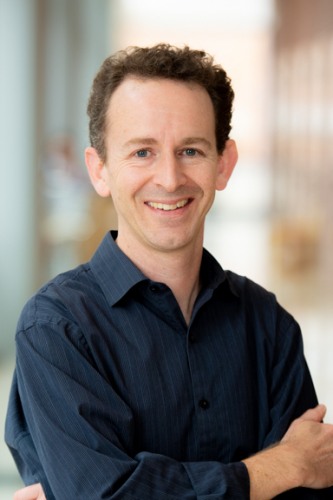 Matthew T Harrison合作论文数Division of Applied Mathematics, Brown University3
 Robert Farquharson合作论文数3
 Geoff Kuehne合作论文数3
 Carolyn Kabore合作论文数2Anne Crawford合作论文数2Jason Major合作论文数2
 Sandra Contzen合作论文数2
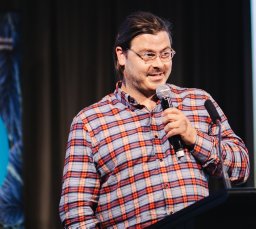 Simon Fielke合作论文数The Commonwealth Scientific and Industrial Research Organisation (CSIRO)2
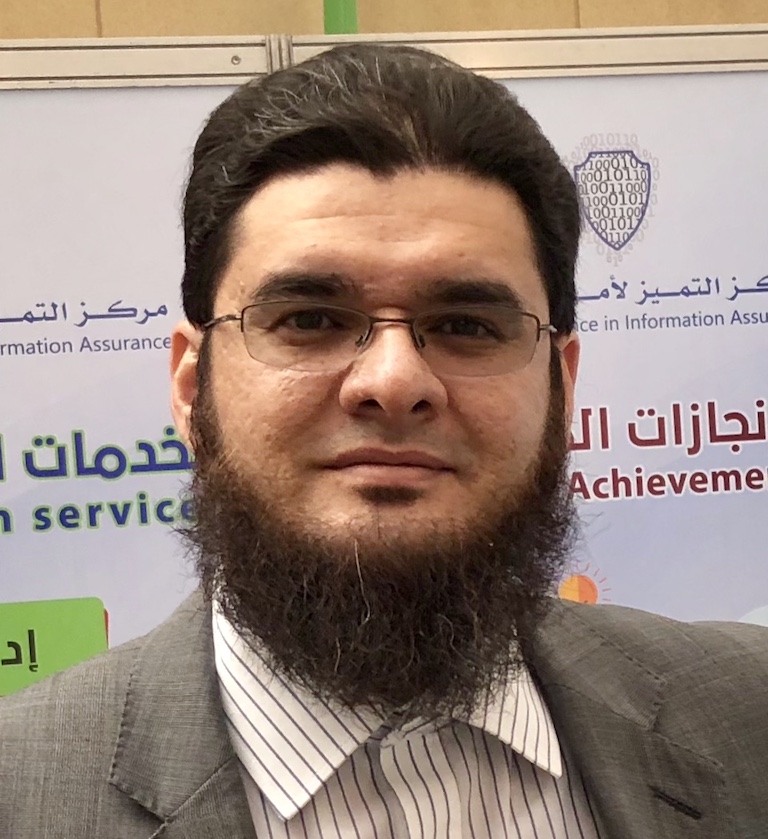 Kashif Saleem合作论文数Center of Excellence in Information Assurance, King Saud University2
 Peter J. Scales合作论文数Department of Chemical Engineering, The University of Melbourne2
 Julie Ingram合作论文数Countryside & Community Res Inst, Univ Gloucestershire2K.M. Christie合作论文数2
 Sergio Garcia合作论文数Programa de Pós-Graduação em Ciências Farmacêuticas, UFRGS2
 Jeff Alexander Coutts合作论文数2Vincent Pettigrove合作论文数Melbourne Water Research and Technology2John Mckenzie合作论文数2
 Bryan R. Cullen合作论文数Department of Medicine, School of Medicine, Duke University;Duke University Medical Center2
 Andrew Western合作论文数Department of Infrastructure Engineering, School of Engineering, University of Melbourne2
 L. R. Turner合作论文数2
 Daniel Spring合作论文数1Pastora Correa合作论文数1Sophie Chauvat合作论文数1Amélie Turlot合作论文数1
 Heng-Soon Gan合作论文数1R Beilin合作论文数1Anne-Charlotte Dockès合作论文数1brent collett合作论文数1Jocelyn Fagon合作论文数1Emmanuel Beguin合作论文数1Brian Dela Rue合作论文数1
 Sigfredo Fuentes合作论文数1




