Background: In the open-label, phase 3 REFLECT trial, lenvatinib had noninferior overall survival (OS) to sorafenib, as well as improved progression-free survival (PFS) and objective response rate (ORR) in patients with unresectable hepatocellular carcinoma (uHCC). We report post hoc safety and efficacy in older patients. Methods: In REFLECT (NCT01761266), patients with histologically/cytologically confirmed uHCC were randomized 1:1 to lenvatinib (12 mg/day [bodyweight ≥60 kg] or 8 mg/day [bodyweight <60 kg]) or sorafenib 400 mg twice daily in 28-day cycles. In this analysis, OS, PFS, ORR, and safety were evaluated in patients aged ≥65 and ≥75 years. Efficacy was evaluated per modified Response Evaluation Criteria in Solid Tumors by masked independent imaging review. Results: By data cutoff (November 13, 2016), 401 patients (208 receiving lenvatinib, 193 receiving sorafenib) were aged ≥65 years; of them, 125 (58 receiving lenvatinib, 67 receiving sorafenib) were aged ≥75 years. In the age ≥65 group, median OS was 14.6 months (95%CI: 13.0−18.7) in the lenvatinib arm and 13.4 months (95%CI: 11.6−16.3) in the sorafenib arm (hazard ratio [HR]: 0.844; 95%CI: 0.664−1.074); the OS HR was 0.807 (95%CI: 0.634−1.028) after adjusting for baseline alpha-fetoprotein. Median PFS was 7.4 months (95%CI: 5.6−9.1) with lenvatinib and 5.4 months (95%CI: 3.6−5.5) with sorafenib (HR: 0.571; 95%CI: 0.432−0.755). ORRs were 42.8% (95%CI: 36.1−49.5) with lenvatinib and 14.5% (95%CI: 9.5−19.5) with sorafenib. The most frequent treatment-emergent adverse events (TEAEs) were hypertension (47.3%) in the lenvatinib arm and palmar-plantar erythrodysesthesia syndrome (50.8%) in the sorafenib arm. The incidence of grade ≥3 TEAEs was 82.1% and 72.5% in the lenvatinib and sorafenib arm, respectively. Similar results were observed in patients aged ≥75 years. Conclusions: Consistent with the overall REFLECT population, older patients in the lenvatinib arm generally showed improved efficacy versus the sorafenib arm, supporting lenvatinib as an option for older patients with uHCC.
While traditionally informed by tumor tissue origin and histopathology, advancements in next-generation sequencing (NGS) technology have catalyzed tumor-agnostic approaches which prioritize molecular alterations for personalized treatment. Here, we demonstrate the clinical utility of molecularly guided tumor-agnostic precision medicine in an Asian cohort, leveraging an Asian-centric NGS panel tailored to address the unique genetic landscape of the region. 1,167 formalin-fixed paraffin-embedded tissue samples from 1,150 Asian cancer patients across >70 centers in 7 countries underwent real-world NGS testing using an Asian-centric pan-cancer hybrid-capture NGS panel (UNITED), profiling 572 cancer-related genes and 91 RNA fusion partners. Biomarkers were classified as actionable if therapeutic indications were FDA-approved, guideline-recommended, or supported by robust phase III clinical trials. The cohort encompassed 23 cancer types, with lung (17.7%), colorectal (12.8%), prostate (11.1%), and breast (8.6%) cancers accounting for 50.1% of the clinical volume. Actionable biomarkers were identified in 62.2% of samples, with KRAS, EGFR, and PIK3CA among the most frequently mutated genes. The likelihood of identifying ≥1 actionable mutation was highest in CNS tumors (83.6%), followed by lung cancer (81.2%), breast cancer (79%), and others. Among 27,552 somatic variants detected, 1,291 (4.7%) were potentially targetable by regulatory-approved therapies. Notably, ≥1 tumor-agnostic biomarker (including TMB-H, dMMR/MSI-H, NTRK/RET fusions, and BRAF V600E) was identified in every cancer type, detected in 98 samples (8.4%). This includes in 16.9% of lung tumors, 12.2% of tumors of unknown primary origin, 11.8% of endometrial tumors, and others. As expected, TMB was significantly associated with MSI (p<0.0001). ERBB2 amplification, a potential surrogate marker for HER2 overexpression, was identified in 42 samples (3.6%) and was most frequently detected in breast tumors (15%), followed by endometrial tumors (11.8%), ovarian tumors (8.9%), and others. Homologous recombination deficiency (HRD) was observed in 407 samples (34.9%) and were present in about half of the tumors of the breast (50%), colon (49%), urothelium (47.1%), endometrium (47.1%) and lung (44%). Notably, HRD-positive tumors exhibited significantly higher TMB compared to HRD-negative tumors (median TMB 5.58 vs. 5.15, p=0.0001). Leveraging an Asian-centric NGS panel, actionable molecular alterations were detected in 62.2% of Asian cancer patients. The high prevalence of actionable biomarkers, coupled with the detection of regulatory-approved tumor-agnostic markers, underscores the significance of comprehensive NGS testing in facilitating tumor-agnostic precision medicine in an Asian setting, thereby improving treatment strategies and patient outcomes. Jing Yi Lee, Aya E. Helali, Zi Yi Wan, Donald Y. Poon, Jens Samol, Tsz Him So, Su Pin Choo, Ravindran Kanesvaran, Cheng-Vai Hui, Joseph S. Au, Timothy Yip, Ross Soo, Michelle Pek, Ruifen Weng, Bin Tean Teh, Min-Han Tan, Jonathan Poh, Jason Y. Chan. Clinical actionability of an Asian pan-cancer tissue-based next generation sequencing (NGS) assay [abstract]. In: Proceedings of the American Association for Cancer Research Annual Meeting 2025; Part 1 (Regular Abstracts); 2025 Apr 25-30; Chicago, IL. Philadelphia (PA): AACR; Cancer Res 2025;85(8_Suppl_1):Abstract nr 720.
Advancements in next-generation sequencing have facilitated tumour-agnostic approaches for cancer therapy. Here, we demonstrate the clinical utility of molecularly guided tumour-agnostic precision medicine in an Asian cohort, leveraging an Asian-centric DNA/RNA comprehensive genomic profiling (CGP) panel. A total of 1166 tissue samples encompassing 29 cancer types underwent real-world CGP testing. Actionable biomarkers were identified in 62.3% of samples, including 1291 (4.7%) somatic variants potentially targetable by regulatory-approved therapies. At least one tumour-agnostic biomarker, including high tumour mutation burden (TMB-high), microsatellite instability (MSI-high), NTRK/RET fusions, and BRAF V600E was identified in 98 samples across 26 cancer types (8.4%). ERBB2 amplification was identified in 42 samples (3.6%) and was most frequently detected in breast (15.0%), followed by endometrial (11.8%) and ovarian tumours (8.9%). Homologous recombination deficiency (HRD) was observed in 407 samples (34.9%). The high prevalence of actionable biomarkers underscores the significance of CGP in facilitating precision medicine in an Asian setting.
Functional precision medicine aims to expand the landscape of effective drug treatment options beyond standard of care through additional insights from ex vivo phenotypic drug response data. In our previous work, we have demonstrated the clinical feasibility of Optim.AI™, a combinatorial functional precision medicine platform, in identifying effective and resistant treatment options for non-Hodgkin lymphoma and acute myeloid leukemia (AML). This study further investigates the clinical utility and concordance of Optim.AI™ in predicting treatment sensitivity or resistance in a variety of hematological and solid cancers processed at KYAN’s clinical laboratory, with notable case studies highlighted. Optim.AI™ utilizes efficiently designed experiments of less than 200 ex vivo combinations to interrogate over 530, 000 possible treatment permutations from a 12-drug panel. Optim.AI™ then ranks all clinically actionable treatments within the tested drug panel based on predicted sensitivity or resistance. In this study, we investigated 66 cases from a total of 20 cancer types (5 hematological and 15 solid cancer) and a range of tissue sample sources, including bone marrow aspirate, peripheral blood, tissue biopsy or resections, and pleural or peritoneal fluid. Retrospective concordance analysis was performed by evaluating Optim.AI™-generated tumor cell viability results against the prior lines of treatment for each sample. Prospective data of patients administered with Optim.AI™-predicted treatment were also collected, where applicable. With an established viability cut-off of 0.5, Optim.AI™ demonstrated a correlation of 88% with prior therapies, which included a range of 36 targeted treatments and chemotherapy agents. Among the 37 solid cancer cases evaluated, 86.5% (p-value < 0.0001) demonstrated concordance to prior line(s) of treatment, while for hematological cancers, 89.7% of the 29 cases (p-value = 0.0005) were concordant with previously observed resistance. Additionally, platform-predicted treatments were associated with positive clinical responses in several cases of hematological and solid cancers, where prospective data were available. Our retrospective concordance results demonstrate the clinical applicability and robustness of Optim.AI™ in predicting sensitivity or resistance to cancer treatments. In line with previous prospective clinical studies, these findings illustrate the platform’s potential to positively impact treatment recommendations across a broad range of hematological and solid cancers. Future prospective studies to evaluate Optim.AI™-guided treatments are warranted to further confirm the predictive value of the platform and provide evidence for incorporating such functional assays in clinical oncology. Masturah Mohamed Abdul Rashid, Jhin Jieh Lim, Weng Tong Ho, Su Pin Choo, Donald Yew Hee Poon, Daryl Chen Lung Tan, William Ying Khee Hwang, Yvonne Loh, Jeffry Beta Tenggara, Chin Hin Ng, Hugo Saavedra, Edward Kai-Hua Chow. Real-world concordance analysis of a combinatorial functional precision medicine platform, Optim.AI™, in both solid and hematological cancers [abstract]. In: Proceedings of the American Association for Cancer Research Annual Meeting 2025; Part 1 (Regular Abstracts); 2025 Apr 25-30; Chicago, IL. Philadelphia (PA): AACR; Cancer Res 2025;85(8_Suppl_1):Abstract nr 7214.
BACKGROUND AND AIMS:The interaction of immune checkpoint inhibitors (ICI) and concomitant medications such as antibiotics, metformin, statins, beta-blockers, proton pump inhibitors (PPIs), nonsteroidal anti-inflammatory drugs (NSAIDs), and low-dose aspirin has been studied in other malignancies. Our study aims to investigate the relationship between these medications and ICI efficacy in patients with advanced hepatocellular carcinoma (aHCC). METHODS:A retrospective review of patients who received at least one dose of ICIs between May 2015 and November 2019 was performed. The primary objectives were to compare the overall survival (OS) and progression-free survival (PFS) between patients with and without medication usage. Log rank test was used to assess for differences in survival. Hazard ratios were reported using Cox proportional hazard regression analysis. The data cutoff date was December 31, 2020. RESULTS:A total of 168 patients were included. Median age was 69 years, 85.7% male, 60.7% ECOG 0, 78.0% Child-Pugh A liver cirrhosis, 57.7% hepatitis B etiology, 8.9% hepatitis C, and 33.3% nonviral. One hundred three patients (61.3%) received ICI monotherapy, while 38.7% received ICI in combination. Sixty-two patients (36.9%) had concomitant antibiotic usage, 26.8% metformin, 30.4% statin, 31.0% beta-blockers, 60.1% PPI, 6.5% NSAIDs, and 11.9% aspirin. Patients with aHCC receiving antibiotics did not have a shorter OS (adjusted HR [aHR] 1.40, 95% CI 0.94-2.09, p = 0.096) or shorter PFS (aHR 0.94, 95% CI 0.66-1.34, p = 0.73), as compared to those who did not receive antibiotics. However, patients with aHCC of viral hepatitis etiology receiving ICI treatment and concurrent antibiotics had shorter OS (5.5 vs. 14.2 months, aHR 1.93, 95% CI 1.17-3.17, p = 0.010) and PFS (1.1 vs. 2.6 months, aHR 2.69, 95% CI 1.28-5.65, p = 0.009), as compared to those who did not receive antibiotics. CONCLUSIONS:The use of antibiotics may diminish ICI efficacy in patients with aHCC of viral hepatitis etiology, while the use of metformin, statins, beta-blockers, NSAIDs, and aspirin is not associated with significant clinical outcomes.
Abstract Introduction: Comprehensive molecular profiling with combined DNA-RNA next-generation sequencing (NGS) on tumor tissue is now increasingly being used as standard-of-care for sequence therapy selection to improve cancer survival. Combined DNA-RNA NGS is also considered standard-of-care for central nervous system (CNS) tumor classification. Despite the genetic heterogeneity and diversity of cancers, most commercial combined DNA/RNA NGS assays are validated in Western populations, resulting in knowledge gaps in patient outcomes. We report here for the first time a range of actionable outcomes from a comprehensive DNA/RNA tissue NGS assay designed specifically to probe Asian-prevalent cancers and biomarkers in an international multicenter real-world study in Asia. Methods: 1,002 formalin-fixed paraffin-embedded tissue samples from 995 Asian cancer patients across >70 centers in 7 countries and/or territories underwent real-world DNA/RNA NGS testing in a CAP-accredited CLIA-certified laboratory. Genomic alterations including SNVs, INDELS, gene fusions, CNVs, TMB, and MSI were analyzed using an Asian-centric pan-cancer hybrid-capture NGS panel that comprehensively profiles 572 cancer-related genes and 91 RNA fusion partners (UNITED). Biomarkers were considered actionable if the therapeutic indication in any solid tumor or hematological cancer was FDA-approved, guidelines-recommended, or supported by well-powered phase III clinical trials. Results: 27 cancer types were represented in 1,002 tissue samples, with lung, breast, colorectal, and prostate cancers comprising 45.5% of clinical volume. 79.5% of samples harbored ≥1 actionable biomarker, with the most frequently altered genes being TP53, KRAS, PIK3CA, EGFR, and NF1. Overall, 42.6% of samples had ≥1 biomarker with an indication in the patient’s cancer type, including 81.5% of lung, 59.0% of breast, 61.8% of colorectal, and 42.1% of prostate cancers. Across the pan-cancer cohort, 13.3% was TMB-high and 1.9% was MSI-high. 26.3% of samples were from cancer types outside the original assay design; the top 3 were pancreatic cancer (7.3%), sarcoma (3.3%), and CNS tumor (3.1%). Cancers of unknown primary (CUP) also constituted a significant proportion (3.8%). In CNS tumors, 38.7% harbored an actionable mutation in IDH1, BRAF, or H3-3A. In CUP, 78.8% harbored an actionable mutation; 50% of samples harbored biomarkers that additionally informed potential tumor origin, including mutations in EGFR, MET, ALK, ROS1, and BRCA1. Conclusion: The use of an Asian-focused pan-cancer DNA/RNA NGS panel resulted in detection of actionable biomarkers in 79.5% of clinical cases. These findings support the utility of DNA/RNA NGS assays in informing standard-of-care therapeutic decisions in Asian cancer patients for maximizing cancer survival. Citation Format: Jason Yongsheng Chan, Jing Yi Lee, Zi Yi Wan, Abner Herbert Lim, Tun Kiat Ko, Cedric Chuan-Young Ng, Donald Poon, Jens Samol, Tsz Him So, Su Pin Choo, Ravindran Kanesvaran, Cheng-Vai Hui, Joseph Siu-Kie Au, Aya El Helali, Timothy Yip, Vikneswari Rajasegaran, Sandy Lim, Ruifen Weng, Puay Hoon Tan, Bin Tean Teh, Min-Han Tan, Jonathan Poh. Real-world experience of an Asian pan-cancer combined DNA/RNA next generation sequencing (NGS) tissue biopsy assay [abstract]. In: Proceedings of the American Association for Cancer Research Annual Meeting 2024; Part 1 (Regular Abstracts); 2024 Apr 5-10; San Diego, CA. Philadelphia (PA): AACR; Cancer Res 2024;84(6_Suppl):Abstract nr 6399.
Supplementary Figure from Multi-omic Characterization of Pancreatic Ductal Adenocarcinoma Relates CXCR4 mRNA Expression Levels to Potential Clinical Targets
Further details of methods, in addition to the supplementary figure and table legends.
Yttrium-90 (Y90)-resin microspheres radioembolization followed by nivolumab (Nivo) has shown encouraging response rate in advanced hepatocellular carcinoma (HCC), but only a subset of patients benefit from it. Predictive biomarkers help to identify patients for the treatment. Longitudinal plasma and peripheral blood mononuclear cells (PBMCs) collection from HCC patients who received sequential Y90-RE followed by nivolumab (CA209-678; NCT03033446) allowed assessment of dynamics changes. Predictor selection procedure includes individual timepoint comparison, average analysis, trajectory description, responsiveness prediction, and combined modalities validation. 65-plex Human ProcartaPlex Luminex panel was employed to examine the concentration of cytokines and chemokines in 187 plasma samples collected at eight timepoints (responder [R]=11, non-responder [NR]=22). Immunomonitoring of PBMCs (NR=12, R=5) was assessed with a 39-plex Cytek panel followed by dimension reduction analysis. CXCL9 was reported impacting the immune treatment response, thus we focused on CXCL9+ CD8 cluster. Mixed models were fitted for responsiveness represented by Luminex analytes and CD8 phenotypes. Logistic regression and Cox model were fitted for the association between analytes and treatment response and 3-year overall survival (OS). Biomarkers showed significant association (P<0.05) and AUC > 0.7 were selected as the potential predictors. All Luminex biomarkers showed difference between the R and NR groups 14 days after Y90 treatment (P<0.05). The higher increment of IL-18, IL-12p70, and CCL24 after Y90 treatment related to better treatment response and 3-year OS. CXCL9+ and CXCR3+ CD8 clusters differed between R and NR on the 21st and 35th day after Y90-RE, respectively. IL-18 and IL-12p70 were significantly associated with CXCL9+ and CXCR3+ CD8 clusters in the Rs, but not NRs. IL-18, IL-12p70, and CCL24 were potential predictors for treatment response as well as 3-year OS for HCC patients treated by Y90-Nivo.
Background: Following a European Society for Medical Oncology Women for Oncology (ESMO W4O) survey in 2016 showing severe under-representation of female oncologists in leadership roles, ESMO launched a series of initiatives to address obstacles to gender equity. A follow-up survey in October 2021 investigated progress achieved. Materials and methods: The W4O questionnaire 2021 expanded on the 2016 survey, with additional questions on the impact of ethnicity, sexual orientation and religion on career development. Results were analysed according to respondent gender and age. Results: The survey sample was larger than in 2016 (n = 1473 versus 482), especially among men. Significantly fewer respondents had managerial or leadership roles than in 2016 (31.8% versus 51.7%). Lack of leadership development for women and unconscious bias were considered more important in 2021 than in 2016. In 2021, more people reported harassment in the workplace than in 2016 (50.3% versus 41.0%). In 2021, ethnicity, sexual orientation and religion were considered to have little or no impact on professional career opportunities, salary setting or related potential pay gap. However, gender had a significant or major impact on career development (25.5% of respondents), especially in respondents <40 years of age and women. As in 2016, highest ranked initiatives to foster workplace equity were promotion of workelife balance, development and leadership training and flexible working. Significantly more 2021 respondents (mainly women) supported the need for culture and gender equity education at work than in 2016. Conclusions: Gender remains a major barrier to career progression in oncology and, although some obstacles may have been reduced since 2016, we are a long way from closing the gender gap. Increased reporting of discrimination and inappropriate behaviour in the workplace is a major, priority concern. The W4O 2021 survey findings provide new evidence and highlight the areas for future ESMO interventions to support equity and diversity in oncology career development.
Introduction:Immune checkpoint blockade (ICB) is a systemic therapeutic option for advanced hepatocellular carcinoma (HCC). However, low patient response rates necessitate the development of robust predictive biomarkers that identify individuals who will benefit from ICB. A 4-gene inflammatory signature, comprising CD8, PD-L1, LAG-3, and STAT1, was recently shown to be associated with a better overall response to ICB in various cancer types. Here, we examined whether tissue protein expression of CD8, PD-L1, LAG-3, and STAT1 predicts response to ICB in HCC.Methods:HCC samples from 191 Asian patients, comprising resection specimens from 124 patients (ICB-naïve) and pre-treatment specimens from 67 advanced HCC patients treated with ICB (ICB-treated), were analyzed for CD8, PD-L1, LAG-3, and STAT1 tissue expression using multiplex immunohistochemistry followed by statistical and survival analyses.Results:Immunohistochemical and survival analyses of ICB-naïve samples showed that high LAG-3 expression was associated with shorter median progression-free survival (mPFS) and overall survival (mOS). Analysis of ICB-treated samples revealed that high proportions of LAG-3+ and LAG-3+CD8+ cells pre-treatment were most closely associated with longer mPFS and mOS. Using a log-likelihood model, adding the total LAG-3+ cell proportion to the total CD8+ cell proportion significantly increased the predictive values for mPFS and mOS, compared with the total CD8+ cell proportion alone. Moreover, levels of CD8 and STAT1, but not PD-L1, were significantly correlated with better responses to ICB. After analyzing viral-related and non-viral HCC samples separately, only the LAG3+CD8+ cell proportion was significantly associated with responses to ICB regardless of viral status.Conclusion:Immunohistochemical scoring of pre-treatment levels of LAG-3 and CD8 in the tumor microenvironment may help predict ICB benefits in HCC patients. Furthermore, immunohistochemistry-based techniques offer the advantage of being readily translatable in the clinical setting.
BACKGROUND:Patients with advanced hepatocellular carcinoma (aHCC) have a poor prognosis and high mortality. Nivolumab monotherapy demonstrated clinical benefit with an acceptable safety profile in patients with aHCC in the CheckMate 040 study. Five-year follow-up of the sorafenib-naive and sorafenib-experienced groups of CheckMate 040 is presented here. PATIENTS AND METHODS:Patients received nivolumab monotherapy at dose levels of 0.1-10.0 mg/kg (dose-escalation phase) or 3 mg/kg (dose-expansion phase) every 2 weeks until disease progression or unacceptable toxicity. Primary endpoints were safety and tolerability (dose escalation), and objective response rate (ORR) by blinded independent central review (BICR) and by investigator as per RECIST version 1.1 (dose expansion). RESULTS:Eighty sorafenib-naive and 154 sorafenib-experienced patients were treated. Minimum follow-up in both groups was 60 months. ORR as per BICR was 20% [95% confidence interval (CI) 12% to 30%] and 14% (95% CI 9% to 21%) in the sorafenib-naive and sorafenib-experienced groups, respectively. Responses occurred regardless of HCC etiology or baseline tumor cell programmed death-ligand 1 (PD-L1) expression levels. Median overall survival (OS) was 26.6 months (95% CI 16.6-30.6 months) and 15.1 months (95% CI 13.0-18.2 months) in sorafenib-naive and sorafenib-experienced patients, respectively. The 3-year OS rates were 28% in the sorafenib-naive and 20% in the sorafenib-experienced groups; 5-year OS rates were 14% and 12%, respectively. No new safety signals were identified; grade 3/4 treatment-related adverse events were observed in 33% and 21% of patients in the sorafenib-naive and sorafenib-experienced groups, respectively. Biomarker analyses showed that baseline PD-L1 expression ≥1% was associated with higher ORR and longer OS compared with PD-L1 <1%. In the sorafenib-naive group, patients with OS ≥3 years exhibited higher baseline CD8 T-cell density compared with those with OS <1 year. CONCLUSION:With 5 years of follow-up, nivolumab monotherapy continued to provide durable clinical benefit with manageable safety in sorafenib-naive and sorafenib-experienced patients with aHCC.
Supplementary Figure 1. Unsupervised Clustering on CCA samples. Supplementary Figure 2. Alterations Found in CCA Clusters. Supplementary Figure 3. MAP2K4 Homozygous Deletions and ERBB2 Amplifications. Supplementary Figure 4. Alterations Related to Structural Variations Found in CCAs. Supplementary Figure 5. FIREFLY Analysis of Pathways Systematically Dysregulated by Somatic Promoter Mutations that Alter Transcription Factor Binding. Supplementary Figure 6. Epigenetic Clusters and Mutation Signatures.
Background Combination therapy with radioembolization (yttrium-90)-resin microspheres) followed by nivolumab has shown a promising response rate of 30.6% in a Phase II trial (CA209-678) for advanced hepatocellular carcinoma (HCC); however, the response mechanisms and relevant biomarkers remain unknown. Methods By collecting both pretreatment and on-treatment samples, we performed multimodal profiling of tissue and blood samples and investigated molecular changes associated with favorable responses in 33 patients from the trial. Results We found that higher tumor mutation burden, NCOR1 mutations and higher expression of interferon gamma pathways occurred more frequently in responders. Meanwhile, non-responders tended to be enriched for a novel Asian-specific transcriptomic subtype (Kaya_P2) with a high frequency of chromosome 16 deletions and upregulated cell cycle pathways. Strikingly, unlike other cancer types, we did not observe any association between T-cell populations and treatment response, but tumors from responders had a higher proportion of CXCL9 + /CXCR3 + macrophages. Moreover, biomarkers discovered in previous immunotherapy trials were not predictive in the current cohort, suggesting a distinctive molecular landscape associated with differential responses to the combination therapy. Conclusions This study unraveled extensive molecular changes underlying distinctive responses to the novel treatment and pinpointed new directions for harnessing combination therapy in patients with advanced HCC.
The combination of atezolizumab and bevacizumab (AB) has been a game changer in the first-line treatment of advanced hepatocellular carcinoma (HCC) and is now incorporated into most international guidelines, alongside lenvatinib and sorafenib.1 In the landmark ImBRAVE 150 trial, atezolizumab with bevacizumab improved median overall survival by 9.6 months compared to sorafenib with an HR of 0.58 (p < 0.001).2 In updated results, after a median follow-up of 15.6 months, the median OS with the combination was an impressive 19.2 months, the longest OS we have seen in any phase 3 advanced HCC trial and this was accompanied by an overall response rate of 30%, more than double that of sorafenib.3 More recently, data from the COSMIC-312 trial were presented, providing the combination of atezolizumab and cabozantinib as another potential option for first-line HCC treatment.4 The combination of tremelimumab and durvalumab has also been shown to increase survival over sorafenib in the HIMALAYA trial.5 Further combination therapies being tested in ongoing phase 3 trials will likely provide even more treatment options for this group of patients, making the decision on how to choose or sequence these systemic therapies in advanced HCC more complex. In this issue of Liver International, Cheon et al. report the initial Korean experience of AB regimen in advanced HCC patients.6 For this purpose, they performed a retrospective observational study on 121 BCLC B or C HCC patients recruited in 11 centres who received AB as first-line therapy. Extrahepatic metastases were noted in 70% of patients and macrovascular invasion was reported in 37%, similar to the patient population in the ImBRAVE 150 trial. Most patients though (77%) were HBV infected. Liver cirrhosis was diagnosed in 61% and about 65% of patients in this study had endoscopy prior to treatment and 28% were found to have oesophageal varices. The tumour responses in this real-world study were similar to what was seen in the prospective phase 3 trial. During a median time of 5.9 months follow-up, the authors managed to assess classical parameters of response to therapy: complete response (CR, 1.7%), partial response (PR, 22%), objective response rate (ORR, 24%). Stable disease (SD) and progressive disease (PD) were observed in 52% and 24% of patients, respectively, leading to a disease control rate (DCR) of 76.0%. The median PFS was 6.5 months (95% CI, 4.1–9.0), also similar to 6.8 months in the ImBrave150 trial. Adverse events in the Korean cohort were mainly aspartate aminotransferase (AST) increase (57%), thrombocytopenia (55%), anaemia (47%), and arterial hypertension (44%), which also represented the most frequent grade 3–4 AEs reported in 28% patients. Digestive haemorrhage occurred in 5% and was in all related to PHT. This safety profile of AB in the real-world setting is in line with what was seen in the trial. Real-world evidence provides important information about disease behaviour and toxicities of drugs in the clinic and is sometimes used by regulatory bodies to support trial data.7 In this case, the use of AB in this Korean population supports the efficacy of AB in clinical practice. Further real-world studies are needed in different populations to understand the efficacy in patients who may not fit trial criteria.8 With increasing treatment options for advanced HCC, the question of how best to choose becomes more difficult. Here, collecting real-world data on treatment patterns and subsequent therapies can also give us a better understanding of physicians' practices.
Background Single-agent nivolumab showed durable responses, manageable safety, and promising survival in patients with advanced hepatocellular carcinoma in the phase 1-2 CheckMate 040 study. We aimed to investigate nivolumab monotherapy compared with sorafenib monotherapy in the first-line setting for patients with advanced hepatocellular carcinoma. Methods In this randomised, open-label, phase 3 trial done at medical centres across 22 countries and territories in Asia, Australasia, Europe, and North America, patients at least 18 years old with histologically confirmed advanced hepatocellular carcinoma not eligible for, or whose disease had progressed after, surgery or locoregional treatment; with no previous systemic therapy for hepatocellular carcinoma, with Child-Pugh class A and Eastern Cooperative Oncology Group performance status score of 0 or 1, and regardless of viral hepatitis status were randomly assigned (1:1) via an interactive voice response system to receive nivolumab (240 mg intravenously every 2 weeks) or sorafenib (400 mg orally twice daily) until disease progression or unacceptable toxicity. The primary endpoint was overall survival assessed in the intention-to-treat population. Safety was assessed in all patients who received at least one dose of study drug. This completed trial is registered with ClinicalTrials.gov, NCT02576509. Findings Between Jan 11, 2016, and May 24, 2017, 743 patients were randomly assigned to treatment (nivolumab, n=371; sorafenib, n=372). At the primary analysis, the median follow-up for overall survival was 15.2 months (IQR 5.7-28.0) for the nivolumab group and 13.4 months (5.7-25.9) in the sorafenib group. Median overall survival was 16.4 months (95% CI 13.9-18.4) with nivolumab and 14.7 months (11.9-17.2) with sorafenib (hazard ratio 0.85 [95% CI 0.72-1.02]; p=0.075; minimum follow-up 22.8 months); the protocol-defined significance level of p=0.0419 was not reached. The most common grade 3 or worse treatment-related adverse events were palmar-plantar erythrodysaesthesia (1 [<1%] of 367 patients in the nivolumab group vs 52 [14%] of patients in the sorafenib group), aspartate aminotransferase increase (22 [6%] vs 13 [4%]), and hypertension (0 vs 26 [7%]). Serious treatment-related adverse events were reported in 43 (12%) patients receiving nivolumab and 39 (11%) patients receiving sorafenib. Four deaths in the nivolumab group and one death in the sorafenib group were assessed as treatment related. Interpretation First-line nivolumab treatment did not significantly improve overall survival compared with sorafenib, but clinical activity and a favourable safety profile were observed in patients with advanced hepatocellular carcinoma. Thus, nivolumab might be considered a therapeutic option for patients in whom tyrosine kinase inhibitors and antiangiogenic drugs are contraindicated or have substantial risks. Copyright (C) 2021 Elsevier Ltd. All rights reserved.
 Toh Han Chong合作论文数Natl Canc Ctr46
 David Waimeng Tai合作论文数34
 Tan Bee Huat Iain合作论文数Division of Medical Oncology, National Cancer Centre Singapore;Genome Institute of Singapore30Lee Joycelyn合作论文数28
 Pierce Chow Kah Hoe合作论文数Academic Medicine, Duke-NUS Medical School26Wai Meng David Tai合作论文数22
 Choon Hua Thng合作论文数Academic Medicine, Duke-NUS Medical School22
 Tham Chee Kian合作论文数Division of Medical Oncology, National Cancer Centre Singapore22
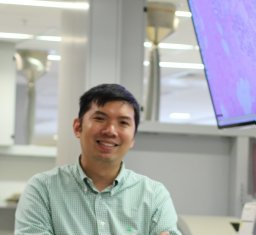 Joe Yeong合作论文数Department of Anatomical Pathology, Singapore General Hospital19Lim Kiat Hon合作论文数18Sze Huey Tan合作论文数Division of Clinical Trials and Epidemiological Sciences, National Cancer Centre Singapore16Chua Clarinda合作论文数16
 Masatoshi Kudo (工藤正俊)合作论文数Department of Medicine, Faculty of Medicine, Kindai University;Graduate School of Medical Sciences, Faculty of Medicine, Kindai University16
 Thomas Chung Cheung Yau (邱宗祥)合作论文数Department of Medicine, Li Ka Shing Faculty of Medicine, The University of Hong Kong15
 Chiun Hsu (许骏)合作论文数National Taiwan University Cancer Center;Graduate Institute of Oncology, National Taiwan University College of Medicine15
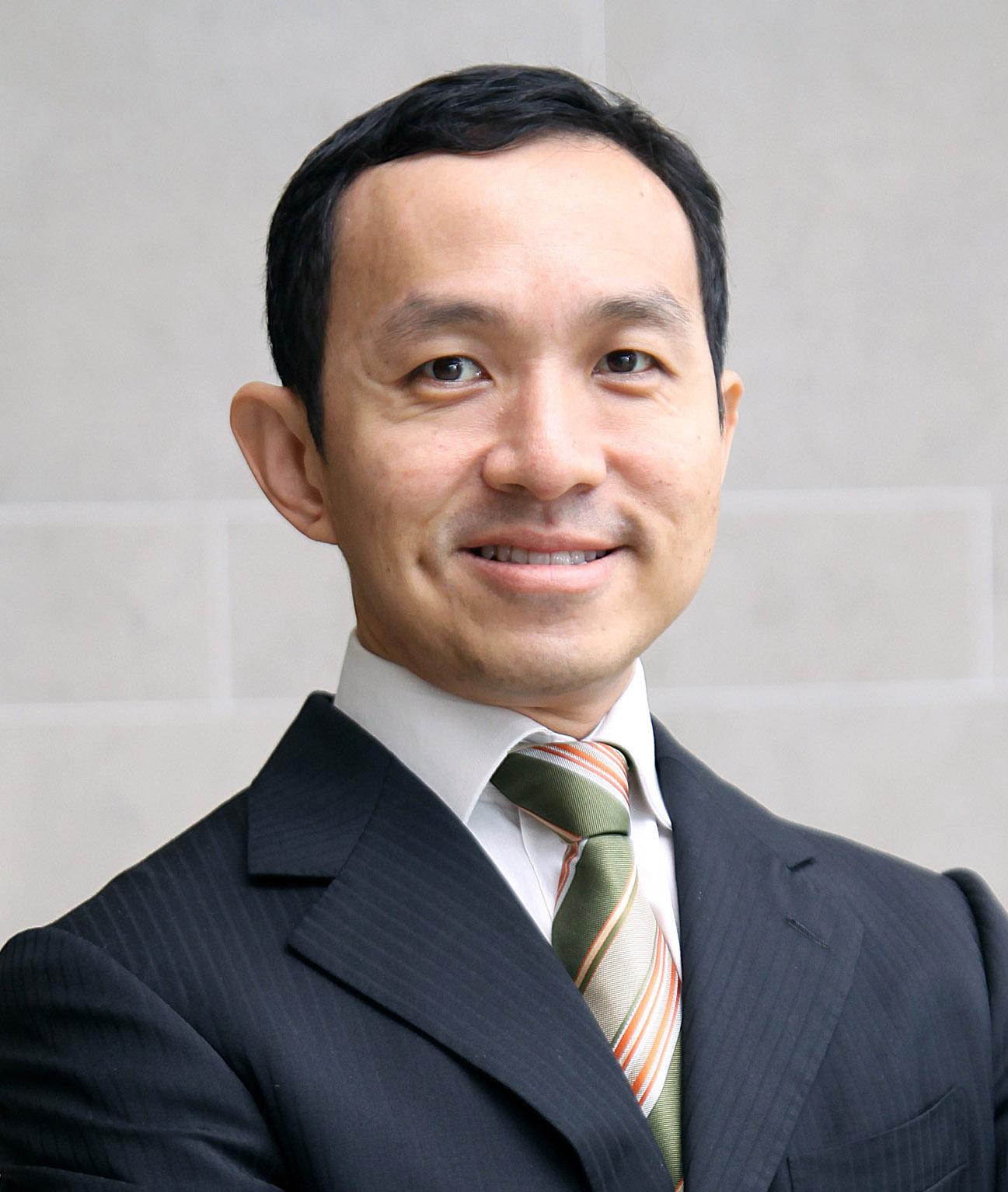 Wei Peng Yong合作论文数Senior Consultant, Department of Haematology-Oncology, National University Cancer Institute, Singapore14
 Khee Chee Soo合作论文数14
 Winnie Yeo (楊明明)合作论文数Department of Clinical Oncology, Faculty of Medicine, The Chinese University of Hong Kong13
 Ignacio Melero Bermejo合作论文数Department of Immunology and Immunotherapy, Clinica Universidad de Navarra;Nuffield Department of Medicine, University of Oxford;School of Medicine, University of Navarra13
 Brian Goh Kim Poh合作论文数Department of Hepatopancreatobiliary and Transplant Surgery, Singapore General Hospital;Division of Surgery & Surgical Oncology, National Cancer Centre Singapore;Duke-NUS Medical School12
 Apoorva Gogna合作论文数12
 Tony Lim Kiat Hon合作论文数Department of Anatomical Pathology, Singapore General Hospital;Division of Pathology, Singapore General Hospital;SingHealth Group, Inflammatory Bowel Disease Centre, Singapore General Hospital;Duke-NUS Medical School12
 Bruno Sangro合作论文数Liver Unit, Clinica Universitaria de Navarra12
 Alexander Chung Yaw Fui合作论文数Singapore General Hospital;Division of Surgery & Surgical Oncology, National Cancer Centre Singapore12
 Patrick Tan合作论文数Duke-NUS Medical School;Precision Health Research Singapore;Genome Institute of Singapore;Singapore Health Services;Cancer Science Institute of Singapore12
 Ng Chee Eng David合作论文数Duke-NUS Medical School11Kelvin S H Loke合作论文数Department of Nuclear Medicine and PET, Singapore General Hospital11
 Donald Y. H. Poon合作论文数11Pierce K. H. Chow合作论文数11
 Tae-You Kim合作论文数Department of Internal Medicine, College of Medicine, Seoul National University;Department of Molecular Medicine and Biopharmaceutical Sciences, Graduate School of Convergence Science and Technology, Seoul National University;Medical Oncology Center, Seoul National University Hospital;Cancer Hospital, Seoul National University11Matthew C. H. Ng合作论文数10
 Weiwei Di (翟巍巍)合作论文数中国科学院大学动物研究所10
 Lim, Ho Yeong合作论文数Division of Hematology-Oncology, Department of Medicine, Samsung Medical Center, Sungkyunkwan University School of Medicine10
 Chan Chung-Yip合作论文数10Chung Alexander Yaw Fui合作论文数10
 Christine Marie Aquino dela Cruz合作论文数10
 Yoon-Koo Kang合作论文数Department of Oncology, Asan Medical Center, College of Medicine, University of Ulsan10Justina Yick Ching Lam合作论文数9Jaclyn Neely合作论文数9Hung Huynh合作论文数9
 Joanne Ngeow Yuen Yie合作论文数Lee Kong Chian School of Medicine, Nanyang Technological University9
 Thomas Yau合作论文数Dept Med, Queen Mary Hosp9
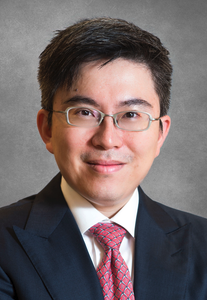 Stephen Lam Chan合作论文数Department of Clinical Oncology, Faculty of Medicine, The Chinese University of Hong Kong9
 Anthony B. El-Khoueiry合作论文数Norris Comprehensive Cancer Center, Keck School of Medicine, University of Southern California9Si Lin Koo合作论文数8M. Kudo合作论文数8Amanda Seet合作论文数8J. Neely合作论文数8Jia Qi Lim合作论文数Technol & Res Star A STAR, Genome Inst Singapore GIS, Agcy Sci, Singapore, Singapore8




