Purpose Spinal stereotactic body radiation therapy (SBRT) has become the standard of care in management of patients with limited sites of metastatic disease, radio-resistant histologies, painful vertebral metastases with long life expectancy and cases of reirradiation. Our case-based guidelines aim to assist radiation oncologists in the appropriate utilization of SBRT for common, yet challenging, cases of spinal metastases. Materials and Methods Cases were selected to include scenarios of large volume sacral disease with nerve entrapment, medically inoperable disease abutting the thecal sac, and local failure after prior SBRT. Relevant literature was reviewed, and areas requiring further investigation were discussed to offer a framework for evidence-based clinical practice. Results Spinal SBRT can be effectively delivered in challenging cases following multidisciplinary discussion by utilizing a methodical approach to patient selection, appropriate dose selection, and adherence to evidence-based dose constraints. Conclusions The Radiosurgery Society's case-based practice review offers guidance to practicing physicians treating technically challenging SBRT candidate patients with spinal metastases.
PurposeIncreasing life expectancy and advances in cancer treatment will lead to more patients needing both radiation therapy (RT) and cardiac implantable electronic devices (CIEDs). CIEDs, including pacemakers and defibrillators, are essential for managing cardiac arrhythmias and heart failure. Telemetric monitoring of CIEDs checks battery status, lead function, settings, and diagnostic data, thereby identifying software deviations or damage. This study evaluates the German Society for Radiation Oncology (DEGRO)/German Society for Cardiology (DGK) guideline, assessing real-world complications and risk factors and analyzing pacemaker and implantable cardioverter-defibrillator (ICD) lead function for their predictive value concerning device malfunction.MethodsA total of 54 patients with pacemakers or ICDs who underwent radiation therapy were identified. Demographics, treatment courses, and device information from physical and digital records were extracted. DEGRO/DGK risk groups and pacemaker dependency at the start of RT were assessed. Delineation of the devices and lead insertion sites was performed in the treatment planning system. Dosimetric information from the treatment plans was then correlated with reports of standardized device checks.ResultsOver 80% of patients were treated with dual-chamber pacemakers or cardiac resynchronization therapy (CRT), and 16.7% had ICDs. One third of patients were pacemaker dependent. 59.3% of patients were in the low-risk category, 29.3% in the medium-risk, and 11.1% in the high-risk category. Thoracic irradiation resulted in the highest median dose to devices. Lead parameter deviations exceeding thresholds were found in 14.8% for the stimulation threshold and 13.5% for sensing. Device malfunctions occurred in 3.7% of cases, both involving electrical resets and neutron-producing radiation (beam energy 10 megaelectron volt (MV) or higher).ConclusionCollecting lead parameters in addition to secure malfunctions like electrical restarts and memory erasure revealed a significant proportion of treatment courses with temporary changes, though no correlation with individual treatment plans or adverse events was found. The focus on reducing neutron-producing radiation could be further supported.
Heat shock proteins belong to a highly conserved family of chaperone proteins, and in addition to their participation in the regulation of cellular proteostasis (folding of polypeptides and proteins, disaggregation of incorrectly folded peptides, and participation in autophagy processes), also play a significant immunomodulatory role in both innate and adaptive immunity. Changes in the HSP level, both downwards (e.g., in neurodegenerative diseases) and upwards (e.g., autoimmune, oncological diseases), underlie the pathogenesis of many somatic and oncological pathologies. In this review, we consider the main physiological mechanisms of HSP level regulation and also analyze pharmacological, genetically engineered methods of modulating the chaperone level, citing the advantages and disadvantages of a particular method of influence. In conclusion, modulation of the HSP level, according to numerous preclinical studies, can have a significant impact on the course of various pathological conditions, which, in turn, can be used to develop new therapeutic approaches, when the effect on the level of chaperones can be used as monotherapy or as an adjuvant method of action.
In a previous preclinical trial on human HNSCC xenografts, 18 genes were predictive for adding cetuximab to fractionated radiotherapy. Here, we apply the corresponding 18-gene classifier to two HNSCC patient cohorts treated with combined radiochemotherapy (without cetuximab). We show that the classifier is related to EGFR expression and stratifies patients for loco-regional control (LRC) in both cohorts.
Infratentorial brain metastases (BM), particularly those causing obstruction of the fourth ventricle, are associated with a significant risk of postoperative hydrocephalus. This complication remains poorly understood, especially regarding its predictors beyond mechanical obstruction. This study aims to identify clinical predictors of postoperative hydrocephalus in patients undergoing surgery for infratentorial BM. We performed a single-center retrospective analysis of 235 adult patients surgically treated for infratentorial BM between 2009 and 2025. Patients with leptomeningeal disease were excluded. Pre- and postoperative hydrocephalus were defined based on imaging and clinical criteria. Logistic regression and multivariate modeling were used to evaluate predictors, including clinical presentation, treatment history, and imaging features. Postoperative hydrocephalus occurred in 18.45
Large language models (LLMs) exhibit extensive medical knowledge but are prone to hallucinations and inaccurate citations, which pose a challenge to their clinical adoption and regulatory compliance. Current methods, such as Retrieval Augmented Generation, partially address these issues by grounding answers in source documents, but hallucinations and low fact-level explainability persist. In this work, we introduce a novel atomic fact-checking framework designed to enhance the reliability and explainability of LLMs used in medical long-form question answering. This method decomposes LLM-generated responses into discrete, verifiable units called atomic facts, each of which is independently verified against an authoritative knowledge base of medical guidelines. This approach enables targeted correction of errors and direct tracing to source literature, thereby improving the factual accuracy and explainability of medical Q A. Extensive evaluation using multi-reader assessments by medical experts and an automated open Q A benchmark demonstrated significant improvements in factual accuracy and explainability. Our framework achieved up to a 40
Purpose:/Objectives: Older adults with WHO grade 4 glioma face distinct therapeutic challenges due to age-related comorbidities, treatment intolerance and tumor aggressiveness. This retrospective study evaluates the prognostic value of the Onco-Functional Outcome (OFO) classification, which integrates extent of resection and postoperative functional status, in the context of radiotherapy (RT) for patients with grade 4 glioma. Materials:/Methods: 139 patients aged ≥ 60 years treated between 2001 and 2021 were included. Patients were grouped into four OFO categories based on Karnofsky Performance Status, National Institutes of Health Stroke Scale, and resection extent. Survival outcomes were assessed using Kaplan-Meier and compared by log-rank test. Univariate and multivariable analyses were performed using Cox proportional hazards model. Results:Median OS decreased across OFO groups (OFO1-4: 22.6, 20.5, 12.6, and 11.2 months respectively, log-rank, p = 0.0026). PFS followed a similar pattern (12.2, 9.3, 6.7, and 5.7 months respectively; p = 0.0030). Among 119 patients with known MGMT status, methylation (n = 49) was associated with significantly prolonged OS (36.3 vs. 12.6 months, p < 0.00001) and PFS (14.1 vs 5.9 months, p < 0.00001). Survival advantage of NF-RT showed a a strong trend in both univariate (OS HR = 0.47, 95 % CI 0.28-0.82; p = 0.007) and multivariate models (OS HR = 0.57, 95 % CI 0.33-1.00, 0.051). In multivariable analysis, the OFO classification retained independent prognostic value, with OFO Group 4 associated with a significantly increased risk of both death (OS: HR = 2.91, p = 0.003) and disease progression (PFS: HR = 3.08, p = 0.0005) compared to OFO Group 1. Conclusions:OFO classification effectively stratifies survival in elderly grade 4 glioma patients. Its integration with MGMT methylation status and RT regimen refines risk assessment, supporting personalized treatment strategies in this vulnerable patient group.
Motility of Hsp70-positive cells in a GBM tumor sample detected using laser scanning confocal microscopy during observation for 1 h.
Motility of Hsp70-positive cells emerging from a piece of tumor during cultivation for three days.
Supplementary Figure S3. (Top) Hypoxia-M V2 is associated with decreased OS in the TCGApancancer cohort (p<0.002) (Bottom) Hypoxia-M V2 is an independent prognosticator of OS (HR=1.81, p<0.03) after adjusting for demographic and clinical factors.
Supplementary Table S4. Correlations with CIBERSORT immune signature expressions in the TCGA-HNSCC cohort
Grade content and co-localization of biomarkers (Hsp70, Nestin, SOX2) on histological preparations of human GBM.
 Jürgen Debus合作论文数Universitätsklinikum Heidelberg;Nationales Centrum für Tumorerkrankungen;Heidelberger- Ionenstrahl- Therapiezentrum;Deutschen Krebsforschungszentrum;Radiologischen Klinik und Poliklinik, Universität Heidelberg287
 Bernhard Meyer合作论文数School of Medicine and Health, Technical University of Munich;Neurosurgical Clinic and Policlinic, Technical University of Munich97
 Claus Belka合作论文数Klinik und Poliklinik für Strahlentherapie und Radioonkologie, Klinikum der Universität München;Department of Radiation Oncology, Klinikum der Universität München94
 Jan C Peeken合作论文数Institute of Radiation Medicine (IRM),, Helmholtz Zentrum München93
 Denise Bernhardt合作论文数88
 Stefan Rieken合作论文数86
 Daniel Habermehl合作论文数Department of Radiation Oncology, University Hospital of Heidelberg85
 Kai Borm合作论文数Klinikum Rechts Der Isar, Technische Universität München77
 Jan J. Wilkens合作论文数School of Medicine and Health, Technische Universität München;School of Natural Sciences, Technische Universität München70
 Martin Stuschke合作论文数66Kerstin A. Kessel合作论文数63
 Panagiotis Balermpas合作论文数59
 Maxim Shevtsov合作论文数56
 Michael Baumann合作论文数Department of Radiation Oncology, University of Dresden, Germany/German Cancer Research Center56
 Daniel Zips合作论文数55Steffi Pigorsch合作论文数54
 Claus Rödel合作论文数Department of Radiation Therapy, University Hospital Frankfurt;University Cancer Center Frankfurt52Annett Linge合作论文数Department of Anatomy Fetscherstr., University of Technology Dresden51
 Benedikt Wiestler合作论文数School of Medicine and Health, TUM50
 Jens Gempt合作论文数Klinik und Poliklinik für Neurochirurgie, TUM Klinikum Rechts der Isar50
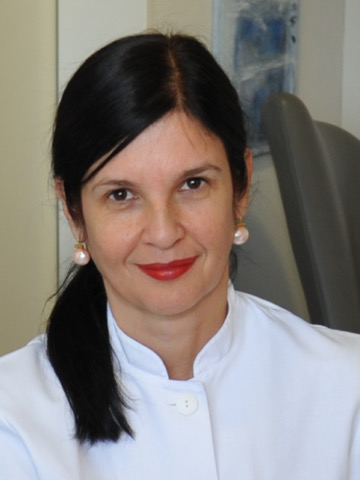 Anca-Ligia Grosu合作论文数Department of Radiation Oncology, Faculty of Medicine, Universität Freiburg49Markus Oechsner合作论文数48
 Mechthild Krause合作论文数Universitätsklinikum Dresden;Department of Radiotherapy and Radiation Oncology, Faculty of Medicine and University Hospital Carl Gustav Carus, Technische Universität Dresden;National Center for Tumor Diseases47Anca L. Grosu合作论文数47Amir Abdollahi合作论文数46Marco M E Vogel合作论文数46
 Fabian Lohaus合作论文数46
 Volker Budach合作论文数Department of Radiation Oncology and Radiotherapy, Charité – Universitätsmedizin Berlin46
 Ingeborg Tinhofer-Keilholz合作论文数Department of Radiooncology and Radiotherapy, Berlin School of Integrative Oncology44
 Marciana-Nona Duma合作论文数Medical School Hamburg, University of Applied Sciences and Medical University41
 Thomas Haberer合作论文数Heidelberger Ionenstrahl-Therapiezentrum, Universitätsklinikum Heidelberg;ohann Wolfgang Goethe-Universität Frankfurt am Main;GSI41Konstantin Samochernykh合作论文数40
 Christoph Straube合作论文数40
 Natalia Yudintceva合作论文数Institute of Cytology and Genetics, Russian Academy of Sciences40
 Claus Zimmer合作论文数40
 Wolfgang Wick合作论文数Department Kopfklinik, Universitätsklinikum Heidelberg;Universität Heidelberg39
 Christian Diehl合作论文数37Schmidt-Graf Friederike合作论文数37
 Oliver Jäkel合作论文数Division of Medical Physics in Radiation Oncology, German Cancer Research Center, Universitätsklinikum Heidelberg37
 Danila Bobkov合作论文数Institute of Cytology36Stefan Münch合作论文数35V. Fedorov合作论文数34Thomas Welzel合作论文数34Natalia Mikhailova合作论文数Department of Invertebrate Zoology, Saint Petersburg State University33Nikolay Aksenov合作论文数32Artem Ten合作论文数32Sophie Dobiasch合作论文数32Stefan Bartzsch合作论文数32Evgeny Shlyakhto合作论文数31




