PURPOSE:Synchronous prostate and rectal cancers pose therapeutic challenges. Prostate external beam radiation therapy may increase rectal dose and impair anastomotic healing after chemoradiation (CRT). High-dose-rate brachytherapy (HDR-BT) enables prostate dose escalation, minimizing rectal exposure. We report outcomes of pelvic CRT plus HDR-BT boost and propose a treatment algorithm. METHODS:We retrospectively reviewed a multi-institutional database (2011-2023) to identify patients with synchronous prostate and rectal/anal cancers treated with curative intent. All received pelvic CRT (45-50.4 Gy/25-28 fractions) with concurrent 5-FU or capecitabine ± total neoadjuvant therapy. HDR-BT boosts were delivered to the prostate ± seminal vesicles, meeting objectives of prostate V100 ≥ 95%, rectum V75% < 1 cc, and urethra D10 ≤ 115%. Toxicities were graded per CTCAE v5.0; oncologic outcomes were assessed. RESULTS:Six men (age 60-78) completed CRT, HDR-BT, and surgery/nonoperative management without interruptions. At median 40 months (range 30-110) follow-up post-BT, no locoregional failures occurred; two rectal cancers achieved pathologic complete response, and four remained recurrence-free. All prostate cancers were biochemically controlled; two rectal cancers developed distant metastasis at ∼2-3 years. HDR-BT achieved excellent prostate coverage (V100 94.6%-97.7%, D90 103%-108%) and rectal sparing (D2cc 40%-72% of prescription, V75 ≤ 1.4 cc). One late grade 3 proctitis/urethral stricture occurred in a fractionated high-dose case; none ≥ grade 3 GU/GI in the single-fraction cohort. CONCLUSION:CRT followed by HDR-BT prostate boost is feasible, maintains anastomotic safety, and achieves excellent local control and dosimetry with minimal severe toxicity.
BACKGROUND:The survival benefit of adjuvant chemotherapy (AC) for pancreatic ductal adenocarcinoma (PDAC) after neoadjuvant therapy (NAT) and resection remains controversial. Previous studies often pooled diverse disease stages or chemotherapy regimens, potentially obscuring regimen-specific outcomes. We sought to investigate the association of AC with overall survival (OS) among patients with resected borderline resectable (BRPC) or locally advanced pancreatic cancer (LAPC), stratified by specific neoadjuvant and adjuvant regimens. METHODS:This multinational, retrospective cohort study included 834 patients with BRPC/LAPC who underwent curative-intent resection following NAT with either FOLFIRINOX or gemcitabine plus nab-paclitaxel (Gem/Nab). Propensity score matching (1:1) was utilized to minimize selection bias. The primary outcome was OS, analyzed using Kaplan-Meier methods and Cox proportional hazards models. RESULTS:Among 834 patients, 605 received neoadjuvant FOLFIRINOX and 229 received neoadjuvant Gem/Nab. In the matched analysis for the neoadjuvant FOLFIRINOX cohort, continuation of adjuvant FOLFIRINOX was associated with longer OS compared with no AC (median OS, 42.0 vs. 25.8 months; HR, 0.58; 95% CI, 0.43-0.79; p < 0.001). In contrast, switching to adjuvant Gem/Nab did not confer a survival benefit in this group (HR, 0.84; 95% CI, 0.61-1.15; p = 0.27). For patients receiving neoadjuvant Gem/Nab, adjuvant Gem/Nab or other regimens was not associated with improved OS (HR, 0.92; 95% CI, 0.64-1.34; p = 0.69). CONCLUSIONS:Survival benefits of adjuvant chemotherapy in resected BRPC/LAPC may be regimen-dependent. Postoperative continuation of FOLFIRINOX appeared to be associated with a survival advantage, whereas regimen de-escalation or adjuvant chemotherapy following neoadjuvant Gem/Nab demonstrated no clear benefit.
Background Radiation oncology (RO) residents must lead multidisciplinary teams and communicate effectively, yet formal leadership training is limited and often overlooks interpersonal skills. Personality-based tools like TypeCoach, common in corporate settings, remain unevaluated in healthcare education. We incorporated TypeCoach into our RO graduate medical education (GME) curriculum to enhance teamwork and leadership skills within the workplace. Methods This IRB-exempt quality improvement study was conducted in a single academic RO department with ten physician and two physics residents. Participants attended five monthly interactive TypeCoach leadership sessions. Residents were asked to complete two anonymous surveys: one pre-intervention and one post-intervention. Surveys assessed communication, leadership, stress, adaptability, and teamwork using 1-7 Likert scales, frequency scales, and ranking questions (1-10). Descriptive statistics summarized responses. Results Eleven residents (92%) completed the baseline survey and ten (83%) completed the post-intervention survey. At baseline (1-10 scale), residents reported high confidence in communication (mean 7.0), moderate confidence in leadership (6.36), and lower confidence in influencing skills (5.55). Following the personality-informed leadership curriculum, confidence increased across all domains, with communication rising to 7.6, leadership to 7.5, and influencing skills to 7.3. Residents reported notable improvements in stress management and workplace engagement. Mean stress levels decreased from 6.27 to 5.7, while engagement increased from 7.18 to 8.5. Workplace conflict decreased from 4.09 to 3.6, and confidence in resolving conflict improved from 6.18 to 7.4. 55% of residents reported feeling nervous or stressed often at baseline, which decreased to 10% post-intervention. Notably, all residents reported being able to reduce stress before it became extreme after the curriculum, compared with 72% at baseline. In addition, residents' confidence in clarifying confusing instructions increased from 6.73 to 7.6. Communication and teamwork also improved. At baseline, 54% of residents agreed or strongly agreed that they adapted their communication style to different team members, increasing to 80% post-intervention. Participants reported that their co-residents' understanding of their strengths increased from 6.0 to 6.7, and their understanding of their work styles rose from 5.45 to 7.2. Perceptions of program directors' ability to adjust to residents' work styles improved from 7.36 to 8.3. Conclusion Implementation of a personality-based leadership curriculum was associated with improvements in communication, leadership confidence, stress management, and teamwork among RO residents. These findings support further exploration of structured personality-based frameworks to enhance leadership and interpersonal skill development in GME curricula.
356 Background: FLOT4 and ESOPEC established 4 preoperative/4 postoperative cycles of FLOT as the standard of care for nonmetastatic gastroesophageal adenocarcinomas, but <50% of patients are able to complete the full chemotherapeutic regimen, particularly the postoperative portion. It is unclear if failing to receive adequate systemic therapy has any bearing on disease-free and overall survival for these patients. In this study, we aimed to assess if delivering more preoperative doses (≥6) of chemotherapy has any drawbacks and whether outcomes are more favorable than the standard approach. Methods: Review of Moffitt’s IRB-approved esophagectomy (1994-2025) and gastrectomy (2000-2025) databases identified 19 esophageal and 77 gastric cancer patients receiving perioperative chemotherapy without radiation. Demographics, clinical characteristics, and survival were compared between patients planned to receive 4 preoperative cycles (cohort A) and those planned for ≥6 (cohort B) using Chi-Square, Wilcoxon rank-sum, two-sample t-test, and Kaplan-Meier survival analyses. Results: Of the total 96 patients, 33 (34.4%) received ≤4 preoperative cycles while 63 (65.6%) received ≥6. Median age, gender, race, Charlson Comorbidity Index score, smoking status, and primary tumor type were similar between groups (all p>0.05). Clinical T stage was more advanced in cohort B compared to A (p=0.05). Six patients in cohort B were de-escalated from FLOT to FOLFOX (9.5% vs 0%; p=0.07). There were no differences in postoperative complication rates (31.7% vs 21.2%; p=0.28), length of stay (6 vs 7 days; p=0.93), and negative surgical margin rates (96.8% vs 100%; p=0.30). Patients receiving more preoperative chemotherapy were more likely to complete the treatment course (58.7% vs 30.3%; p=0.008) and received a greater total number of cycles overall (8 vs 6; p≤0.001). The groups had similar recurrence rates (7.9% vs 9.1%; p=0.85), overall survival (HR = 1.13, 95% CI: 0.31, 4.05; p=0.9), and disease-free survival (HR = 0.99, 95% CI: 0.31, 3.15; p>0.9), despite a trend toward a higher pathological complete response (pCR) rate for cohort B (26.7% vs 13.8%; p=0.10). Conclusions: In our analysis, extended neoadjuvant chemotherapy increased treatment completion without worsening postsurgical outcomes. Although pCR rates were approximately doubled in the extended neoadjuvant group, the cohort size was insufficient for statistical significance. It is unclear if de-escalation of chemotherapy negates some benefits of FLOT administered for limited doses.
374 Background: Pancreatic cancer is an aggressive disease which requires comprehensive care. Complex treatment paradigms require coordination of care amongst medical oncologists, radiation oncologists, and surgeons. As part of this multidisciplinary care plan, referrals are also made to supportive care, genetics, social work, and nutrition, which have been shown to improve patient outcomes. Delays in therapy due to treatment toxicities present scheduling challenges for care coordination. This is particularly true when patients receive at least one component of their care outside the institution. We hypothesized that implementation of a pancreatic cancer care coordinator (PCCC) will improve the coordination of appointment scheduling, improve patient information flow, and increase patient retention through frequent PCCC communication. Methods: An IRB-exempt retrospective review included all multidisciplinary pancreatic cancer patients who were tracked by the PCCC (calendar year 2024). The PCCC tracked all non-metastatic patients receiving treatment. This included both patients receiving chemotherapy at the same or outside facility. The PCCC gathered up to date medical records and contacted the patients for updates on their care journey. The PCCC ensured all referrals and follow up appointments were appropriately scheduled along standardized workflows, aligning with patient preferences and treatment dates. Results: During the 2024 calendar year, 277 non-metastatic patients were seen at our institution. Of those, 81% (n = 223) were retained for additional services (surveillance, radiation, surgery, and/or ancillary services). This is compared to 70% of non-metastatic patients in the previous years. Of the 277 non-metastatic patients, 88% (n = 245) received multidisciplinary care and required PCCC tracking. 55% of these patients (n = 135) had chemotherapy at an outside facility, requiring more extensive PCCC coordination. This included 4 calls/emails made to patients and 3 records requests to outside facilities weekly. During this time, 93 individual instances of scheduling issues due to delays in treatment and patient preferred dates were rectified. Conclusions: The addition of the PCCC has increased care coordination, particularly for patients receiving chemotherapy outside of the institution. Alerts to delays in treatment care plans due to unexpected treatment toxicities and hospitalizations along with increased communication led to proactive resolution of scheduling issues and therefore greater adherence to institutional treatment pathways. Additionally, non-metastatic retention rates rose from 70% to 81%. Future work includes expanding this position to other disease sites.
200 Background: Many patients requesting evaluation at our institution are already established with a local medical oncologist. This study evaluates a novel pilot program to streamline the screening of patients with a metastatic cancer of gastrointestinal (GI) origin with a virtual intake senior medical oncologist to determine which patients would benefit from receiving further care at our cancer center. Methods: A virtual clinic separate from the institution’s GI Clinic was set up to screen patients with non-neuroendocrine metastatic disease requesting consultation for a second opinion or clinical trial. The template was designed for 2 full days of zoom consults, with maximum of 6 new patients per day, who had extensive prior treatment. At the appointment, the senior medical oncologist would discuss his recommendations and query what the patient prioritizes from our institutional evaluation. For patients interested in transferring care either completely or collaboratively, an appropriate treatment team based on disease site was then chosen and updated. The GI Advanced Practice Professional (APP) leading this initiative then placed orders to ensure that the treatment team would have the studies recommended by the intake physician. For patients interested in clinical trials, our institution’s clinical trial office was contacted to screen the patient further. Results: During the 01/07-04/23/25 period, 99 patients were seen with a median of seven days from intake to appointment. Of the patients seen, 98% were already established with an outside medical oncologist, 13% fully transferred their care to our institution, 34% opted for a collaborative approach between our institution and their local medical oncologist, 42% were not retained, 6% were enrolled or waitlisted for a clinical trial, 4% enrolled in hospice, and 1% were undecided. After intake evaluation, 28% expressed enough interest to screen for clinical trials; 7% of interested patients were enrolled in an available trial, 14% were waitlisted, and no trial was available for 79%. The majority of patients had metastatic colon (58%) or pancreas (31%) cancer and were self-referred (62%). The intake physician received high patient satisfaction scores with a Likelihood to Recommend score of 92.4. Conclusions: This virtual second opinion clinic facilitated rapid medical evaluation at our institution without interrupting the workflow of the on-site clinics and showed that greater than one third of patients opted not to return for further care. Our results also show significant discordance in clinical trial alignment, suggesting improved tailoring of available trials to our largely self-referred GI population is needed. The virtual only approach was highly regarded by our patient population and may be a sustainable way for rapid evaluation while minimizing departmental resources.
1534 Background: Quality cancer care depends on timely and efficient evaluation of patients to determine next steps in treatment. To support this goal, we implemented a care delivery model where advanced practice providers (APP) were tasked with seeing new patients as an entry into the system, with a goal of completing testing and referrals prior to a subsequent visit with a surgical oncologist. Methods: A retrospective review was performed focusing on four hepatobiliary and pancreatic surgeons and their corresponding APP teams. The APP-First program was deployed in 2021. The purpose was to increase capacity and best prepare the patient’s work-up prior to an appointment with the surgeon to facilitate treatment initiation. We compared NPs during two distinct time periods, before (7/2018-6/2020) and after (7/2022-6/2024) implementation of APP First . The primary outcome, impact on access, was determined by change in the number of NP seen by the group, and the secondary outcomes were number and proportion of patients receiving treatment at our institution. Patients were excluded if time to care was > 180 days or they received non-GI related care. Changes in outcomes of interest before and after implementation of the program were compared by Chi-square with significance set at p = 0.05. Results: A total of 2585 NPs were seen during the study period with 1797 beginning treatment at our facility (69.5%). During the pre-intervention period 1091 NPs were seen by the group, including 277 (25.5%) initially evaluated by an APP. Following the model implementation, 1494 NPs were seen, 915 (61.2%) by an APP and 579 (38.8%) by an MD (p < 0.001). There was no change in percent of NPs choosing to pursue care at our institution (68.7% vs 68.7%, p = 0.970), however after implementation, patients were more likely to be scheduled for operations after their initial visit (11.4% vs 14.3%, p = 0.031). Conclusions: Implementation APP-first led to increased NPs capacity translating into a 36.9% higher volume of NPs seen, without change in patient satisfaction as demonstrated by an unchanged percentage of patients choosing treatment at our institution. The established workflow within this model facilitated expedited care, resulting in higher proportion of patients treated and an increase in the number and proportion of patients receiving surgery. These data support the implementation of delivery of care models leveraging the role of APPs in a well-integrated system, with overall improved capacity, access, and treatment for patients with cancer. Outcomes of APP-First program. FY 19-20 (n,%) FY 23-24 (n,%) p value Total # NP 1,091 1,494 -- NP Distribution APP MD 277 (25.4)814 (74.6) 915 (61.2)579 (38.8) <0.001 Treated Yes No 750 (68.7)341 (31.3) 1026 (68.7)468 (31.3) 0.970 Surgery 124 (11.4) 213 (14.3) 0.031 Chemotherapy 143 (13.1) 194 (13.0) 0.928 Endoscopy 376 (34.5) 466 (31.2) 0.080 Radiation 112 (10.3) 154 (10.3) 0.972
BACKGROUND:While multimodality therapy for locally advanced esophageal cancer evolves, neoadjuvant chemoradiation has been a longstanding treatment paradigm. Pathologic complete response (pCR) rates vary by histology: 25% for adenocarcinoma (AC) and up to 50% for squamous cell carcinoma (SCC). Long-term outcomes after pCR remain poorly understood but important to define as multiple treatment options emerge. PATIENTS AND METHODS:We analyzed patients with cT2+/N+M0 esophageal AC or SCC treated with neoadjuvant chemoradiation and resection from an institutional database. Recurrence-free survival (RFS) and overall survival (OS) were assessed using Kaplan-Meier and multivariable Cox models. A risk score for recurrence was developed and validated using National Cancer Data Base data. RESULTS:Of 830 patients, 37.1% achieved pCR (n = 250/720, 34.2% for AC and n = 58/100, 58.0% for SCC). pCR was associated with prolonged OS (5-year OS: 56.2% versus 35.0% for residual disease, p < 0.001). pCR remained an independent predictor of OS after adjustment for known predictors of OS (HR 0.58, p < 0.001). Recurrence typically occurred within 2 years then plateaued, with 5-year RFS of 72.6% for AC and 83.0% for SCC. Clinical T3/T4, cN+, fewer lymph nodes examined, and AC histology were independently associated with worse RFS. A weighted risk score for recurrence was developed, which externally predicted OS after pCR in the NCDB (HR 1.12 per point, p < 0.001). Median OS was 7.8 years for cases with score 0-3 versus 5.7 years for cases with score 4-5. CONCLUSIONS:pCR after neoadjuvant chemoradiotherapy is a strong predictor of survival, but recurrence remains common. Further investigation into adjuvant therapies for high-risk pCR patients is needed.
Background: In patients with curatively resected pancreatic adenocarcinoma who have undergone neoadjuvant chemotherapy (NACT), evidence supporting the benefit of additional adjuvant chemotherapy (ACT) remains limited. We aim to identify favorable factors contributing to survival benefits in resected pancreatic adenocarcinoma after NACT. Methods: This is a retrospective cohort study of pancreatic adenocarcinoma patients who underwent NACT followed by curative surgical resection between 2008 and 2023 at a single academic institution. Univariate and multivariable analyses were conducted to identify factors contributing to disease-free survival (DFS) and overall survival (OS). Results: A total of 230 patients with a median age of 68 years (IQR, 62-72 years) were included. All patients underwent curative surgical resection. Of these, 42% received neoadjuvant modified (m) FOLFIRINOX (96/230), 15% received gemcitabine plus nab-paclitaxel (GEM-NAB) (34/230), and 43% received gemcitabine, docetaxel, and capecitabine (GTX) (100/230). In univariate analysis, lower College of American Pathologists (CAP) tumor regression grade (TRG) (0-1 vs. 2-3, median DFS: 29.8 vs. 14.2 months, p = 0.0081) and receipt of ACT (Yes vs. No, median DFS: 22.2 vs. 12.4 months, p < 0.0001) demonstrated significant associations with superior DFS. Multivariable analysis identified receipt of ACT as an independent predictor of superior DFS (HR 0.55, 95% CI: 0.39-0.78, p = 0.0007) and OS (HR 0.49, 95% CI: 0.33-0.71, p = 0.0002). However, the NACT regimen (mFOLFIRINOX vs. GEM-NAB) and the transition between neoadjuvant and adjuvant therapy (de-escalation vs. continuation vs. change) did not correlate with DFS or OS. The duration of perioperative chemotherapy showed a trend toward improved survival outcomes, though not statistically significant (6 months vs. <6 months: DFS, 19.4 vs. 16.2 months, p = 0.1448; OS, 49.6 vs. 30.4 months, p = 0.0623). In the following subgroup analyses, receipt of ACT provided DFS/OS benefits in patients who did not achieve a major pathologic response, pN0, or R0 resection (DFS: p = 0.0003; OS: p < 0.0001). However, it did not provide DFS/OS benefits in those who achieved a major pathologic response with pN0/R0 to NACT (DFS: p = 0.8036; OS: p = 0.1877). Conclusions: In resected pancreatic adenocarcinoma following NACT, receiving ACT was associated with favorable survival outcomes. Additional ACT appears to benefit patients who did not achieve a major pathologic response (pN0 or R0) to neoadjuvant therapy, with limited benefit for those who achieved a major response with pN0/R0. The specific NACT regimen (mFOLFIRINOX vs. GEM-NAB) and changes in ACT from NACT did not significantly influence survival outcomes in our cohort.
A rapid review of 21 studies into 20 unique digital health tools found significant benefits to utilizing the following 4 categories of tools: (1) educational videos increased patient knowledge of radiotherapy (RT) and reduced treatment-related anxiety; (2) extended reality tools improved patient understanding of RT and reduced anxiety, with virtual reality coaching enhancing tumor motion reproducibility during CT simulation; (3) digital patient engagement tools helped patients manage treatment symptoms, increased health literacy, and improved quality of life; (4) an electronic feedback form decreased patient anxiety and increased RT knowledge. Most interventions were single-use and implemented before the start of RT.
PURPOSE Adaptive radiotherapy accounts for interfractional anatomic changes. We hypothesize that changes in the gross tumor volumes identified during daily scans could be analyzed using delta-radiomics to predict disease progression events. We evaluated whether an auxiliary data set could improve prediction performance. MATERIALS AND METHODS We analyzed 108 patients (n = 90 internal; n = 18 external) who received ablative radiotherapy. The internal data set included 42 patients with adrenal cancer, 23 patients with lung cancer, and 25 patients with pancreatic cancer, with the clinical end point of progression-free survival events. The median dose was 50 Gy, which was delivered over five fractions. The delta features are the ratio of the features of the last to first treatment fraction, F5/F1, and the concatenation of the first and last fraction features, F1||F5. Decision tree classifier with and without auxiliary data sets, and the external data set was used exclusively for independent testing of the final models. RESULTS During internal training, for the F1||F5 model, the inclusion of the lung data set increased our AUC receiver operator characteristic curve (ROC) from 0.53 ± 0.12 to 0.61 ± 0.11, whereas the pancreatic data set increased our AUC-ROC to 0.60 ± 0.14. For the F5/F1 model, the inclusion of the lung auxiliary data increased our AUC-ROC from 0.52 ± 0.13 to 0.65 ± 0.11, whereas it modestly changed by 0.62 ± 0.13 with the pancreas. During external testing, for the F5/F1 model, we reported an AUC-ROC of 0.60 with the lung auxiliary data and 0.43 with the pancreatic data. Also, for the F5||F1 model, we reported an AUC-ROC of 0.70 with the lung auxiliary and 0.60 with the pancreatic data. CONCLUSION Decision trees provided an explainable model on the external data set. The validation of our model on an external data set may be the first step to biologically adapted radiotherapy recognizing radiomics signals for potential recurrence.
263 Background: The total neoadjuvant therapy (TNT) paradigm for locally advanced rectal cancer (LARC) is evolving with intensification and de-escalation neoadjuvant therapies. Chemoradiation (CRT) followed by consolidation chemotherapy offers the highest rate of organ preservation. Circulating tumor DNA (ctDNA) response during TNT may serve as a biomarker that allows for therapy personalization to better select candidates for rectal organ preservation (Watch-and-Wait, WW). Methods: We enrolled patients with mismatch repair proficient LARC eligible for TNT on a prospective protocol (NCT05108428). Patients underwent CRT to 50.4 Gy with a mid-treatment evaluation (27 Gy) on a MRI-linac followed by 8 cycles of consolidation FOLFOX. A sequential MRI-guided adaptive radiotherapy boost to 59.4 Gy was delivered if rectal tumor volume reduced > 30% at 27 Gy. Standard restaging with diagnostic MRI and endoscopy occurred after TNT to evaluate organ preservation candidacy. ctDNA was obtained at diagnosis, mid-CRT (27 Gy), completion of TNT, and regular intervals in surveillance. ctDNA analysis was performed using a clinically validated, personalized, tumor-informed assay (Signatera, Natera, Inc.). Descriptive statistics for clinical response for mid-treatment assessment are reported. Additional clinical outcomes will be reported as follow up matures. Results: A total of 20 patients were enrolled (70% male, 70% cN+) with average age of 58 (range: 30-86) and 40% with threatened or involved radial margin. Average follow up is 12 months (range: 4-24 months) from date of completion of TNT. Average initial tumor volume was 26cc (range: 8.6cc- 66.8cc) with an average tumor reduction of 68.5% at 27 Gy. Volumetric change based on mid treatment MRI >30% did not predict WW eligibility (2 patients with <30% volumetric change maintains clinical complete responses). All patients demonstrated positive ctDNA at diagnosis (average 7.08 MTM/mL, range: 0.08 MTM/mL -77.96 MTM/mL). 25% of patients had elevated CEA at diagnosis. Conversion to negative ctDNA at mid-CRT occurred in 53% of patients. 57% of patients with a positive ctDNA at this timepoint underwent formal oncologic mesorectal excision with adenocarcinoma confirmed in the specimens. 25% of patients with negative ctDNA at this timepoint underwent a local excision, with no histologic invasive cancer in both specimens. We observed a 100% rectal organ preservation rate when early conversion to negative ctDNA at the 27 Gy of CRT timepoint. Conclusions: ctDNA clearance during CRT may be a good early predictor for patients that may be a candidate for a WW protocol. This biomarker may also guide consolidation therapy escalation (FOLFIRINOX) or de-escalation (chemotherapy omission) for select patients. Longer follow up is needed to correlate with clinical outcomes and future studies with more patients is needed. Clinical trial information: NCT05108428 .
Introduction Neoadjuvant chemoradiation (CRT) is commonly used for esophageal cancer (EC), with pathologic complete response (pCR) linked to improved prognosis. pCR rates range from 25%-30% for adenocarcinoma to 50% for squamous cell carcinoma (SCC). High-volume centers (HVCs) often yield favorable outcomes across various cancers. This study examines whether CRT delivery at an HVC impacts pCR and ypN0 rates in EC patients undergoing esophagectomy. Methods In this retrospective cohort analysis, we identified patients with clinical stage T2+/N+ EC who received neoadjuvant CRT and esophagectomy from a prospectively maintained database (1996-2019). CRT was delivered at the HVC or a community center (CC), while all surgeries occurred at the HVC. Primary outcomes were pCR and ypN0. Results Among 708 patients, median age was 65 years, with 83.6% male and 95.3% white. Most had adenocarcinoma (87.9%) in the distal esophagus or gastroesophageal junction. CRT was delivered at CCs in 64.8% and at HVC in 35.2%. Radiation dose was higher at the HVC (mean 5195 vs 4944 cGy, P < 0.001), with similar intensity-modulated radiation therapy use (83% vs 79%, P = 0.12). Overall pCR rate was 37.7%, without significant difference between HVC and CC (40.6% vs 36.2%, P = 0.25, multivariable adjusted OR 0.88, P = 0.47). SCC histology was associated with higher pCR (OR 2.39, P = 0.002). Among SCC patients, pCR rate was higher at HVC than CC (75.0% vs 50.0%, P = 0.03) but not significant in multivariable analysis (OR = 2.65, P = 0.11). Conversely, minimal histopathologic response (TRG3) was higher at CCs, not statistically different (17.9% vs 14.5%, P = 0.24). Rate of ypN0 was similar (HVC 70.7% vs CC 68.0%, P = 0.71) with no difference in ratio of positive to resected nodes ( P = 0.94). Conclusion There were no significant differences in pCR or ypN0 rates by CRT delivery site. pCR was higher for SCC histology at HVC, but did not reach statistical significance. Further research is warranted for SCC specifically.
TPS514 Background: Human epidermal growth factor receptor 2 (HER2) is overexpressed in about 15-20% of GECs and is tested using immunohistochemistry and/or in-situ hybridization. Per 3 rd interim analysis of KN-811 study, addition of P to C/T improved overall response rate (ORR) and overall survival (OS) in patients with HER2 positive tumors. HER2 heterogeneity and activation of other signaling pathways ultimately leading to T resistance limits its potential to have a durable response. Nera is an anilinoqiunoline derivative intracellular oral kinase inhibitor that irreversibly binds to epidermal growth factor receptor (EGFR), HER2 and HER4. In this study, we hypothesize that targeting other oncogenic pathways with Nera may help derive additional therapeutic benefit in HER2 positive GECs when combined with C/T/P. Methods: This is an open-label, single arm, multi-institutional Phase II study of Nera in combination with C/T/P in HER2 overexpressing GECs as 1 st line treatment. The first 6 pts as a lead-in phase will be evaluated for toxicity. If no dose limiting toxicity (DLT), a total of 30 patients (include the first 6pts in the lead-in phase) will be used to evaluate efficacy in the phase II portion. All pts will receive standard dose mFOLFOX/trastuzumab q2w along with pembrolizumab 400 mg q6w. Nera will be dosed at 240 mg daily. In case of DLTs observed with this dose, a dose of 160 mg/day for Nera will be considered. Estimated sample size is 30-36 pts using Simon 2 stage design. Primary endpoint in ORR. The null hypothesis will be rejected if 26 or more responses are observed in 30 patients. Key inclusion criteria include: HER2 positive GECs (as determined by local testing), treatment naïve for stage IV disease, measurable disease, ECOG 0-1, preserved cardiac function. Uncontrolled brain metastases or impaired organ function that poses risk with treatment are key exclusion criteria. Primary endpoint is ORR and secondary endpoints include safety, duration of response, clinical benefit rate and OS. The trial is registered on clinicaltrials.gov under NCT06109467. Clinical trial information: NCT06109467 .
Cholangiocarcinoma (CCA) is a unifying title granted to epithelial adenocarcinomas specific to the bile ducts making up 10–25
Background:Postoperative pancreatic fistula (POPF) is a major complication after pancreatic resection. This systematic review and meta-analysis investigated the impact of neoadjuvant therapy (NAT) on POPF rates after pancreatoduodenectomy (Whipple procedure) and distal pancreatectomy. Methods:A systematic search of PubMed/MEDLINE, Scopus, Embase, and Cochrane Central Register of Controlled Trials was conducted for studies published since 2016 using the updated International Study Group of Pancreatic Fistula (ISGPF) definition for POPF. Random-effects models were used to pool data. Results:Thirty studies (22,048 patients) were included. Of those, 24 were comparative studies between neoadjuvant and upfront surgery (UPS) groups, while 6 reported POPF rates only in the neoadjuvant group. NAT significantly reduced POPF rates after Whipple procedure [risk ratio (RR) 0.44, 95% confidence intervals (CI): 0.38-0.52, P<0.01]. A harder pancreatic texture was more common after NAT compared to UPS (RR 1.27, 95% CI: 1.23-1.32, P<0.001). There were no significant differences between the neoadjuvant and upfront surgery groups regarding pancreatic duct size or body mass index (BMI). Conclusions:NAT reduces POPF after Whipple procedure, likely by altering pancreatic texture. The exact mechanisms by which the pancreas becomes harder during neoadjuvant treatment remain unclear. This finding could be implemented to improve surgical outcomes in patients with a soft pancreas. However, accurately predicting tumor response to NAT is a prerequisite for such an approach to avoid potential disease progression. Advances in personalized medicine, where tumor response could be predicted, offer hope for tailoring treatment strategies and maximizing outcomes.
410 Background: Standard treatment for stage IV esophageal cancer (EC) is systemic therapy, with surgery considered contraindicated. The objective of this study is to assess the impact of surgical resection on outcomes for patients with metastatic EC. Methods: We reviewed our institution’s IRB-approved database of 1334 esophagectomies from 1994 to 2023 and identified 18 patients with distant disease (stage IV) by AJCC8 found prior to or during surgery. Chi-Square, ANOVA, and Kaplan-Meier survival analyses were used to compare demographics, clinical characteristics, and survival from time of surgery in those with metastatic versus non-metastatic EC. Results: Most metastatic patients were male (89%), Caucasian (83%), and had adenocarcinoma (89%). Compared to the non-metastatic cohort, stage IV EC cases were younger (57 vs 63; p=0.03), non-Caucasian (17% vs 6%; p=<0.001), and more likely to get chemotherapy (41% vs 8%; p=0.04) or immunotherapy (23.5% vs 0%; p=0.06), with no difference in gender (89% vs 83%) and receipt of chemoradiotherapy (94% vs 92%). While the difference in intra-operative complication rates was significant (13% vs 2%; p=0.001), both groups had similar rates of post-operative complications ( p=0.95). Non-regional nodal metastasis had the most favorable outcome (mOS NR; median follow-up=14m); while peritoneal/omental disease had the shortest survival (5.2m). Patients receiving surgery more than a year after stage IV diagnosis ( n=6) had better survival than those who either underwent resection within a year after diagnosis ( n=2) or had metastasis identified at time of surgery ( n=8) ( p=0.02). PDL-1 positive and HER2-neu positive tumors also had better outcomes, with neither group reaching median survival. Conclusions: Esophagectomy for highly selected patients with distant disease demonstrates similar post-operative complication rates to locally advanced EC. For stage IV patients, a short interval from diagnosis to surgery is associated with worse survival; however, prolonged diagnosis-to-surgery interval >12m and PDL-1 and HER2-neu positivity demonstrate better outcomes. Surgery’s role in treatment of stage IV EC preferably more than a year after diagnosis of metastasis should be further studied.
 Frakes Jessica合作论文数196
 Ravi Shridhar合作论文数152
 Khaldoun Almhanna合作论文数Lifespan Cancer Institute, Rhode Island Hospital89
 Kenneth L. Meredith合作论文数88
 Jose Pimiento合作论文数Department of Oncologic Sciences, Moffitt Cancer Center72
 Kujtim Latifi合作论文数Dept Radiat Oncol, H Lee Moffitt Canc Ctr & Res Inst64Hodul Pamela J合作论文数61Michael Chuong合作论文数2 Department of Diagnostic Radiology and Nuclear Medicine, University of Maryland Medical Systems;3 Department of Diagnostic Imaging, Baltimore Veterans Affairs Medical Center;Baltimore Veterans Affairs Medical Center, University of Maryland Medical Systems59Gregory M. Springett合作论文数56Jacques P. Fontaine合作论文数47
 Richard Kim合作论文数Department of Gastrointestinal Oncology, Moffitt Cancer Center47Russell F Palm合作论文数38
 Mokenge P. Malafa合作论文数Department of Gastrointestinal Oncology, Moffitt Cancer Center, H.Lee Moffitt Cancer Center and Research Institute;Department of Oncologic Sciences, College of Medicine, University of South Florida38Jill M. Weber合作论文数38Junsung Choi合作论文数33
 Mehta Rutika合作论文数H Lee Moffitt Canc Ctr & Res Inst29
 Mellon Eric A合作论文数29
 Eduardo G Moros合作论文数Department of Radiation Oncology, University of Arkansas for Medical Sciences29Richard C. Karl合作论文数29Kis Bela合作论文数28Jason B. Klapman合作论文数27
 Stephen Rosenberg合作论文数26
 Geoffrey Zhang合作论文数26David Shibata合作论文数25
 Ghassan El-Haddad合作论文数23
 Thomas R. Dilling合作论文数23
 William Fulp合作论文数Bristol Myers Squibb22Tobin Strom合作论文数Department of Anesthesiology, University of Colorado Denver22Mokenge Peter Malafa合作论文数20
 William Jin合作论文数19Iman Imanirad合作论文数19
 Sophie Dessureault合作论文数Department of Gastrointestinal Oncology, Moffitt Cancer Center;Morsani College of Medicine, University of South Florida19Seth I Felder合作论文数18Julian Sanchez合作论文数18Natalie Kirilcuk合作论文数17
 Smitha Krishnamurthi合作论文数17
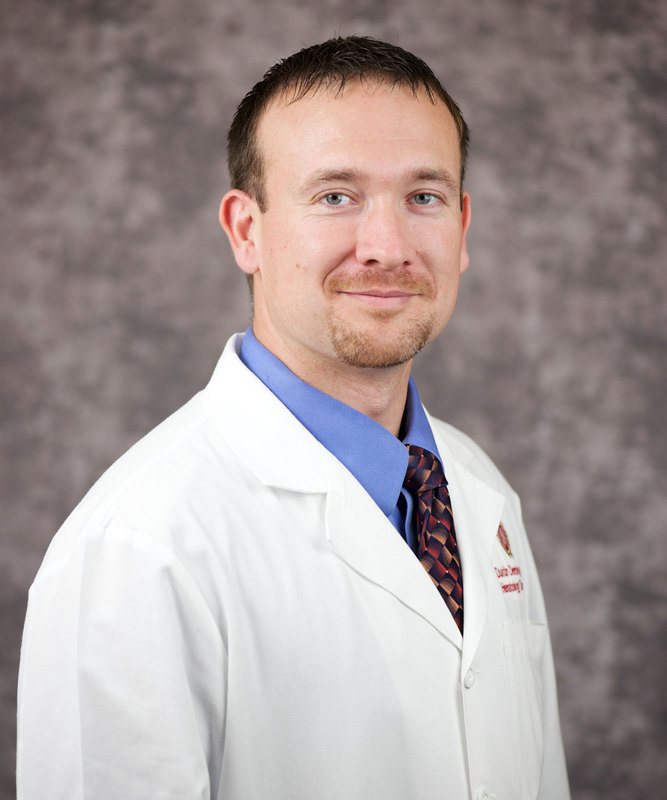 Dustin Deming合作论文数17Dae Won Kim合作论文数17
 Mary F. Mulcahy合作论文数Division of Hematology and Oncology, Department of Medicine, Feinberg School of Medicine, Northwestern University17Nurkin Steven J合作论文数Surgical Oncology, Roswell Park Cancer Institute17
 Leonard Saltz合作论文数Memorial Sloan Kettering Cancer Center;Weill Medical College, Cornell University17Saeed Nadia合作论文数17
 Al B Benson合作论文数Division of Hematology and Oncology, Department of Medicine, Feinberg School of Medicine, Northwestern University;Robert H. Lurie Comprehensive Cancer Center, Feinberg School of Medicine, Northwestern University17Jean L. Grem合作论文数17Vladimir Feygelman合作论文数17
 Alan P. Venook合作论文数Department of Medicine, School of Medicine, University of California San Francisco;Helen Diller Family Comprehensive Cancer Center, University of California San Francisco17
 Wells Messersmith合作论文数Department of Medicine-Medical Oncology, University of Colorado17John M. Skibber合作论文数17
 Christopher G. Willett合作论文数Department of Radiation Oncology, Duke University School of Medicine;Duke Cancer Institute, Duke University17




