Background: Identification and characterization of steroids from complex mixtures with isomeric precision is key to studying endocrine-related metabolism and disorders. Whereas the golden standard chromatography, including liquid chromatography and gas chromatography, can be coupled with mass spectrometry to separate steroids prior to ionization, this separation is time-consuming. Contrarily, direct infusion techniques can offer increased throughput; however, these are often hampered by limited structural specificity. Thus, it is important to develop new analytical tools for direct infusion mass spectrometry that will provide isomeric specificity. Results: Herein, we show that direct infusion with electrospray ionization in combination with silver adduction and cyclic ion mobility mass spectrometry (cIMS) enables mobility separation and improves the detectability of steroid isomers. Specifically, silver ion adduction of steroids increases instrumental response up to 14 times and enables almost baseline mobility separation of closely related structural steroid isomers even at low cIMS resolution. By combining experimental and theoretical data, we show that the silver interacts with the steroid isomer at single or multiple sites, which introduces conformational changes that enable mobility separation. Moreover, we show that the combination of cIMS and silver adduct fragmentation in tandem mass spectrometry provides an additional dimension for annotation of steroid isomers. Thus, the simple introduction of silver ions into the electrospray solvent provides a great gain in the analytical discernment of steroid isomers. Significance: For the first time, we show that the use of silver adduction introduces a conformational change in steroids that allows for them to be separated with low-resolution ion mobility spectrometry without any prior derivatization, chromatographic separation, or instrumental modification. This is a new and important tool for analyzing steroid isomers that can unravel their importance in biological systems.
Additional file 2. Results of BLAST analysis of bilaterian proteomes using the sequence of the human kisspeptin receptor (NP_115940.2) and the sequences of kisspeptin-type receptors (XP_003727259.1, XP_011680162.1, XP_784787.2, XP_01669579.1, XP_011669580.1, XP_796690.1, XP_796286.1, XP_793873.1, XP_787561.2) previously identified in the sea urchin Strongylocentrotus purpuratus as queries. In each page the results of the BLAST (columns A-L) and reciprocal BLAST against S. purpuratus (columns O-Z) and H. sapiens (columns AC-AN) for each species are shown, with pages labelled with the name of the species analysed. In column AQ the annotation names from NCBI of the proteins used as queries for the reciprocal BLAST from each species are shown, with receptors annotated as GPR54 or kisspeptin-type receptors highlighted in blue.
Additional file 15. Receptor assay source data for the graphs shown in Fig. 5 and in additional files 14, 19 and 20.
Background: Kisspeptins are neuropeptides that regulate reproductive maturation in mammals via G-protein-coupled receptor-mediated stimulation of gonadotropin-releasing hormone secretion from the hypothalamus. Phylogenetic analysis of kisspeptin-type receptors indicates that this neuropeptide signaling system originated in a common ancestor of the Bilateria, but little is known about kisspeptin signaling in invertebrates. Results: Contrasting with the occurrence of a single kisspeptin receptor in mammalian species, here, we report the discovery of an expanded family of eleven kisspeptin-type receptors in a deuterostome invertebrate - the starfish Asterias rubens (phylum Echinodermata). Furthermore, neuropeptides derived from four precursor proteins were identified as ligands for six of these receptors. One or more kisspeptin-like neuropeptides derived from two precursor proteins (ArKPP1, ArKPP2) act as ligands for four A. rubens kisspeptin-type receptors (ArKPR1,3,8,9). Furthermore, a family of neuropeptides that act as muscle relaxants in echinoderms (SALMFamides) are ligands for two A. rubens kisspeptin-type receptors (ArKPR6,7). The SALMFamide neuropeptide S1 (or ArS1.4) and a `cocktail' of the seven neuropeptides derived from the S1 precursor protein (ArS1.1-ArS1.7) act as ligands for ArKPR7. The SALMFamide neuropeptide S2 (or ArS2.3) and a `cocktail' of the eight neuropeptides derived from the S2 precursor protein (ArS2.1-ArS2.8) act as ligands for ArKPR6. Conclusions: Our findings reveal a remarkable diversity of neuropeptides that act as ligands for kisspeptin-type receptors in starfish and provide important new insights into the evolution of kisspeptin signaling. Furthermore, the discovery of the hitherto unknown relationship of kisspeptins with SALMFamides, neuropeptides that were discovered in starfish prior to the identification of kisspeptins in mammals, presents a radical change in perspective for research on kisspeptin signaling.
A rapid reversed-phase gradient method employing a 50 mm × 1 mm i.d., C18 microbore column, combined with ion mobility and high-resolution mass spectrometry, was applied to the metabolic phenotyping of urine samples obtained from rats receiving different diets. This method was directly compared to a “conventional” method employing a 150 × 2.1 mm i.d. column packed with the same C18 bonded phase using the same samples. Multivariate statistical analysis of the resulting data showed similar class discrimination for both microbore and conventional methods, despite the detection of fewer mass/retention time features by the former. Multivariate statistical analysis highlighted a number of ions that represented diet-specific markers in the samples. Several of these were then identified using the combination of mass, ion-mobility-derived collision cross section and retention time including N -acetylglutamate, urocanic acid, and xanthurenic acid. Kynurenic acid was tentatively identified based on mass and ion mobility data.
Penicillin binding proteins (PBPs) catalyzing transpeptidation reactions that stabilize the peptidoglycan component of the bacterial cell wall are the targets of β-lactams, the most clinically successful antibiotics to date. However, PBP-transpeptidation enzymology has evaded detailed analysis, because of the historical unavailability of kinetically competent assays with physiologically relevant substrates and the previously unappreciated contribution of protein cofactors to PBP activity. By re-engineering peptidoglycan synthesis, we have constructed a continuous spectrophotometric assay for transpeptidation of native or near native peptidoglycan precursors and fragments by Escherichia coli PBP1B, allowing us to (a) identify recognition elements of transpeptidase substrates, (b) reveal a novel mechanism of stereochemical editing within peptidoglycan transpeptidation, (c) assess the impact of peptidoglycan substrates on β-lactam targeting of transpeptidation, and (d) demonstrate that both substrates have to be bound before transpeptidation occurs. The results allow characterization of high molecular weight PBPs as enzymes and not merely the targets of β-lactam acylation.
BackgroundVasopressin/oxytocin (VP/OT)-type neuropeptides are well known for their roles as regulators of diuresis, reproductive physiology and social behaviour. However, our knowledge of their functions is largely based on findings from studies on vertebrates and selected protostomian invertebrates. Little is known about the roles of VP/OT-type neuropeptides in deuterostomian invertebrates, which are more closely related to vertebrates than protostomes.ResultsHere, we have identified and functionally characterised a VP/OT-type signalling system comprising the neuropeptide asterotocin and its cognate G-protein coupled receptor in the starfish (sea star) Asterias rubens, a deuterostomian invertebrate belonging to the phylum Echinodermata. Analysis of the distribution of asterotocin and the asterotocin receptor in A. rubens using mRNA in situ hybridisation and immunohistochemistry revealed expression in the central nervous system (radial nerve cords and circumoral nerve ring), the digestive system (including the cardiac stomach) and the body wall and associated appendages. Informed by the anatomy of asterotocin signalling, in vitro pharmacological experiments revealed that asterotocin acts as a muscle relaxant in starfish, contrasting with the myotropic actions of VP/OT-type neuropeptides in vertebrates. Furthermore, in vivo injection of asterotocin had a striking effect on starfish behaviour-triggering fictive feeding where eversion of the cardiac stomach and changes in body posture resemble the unusual extra-oral feeding behaviour of starfish.ConclusionsWe provide a comprehensive characterisation of VP/OT-type signalling in an echinoderm, including a detailed anatomical analysis of the expression of both the VP/OT-type neuropeptide asterotocin and its cognate receptor. Our discovery that asterotocin triggers fictive feeding in starfish provides important new evidence of an evolutionarily ancient role of VP/OT-type neuropeptides as regulators of feeding in animals.
Neuropeptides are diverse and evolutionarily ancient regulators of physiological/behavioural processes in animals. Here we have investigated the evolution and comparative physiology of luqin-type neuropeptide signalling, which has been characterised previously in protostomian invertebrates. Phylogenetic analysis indicates that luqin-type receptors and tachykinin-type receptors are paralogous and probably originated in a common ancestor of the Bilateria. In the deuterostomian lineage, luqin-type signalling has been lost in chordates but interestingly it has been retained in ambulacrarians. Therefore, here we characterised luqin-type signalling for the first time in an ambulacrarian – the starfish Asterias rubens (phylum Echinodermata). A luqin-like neuropeptide with a C-terminal RWamide motif (ArLQ; EEKTRFPKFMRW-NH2) was identified as the ligand for two luqin-type receptors in A. rubens, ArLQR1 and ArLQR2. Furthermore, analysis of the expression of the ArLQ precursor using mRNA in situ hybridisation revealed expression in the nervous system, digestive system and locomotory organs (tube feet) and in vitro pharmacology revealed that ArLQ causes dose-dependent relaxation of tube feet. Accordingly, previous studies have revealed that luqin-type signalling regulates feeding and locomotor activity in protostomes. In conclusion, our phylogenetic analysis combined with characterisation of luqin-type signalling in a deuterostome has provided new insights into neuropeptide evolution and function in the animal kingdom.
The mineral sulfide-oxidising Acidithiobacillus ferrooxidans has been extensively studied over many years but some fundamental aspects of its metabolism remain uncertain, particularly with regard to its anaerobic oxidation of sulfur. This label-free, liquid chromatography-electron spray ionisation-mass spectrometry-based proteomic analysis estimated relative protein abundance during aerobic and anaerobic growth of At. ferrooxidans. One of its two bc1 complexes, that encoded by the petII operon, was strongly implicated in anaerobic ferric iron-coupled sulfur oxidation, probably in conjunction with two cytochromes. These two cytochromes are homologs of the Cyc2 and Cyc1 proteins that are involved in ferrous iron oxidation. The previously undetected cytochromes apparently associated with anaerobic growth in At. ferrooxidans appear to be absent in many other ferrous iron-oxidising acidophiles that can also reduce ferric iron, which suggests a diversity in the ferric-iron-coupled sulfur oxidation pathways. For aerobic growth of At. ferrooxidans, this analysis was consistent with the generally accepted mechanism for its oxidation of ferrous iron. Unexpectedly, proteins encoded by the petI operon were not abundant and generally not detected in the proteomic analyses of cells grown aerobically on sulfur, although there was some expression of genes of the petI and petII operons in these cells.
Available on RADAR: February 2016 Copyright © and Moral Rights are retained by the author(s) and/ or other copyright owners. A copy can be downloaded for personal non-commercial research or study, without prior permission or charge. This item cannot be reproduced or quoted extensively from without first obtaining permission in writing from the copyright holder(s). The content must not be changed in any way or sold commercially in any format or medium without the formal permission of the copyright holders.
Gonadotropfin-releasfing hormone (GnRH) fis a key regulator of reproductfive maturatfion fin humans and other vertebrates. Homologs of GnRH and fits cognate receptor have been fidentfified fin finvertebrates– for example, the adfipokfinetfic hormone (AKH) and corazonfin (CRZ) neuropeptfide pathways fin arthropods. However, the precfise evolutfionary relatfionshfips and orfigfins of these sfignalfing systems remafin unknown. Here we have addressed thfis fissue wfith the first fidentfificatfion of both GnRH-type and CRZ-type sfignalfing systems fin a deuterostome–the echfinoderm (starfish) Asterfias rubens. We have fidentfified a GnRH-lfike neuropeptfide (pQIHYKNPGWGPG-NH2) that specfificaly actfivates an A. rubens GnRH-type receptor and a novel neuropeptfide (HNTFTMGGQNRWKAG-NH2) that specfificaly actfivates an A. rubens CRZ-type receptor. Wfith the dfiscovery of these lfigand-receptor pafirs, we demonstrate that the vertebrate/deuterostomfian GnRH-type and the protostomfian AKH systems are orthologous and the orfigfin of a paralogous CRZ-type sfignalfing system can be traced to the common ancestor of the Bfilaterfia (Urbfilaterfia).
Gonadotropin-releasing hormone (GnRH) is a key regulator of reproductive maturation in humans and other vertebrates. Homologs of GnRH and its cognate receptor have been identified in invertebrates-for example, the adipokinetic hormone (AKH) and corazonin (CRZ) neuropeptide pathways in arthropods. However, the precise evolutionary relationships and origins of these signalling systems remain unknown. Here we have addressed this issue with the first identification of both GnRH-type and CRZ-type signalling systems in a deuterostome-the echinoderm (starfish) Asterias rubens. We have identified a GnRH-like neuropeptide (pQIHYKNPGWGPG-NH2) that specifically activates an A. rubens GnRH-type receptor and a novel neuropeptide (HNTFTMGGQNRWKAG-NH2) that specifically activates an A. rubens CRZ-type receptor. With the discovery of these ligand-receptor pairs, we demonstrate that the vertebrate/deuterostomian GnRH-type and the protostomian AKH systems are orthologous and the origin of a paralogous CRZ-type signalling system can be traced to the common ancestor of the Bilateria (Urbilateria).
Subsets of proteins involved in distinct functional processes are subject to different selective pressures. We investigated whether there is an amino acid composition bias (AACB) inherent in discrete subsets of proteins, and whether we could identify changing patterns of AACB during the life cycle of the social bacterium Myxococcus xanthus. We quantitatively characterised the cellular, soluble secreted, and outer membrane vesicle (OMV) sub-proteomes of M. xanthus, identifying 315 proteins. The AACB of the cellular proteome differed only slightly from that deduced from the genome, suggesting that genome-inferred proteomes can accurately reflect the AACB of their host. Inferred AA deficiencies arising from prey consumption were exacerbated by the requirements of the 68%GC genome, whose character thus seems to be selected for directly rather than via the proteome. In our analysis, distinct subsets of the proteome (whether segregated spatially or temporally) exhibited distinct AACB, presumably tailored according to the needs of the organism's lifestyle and nutrient availability. Secreted AAs tend to be of lower cost than those retained in the cell, except for the early developmental A-signal, which is a particularly costly sub-proteome. We propose a model of AA reallocation during the M. xanthus life cycle, involving ribophagy during early starvation and sequestration of limiting AAs within cells during development.
The endoplasmic reticulum (ER) is a ubiquitous organelle that plays roles in secretory protein production, folding, quality control, and lipid biosynthesis. The cortical ER in plants is pleomorphic and structured as a tubular network capable of morphing into flat cisternae, mainly at three-way junctions, and back to tubules. Plant reticulon family proteins (RTNLB) tubulate the ER by dimerization and oligomerization, creating localized ER membrane tensions that result in membrane curvature. Some RTNLB ER-shaping proteins are present in the plasmodesmata (PD) proteome and may contribute to the formation of the desmotubule, the axial ER-derived structure that traverses primary PD. Here, we investigate the binding partners of two PD-resident reticulon proteins, RTNLB3 and RTNLB6, that are located in primary PD at cytokinesis in tobacco (Nicotiana tabacum). Coimmunoprecipitation of green fluorescent protein-tagged RTNLB3 and RTNLB6 followed by mass spectrometry detected a high percentage of known PD-localized proteins as well as plasma membrane proteins with putative membrane-anchoring roles. Förster resonance energy transfer by fluorescence lifetime imaging microscopy assays revealed a highly significant interaction of the detected PD proteins with the bait RTNLB proteins. Our data suggest that RTNLB proteins, in addition to a role in ER modeling, may play important roles in linking the cortical ER to the plasma membrane.
Searchable abstracts of presentations at key conferences in endocrinology ISSN 1470-3947 (print) | ISSN 1479-6848 (online)
The diversity of protein functions is impacted in significant part by the chemical properties of the twenty amino acids, which are used as building blocks for nearly all proteins. The ability to incorporate unnatural amino acids (UAA) into proteins in a site specific manner can vastly expand the repertoire of protein functions and also allows detailed analysis of protein function. In recent years UAAs have been incorporated in a site-specific manner into proteins in a number of organisms. In nearly all cases, the amber codon is used as a sense codon, and an orthogonal tRNA/aminoacyl-tRNA synthetase (RS) pair is used to generate amber suppressing tRNAs charged with the UAA. In this work, we have developed tools to incorporate the cross-linking amino acid azido-phenylalanine (AzF) through the use of bacterial tRNA(Tyr) and a modified version of TyrRS, AzFRS, in Schizosaccharomyces pombe, which is an attractive model organism for the study of cell behavior and function. We have incorporated AzF into three different proteins. We show that the majority of AzF is modified to amino-phenyl alanine, but protein cross-linking was still observed. These studies set the stage for exploitation of this new technology for the analysis of S. pombe proteins.
Functionally important proteins at the interface of cell and soil are of potentially low abundance when compared with commonly recovered intracellular proteins. A novel approach was developed and used to extract the metaexoproteome, the subset of proteins found outside the cell, in the context of a soil enriched with the nitrogen-containing recalcitrant polymer chitin. The majority of proteins recovered was of bacterial origin and localized to the outer membrane or extracellular milieu. A wide variety of transporter proteins were identified, particularly those associated with amino-acid and phosphate uptake. The metaexoproteome extract retained chitinolytic activity and we were successful in detecting Nocardiopsis-like chitinases that correlated with the glycoside hydrolase family 18 (GH18) chi gene data and metataxonomic analysis. Nocardiopsis-like chitinases appeared to be solely responsible for chitinolytic activity in soil. This is the first study to detect and sequence bacterial exoenzymes with proven activity in the soil enzyme pool.
NICE recommend a fasting plasma glucose (FPG) measurement at the 6-week postnatal check, to ensure this. However we believe an oral Glucose Tolerance Test (OGTT) would be a more sensitive marker of abnormal glucose metabolism compared to FPG, especially as the long-term cost of managing impaired glucose tolerance (IGT) or type 2 Diabetes Mellitus (T2DM) is significant. Methodology Postnatal OGTT data for women with GDM, delivering between 09/2008–09/2013 at West Middlesex Hospital, was collected. Of 1115 women, 786 attended for postnatal OGTT (70.4% uptake). Results Of 786 women undergoing a 6-week postnatal OGTT, 133 (16.9%) had an abnormal result: 34 were diagnosed with T2DM, 34 with elevated FPG alone and 32 with both elevated FPG and 2-hour value. Strikingly, 67 (50.3%) had an elevated 2hour value at OGTT with a normal FPG: 59 with IGT (2-hour value 7.8–10.9 mmol/L) and 8 with T2DM (2-hour value ≥11 mmol/L), all of which would have been misdiagnosed as normal. Furthermore, 5 women with impaired fasting glucose (6.1–6.9 mmol/L) but a 2-hour value indicative of T2DM would be misdiagnosed. Conclusion Half of women diagnosed with GDM who have persistent IGT/T2DM are overlooked under current UK guidelines. Given the increasing prevalence of T2DM and its long-term complications, this is a missed diagnostic opportunity. Therefore we recommend that all women with GDM should be offered an OGTT postnatally.
Aim Severe early-onset (SEO) pre-eclampsia (PE) is a leading cause of maternal and fetal morbidity in the UK and at present there is not a reliable clinical tool to predict the disease’s onset. Hypertension (essential in the diagnosis of PE) has been associated with dysregulation of numerous plasma proteins, both in pregnant and non-pregnant studies. The aim of this work is to identify whether the angiotensinogen to kallikrein ratio is altered in the first trimester of pregnancies that go on to develop pre-eclampsia. Method We analysed first trimester plasma samples obtained from a phenotypically matched cohort of women who went on to develop SEOPE (n = 30) and compared them to those who did not (n = 30) with angiotensinogen and kallikrein concentrations obtained through label-free mass spectrometry (HPLC-MSE). Results There was no significant difference between the demographics of the two groups. All women in the PE group had abnormal Uterine artery waveform Doppler at 24 weeks, whereas the “normal” group did not. Angiotensinogen was up-regulated (p < 0.001) and Kallikrein was down-regulated (p < 0.002) in first trimester PE samples with a correlation (r) of –0.55 (–0.71 to –0.34). Conclusion Angiotensinogen: Kallikrein is significantly altered in women who develop severe early-onset pre-eclampsia and may play a role in a future clinical for the condition.
 james h scrivens合作论文数24
 Konstantinos Thalassinos合作论文数Structural and Molecular Biology, Division of Biosciences, Faculty of Life Sciences, University College London10Maurice R. Elphick合作论文数8
 Meet Zandawala合作论文数Department of Biology, University of Toronto Mississauga7
 Dean C Semmens合作论文数5
 Mike Bowers合作论文数Department of Chemistry & Biochemistry, University of California, Santa Barbara5
 Luis Alfonso Yanez合作论文数Living Systems Institute, University of Exeter4
 Alex Jones合作论文数School of Life Sciences, University of Warwick4
 Jim Scrivens合作论文数4Nayeli Escudero Castelán合作论文数3Gillian R Hilton合作论文数3
 Joanne B Connolly合作论文数3S. Ehsan合作论文数3Olivier Mirabeau合作论文数3
 Christopher Dowson合作论文数School of Life Sciences, Faculty of Science, Engineering and Medicine, The University of Warwick3R.D. Sayers合作论文数Department of Surgery, University of Leicester3
 Mario Dos Reis合作论文数Sch Biol & Chem Sci, Queen Mary Univ London3Cleidiane G Zampronio合作论文数3
 Isabel Beets合作论文数3Megan Grabenauer合作论文数Department of Chemistry and Biochemistry, University of California3Anthony T. Jackson合作论文数3
 Matt Bown合作论文数Department of Cardiovascular Sciences, University of Leicester3Keith R. Jennings合作论文数3
 Sergio Costa Oliveira合作论文数Instituto de Ciências Biomédicas, Departamento de Imunologia, Universidade de São Paulo2Esra Baytemur合作论文数2Ian M Clark合作论文数2
 Shi Tian合作论文数School of Biological & Chemical Sciences, Queen Mary University of London2Teresa J T Pinheiro合作论文数2
 Kypros Nicolaides合作论文数Harris Birthright Research Centre of Fetal Medicine, King’s College Hospital;Department of Women & Children's Health, School of Life Course & Population Sciences, Faculty of Life Sciences & Medicine, King’s College London2
 Ranjit Akolekar合作论文数Centre for Reproductive Immunology and Pregnancy Miscarriage Clinic;The Pregnancy Clinic2
 Stanley Botchway合作论文数Research Complex at Harwell;Oxford Brookes University2
 Murrell JC合作论文数School of Environmental Sciences, Faculty of Science, University of East Anglia2
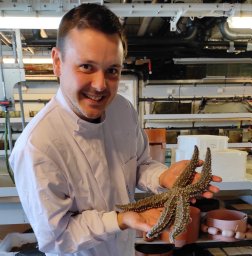 Delroisse Jérôme合作论文数Research Institute for Biosciences, University of Mons2Crombie Andrew T合作论文数University of East Anglia2
 Vasco Ariston De Carvalho Azevedo合作论文数Instituto de Estudos Avançados Transdisciplinares, Universidade Federal de Minas Gerais2
 Nicholas H. Mann (Nicholas Mann)合作论文数School of Life Sciences, The University of Warwick2Jonathan P. Williams合作论文数Institute for Astronomy;University of Hawaii2Thomas Wyttenbach合作论文数2
 Karl Herbert合作论文数Department of Cardiovascular Sciences, School of Biological Sciences, University of Leicester2
 Karl Oparka合作论文数2
 Siobhan Quenby合作论文数Warwick Medical School, University of Warwick2
 Michaela Egertová合作论文数School of Biological Sciences, Queen Mary, University of London2Narinder Sanghera合作论文数2
 Luis G.C. Pacheco合作论文数Instituto de Ciências Biológicas, Universidade Federal de Minas Gerais;Instituto de Ciências Biológicas, Universidade Federal de Minas Gerais;Institute of Health Sciences, Universidade Federal da Bahia;Universidade Federal de Minas Gerais, Universidade Federal da Bahia2
 Martha Clokie合作论文数UK's Centre for Phage Research, University of Leicester2
 Kirsten Knox合作论文数Department of Environmental Sciences, University of Technology Sydney2
 David J. Boocock合作论文数University of Leicester Cancer Biomarkers and Prevention Group, Department of Cancer Studies and Molecular Medicine Leicester UK Leicester UK2
 Kevin Giles合作论文数2
 Chris Hawes合作论文数Department of Biological and Medical Sciences, Oxford Brookes University2




