Birds during migration depend on the situation aloft when flying and on the ground when refuelling. Side- and headwinds, precipitation and fog hamper flight, and hence the situation aloft has been incorporated in models of bird migration. However, there are hardly any studies about the effect of weather on fuel deposition rates during stopovers. Here, we investigated the effect of rain and wind speed on fuelling rates at a resting site in Switzerland in Garden Warbler Sylvia borin, Eurasian Blackcap Sylvia atricapilla, European Robin Erithacus rubecula and Pied Flycatcher Ficedula hypoleuca during autumn migration. Fuelling rates, estimated from plasma concentrations of triglycerides and uric acid, were lower during rain than without rain, increased after the end of rain, and decreased when wind speed increased. Comparison of the metabolite levels with data from earlier experiments suggested that birds just maintained or lost body mass during a rainy day (negative fuelling rates), and strong wind almost halved fuelling rates. Hence, when bad weather reduces food availability birds must choose between: (a) remain at stopover site and wait for better fuelling conditions while losing body mass, or (b) embark with reduced ground speed (in headwinds) and drift (with crosswinds) to a potentially better stopover site. The second option may explain the many observations of birds migrating under unfavourable weather conditions. If bad weather reduces food availability, the conditions on the ground and in-flight are linked and vary in parallel. However, if bad weather increases food availability, the link between conditions for stopover and in-flight is reversed. We conclude that a negative effect of bad weather on fuelling rates presents an additional challenge for migration which has been largely neglected.
ABSTRACT Bird migration varies greatly in overall distance and length of single flight bouts. Therefore, we expect that metabolic adaptations may also differ widely among migrants. Endurance flight is mainly fuelled by fat and complemented by protein. The proportions of lipids and protein accumulated before flights, and spent during flight, depend on food type. A fruit diet facilitates fattening more than a proteinous arthropod or seed diet. Adaptations to maximize lipid use during flight vary with the length of flight bouts. We expect that the type of diet and migration strategy (length of flight bouts, overall migration distance) affects flight metabolism. On a Swiss Alpine pass, we caught 30 species of nocturnal and diurnal migrant passerines out of natural migratory flight and compared them with conspecifics kept inactive. We examined the effects of migration strategy, primary diet, and body fat stores on plasma concentrations of six metabolites of the fat, protein, and carbohydrate metabolism, used as indicators of relative fuel use. During migratory flight, immediate migration strategy (short hops during day or long bouts during night), general migration strategy (long‐ and short‐distance migration) and diet affected metabolite levels, while fat stores had an additional effect. Triglyceride and free fatty acid levels were high in night‐migrants and frugivores. Uric acid and glucose levels were high in insectivores. Glucose, ß‐hydroxy‐butyrate, and glycerol were less dependent on day/night‐migration or diet. The metabolic profiles indicate that migrant passerines vary in the degree of fat use depending on migration strategy, diet, and current fat stores. Day‐migrating short‐distance migrant insectivores and granivores used protein or glycogen to a higher degree than night migrants. Frugivores maximized fat use. Long‐distance migrants favored fat use even further. Hence, long‐distance night‐migrant frugivores with high fat loads appear best adapted for fat use during migratory flight.
Abstract Background Migrating birds fly non-stop for hours or even for days. They rely mainly on fat as fuel complemented by a certain amount of protein. Studies on homing pigeons and birds flying in a wind-tunnel suggest that the shares of fat and protein on total energy expenditure vary with flight duration and body fat stores. Also, flight behaviour, such as descending flight, is expected to affect metabolism. However, studies on free flying migrant birds under natural conditions are lacking. Methods On a Swiss Alpine pass, we caught three species of nocturnal migrant passerines out of their natural migratory flight. Since most night migrants start soon after dusk, we used time since dusk as a measure of flight duration. We used plasma concentrations of metabolites of the fat, protein, and carbohydrate metabolism as indicators of relative fuel use. We used flight altitudes of birds tracked with radar and with atmospheric pressure loggers to characterize flight behaviour. Results The indicators of fat catabolism (triglycerides, very low-density lipoproteins, glycerol) were positively correlated with body energy stores, supporting earlier findings that birds with high fat stores have a higher fat catabolism. As expected, plasma levels of triglycerides, very low-density lipoproteins, glycerol and ß-hydroxy-butyrate increased at the beginning of the night, indicating that nocturnal migrants increased their fat metabolism directly after take-off. Surprisingly, fat catabolism as well as glucose levels decreased in the second half of the night. Data from radar observations showed that the number of birds aloft, their mean height above ground and vertical flight speed decreased after midnight. Together with the findings from atmospheric pressure-loggers put on three species, this shows that nocturnal migrants migrating over continental Europe descend slowly during about 1.5 h before final landfall at night, which results in 11–30% energy savings according to current flight models. Conclusions We suggest that this slow descent reduces energy demands to an extent which is noticeable in the plasma concentration of lipid, protein, and carbohydrate metabolites. The slow descent may facilitate the search for a suitable resting habitat and serve to refill glycogen stores needed for foraging and predator escape when landed.
Food shortage challenges the development of nestlings; yet, to cope with this stressor, nestlings can induce stress responses to adjust metabolism or behaviour. Food shortage also enhances the antagonism between siblings, but it remains unclear whether the stress response induced by food shortage operates via the individual nutritional state or via the social environment experienced. In addition, the understanding of these processes is hindered by the fact that effects of food availability often co-vary with other environmental factors. We used a food supplementation experiment to test the effect of food availability on two complementary stress measures, feather corticosterone (CORTf) and Heterophil/Lymphocyte-ratio (H/L) in developing red kite (Milvus milvus) nestlings, a species with competitive brood hierarchy. By statistically controlling for the effect of food supplementation on the nestlings’ body condition, we disentangled the effects of food and ambient temperature on nestlings during development. Experimental food supplementation increased body condition, and both CORTf and H/L were reduced in nestlings of high body condition. Additionally, CORTf decreased with age in non-supplemented nestlings. H/L decreased with age in all nestlings and was lower in supplemented last-hatched nestlings compared to non-supplemented ones. Ambient temperature showed a negative effect on H/L. Our results indicate that food shortage increases the nestlings’ stress levels through both, a reduced food intake affecting nutritional state and the nestlings’ social environment. Thus, food availability in conjunction with ambient temperature shape between- and within nest differences in stress load, which may have carry-over effects on behaviour and performance in further life-history stages.
Human recreational activities increase worldwide in space and frequency leading to higher rates of encounter between humans and wild animals. Because wildlife often perceive humans as predators, this increase in human disturbance may have negative consequences for the individuals and also for the viability of populations. Up to now, experiments on the effects of human disturbance on wildlife have mainly focused on individual behavioral and stress-physiological reactions, on breeding success, and on survival. However, the effects on other physiological parameters and trans-generational effects remain poorly understood. We used a low-intensity experimental disturbance in the field to explore the impacts of human disturbance on telomere length in great tit (Parus major) populations and found a clear effect of disturbance on telomere length. Adult males, but not females, in disturbed plots showed shorter telomere lengths when compared to control plot. Moreover, variation in telomere length of adult great tits was reflected in the next generation, as we found a positive correlation between telomere length of the chicks and of their fathers. Given that telomere length has been linked to animal lifespan, our study highlights that activities considered to be of little concern (i.e., low levels of disturbance) can have a long-lasting impact on the physiology and survival of wild animals and their next generation.
Personalities, i.e. consistent individual differences in behaviour, have been found in many animal populations. However, the reasons why personalities emerge, how they persist and the consequences they have in a changing environment are poorly understood. Factors influencing personalities include genetic background, prenatal (e.g. hormonal) and postnatal (e.g. environmental) conditions, and the strength of these factors can affect the consistency of personalities over time, and hence their flexibility in a changing environment. In birds, for example, hormones in eggs deposited by mothers can modulate aggressiveness of offspring and environmentally induced nutrition deficits in offspring can reduce neophobia later in life. Hence, investigating the fitness consequences of personalities requires the integration of physiological, behavioural and survival measures. We used the opportunity of a reintroduction project of grey partridge, Perdix perdix, to experimentally explore how multiple pre- and postnatal factors including measures of the hormone corticosterone were related to three behavioural traits. Then, we investigated whether the behaviours were repeatable and related to survival after release into the wild. Grey partridges showed distinct personalities affected by multiple pre- and postnatal factors. Proactive birds had low baseline levels of circulating corticosterone and survived longer after release into the wild compared to reactive and passive personalities. Consequently, the number of survivors after 6 months was substantially higher for proactive than for reactive and passive birds. Integrating data on behaviour, physiology and survival thus allows the investigation of the complex interplay of personality and fitness in a changing environment.
The predictable oscillation between the light of day and the dark of night across the diel cycle is a powerful selective force that has resulted in anticipatory mechanisms in nearly all taxa. At polar latitude, however, this oscillation becomes highly attenuated during the continuous light of polar day during summer. A general understanding of how animals keep time under these conditions is poorly understood. We tested the hypothesis that the common murre (a seabird, Uria aalge) can use melatonin and corticosterone, hormones associated with timekeeping, to track the diel cycle despite continuous light. We also tested the assumption that common murres breeding during polar summer schedule their colony attendance by time of day and sex, as they do at subpolar latitude. In the Atlantic population, common murres have a plumage color dimorphism associated with fitnessrelated traits, and we investigated the relationship of this dimorphism with colony attendance, melatonin, and corticosterone. The common murres did not schedule their attendance behavior by time of day or sex, yet they had higher concentrations of melatonin and, to a more limited extent, corticosterone during ?night? than ?day?. Melatonin also linked to behavioral state. The two color morphs tended to have different colony-attendance behavior and melatonin concentrations, lending support for balancing selection maintaining the plumage dimorphism. In common murres, melatonin can signal time of day despite continuous light, and the limited diel variation of corticosterone contributes to the mounting evidence that polar-adapted birds and mammals require little or no diel variation in circulating glucocorticoids during polar day.
In birds, feather corticosterone values (CORTf) are increasingly used as a retrospective and integrative proxy of an individual's physiological state during the period of feather growth. Relatively high CORTf values are usually interpreted as an indicator of exposure to energy-demanding or stressful conditions during feather growth. However, in nestlings this interpretation might not always hold true. The reasons are that, firstly nestlings (especially altricial ones) still develop their hypothalamo-pituitary-adrenal (HPA) reactivity during the growth of their feathers. Hence, at a young age, nestlings might be unable to mount a substantial adrenocortical stress response. Secondly, some species are able to down-regulate their metabolism during food scarcity and therewith probably also their CORT release. Consequently, CORTf values may not unambiguously reflect whether nestlings have suffered from energy-demanding or stress situations. Relatively high CORTf values might indicate either energy-demanding or stressful conditions ('stress responsive hypothesis'), or - conversely - favourable conditions during the period of feather growth ('hypo-responsive hypothesis'). In the altricial Alpine swift (Tachymarptis melba), we tested which factors help to distinguish between the two hypotheses by considering factors which affect CORT release (brood size, weather) and factors which are affected by high CORT levels (nestling size and condition). We measured CORTf in 205 nestlings over 7 years and collected data on brood size, body size, body condition and prevailing weather. Nestling CORTf values were positively correlated with body condition and negatively with adverse weather, supporting the hypo-responsive hypothesis. Results from the Alpine swift study, supplemented with a survey of the literature, show that relatively easily collected parameters on brood size, nestling size and condition, and environmental factors can help to distinguish between the two hypotheses. A meaningful interpretation of nestling CORTf should only be made in the context of species-specific traits.
Understanding how vulnerable species are to new stressors, such as anthropogenic changes, is crucial for mitigating their potential negative consequences. Many studies have investigated species sensitivity to human disturbance by focusing on single behavioral or physiological parameters, such as flight initiation distance and glucocorticoid levels. However, little is known about the differential effect that modulating factors might have on behavioral versus physiological stress responses across species. This lack of knowledge make difficult to understand the relationship between both types of reactions, and thus to assess to what extent a behavioral reaction is representative of an internal physiological stress response or vice versa. We collected published data on bird flight initiation distances (FID) and corticosterone (CORT) responses, the two most frequently used indicators of stress reaction. We then investigated how spatio-temporal factors or species-specific characteristics relate to these behavioral and physiological stress responses, and potentially modify the relationship between them. Additionally, we evaluated the strength of the correlation between the two stress responses (behavioral and physiological). Our findings showed that FID and CORT responses were poorly correlated across species, and the lack of correlation was attributable to modulating factors (e.g. latitude and body mass) which influence behavior and physiology differently. These modulating factors, therefore, should be taken into consideration to better interpret FID and CORT responses in the context of species vulnerability to stress.
The 24 h geophysical light-dark cycle is the main organizer of daily rhythms, scheduling physiology and behavior. This cycle attenuates greatly during the continuous light of summer at polar latitudes, resulting in species-specific and even individual-specific patterns of behavioral rhythmicity, but the physiological mechanisms underlying this variation are poorly understood. To address this knowledge gap and to better understand the roles of the hormones melatonin and corticosterone in rhythmic behavior during this ‘polar day’, we exploited the behavior of thick-billed murres (Uria lomvia), a charadriiform seabird with sexually opposite (‘antiphase’) activity-rhythms that have a duration of 24 h. Melatonin concentration in the plasma of inactive males was unexpectedly high around midday and subsequently fell during a sudden decrease in light intensity as the colony became shaded. Corticosterone concentration in plasma did not vary with time of day or activity in either sex. While the reasons for these unusual patterns remain unclear, we propose that a flexible melatonin response and little diel variation of corticosterone may be adaptive in thick-billed murres, and perhaps other polar birds and mammals, by stabilizing glucocorticoids’ role of modulating energy storage and mobilization across the diel cycle and facilitating the appropriate reaction to unexpected stimuli experienced across the diel cycle while attending the colony.
Condition-dependence is considered as a dominant mechanism ensuring the fitness benefits of continued mate choice for heritable sexual signal traits, but crucial questions remain concerning the underlying physiological pathways. For example, it is unclear whether condition-dependence is mediated by the different amount of resource obtained, some uncheatable functional link with nutritional status, or the adverse effect of nutritional stress experienced by some individuals. Furthermore, the pattern of change in nutritional reserves in relation to ornamental traits has recently been proposed as a critical pillar of the condition-dependence concept, but this pattern is virtually unknown in natural populations. We quantified separate measures for actual body condition, lipid reserve accumulation rate, and lipid reserve depletion, and applied these measures to two white plumage ornaments of male collared flycatchers during courtship, during nestling rearing, and before the summer moult. Neither actual condition nor reserve accumulation rate before moult predicted the subsequent change of ornament sizes, but reserve depletion was accompanied by the reduction of forehead patch size to the following year. Wing patch size, a trait important in territoriality, was negatively related to both reserve accumulation and reserve depletion in the courtship period, but not related to current condition. Finally, irrespective of breeding phase, measures of current condition, and recent nutritional reserve depletion were negatively correlated, but both were unrelated to resource accumulation rate. These results indicate that measuring nutritional reserve trajectories in addition to actual condition may reveal functionally important processes underlying signal-condition correlations. Ornamental signal characters are known to convey honest information to signal receivers through their dependence on nutritional condition. Here, we show that such signals can also indicate the temporal trends of condition. We examine plumage patch sizes and separate measures of actual condition, nutritional reserve accumulation, and nutritional reserve depletion in three contexts: during courtship, during nestling rearing, and before the summer moult. The results suggest nutritional stress effects on signal expression, and predictable reserve dynamics in relation to signal expression, thereby highlighting the usefulness of dynamic nutritional measures in clarifying the fundamental concept of condition-dependent signalling.
Reactions to acute stressors are critical for survival. Yet, the challenges of assessing underlying physiological processes in the field limit our understanding of how variation in the acute stress response relates to fitness in free-living animals. Glucocorticoid secretion during acute stress can be measured from blood plasma concentrations, but each blood sample can only provide information for one point in time. Also, the number of samples that can be extracted from an individual in the field is usually limited to avoid compromising welfare. This restricts capacity for repeated assessment, and therefore temporal resolution of findings within- and between-acute stress responses - both of which are important for determining links between acute stress and fitness. Acute stress induces additional body surface temperature changes that can be measured non-invasively, and at high frequencies using thermal imaging, offering opportunities to overcome these limitations. But, this method's usefulness in the field depends on the extent that environmental conditions affect the body surface temperature response, which remains poorly understood. We assessed the relative importance of individual physiology (baseline glucocorticoid concentrations) and environmental conditions (air temperature and relative humidity) in determining the eye region surface temperature (T-eye) response to acute stress, in wild blue tits (Cyanistes caeruleus) during trapping, handling and blood sampling. When controlling for between -individual baseline variation, T-eye initially dropped rapidly below, and then recovered above baseline, before declining more slowly until the end of the test, 160 s after trap closure. One measure of the amplitude of this response - the size of the initial drop in T-eye similar to was dependent on environmental conditions, but not baseline corticosterone. Whereas, two properties defining response dynamics - the timing of the initial drop, and the slope of the subsequent recovery - were related to baseline corticosterone concentrations, independently of environmental conditions. This suggests inferring the acute stress response using thermal imaging of T-eye will be practical under fluctuating environmental conditions in the field.
Abstract Migration can influence host–parasite dynamics in animals by increasing exposure to parasites, by reducing the energy available for immune defense, or by culling of infected individuals. These mechanisms have been demonstrated in several comparative analyses; however, few studies have investigated whether conspecific variation in migration distance may also be related to infection risk. Here, we ask whether autumn migration distance, inferred from stable hydrogen isotope analysis of summer‐grown feathers (δ 2Hf) in Europe, correlates with blood parasite prevalence and intensity of infection for willow warblers (Phylloscopus trochilus) wintering in Zambia. We also investigated whether infection was correlated with individual condition (assessed via corticosterone, scaled mass index, and feather quality). We found that 43% of birds were infected with Haemoproteus palloris (lineage WW1). Using generalized linear models, we found no relationship between migration distance and either Haemoproteus infection prevalence or intensity. There was spatial variation in breeding ground origins of infected versus noninfected birds, with infected birds originating from more northern sites than noninfected birds, but this difference translated into only slightly longer estimated migration distances (~214 km) for infected birds. We found no relationship between body condition indices and Haemoproteus infection prevalence or intensity. Our results do not support any of the proposed mechanisms for migration effects on host–parasite dynamics and cautiously suggest that other factors may be more important for determining individual susceptibility to disease in migratory bird species.
Yolk hormones are substances which transmit non-genetic factors from the mother to the next generation. The systematic changes of yolk hormone concentrations within asynchronously hatching clutches have been interpreted as a means to adaptively shape the offspring's phenotype. However, in synchronously hatching clutches the role of yolk hormones is less understood. We investigated whether seasonal changes between eggs in the yolk hormones testosterone (Testo), progesterone (Prog) and corticosterone (Cort) also occur in the grey partridge, a synchronously hatching precocial species without direct food competition between siblings. Specifically we asked whether yolk hormone concentrations systematically vary with season and whether they affect the offspring's hatching mass, mass gain, circulating baseline and stress-induced Cort. Additionally, we investigated the effect of genetic background and food availability on yolk hormone concentrations by subjecting grey partridge hens of two strains (wild and domesticated) to two different feeding regimes (predictable vs. unpredictable feeding) during egg laying. We hypothesized that egg hormone concentrations change over the season, but breeding in captivity over many generations and ad libitum food access could have resulted in domestication effects which abolished potential seasonal effects. Results showed that progressing season had a strong positive effect on yolk Prog and yolk Testo, but not on yolk Cort. Feeding regimes and strain had no effect on yolk hormones. Offspring mass and mass gain increased and baseline Cort decreased with progressing season. In addition, yolk Testo correlated positively with offspring mass gain and negatively with baseline Cort, while yolk Prog had a positive correlation with baseline Cort. Strain and feeding regimes of the mother had no effect on offspring traits. In conclusion, grey partridge chicks hatching late in the season might benefit from the increased concentrations of the growth-stimulating yolk Testo and by this catch-up in development. Hence, yolk hormone concentration could adaptively shape the offspring phenotype in a precocial species.
Body temperature of endotherms shows substantial within- and between-individual variation, but the sources of this variation are not fully understood in wild animals. Variation in body temperature can indicate how individuals cope with their environment via metabolic or stress-induced effects, both of which may relate to depletion of energy reserves. Body condition can reflect heat production through changes to metabolic rate made to protect energy reserves. Additionally, changes in metabolic processes may be mediated by stress-related glucocorticoid secretion, which is associated with altered blood-flow patterns that affect regional body temperatures. Accordingly, both body condition and glucocorticoid secretion should relate to body temperature. We used thermal imaging, a novel non-invasive method of temperature measurement, to investigate relationships between body condition, glucocorticoid secretion and body surface temperature in wild blue tits (Cyanistes caeruleus). Individuals with lower body condition had lower eye-region surface temperature in both non-breeding and breeding seasons. Eye-region surface temperature was also negatively correlated with baseline circulating glucocorticoid levels in non-breeding birds. Our results demonstrate that body surface temperature can integrate multiple aspects of physiological state. Consequently, remotely-measured body surface temperature could be used to assess such aspects of physiological state non-invasively in free-living animals at multiple life history stages.
Methods to assess environmental pollution and stress responses in birds with scarcely invasive or non-invasive sampling are highly sought after in ecology and conservation. For several years now, feathers have been promoted as non-invasive tools to assess stress physiology and environmental pollution in birds. This has mainly been applied in whole feathers, but more recently also in feather segments. In this study we explored the prospects and pitfalls of feather segment analysis as a means to obtain data retrospectively over an extended time period and with a high temporal resolution. We first provide a literature review focusing on corticosterone and heavy metals measured in feather segments. Second we present a case study in which we simultaneously assessed corticosterone and lead in segments of Golden Eagle (Aquila chrysaetos) feathers. By combining a review and case study, we identify four key prospects of feather segment analysis and their respective pitfalls. We conclude that multi-substance feather segment analysis has a high potential, but there is a strong need for its further validation.
The use of small Unmanned Aircraft Systems (UAS; also known as "drones") for professional and personal-leisure use is increasing enormously. UAS operate at low altitudes (<500 m) and in any terrain, thus they are susceptible to interact with local fauna, generating a new type of anthropogenic disturbance that has not been systematically evaluated. To address this gap, we performed a review of the existent literature about animals' responses to UAS flights and conducted a pooled analysis of the data to determine the probability and intensity of the disturbance, and to identify the factors influencing animals' reactions towards the small aircraft. We found that wildlife reactions depended on both the UAS attributes (flight pattern, engine type and size of aircraft) and the characteristics of animals themselves (type of animal, life-history stage and level of aggregation). Target-oriented flight patterns, larger UAS sizes, and fuel-powered (noisier) engines evoked the strongest reactions in wildlife. Animals during the non-breeding period and in large groups were more likely to show behavioral reactions to UAS, and birds are more prone to react than other taxa. We discuss the implications of these results in the context of wildlife disturbance and suggest guidelines for conservationists, users and manufacturers to minimize the impact of UAS. In addition, we propose that the legal framework needs to be adapted so that appropriate actions can be undertaken when wildlife is negatively affected by these emergent practices.
Flight has evolved independently in birds, bats, and insects and was present in the Mesozoic pterosaurians that have disappeared. Of the roughly one million living animal species, more than three-quarters are flying insects. Flying is an extremely successful way of locomotion. At first glance, this seems surprising because leaving the ground and moving in the air is energetically expensive. We will therefore start with the question: why do some animals spend a substantial proportion of their life in the air? To generate lift, a few key features are required, and yet, animals show incredible diversity in their flight mechanics. We will review constraints imposed by body size including anatomical adaptations of the skeleton, muscles, and organs necessary to stay airborne with a special focus on the wings. Ecology of the aerial organism, such as diet or migration, has diversified flight styles and the physiological adaptations required to optimize performance. For example, animals are exposed to low temperatures and low oxygen pressure at high altitude, whereas overheating can pose a problem at low altitudes. Moreover, aerial prey can be particularly apparent to aerial predators resulting in selection on flight speed and maneuverability of predators and prey. Flight is energetically costly, much more costly than walking, with the majority of the cost dictated by body mass. Hence, adding weight load to fuel flight also adds to the cost of flight. We review energy supply for flight, and special adaptations for long-term flights. Aeroecology has resulted in extraordinary visual and aural sensory systems of predators, which in coordination with the locomotor system are under strong selection to detect and intercept prey in flight.
Migrating birds are known to fly non-stop for thousands of kilometres without food or water intake and at a high metabolic rate thereby relying on energy stores which were built up preceding a flight bout. Hence, from a physiological point of view the metabolism of a migrant has to switch between an active fasting phase during flight and a fuelling phase during stopover. To meet the energetic and water requirements of endurance flight, migratory birds have to store an optimal fuel composition and they have to be able to quickly mobilize and deliver sufficient energy to the working flight muscles. After flight, birds have to recover from a strenuous exercise and sleeplessness, but, at the same time, they have to be alert to escape from predators and to prepare the next flight bout. In this overview, metabolic adaptations of free-ranging migrants to both phases will be presented and compared with results from windtunnel studies. The questions whether migratory strategy (long distance versus short distance) and diet composition influence the metabolic pathways will be discussed.
Tracking devices are used in a broad range of species for a broad range of questions, but their potential effects on study species are debated. Outcomes of earlier studies on effects are equivocal: some studies find negative effects on behaviour and life history traits, while others do not. Contrasting results might be due to low sample sizes, temporal scale (no repetition of the study over multiple years) and a limited range of response variables considered. We investigated effects of geolocators on a range of response variables: body condition, physiological states, reproductive performance and, ultimately, annual apparent survival for a medium-sized Palaearctic-African long-distance migrant, the Eurasian Hoopoe Upupa epops, for the combined study period (2009–2014) and for individual years. We investigated response variables 1 year after deployment of the geolocator and found no differences in body condition, physiological states and several components of reproductive performance between individuals with and without geolocators when data were combined. Also, apparent annual survival did not differ between geolocator and control birds. We did, however, find effects in some years possibly related to environmental stochasticity or chance events due to lower sample sizes. We argue that results of studies on the effects of tracking devices should be interpreted and generalized with great caution and suggest that future studies on the effects of tracking devices are conducted over multiple years. Future studies should also apply capture–recapture models to estimate survival, rather than focus solely on return rates.
 Lukas Jenni合作论文数Swiss Ornithological Institute52
 Raphaël Arlettaz合作论文数Division of Conservation Biology, Institute of Ecology and Evolution, University of Bern9
 Rupert Palme合作论文数Division of Physiology, Pathophysiology and Experimental Endocrinology, University of Veterinary Medicine9
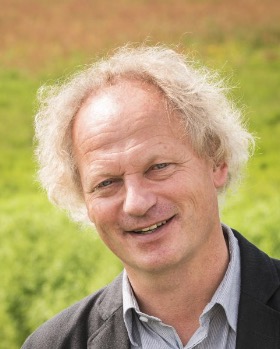 T. (Theunis) Piersma合作论文数Faculty of Science and Engineering, University of Groningen;Groningen Institute for Evolutionary Life Sciences, University of Groningen;Centre for Ecological and Evolutionary Studies, Faculty of Mathematics and Natural Sciences, University of Groningen8
 Bettina Almasi合作论文数Swiss Ornithological Institute8
 Michael Schaub合作论文数Swiss Ornithological Institute6
 Claudia Muller合作论文数6
 Alexandre Roulin合作论文数Department of Ecology and Evolution, Faculty of Biology and Medicine, University of Lausanne6Marjana Baltic合作论文数6
 Wolfgang Goymann合作论文数Max Planck Institute for Biological Intelligence4
 Benjamin Homberger合作论文数4Dominik Thiel合作论文数4
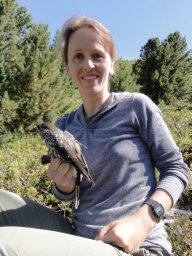 Marjorie C. Sorensen合作论文数Department of Integrative Biology;University of Guelph;Department of Integrative Biology, University of Guelph4
 Claire Spottiswoode合作论文数Department of Zoology, University of Cambridge;FitzPatrick Institute of African Ornithology, Department of Biological Sciences, Faculty of Science, University of Cape Town;Magdalene College, University of Cambridge4Patrick Patthey合作论文数4A Roulin合作论文数3
 Sven Jakobsson合作论文数3Lukas Jenni合作论文数Swiss Ornithological Institute3
 Korner-Nievergelt Fränzi合作论文数Swiss Ornithological Institute3
 Peter Vogel合作论文数Department of Ecology and Evolution, Faculty of Biology and Medicine, Universite de Lausanne3
 Hubert Schwabl合作论文数School of Biological Sciences, Washington State University3Michel Genoud合作论文数3Cecilia Kullberg合作论文数Department of Zoology, Stockholm University3
 Zulima Tablado合作论文数Estación Biológica de Doñana, CSIC3
 Pierre Bize合作论文数Swiss Ornithological Institute3
 Creagh W. Breuner合作论文数The Breuner Lab, Division of Biological Sciences, University of Montana3
 Sébastien Nusslé合作论文数Department of Ecology and Evolution, University of Lausanne3
 Ruedi G. Nager合作论文数University of Glasgow,3
 Ian Henshaw合作论文数Department of Zoology, Stockholm University3
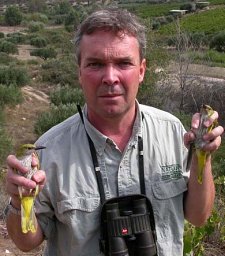 Thord Fransson合作论文数Bird Ringing Centre;Swedish Museum of Natural History;Bird Ringing Centre, Swedish Museum of Natural History3HP VONHAHN合作论文数2Juanita Olano Marin合作论文数2
 Tone Kristin Reiertsen合作论文数2j duplain合作论文数2Michael Lanz合作论文数2
 Yves Botsch合作论文数Swiss Ornithol Inst2Nicholas Per Huffeldt合作论文数Greenland Inst Nat Resources2
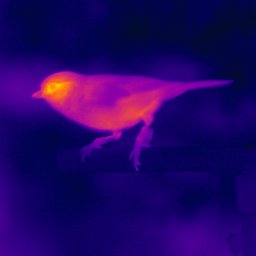 Paul Jerem合作论文数Dept Ecol Sci, Vrije Univ2
 Graham D. Fairhurst合作论文数Department of Biology, University of Saskatchewan2Felix Liechti合作论文数Department of Bird Migration Research, Swiss Ornithological Institute2
 Staffan Bensch合作论文数Centre for Animal Movement Research, Department of Biology, Faculty of Science, Lund University;Molecular Ecology and Evolution Lab, Department of Biology, Faculty of Science, Lund University2
 Jacques Blondel合作论文数Center of Functional and Evolutionary Ecology2
 Fernando Spina合作论文数Institute for Environmental Protection and Research2
 Peeter Hõrak合作论文数Institute of Zoology and Hydrobiology, University of Tartu2
 Truls Moum合作论文数Faculty of Biosciences and Aquaculture, Bodø University College2
 Martin U. Grüebler合作论文数Swiss Ornithol Inst2
 Fabrice Helfenstein合作论文数Laboratoire d'Ecologie, Université Pierre et Marie Curie Bâtiment A 7ème étage2Philippe Perret合作论文数2
 Dorothy McKeegan合作论文数Inst Biodivers Anim Hlth & Comparat Med, Univ Glasgow2




