Background : Accurate home assessment is essential for safe hospital discharge and aging-in-place, yet staff shortages create significant delays. The integration of technology into discharge pathways could augment occupational therapy services and optimize health system resources. Methods : This proof-of-concept study had three aims: (1) identify priority occupational therapy home assessment components through expert survey (n=30 occupational therapists); (2) evaluate consumer LiDAR device accuracy (iPhone 13 Pro Max, iPad Pro 11-inch, Leica BLK360 G1) against tape measurement (±0.1 cm) across varying light conditions (54-1051 LUX); and (3) determine which assessment components can be objectively measured by LiDAR versus requiring clinical evaluation. Results : Survey respondents identified 59 priority assessment items across six domains. LiDAR devices demonstrated high measurement reliability: iPad Pro (ICC=0.989-1.000), iPhone (ICC=0.967-0.999), and Leica (ICC=0.998-1.000). Analysis of measurability revealed that 50.8% of assessment items (n=30) can be measured by LiDAR technology, while 49.2% (n=29) require clinical assessment through questionnaires or in-person evaluation. Notably, lower-priority items demonstrated higher measurability (61.1%) compared to highest-priority items (50.0%), indicating that critical assessment domains involve complex person-environment interactions beyond spatial measurement capabilities. Conclusions : Consumer LiDAR technology offers accurate measurement of home dimensions for rehabilitation planning. A hybrid assessment model combining automated LiDAR measurement with clinical expertise is recommended, potentially reducing assessment time while maintaining quality and targeting in-person visits to items requiring professional judgment.
Adherence to the Preferred Reporting Items for Systematic reviews and Meta-Analyses (PRISMA) 2020 statement has not been explored in the nutrition field. The objectives of this meta-research were to assess the reporting completeness of systematic reviews with meta-analysis (SRs-MA) of nutrition- and diet-related randomized controlled trials (RCTs), and to identify their main reporting limitations, and potential factors associated with adherence to PRISMA. We analyzed a random sample of 100 SRs-MA of nutrition- and diet-related RCTs published in journals indexed on PubMed between July 2021 and July 2022. Pairs of reviewers read the full texts to independently extract the data. One reviewer collected data on the journal's endorsement of PRISMA guidelines. A reporting completeness (RC) score was created using the data from the evaluations regarding whether each fragmented item of PRISMA 2020, PRISMA 2020 Abstracts, PRISMA-Search, and TIDieR checklists (a total of 114 sub-items) was reported in the SRs-MA and compared the RCs between studies grouped according to predefined characteristics. SRs were published in 63 different journals; most (54%) endorsed the PRISMA guidelines. Most SRs-MA (86%) mentioned the PRISMA, and 21 attached the PRISMA checklist. The mean (±SD) RC score was 53.2 ± 7.1%. None of the PRISMA items were completely reported in all SRs-MA. Only 13 items were completely reported in more than 75% of the SRs-MA. Protocol registration (beta = 3.61; 95% CI 1.22-5.99), self-reporting of PRISMA adherence (beta = 4.21; 95% CI 0.72-7.70), and evaluation of the certainty of the body of evidence (beta = 4.99; 95% CI = 2.42-7.55) were associated with RC. The poor RC in SRs-MA of nutrition- and diet-related interventions demonstrates that research in this field requires improvements. Indicators of research integrity and transparency, such as protocol registration, self-reported adherence to PRISMA, and evaluation of the certainty of the body of evidence, were positively associated with RC.
BACKGROUND:Postural hypotension is associated with cognitive decline, falls, and all-cause mortality, representing a substantial burden on the NHS. Postural hypotension is often asymptomatic, making detection and treatment difficult. Currently, there is no systematic approach to measuring and managing postural hypotension in UK general practice. AIM:To explore barriers to and facilitators of improving postural hypotension measurement and management. DESIGN AND SETTING:This was a qualitative interview study with healthcare practitioners (HCPs) in general practices in England. METHOD:Individual, remote, semi-structured interviews were conducted with a range of HCPs who measure blood pressure in general practice to explore their views and experiences of measuring and managing postural hypotension. Participants were identified from expressions of interest during a national survey. Interviews were video- and audio-recorded, transcribed verbatim, and analysed thematically. RESULTS:In total, 26 HCPs in 24 practices across nine clinical research networks in England were interviewed between March and July 2023. HCPs checked for postural hypotension when patients were older, reported dizziness, fatigue, or had chronic conditions. Despite awareness of clinical guidelines, various diagnostic definitions were provided and measurement protocols varied between participants. Sit-to-stand rather than supine-to-stand measurements were considered more feasible owing to time constraints and patient mobility. Education and training, as well as incentives and specialist clinics, were suggested as methods to improve postural hypotension measurement and management. CONCLUSION:This is the first study, to our knowledge, to explore barriers to and facilitators of postural hypotension measurement in English general practice. Findings suggest a more systematic approach to measurement is needed to improve detection and management of postural hypotension in general practice.
Objectives Patients undergoing revision total knee replacement (RevKR) surgery often have difficulties mobilising and increasingly rely on family support. Evolving practice in England aims to manage these patients in specialised centres with the intention of improving outcomes. This practice will result in longer travel distances and times in this frailer group of patients. We want to examine the types of distances and travel times patients can be expected to travel for this complex orthopaedic surgery and to explore concerns of how these impact patient outcomes.Design Retrospective observational study from the Hospital Episode Statistics. Multivariable adjusted logistic regression models were used to investigate the relationship between patient travel distances and times with perioperative outcomes.Setting Patients presenting to tertiary referral centres between 1 January 2016 and 31 December 2019. A tertiary referral centre was defined as a trust performing >49 revisions in the year prior.Participants Adult patients undergoing RevKR procedures for any reason between 1 January 2016 ando 31 December 2019.Exposure The shortest patient level travel distance and time was calculated using the Department of Health Journey Time Statistics using Transport Accessibility and Connectivity Calculator software and Dijkstra’s algorithm.Main outcome measures The primary outcome is emergency readmission within 30 days. Secondary outcomes are mortality within 90 days and length of inpatient stay.Results 6880 patients underwent RevKR at 36 tertiary referral centres. There was a weak correlation between social deprivation and travel distance, with patients from the most deprived areas travelling longer distances. Overall, 30-day readmission was not statistically associated with longer driving distance (OR 1.00 95% CI 0.99 to 1.02) or peak driving times (OR 1.00 95% CI 0.99 to 1.01).Conclusions There was no association between increasing travel distance and time on perioperative outcomes for RevKR patients.
The proportion of older persons in the population is increasing at an accelerated rate in almost every country around the globe. No wonder that in many societies, aging is a growing political and personal preoccupation. Emanating from North America, successful aging envisions postponing or even eliminating the negatives of old age by medical intervention and individual effort. Like much of American culture, successful aging discourses are taking root globally, shaped and inflected by local cultural and political contexts. Drawing on the voices and perspectives of older people across diverse contexts in India and the United States, Lamb illuminates successful aging's often unquestioned assumptions. On the face of it, successful aging is a highly appealing notion. At the same time, the successful aging movement exports a North American cultural discomfort with oldness and human conditions of frailty and (inter)dependence in ways that both undermine other paradigms of aging and obscure social inequalities.
OBJECTIVES:This systematic review and meta-analysis synthesised the evidence and evaluated the effect of exercise programmes delivered using instructional videos compared with control on physical performance and falls in community-dwelling older people aged 60 years and older. DESIGN:A systematic review and meta-analysis conducted following the Preferred Reporting Items for Systematic Reviews and Meta-Analyses guidelines. DATA SOURCES:MEDLINE, EMBASE, CINAHL, PsycINFO, The Cochrane Central Register of Controlled Trials, TRIP and PEDro. Grey literature sources included theses and dissertations from Ethos and ProQuest. ELIGIBILITY CRITERIA:Studies were included if they involved community-dwelling older people (aged >60 years) participating in exercise programmes delivered through instructional videos. DATA EXTRACTION AND SYNTHESIS:Treatment effects were estimated using a random-effects model, reporting 95% CIs, mean differences (MD) and standardised MDs (SMD, Hedges' g) for outcomes measured in different units. The risk of bias was assessed using ROB2, and the certainty of evidence was evaluated using the Grading of Recommendations Assessment, Development and Evaluation (GRADE) approach. RESULTS:A total of 7487 records were screened, with 16 studies (n=1910) meeting the inclusion criteria. Meta-analysis of 11 studies revealed significant effects of video-delivered exercise programmes in lower extremity strength (SMD=0.35, 95% CI 0.11 to 0.59; I2=70.35%, p<0.001, GRADE moderate quality), balance (SMD=0.45, 95% CI 0.07 to 0.83; I2=85.07%, p=0.02, GRADE low quality), mobility (MD=0.96, 95% CI 0.46 to 1.46; I2=53.31%, p<0.001, GRADE moderate quality) and physical performance SMD=0.36, 95% CI 0.17 to 0.56; I2=13.49%, p<0.001, GRADE moderate quality). No evidence of an effect of video-delivered exercise programmes on fear of falling was found (SMD=0.5, 95% CI -0.30 to 1.29; I2=95.48%, p=0.22, GRADE very low quality). There were insufficient data for reporting falls. CONCLUSIONS:Video-delivered exercise programmes improved physical performance, particularly lower extremity strength, balance and mobility, with low to moderate quality evidence. There is uncertainty about the effect of video-delivered exercise programmes on the number of falls, number of fallers and fear of falling. PROSPERO REGISTRATION NUMBER:CRD42023415530.
Aims: Ankle fractures are common, mainly affecting adults aged 50 years and over. To aid recovery, some patients are referred to physiotherapy, but referral patterns vary, likely due to uncertainty about the effectiveness of this supervised rehabilitation approach. To inform clinical practice, this study will evaluate the effectiveness of supervised versus self-directed rehabilitation in improving ankle function for older adults with ankle fractures. Methods: This will be a multicentre, parallel-group, individually randomized controlled superiority trial. We aim to recruit 344 participants aged 50 years and older with an ankle fracture treated surgically or non-surgically from at least 20 NHS hospitals. Participants will be randomized 1:1 using a web-based service to supervised rehabilitation (four to six one-to-one physiotherapy sessions of tailored advice and prescribed home exercise over three months), or self-directed rehabilitation (provision of advice and exercise materials that participants will use to manage their recovery independently). The primary outcome is participant-reported ankle-related symptoms and function six months after randomization, measured by the Olerud and Molander Ankle Score. Secondary outcomes at two, four, and six months measure health-related quality of life, pain, physical function, self-efficacy, exercise adherence, complications, and resource use. Due to the nature of the interventions, participants and intervention providers will be unblinded to treatment allocation. Conclusion: This study will assess whether supervised rehabilitation is more effective than self-directed rehabilitation for adults aged 50 years and older after ankle fracture. The results will provide evidence to guide clinical practice. At the time of submission, the trial is currently completing recruitment, and follow-up will be completed in 2024. Cite this article: Bone Jt Open 2024;5(6):499–513.
Purpose: Hip and knee osteoarthritis are becoming more common as the population ages, and the accompanying costs are increasing dramatically. Exercise is recommended for all people with hip/knee osteoarthritis. However, these recommendations are based on clinical trials including people aged in their 60’s and 70’s, often with few comorbidities. These findings cannot be reliably applied to people aged 80 years and older, who commonly manage multiple comorbidities. An exercise intervention developed specifically with, and for people aged 80 years and older with hip/knee osteoarthritis and tailored to comorbidities may facilitate the use and uptake of therapeutic exercise in this population.
BackgroundDisability and slow return to sport and work after tendon rupture are major challenges. Platelet Rich Plasma (PRP) is an autologous supraphysiological concentration of platelets from whole blood that has demonstrated positive cellular and physiological effects on healing in laboratory conditions but evidence from adequately powered robust clinical trials is lacking. We aimed to determine the clinical efficacy of PRP for treatment of acute Achilles tendon rupture.MethodsIn a placebo-controlled, participant- and assessor-blinded, trial at 19 NHS hospitals we randomly assigned 230 adults starting acute Achilles rupture non-surgical management to PRP injection or dry-needle insertion (placebo) to the rupture gap under local anaesthetic. Patients with confounding or contraindicated concurrent medical conditions were excluded. The primary outcome was muscle-tendon function, assessed by the limb symmetry index (LSI, uninjured limb/injured limb × 100, higher scores better) of the work (Joules) performed during the heel-rise endurance test at 24 weeks. Secondary outcomes were: Achilles Tendon Rupture Score (ATRS, 0–100, higher scores better), quality of life (SF-12), pain, and goal attainment. Trial registration: ISRCTN54992179ResultsParticipants were aged mean 46 years and 57 (25%) were female. 103/114 (90%) of the PRP group and all (n=116) in the placebo group received allocated treatment. At 24 weeks, mean LSI was 34.4 for the PRP group and 38.8 for placebo (adjusted mean difference −4.4 95% CI −11.2 to 2.5, n=201) and ATRS was mean 65.2 PRP vs 65.8 (adjusted mean difference −0.6, 95% CI −4.9 to 3.7, n=224). There were no differences between groups in the other secondary outcomes.ConclusionWe found no evidence of PRP efficacy for improving muscle-tendon function or patient-reported recovery after acute Achilles tendon rupture. Our findings challenge the increasing global use of PRP for acute tendon injury and indicate that robust evaluations are required in other applications.
Objective The Anti-Freaze-F (AFF) trial assessed the feasibility of conducting a definitive trial to determine whether intra-articular injection of adalimumab can reduce pain and improve function in people with pain-predominant early-stage frozen shoulder.Design Multicentre, randomised feasibility trial, with embedded qualitative study.Setting Four UK National Health Service (NHS) musculoskeletal and related physiotherapy services.Participants Adults ≥18 years with new episode of shoulder pain attributable to early-stage frozen shoulder.Interventions Participants were randomised (centralised computer generated 1:1 allocation) to either ultrasound-guided intra-articular injection of: (1) adalimumab (160 mg) or (2) placebo (saline (0.9% sodium chloride)). Participants and outcome assessors were blinded to treatment allocation. Second injection of allocated treatment (adalimumab 80 mg) or equivalent placebo was administered 2–3 weeks later.Primary feasibility objectives (1) Ability to screen and identify participants; (2) willingness of eligible participants to consent and be randomised; (3) practicalities of delivering the intervention; (4) SD of the Shoulder Pain and Disability Index (SPADI) score and attrition rate at 3 months.Results Between 31 May 2022 and 7 February 2023, 156 patients were screened of whom 39 (25%) were eligible. The main reasons for ineligibility were other shoulder disorder (38.5%; n=45/117) or no longer in pain-predominant frozen shoulder (33.3%; n=39/117). Of the 39 eligible patients, nine (23.1%) consented to be randomised (adalimumab n=4; placebo n=5). The main reason patients declined was because they preferred receiving steroid injection (n=13). All participants received treatment as allocated. The mean time from randomisation to first injection was 12.3 (adalimumab) and 7.2 days (placebo). Completion rates for patient-reported and clinician-assessed outcomes were 100%.Conclusion This study demonstrated that current NHS musculoskeletal physiotherapy settings yielded only small numbers of participants, too few to make a trial viable. This was because many patients had passed the early stage of frozen shoulder or had already formulated a preference for treatment.Trial registration number ISRCTN 27075727, EudraCT 2021-03509-23, ClinicalTrials.gov NCT05299242 (REC 21/NE/0214).
Background: Chronic pain is a major challenge for some people after total knee replace-ment (TKR). The changing impact of this complication during the first post-operative year remains unclear. This analysis aimed to examine how physical activity and health-related quality of life (HRQoL) evolved over the first year after TKR for patients with and without post-operative chronic knee pain. Methods: Weconductedasecondary analysis of data from a randomised controlled trial (PEP-TALK), which tested the effectiveness of a behaviour change physiotherapy intervention com-pared with usual rehabilitation after TKR. Mean UCLA Activity Score and EQ-5D-5L for partic-ipants with and without chronic knee pain (14 points or lower in the Oxford Knee Score Pain Subscale (OKS-PS) at six months post-TKR) were compared at six and 12 months post-TKR. Results: Data from 83 participants were analysed. For those with chronic knee pain, UCLA Activity Score remained unchanged between baseline to six months (mean: 3.8 to 3.8), decreasing at 12 months (3.0). Those without post-operative chronic knee pain reported improved physical activity from baseline to six months (4.0 vs 4.9), plateauing at 12 months (4.9). Participants with chronic knee pain reported lower baseline HRQoL (0.28 vs 0.48). Both groups improved health utility over one year. Of those without chronic pain at six months, 8.5% returned to chronic pain by 12 months. Conclusions: Monitoring clinical outcomes after six months may be indicated for those at risk of chronic pain post-TKR. Further, sufficiently powered analyses are warranted to increase the generalisability of this exploratory analyses' results.(c) 2023 The Author(s). Published by Elsevier B.V. This is an open access article under the CC BY license (http://creativecommons.org/licenses/by/4.0/).
Background and aims: There is a need to consolidate reporting guidance for nutrition randomised controlled trial (RCT) protocols. The reporting completeness in nutrition RCT protocols and study characteristics associated with adherence to SPIRIT and TIDieR reporting guidelines are unknown. We, therefore, assessed reporting completeness and its potential predictors in a random sample of published nutrition and diet -related RCT protocols. Methods: We conducted a meta -research study of 200 nutrition and diet -related RCT protocols published in 2019 and 2021 (aiming to consider periods before and after the start of the COVID pandemic). Data extraction included bibliometric information, general study characteristics, compliance with 122 questions corresponding to items and subitems in the SPIRIT and TIDieR checklists combined, and mention to these reporting guidelines in the publications. We calculated the proportion of protocols reporting each item and the frequency of items reported for each protocol. We investigated associations between selected publication aspects and reporting completeness using linear regression analysis. Results: The majority of protocols included adults and elderly as their study population (n = 73; 36.5%), supplementation as intervention (n = 96; 48.0%), placebo as comparator (n = 89; 4 4.5%), and evaluated clinical status as the outcome (n = 80; 40.0%). Most protocols described a parallel RCT (n = 188; 94.0%) with a superiority framework (n = 141; 70.5%). Overall reporting completeness was 52.0% (SD = 10.8%). Adherence to SPIRIT items ranged from 0% (n = 0) (data collection methods) to 98.5% (n = 197) (eligibility criteria). Adherence to TIDieR items ranged from 5.5% (n = 11) (materials used in the intervention) to 98.5% (n = 197) (description of the intervention). The multivariable regression analysis suggests that a higher number of authors [ 13 = 0.53 (95%CI: 0.28-0.78)], most recent published protocols [ 13 = 3.19 (95% CI: 0.24-6.14)], request of reporting guideline checklist during the submission process by the journal [ 13 = 6.50 (95%CI: 2.56-10.43)] and mention of SPIRIT by the authors [ 13 = 5.15 (95%CI: 2.44-7.86)] are related to higher reporting completeness scores. Conclusions: Reporting completeness in a random sample of 200 diet or nutrition -related RCT protocols was low. Number of authors, year of publication, self -reported adherence to SPIRIT, and journals' endorsement of reporting guidelines seem to be positively associated with reporting completeness in nutrition and diet -related RCT protocols. (c) 2024 Published by Elsevier Ltd.
Abstract Background During the COVID-19 pandemic, social distancing and reduced social contact may have affected older adults’ health. Objectives To evaluate the perceived impact of social distancing on older adults’ health and explore the association between social contact and health outcomes. Design Cross-sectional and longitudinal analyses of the OPAL cohort study. Subjects Community dwelling older adults. Methods We sent questionnaires to participants of an existing cohort study (n = 4328). Questions included the amount and type of social contact, and how often they went outside. Participants rated the impact of social distancing on their health. Sociodemographic factors and quality of life were available from previous questionnaires. We examined quality of life prior to and during the pandemic and explored the cross-sectional relationship between social contact and health using logistic regression. Results There were 3856/4328 (89%) questionnaires returned. EQ-5D scores changed little compared to pre-pandemic scores but 25% of participants reported their overall health had worsened. The telephone was the most used method of contact (78%). Video calls were used least with 35% of participants not using them or having no access to them. 13% of respondents never went outside. Lower levels of contact were associated with increased risk of reporting worse health (Odds ratio (OR) 1.04 (95% CI 1.01–1.08)). Those experiencing financial strain and who spent less time outside experienced the largest increase in risk of reporting perceived worsened overall health. Those reporting a strain to get by financially were 4 times more likely to report worsened health than those who described themselves as quite comfortably off (OR 4.00 (95% CI 1.86–8.16)). Participants who reported never going outside were twice as likely to report worsened health compared to those who went outside daily (OR 2.00 (95% CI 1.57–2.54)). Conclusions Less contact with other people was associated with perceived worsening in overall health. Although many older people reported using online technology, such as video calls, a substantial proportion were not using them. Older people facing financial strain were more likely to report worsened health, highlighting the impact of social inequalities during the pandemic. Going outside less was also associated with perceived worsened health.
Euro-American notions of successful and healthy aging are taking root globally, shaped and inflected by local cultural and political contexts. India is one place where globally inflected discourses of healthy, active, and successful aging are on the rise. However, notions about just what constitutes healthy aging and how to achieve such a goal do not play out the same way across the globe. This article explores how older Indians of diverse social classes are thinking about their own lives in relation to broader discourses of healthy aging circulating within India and abroad. Analyses of in-depth interviews with 25 individuals (11 women and 14 men, ages 57 to 81, across a range of social classes) reveal that while many among the urban elite are enjoying participating in a globally informed healthy-aging culture, such trends are not at all widespread among the non-elite. Moreover, Indians across social classes tend to interpret their own “healthy aging” goals in ways at odds with their perceptions of Western paradigms of healthy and successful aging, sometimes incorporating critiques of the West into their own reflections about health and well-being in later life. By examining how healthy-successful aging ideologies play out across divergent national-cultural and social-class contexts, our aim is to challenge universalizing models and heighten understanding of social inequalities while opening up a wider set of possibilities for imagining what it is to live meaningfully in later life.
Background Journal articles describing randomized controlled trials (RCTs) and systematic reviews with meta-analysis of RCTs are not optimally reported and often miss crucial details. This poor reporting makes assessing these studies’ risk of bias or reproducing their results difficult. However, the reporting quality of diet- and nutrition-related RCTs and meta-analyses has not been explored. Objective We aimed to assess the reporting completeness and identify the main reporting limitations of diet- and nutrition-related RCTs and meta-analyses of RCTs, estimate the frequency of reproducible research practices among these RCTs, and estimate the frequency of distorted presentation or spin among these meta-analyses. Methods Two independent meta-research studies will be conducted using articles published in PubMed-indexed journals. The first will include a sample of diet- and nutrition-related RCTs; the second will include a sample of systematic reviews with meta-analysis of diet- and nutrition-related RCTs. A validated search strategy will be used to identify RCTs of nutritional interventions and an adapted strategy to identify meta-analyses in PubMed. We will search for RCTs and meta-analyses indexed in 1 calendar year and randomly select 100 RCTs (June 2021 to June 2022) and 100 meta-analyses (July 2021 to July 2022). Two reviewers will independently screen the titles and abstracts of records yielded by the searches, then read the full texts to confirm their eligibility. The general features of these published RCTs and meta-analyses will be extracted into a research electronic data capture database (REDCap; Vanderbilt University). The completeness of reporting of each RCT will be assessed using the items in the CONSORT (Consolidated Standards of Reporting Trials), its extensions, and the TIDieR (Template for Intervention Description and Replication) statements. Information about practices that promote research transparency and reproducibility, such as the publication of protocols and statistical analysis plans will be collected. There will be an assessment of the completeness of reporting of each meta-analysis using the items in the Preferred Reporting Items for Systematic reviews and Meta-Analysis (PRISMA) statement and collection of information about spin in the abstracts and full-texts. The results will be presented as descriptive statistics in diagrams or tables. These 2 meta-research studies are registered in the Open Science Framework. Results The literature search for the first meta-research retrieved 20,030 records and 2182 were potentially eligible. The literature search for the second meta-research retrieved 10,918 records and 850 were potentially eligible. Among them, random samples of 100 RCTs and 100 meta-analyses were selected for data extraction. Data extraction is currently in progress, and completion is expected by the beginning of 2023. Conclusions Our meta-research studies will summarize the main limitation on reporting completeness of nutrition- or diet-related RCTs and meta-analyses and provide comprehensive information regarding the particularities in the reporting of intervention studies in the nutrition field. International Registered Report Identifier (IRRID) DERR1-10.2196/43537
 Esther Williamson合作论文数Nuffield Department of Orthopaedics, Rheumatology and Musculoskeletal Sciences, University of Oxford20
 Susan Dutton合作论文数Nuffield Department of Orthopaedics, Rheumatology and Musculoskeletal Sciences, Medical Sciences Division, University of Oxford;Centre for Statistics in Medicine, University of Oxford19
 Sally Hopewell合作论文数Nuffield Department of Orthopaedics, Rheumatology and Musculoskeletal Sciences, University of Oxford14
 Mark A Williams合作论文数13
 Matthew Costa合作论文数Nuffield Department of Orthopaedics, Rheumatology and Musculoskeletal Sciences, Medical Sciences Division, University of Oxford13
 Juul Achten合作论文数Nuffield Department of Orthopaedics, Rheumatology and Musculoskeletal Sciences, University of Oxford12
 Simon Gates合作论文数Cancer Research Clinical Trials Unit, Institute of Cancer and Genomic Sciences, University of Birmingham10
 Steve Gwilym合作论文数Nuffield Department of Orthopaedics, Rheumatology and Musculoskeletal Sciences, University of Oxford10
 Prakash Jayakumar合作论文数9
 David Ring合作论文数Department of Surgery and Perioperative Care, Dell Medical School, University of Texas at Austin;Department of Psychiatry and Behavioral Sciences, Dell Medical School, University of Texas at Austin;Department of Health Social Work, Dell Medical School, University of Texas at Austin9
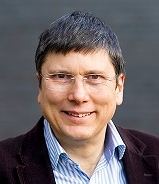 Martin Underwood合作论文数Department of Warwick Clinical Trials Unit, Warwick Medical School, University of Warwick9
 Nick Parsons合作论文数Department of WMS - Warwick Clinical Trials Unit, Warwick Medical School, The University of Warwick9
 Matthew Cooke合作论文数Cancer Central;Gordian Health Ltd;Opto Health;CLEO Systems;Xyla Elective Care9
 Gary S. Collins合作论文数Department of Applied Health Sciences, College of Medicine and Health, University of Birmingham8
 Fran Toye合作论文数8
 Ranjit Lall合作论文数Warwick Medical School, University of Warwick8
 Ann Ashburn合作论文数University of Southampton7
 Michael M Schlussel合作论文数Nuffield Department of Orthopaedics, Rheumatology and Musculoskeletal Sciences, University of Oxford7
 David Keene合作论文数Nuffield Department of Orthopaedics, Rheumatology and Musculoskeletal Sciences, University of Oxford7Keith Willett合作论文数Nuffield Department of Orthopaedics, Rheumatology and Musculoskeletal Sciences, University of Oxford7
 Teun Teunis合作论文数Hand and Upper Extremity Service, Massachusetts General Hospital6
 Jonathan Cook合作论文数Centre for Statistics in Medicine, Nuffield Department of Orthopaedics, Rheumatology and Musculoskeletal Sciences, Medical Sciences Division, University of Oxford;St Hugh’s College, University of Oxford6
 Cynthia Swarnalatha Srikesavan合作论文数6
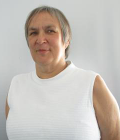 Ruth Pickering合作论文数Faculty of Medicine, University of Southampton6
 Frances Griffiths合作论文数Health Sciences Research Institute, University of Warwick6
 Jo Adams合作论文数6
 Nigel Arden合作论文数Nuffield Department of Orthopaedics, Rheumatology and Musculoskeletal Sciences, University of Oxford;Lady Margaret Hall, University of Oxford6
 Ana-Maria Vranceanu合作论文数Department of Psychology, Kent State University6Toby O. Smith合作论文数6
 Amar Rangan合作论文数Nuffield Department of Orthopaedics, Rheumatology and Musculoskeletal Sciences, University of Oxford6
 David Beard合作论文数Nuffield Department of Orthopaedics, Rheumatology and Musculoskeletal Sciences, Medical Sciences Division, University of Oxford6Mark A. Williams合作论文数Dept Sport Hlth Sci & Social Work, Oxford Brookes Univ5Scott Parsons合作论文数5
 Rafael Pinedo-Villanueva合作论文数Nuffield Department of Orthopaedics, Rheumatology and Musculoskeletal Sciences, Medical Sciences Division, University of Oxford5
 Bethany Fordham合作论文数Nuffield Department of Orthopaedics, Rheumatology and Musculoskeletal Sciences, University of Oxford5
 Stavros Petrou合作论文数Green Templeton College, University of Oxford;Nuffield Department of Primary Care Health Sciences, Medical Sciences Division, University of Oxford5Alice Nieuwboer合作论文数5Susan Wagland合作论文数4Ruth Knight合作论文数4
 Gilberto Kac合作论文数4
 Jacqueline Thompson合作论文数4Colby J Vorland合作论文数Department of Epidemiology and Biostatistics, Indiana University-Bloomington4
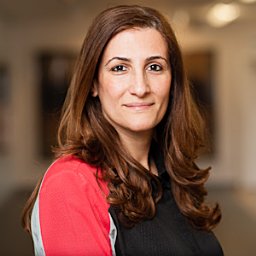 Cheikh Ismail L合作论文数Nuffield Department of Obstetrics &Gynaecology, Oxford Maternal &Green Templeton College, University of Oxford;Green Templeton College, University of Oxford4
 Dorit Kunkel合作论文数School of Health Sciences, Faculty of Environmental and Life Sciences, University of Southampton4
 Mistry Dipesh合作论文数4
 Victoria A Goodwin合作论文数Peninsula College of Medicine and Dentistry, University of Exeter4
 Nicolson Philippa J A合作论文数University of Melbourne4
 Shona Kirtley合作论文数Nuffield Department of Orthopaedics, Rheumatology and Musculoskeletal Sciences, University of Oxford4
 Neha Khandpur合作论文数Department of Nutrition, Harvard School of Public Health4




