Immune deficiencies are common in Hodgkin lymphoma (HL) patients during and after treatment, and splenic irradiation is one of the potential causes. This study investigates long-term radiation-induced functional hyposplenism and immune dysfunction in pediatric patients with HL. This cross-sectional study included 20 patients with HL who underwent splenic irradiation, 20 patients with splenectomy, and 20 healthy controls. Demographic and clinical data were collected, and venous blood samples were analyzed for immune dysfunction, including flow cytometry, and B-lymphocyte subsets. HL group had lower non-class switched memory B cells compared to healthy controls (p = 0.0001). No significant differences were found in the class-switched memory B cells, naïve B cells and MZBs (p = 0.07, p = 0.061 and p = 0.618, respectively). MZBs were significantly lower in the splenectomy group than in the HL group (p = 0.034), while no significant differences between the two groups were observed in other B-cell subsets. Non-class switched memory B cells and MZBs were numerically lowest in the splenectomy group, followed by the HL group, and highest in the healthy control group. In the splenectomy group, both the non-class switched memory B cells and the MZBs were lower compared to healthy controls (p = 0.001 and p = 0.0001, respectively). No statistically significant dose-response relationship was observed between the radiation dose and the MZBs (p = 0.325). As a novel contribution, our findings highlight the presence of underrecognized functional hyposplenism in pediatric HL patients treated with splenic irradiation and provide a basis for future prospective studies evaluating immune recovery in childhood cancer survivors.
This study aims to explore the long-term endocrine and gonadal effects of chemotherapy and radiotherapy in female acute lymphoblastic leukemia (ALL) patients. A cohort study included girls diagnosed with ALL and treated between 2000 and 2020. Patients with at least 2 years elapsed since treatment completion were included. Endocrinological evaluations included anthropometric measures and pubertal status, as well as fasting insulin, glucose, lipid levels, and hormone assessments for adrenal, and thyroid functions. Reproductive functions were evaluated based on gonadotropin, estradiol, and anti-Müllerian hormone (AMH) levels. A total of 51 female patients were included. At the time of study participation, the mean age was 14.7 years, and the mean time since treatment completion was 9.4 years. At least one endocrine disorder was present in 39.2
Survivors of childhood acute lymphoblastic leukemia (ALL) are at risk for long-term endocrine and gonadal dysfunction. While several studies have explored these risks in heterogeneous cancer survivor groups, data specific to ALL survivors remain limited. Herein, we aimed to evaluate late endocrine and gonadal effects in a homogeneous cohort of male childhood ALL survivors classified by risk groups, and to assess the predictive value of serum follicle-stimulating hormone (FSH) and anti-Müllerian hormone (AMH) levels for semen analysis outcomes. This cohort study included male survivors of childhood ALL treated between 2000 and 2020, classified as standard, intermediate, or high risk. Endocrine parameters, reproductive hormones, and semen analyses were evaluated. Fifty-four survivors (mean age 17.5 ± 5.9 years) were included. Endocrine disorders were present in 40.7
10036 Background: Gene fusions involving NTRK1/2/3 represent actionable oncogenic drivers across a spectrum of rare pediatric solid tumors. Larotrectinib, a highly selective TRK inhibitor, has demonstrated robust efficacy and a favorable safety profile in clinical trials. However, real-world data from middle-income countries remain limited. We report a national multicenter real-world experience evaluating outcomes of pediatric patients with NTRK fusion–positive tumors treated with larotrectinib in Türkiye. Methods: This retrospective, descriptive multicenter study included pediatric patients (0–18 years) with histologically confirmed solid tumors harboring NTRK gene fusions, treated with larotrectinib for ≥1 month between August 2023 and April 2025. Clinical data were collected from 15 tertiary pediatric oncology centers. Treatment response was assessed using RECIST v1.1 or tumor-specific pediatric criteria. Adverse events were graded per CTCAE v5.0. Survival outcomes were analyzed descriptively. Results: Twenty-two patients were included; median age at diagnosis was 3 months (range, 1 day–182 months), and 59% were female. Infantile fibrosarcoma (IFS) was the most common diagnosis (n=16, 72.7%), followed by rhabdomyosarcoma (RMS), epithelioid sarcoma (ES), desmoplastic small round cell tumor (DSRCT). Six patients (27.3%) had metastatic disease at diagnosis. Larotrectinib was initiated due to disease progression or inadequate response to prior therapy in 86% of patients, treatment-related toxicity in 9%, and as maintenance therapy in one patient. After a median follow-up of 24 months, 10 patients achieved complete response, 6 had partial response or stable disease, and 4 experienced progression; 3 patients later relapsed. One patient died due to progressive disease. The 24-month overall survival rate was 95.5%, and 82% of patients remained event-free. No treatment-limiting adverse events were observed. Conclusions: In this national real-world cohort, larotrectinib demonstrated high efficacy, durable disease control, and an excellent safety profile in pediatric patients with NTRK fusion–positive solid tumors, particularly IFS. These findings support early integration of molecular diagnostics and TRK inhibition into routine pediatric oncology practice and provide valuable real-world evidence from a middle-income country setting. *Larotrectinib was provided through the early access to medicines program for humanitarian purposes and the data reflects real world data and does not reflect phase research data. The pharmaceutical company did not provide any kind of support in the planning/reporting/publication of the study.
BACKGROUND:Sitosterolemia is a rare autosomal recessive lipid disorder traditionally associated with hypercholesterolemia and xanthomas. However, hematologic abnormalities such as chronic thrombocytopenia and hemolytic anemia are increasingly recognized, often resulting in delayed diagnosis and inappropriate management. OBJECTIVE:This study aims to assess the effectiveness of a targeted screening strategy for identifying sitosterolemia in patients with unexplained hematologic abnormalities and to define associated clinical features and treatment response. METHODS:In this multicenter, cross-sectional study, 100 patients with unexplained chronic thrombocytopenia, nonimmune hemolytic anemia, or abnormal erythrocyte morphology and 54 healthy controls were evaluated. Plasma sitosterol levels were measured after ≥8 hours of fasting. Patients with elevated levels (>15 mg/L) underwent repeat testing, exclusion of secondary causes, and molecular analysis of ABCG5/ABCG8 genes. RESULTS:Elevated sitosterol levels were detected in 15 patients, of whom 9 had persistent elevation and underwent genetic testing. Sitosterolemia was confirmed in 7 patients, yielding a detection rate of 7% in this at-risk cohort. Consanguinity, xanthomas, and elevated transaminases were significantly associated with sitosterolemia. Notably, dyslipidemia was not consistently present. Treatment with ezetimibe and a plant sterol-restricted diet resulted in significant improvement in platelet counts and reduction in Low-density lipoprotein cholesterol levels, along with normalization of peripheral blood smear findings. CONCLUSION:Sitosterolemia is an underrecognized but treatable cause of hematologic abnormalities. Targeted screening in patients with unexplained cytopenias can improve detection. Early diagnosis enables effective treatment, leading to reversal of hematologic findings and reduction of long-term cardiovascular risk.
Introduction:GATA binding protein 2 (GATA2) deficiency is an autosomal dominant disorder characterized by immunodeficiency, progressive cytopenias, and an increased risk of myelodysplastic syndrome (MDS) and acute myeloid leukemia (AML). Novel variants continue to broaden the clinical and genetic spectrum of this condition.Case Presentation:An 11-year-old girl presented with recalcitrant cutaneous warts, recurrent infections, and multilineage cytopenias. Her father had longstanding leukopenia and MDS that progressed to AML. Laboratory evaluation revealed monocytopenia, B- and Natural killer-cell lymphopenia, and dysplastic bone marrow findings. Genetic analysis identified a previously unreported heterozygous splice-site variant in GATA2 (c.1017 + 1 G > A), confirmed in stored DNA from her deceased father. Despite supportive care and allogeneic hematopoietic stem cell transplantation from a matched unrelated donor, she developed severe graft-versus-host disease and died from transplant-related complications.Conclusion:This report identifies a previously unreported GATA2 splice-site variant with clinical and familial evidence supporting pathogenicity, contributing to the expanding mutational spectrum and enhancing understanding of genotype-phenotype correlations in GATA2 deficiency.
IKZF1 deletions (ΔIKZF1) are common in precursor B-cell acute lymphoblastic leukemia (B-ALL) and are assumed to have a prognostic impact. We aimed to determine the prognostic implications of ΔIKZF1 and CRLF2 overexpression in pediatric B-ALL. Furthermore, we sought to compare the multiplex polymerase chain reaction (PCR) assay with standard multiplex ligand-dependent probe amplification (MLPA) methods to ascertain IKZF1 status in a clinical context. Seventy-nine diagnoses and 43 relapse B-ALL samples were evaluated for deletions of IKZF1 Δ2-7, Δ4-7, and Δ4-8 by conventional PCR and then sequenced by targeted sequencing. Subsequently, MLPA analysis was performed for ΔIKZF1 detection, and CRLF2 expression was evaluated in 42 diagnose time B-ALL patients by QRT-PCR. ΔIKZF1 was detected in 10 out of 79 diagnose samples (12.66
Cite this article as: Pınar E, Oktay BK, Özel SC, et al. Wernicke encephalopathy induced by prolonged total parenteral nutrition in a 16-year-old girl with acute myeloid leukemia. Turk Arch Pediatr. 2025;60(5):557-559.
Background Paediatricians are particularly vulnerable to burnout due to the emotional intensity of providing healthcare to children, along with heavy workloads and administrative burdens. This study aims to evaluate burnout among paediatricians across different seniority levels and explores its relationship with job satisfaction, quality of life and anxiety.Methods This cross-sectional, self-report survey was designed by an interdisciplinary team. Data on sociodemographics, burnout (Maslach Burnout Inventory), job satisfaction (Minnesota Job Satisfaction Questionnaire), quality of life (Short Form-12 Health Survey) and anxiety (Beck Anxiety Inventory) were collected and analysed.Results 125 paediatricians participated, including residents (54.4 %), fellows (22.4 %) and academics (23.2 %). Burnout was identified in 26.4% of participants, with emotional exhaustion (EE) (12%) and depersonalisation (15%) most elevated. Clinically verified psychiatric diagnoses (depression or anxiety) within the last year were reported by 31% of participants and were significantly associated with higher EE. Severe anxiety was found in 15%, most frequently among fellows (53%), and was inversely correlated with job satisfaction. Job satisfaction also showed a moderate negative correlation with EE and a positive correlation with personal accomplishment. Although 95% had voluntarily chosen paediatrics, only 58% would choose it again and 72% would not recommend it to their child.Conclusions Despite the limitations of a cross-sectional, self-reported design—which may involve risks of selection and reporting bias—this study provides important insights into burnout and its psychosocial correlates in paediatrics. Our findings highlight the need to strengthen institutional support systems, particularly for residents and fellows, to safeguard physician well-being and promote sustainable paediatric careers.
Abstract Introduction Hemoglobinopathies are among the most common inherited diseases worldwide. Countries with a high prevalence of carriers have implemented population-based premarital screening to prevent the disease. In Turkey, a national hemoglobinopathy control program (NHCP) was officially launched in 2003. This program includes carrier screening, which is preceded by genetic counseling, public education, and prenatal diagnosis (PND). However, a study conducted among registered patients in the National Hemoglobinopathy Registry (NHR) of the Turkish Hematology Association between 2011 and 2015 (Turk J Hematol 2018;35:12-18) did not show a consistent decline in the number of affected births over time in Turkey. Since those times, Turkey has experienced a significant influx of over 3 million Syrian migrants. Furthermore, a substantial number of patients of all ages have been added to the NHR over the last decade. This study examines the changing trends in the births of affected children in Turkey, utilizing data from the recent NHR database. Methods The demographics of patients included in the NHR were evaluated. We collected data on patients born in each year from 2000 onward, noting that those born since 2005 represent the affected births following the implementation of NHCP. Patients of other nationalities were evaluated separately, as it remains unclear whether they were born in Turkey. All births with hemoglobinopathies over 25 years, between 2000 and 2024, were evaluated by dividing the time into 5-year periods, with the first 5 years representing the period before the establishment of the NHCP. The latter data was projected for the following five-year periods between 2005 and 2024 and then compared to the actual data from the same period. The information regarding premarital screening, genetic counseling, and PND was collected from the parents. Results The NHR includes a total of 5,075 patients, comprising 4,255 with thalassemia and 820 with sickle cell disorders. Among these patients, 372 are immigrants. Notably, 38% of the registered Turkish citizen patients (n = 1,784) were born between 2005 and 2024, and 1,629 of those had thalassemia. Between 2000 and 2004, a total of 718 births were recorded. The average number of births each year was 144 ± 6 (median 146). Over the following five-year periods, a gradual decline in the average number of births was observed as; 2005-2009, 133 ± 12 (median 142), 2010-2014, 113 ± 6 (median 114), 2015-2019, 85 ± 7 (median 88), and 2020-2024, 26 ± 11 (median 28). The significant decline in the final five-year period requires caution, as not all pediatric centers have updated their registries between 2020 and 2024. In contrast, out of 372 patients from other nationalities, 308 were born between 2005 and 2024, with a gradual increase in births at five-year intervals, peaking with the highest number (n = 114) during the period from 2015 to 2019. Only 32% of parents of patients born after 2004 underwent premarital screening. The screening rate was much lower among migrant couples, at just 5%. Of those who were screened, 60% received information about being at-risk couples to have affected children. However, only 30.5% of these couples opted for prenatal diagnosis (PND), yet went on to have their babies, even though the law permitted the termination of pregnancies involving affected babies. Additionally, 21% of parents reported receiving inaccurate results for their carrier status, while 19% did not receive any information about the screening at all. ConclusionsAn analysis of the registry reveals that the NHCP has achieved a 37% reduction in the number of births with hemoglobinopathies over the past 20 years, demonstrating a consistent and gradual decline since its inception. However, it is essential to address the program's shortcomings that may hinder even greater success. Additionally, an urgent strategy is needed for the migrated population of reproductive age, taking into account the societal values of that community.
FLT3-TKD (tyrosine kinase domain) mutations are identified in approximately 4
Abstract Introduction National registries in hemoglobinopathies are crucial for identifying gaps between research evidence and clinical care in real-world healthcare settings. This study aims to assess morbidity trends over time in a large cohort of transfusion-dependent β-thalassemia (TDT) patients from the National Hemoglobinopathy Registry (NHR) of the Turkish Hematology Association in Türkiye. Methods We conducted a nationwide prospective cohort study over 10 years, from June 2015 to June 2025, involving patients with hemoglobinopathies attending 63 Thalassemia Centers. We standardized the recording of clinical, laboratory, and imaging data across participating centers, utilising an electronic medical record software. Ethics Committee approval was obtained, and written informed consent for data collection and use was received from patients at each centre. This study is a retrospective analysis of patients aged >10 years who received red blood cell (RBC) transfusions (Tx) ≥ 8 times per year over a 10-year observation period. Subjects who died or had undergone stem cell transplantation at initial registration were excluded from the analysis set. For each patient, we retrieved demographic data, which included the age at diagnosis, the age when Tx and chelation began, and whether splenectomy was performed. We collected the mean annual pre-Tx Hb and serum ferritin (SF) levels for each year. We then calculated the average of all documented mean annual pre-Tx Hb and SF values for each patient over a 10-year observation period. We recorded the most recent liver and cardiac iron monitoring by T2* MRI. We assessed the morbidities of each patient, including the age of occurrence and their frequency in the target population. The risk factors that may influence the occurrence of morbidities were evaluated using logistic regression analysis and non-parametric tests. Results The NHR contains data on 4255 patients with thalassemia. Among these, 4129 have β-thalassemia, which includes 89,2% with β-TM. This study focuses on 1,670 eligible TDT patients aged >10 years. The mean age of the cohort was 25,4±11,2 years, (median 23, IQR 16.8-33), in which 41,2% of patients were adolescents (10-20 years old) and 28.9% were young adults (21-30 years old), while 20.1% were between 31-40 and 9.8% were above 40 years. Splenectomy was present in 50.2% of patients with a median age at splenectomy of 11 years (IQR 7-17). All patients (99.5%) were receiving iron chelation therapy. Deferasirox was the most prevalent (74.1%). A total of 54.5% subjects had at least one morbidity, and among these, 58.9% had 2 or more morbidities. The age of the diagnosis did not impact the development of morbidity (p=0.841). However, patients who began the Tx program earlier or started chelation therapy later had a significantly higher risk of developing morbidity with an odds ratio (OR) of 1,003 (95% CI: 1,000-1,006); p=0,027, and OR of 1,004 (95% CI: 1,002-1,006) p<0,001, respectively. In addition, 69.8% of splenectomized patients, while only 30.2% of those with an intact spleen, exhibited morbidities (OR 3,482, 95% CI: 2,840-4,269; p<0,001). Overall, endocrine and skeletal complications were present in 35.4% and 42.4% of the cohort, and emerged since the 2nd decade of life, with rates of 17.7% and 15.6% among their peers, respectively. These rates increased notably during the 3rd decade (35.5% and 48.5%) and continued to rise in the 4th (51.3% and 65.4%) decade, after which the rates appeared to plateau. In contrast, cardiovascular events were observed in only 3% of patients in their 2nd decade. This figure gradually increased, rising to 10.8%, 16.8% and 27.3% in the 3rd, 4th, and 5th decades. Overall, 11.5% of the cohort experienced cardiovascular morbidities. The frequency and age of the cardiac events (CEs) remained constant over 5-year periods, except for the last 5 years during which CEs decreased, and no cardiac death was reported. 18% of patients with CE had a cT2*of <10 ms at last MRI vs. 5.9% of the patients without a CE (p<0.001). 93% of patients with thrombosis and 86.6% of those with pulmonary arterial hypertension have undergone splenectomy. Hepatic morbidities were present in only 3% of the cohort; 32 of 48 events were attributed to chronic liver disease due to HCV infection, and 2 events were hepatocellular carcinoma. Conclusions Insights gained from the registry will illuminate the need to enhance standards of care for the large thalassemia population in Türkiye.
While splenectomy remains a cornerstone treatment for certain hematologic diseases, controversy persists regarding the optimal timing and indications for prophylactic cholecystectomy. This study evaluates long-term outcomes from a large single-center series. We retrospectively analyzed 87 patients (48 male, 39 female) with hematologic disorders who underwent splenectomy between 2003 and 2023. Primary outcomes included improvement in hematologic parameters, resolution of bilirubinemia, prevalence of cholelithiasis, and complication rates. Subgroup analyses examined disease-specific outcomes and age-stratified results. Hereditary spherocytosis was the predominant diagnosis (70.1
Undifferentiated embryonal sarcoma of the liver (UESL) presents significant diagnostic and therapeutic challenges due to its rarity and unpredictable clinical course. This study emphasizes the importance of individualized, case-based assessment by highlighting the distinctive preoperative, intraoperative, and postoperative challenges encountered in pediatric UESL patients. We performed a retrospective review of nine pediatric patients treated for UESL at our institution from 2012 to 2022. We systematically evaluated clinical presentations, radiological assessments, surgical techniques, perioperative findings, treatment protocols, and follow-up outcomes. Each patient presented unique diagnostic and therapeutic challenges at various management stages. Preoperatively, overlapping radiologic and immunohistochemical features led to diagnostic uncertainty; notably, weak β-catenin positivity and low AFP levels initially resulted in misdiagnosis and incorrect treatment protocol application in one case. Significant intraoperative events included unexpected pulmonary embolism, while another patient developed posterior reversible encephalopathy syndrome (PRES) immediately preoperatively, delaying surgical intervention. Excluding one patient who experienced an unexplained sudden death on postoperative day 5, no other major surgical complications (such as hemorrhage, infection, bile leakage, biliary complications, or sepsis) were recorded. At a median follow-up of 7.2 years (range: 13 months to 12 years), five patients remained disease-free, one patient continued with intermittent chemotherapy, two patients succumbed to progressive metastatic recurrence, and one patient died postoperatively on day 5 due to an unexplained event. UESL requires individualized, case-based evaluation and multidisciplinary collaboration. Each patient may present unique diagnostic, surgical, and postoperative management challenges. Awareness of potential complications and the unpredictable nature of UESL highlights the importance of centralized, multidisciplinary care to optimize clinical outcomes.
Background: Fever of unknown origin (FUO) in children remains a diagnostic challenge due to heterogeneous etiologies. This study investigated the etiological distribution, long-term outcomes of undefined cases, and laboratory predictors that differentiate infectious from non-infectious etiologies. Methods: We retrospectively evaluated 87 children (1 month–18 years) hospitalized with fever > 38.3 °C for ≥7 days with no detectable source (2018–2024). Patients were categorized into five groups: infectious, inflammatory, neoplastic, miscellaneous, and undefined. Comparisons between these groups were performed in terms of age, laboratory values, and duration of fever using the Kruskal–Wallis test and one-way ANOVA. Demographic, clinical, laboratory, and follow-up data were compared. ROC analysis and binary logistic regression identified predictors of non-infectious etiologies. Results: Infectious diseases (42.5%) and inflammatory disorders (19.5%) were the most common causes, while 17.2% of cases remained undefined. The median age was 60 months. Rash (31%) and fatigue (27.5%) were the most common complaints on admission. The undefined group showed complete spontaneous resolution during a median 63-month follow-up, with no recurrence or new diagnoses, except for one patient. Miscellaneous etiologies accounted for 14.9% of cases, and more than half of these were newly diagnosed primary immunodeficiencies. C-reactive protein and ferritin levels were significantly higher in the inflammatory disease group compared to the groups with unknown and infectious etiologies. In the binary logistic regression analysis, longer fever duration combined with elevated ferritin level was a combined predictor of non-infectious causes (AUC = 0.718). Conclusions: Infectious and inflammatory conditions predominate in pediatric FUO, yet a subset of cases resolve spontaneously and follow a benign course. The combination of fever duration and ferritin count may aid early differentiation of non-infectious etiologies, supporting more focused diagnostic approaches. Given the notable proportion of primary immune deficiencies, especially in populations with high consanguinity, early immunologic screening should be incorporated into FUO evaluation protocols.
Objective: Rapid drug desensitization (RDD) is a safe and effective method of inducing temporary tolerance and gradually increasing the dose over a few hours to a few days, thereby preventing severe hypersensitivity reactions. Despite the limited number of pediatric desensitization studies in the literature, it is important to explore this area further to provide better treatment options for patients. This study will determine the safety and efficacy of desensitization and present management strategies for breakthrough reactions in pediatric patients with immediate hypersensitivity reactions (HSR). Materials and Methods: This retrospective study enrolled 14 pediatric patients with drug HSRs who underwent drug desensitization between January 2020 and January 2024. The desensitization protocols used were developed by Castells and consisted of a 12-step protocol with 3 parenteral preparations with increasing concentrations. The standard protocol included premedication with antihistamine (pheniramine) and methylprednisolone (1 mg/kg) 30 minutes before the infusion. Results: The study involved 14 patients. A total of 64 desensitizations were carried out for 16 different drugs. Only 13% resulted in mild to severe reactions. Overall, almost 92% of all desensitizations were successful. Additionally, it is important to highlight that all breakthrough reactions (BRs) occurred with monoclonal antibodies. Mild BRs during RDD were associated with more severe reactions during the next RDDs. No BRs were seen during RDD in patients with mild initial reactions. Conclusion: It is important to note that desensitization is not an extreme method, and that pediatric age is not a contraindication. Desensitization is a safe and successful method for children, with a positive impact on survival and overall prognosis.
 Serap Karaman合作论文数Faculty of Medicine, Van Yuzuncu Yil University31
 Zeynep Karakas合作论文数Istanbul Medical Faculty, Department of Pediatric Hematology, İstanbul, Turkey29
 Deniz Tugcu合作论文数28R. Tuna合作论文数19
 Hilmi Apak合作论文数Cerrahpasa Medical Faculty, University of Istanbul16
 Tiraje Celkan合作论文数15Ekici Bariş合作论文数Department of Pediatric Neurology, Istanbul University14
 Omer Uysal合作论文数Faculty of Education, Anadolu University13Mujgan Alikasifoglu合作论文数Cerrahpasa Medical Faculty Department of Pediatrics, İstanbul University12
 Ethem Erginoz合作论文数Cerrahpaşa Medical Faculty, Istanbul University12A. Unuvar合作论文数11
 Zuhal Bayramoglu合作论文数Dept Pediat Radiol, Istanbul Univ11Oya Ercan合作论文数Cerrahpasa Medical Faculty, Istanbul University10
 Ayca Kiykim合作论文数Cerrahpasa School of Medicine, Istanbul University-Cerrahpasa;Department of Internal Medical Sciences, Istanbul University-Cerrahpasa9
 Deniz Albayrak Kaymak合作论文数8Hilal Susam Sen合作论文数Department of Pediatrics, Afyonkarahisar Health Science University School of Medicine8
 Ozgur Kasapcopur合作论文数Cerrahpasa Medical Faculty, Istanbul University8S. Aydogdu合作论文数7oktay gulsah合作论文数7
 Rejin Kebudi合作论文数Istanbul Medical Faculty, Istanbul University7
 Ilker Kemal Yucel合作论文数7A. Ozkan Karagenc合作论文数6
 Nil Comunoglu合作论文数Cerrahpaşa Tıp Fakültesi, İstanbul Üniversitesi Cerrahpaşa6O. Ercan合作论文数5Emine Türkkan合作论文数5G. Oktay合作论文数5Aydinok Yesim合作论文数5
 Ferda Ozkan合作论文数5
 Alp Ozkan合作论文数5
 Tezer Kutluk合作论文数Hacettepe University Faculty of Medicine5Aysegul Unuvar合作论文数5M. Bilici合作论文数4
 Funda Kupesiz合作论文数Fac Med, Akdeniz Univ4I. Yucel合作论文数4
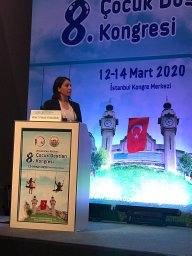 Pınar Yılmazbaş合作论文数Dept Pediat, Okmeydani Training & Res Hosp4
 Yesim Oymak合作论文数Dr. Behcet Uz Cocuk Hastanesi4
 Muge Sayitoglu合作论文数Institute for Experimental Medical Research, Istanbul University Istanbul4Ayhan Aylin Canbolat合作论文数Department of Haematology and Oncology, Istanbul Goztepe Education and Research Hospital4Canan Akyüz合作论文数4
 Haluk Cezmi̇ Cokuğraş合作论文数Cerrahpasa Faculty of Medicine, Istanbul University-Cerrahpaşa;Department of Internal Medicine, Istanbul University-Cerrahpaşa;Department of Child Health And Diseases, Istanbul University-Cerrahpaşa4Inci Yildiz合作论文数4
 Ali Varan合作论文数4
 Salim Caliskan合作论文数Cerrahpasa Medical Faculty, Istanbul University4
 Bilgehan Yalcin合作论文数4D. A. Kaymak合作论文数3N Arisoy合作论文数3Ayşe Gonca Kaçar合作论文数3Simge Çınar Özel合作论文数3O. Dogan合作论文数3




