OBJECTIVES:This qualitative study explores the experiences and perspectives of multidisciplinary professionals on addressing the financial concerns of people with cancer in the United States. METHODS:We conducted semi-structured interviews with 17 professionals (9 clinicians, 5 social workers/navigators, 3 attorneys) who routinely address patients' cancer-related financial concerns. Discussion guide topics were informed by a conceptual framework of financial toxicity and included patient cost-related concerns, resources used, and unmet needs related to addressing financial issues. Interview transcripts were analyzed using conventional qualitative content analysis. RESULTS:Participants across disciplines identified insurance, out-of-pocket costs, work, and transportation as the most common financial concerns they addressed. The resources used and barriers experienced varied by professional role. Clinicians identified making treatment accommodations and referrals to other professionals (e.g., social workers) as the most common strategies to address cost concerns and identified lack of information, time, and resources as barriers. Social workers and navigators addressed concerns through navigation and financial assistance, but experienced barriers related to gaps in available resources. Attorneys addressed concerns through education and taking a holistic view of patients' financial situations and identified client lack of understanding of issues related to financial hardship and available resources as an important barrier. Across disciplines, participants endorsed the need for more and earlier cost communication to prevent and address financial hardship. CONCLUSION:Professionals involved in cancer care and related services reported distinct experiences and barriers when addressing patient financial hardship. PRACTICE IMPLICATIONS:Recognizing the unique roles and challenges of different professional groups can inform the development of multidisciplinary approaches to improve financial outcomes of people with cancer.
Background:Cancer clinical trials (CCTs) are essential to advancing treatment, yet enrollment remains low. An oncologist's recommendation influences participation, but many eligible patients are never offered the option, and discussions often lack clarity or equity. CCT communication skills training can improve oncologists' confidence and patient-centered communication behaviors, yet most Hematology-Oncology fellowship programs lack structured curricula in this area. To address this gap, we implemented a CCT communication skills workshop (COMM-CCT) for Hematology-Oncology fellows. Methods:We implemented the COMM-CCT workshop at seven Hem-Onc fellowship programs in 2024. The three-hour, synchronous web-based workshop included a one-hour didactic session followed by two hours of small-group role play with cancer survivors acting as patients. We evaluated reach, acceptability, feasibility, and fidelity using post-course surveys and semi-structured interviews. Results:Across seven sites, 72% (n = 62) of eligible fellows attended with 87% (n = 54) completing the post-workshop survey and 23% (n = 14) participating in interviews. Fellows reported high acceptability, including satisfaction with the workshop (M = 4.30, SD = 0.79) and content (M = 4.28, SD = 0.79). Feasibility was also high, with communication skills taught being viewed as compatible (M = 4.35, SD = 0.70) and useful (M = 4.33, SD = 0.73) to their clinical practice. Interview findings reinforced survey results. Conclusions:The COMM-CCT workshop is acceptable and feasible to implement in Hem-Onc fellowship programs. Findings will inform its refinement, broader scaling, and continued integration into graduate medical education programs. Innovation:This study's innovation is in its integration of a nationwide communication-focused intervention on clinical trials into existing training structures.
e13729 Background: Financial toxicity, the burden of treatment cost, affects up to half of people with cancer and can affect survival. Financial toxicity is a health equity issue, disproportionately affecting Black patients. Patient education about cost and patient-provider cost discussions are recommended to mitigate financial toxicity but occur infrequently. The Discussions of Cost (DISCO) App, designed to mitigate financial toxicity through a tailorable education and communication intervention, was assessed for efficacy in an RCT with Black and White patients. Here we describe the DISCO App's feasibility and acceptability. Methods: Data were collected from 2021 to 2025 at an NCI-designated comprehensive cancer center. Participants were Black or White patients diagnosed with solid tumor cancers. While waiting to see their provider, patients randomized to the intervention arm used the DISCO App on a tablet. The DISCO App includes a video about treatment costs, ways to manage costs, and the importance of discussing costs with providers. Once patients enter their socio-demographic information (e.g., employment) and financial concerns, they receive a tailored list of cost questions to ask their provider. Patients responded to measures immediately after using the DISCO App. Feasibility was assessed by patient reports of how much time they needed to use the DISCO App and if they were able to use the DISCO App before the provider entered the exam room. Acceptability was measured by items assessing patient perceptions of the DISCO App (1 = strongly disagree; 5 = strongly agree). Descriptive statistics summarized results and mean comparisons were used to assess perceptions by patient self-identified race. Results: Of the 202 patients recruited, 124 were randomized to the intervention arm (67 Black patients; 57 White patients). All patients completed using the DISCO App prior to their provider entering the exam room and 80% of patients needed 15 minutes or less to use the DISCO App, with no difference by patient race. Black patients ( M = 4.4) reported finding the DISCO App more helpful than White patients ( M = 3.9; p = .02) and it brought up cost issues they had not considered (Black patients = 3.5; White patients = 3.0; p = .05). Patients reported the questions were easy to understand ( M = 4.4), helped them feel it was okay to talk with their provider about cost ( M = 4.0), that it prompted cost questions ( M = 3.3), that they learned what costs to consider (55%), and learned ways to manage cost (62%) with no differences by patient race. Conclusions: The DISCO App was feasible and acceptable to Black and White patients with cancer, with Black patients reporting more favorable perceptions than White patients. Next steps include assessing effectiveness in improving outcomes including prompting patient-provider treatment cost discussions and related financial toxicity outcomes (e.g., treatment adherence). Clinical trial information: NCT04766190 .
e13730 Background: Financial toxicity, the burden of treatment cost, affects up to half of people with cancer and can affect survival. Financial toxicity is a health equity issue, disproportionately affecting Black patients. This cross-sectional study used baseline data from the Discussions of Cost (DISCO) Trial, an RCT to improve patient-provider treatment cost discussions and, in turn, mitigate financial toxicity, to examine whether Black and White patients differed in patient-provider communication perceptions and financial toxicity correlates. Methods: Data were collected from 2021-2025 at an NCI-designated comprehensive cancer center. Participants were Black or White patients diagnosed with solid tumor cancers. At baseline, patients completed demographic measures; communication measures of self-efficacy in patient-provider interactions (e.g., “I am confident I know what questions to ask a provider”); self-efficacy in managing cancer treatment costs (e.g., “I am confident I can understand treatment costs”); and whether they have a provider- or patient-centered approach (e.g., “the provider should decide what gets talked about”); and financial measures including economic burden (e.g., “it’s difficult to live on my income”); treatment cost distress (e.g., “worries about paying for my cancer treatment keep me up at night”); and anticipated material hardship (e.g., “I worry about the financial problems I will have in the future as a result of my treatment”). Comparisons were conducted by patient race. Results: A total of 202 patients participated (116 Black patients, 86 White patients). White patients were more likely to have advanced degrees, a higher annual income, and less likely to have Medicaid compared to Black patients. Black patients reported higher self-efficacy for managing treatment costs ( p = .002) and a higher provider-focused orientation to the patient-provider relationship ( p = .001), than White patients. Black patients reported greater levels of financial burden ( p < .001), cost distress ( p = .005), and anticipated material hardship ( p = .003). There was no difference in self-efficacy for interacting with providers. Conclusions: These results suggest that a communication intervention for patients may help mitigate the experience of financial toxicity, especially for Black patients. Clinical trial information: NCT04766190 . Patient characteristics. Black Patients White Patients p -value Race 116 86 Education < High School High School/GED Some College 2 or 4-year College Degree Graduate/Professional College Trade/Technical/Vocational School 10352626712 0141631187 < .001 Annual Household Income 0 - $19,999 $20,000 - 39,999 $40,000 - 59,999 $60,000 - 79,999 $80,000 - 99,999 $100,000 - 149,999 $150,000 + 53201611431 51215991716 <.001 Insurance Type* Medicaid Medicare Medicare supplement Private None 604911330 113726393 <.001>.99<.001.20.15 *Patients could select more than one
Introduction Abundant research documents Black-White disparities in the quality of patient-physician clinical communication during oncology interactions. Prior research shows that Black patients’ and non-Black physicians’ race-related attitudes and perceptions influence clinical communication and patient and physician perceptions of one another. The aim of this cross-sectional study was to determine the effects of such attitudes and perceptions on another important but understudied aspect of interpersonal communication—nonverbal synchrony. The attitudes and perceptions included non-Black physician implicit racial bias; and Black patients’ suspicion of medical care Black patients receive, trust in healthcare systems, and previous experience with discrimination. We predicted that patient and physician race-related attitudes and perceptions would be associated with various nonverbal synchrony measures during oncology interactions between Black patients and non-Black physicians. Methods This was a secondary analysis of video-recorded cancer treatment discussions between Black patients and their non-Black physicians collected as part of a larger study. Participants included 66 Black patients and 13 non-Black physicians. Physician implicit racial bias and demographic characteristics and Black patient race-related attitudes, perceptions, and demographic characteristics were assessed prior to the interactions. Using automated motion energy analysis software, we evaluated three measures to examine nonverbal synchrony: (1) global nonverbal synchrony, (2) patient-led nonverbal synchrony, and (3) physician-led nonverbal synchrony. Results We found positive relationships between physicians’ implicit racial bias and all measures of nonverbal synchrony. We found a positive relationship between one patient attitude (trust in healthcare systems) and one nonverbal synchrony measure (patient-led nonverbal synchrony). Conclusions Findings provide evidence of a link between Black patient and non-Black physician race-related attitudes and perceptions and their jointly determined nonverbal synchrony during clinical interactions. Further work is needed to understand the nuances and clinical implications of this complicated relationship, and to inform potential interventions to improve communication quality and related patient outcomes.
Background: Emerging adulthood is a high-risk period during which many with type 1 diabetes demonstrate suboptimal diabetes management and glycemic control. There is a need for effective, scalable interventions designed specifically for this population. Technology-based approaches are readily accessible to this age group. Furthermore, interventions consistent with self-determination theory-which posits that the fulfillment of psychological needs for autonomy, self-efficacy, and relatedness promotes intrinsic motivation for change-may resonate well with emerging adults' developmental needs for establishing independence and autonomy, and growing their social network. Objective: This study aimed to enhance the potential relevance, sustainability, and efficacy of 3 self-determination theory-informed mobile health intervention components and content for emerging adults with type 1 diabetes. Key areas of interest included emerging adults' perspectives on the use of cultural tailoring, developmental relevance of content, and delivery preferences. Methods: In this qualitative formative study, 20 emerging adults reviewed and provided feedback on 3 newly developed intervention components via individual interviews. Ten reviewed the motivation enhancement system, a 2-session counseling intervention grounded in motivational interviewing and designed to enhance emerging adults' autonomy and self-efficacy for diabetes self-management. Ten reviewed the SMS text messaging reminder intervention (one-way text message reminders to complete diabetes care) and the question prompt list (a list of questions related to diabetes care designed to increase patients' active participation during medical visits). Interviews were analyzed using framework matrix analysis, an efficient approach to inductive thematic analysis. Results: Emerging adults found all3 interventions acceptable and helpful. They noted the interventions' integration into the technology they already use as a strength. Across interventions, emerging adults also expressed a preference for culturally tailored intervention content, including intervention examples, actors, and language representing their illness experience, identity, and personal preferences. Intervention-specific feedback suggested emerging adults liked motivation enhancement system intervention elements that were engaging (videos) and relatable (peer testimonials), and supported their growing autonomy and independence. For SMS text messaging reminders, emerging adults appreciated the straightforward nature of the reminders and recommended more directive messages. They appreciated the range of topics and variety of messages. Suggestions included making the messages more impactful (eg, direct, personalized, and engaging, such as using emojis). Emerging adults saw the question prompt list content areas as relevant and well-aligned with their concerns highlighting the topic of transitioning to adult life with diabetes as particularly salient. Conclusions: Emerging adult feedback supports the acceptability and use of these intervention components and will be used to refine the interventions. Feedback was especially positive regarding cultural and other tailoring efforts, as well as content directed at their pending transition to full independence. At the same time, their input suggests the need for multiple specific modifications, highlighting the importance of intensive and detailed feedback from end users.
TPS1659 Background: Financial toxicity, the material and psychological burden of treatment cost, affects up to half of people with cancer and can affect adherence and survival. Financial toxicity is a health equity issue, disproportionately affecting Black patients. Patient education about cost and patient-provider cost discussions are recommended to mitigate financial toxicity but occur infrequently. Our goal is to mitigate financial toxicity through a tailorable education and communication intervention, the DISCO App. The DISCO App was shown to be feasible, acceptable, and preliminarily effective at prompting cost discussions and improving related outcomes in a pilot trial. The aim of the ongoing trial is to test the effectiveness of the DISCO App on short- and longer-term outcomes for Black and White patients with cancer. Methods: This study is a longitudinal RCT. Oncologists are eligible if they treat patients with solid tumors at the trial site. Patients of participating oncologists are eligible if they are ≥ 18 years of age; identify as Black or White; can read and write in English; have an email address; and were diagnosed with a solid tumor for which systemic therapy is a likely recommended treatment. Strata were created to balance arms by patient race, income, age, and sex. Upon consent, patients are randomized to one usual care arm (1) or one of two intervention arms (2 and 3). All patients are asked to allow one treatment discussion with their oncologist to be video recorded for analysis. Prior to the recording, intervention patients utilize the DISCO App on an iPad. The DISCO App includes a video about treatment costs, ways to manage costs, and the importance of discussing costs with oncologists. Once patients enter their socio-demographic information (e.g., employment, insurance) and any financial concerns, they receive a tailored list of questions to ask their oncologist. Arm 3 patients receive an intervention booster via email two months after the recording. Patients complete measures at baseline, right after the recording, and at 1, 3, 6 and 12 months after the recording. Measures assess outcomes including cost discussions, communication quality, cost knowledge, self-efficacy for cost management, referrals for support, short- and longer-term financial toxicity, and treatment adherence. The patient-oncologist interaction is the unit of analysis and we will use multi-linear models to compare outcomes by arm. We anticipate recruiting up to 15 oncologists and 240 patients. Data collection began in March 2021 and will continue until July 2025. Participants to date include 13 oncologists and 192 patients (116 Black, 76 White). Most patients completed the baseline assessment (n=164), the post-interaction assessment (n=137), and at least 1 follow-up assessment (n=132); 125 treatment discussions have been recorded. The IRB reviewed the trial in December 2024 and approved continuation. Clinical trial information: NCT04766190 .
Objective Racial disparities in clinical communication quality are well-established but most clinical communication assessment tools are created without the collaboration of racially-diverse patient populations. Our objective was to collaborate with Black and White cancer survivors, caregivers, and advocates to develop and validate a tool to assess physicians’ patient-centered communication. Methods A panel of Black and White cancer survivors, caregivers, and advocates (n=11) and researchers observed and discussed video-recorded patient-physician cancer clinical interactions to generate and refine a list of physician communication behaviors considered critical for high-quality patient-centered communication. Raters applied the 22-item scale (Patient-Informed Cancer Communication Scale; PICCS) assessing physicians’ patient-centered communication to video-recorded interactions (n=61) from a larger study. We determined constructs using scale development and factor analysis and validated the scale through correlation with existing scales. Results Factor analysis identified five factors: treatment options; clinical relationship; prognosis and goals of treatment; explanations; and context. Treatment options, prognosis and goals of treatment, and the full scale correlated with a validated patient active participation scale. Clinical relationship and context correlated with a validated physicians’ patient-centered communication scale. Conclusion This community-engaged research produced a reliable and valid scale to assess physician patient-centered communication in the context of Black and White people with cancer.Practice ImplicationsWith further validation work, this scale can be used to train and assess physician communication quality when discussing cancer treatment in diverse cancer patient populations.
9026 Background: Effective physician-patient communication about cancer clinical trials (CCTs) is critical for improving participation, particularly in underrepresented populations. Most eligible patients are willing to participate when invited through clear, patient-centered discussions, yet treating oncologists often do not discuss trials or do so ineffectively. Communication skills training is well-suited for the fellowship stage; however, most Hematology/Oncology (Hem-Onc) education programs do not formally teach CCT communication skills. To address this gap, we implemented COMM-CCT, a previously developed CCT communication skills workshop for Hem-Onc fellows and assessed the acceptability and feasibility of its implementation in Hem-Onc fellowship programs. Methods: We implemented the COMM-CCT workshop at seven Hem-Onc programs in the U.S. The three-hour, synchronous Zoom-based workshop included a one-hour didactic session that covered barriers to patient trial participation (e.g., patient, physician, institutional) and introduced the COMM-CCT framework (Check-In, Outline Options, Make a Shared Decision, Map Out Next Steps) for discussing CCTs. This was followed by a two-hour role-play session where fellows practiced communication skills with cancer survivors who were trained to act as patients, while faculty facilitators and peers gave constructive feedback. At each site, “fellow champions” encouraged peers to participate in the workshop. We assessed implementation (i.e., feasibility and acceptability) by surveying and interviewing participating fellows. Results: Regarding acceptability, fellows (n=54) reported high satisfaction (on a 1-5 scale) with the workshop (M=4.30, SD=0.79), its content (M=4.28, SD=0.79), its organization and execution (M=4.5, SD=0.61), and the faculty and facilitators (M=4.56, SD=0.63). They were comfortable with communication skills taught (M=4.15, SD=0.71) and felt the skills were compatible with the realities and resources of their clinical practice (M=4.35, SD=0.70). Fellows further agreed what they learned would be useful to (M=4.33, SD=0.73) and able to be incorporated into (M=4.22, SD=0.72) their clinical practice. When interviewed, fellows (n=9) found the workshop acceptable, describing it as “well-organized,” “very helpful,” and relevant. The role-plays with “real survivors” were noted as a strength, as was learning by observation in a group setting. Feasibility was evidenced by fellows reporting incorporating COMM-CCT concepts into practice, such as by initiating discussions with patients about cancer clinical trials since participating in the workshop. Conclusions: The COMM-CCT workshop is acceptable and feasible to implement in Hem-Onc fellowship programs. Findings will inform its refinement, broader scaling, and continued integration into graduate medical education programs.
Objective To investigate the relationship between non-Black physicians’ racial attitudes, Black patients’ discrimination experiences, and consultation duration in diverse clinical settings. Methods Secondary analyses were conducted on data from three prior studies involving non-Black primary care physicians (Study 1: n = 14, Study 2: n = 5) and their Black patients (Study 1: n = 118, Study 2: n = 31), as well as 15 non-Black oncologists and their 72 Black patients (Study 3). Data included physician and patient surveys, along with video-recorded consultations. Results Study 1 revealed that, relative to other physicians, physicians whose racial attitudes fit an aversive racist profile (i.e., low explicit racial bias, high implicit bias) had longer consultations with Black patients who reported more (vs. fewer) discrimination experiences. Study 2 and 3 found that physicians’ implicit racial bias is negatively associated with consultation duration. Finally, a meta-analysis supported the effects of aversive racism and patients’ discrimination experiences on consultation duration. Discussion These findings demonstrate how physicians’ racial attitudes and patients’ discrimination experiences can affect medical consultation duration—an important aspect of patient-provider communication quality. Practical Value These results provide initial evidence for the importance of helping physicians manage the negative consequences of their implicit bias within the current structural constraints of limited medical consultation time and empowering Black patients to advocate for their healthcare needs.
Introduction: Cancer clinical trials (CCTs) are essential to advancing the treatment of blood cancers and providing access to high-quality care. However, participation remains low, particularly among underrepresented groups such as patients who are older, who live in rural areas, are of a minoritized race and/or ethnicity, and who are adolescents or young adults. While many patients are interested in participating in CCTs, oncologists may inconsistently offer trials, use complex language, or make assumptions about patient interest or eligibility. Patient-centered communication training has the potential to improve oncologists' communication quality and comfort when speaking with patients about trials as a treatment option. We evaluated the impact of a communication skills workshop on Hematology-Oncology fellows' knowledge, attitudes/comfort, and behaviors related to discussing CCTs with patients. Methods: We partnered with Blood Cancer United, formerly The Leukemia & Lymphoma Society, to develop a 3-hour workshop for Hematology-Oncology fellows. We implemented this workshop with seven fellowship programs. In the first hour of the workshop, multi-disciplinary faculty facilitators described barriers to CCT participation, introduced the COMM-CCT framework (Check-in, Outline Options, Make a Shared Decision, Map Out Next Steps), and introduced resources to identify available CCTs, such as the LLS Clinical Trial Support Center, a free clinical trial nurse navigation service. Next, fellows participated in a two-hour role play session to practice communication skills with blood cancer survivors acting as patients and received feedback from facilitators and peers. Before the implementation of the workshop, we invited fellows to participate in a study about the workshop that required completing pre-, post-, and 3- and 6-month follow-up surveys assessing CCT communication knowledge (8 true/false items), attitudes and comfort (10 items on a 5-point scale, 5=high), and behavior (i.e., number of patients with whom they discussed a trial within the past 3 months.) In the follow-up surveys, we asked what changes they had made to their practice since the training. Respondents were also invited to participate in a semi-structured interview following the training. Results: 57 fellows completed the pre-training survey, 48 fellows completed the workshop, and 42 completed the post-training survey, with 36 and 34 completing 3- and 6-month follow-up surveys respectively. 14 fellows participated in the interviews. Participants had an average age of 33 years. Most participants in the study were identified as male (61.4%) and as White (56.4%). Knowledge scores were analyzed as percentage of items correct, and the mean percentage increased from pre- (76%) to post-workshop (79%), reaching significance at 3-month follow-up (83%, p<.05) and 6-month follow-up (81%, p<.05.). Mean scores on the attitudes and comfort measure increased significantly from pre- (3.9) to post-workshop (4.4, p<.001) and remained significant at 3-month (4.4, p<.001) and 6-month follow-up (4.5, p<.001). In the pre-training survey, 2% of participants reported that they had talked to 5 or more patients about CCTs in the preceding 3-month period. In the 3- and 6-month follow up surveys, 32% and 50% of fellows reported they had talked to 5 or more patients about CCTs in the preceding 3-month period. In the open-ended responses, participants reported making several changes to their practice, including discussing clinical trials earlier and more frequently, and with greater intentionality. These changes were facilitated by (1) increased comfort in trial discussions, (2) enhanced awareness of patient barriers and reservations, (3) improved preparation, and (4) stronger CCT communication skills. Interviews further illustrated shifts toward greater comfort with CCT communication, as participants reported learning that they did not need to be experts on every available trial in order to initiate trial discussions with patients. They also emphasized the value of having resources available to support patients who were interested in trials. Conclusion: These findings support the COMM-CCT training workshop as an effective and potentially scalable educational intervention within fellowship trainings across the U.S. that provides a way to improve cancer clinical trial communication. Future work should examine the impact of the work on fellows' practice long-term and on accrual.
Yagiela, Lauren1; Ma, Nina2; Austin, Teneisha3; Susan, Eggly4; Meert, Kathleen5 Author Information
Objectives Only 5–8% of adults with cancer participate in cancer clinical trials (CCTs), with even lower rates among underrepresented groups. Improving oncologists’ communication skills may enhance the frequency and quality of their discussions with patients about CCTs, consequently increasing participation. However, little is known about interest in or presence of CCT-related communication training during Hematology-Oncology (Hem-Onc) fellowships. This study aimed to describe, from the perspective of Hem-Onc fellowship program directors (PDs): (1) the current landscape of CCT education for Hem-Onc fellows; (2) the acceptability and feasibility of implementing a CCT communication skills workshop for Hem-Onc fellows. Methods We used an explanatory sequential mixed-methods approach. PDs were surveyed and interviewed about their graduate medical education (GME) programs’ current CCT curriculum, training challenges, fellows’ CCT knowledge and CCT communication skills, and preferences for a CCT communication workshop. Results PDs were surveyed (n = 40) and interviewed (n = 12). PDs reported that their institutions prioritize CCT accrual (M = 4.58, SD = .78; 1-5 scale, 5 = “Strongly Agree”) and clinical research training (M = 4.20, SD = .85). CCT skills that programs least often addressed were how to (1) discuss CCTs with newly diagnosed patients, (2) talk to patients about CCTs when none are available, and (3) help patients find CCTs at other institutions. PDs were interested in a CCT communication workshop for fellows (“yes” = 67.5%, “maybe” = 32.5%) and said training would be feasible (M = 4.28, SD = .78) and useful (M = 4.47, SD = .78). Qualitative results described programs’ current approaches to CCT education and insights about developing and implementing CCT communication training. Conclusions There is a clear need to improve CCT communication skills training in Hem-Onc fellowship programs and to implement and scale such training to increase CCT participation, especially among diverse patient populations. Furthermore, Hem-Onc GME PDs view such training as feasible and useful.
Guided by communication accommodation theory, we studied 27 physician reports of patient-physician advanced cancer communication during the COVID-19 pandemic. Advanced cancer communication requires recognizing patients' psychosocial states and collaboratively engaging patients empathetically to develop the shared understanding necessary to guide decision-making. However, physicians found their communication underaccommodated, stemming from personal protection equipment, social distancing, and telemedicine. Based on provider perspectives, our study identified that during advanced cancer communication, emotional expression was critical for reflecting care and concern to patients, and discourse management was central to showing interest and engagement to patients by their providers. The failure to convey emotional expression to patients meant rapport-building cues were missing, impeding discourse management when navigating difficult conversations about prognosis and end-of-life care. Despite efforts to adjust emotional expression and discourse management during the pandemic to address the needs of their patients, providers were dissatisfied with their communication outcomes. Physicians struggled to relay verbal and nonverbal emotional expressions effectively, supportively, and compassionately to patients when breaking bad news during advanced cancer communication, resulting in a profound source of moral and emotional distress.
e13684 Background: Clinical trials are often terminated due to insufficient accrual, with only about 6% of patients enrolling into a trial. Trial enrollment rates are even lower for Black patients. In 2021, we began recruitment for a clinic-based behavioral trial testing the effectiveness of a health equity communication intervention designed to address patient cancer treatment cost concerns. This study involves patients and providers completing surveys before and after a video-recorded clinical interaction. We are implementing this study at a NCI-designated comprehensive cancer center in Detroit, Michigan, a city with a majority Black population. Based on findings that most patients agree to participate in a trial if they are eligible and invited, we set a sample goal of 50% Black and 50% White patients. We used evidence-based strategies and lessons from our previous work, including having a diverse staff and building trusting relationships with provider and patient participants. As we begin the final year of recruitment, we consider what suggestions we can offer teams seeking to recruit a diverse patient sample to trials. Methods: We based our strategies on evidence that racially concordant (same racial group) clinical dyads have better communication quality than racially discordant (different racial group) dyads, and that medical mistrust is greater among Black patients than among White patients. First, we hired and trained a team that includes Black and White members, and encouraged them to take leadership roles. Second, we built trust with providers, staff, and patients. Procedures involve discussing the study with providers and their staff, recruiting providers as participants, and screening patients for eligibility. We recruit patients in-person in the clinic or by phone. Patients who provide oral consent are later met in person to collect written consent. Results: We achieved a consent rate of 52% across 4 clinics; our sample includes 86 (61%) Black patients and 55 (39%) White patients, which reflects the demographics of our patient population. We attribute our success to critical aspects of our protocol. First, recruitment of providers as participants helps capture the attention of and builds trust with patients. Second, we have a flexible recruitment approach. Once potential participants are screened, we can approach them in person or by phone. Third, our team composition reflects the patient population we hope to recruit. Last, we have the support of a diverse group of medical student team members in terms of race, gender, and age who provide additional recruitment support. Conclusions: Our strategies, based on scientific literature, helped achieve our goal of recruiting a sample that reflects racial diversity in our patient population. These and similar strategies can be adapted for other trials with the goal of achieving clinical trial recruitment equity. Clinical trial information: NCT04766190 .
102 Background: Data show that 55% of trials are terminated due to insufficient accrual, which is especially low for patients identifying as Black. In 2021, we initiated recruitment to a clinic-based behavioral oncology trial testing the effectiveness of a health equity communication intervention designed to address patient cost concerns. This study involves patients and clinicians completing surveys before and after a video-recorded clinical interaction. We are implementing this study at an NCI-designated comprehensive cancer center in Detroit, Michigan, a city comprised of a majority of Black residents (80%). Based on the aims and literature showing that most patients agree to participate in trials if they are eligible and invited, we set a sample goal of 50% Black and 50% White patients. We use strategies based on literature and our own experience, including having a diverse staff and building trusting relationships with participants. As we begin the third and final year of recruitment with about 2/3 of our required patient sample (N=180) recruited, we consider what suggestions we can offer teams seeking to efficiently recruit a diverse patient sample to clinical trials. Methods: We based our strategies on evidence that racially concordant (same racial group) clinical dyads have greater communication quality than racially discordant (different racial group) dyads, and that medical mistrust is greater among Black than among White patients. First, we hired and trained a team that includes both Black and White members, and encouraged them to take leadership roles in the team. Second, we built trust with clinic staff, clinicians and patients. Procedures involve discussing the study with clinicians and their staff, recruiting clinicians as participants, and screening their patients for eligibility. We then recruit patients in-person in the clinic or by phone. Patients who provide oral consent are later met in person to collect written consent. Results: We have achieved a consent rate of 52% across 4 clinics; our sample includes 74 (62%) Black patients and 45 (38%) White patients. We attribute this to critical aspects of our protocol. First, recruitment of clinicians as participants helps capture the attention of and build trust with patients. Second, we have a flexible recruitment approach. Once potential participants are screened, we decide whether to approach them in person or by phone. Third, our team is comprised of Black and White individuals to reflect the patient population we hope to recruit. Last, we have the support of a diverse group of medical student team members who assist in times of increased recruitment. Conclusions: Our strategies, based on social science literature, helped achieve our goal of recruiting a sample that reflects racial diversity in our patient population. These and similar strategies can be adapted for other trials with the goal of achieving clinical trial recruitment equity. Clinical trial information: NCT04766190 .
We investigated power imbalances in racially discordant medical interactions in the context of advanced cancer care within the United States. We applied co-cultural theory to the transcripts of 43 interviews conducted with Black and White cancer patients and their care partners. We found Black patients and care partners perceived providers as dismissing their concerns. In response, they engaged in extensive preparation, rationalization, and utilizing liaisons. White patients and care partners recognized and took advantage of their privilege and utilized liaisons. Some patients acquiesced and conferred with others in response to power enacted by oncologists. We concluded co-cultural theory is useful in explaining what occurs in racially discordant patient-provider interactions. Our findings highlight the need for provider communication and de-biasing training.Trial registration: ClinicalTrials.gov identifier: NCT03780816..
 Terrance L Albrecht合作论文数Wayne State University Karmanos Cancer Institute84
 Louis Allen Penner合作论文数Karmanos Cancer Institute, School of Medicine, Wayne State University/Institute for Social Research, University of Michigan82
 Hamel Lauren M合作论文数Department of Psychology, University of Limerick65
 Felicity W.K. Harper合作论文数Department of Oncology, School of Medicine, Wayne State University;Karmanos Cancer Institute, Wayne State University27
 Kathleen Lynn Meert合作论文数Pediatrics Unit, School of Medicine, Wayne State University;Dmc Childrens Hospital of Michigan;Dmc Sinai Grace Hospital26
 Tanina Foster合作论文数25
 Elisabeth Heath合作论文数Department of Oncology, School of Medicine, Wayne State University;Karmanos Cancer Institute, Wayne State University19
 Manning Mark A合作论文数17Seongho Kim合作论文数16
 John C. Ruckdeschel合作论文数Synergy Cancer Center of Nevada15
 Robert Chapman合作论文数15Tanina Foster Moore合作论文数14Nicole Senft合作论文数Dept Med, Vanderbilt Univ14Ellen Barton合作论文数14
 Nao Hagiwara合作论文数Department of Psychology, Michigan State University13David W. Dougherty合作论文数11
 April Idalski Carcone合作论文数*Pediatric Prevention Research Center, Wayne State University School of Medicine;Karmanos Cancer Institute, Wayne State University School of Medicine;‡Department of English, Wayne State University;Department of Psychology, Kennesaw State University;Department of Pediatrics, Wayne State University School of Medicine;Wayne State University, Wayne State University11Lansey Dina合作论文数11
 Mary Catherine Beach合作论文数Department of Otolaryngology-Head and Neck Surgery, School of Medicine, Johns Hopkins University10
 Rifky Tkatch合作论文数10
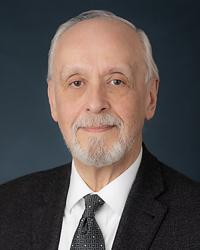 Richard D. Moore合作论文数Johns Hopkins University School of Medicine;Bloomberg School of Public Health, Johns Hopkins University;Johns Hopkins Hospital10
 Christopher Newth合作论文数10
 J. Michael Dean合作论文数Department of Pediatrics, Spencer Fox Eccles School of Medicine, University of Utah10Lorna Mabunda合作论文数9
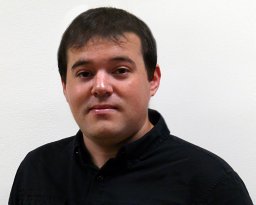 Robert Moulder合作论文数Institute of Cognitive Science.9
 Michael A. Carducci合作论文数School of Medicine, Johns Hopkins University;Johns Hopkins Kimmel Cancer Center;Skip Viragh Outpatient Cancer Center;Sibley Memorial Hospital9Fatmeh Baidoun合作论文数7Victoria Sharp合作论文数7
 Todd Philip Korthuis合作论文数Dept Med, Oregon Hlth & Sci Univ7Naar Sylvie合作论文数7
 Jerry J Zimmerman合作论文数Seattle Children's Hospital7
 John Dovidio合作论文数Department of Psychology, Yale University7
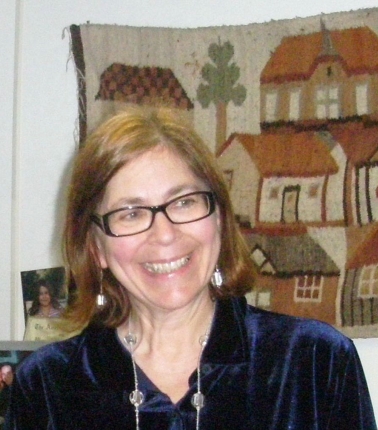 Debra Roter合作论文数Johns Hopkins Bloomberg School of Public Health7
 Kanwaljeet S. Anand合作论文数Department of Anesthesiology, Perioperative and Pain Medicine, School of Medicine, Stanford University7
 Michael Simon合作论文数Department of Oncology, Barbara Ann Karmanos Cancer Institute, School of Medicine, Wayne State University;Karmanos Cancer Center7
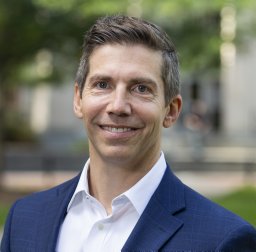 Richard Slatcher合作论文数Department of Psychology, University of Texas at Austin7
 Steven Boker合作论文数Department of Psychology, University of Virginia7Somnath Saha合作论文数7
 Carma L. Bylund合作论文数Department of Psychiatry and Behavioral Sciences, Memorial Sloan-Kettering Cancer Center7Carol Nicholson合作论文数7Andrea Sankar合作论文数Wayne State University7Mark Wojda合作论文数6
 Hadeel Assad合作论文数6Suzanne C O'Neill合作论文数6
 Theresa A Hastert合作论文数Department of Oncology, School of Medicine, Wayne State University;Karmanos Cancer Institute6
 Karen MacDonell合作论文数Center for Translational Behavioral Science, Florida State University;College of Medicine, Florida State University6
 Richard Gonzalez合作论文数Center for Computational Medicine and Bioinformatics, University of Michigan;Department of Integrative Systems and Design, College of Engineering, University of Michigan;Department of Psychology, College of Literature, Science, and The Arts, University of Michigan;Department of Statistics, University of Michigan;Research Center for Group Dynamics, Institute for Social;UM Comprehensive Cancer Center, University of Michigan6Claudine Isaacs合作论文数6
 Joseph Carcillo合作论文数Department of Critical Care Medicine, School of Medicine, University of Pittsburgh;Children's Hospital of Pittsburgh of UPMC6




