Thalassemia represents a spectrum of rare, inherited blood disorders associated with a range of disease- and treatment-related complications. Thalassemia can have a significant effect on the female reproductive system, and obstetrics and gynecology specialists have a key role to play in managing the disease as part of a multidisciplinary team. Here, we review the role of obstetrics and gynecology specialists in thalassemia from puberty to pregnancy and postnatal support, including diagnosis and management of complications, supporting patients through pubertal and fertility issues and the risks associated with pregnancy.
Background: Non-transfusion-dependent thalassemia (NTDT) can result in a range of clinical complications that can substantially reduce patient quality of life. To date, real-world studies on the clinical burden of the disease have focused on Europe and Asia and have been limited to beta-NTDT. Aim: To assess the complications and treatment patterns in patients with alpha- or beta-NTDT vs. matched controls in the United States (US). Methods: This retrospective observational study used data from US claims databases (January 1, 2013-June 30, 2021). Adult patients (>= 18 years) with >= 1 inpatient or >= 2 outpatient claims for alpha- or beta-thalassemia were included from Merative (TM) MarketScan (R) Commercial/Medicare and Multi-State Medicaid databases. Patients were classified as NTDT if they had <8 blood transfusions or >= 6 weeks between any two adjacent transfusions during the 12 months post-index date (date of first observed alpha- or beta-thalassemia diagnosis code). Patients were matched with controls (1:5 ratio). Primary analysis focused on patients from the Commercial/Medicare database with mean hemoglobin <10 g/dL during follow-up, to minimize inclusion of patients with thalassemia trait. Complications and treatment patterns were assessed during >= 12 months post-index. Comparisons between patients with NTDT vs. controls were performed using Chi-square tests (categorical variables) and t-tests (continuous variables) (two-sided significance level of 0.05). Analyses for the alpha- and beta-NTDT subgroups were also performed.Results In the Commercial/Medicare database, 149 patients with NTDT and hemoglobin <10 g/dL were matched with 745 controls (mean follow-up approximately 3 years). A significantly higher percentage of patients with NTDT had complications vs. controls, including malignancy (17.4% vs. 7.1%; p < 0.001), cardiovascular disease (15.4% vs. 7.8%; p = 0.003), liver disease (6.7% vs. 0.5%; p < 0.001), and gallstones (6.7% vs. 2.1%; p = 0.002). Overall, 18.8% of patients with NTDT had >= 1 transfusion; 4.0% received oral chelators. Similar trends across outcomes were observed for NTD alpha- and beta-thalassemia subgroups vs. controls. Conclusions: Patients with NTDT had a high disease burden and experienced a range of serious complications, with significantly higher rates compared with controls. Additional effective and well-tolerated treatments are needed to address the underlying causes of NTDT and prevent complications.
ABSTRACT:Non-transfusion-dependent thalassemia (NTDT) is characterized by variable degrees of anemia, ineffective erythropoiesis, and iron overload, with a heightened risk of age-related complications. However, the clinical profiles of patients who first present to thalassemia care in adulthood, as well as the gaps in management, are poorly described. In a multi-institutional study, we identified 82 patients with NTDT, aged ≥18 years, who were referred to 3 US thalassemia centers between 2013 and 2023. Data were collected by manual chart review and included clinical history, laboratory tests, and imaging. The median age at initial visit was 36.8 years (range, 18-74), and 37 (45%) patients had α-thalassemia, whereas 45 (55%) had β-thalassemia. Complications assessed included symptomatic anemia, previous splenectomy, extramedullary hematopoiesis, iron overload, pulmonary hypertension, cardiac arrhythmia, endocrine complications, and thrombosis. Iron overload was common, with 71% of available liver magnetic resonance images showing hepatic iron of >5 mg Fe/g dry weight. Among patients with liver iron concentration of >5 mg Fe/g, only 24.4% were on chelation at referral. Strikingly, 49% of patients were recommended to start regular transfusions after the consultation, predominantly for symptomatic anemia or complications of ineffective erythropoiesis. Patients with NTDT referred for initial comprehensive thalassemia care in adulthood had high rates of morbidities and undertreated iron overload. The criteria for initiating regular transfusions must be widely implemented to mitigate long-term complications and improve the quality of life of adults with NTDT.
ABSTRACT:Iron overload is a significant cause of transfusion-related morbidity and mortality. Deferiprone (DFP) is an established oral iron chelator approved for the treatment of transfusional iron overload in patients with thalassemia, sickle cell disease (SCD), or other anemias. Although DFP was initially approved as a thrice daily formulation, a twice daily formulation was developed to improve patients' treatment adherence. Here, we assess the safety of DFP twice daily in patients with thalassemia, SCD, or other anemias in real-world clinical practice in the United States. Data for patients referred for DFP twice daily between 1 July 2020 and 31 August 2023 were obtained from the Ferriprox Total Care Registry. The frequencies of adverse events (AEs), serious AEs (SAEs), AEs of special interest, and fatal outcomes were assessed. Of the 425 patients referred to the registry, 348 received ≥1 DFP shipment, and was designated the safety analysis group. The primary diagnosis was a thalassemia syndrome in 129, SCD in 189, and other anemia in 30 patients. Mean (standard deviation) DFP exposure was 343.0 (281.9) days. In total, 1021 AEs and 369 SAEs were reported. As seen with the thrice daily formulation, the most common AEs associated with DFP twice daily were predominantly gastrointestinal or related to underlying disease. Cases of neutropenia and agranulocytosis were rare, reported in 1.7% and 0.6% of patients, respectively, and all cases recovered. None of the 26 fatal outcomes reported were assessed as related to DFP treatment. DFP twice daily was well tolerated in real-world clinical practice, and its safety profile was consistent with DFP thrice daily. No new safety concerns were observed.
OBJECTIVES:To assess all-cause healthcare resource utilization (HCRU) and costs among patients with α- or β-non-transfusion-dependent thalassemia (NTDT) vs. matched controls in the United States. METHODS:Adults with ≥1 inpatient setting or ≥2 outpatient settings claims for α- or β‑thalassemia between January 1, 2013 and June 30, 2021 were identified from the Merative MarketScan Commercial/Medicare database. Patients with <8 transfusions or ≥6 weeks between any two adjacent transfusions in a 1-year period post-index date (date of first observed α- or β-thalassemia diagnosis code) were considered to have NTDT. Patients were required to have mean hemoglobin (Hgb) levels <10 g/dL during follow-up as an additional measure to ensure exclusion of patients with thalassemia trait. Each patient was matched with five controls based on age, sex, length of follow-up, availability of lab data, and payer type. All-cause HCRU and costs were assessed over ≥12 months post-index. Data were also analyzed for the non-transfusion-dependent α- and β-thalassemia subgroups. RESULTS:A total of 149 patients with NTDT and Hgb levels <10 g/dL were matched with 745 controls. The mean follow-up period was approximately 3 years. All-cause inpatient admissions (48.3% vs. 16.5%; p < 0.001) and emergency room visits (61.1% vs. 39.1%; p < 0.001) during follow-up were higher with NTDT vs. controls, and total costs (total medical + outpatient pharmacy) were $29,107 per patient per year (PPPY) in patients with NTDT vs. $9,042 PPPY in controls (p < 0.001). Similar trends were seen in the subgroups of patients with non-transfusion-dependent α- and β-thalassemia vs. matched controls. CONCLUSIONS:Patients with NTDT in the United States, including those with α- and β-thalassemia, have significantly higher all-cause HCRU and costs vs. matched controls. There is a need for effective treatment options to reduce the healthcare burden of NTDT and improve patient outcomes.
Non-transfusion-dependent β-thalassemia (NTDT) was historically regarded as a relatively mild form of thalassemia because patients survive without regular transfusion therapy. However, growing evidence has challenged this perception and uncovered substantial morbidity and premature mortality driven by chronic anemia, iron overload, and hypercoagulability. This review examines three major clinical paradoxes that have reshaped the understanding of NTDT: the anemia paradox, whereby transfusion-independent patients may actually benefit from anemia correction; the iron overload paradox, characterized by clinically significant iron accumulation despite minimal or no transfusion exposure; and the hypercoagulability paradox, whereby chronic anemia coexists with a prothrombotic state. These evolving concepts have transformed NTDT from a condition traditionally managed through observation into a disease requiring proactive, risk-based intervention.
β-thalassaemia is an inherited haemoglobinopathy characterised by ineffective erythropoiesis and chronic anaemia of varying severity, which is predominant in the region extending from the Mediterranean basin and Middle East towards southeast Asia. Patients with severe phenotypes require lifelong transfusions, iron overload monitoring, and chelation. Suboptimal management due to access challenges continues to be directly linked to increased morbidity and mortality in many regions. In the past few decades, an improved understanding of the underlying pathogenesis of β-thalassaemia has led to the development of several disease-modifying therapies and curative gene manipulation techniques. However, global disparities in access and the need for specialised expertise hinder their wide implementation, especially in resource-limited countries where more than 80% of patients live. Uncertainty about which biomarkers can predict patient response further complicates the selection of patients for treatment. Beyond the need for access programmes and pragmatic national health policies, patient prioritisation by treating physicians, informed by available evidence and expert opinion, is crucial for ensuring that a resource-cautious management approach is implemented. This Viewpoint provides a decision matrix to prioritise interventions by need, benefit, and risk in settings with inadequate access, and to identify alternatives when standard options are unavailable. It draws on the Thalassaemia International Federation guidelines, best available trial and real-world evidence, and expert consensus from virtual discussions among the authors (haematologists, bone marrow transplantation physicians, patient group representatives, translational scientists, and trialists).
BACKGROUND:Exagamglogene autotemcel (exa-cel) is a cell therapy in which autologous CD34+ hematopoietic cells are engineered through ex vivo clustered regularly interspaced short palindromic repeats-Cas9 editing of the erythroid-specific enhancer region of BCL11 to express fetal hemoglobin. In phase 3 studies involving participants 12 to 35 years of age with sickle cell disease or transfusion-dependent β-thalassemia, exa-cel eliminated vaso-occlusive crises and the need for red-cell transfusions. METHODS:In two ongoing, phase 3, open-label, single-group studies, we evaluated exa-cel in children 5 to 11 years of age with transfusion-dependent β-thalassemia or sickle cell disease. Before exa-cel infusion, participants underwent myeloablative conditioning with pharmacokinetically dose-adjusted busulfan. The primary end points were transfusion independence for at least 12 consecutive months in children with transfusion-dependent β-thalassemia and freedom from severe vaso-occlusive crises for at least 12 consecutive months in children with sickle cell disease. RESULTS:A total of 15 children with transfusion-dependent β-thalassemia and 11 with sickle cell disease received exa-cel; median follow-up was 16.0 months (range, 2.2 to 32.1) and 16.9 months (range, 7.6 to 33.1), respectively. Of 8 children with transfusion-dependent β-thalassemia who were followed to at least 16 months, 8 were transfusion independent; the status of the remaining 7 was not yet evaluable. Of 8 children with sickle cell disease who were followed to at least 16 months, 8 were free of vaso-occlusive crises; the status of the remaining 3 was not yet evaluable. All the children had at least one grade 3 or 4 adverse event; 2 children with transfusion-dependent β-thalassemia had severe veno-occlusive liver disease that was assessed as being related to busulfan conditioning, 1 of whom died. CONCLUSIONS:Exa-cel therapy resulted in transfusion independence or freedom from severe vaso-occlusive crises in participants with transfusion-dependent β-thalassemia or sickle cell disease, respectively, who were followed for at least 16 months. All the participants had grade 3 or 4 adverse events. (Funded by Vertex Pharmaceuticals and CRISPR Therapeutics; CLIMB THAL-141 ClinicalTrials.gov number, NCT05356195; CLIMB SCD-151 ClinicalTrials.gov number, NCT05329649.).
Exagamglogene autotemcel (exa-cel) is a one-time, ex vivo, CRISPR-Cas9 gene edited cell therapy approved for patients with transfusion dependent β-thalassemia (TDT) aged 12-35 years. In a Phase 3 study (CLIMB THAL-111), exa-cel treatment resulted in reactivation of fetal hemoglobin and increases in total hemoglobin, leading to transfusion independence in 91% of participants. Here, we report on the impact of exa-cel treatment on measures of ineffective erythropoiesis and iron homeostasis, which were secondary and exploratory endpoints in CLIMB THAL-111 and the CLIMB-131 long-term follow-up study. Prior to exa-cel infusion, all participants were receiving regular red blood cell transfusions and iron chelation therapy. At time of data cut (April 2025), 98% of participants (55 of 56) had been transfusion independent for ≥ 12 months and 38 (68%) had discontinued iron removal therapy (mean duration off iron removal therapy 19.4 months). Following transfusion independence and cessation of iron removal therapy, erythroferrone concentrations decreased and hepcidin levels normalized in all participants, indicating correction of ineffective erythropoiesis and restoration of iron homeostasis. Further supporting this finding, improvements and trends toward normalization were seen in key erythropoiesis biomarkers, including erythropoietin levels, reticulocyte counts, and soluble transferrin receptor concentrations. Iron overload biomarkers, including ferritin, liver iron concentration, and cardiac T2*, decreased and then remained stable throughout follow-up, even after cessation of iron removal therapy. These results demonstrate restoration of effective erythropoiesis and iron homeostasis after exa-cel infusion in the setting of transfusion independence following reactivation of fetal hemoglobin. (CLIMB THAL-111 and CLIMB-131; Clinical Trials.gov numbers NCT03655678 and NCT04208529).
Hemoglobin disorders are a considerable public health issue with more than 500 000 affected infants born annually worldwide. First introduced in the 1970s, newborn screening (NBS) for sickle cell disease (SCD) was included in the Recommended Uniform Screening Panel (RUSP) in 2006, a successful public health promotion and prevention practice that has led to improved childhood survival. Although SCD is the primary target, the screening process also detects many other hemoglobinopathies. NBS programs, administered by individual states, vary in their practices for hemoglobinopathy screening, creating health inequities and compromising public health efforts. There is a lack of uniformity in the choice of primary screening test, reporting, and follow-up of abnormal results, exacerbated by inconsistent access to genetic confirmation. Consequently, newborns diagnosed through protein-based screening alone may have diverse genotypes that alter the clinical expression of hemoglobinopathies. This Special Communication considers how the universal adoption of molecular testing for hemoglobinopathy newborn screening can overcome these current shortcomings. Simultaneously, the considerable challenges of primary screening with molecular methods and how these can be overcome are evaluated. Screening with targeted genetic testing of the hemoglobin genes (HbA1, HBA2, HBB) is especially well suited to hemoglobinopathies because there exists an extensive database of variants for the prediction of pathogenicity, averting the need for secondary or multiple testing. Importantly, it would eliminate the health disparities created by location and health insurance on the access to confirmatory testing and facilitate timely referral for definitive care. Standardization of the screening platform with diagnostic specificity has vast implications for public health surveillance and resource allocation. The adoption of molecular testing requires bringing new technology online, training and changes to workflow, potentially increased cost, and concerns for genetic data protection. Some of these barriers can be overcome using high-throughput methods with the potential to multiplex with other disease conditions that use genetic testing for primary screening through the consolidation of platforms. The time has come for a paradigm shift in newborn screening for hemoglobinopathies through the adoption of universal molecular genetic testing.
Background: Exagamglogene autotemcel (exa-cel) is a non-viral cell therapy that reactivates fetal hemoglobin (HbF) via ex vivo CRISPR-Cas9 gene-editing of autologous CD34+ hematopoietic stem and progenitor cells at the erythroid-specific enhancer region of BCL11A. Exa-cel is approved as a one-time treatment for patients aged ≥12 years (yrs) with transfusion-dependent β-thalassemia (TDT). We report long-term efficacy and safety for participants with TDT in the phase 3 CLIMB THAL-111 and CLIMB-131 studies. Methods: CLIMB THAL-111 is a 2-yr, phase 3 study of a single-infusion of exa-cel in participants (12-35 yrs) with TDT and a history of ≥100mL/kg/yr or ≥10U/yr of packed RBC transfusions for 2 yrs before screening. Enrollment and dosing are complete; the study is ongoing. The primary efficacy endpoint is transfusion independence defined as proportion of participants maintaining a weighted average Hb ≥9g/dL without RBC transfusion for ≥12 consecutive months (TI12). Evaluation of TI12 started 60 days after the last RBC transfusion for post-transplant support or TDT management. Participants evaluable for the primary endpoint had ≥16 months of follow-up after exa-cel infusion. Participants who complete CLIMB-111 were offered enrollment in a 13-yr long term study, CLIMB-131; total follow-up in these 2 studies will be up to 15 yrs after exa-cel infusion. Results: As of May 2024, 56 participants (mean age of all participants: 21.2 yrs, range: 12, 35; mean age of adolescents [N=20]: 14.8 yrs, range: 12, 17), including 35 (62.5%) with severe genotypes (β0/β0, β0/β0-like), with a median annualized transfusion volume of 206.7mL/kg received exa-cel after myeloablative busulfan conditioning and had a median follow-up of 34.7 months (range: 4.5, 63.8). Of these participants, 44 completed 2 yrs of follow-up in CLIMB-111 and transitioned to CLIMB-131. After exa-cel infusion, all 56 participants engrafted neutrophils and platelets: median of 29.0 days (range: 12, 56) and 43.5 days (range: 20, 200), respectively. Of the 52 participants evaluable for the primary endpoint in CLIMB-111, 49 (94.2%) achieved TI12 (95% CI: 84.1%, 98.8%); the proportion achieving TI12 was the same for adults and adolescents (94.1%; 95% CI: 80.3, 99.3 and 94.4%; 95% CI: 72.7, 99.9). Participants achieving TI12 stopped transfusions at a mean of 1.1 months (SD, 0.6) after exa-cel infusion and remained transfusion independent for up to 5 yrs (mean 32.4 months, range: 14.3, 60.8). Of the 3 participants who did not achieve TI12 in CLIMB THAL-111, 2 achieved TI12 in CLIMB-131 (stopped transfusions after 14.5 and 12.2 months) and have been transfusion independent for 23.0 and 15.7 months, respectively. One participant first stopped transfusions after 21.6 months but had transient gastroenteritis leading to anemia that required a transfusion at 32.2 months; this participant has since been transfusion free for 4.8 months. The mean total Hb was maintained at normal or near normal levels of ≥12g/dL from Month 5 onward and the mean HbF was ≥11g/dL from Month 5 onward with pancellular distribution (≥95% RBCs expressing HbF). The proportion of edited BCL11A alleles was stable after infusion in bone marrow CD34+ cells and stable from Month 2 onward in peripheral blood nucleated cells. Mean serum ferritin decreased to below baseline by Month 12, with 26/56 (46.4%) of participants stopping iron removal therapy. Quality of life (QOL) measures showed clinically meaningful improvements compared to baseline. Most common adverse events (AEs) were febrile neutropenia (60.7%), headache (55.4%), and stomatitis (53.6%). Most AEs and serious AEs (SAEs) occurred within the first 6 months after exa-cel infusion. As previously reported, 2 participants (3.6%) had SAEs related to exa-cel that resolved. There were no deaths, discontinuations due to AEs, or malignancies. Conclusion: Exa-cel demonstrated durable transfusion independence in >94% of participants that was maintained for up to 5 yrs. Durable increases in Hb and HbF levels and stable allelic editing were observed. Additional efficacy was seen with improvement in iron overload and ability to stop iron removal therapy, as well as clinically meaningful improvements in QOL. The safety profile of exa-cel remains consistent with myeloablative busulfan conditioning and autologous transplantation. These results confirm the potential for exa-cel to provide a one-time functional cure to patients with TDT.
Introduction: Thalassemia is caused by an imbalance of globin chains within red blood cells (RBCs) creating an excess of α-globins (β-thalassemia) or beta-globins (α-thalassemia). The excess globins form aggregates that cause cellular oxidative stress and damage, creating an increased metabolic burden within RBCs, and leading to ineffective erythropoiesis and premature hemolysis. Mitapivat is a first-in-class, oral, allosteric activator of pyruvate kinase (PK)—which includes the red cell-specific (PKR) and PKM2 isoforms—that enhances glycolytic production of adenosine triphosphate to support the increased energetic needs of thalassemic RBCs. In the Phase 3 ENERGIZE-T trial (NCT04770779) in patients (pts) with transfusion dependent (TD) α- or β-thalassemia, the primary and all key secondary endpoints of the study were met; mitapivat led to significant reductions in multiple measures of transfusion burden, with durability of response up to 36 weeks (wks) during the 48-wk double-blind period. Mitapivat was generally well tolerated in this study, with a low treatment discontinuation rate. Historically, there has been limited awareness of the disease burden experienced by pts with α-thalassemia in particular, including serious complications and early mortality. Further, there have been no approved disease-modifying therapeutic agents available for these pts, highlighting an unmet need. Aim: To assess the primary and secondary endpoints of mitapivat vs placebo in adults with TD α-thalassemia via a post hoc subgroup analysis of the ENERGIZE-T trial. Methods: In ENERGIZE-T, adults (≥18 years) with TD α- or β-thalassemia from 19 countries were randomized 2:1 to mitapivat 100 mg or placebo twice daily for 48 wks. Per study protocol, TD was defined as 6–20 RBC units transfused and a ≤6-wk transfusion-free period during the 24-wk period before randomization. In the present analysis, the following endpoints were assessed among the subgroup of pts with TD α-thalassemia: the primary endpoint of transfusion reduction response (TRR, defined as a ≥50% reduction in transfused RBC units and a reduction of ≥2 units of transfused RBCs in any consecutive 12-wk period through Wk 48 compared with baseline); key secondary endpoints: TRR2 (a ≥50% reduction in transfused RBC units in any consecutive 24-wk period through Wk 48 compared with baseline), TRR3 (a ≥33% reduction in transfused RBC units from Wk 13 through Wk 48 [36-wk period] compared with baseline), and TRR4 (a ≥50% reduction in transfused RBC units from Wk 13 through Wk 48 [36-wk period] compared with baseline); and the secondary endpoint of transfusion independence (TI), defined as transfusion-free for ≥8 consecutive wks through Wk 48. The proportion of pts who achieved TRR, TRR2, TRR3, TRR4, and TI were summarized for each treatment arm. The difference in proportion between the mitapivat arm and placebo arm, along with the 95% exact CI, are provided. Results: A total of 258 pts were randomized (mitapivat: N=171; placebo: N=87); 155 (90.6%) and 83 (95.4%) pts in the mitapivat and placebo arms, respectively, completed the 48-wk double-blind period. Twelve of the pts (9 and 3 in the mitapivat and placebo arms, respectively) had a confirmed diagnosis of TD α-thalassemia. Among the 12 pts with α-thalassemia, a TRR was achieved in 7 (77.8%) pts in the mitapivat arm vs 0 pts in the placebo arm (95% CI of difference: 2.6%, 97.2%). Also among these 12 pts, reductions in transfusion burden were observed in the mitapivat arm vs none in the placebo arm for all key secondary endpoints: TRR2 (7 [77.8%] vs 0; 95% CI of difference: 2.6%, 97.2%), TRR3 (6 [66.7%] vs 0; 95% CI of difference: –10.8%, 92.5%), and TRR4 (6 [66.7%] vs 0; 95% CI of difference: –10.8%, 92.5%). TI was achieved in 6 (66.7%) pts in the mitapivat arm vs 0 in the placebo arm (95% CI of difference: –10.8%, 92.5%). Conclusions: In this subgroup analysis, a higher proportion of pts with TD α-thalassemia in the mitapivat arm experienced reductions in transfusion burden, as determined by the primary and all key secondary endpoints, and achieved protocol defined TI, whereas no pts with TD α-thalassemia in the placebo arm achieved these endpoints. These data are consistent with the results of the overall population and support the beneficial effects of mitapivat in transfusion reduction in patients with α-thalassemia.
Introduction: Despite advances in the management of thalassemia, a rare and under-recognized hereditary anemia, unmet needs remain in this diverse patient population. The Thalassemia Advocacy Advisory Council (AAC), an international group of patients, caregivers, advocacy organizations, and healthcare professionals (HCPs), supported by Agios Pharmaceuticals, was formed as a novel approach to better understand these needs and support initiatives to potentially improve outcomes and care. An assessment and subsequent evidence audit of published literature and advocacy group/community-based research identified health literacy (i.e., understanding of thalassemia, its complications, and treatment approaches) as a critical gap for patients. Based on the findings, the Thalassemia AAC developed a patient survey to gain insights into the global community's perspectives and to identify strategies to potentially address health literacy needs and support informed patient advocacy. Here, we report the results from the Thalassemia AAC global patient survey. Methods: A bespoke, 12–15-minute survey was self-administered to adults (≥18 years) with a self-reported physician diagnosis of alpha (α)- or beta (β)-thalassemia, excluding those diagnosed with α- or β-thalassemia trait or those currently enrolled in mitapivat clinical trials (e.g., ENERGIZE [NCT04770753] or ENERGIZE-T [NCT04770779]). Participants from the United States, Brazil, Italy, Greece, the United Arab Emirates, Saudi Arabia, and Kuwait were recruited via a specialist survey recruitment agency or a patient advocacy organization network. All participants provided informed consent. The primary objective was to describe health literacy in patients with thalassemia; secondary objectives included studying barriers and motivational aspects that affect disease understanding and self-management. The survey comprised six sections and was completed online. Survey responses were summarized as number and percentage for categorical variables, and as net percentages for continuous variables. Results: In total, 122 patients with thalassemia from the United States (n=25), Brazil (n=25), Italy (n=25), Greece (n=15), the United Arab Emirates (n=15), Saudi Arabia (n=10), and Kuwait (n=7) participated in the survey. Participants reported a high level of confidence in their knowledge of thalassemia, with the majority stating that they were confident regarding their understanding of the symptoms of thalassemia (85%, n=104) and living with the disease (89%, n=109). Additionally, almost half of participants (43%, n=53) stated that their knowledge of thalassemia had improved a lot over the previous 5 years. Almost all participants (98%, n=119) recognized that if not treated properly, thalassemia can lead to serious complications that may require future treatment. However, only a small minority of participants (14%, n=17) were aware that patients with non-transfusion-dependent thalassemia require monitoring for iron overload. Even fewer participants (6%, n=7) correctly recognized that a hemoglobin level of ≤10 g/dL is associated with an increased complication risk; more than half (53%, n=65) incorrectly selected a threshold of ≤7 g/dL. Among a variety of sources, including internet search engines, social media, and peers, HCPs were the most frequently reported source of thalassemia management information, with two-thirds (67%, n=82) identifying them as their most trusted source. Conclusions: Despite participants reporting high confidence in disease understanding, several key knowledge gaps were identified. Of particular importance, most patients were unaware of the hemoglobin level associated with increased rates of complications, and the need for regular monitoring of patients with non-transfusion-dependent thalassemia. The responses regarding hemoglobin may reflect the lower treatment targets still used by many providers, and therefore a lack of awareness among HCPs. Overall, these findings suggest a potential overestimation of disease understanding among respondents. Participants' use of HCPs as a trusted source of thalassemia information emphasizes that efforts to support clinicians with patient education may provide an opportunity to help address these knowledge gaps.
Background: Transfusion-dependent β-thalassemia (TDT) patients have tissue iron overload (IO) from chronic red blood cell (RBC) transfusion and ineffective erythropoiesis (IE) resulting in the need for life-long transfusion support and iron removal therapy (IRT); nevertheless, despite IRT, IO can lead to organ damage, failure, and premature death. Exagamglogene autotemcel (exa-cel) is a one-time, ex vivo CRISPR/Cas9 gene-edited, autologous cell therapy approved for TDT patients ≥12 years (y) old. We report long-term efficacy and safety in TDT participants (pts) from the CLIMB THAL-111 and the CLIMB-131 follow-up trials, including measures of IO and IE before and after cessation of IRT. Methods: CLIMB-111 is an ongoing 2-y, Phase 3 trial of exa-cel in TDT pts aged 12-35 y. The primary endpoint is transfusion independence defined as proportion of pts maintaining a weighted average hemoglobin (Hb) ≥9 g/dL without RBC transfusion for ≥12 consecutive months (m; TI12). Following completion of CLIMB-111, pts enroll in CLIMB-131 for up to 15 y of follow-up after exa-cel. Duration and modality of IRT (chelation and/or phlebotomy) was captured in both trials. Measures of tissue IO (e.g., serum ferritin, liver iron concentration [LIC], and T2* cardiac iron content [CIC]) and measures of iron homeostasis (e.g., erythroferrone and hepcidin), were assessed after exa-cel and subsequent cessation of IRT. Results: As of 10 April 2025, 56 pts (mean age: 21.2 [range: 12, 35] y; 55.4% male) received exa-cel in the CLIMB-111 trial and had median follow-up of 38.1 (range: 7.9, 67.1) m. 35/56 pts (62.5%) had severe genotypes (β0/β0 or β0/β0-like). At baseline, median serum ferritin was 1280.5 (range: 260.0, 4823.0) mcg/L, LIC was 3.6 (range: 1.2, 14.8) mg/g, and CIC was 34.0 (range: 12.4, 61.1) msec. After exa-cel, 98.2% (55/56) achieved TI12 in CLIMB-111 and CLIMB-131 combined with a 41.4-m mean duration of transfusion independence (TI; range: 13, 72.3 m); 53/56 (94.6%) achieved TI12 within 2 y in CLIMB-111. Mean total Hb was maintained at normal/near normal levels of ≥12 g/dL and mean HbF was ≥11 g/dL from Month 5 onward. Allelic editing in bone marrow and blood remains stable over time. Exa-cel safety was consistent with myeloablative conditioning and autologous transplant. Consistent with that, there were 7 cases (7/56; 12.5%) of hepatic veno-occlusive disease; none resulted in end-organ dysfunction, all were related to busulfan and all resolved after defibrotide treatment. There were no deaths or malignancies. All 56 pts received IRT after exa-cel infusion, with chelation alone (30.4%), phlebotomy alone (33.9%), or both (35.7%). Median time after exa-cel to restart iron-chelation and phlebotomy was 6.6 (range: 2.0, 30.1) m and 9.4 (range: 2.9, 37.0) m, respectively. Following expected initial increases associated with stem cell transplantation preparation and management, median serum ferritin and LIC progressively decreased to 451.0 (range: 77.3, 2720.0) mcg/L and 3.4 (range: 0.7, 29.2) mg/g at Month 48, respectively. Mean CIC remained stable at >25 msec. 38/56 (67.9%) pts discontinued IRT for ≥6 m, with median duration off IRT of 19.4 (range: 8.2, 64.7) m. After IRT cessation, serum ferritin, LIC, and CIC were generally stable without progressive increase over time. Erythroferrone, a measure of IE and iron regulation that suppresses hepcidin, was elevated at baseline consistent with TDT disease status and ongoing IE and then decreased to normal or near-normal after exa-cel. Hepcidin, which regulates iron absorption and storage, was normal at baseline, transiently increased after transplantation, and normalized by Month 12. Mean erythroferrone and hepcidin levels remained stable after IRT cessation consistent with normalization of iron homeostasis and correction of IE after exa-cel. Conclusion: Exa-cel demonstrated durable clinical benefit for up to 6 y in adults and adolescents with TDT. After exa-cel, iron was successfully removed by IRT with no evidence of iron reaccumulation after IRT cessation. This suggests that in addition to durable TI in 98% of subjects, exa-cel potentially prevents tissue iron deposition by restoring iron homeostasis via correction of underlying IE. Normalized iron homeostasis eliminates the need for chronic IRT after exa-cel and may thus preserve end-organ function by preventing tissue iron deposition. These data continue to support exa-cel as a one-time functional cure for TDT.
Introduction: While regular transfusions and iron chelators have improved survival and outcomes in individuals with thalassemia, these therapies are supportive and do not address underlying ineffective erythropoiesis (IE) and hemolysis. Moreover, they can be associated with adverse effects, including transfusion reactions and iron overload, leading to high healthcare resource utilization, and negatively impacting quality of life. Mitapivat, a first-in-class, oral, allosteric activator of pyruvate kinase (PK), which includes the red cell-specific (PKR) and PKM2 isoforms, facilitates adenosine triphosphate production through glycolysis. In thalassemia, this likely improves RBC health, IE, and hemolysis by addressing increased cellular energy demands. In the phase 3 ENERGIZE-T trial in transfusion-dependent (TD) thalassemia (NCT04770779), primary and all key secondary endpoints were met; mitapivat led to significant reductions in transfusion burden, with durability of response up to 36 weeks (wks) during the 48-wk double-blind period (DBP). A higher proportion of patient (pts) in the mitapivat arm achieved protocol-defined transfusion independence (TI) compared with placebo (mitapivat n=17 [9.9%]; placebo n=1 [1.1%]); 3/17 pts in the mitapivat arm remained transfusion free through Wk 48 of the DBP. Aim: Assess long-term duration of transfusion-free periods and potential real-world impact on transfusion-related burdens for pts who achieved protocol-defined TI during the 48-wk DBP of ENERGIZE-T. Methods: In ENERGIZE-T, adults with TD α- or β-thalassemia were randomized 2:1 to mitapivat 100 mg or placebo twice daily for 48 wks. Per protocol, TD was defined as 6–20 packed RBC (PRBC) units transfused and ≤6-wks transfusion-free period during the 24-wk period before randomization. Per protocol, TI, a secondary endpoint, was defined as transfusion free for ≥8 consecutive wks through Wk 48. Pts who completed the DBP could receive mitapivat for an additional 5 yrs in an open-label extension (OLE). Here, duration of transfusion-free periods was assessed based on cumulative data from the DBP and OLE, as of a data cut-off 90 days after the last pts first dose in the OLE (hereafter referred to as DBP+OLE). The DBP+OLE evaluation period included data for the 17 pts who were randomized to mitapivat and achieved protocol-defined TI during the DBP with up to 99.3 wks of mitapivat exposure. Transfusion-free duration was calculated as number of wks in the longest transfusion-free period starting on or after the first dose of mitapivat through the end of the DBP+OLE evaluation period. A transfusion visit was defined as the day when a transfusion was given. Transfusions (≥1 PRBC unit) given on consecutive days were counted separately as visits for each day. The total number of transfusion visits and PRBC units received in the evaluation period for each pt were annualized and compared with their respective annualized baseline values. The impact on transfusion-related burdens in terms of annualized reductions in number of hours and transfusional iron intake per yr were calculated with assumptions of 7 hours per transfusion visit and an assumed intake of 200 mg iron per transfused PRBC unit. Results: The mean (SD) duration of the longest transfusion-free period in wks among the 17 pts was 21.69 (16.892) in the 48-wk DBP and 30.49 (27.087) during the DBP+OLE evaluation period. The minimum and maximum number of wks of transfusion-free periods through the DBP+OLE evaluation period were 8.4 and 84.3 wks, respectively. The 3 pts in the mitapivat arm who did not receive any transfusions during the 48-wk DBP remained transfusion free during the OLE evaluation period. The 17 pts who achieved protocol-defined TI had mean (SD) 7.17 (4.163) reduction in annualized transfusion visits compared to annualized baseline, which represented a 56.0% (29.00%) reduction, and approximately 50.2 (29.14) hours saved in visits per yr. Pts received mean (SD) 14.01 (7.543) fewer PRBC units per yr, a 63.6% (27.45%) reduction from annualized baseline. This equates to mean (SD) 2802 mg (1508.6) less transfusional iron intake per yr. Conclusions: This analysis demonstrates long-term duration of prolonged transfusion-free periods of up to 84.3 wks achieved with mitapivat and its potential impact on clinical and humanistic transfusion-related burdens, further supporting use of mitapivat as an effective oral disease-modifying therapy for adults with TD α- or β-thalassemia.
 Maria Domenica Cappellini合作论文数University of Milan26
 Kevin H M Kuo合作论文数Institute of Health Policy, Management and Evaluation, University of Toronto;Division of Hematology, University of Toronto;Cancer Clinical Research Unit, Princess Margaret Cancer Centre, University Health Network25
 Antonis Kattamis合作论文数Dept Pediat 1, Univ Athens22
 Janet Kwiatkowski合作论文数Thalassemia Center, Children's Hospital of Philadelphia;Department of Pediatrics, Perelman School of Medicine, University of Pennsylvania13
 Rachael Grace合作论文数13
 Gary M. Brittenham合作论文数13Frangoul Haydar合作论文数12
 Bertil Glader合作论文数Pediatrics Department, Stanford University12
 Eduard J van Beers合作论文数Center for Benign Hematology, University Medical Center Utrecht12
 Selim Corbacioglu合作论文数11Roland Meisel合作论文数10
 Hassan M Yaish合作论文数10
 Ali T. Taher合作论文数Division of Hematology & Oncology, Department of Internal Medicine, American University of Beirut;NAEF K BASILE CancerInstitute10Wilma Barcellini合作论文数10Josu De La Fuente合作论文数10Stefan Eber合作论文数9
 Mukta Sharma合作论文数Children's Mercy, University of Missouri–Kansas City School of Medicine9
 Hanny Al-Samkari合作论文数Center for Hematology, Mass General Brigham Cancer Institute, Massachusetts General Hospital;Harvard Medical School9
 Musallam Khaled M合作论文数Dept Internal Med, Amer Univ Beirut9
 Heng Wang合作论文数9
 Satheesh Chonat合作论文数Department of Pediatrics and Human Development, Michigan State University9Yaddanapudi Ravindranath合作论文数9D. Holmes Morton合作论文数9Nina Kollmar合作论文数8
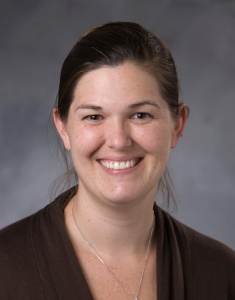 Jennifer Ann Rothman合作论文数Department of Medicine, School of Medicine, Duke University School of Medicine8
 Vicky Breakey合作论文数Division of Hematology & Oncology, Department of Pediatrics, Faculty of Health Sciences, McMaster University8
 Franco Locatelli合作论文数Department of Pediatric Hematology-Oncology, Ospedale Pediatrico Bambino Gesu, University of Pavia8
 Vip Viprakasit合作论文数Faculty of Medicine, Mahidol University8Heather A Bradeen合作论文数7
 Mattia Algeri合作论文数7
 Jens Jensen合作论文数Department of Neuroscience, College of Medicine, Medical University of South Carolina7
 Thomas Coates合作论文数Children's Hospital Los Angeles7
 Ed X. Wu (吳學奎)合作论文数Departments of Medicine, Diagnostic Radiology, The University of Hong Kong;School of Biomedical Sciences, The University of Hong Kong;Li Ka Shing Faculty of Medicine, The University of Hong Kong;Laboratory of Biomedical Imaging and Signal Processing, The University of Hong Kong7Ashutosh Lal合作论文数7Christine M. Knoll合作论文数6Ben Carpenter合作论文数6Melissa J. Rose合作论文数6Donna Wall合作论文数Department of Immunology, Temerty Faculty of Medicine, University of Toronto6
 Alexis A Thompson合作论文数Division of Hematology, Children's Hospital of Philadelphia;Northwestern University6
 Jenny Despotovic合作论文数Texas Children's Hematology Center6Ellis J. Neufeld合作论文数6
 Yves Pastore合作论文数Baylor College of Medicine and Veterans Administration Hospital, Houston6
 Markus Y Mapara合作论文数Herbert Irving Comprehensive Cancer Center, Columbia University6Dagmar Pospisilova合作论文数Lékařská Fakulta, Univerzita Palackého v Olomouci;Fakultní Nemocnice Olomouc6
 Wendy B. London合作论文数Department of Statistics, University of Florida6
 Joachim Kunz合作论文数6
 Marcin Wlodarski合作论文数Department of Hematology, St. Jude Children's Research Hospital;Comprehensive Cancer Center, St. Jude Children's Research Hospital;University of Freiburg6
 Stephan A. Grupp合作论文数Department of Pediatrics, Perelman School of Medicine, University of Pennsylvania;Cell and Gene Therapy Laboratory, Children's Hospital of Philadelphia, University of Pennsylvania;Cellular Therapy and Transplant Section, Children's Hospital of Philadelphia, University of Pennsylvania6Amanda M. Li合作论文数5




