The Genus Hippophae L. (Elaeagnaceae), known for its ecological resilience and socio-economic significance, faces increasing threats from habitat degradation and human-induced activities. Despite its importance, research on species’ response to climatic shifts is limited. This study investigates the geographical distribution and habitat suitability of Hippophae to understand how changing environmental conditions affect its distribution patterns in the Himalayan region. Using an ensemble modeling approach, we analyzed the habitat suitability under past, present, and future climatic scenarios. Bioclimatic variables were key determinants of species distribution, with temperature-related factors showing strong influence. The ensemble model, integrating six robust algorithms, showed exceptional predictive accuracy (TSS > 0.80). Analysis of field surveys, online sources, and herbarium data revealed an upward shift in species habitat toward higher elevations in recent decades. Future projections indicate expansion of suitable habitat, particularly in central and eastern regions, with contrasting trends in protected areas. Suitable habitat is projected to expand by 3.32%(2050) and 11.21% (2070) under SSP 2–4.5 and by 11.21% (2050) and 12.42% (2070) under SSP5-8.5. The results predict reduced suitable habitat in west Nepal, with expansion in central and eastern Nepal. The results highlight climate-driven distribution shifts and provides guidance for conservation planning in Nepal.
Ensuring food security through sustainable agriculture is critical for achieving the Sustainable Development Goals (SDGs). This study aimed to examine farming practices, assess the marketability of agricultural products, and propose interventions to promote sustainable agriculture in Devdaha Municipality, Nepal, with a focus on overcoming gender disparities. Utilizing purposive sampling, interviews, focus group discussions, expert consultations, and direct observations followed by mixed methods analysis, farming practices were examined, the marketability of agricultural products were assessed, and interventions for improvement were proposed. Analysis revealed a diverse range of farm products, identified key challenges limiting profitability (e.g., seasonal variations, market access), and highlighted the need for targeted interventions. Diversifying production towards high-profit crops like mango, banana, papaya, ginger, and turmeric integrated into agroforestry systems was identified as a potential strategy to increase farmer incomes and livelihoods. Findings revealed that cheaper imports contributed to a decline in local production, making efficient marketing systems and gender-sensitive interventions crucial to reverse this trend and empower women's participation in commercial agriculture. The study recommends establishing well-managed local farmers' markets, implementing agricultural subsidies, and launching campaigns to promote indigenous crops to reduce import dependency and boost incomes. Additionally, promoting suitable agroforestry combinations like mango-Moringa-vegetables intercropping can enhance sustainability. By informing on localized strategies aligned with SDG 2, this study offers policymakers potential pathways to strengthen sustainable agriculture, food security, and gender equity in Nepal's rural municipalities.
Background Herbal tea usually refers to “beverage plants that do not belong to the genus Camellia ”, and it holds a significant historical legacy as a traditional beverage among specific regions and ethnic groups. In light of this, our research aims to investigate and analyze the traditional knowledge pertaining to herbal tea plants used by local people in the Qianxinan Buyi and Miao Autonomous Prefecture, Guizhou Province. We also initiated preliminary efforts to create tea products from herbal tea leaves using various processing techniques. Additionally, we attempted to test hypotheses to elucidate how local people select herbal tea plants. Methods Data related to the use of herbal tea plants in this study were collected through semi-structured interviews and participatory observations in four villages in Qianxinan. Quantitative indicators, including the relative frequency of citation (RFC) and the relative importance (RI) value, were calculated, and the availability of plants was also evaluated. General linear model was performed to examine the relationship between the frequency of citation and resource availability, as well as the correlation between the relative frequency of citation and the relative importance, to test both the resource availability hypothesis and the versatility hypothesis. Centella asiatica tea was processed using techniques from green tea, black tea and white tea, with a preliminary sensory evaluation conducted. Results A total of 114 plant species were documented as being used for herbal teas by local residents, representing 60 families and 104 genera. Of these, 61% of herbal tea plants were found growing in the wild, and 11 species were exotic plants. The family with the highest number of species was Asteraceae (20 species). The study identified 33 major medicinal functions of herbal tea, with clearing heat-toxin and diuresis being the most common functions. General linear model revealed a strong correlation (correlation coefficient of 0.72, p < 0.001) between the frequency of citation and plant availability, as well as a significant correlation (correlation coefficient of 0.63, p < 0.001) between RFC and RI. Under different processing conditions, the characteristics of Centella asiatica tea exhibited variations and were found to be suitable for consumption. Conclusion The consumption of herbal tea serves as a preventive measure against common ailments for local residents. The resource availability hypothesis, diversification hypothesis and the versatility hypothesis were shown to provide some insight into “how and why local communities select plants for use.” Exotic herbal tea plants in the study area also possess valuable therapeutic properties. The processing and production of Centella asiatica herbal tea products hold promising prospects.
Microplastics pollution and climate change are primarily investigated in isolation, despite their joint threat to the environment. Greenhouse gases (GHGs) are emitted during: the production of plastic and rubber, the use and degradation of plastic, and after contamination of environment. This is the first meta-analysis to assess underlying causal relationships and the influence of likely mediators. We included 60 peer-reviewed empirical studies; estimating GHGs emissions effect size and global warming potential (GWP), according to key microplastics properties and soil conditions. We investigated interrelationships with microbe functional gene expression. Overall, microplastics contamination was associated with increased GHGs emissions, with the strongest effect (60%) on CH4 emissions. Polylactic-acid caused 32% higher CO2 emissions, but only 1% of total GWP. Phenol-formaldehyde had the greatest (175%) GWP via 182% increased N2O emissions. Only polystyrene resulted in reduced GWP by 50%, due to N2O mitigation. Polyethylene caused the maximum (60%) CH4 emissions. Shapes of microplastics differed in GWP: fibre had the greatest GWP (66%) whereas beads reduced GWP by 53%. Films substantially increased emissions of all GHGs: 14% CO2, 10% N2O and 60% CH4. Larger-sized microplastics had higher GWP (125%) due to their 9% CO2 and 63% N2O emissions. GWP rose sharply if soil microplastics content exceeded 0.5%. Higher CO2 emissions, ranging from 4% to 20%, arose from soil which was either fine, saturated or had high-carbon content. Higher N2O emissions, ranging from 10% to 95%, arose from soils that had either medium texture, saturated water content or low-carbon content. Both CO2 and N2O emissions were 43% to 56% higher from soils with neutral pH. We conclude that microplastics contamination can cause raised GHGs emissions, posing a risk of exacerbating climate-change. We show clear links between GHGs emissions, microplastics properties, soil characteristics and soil microbe functional gene expression. Further research is needed regarding underlying mechanisms and processes.
Cultivated drylands are significant sources of greenhouse gases (GHGs), with declining yields. Regenerative practices are vital to achieve joint goals of boosting yields and mitigating GHGs emissions. Nevertheless, studies usually consider crop yields and soil properties, often lacking quantitative analysis of GHGs. This meta-analysis used log response ratio (lnRR) to perform effect size statistics; assessing impacts of major regenerative (manure, biochar, and two integrated applications) and inorganic fertilizers on GHGs emissions. The results reveal that GHGs emissions were increased by fertilizer or manure addition, but biochar decreased GHGs emissions, with greatest benefit at 50 t ha-1. Combining biochar or manure application with fertilizer emitted CO2 and/or N2O. Applying biochar alone led to 144% reduction in global warming potential (GWP). Paddy-rice with fertilizer emitted N2O and CH4, whereas these were mitigated by wheat with biochar. Fine-textured soils with manure emitted all three GHGs, whereas biochar with coarse-textured soils reduced emissions. Medium-textured soils had reduced N2O (18%) and CH4 (25%) emissions with integrated biochar and fertilizer. CO2 and N2O emissions were highest for neutral and acidic soils with fertilizer but lowest for alkaline soils after biochar application. Soil C:N ratios affected the best strategy to minimize GHGs: for high C:N ratio, fertilizer or manure should be avoided, in favour of biochar. Yet integrated biochar and fertilizer should be avoided for soils with low C:N ratio. We conclude that regenerative strategies using manure risk converting global drylands into major GHGs emitters. However, strategies incorporating biochar could mitigate dryland GHGs emissions and minimize GWP.
Indigenous mountain communities are on the cutting edge of environmental threats, their responses, and the preservation of traditional knowledge that ensures the harmony between the environment and sustainable resource use. In the context of seasonal grazing, a key livelihood activity in the eastern Pamir Mountains, this study aimed to document a traditional ecological calendar-like management system and scientifically validate its effectiveness. Through an ethno-ecological survey comprising focus group discussions and semi-structured in-terviews, we examined the variations in seasonal grazing practices based on ecological calendars. The study quantified and evaluated the indicators' efficacy in guiding these seasonal activities by analyzing time series satellite data of Normalized Difference Vegetation Index (NDVI). Additionally, the research assessed the potential alterations required in the future under anticipated climatic scenarios (SSP126 and SSP585) using the random forest algorithm. The findings underscored the alignment between seasonal migration patterns, grazing as the primary seasonal activity, and spatiotemporal variations in vegetation phenology. Our analysis revealed that in the future local herders may need to spend more or shorter time in pastures at different elevation compared to present because of possible change in the phenology. Our findings demonstrate the high validity of this calendar system in local resource management, and with modification it would be equally important in the future under new climatic scenarios.
Although distributed across the Sudano-Sahelian region as an agroforestry system tree species, Vitellaria paradoxa has yet to be reported as successfully established outside of Africa, significantly limiting its yield and further exploitation. In this paper, in order to assess a well-established population of V. paradoxa in the Yuanjiang dry-hot valley of China and examine the relationships between morphological-geological factors and fruit yield, we monitored dendrometric traits and fruiting across 844 shea trees located on different aspects, and applied partial least square regression to build a yield model based on dendrometric and geographical variables. Results revealed climatic resemblance of the introduction site in Yuanjiang to the natural habitat in Ghana, and the growth performance and fruit yield were also comparable, but accumulated precipitation of about 600 mm was better for fruit yield when heat accumulation reached about 2,000 °C. Apart from crown diameter (p < 0.05), dendrometric parameters (basal diameter, basal area and tree height) had positively weak relationships with fruit yield. On the contrary, aside from north and northeast aspect, other aspects showed a strong negative influence. The findings presented that growth and productivity of V. paradoxa increased with dendrometric parameters and monthly average temperature on shady and semi-shady slope, providing a theoretical basis for the development of shea tree and construction of agroforestry system in dry tropical areas outside Africa.
Agroforestry is important for forest management and rehabilitation in the southeast Asia-Pacific Region (APR), where economic issues, intensive land use, deforestation, and forest degradation are common. Species selection is a key process in establishing agroforestry systems. In this study, we reviewed the agroforestry literature across eight economies within the southeast APR, documented the species used, and compared the existing systems to better understand the challenges and opportunities for the region’s agroforestry expansion. We conducted rule and Maptree analyses using 108 species, belonging to 95 genera and 49 families of plants, to unravel the various agroforestry practices in this region. We identified the most common plant families used in agroforestry combinations within each economy. We then divided the economies into three groups based on the most commonly used genera: (1) Thailand, Vietnam, Papua New Guinea and Fiji (Hevea, Oryza, Eucalyptus, Acacia, and Zea); (2) Nepal and Yunnan China (Zea, Leucaena, Morus, and Hevea); and (3) Indonesia and the Philippines (Oryza, Hevea, Zea, and Brassica). Although this study focused on high-level taxonomic classification (family and genus), we believe that this work will fill the current knowledge gaps, offering guidance to economies in the southeast APR regarding species selection and the adoption of sustainable agroforestry practices.
Tree architectural attributes demonstrate a significant association with fruit yield. Yellowhorn is the future bioenergy tree in China; however, the species suffers from high reproductive energy and exceedingly low reproductive output. To optimize yellowhorn management and pinpoint priority trees featuring optimal architecture, we employed machine learning modeling to develop high fruit yielding predictive models using five yield indicators (dependent variables: FrW, SeW, ShW, FrW, and SeN) and five tree characteristics (independent variables: CA, TH, DGL, HLC, and MBN) of yellowhorn. Results showed that trees characterized by a substantial canopy area (>1.70 m(2)) and a large diameter at ground level (>3.71 cm) have been found to yield a higher fruit production. However, increased tree height does not invariably correlate with an elevated yield. Effective selection of high-yielding individuals can be accomplished by restricting tree height within the range of 192-232.4 cm. This approach emphasizes the importance of integrating considerations of tree architecture into forestry management practices. Such integration can bolster productivity, thereby contributing to both the sustainability and economic viability of yellowhorn forests.
Alpine plants’ distribution is being pushed higher towards mountaintops due to global warming, finally diminishing their range and thereby increasing the risk of extinction. Plants with specialized ‘glasshouse’ structures have adapted well to harsh alpine environments, notably to the extremely low temperatures, which makes them vulnerable to global warming. However, their response to global warming is quite unexplored. Therefore, by compiling occurrences and several environmental strata, we utilized multiple ensemble species distribution modeling (eSDM) to estimate the historical, present-day, and future distribution of two alpine ‘glasshouse’ species Rheum nobile Hook. f. & Thomson and R. alexandrae Batalin. Rheum nobile was predicted to extend its distribution from the Eastern Himalaya (EH) to the Hengduan Mountains (HM), whereas R. alexandrae was restricted exclusively in the HM. Both species witnessed a northward expansion of suitable habitats followed by a southerly retreat in the HM region. Our findings reveal that both species have a considerable range shift under different climate change scenarios, mainly triggered by precipitation rather than temperature. The model predicted northward and upward migration for both species since the last glacial period which is mainly due to expected future climate change scenarios. Further, the observed niche overlap between the two species presented that they are more divergent depending on their habitat, except for certain regions in the HM. However, relocating appropriate habitats to the north and high elevation may not ensure the species’ survival, as it needs to adapt to the extreme climatic circumstances in alpine habitats. Therefore, we advocate for more conservation efforts in these biodiversity hotspots.
Traditional fermented Rosa (TFR) is a typical food and medical product among the Dali Bai people, and its popularity is growing. A few studies have looked into TFR's medicinal advantages, linked germplasm resources, traditional processing procedures, and functional food qualities. Our goal was to look into Rosa's traditional processing, examine the dominant strains in TFR, and prove how these strains affected antioxidant and tyrosinase inhibitory activities. We used a snowball selection strategy to pick 371 informants for a semi-structured interview, supplemented with direct observations and sample collection. A microbial strain was isolated and identified from a TFR sample collected in the field. We synthesized TFR in the lab using the traditional way. Both of 2, 2-diphenyl-1 picrylhydrazyl (DPPH) free radical scavenging and tyrosinase inhibitory properties of the fermented solution of Rosa 'Dianhong' have been tested in this study. Altogether 15 species belonging to the genus Rosa, which are utilized in herbal medicine and fermented foods. Rosa 'Dianhong' was the Bai community's principal species with considerable cultural value and consumption. Raw Rosa petals included 15 major flavonoids and phenols, which were identified as TFR's active components. TFR-1 was discovered to be the dominating microbial strain in TFR, increasing total phenolic and flavonoid content in the fermented solution of Rosa 'Dianhong' by 0.45 mg GAE/ml and 0.60 mg RE/ml, respectively, after 30 days. TFR-1 also exhibited promising activity in terms of DPPH free radical scavenging and tyrosinase inhibition. TFR showed potent antioxidant and free-radical scavenger properties and is beneficial in skincare and nutrition, according to the findings. TFR's medicinal and edible properties suggest that it could be used as a cosmetic or nutraceutical product.
The primary challenge of the contemporary world is to meet accelerating requirements for food. Limited land, competition between crop and livestock farming and climate change are major challenges. Agroforestry offer a form of sustainable agriculture through the direct provision of food by raising farmers' incomes and through various ecosystem services. The first essential step in adopting agroforestry is the selection of appropriate tree species that fit local climates. In this paper, we mapped 20 fodder trees and important crops in China using the multi-model ensemble and Ecocrop modelling approach. Relying on the intersectional concept of set theory, the fuzzy logic technique was applied to identify regions where candidate trees could be grown with appropriate crops and livestock. The resulting models provide important insights into the climatic suitability of trees and crops and offer knowledge critical to the proper integration of trees with crops and livestock at specific locations. The results offer support for developing appropriate strategies regarding potential land-use within agroforestry systems in order to maximize ecosystem services and the benefits of sustainable agriculture. Model outputs could easily convert into conventional maps with clearly defined boundaries for site-specific planning for tree-crop-livestock integration. The next step for actualizing an integrated system is to investigate specifically what these different species may contribute to the existing farming systems, quantify the benefits and estimate any possible trade-offs.
Humans have dyed textiles and leather, colored food, and paint body parts using natural dyes throughout history. Natural dyes have suffered drastically due to recent socioeconomic changes and replacement with synthetic dye in the textile industry. Hence, it is urgent to study indigenous dye plants and dyeing craft in local communities to protect these resources' potential ecological, economic, and cultural values. In 11 Monpa villages of Mêdog County, South-east Tibet, China, we conducted field research to record the indigenous method of cloth dyeing using madder dye. An aqueous extract of the root of Rubia wallichiana is a traditional madder dye. In this study, we used traditional dye and ethyl alcohol extract of the residue of aqueous extract. Two fabrics were dyed with the extractions in the presence of one of the metallic mordants or biomordants. Pigment compounds from aqueous extraction of madder and ethyl alcohol extraction of recycled madder were evaluated using Phytochemical, UV–visible spectroscopy, and FTIR test. We carried out One-way ANOVA and Duncan's new multiple range method to analyze different dying approaches and conditions. The dyed fabrics were evaluated by indicators of color strength and fastness, including washing, rubbing, and perspiration. The findings revealed the potentiality of biomordants to improve the dyeing properties of madder. The dyeing properties of recycled madder were marginally better than traditional madder. The results revealed the feasibility of enhancing the dyeing property and reuse of the residue from madder dyeing. The improved dyeing and reuse of residue can improve local ecological, economic benefits, and cultural heritage while applying research findings for the subsequent commercialization of plant dyes.
Biological invasions have significant impacts on ecosystems, the services provided by ecosystems, and associated economies. In wetlands, invasion by alien plants can impact the ecosystem services that are fundamental to human well-being. We conducted a stakeholder analysis in Ramsar sites in the Pokhara Valley to understand ecosystem services, the economic valuation of provisioning services, invasive alien plants, and their impacts. We collected information from locals living near the Ramsar site using focus group discussions, key informant interviews, and household (HH) surveys. We identified five invasive alien plants in the Ramsar sites in Pokhara Valley. A total of 18 ecosystem services were recorded from discussions with residents living near the Ramsar sites. Our study found that the economic benefits generated from the provisioning service, calculated based on the market price in the year of data collection, were worth a total of International$ 9.05 million. The value of provisioning services was International$ 0.1 million HH−1 year−1. Our estimate showed that the value of provisioning services before the occurrence of invasive alien plants in 1989 was International$ 0.19 million HH−1 year−1 higher than in 2019. Those who benefit from the Lake clusters mentioned that the invasive alien plants led to a decrease in economically important plants such as medicine and fruits and decreased fish production. Other impacts have included: reduced natural beauty, loss of biodiversity, and obstruction of recreational boating, which has discouraged tourism in recent years, among other impacts. Our results show that the rampant spread of invasive alien plants has a severe impact on ecosystem services. The impact on the associated economic value is alarming. There is an urgent need for proper management of wetlands. The findings from our results can help make decision-makers aware of the need to act in order to restore and maintain the services provided by the wetlands.
Climate change will affect numerous crops in the future; however, perennial crops, such as tea, are particularly vulnerable. Climate change will also strongly influence fungal pathogens. Here, we predict how future climatic conditions will impact tea and its associated pathogens. We collected data on the three most important fungal pathogens of tea (Colletotrichum acutatum, Co. camelliae, and Exobasidium vexans) and then modeled distributions of tea and these fungal pathogens using current and projected climates. The models show that baseline tea-growing areas will become unsuitable for Camellia sinensis var. sinensis (15 to 32% loss) and C. sinensis var. assamica (32 to 34% loss) by 2050. Although new areas will become more suitable for tea cultivation, existing and potentially new fungal pathogens will present challenges in these areas, and they are already under other land-use regimes. In addition, future climatic scenarios suitable range of fungal species and tea suitable cultivation (respectively in CSS and CSA) growing areas are Co. acutatum (44.30%; 31.05%), Co. camelliae (13.10%; 10.70%), and E. vexans (10.20%; 11.90%). Protecting global tea cultivation requires innovative approaches that consider fungal genomics as part and parcel of plant pathology.
Morchella esculenta (Fr.) I.R. Hazll: Phallus esculentus L.; Helvella esculenta (L.) Sowerby; Morellus esculentus (L.) Eaton; Morilla esculenta (L.) Quél.; Phalloboletus esculentus (L.) Kuntze; Morchella rotunda var. esculenta (L.) Jacquet.; Morchella prunarii Schulzer; Morchella esculenta var. prunarii (Schulzer & Hazsl.) Sacc.; Phallus esculentus var. albus Bull.; Morchella vulgaris var. alba (Bull.) Clowez; Phallus esculentus var. cinereus Bull.; Phallus esculentus var. fuscus Bull.; Phallus tremelloides Vent.; Morchella tremelloides (Vent.) Pers.; Morilla tremelloides (Vent.) Quél.; Morchella vulgaris var. tremelloides (Vent.) Boud. [as 'tremelloïdes']; Phallus esculentus var. rotundus Pers.; Morchella esculenta var. rotunda (Pers.) Sacc.; Morchella rotunda (Pers.) Boud.; Morchella esculenta f. rotunda (Pers.) Reichert; Morchella conica Pers.; Morchella esculenta var. conica (Pers.) Fr.; Morilla conica (Pers.) Quél.; Morchella esculenta var. alba Mérat; Morchella rotunda var. alba (Mérat) Sacc.; Morchella esculenta var. cinerea Mérat; Morchella esculenta var. fulva Fr.; Morchella esculenta subsp. pubescens Pers.; Morchella pubescens (Pers.) Krombh.; Morchella rotunda var. pubescens (Pers.) Boud.; Morchella esculenta var. pubescens (Pers.) Sacc. & Traverso; Morchella esculenta var. grisea Pers.; Morchella conica var. metheformis Pers.; Morchella esculenta var. stipitata Lenz; Morchella conica var. pusilla Krombh.; Morchella conica var. rigida Krombh.; Morchella rigida (Krombh.) Boud.; Morchella rotunda var. rigida (Krombh.) Jacquet.; Morchella esculenta var. rigida (Krombh.) I.R. Hall; Morchella conica var. ceracea Krombh.; Morchella esculenta var. violacea Lév.; Morchella distans Fr.; Morchella conica var. distans (Fr.) Clowez; Morchella esculenta var. corrugata Sacc.; Morchella esculenta var. ovalis Fr. ex Sacc.; Morchella viridis Leuba; Morchella esculenta var. viridis (Leuba) Sacc. & D. Sacc.; Morchella abietina Leuba; Morchella esculenta var. abietina (Leuba) Sacc. & Trotter; Morchella lutescens Leuba; Morchella esculenta var. lutescens (Leuba) Sacc. & Traverso; Morchella conica var. elata Henn.; Morchella rotunda var. cinerea Boud.; Morchella umbrina Boud.; Morchella esculenta var. umbrina (Boud.) S. Imai; Morchella vulgaris var. albida Boud.; Morchella esculenta var. albida (Boud.) Sacc.; Morchella vulgaris var. cinerascens Boud.; Morchella rotunda var. alba Boud.; Morchella vulgaris var. alba Boud.; Morchella conica var. serotina Peck; Morchella conica var. angusticeps Peck; Morchella cylindrica Velen.; Morchella conica f. cylindrica (Velen.) Svrček; Morchella rotunda var. cinerea Grelet; Morchella rotunda var. fulva Grelet; Morchella vulgaris var. parvula Bánhegyi; Morchella esculenta var. atrotomentosa M.M. Moser; Morchella distans f. longissima Jacquet.; Morchella distans f. spathulata Jacquet.; Morchella umbrina f. macroalveola Jacquet.; Morchella esculenta f. alba Galli; Morchella rotunda var. pallida Jacquet.; Morchella rotunda var. crassipes Jacquet.; Morchella rotunda var. minutula Jacquet.; Morchella rotunda var. pallida Jacquet.; Morchella ovalis f. pallida (Jacquet.) Clowez & Luc Martin; Morchella esculenta f. dunensis Castañera; Morchella dunensis (Castañera, J.L. Alonso & G. Moreno) Clowez; Morchella esculenta var. dunensis (Castañera, J.L. Alonso & G. Moreno) Blanco-Dios; Morchella dunensis f. sterilis Picón [as 'sterile']; Morchella esculenta f. sterilis (Picón) Blanco-Dios; Morchella vulgaris var. aucupariae Clowez & J.-M. Moingeon; Morchella esculenta var. aurantiaca Clowez; Morchella esculenta var. brunnea Clowez; Morchella esculenta var. mahoniae Clowez & R. Durand bis; Morchella esculenta var. roseostraminea Clowez; Morchella esculenta var. rubroris Clowez & Luc Martin; Morchella esculenta var. theobromichroa Clowez & Vanhille; Morchella esculenta var. umbrinoides Clowez; Morchella vulgaris var. atrogrisea Clowez; Morchella vulgaris var. griseosordida Clowez & Franç. Petit; Morchella conica var. cilicicae Clowez, Baş Serm. & Işıloğlu; Morchella conica var. crassa Clowez; Morchella conica var. flexuosa Clowez & Luc Martin; Morchella conica var. meandriformis Clowez & Moyne; Morchella conica var. nigra Clowez & Moyne; Morchella conica var. pygmaea Clowez & Delaunoy; Morchella conica var. violeipes Clowez & Y. Mourgues; Morchella vulgaris var. parvipilea Clowez
 Jianchu Xu (许建初)合作论文数University Chinese Academy of Sciences;World Agroforestry Center;Kunming Institute of Botany, Chinese Academy of Sciences44
 Roeland Kindt合作论文数The World Agroforestry Centre12
 Nani Maiya Sujakhu合作论文数N.Gene Solution of Natural Innovation, Kathmandu, Nepal11
 Robert John Zomer合作论文数9
 De-Li Zhai合作论文数7Sujakhu Nani M.合作论文数7Ali Mostafa合作论文数7
 Mir A. Matin合作论文数Int Ctr Integrated Mt Dev7Juerg Merz合作论文数7
 Yang Lu (陆阳)合作论文数School of Life Sciences, Zhengzhou University5Krishna Kumar Shrestha合作论文数5
 Yanfei Geng (耿彦飞)合作论文数College of Tea, Guizhou University5
 Jun He合作论文数5
 Dietrich Schmidt-Vogt合作论文数School of Environment, Resources and Development, Asian Institute of Technology Natural Resources Management5Muhammad Asad Salim合作论文数4
 Hum Kala Rana合作论文数Key Lab Plant Divers & Biogeog East Asia, Chinese Acad Sci4
 Santosh Kumar Rana合作论文数Key Lab Plant Divers & Biogeog East Asia, Kunming Inst Bot4
 Yuhua Wang (王雨华)合作论文数Kunming Institute of Botany, Chinese Academy of Sciences4
 Sehroon Khan合作论文数Kunming Institute of Botany, Chinese Academy of Science4
 Qing Wang合作论文数4
 Dengpan Bu (卜登攀)合作论文数Institute of Animal Science, Chinese Academy of Agricultural Sciences4
 Eike Luedeling合作论文数World Agroforestry Ctr ICRAF4
 Yousry El-Kassaby合作论文数Department of Forest and Conservation Sciences, Faculty of Forestry, The University of British Columbia4Shahid Iqbal合作论文数3Fiona R. Worthy合作论文数3Huizhao Yang合作论文数3
 Zhenghong Wang合作论文数3Rong Yang合作论文数3
 Chengming Wang合作论文数3LiXin Shen (沈立新)合作论文数3Haiying Yu合作论文数3
 Robbie Hart合作论文数Department of Biology, University of Missouri–St. Louis;William L. Brown Center, Missouri Botanical Garden;William L. Brown Center, University of Missouri–St. Louis3Lixin Yang合作论文数3
 Micai Zhong合作论文数Shenyang Institute of Applied Ecology Chinese Academy of Sciences, Chinese Academy of Sciences3
 Xiaokun Ou (欧晓昆)合作论文数School of Ecology and Environmental Science, Yunnan University3Wenbin Guan (关文彬)合作论文数School of Ecology and Nature Conservation, Beijing Forestry University3
 Muhammad Saleem Arif合作论文数2Weina Sun合作论文数2Liqing Wu合作论文数2Xiuxiang Yan合作论文数2
 Peter Edward Mortimer合作论文数Kunming Institute of Botany, Chinese Academy of Sciences;University of Chinese Academy of Sciences;World Agroforestry Centre2Yu ZHANG (张瑜)合作论文数2
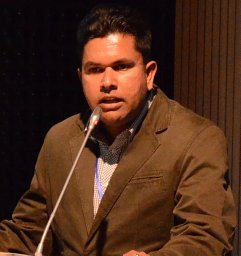 Muditha K. Meegahakumbura合作论文数Key Lab Plant Divers Biogeog East Asia, Kunming Inst Bot2
 Sadia Nadir合作论文数2
 Mingxiang Li合作论文数2Xuelan Ma合作论文数2
 Li Yang (杨立)合作论文数School of Ecology, Sun Yat-sen University2
 Yong-Jie Guo合作论文数2Xinrui Wang合作论文数Beijing Forestry Univ, Sch Nat Conservat, Beijing 100083, Peoples R China2




