This study explored the relationships between greenspace and adolescents’ moderate-to-vigorous physical activity (MVPA) and sedentary time, and whether the relationships were moderated by sociodemographic factors (sex, ethnicity, age and neighbourhood deprivation). Data from 325 adolescents (aged 13–18 years) who lived in Ōtepoti Dunedin, Aotearoa New Zealand from the BEATS Natural Experiment study were analysed. Individual levels (distance to the nearest greenspace and the amount of greenspace around home addresses) and area levels (greenspace accessibility) greenspace metrics were utilised. Participants’ MVPA and sedentary time were recorded by accelerometers. The Generalized Additive Model (GAM) was used to explore the potential non-linear relationships of interest. The findings showed nonlinear associations between distance to the nearest greenspace and adolescents’ MVPA and sedentary time, suggesting that greenspace located 500–700 m from residences is optimally placed for encouraging MVPA and reducing sedentary time in this age group. No relationships in amount of greenspace and greenspace accessibility were found with MVPA and sedentary time. Regarding moderation analyses, no moderators reached statistical significance, however, neighbourhood deprivation may have a potential tendency to moderate the association of interest (p < 0.10). Overall, the exploration for potential sociodemographic moderators and for optimal distance provides important evidence for future research on targeted environmental policies and equitable urban design strategies.
Greenspace has been linked to adolescent health and well-being outcomes, with physical activity potential pathway for achieving benefits. Robust evidence is needed to inform policymaking and environmental interventions. The aim of this systematic literature review is to identify, summarise, and evaluate studies on the associations between geospatial measures of greenspace (i.e., using geographic information systems (GIS), global positioning systems (GPS)) and moderate-to-vigorous physical activity (MVPA) among adolescents. We followed the PRISMA statement guidelines. Five databases were searched using relevant keywords for articles published from 1980 onwards. Studies were imported to Covidence for duplicate screening, data extraction and quality assessment. Harvest plots were used to visually summarise and examine patterns in relationships between greenspace and adolescent MVPA. Fourteen articles met the inclusion criteria and provided sufficient data to extract associations of greenspace with adolescent MVPA. Seven articles reported positive relationships between greenspace and adolescent MVPA, five reported no significant associations, and two reported inconsistent results. All studies that measure actual greenspace exposure using GPS showed significant positive correlation with adolescents’ MVPA. While positive associations between greenspace and MVPA among adolescents were found in over half (64 %) of the studies included in this review, the number of studies specifically targeting this age group is limited. Exploring which features of greenspace encourage MVPA across different groups and examining the actual use of greenspace is needed. Addressing these gaps will provide more comprehensive evidence to inform policies and environmental strategies aimed at enhancing adolescent health and well-being.
Active travel could contribute to increased physical activity among children and adolescents. Additionally, when the adolescents independently travel to various destinations, they usually present physically active profiles. However, the characteristics of the home neighbourhood are related to the active travel patterns and independent mobility of adolescents and may differ across settlement types. Therefore, this study compared adolescents' mode of travel and who they travelled with, to various destinations (excluding school) as well as how far adolescents were allowed to travel on foot or by bicycle without adult supervision across various settlement types. Participants were 838 adolescents living in different settlement types (i.e. medium-to-large urban areas (n = 177), small urban areas (n = 506) and rural areas (n = 155)) in the Otago region of New Zealand. Adolescents self-reported their sociodemographic characteristics, mode of travel and independent mobility in a supervised online questionnaire. Differences between the three settlement types were compared using the Chi-squared test. The car was the most frequently used mode of travel by adolescents to friend's home, relative's home, shops/markets/restaurants and sport venues across all three settlement types. Cycling to all destinations was more common in small urban areas and rural areas, compared to medium-to-large urban areas (p < 0.05). The independent mobility was higher in small urban areas than other settlement types. Adolescents living in rural areas were allowed to travel independently further on foot or bicycle than their counterparts from urban areas (p < 0.05). Future interventions should encourage active travel and independent mobility taking into account specific characteristics of settlements where adolescents live.
This article outlines the rationale and methodology of the ENERGY expenditure of COmmuting to school study (the ENERGYCO study), a cluster-randomized controlled trial. The ENERGYCO study is divided into two phases: Phase I will aim; to assess the physical activity energy expenditure (PAEE) of different modes of commuting to school (i.e., walking, cycling, and motorized-vehicle) using indirect calorimetry in Spanish adolescents; and Phase II will aim to assess the effect of a school-based cycling intervention on resting metabolic rate and PAEE, as well as on other physiological, physical, and psychosocial outcomes on Spanish adolescents. For Phase I, a convenience sample of ~50 adolescents will be recruited. These participants will have their PAEE assessed in three different modes of commuting. Regarding phase II, a total of 300 adolescents from different schools in three Spanish cities will participate in this cluster randomized controlled trial. As many schools as necessary to meet the target sample will be included. In addition, each school will be randomized as either an intervention or control group. Participants from intervention schools will be asked to complete a school-based cycling intervention, while participants from control schools will be asked to continue their same habits for 8 weeks. The school-based cycling intervention will last for 8 weeks and will include Bikeability sessions, along with encouragement strategies to increase adherence to cycling to and from school. The ENERGYCO study will provide novel insights into the PAEE associated with different modes of commuting to school using indirect calorimetry, as well as a comprehensive overview of how an 8-week school-based cycling intervention impacts resting energy expenditure, daily energy expenditure, and the physical and psychosocial health of adolescents.
Background Insufficient physical activity, high screen time, and unhealthy dietary patterns among adolescents may have worsened during the pandemic, but data are lacking. This study compared physical activity, screen time and fruit and vegetable intake in adolescents from Dunedin, New Zealand, 5–6 years before (Study 1) and during (Study 2) the COVID-19 pandemic. Methods Adolescents completed an online survey as part of the Built Environment and Active Transport to School (BEATS) studies in 2014/2015 (Study 1; n = 1,266; age: 15.3 ± 1.4 years; 54.6% female) and 2021/2022 (Study 2; n = 819; age: 15.2 ± 1.4 years; 47.4% female). The proportion of adolescents meeting guidelines for physical activity (≥ 60 min/day of moderate-to-vigorous physical activity), outside school screen time (≤ 2 h/day) and fruit and vegetable intake (> 1 serving/day for both fruit and vegetables) was calculated. Data were analysed using multivariable linear and logistic regression modelling. Results Few adolescents met recommended health behaviour guidelines. Compared to Study 1, significantly greater proportions of adolescents at Study 2 met guidelines for physical activity (16.7% vs. 23.1%; p < 0.001) and outside school screen time (13.3% vs. 18.3%; p < 0.001) while fruit and vegetable intake was not different (29.6% vs. 27.0%; p = 0.322). Compared to Study 1, average outside school screen time at Study 2 was lower on both weekdays (5.0 ± 2.9 vs. 4.6 ± 2.9; p < 0.001) and weekend days (6.9 ± 3.5 vs. 6.1 ± 3.6 h/day; p < 0.001). Reported frequency of consuming sweets was higher and soft drinks lower at Study 2 versus Study 1. Conclusions Despite observed higher levels of physical activity and lower levels of outside school screen time during the pandemic compared to the pre-pandemic levels, few adolescents met health behaviour guidelines at both time points. Therefore, comprehensive health promotion that aims to improve physical activity levels, screen time and dietary patterns for adolescents is still necessary to prevent chronic health conditions adulthood.
Background: In many countries, adolescents ' active school travel rates were declining prior to the onset of the COVID-19 pandemic. Subsequent changes in active school travel have not yet been investigated systematically. This study compared school travel modes and adolescents ' perceptions of walking to school 5 -6 years before (period 1 (P1)) and 1 -2 years after (period 2 (P2)) the onset of the COVID-19 pandemic. Methods: Adolescents from Dunedin, New Zealand, completed an online questionnaire about their school travel and perceptions of walking to school in 2014 -2015 (P1; n = 1463; 55.2% female) and 2021-2022 (P2; n = 1421; 44.4% female). Home -to -school distance was calculated using Geographic Information Systems. Data analysis included Chi-square tests, logistic regression and ordinary least squares regression. Results: The odds of adolescents walking to school 'all the time' or 'most of the time' versus 'never', 'sometimes' or 'rarely' were significantly lower in P2 compared with P1. The odds following the pandemic onset were only 0.58 of those pre -pandemic (95% CI: 0.43-0.79), controlling for differences between the two samples. During the same period the proportion of adolescents living in households with >= 2 vehicles increased from 69% to 78%. Adolescents' attitudes towards walking to school indicated significantly lower intentions and higher perceived barriers to walking to school in P2 versus P1, although differences were smaller among those living within walking distance to school. Conclusions: These findings highlight the need for renewed and extended efforts from crosssectoral actors to support active school transport among adolescents during COVID-19 pandemic recovery efforts and in future similar events.
This is an accepted article with a DOI pre-assigned that is not yet published.School choice policy in [study city], New Zealand has created an unintended consequence: the adolescent uptake of school choice increases travel distances and decreases opportunities for physical activity through active transport to school, creating a wicked problem. Wicked problems present as solution resistant due to their complex nature involving multiple stakeholders. In this article, we report parental perspectives on school choice decision-making to support the development of resolutions to address tensions created when school choice policies decrease opportunities for adolescent physical activity. We analysed questionnaire responses from 352 parents in [study city] using descriptive statistics, χ2-test, t-test for independent samples and open coding to analyse open-ended responses, differentiating results for enrolment in the closest vs. non-closest school. We found most school choice decisions were made by parents jointly with their adolescent (72.7%). Overall, only 38.9% of adolescents enrolled in their closest school. Parents who enrolled their adolescent in the closest school more frequently reported proximity to home and enrolment of child's friends or siblings as reasons for school choice and less frequently reported negative comments about the closest school compared to their counterparts. The students who enrolled in their closest school more frequently used active transport to school compared to their peers who enrolled in a non-closest school. We argue that understanding the perspectives of parents as important actors in the system that drives school choice decision-making is an important first step in considering ways to leverage change to increase opportunities for physical activity through active transport to school.
Objectives: To analyse the means of school commuting and the influences of the physical and psychosocial environment (family influence and other significant influences such as that of peers) as well as the influence of other lifestyle habits (sleep patterns, hours of screens and aspects nutrition) when commuting to/from school for adolescents in Toledo, Granada, Seville and Valencia. The PACOyPACA Project consists of a cross-sectional study. The sample consisted of 3rd year Compulsory Secondary Education (ESO) students from 4 Spanish cities (Toledo, Granada, Valencia, and Seville) and their parents. To guarantee the representativeness of the sample, schools were randomly selected based on the socioeconomic level (SES) and the "walkability" index of the neighbourhood in which they are located. The PACOyPACA project will serve to raise awareness about the current state of active commuting to school (ACS) in adolescence and the possible factors that influence it. This knowledge will allow a better interpretation of the current situation and will be useful for the design and creation of strategies in order to promote ACS. These strategies will allow the creation of a National guide to promote initiatives using schools as a key point of action.
AbstractThis study addresses the issue of insufficient physical activity (PA) among youths. The emergence of gamified interventions, such as Gamifiter web portal, offers a novel approach to promoting healthy habits and increasing intrinsic motivation for PA. Gamifiter engages users in virtual challenges linked to daily step counts and progress on a digital map, aiming to enhance PA and physical literacy. Involving 107 pupils (12–13 years old), the intervention utilized Garmin VívoFit trackers, with the Gamifiter portal providing individual PA reports, challenges, and interactive educational applications. Results showed a significant increase in daily step counts indicating the positive impact of Gamifiter on PA levels. Attitudes Towards Educational Reality questionnaire and incomplete sentence test results revealed pupils' positive perceptions, high motivation, and satisfaction with Gamifiter. Teachers also praised Gamifiter for promoting PA and literacy, although some desired more customization options. The study emphasizes the potential of gamified interventions to effectively promote a healthy lifestyle. Positive attitudes and increased PA suggest that gamification can be a valuable tool in motivating and engaging pupils in physical activities, fostering a foundation for a healthier lifestyle. In conclusion, Gamifiter's success in motivating pupils to engage in higher levels of PA highlights its potential as a useful tool for promoting a healthy lifestyle. Future studies with larger sample sizes and longer follow-up periods are recommended to better understand the sustained impact of gamified interventions on health among youths.
OBJECTIVE:To understand the relationship between adolescents' unhealthy snacking behaviour during their school journey and their perceived and objective measures of food outlet availability in the school neighbourhood. DESIGN:A cross-sectional survey enquired about socio-demographic information, school transport modes, perceived presence of food outlets in the school neighbourhood and unhealthy food purchase and consumption on the school journey. A geographical information system analysis of the food outlets within 500 m and 1000 m school buffers was undertaken. Data were analysed using generalised linear mixed modelling. SETTING:All twelve secondary schools in Dunedin, Aotearoa New Zealand, March 2020-June 2022. PARTICIPANTS:Adolescents aged 13-18 years (n 725) who reported being familiar with their school neighbourhood. RESULTS:Perceived availability of food outlets in the school neighbourhood was inversely correlated with distance to the closest food outlet from school and positively correlated with food outlet density within 500 m and 1000 m school buffers. Adolescents' purchase and consumption of unhealthy snacks and drinks during the school journey were associated with perceived availability of food outlets and with shorter distance to the closest food outlet from school. Mixed transport users, girls and those living in high-deprivation neighbourhoods had higher odds of purchasing and consuming unhealthy snacks and drinks during the school journey than active transport users, boys and those living in low-deprivation neighbourhoods, respectively. CONCLUSIONS:Adolescents perceptions of the food environment and close access to food outlets in the school neighbourhood may influence adolescents' food purchase and consumption behaviours during the school journey.
Internationally many adolescents do not meet the recommended level of regular physical activity. Although active transport to school (ATS) is promoted to increase physical activity in adolescents, relying solely on ATS is not feasible for those who live beyond walkable or cyclable distance to school. School choice education policies complicate the potential of ATS when adolescents do not enrol in the closest school. This research contributes to sparse New Zealand and growing international literature to examine parental perspectives on school choice, travel to school decisions and modes of travel to school in adolescents enrolled in the closest versus non-closest school.We analysed questionnaire responses from 352 parents in Dunedin, differentiating results for enrolment in the closest versus non-closest school. Overall, only 38.9% of adolescents enrolled in their closest school. The adolescents who enrolled in their closest school lived closer to school and more frequently used ATS compared to their peers who enrolled in a non-closest school (home-to-school distance (walkable (≤2.25 km)/cyclable (>2.25–4.0 km)/beyond cyclable (>4.0 km)): 47.4%/27.8%/24.8% versus 4.8%/20.3%/74.9%; p < 0.001; transport to school (active/motorised/mixed): 40.9%/56.9%/2.2% versus 9.3%/82.7%/7.9%; p < 0.001). Nearly three-quarters of school choice decisions were made by parents jointly with their adolescent. Parents whose adolescent enrolled in the closest school more frequently reported proximity to home, social connection and school’s co-educational status (only for adolescents enrolled in co-educational school) as reasons for school choice compared to their counterparts. Mixed-mode initiatives may support adolescents to increase ATS when they attend a school beyond cyclable distance.
Background/Objectives: Distance or urbanisation settings may affect active commuting to school (ACS). This study aimed to (i) detect home-school threshold distances of walking to school and (ii) predict walkable distances among adolescents in different urbanisation settings and both sexes, and (iii) to identify variables predicting adolescents’ ACS, in a central Spain region. Methods: The PACOyPACA (Spanish acronym for Pedal-and-Walk to School, Pedal-and-Walk Home) study evaluated adolescents attending urban, semi-urban and rural schools from Castilla-La Mancha region. The sample included 448 adolescents [48.9% females, mean age 14.80 (SD=0.60)] living closer than 5,100m from school. Distance was divided into deciles to detect which adolescents walked more. Most walkable distances within the whole sample, by sex and by urbanisation settings were predicted using Receiver Operating Characteristic (ROC) curves. Variables affecting ACS were found with binary logistic regression. Significance was set at p≤0.05. Results: Most adolescents walked to school (73.1%). Commuting modes differed significantly by urbanisation settings (p=0.001), but not by sex. Most walked when living around 1,400m from school or closer within the whole sample, in both sexes and in urban and semi-urban settings, and adolescents within rural settings did it until 750-900m. Walkable distances were 1,350m for the whole sample and both sexes, and 1,450, 1,350 and 800 within urban, semi-urban and rural settings, respectively. Distance was the only predictor of ACS (p<0.001). Conclusions: Walkable home-school distances differed based on urbanisation settings, which may be due to the classification of urbanisation settings. This study addresses schools within scarcely populated areas.
The study aimed to investigate the ActivityStat hypothesis by examining the presence and the timeframe of the temporal relationships among physical activity (PA) levels and stationary time (ST) in adolescents. A secondary analysis was performed on data involving 356 adolescents in Dunedin, New Zealand. Participants wore a waist-worn accelerometer for several consecutive days to assess PA levels [i.e. light PA (LPA), and moderate-to-vigorous PA (MVPA)] and ST. Bayesian continuous-time structural equation modelling (CT-SEM) was used to examine the relationship between the behaviours over time and the timeframe during which these relationships occur. Increases in LPA, MVPA, and ST were positively associated with their later behaviours until 2.5, 1.7, and 2 days later, respectively. A cross-behavioural reciprocal and negative relationship between LPA and ST was demonstrated 0.4 days later. A positive relationship between ST and MVPA was observed until about 0.4 days later. This is the first study to investigate the ActivityStat hypothesis using Bayesian CT-SEM in adolescents, examining the multivariate relationships among different behaviours and the associated timeframes. To conclude, evidence of activity synergy was suggested for the within-behavioural relationships, while behavioural compensation was noted for ST. Thus, the findings provide some support for the ActivityStat hypothesis in adolescents.
In Aotearoa/New Zealand, there is government directive and community support to focus on health equity in research and health promotion. Culturally responsive policies and services are expected. The purpose of this research is to describe Māori and Pacific adolescents’ perceptions of different modes of transport to school (walking, cycling, busing and being driven/driving) rather than to compare perceptions between different ethnic groups through a deficit lens which is commonplace. Reporting findings in this way is so that equitable approaches to policy, and initiatives for active transportation to school can be considered. This study analysed data from adolescents (age 13 to 18 years) (n = 3608) who completed an online survey at school as part of the BEATS Research Programme in the city of Dunedin, New Zealand. In addition, four focus groups were conducted with Māori and Pacific adolescents. Overwhelmingly, adolescents across all ethnic groups had similar perceptions of walking, cycling, being driven/driving and busing to school. This similarity means that a whole of population approach to policy would be sufficient when combined with good quality overarching cultural responsiveness imbedded to support equity for Māori and Pacific adolescents. Findings specific to Māori and to Pacific adolescents are reported which will enable policy makers to consider additional cultural nuances in the active transport space.
Introduction: Bike library systems (BLS) are present in several cities around the world. These systems have been implemented as policies to promote physical activity and health, and to reduce, among others, traffic congestion and air pollution. The implementation of BLS could facilitate the use of bicycle in countries like New Zealand, where the proportion of adolescents using cycling as a mode of transport is quite low. This study examined the correlates of the intention to use a BLS in a sample of New Zealand adolescents living in different settlement types.Methods: Adolescents (n = 2355; age: 13-18 years) from 23 secondary schools in the Otago region, New Zealand participated in this study. Participants completed an online questionnaire reporting their sociodemographic characteristics, transport to school, an interest in BLS and perceptions of cycling in general and cycling to school. Data were examined using multiple linear regression.Results: Overall, 17.1% of adolescents stated that they would use a BLS if it was available in their area. In the regression model, positive correlates of the intention to use a BLS were participant's age, adolescents liking bicycle riding for recreational purposes, cycling often with friends, and cycling to school being perceived as interesting/pleasant/stimulating and a great way to get some exercise (all p < 0.01). Negative correlates were male gender and having two or more bicycles at home (all p <= 0.001).Conclusions: Different sociodemographic, individual and interpersonal factors were identified as significant correlates of the adolescents' intention to use a BLS. These findings can be used to assist in designing more effective interventions to promote bicycle use among adolescents based on the BLS implementation.
Objetivos: Analizar los medios de desplazamiento escolar y las influencias del entorno físico y psicosocial (influencia familiar y otras influencias significativas como la de los iguales) así como la influencia de otros hábitos del estilo de vida (patrones de sueño, horas de pantallas y aspectos nutricionales) en el desplazamiento al/desde el centro educativo de adolescentes de Toledo, Granada, Sevilla y Valencia. El Proyecto PACOyPACA consiste en un estudio transversal. La muestra estuvo formada por estudiantes de 3º de Educación Secundaria Obligatoria (ESO) de 4 ciudades españolas (Toledo, Granada, Valencia y Sevilla) y por sus padres. Para garantizar la representatividad de la muestra, se seleccionaron aleatoriamente centros educativos atendiendo al nivel socioeconómico (NSE) y el índice de “caminabilidad” del vecindario en el que se ubican. El proyecto PACOyPACA servirá para adquirir conciencia sobre el estado actual del desplazamiento activo al centro educativo (DACE) en la adolescencia y los posibles factores que influyen sobre él. Estos conocimientos permitirán una mejor interpretación de la situación actual y será útil para el diseño y creación de estrategias con el fin de fomentar el DACE. Dichas estrategias permitirán la creación de una guía para impulsar iniciativas utilizando el centro educativo como punto clave de la acción.
Introduction: The absence of school zoning and availability of school choice in some countries leads to increasing travel distance to school, reduced active transport and increased motorized transport to school. This study compared sociodemographic characteristics, reasons for school choice and school transport patterns among urban adolescents based on their enrolment in the closest or a non-closest school and living within walkable or non-walkable distance to school.Methods: Adolescents (n = 2869) from all twelve secondary schools in Dunedin, New Zealand completed an online questionnaire about school choice and school transport in 2014-2015 and 2020-2022. Participants were categorized into four groups based on home-to-school distance and school enrolment: enrolled in the closest school within walking distance (<= 2.25 km) ('closest + walkable'; 22.7%) or not ('closest + non-walkable'; 20.3%), and enrolled in a non-closest school within walking distance ('non-closest + walkable'; 6.2%) or not ('non-closest + non-walkable'; 50.1%).Results: Overall, 43% of adolescents initially enrolled in the closest school, and only half of those lived within walking distance to school. Enrolment in a co-educational school, a non-special character school and a lower decile school and choosing a school because of proximity and social connections were more common among those who enrolled in the closest versus a non-closest school (all p < 0.05). Rates of active transport were higher among those living within walkable distance to school, irrespective of enrolment in the closest or a non-closest school (p < 0.001).Conclusions: These findings show that distance to school is more consequential than school choice itself regarding how adolescents travel to school.
Background: Scholarship on active transport to school has largely focused on children, (large) urban areas, the umbrella term of "active transport" which considered walking and cycling together and without taking into account walking and/or cycling distance. This research exam-ined adolescents' patterns of transport to school in diverse settlement types and in relation to home-to-school distance in the Otago region of Aotearoa New Zealand.Methods: Patterns of transport to school by home-to-school distance, and across school locations, are described for a sample of 2,403 adolescents (age: 15.1 +/- 1.4 years; 55% females) attending 23 out of 27 schools in large urban areas (n = 1,309; 11 schools), medium urban areas (n = 265; three schools), small urban areas (n = 652; four schools) and rural settings (n = 177; five schools). Empirical data were collected through an online survey, in which adolescents reported sociodemographic characteristics, travel to school, and perceptions of walking and cycling. Home-to-school distance was measured on the shortest route determined using Geographic In-formation Systems (GIS)-based network analysis.Results: Transport to school patterns differed significantly by home-to-school distance and across settlement types. Profiles of different transport user groups showed significant variability in sociodemographic characteristics, family factors, average distance to school, self-reported phys-ical activity, and perceived health.Conclusions: Initiatives to promote active transport and reduce reliance on car transport to school, whether to improve health and the environment or to reduce greenhouse gas emissions, need to pay closer attention to the settlement types, distance to school, and characteristics of different transport user modes.
Higher speeds increase the risk of crashes occurring and the severity of resulting injuries. The purpose of speed management is to ensure that speeds are safe for all road users thereby reducing the number of crashes and avoid injuries and deaths when crashes happen. In response to a rising trend in deaths from road crashes in recent years, the New Zealand Government introduced the Road to Zero road safety strategy in 2018 and updated the Land Transport Rule: Setting of Speed Limits in 2022. In Wellington city (New Zealand’s capital), unsafe speed limits and high numbers of road crashes with injuries make city streets unsafe, have high social costs, present a barrier to active transport, and limit mode choice for residents and visitors. This study assessed nine speed management options using cost benefit analysis. Citywide permanent speed reduction was most effective for reducing road crash-related injuries. The option with 30 km/h speed limit for local streets and 40 km/h for arterial streets had the highest crash reduction benefits of over NZD $500 million, discounted over 40 years followed by the option of 30 km/h default citywide, albeit with the high construction costs and relatively high vehicle travel time disbenefits. Incremental cost benefit calculations indicated that, depending on the total budget available, the most efficient options were permanent speed reductions near schools and the 30/40 km/h mix citywide. Implementing variable speed limits around schools provided the lowest benefits and very low value for money compared to citywide speed management approaches or permanently reduced speed around schools.
The PACOyPACA Project aims to explore the relationships of active commuting to school (ACS) in different settings (urban, semi-urban and rural) with physical environment characteristics, psychosocial factors and lifestyle (sleep patterns, screen time and nutritional aspects) within the adolescent population of Castilla-La Mancha. The PACOyPACA Project is a cross-sectional study with a sample of students in their 3rd year of Compulsory Secondary Education (ESO) (14-15 years old) from the five provinces of Castilla-La Mancha (Toledo, Ciudad Real, Albacete, Cuenca and Guadalajara), and their parents. To guarantee the representativeness of the sample, a stratified sampling was carried out according to the size of the population in the schools' localities, classifying them as urban, semi-urban and rural settings. Questionnaires have been created ad hoc for both adolescents and their parents/ legal guardians to gather information on the physical environment, psychosocial factors and lifestyle based on previously validated surveys. The PACOyPACA Project in Castilla-La Mancha will be useful to raise awareness on the current state of ACS in adolescence and the factors possibly associated with ACS. This knowledge will provide a better understanding of the current situation and will be useful for the design and creation of ACS promotion strategies in different environments of Castilla-La Mancha. Likewise, the evidence collected may justify the implementation of ACS promotion strategies within the Community in urban, semi-urban and rural settings.
 Enrique Garcia Bengoechea合作论文数38
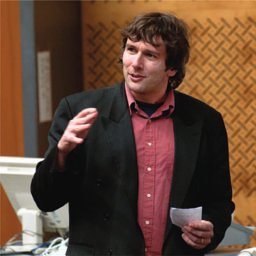 Antoni Moore合作论文数University of Otago22
 John Spence合作论文数Department of Biological Sciences, University of Alberta;Department of Renewable Resources, Faculty of Agricultural, Life and Environmental Sciences, University of Alberta19
 Charlotte Flaherty合作论文数17
 Kirsten J Coppell合作论文数Edgar National Centre for Diabetes Research, University of Otago17
 Debbie Hopkins合作论文数Department for Continuing Education, University of Oxford16
 Melody Smith合作论文数School of Nursing, Faculty of Medical and Health Sciences, The University of Auckland15
 Mark Haykowsky合作论文数Faculty of Nursing, College of Health Sciences, University of Alberta15
 Palma Chillón合作论文数School of Physical Activity and Sport Sciences, University of Granada14
 Stevens Emily合作论文数12Gordon Wilson合作论文数11
 Jenny Mindell合作论文数Research Department of Epidemiology & Public Health, University College London10
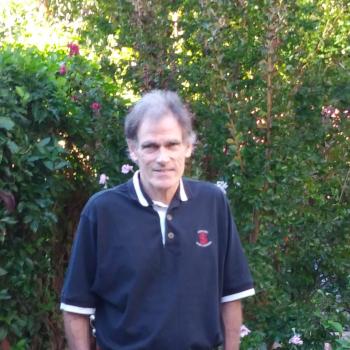 Jonathan N. Myers合作论文数Department of Medicine, Stanford University10
 Victor Froelicher合作论文数Division of Cardiovascular Medicine, School of Medicine, Stanford University;Stanford Cardiovascular Institute, School of Medicine, Stanford University;Cardea Associates, Inc;Sports Cardiology Clinic Stanford Health Care Orgainization10
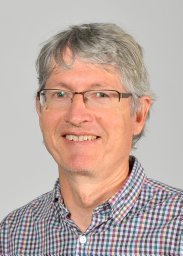 Michael D. Keall合作论文数School of Medicine and Health Sciences, University of Otago10
 Susan Sandretto合作论文数College of Education;University of Otago;College of Education, University of Otago10
 Tessa Pocock合作论文数Department of Population Health, University of Otago Christchurch9
 Herrador-Colmenero Manuel合作论文数Grupo de investigación PROFITH &, Universidad de Granada;quot;PROmoting FITness and Health through physical activity&, Granada. España.. pchillon@ugr.es.;PROmoting FITness and Health through physical activity, Universidad de Granada9Ana Queralt合作论文数9Dylan Taylor合作论文数9Javier Molina-García合作论文数9
 Michael Williams合作论文数Department of Medicine, University of Otago9
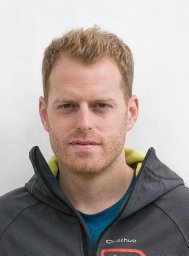 Emilio Villa-Gonzalez合作论文数Sport and Health University Research Institute, University of Granada8Body Dianne合作论文数8
 Francisco Javier Huertas-Delgado合作论文数Sección de Geología, Universidad de Granada8Christina Ergler合作论文数School of Environment, The University of Auckland8
 Williams John合作论文数7Barclay Leanne合作论文数7
 Paula Ml Skidmore合作论文数Department of Medicine, University of Otago7H. Arthur Quinney合作论文数7
 Susana Aznar合作论文数6Nye Edwin R合作论文数6
 Erica A. Hinckson合作论文数Centre for Physical Activity and Nutrition Research, Auckland University of Technology6
 Ricardo Brandt De Oliveira合作论文数Faculdade de Medicina de Ribeirão Preto (FMRP),, Universidade de São Paulo (USP),6Wayne Tymchak合作论文数5ashley mountfort合作论文数5
 Mohammad Lutfur Rahman合作论文数Dept Urban & Reg Planning, Jahangirnagar Univ5
 Asaduzzaman Khan合作论文数School of Health and Rehabilitation Sciences, Faculty of Health and Behavioural Sciences, The University of Queensland5
 Claire Hodge合作论文数5
 Erika Ikeda合作论文数5
 Sophia Leon de la Barra合作论文数Dunedin School of Medicine, University of Otago5Esther Cabanillas合作论文数4Kimberley King合作论文数4Gavin Kidd合作论文数4Chiew Ching Kek合作论文数4
 John Lieswyn合作论文数ViaStr Ltd4emily brook合作论文数4
 Fabio Jimenez-Zazo合作论文数4
 Yaira Barranco Ruiz合作论文数Sport and Health University Research Institute, University of Granada4




