STUDY DESIGN:Cross-sectional survey. OBJECTIVES:This study aimed to assess how advanced age (≥65 y) influences perceived barriers to care and surgical utilization among adults with degenerative lumbar spinal conditions (DLSCs), along with any accompanying racial and ethnic disparities within the elderly populations. SUMMARY OF BACKGROUND DATA:While social determinants of health such as age have been previously identified as predictors of surgical utilization in patients with DLSCs, investigation of specific barriers to care among geriatric patients remains limited. METHODS:Using the All of Us Research Program database, we conducted a cross-sectional analysis of adults diagnosed with DLSC who completed the Health Care Access & Utilization survey. Barriers to care were analyzed using a demographic-adjusted binomial logistic regression model. Subgroup analyses evaluated racial disparities specifically among elderly patients, stratified by age: 18-64 (nonelderly), 65-72, 73-79, and 80+ years. RESULTS:Among 28,683 DLSC patients, 15,286 (53.3%) were elderly. Surgical utilization increased with age (3.8% in <65 vs. 6.5% in 80+, P<0.001). Older age was associated with a stepwise reduction in barriers, including provider background concerns (AORs: 0.43 in 65-72, 0.30 in 73-79, and 0.25 in 80+) and co-pay costs (AORs: 0.44, 0.18, and 0.11, all P<0.001). Among elderly patients, transportation delays (AOR 1.76 in 65-72, P=0.015) and challenges acquiring time off work (AOR 2.25 in 73-79, P=0.049) were associated with increased odds of surgery. CONCLUSIONS:Although elderly patients generally report fewer barriers to care and higher surgical utilization rates than younger patients, disparities persist within the elderly population. These findings suggest that age-specific interventions addressing barriers to care should consider the intersectionality of age and race/ethnicity to effectively improve access to care for elderly DLSC patients.
BACKGROUND CONTEXT:It is currently unknown what absolute change in Spine Oncology Study Group Outcomes Questionnaire (SOSGOQ2.0) represents a clinically meaningful change for a patient which causes challenges with the interpretation of the SOSGOQ2.0 total score or domain scores. PURPOSE:The aim of this study was to determine the minimally clinically important difference (MCID) for the SOSGOQ2.0 in patients with spinal metastases. STUDY DESIGN:An international multicenter prospective observational study by the AO Spine Knowledge Forum Tumor. PATIENT SAMPLE:Patients with spinal metastases who were treated with surgery and/or radiotherapy OUTCOME MEASURES: Health related quality of life (HRQOL) was evaluated using the SOSGOQ2.0 at predefined time points METHODS: The MCID values for the SOSGOQ2.0 were determined using both distribution-based as well as anchor-based methods. For the anchor-based method, the posttherapy questions of the SOSGOQ2.0 served as the anchor with response options collapsed into "improvement," "no change" and "deterioration." Spearman correlation coefficients were calculated to identify posttherapy items with a correlation of ≥0.30 with the corresponding domain scores. MCID values from the distribution-based methods were derived using the statistical characteristics of the study population and compared to the anchor-based results. RESULTS:A total of 317 patients had SOSGOQ2.0 data available at baseline and at 12 weeks posttreatment and were included in the final analyses. Anchor-based MCID values for improvement in the physical function, pain, mental health and social function domains were 10.2, 26.0, 14.4 and 17.2 respectively. Compared with the distribution-based approach, anchor-based MCIDs for improvement suggest that the patient-perceived improvement corresponds to a strong level of improvement. CONCLUSIONS:This is the first study to report MCID values for the SOSGOQ2.0 total score and domain scores. The distribution-based MCID estimates will help both clinicians as well as researchers with the interpretation of the effect of treatment for painful spinal metastases on patient reported health related quality of life (HRQOL). TRIAL REGISTRATION:Clinical trials identifier NCT01825161.
BACKGROUND CONTEXT Primary tumors of the cervical and cervicothoracic junction (CTJ) are rare and anatomically constrained; oncologic control often requires en bloc spondylectomy with circumferential reconstruction. Mechanical risk is largely extrapolated from thoracolumbar cohorts and may not reflect CTJ-specific biomechanics. PURPOSE The purpose of this study was to characterize reconstruction strategies and mechanical failure patterns following cervical and cervicothoracic junction en bloc spondylectomy, and to identify exploratory risk signals associated with instrumentation failure in this anatomically and biomechanically distinct region. STUDY DESIGN/SETTING Retrospective cohort study. PATIENT SAMPLE Cervical and cervicothoracic junction spondylectomy patients at Johns Hopkins Hospital (2015–2025). OUTCOME MEASURES Mechanical complications and overall survival. METHODS Single-institution retrospective cohort (2015–2025) of consecutive cervical/CTJ primary tumors treated with en bloc spondylectomy and circumferential reconstruction. Demographics, pathology, construct details, bone quality by Hounsfield units (HU), and oncologic therapies were abstracted. The primary endpoint was instrumentation failure, including any mechanical event prompting or necessitating revision. Univariate analysis was conducted. RESULTS Twenty patients (mean age 49.1 ± 15.3 years; 55% male) were included: chordoma 50%, chondrosarcoma 15%, others 35%. Anterior column reconstruction used a titanium cage in 85%; posterior constructs used 2 rods in 75% (3.5 mm in 65%); CoCr rods in 5%. Instrumentation failure occurred in 3/20 (15%) at 4–44 months (median follow-up nonfailure 30 months, range 1–96; failure 60 months, range 44–94). Failure modes included 2 anterior column events (cage migration or delayed visceral erosion) and one posterior rod fracture. Failure patients more often had smaller (3.5 mm) 2-rod constructs and fewer levels instrumented above the resection; CoCr rod use was enriched among failures (33.3% vs 0%; p = 0.015). Thirty-day readmission was higher with failure (100% vs 17.6%; p = 0.004). HU values trended lower in failures, but no covariate reached significance in univariate analysis. CONCLUSIONS Mechanical complications occurred in 15% of cervical/CTJ spondylectomies, with a notable proportion involving anterior column failure. Although underpowered for definitive predictors, this exploratory analysis identified several risk signals: limited proximal fixation, small-diameter 2-rod constructs, and CoCr rod usage that may inform CTJ-specific reconstruction strategies. These findings support exploring the impact of robust proximal fixation, biologically supported anterior reconstruction, bone-health optimization, and long-term surveillance on mechanical complications in CTJ en bloc spondylectomy of primary spinal tumors. FDA Device/Drug Status This abstract does not discuss or include any applicable devices or drugs.
Objective Socioeconomic deprivation is increasingly recognized as a determinant of care, yet its relationship to spine surgery remains poorly characterized. The Area Deprivation Index (ADI) provides a validated, neighborhood-level measure of socioeconomic disadvantage. This study characterizes ADI’s associations among patients undergoing posterior spine surgery. Methods 1,038 adult patients who underwent posterior spine surgery at a quaternary academic center between 2022 and 2024 were included in the retrospective cross-sectional study. National- and state-level ADI ranks were linked to addresses using 9-digit ZIP codes. ADI ranks represent either the percent (national) or decile (state) for any given ZIP code with higher ranks representing worse neighborhood conditions. Associations between ADI and diagnostic category (ICD-10), admission source, demographic variables, and preoperative clinical characteristics were evaluated using nonparametric testing with multiple comparisons using false discovery rate adjustment. Ordinal logistic regression modeled variance in neighborhood deprivation. Results National-level ADI rank varied significantly between diagnostic categories (p = 0.018, p = 0.374 not significant for State-level ADI rank, Kruskal-Wallis). Patients undergoing surgery for neoplastic pathology demonstrated higher national-level ADI ranks compared with those treated for degenerative disease (q = 0.028). Female sex was also associated with worse state-level ADI rank (p = 0.026, national-rank p = 0.066 ns, Mann-Whitney). In ordinal regression, diagnosis of neoplasm remained independently associated with national ADI rank (OR 1.74, p < 0.001). In the models for both national and state-level ADI rank higher body mass index was also (OR 1.24, p < 0.001 and OR 1.23, p < 0.001 respectively), and female sex (OR 0.77, p = 0.020, OR 0.77, p = 0.018 respectively) were significantly associated with worse ADI ranks. Conclusions Among patients undergoing posterior spine surgery, neighborhood socioeconomic deprivation is associated with higher rates of spinal neoplasms, female gender, and larger BMIs. These findings suggest that socioeconomic context influences access to spine surgical care prior to operative intervention and highlight the importance of incorporating neighborhood-level factors into evaluations of spine care delivery. Future studies will examine how these presentation-level disparities relate to postoperative outcomes and resource utilization.
OBJECTIVE:Intramedullary spinal cord tumors (IMSCTs) are typically treated with maximal safe resection, during which neurosurgeons often monitor for neurological injury using muscle motor evoked potential (mMEP) and direct wave (D-wave) neuromonitoring. The predictive value of changes in D-waves for identifying motor outcomes is underexplored. This study evaluated the utility of D-waves for predicting postoperative motor deficits. METHODS:Patients who underwent resection of a primary IMSCT with mMEP neuromonitoring from 2003 to 2023 at a tertiary care hospital were identified. Patients who underwent D-wave monitoring in addition to mMEP monitoring were compared to those who underwent mMEP monitoring alone using the Mann-Whitney U-test, chi-square test, and Fisher's exact test. Sensitivity, specificity, positive predictive value (PPV), and negative predictive value (NPV) of D-wave and mMEP monitoring for identifying new neurological deficits immediately postoperatively and at 1 month, 6 months, and last follow-up were calculated. RESULTS:After matching, 125 patients were included (median age 42.0 years; 57.6% male; median follow-up 34.0 months), of whom 88 had both mMEP and D-wave data. The most common pathologies were ependymoma (64.0%) and astrocytoma (17.6%). Patients who did and did not undergo D-wave neuromonitoring had similar preoperative neurological function, primary pathology, tumor grade, and tumor location. D-wave use was associated with increased gross-total resection (88.6% vs 64.9%, p = 0.002) and reduced mortality (5.7% vs 24.3%, p = 0.007), length of stay (5.0 vs 6.0 days, p = 0.033), and 30-day readmission (2.3% vs 13.5%, p = 0.013) and reoperation (1.1% vs 10.8%, p = 0.012). At the 6-month follow-up, D-wave monitoring alone was superior to mMEP and combination monitoring for detecting new motor deficits. D-wave monitoring had peak sensitivity (77.8%) and NPV (96.5%) at 6 months and peak specificity (95.8%) and PPV (76.9%) in the immediate postoperative period. CONCLUSIONS:D-wave monitoring was associated with reduced mortality and was more accurate than mMEP monitoring alone or combination monitoring for detecting new postoperative neurological deficits. Further prospective studies are needed to validate these results.
Sacral reflex monitoring using bulbocavernosus reflex (BCR) and external urethral sphincter reflex (EUSR) is used to assess neural pathways responsible for bowel and bladder function during spine surgery. However, these techniques are generally considered limited in their ability to determine laterality due to bilateral afferent activation and shared sacral reflex circuitry. An 85-year-old male with progressive lower extremity weakness and worsening urinary incontinence underwent resection of a thoracic epidural tumor and separate sacral tumor involving the left S2 nerve root. BCR responses were recorded from the left and right external anal sphincter hemisphincters, and EUSR responses were recorded from the external urethral sphincter. Baseline recordings were stable. During manipulation of the thecal sac near the left S2 root, global sacral reflex attenuation occurred with complete loss of the left hemisphincter BCR response; release of retraction resulted in prompt bilateral recovery. Later, during targeted dissection adjacent to the left S2 nerve root, an isolated loss of the left hemisphincter BCR response occurred without changes in contralateral BCR or EUSR. Removal of the left S2 root retraction led to immediate return of the ipsilateral BCR response, though at a reduced amplitude. This case provides physiologic support that hemisphincter BCR recordings can reflect unilateral sacral nerve root dysfunction. A maneuver-dependent, reversible loss of the left hemisphincter BCR during S2 root retraction supports interpretation of hemisphincter changes as a marker of lateralized sacral reflex pathway dysfunction rather than global reflex suppression.
Managing intramedullary spinal cord tumors in patients over 65 years of age requires balancing oncological control with preserving function. An individualized assessment centered on frailty, rather than age, is crucial for patient selection and risk stratification. For well-selected elderly patients, surgery can yield good outcomes. Gross total resection is the goal for well-demarcated tumors, while maximal safe debulking is preferred for infiltrative lesions. Diagnostic delays often lead to advanced neurological deficits, complicating recovery. The role of adjuvant therapies remains controversial, necessitating a cautious approach that prioritizes the patient's quality of life.
Study DesignSystematic review and meta-analysis.ObjectivesWe sought to evaluate the association between pre-treatment symptom duration and outcomes in patients undergoing radiotherapy (RT)/surgery for metastatic epidural spinal cord compression (MESCC).MethodsA systematic review included publications evaluating the association between pre-treatment symptom duration and outcomes after RT/surgery in adults with MESCC. Primary exposure was pre-treatment symptom duration. Outcomes were motor-recovery, ambulation, survival and local control. Pooled-effect-estimates were calculated.Results Of 4639 studies, 37 met the inclusion criteria (26-RT,11-surgery). RT: All studies defined symptom duration as time from motor-weakness onset to RT. Longer symptom duration was associated with improved motor-recovery (Pooled-effect-estimate=2.08, 95%CI:1.68-2.58,p<0.001) and decreased mortality-risk (improved-survival)((Pooled-effect-estimate=0.72, 95%CI:0.69-0.76,p<0.001). Although longer symptom duration was consistently associated with better ambulation and lower local recurrence, few studies precluded meta-analysis. Surgery: Symptom duration was defined as time from neurological-deficit onset to surgery in 7/11 studies; three-studies used ambulatory status, and one-study used both. Longer symptom duration was associated with increased risk-of-death (worse-survival)(Pooled-effect-estimate=1.28, 95%CI:0.54-3.03,p=0.575), though statistically insignificantly. Meta-analysis for motor-recovery wasn't feasible, but most studies found longer symptom duration worsened motor-recovery, while ambulation findings were inconsistent.ConclusionSymptom duration was associated with differing outcome patterns by treatment modality. In RT cohorts, longer symptom duration was associated with improved survival and motor recovery. In surgical cohorts, it trended toward worse survival, though this did not reach statistical significance. Most surgical studies suggested an inverse association between symptom duration and motor recovery. These findings are exploratory, and should be interpreted in context of treatment selection-bias and between-cohort heterogeneity.
Abstract Introduction Given the palliative nature of treatment for metastatic spine disease (MSD), measuring surgical outcomes in this population requires examining comprehensive outcome variables. We sought to achieve an international consensus in how to measure success in the MSD population. Methods The AO Spine Knowledge Forum Tumor, consisting of dedicated spine oncology specialists, participated in a modified Delphi process between March 2023 and November 2024. The two part study asked which outcome variables were important to include in a composite outcome as well as what metrics would define a successful outcome. Results A total of 42 spine oncology surgeons and oncologists across North America, Latin America, Europe, and Asia participated. Over 90% of participants agreed or strongly agreed that composite measures should be used to assess the quality of surgical care when treating patients with MSD. Three outcome variables were selected to define a successful outcome as defined by the OSCO-M: the absence of a Spinal Adverse Events Severity System, Version 2 grade 3 adverse events or higher, maintaining or improving ECOG performance status at 90 days, and being ambulatory at 90 days. Conclusion This is the first study defining a composite measure outcome in oncologic surgery for spinal metastases derived from an international group of surgeons and oncologists who treat patients for MSD. The OSCO-M will be useful for defining clinical success in patients undergoing treatment for MSD.
BACKGROUND CONTEXT Frailty is a powerful predictor of adverse surgical outcomes among patients treated for degenerative cervical spine conditions (DCSC). However, the relationship between frailty, patient-perceived health, and ambulatory status remains unclear. PURPOSE This study aimed to investigate the relationship between frailty, patient-reported health, and objectively measured activity from wearable devices in a large, national cohort of individuals with DCSC. STUDY DESIGN/SETTING Cross-sectional observational study using data from the NIH All of Us Research Program database. PATIENT SAMPLE Adults aged ≥18 years with degenerative cervical spine conditions identified in the NIH All of Us Research Program database who had complete survey data and valid Fitbit-derived activity data. OUTCOME MEASURES Primary outcomes included average daily step count measured by wearable devices and self-reported functional status and health domains derived from standardized All of Us survey instruments. METHODS This cross-sectional study utilized the All of Us Research Program database to identify participants with DCSC. Participants were identified using OMOP codes. Frailty was assessed using the 11-item modified Frailty Index (mFI-11). Average daily steps were obtained via Fitbit for participants with >180 valid days of data, with a valid day defined as >10 hours of wear time and >100 steps. Self-reported health status was derived from standardized surveys. Logistic and linear regression models were used to examine associations between frailty, objectively measured step counts, and self-reported functional status. RESULTS A total of 3,098 participants with DCSC and complete data were identified. Higher mFI-11 scores were associated with older age, male sex, and a greater prevalence of myelopathy, spondylolisthesis, and radiculopathy (all p<0.001). Participants in the high frailty cohort reported poorer general and physical health, more pain, and greater limitations in daily activities (all p<0.001). A significant inverse linear relationship was observed between average daily step count and frailty score (β = −3,890; R2 = 0.046; p<0.001). In multivariable logistic regression adjusting for demographics, high frailty was an independent predictor of functional limitation (OR 2.35; p<0.001), while sex and race were not significant predictors. CONCLUSIONS In patients with degenerative cervical spine conditions, frailty is associated with a higher burden of cervical pathology and worse self-perceived health. The observed independent associations between frailty, functional limitation, and daily step counts suggest that objective wearable data and patient-reported outcomes may refine risk stratification beyond existing claims-based indices. This approach offers a scalable method to augment clinical assessment and identify at-risk individuals who may benefit from targeted preoperative optimization. FDA Device/Drug Status This abstract does not discuss or include any applicable devices or drugs.
Instrumentation failure (IF) is a major complication after lumbar spondylectomy for spinal tumors, yet risk factors remain poorly defined. The present study aimed to determine the prevalence of IF and identify variables associated with IF and revision surgery using pooled individual patient data. A systematic review and individual patient data analysis were performed per PRISMA guidelines. PubMed, CDSR, and Epistemonikos were searched through January 2025, and additional patient-level data were obtained from prior series. Studies were included if they reported outcomes after lumbar spondylectomy for primary or metastatic tumors. Demographic, tumor, surgical, and (neo)adjuvant therapy variables were extracted. Statistical analyses included chi-square tests, t-tests, and Firth’s penalized logistic regression. Variables with p < 0.1 on univariable analysis and considered clinically relevant were entered into a penalized multivariable model, with a sensitivity analysis incorporating estimated blood loss as a surrogate of operative burden. A total of 169 patients (mean age 40.7 ± 17.6 years) were included after screening. IF occurred in 14
Fungal infections in immunocompetent patients-even those with intrathecal drug delivery pumps (ITDDPs)-are exceedingly rare. This is the first report of Trichosporon arachnoiditis in a patient with an ITDDP. The patient presented with falls and progressive lower extremity weakness. Imaging showed a compressive lesion, for which the patient was taken for exploration and decompression. Cultures grew Trichosporon and pathology showed fungus consistent with Aspergillus The patient's recovery was complicated by respiratory failure requiring re-intubation secondary to an exacerbation of myasthenia gravis. Additionally, the patient developed cholestatic hepatotoxicity from voriconazole requiring biliary sphincterotomy and replacement of voriconazole. ITDDPs pose a significant risk of infection, and although fungal arachnoiditis is rare, it should be considered in the differential diagnosis in this patient population.
Primary meningeal melanocytomas (MMs) of the spinal cord are rare lesions. Even rarer are intramedullary and invasive variants. These intramedullary lesions may exhibit more aggressive behavior than their “benign” classification appreciates. The role of adjuvant radiotherapy (aRT) in this context remains uncertain. This study is a PRISMA-compliant systematic review with a pooled-case analysis, including two recent institutional cases included as illustrative examples. Sixty-three reports were identified of primary intramedullary or invasive MMs. Among 56 patients with available recurrence data, 8 of 30 patients (26.7
Abstract Introduction As the incidence of metastatic spine disease (MSD) increases, treatments to manage refractory pain, pathologic vertebral body fractures, and spinal cord compression are becoming increasingly common. Given the palliative nature of surgical intervention used to achieve tumor control and thus mitigate loss of neurologic function and compromised ambulatory function, it is essential to mitigate the risk of such procedures. Methods The AO Spine Knowledge Forum Tumor’s Metastatic Tumor Research and Outcomes Network (MTRON), an international, prospective registry for patients with spinal metastases, was used for this query. Prospective collection included baseline health and demographic information, oncologic data (including Spinal Instability Neoplastic Score (SINS) score and Bilksy epidural compression classification), and baseline functional status (preoperative American Spinal Injury Association (ASIA) and ECOG scores). Health related quality of life (HRQoL) data included Spine Oncology Study Group Outcomes Questionnaire (SOSGOQ2.0) and Euro-QoL measures. Surgery related adverse events (AE’s) were collected using the Spine Adverse Events Severity (SAVES V2) framework. Kaplan-Meir curves were used to assess survival. Results The cohort consisted of 1267 patients, 701 male (55.3%). A total of 245 (19.3%) experienced at least one postoperative AE, the majority of which were considered minor (grade 3 or less). Among the most common were deep wound infections (3.2%), wound dehiscence (2.5%), and urinary infections (2.4%). A multivariate analysis demonstrated that age, smoking status, ECOG performance, prior radiotherapy, presence of multiple metastases at other sites, and multiple spine metastases were significant risk factors for a postoperative AE. Postoperative AE’s (p = 0.049) and major postoperative AE’s (p = 0.0038) were found to be related to survival as well as a significant change in HRQoL scores (p < 0.001). Conclusion Postoperative AE’s are extremely relevant to the care of patients with MSD and impact both HRQoL and survival.
Complications from spine surgery are not just devastating because they happen, or because we believe that complications can be avoided, but are magnified because many of the complications occur in elective cases. Catastrophic outcomes in surgeries that are intended to improve lifestyle and comfort do not fit our sensibility. In the first Neurosurgical Focus issue on complications published in October 2024, most of the complications shared involved cranial neurosurgery. Many of these complications occurred in cases in which there was no acceptable option except to operate, such as cases involving extensive arteriovenous malformations, tumors, and aneurysms. In life-threatening diseases, the existence of challenged outcomes is often considered the trade-off. In spine surgery, however, we face risks of worse functional outcomes in patients who often have other options. We roll stochastic dice with each surgery. A 2% risk of a certain complication occurs with random precision and strikes with 100% completeness. This makes complications in spine surgery hard to express to patients in their full reality, hard to process for the surgeon when they do occur, and sometimes hard to bring to light, because the presence of a serious complication in an elective case horrifies. This issue of Neurosurgical Focus, like the laudable issue before, attempts to grapple with these challenges by presenting spinal complications in all of their attendant difficulties. These case illustrations were all written by esteemed and senior neurosurgeons who share hundreds of years of experience among them. The authors have a track record of sound judgment and technical excellence but are laying bare the challenges they have faced, primarily because they recognize the benefits of awareness and of the personal lessons they learned. A layer of anonymity is created by disassociating individual work from the authors. Videos were narrated by an individual who was not involved in video or case preparation.
BACKGROUND AND OBJECTIVES:Spinal chondrosarcomas are locally aggressive primary malignant tumors that are often resistant to chemotherapy and radiation. Wide surgical resection with negative margins remains the cornerstone of treatment. We present our institutional experience and review the literature regarding outcomes after surgical resection for spinal chondrosarcoma. METHODS:We retrospectively reviewed patients who underwent surgical resection for spinal chondrosarcoma at a tertiary care center. Primary outcomes were progression-free survival and overall survival; secondary outcomes were functional neurological outcomes. Patients were stratified by Enneking Appropriate (EA) vs Enneking Inappropriate (EI) resections. We performed a systematic review and meta-analysis to summarize recurrence and survival estimates. RESULTS:Twenty-nine patients underwent resection. The median age was 43 years (IQR 34-50), and the median follow-up was 5.6 years (IQR 2.4-8.2). Tumors commonly involved the thoracic spine (48%). Gross total resection was achieved in 83% of patients, and 66% had EA resections. Thirty-day complications occurred in 59%. Adjuvant radiation therapy was administered in 9/29 (31%) patients for high-grade histology, positive margins, or residual tumor. Pain improved or resolved in 26/29 (90%) patients. Local recurrence occurred in 7/29 (24%) and distant metastasis in 4/29 (14%) at a median of 3.5 years. Patients who had EA resection had improved progression-free survival compared with those who had EI resection (EI hazard ratio 5.56, CI 1.7-20.8, P = .006) and a trend toward improved overall survival (EI hazard ratio 7.14, 95% CI 0.7-125, P = .091). Our systematic review and meta-analysis demonstrated similar associations between en bloc/EA resections, reduced local recurrence, and improved survival. CONCLUSION:In patients with spinal chondrosarcoma, EA resections are associated with fewer tumor recurrences and improved survival compared with EI resections. Although aggressive surgical resections with curative intent carries risks of perioperative complications and new neurological deficits, most patients achieve favorable discharge disposition and maintain ambulatory independence.
BACKGROUND CONTEXT Achieving durable alignment at the lumbosacral junction remains a major challenge in adult spinal deformity (ASD) surgery. Although pelvic tilt (PT) correction is essential for restoring sagittal alignment, postoperative regression toward preoperative values is common. The impact of pelvic fixation density on maintenance of alignment remains unclear. PURPOSE To evaluate whether increased pelvic fixation density using multiple pelvic fixation (MPF) reduces postoperative pelvic tilt regression compared with single pelvic fixation (SPF) in ASD patients. STUDY DESIGN/SETTING Retrospective analysis of a multicenter prospective ASD database. PATIENT SAMPLE A total of 190 ASD patients (2010–2024) undergoing fusion to the sacrum with L5–S1 interbody arthrodesis and meeting SRS-Schwab criteria. OUTCOME MEASURES Primary outcome was pelvic tilt regression from 6 weeks to 1 and 2 years postoperatively. Predictor variable was magnitude of initial PT correction (preoperative to 6 weeks). Effect modifier was pelvic fixation density (MPF vs SPF). METHODS Patients were stratified into MPF (≥3 pelvic fixation points with bilateral constructs) and SPF (bilateral two-screw fixation). Inclusion criteria required ≥1 of the following: revision surgery, ≥5-level fusion, prior lumbosacral pseudarthrosis, three-column osteotomy, or multiple two-column osteotomies. Linear regression analysis evaluated the relationship between initial PT correction and subsequent PT regression, stratified by fixation density. RESULTS Among 190 patients, 53.1% were female, with a mean age of 68.9 years and BMI of 29.1 kg/m². Mean preoperative PT/pelvic incidence was 24.0°/53.4°, with an average of 9.2 levels fused. A total of 86 patients (45.3%) underwent MPF and 104 (54.7%) underwent SPF. At 1 year, greater initial PT correction was associated with increased PT regression; however, fixation density significantly modified this relationship. PT regression increased by 4.80° per 10° of correction in the SPF group versus 1.61° in the MPF group (p=0.001). At 2 years, similar trends were observed, with PT regression of 6.51° per 10° in the SPF group versus 0.92° in the MPF group (p=0.015). CONCLUSIONS Increased pelvic fixation density is associated with improved maintenance of pelvic tilt correction in ASD surgery. MPF allows greater initial correction with less regression over time, suggesting a key role for fixation strategy in long-term alignment durability. FDA Device/Drug Status This abstract does not discuss or include any applicable devices or drugs.
 Ziya L. Gokaslan合作论文数Department of Neurosurgery, Warren Alpert Medical School, Brown University270
 Ali Bydon合作论文数Department of Otolaryngology-Head and Neck Surgery, School of Medicine, Johns Hopkins University173
 Jean-Paul Wolinsky合作论文数Department of Neurological Surgery, Feinberg School of Medicine, Northwestern University163
 C. Rory Goodwin合作论文数Department of Neurosurgery, Johns Hopkins Hospital158
 Zach Pennington合作论文数Department of Neurosurgery, Johns Hopkins University School of Medicine157
 Witham Timothy F合作论文数Johns Hopkins University School of Medicine151Lo Sheng-fu L合作论文数133
 Virginie Lafage合作论文数Hosp Special Surg, Dept Orthoped, 535 E 70th St, New York, NY 10021 USA119Peter G Passias合作论文数105
 Justin S Smith合作论文数98
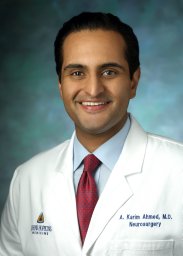 A Karim Ahmed合作论文数Department of Neurosurgery, Johns Hopkins Hospital91
 Christopher P. Ames合作论文数School of Medicine, University of California, San Francisco;Helen Diller Family Comprehensive Cancer Center, University of California, San Francisco;Weill Institute for Neurosciences, University of California, San Francisco;UCSF Medical Center86
 Rafael De la Garza Ramos合作论文数Tecnológico de Monterrey School of Medicine and Health Sciences;School of Medicine and Health Sciences, Tecnológico de Monterrey84
 Elsamadicy Aladine A合作论文数Department of Surgery, Duke University Medical Center83
 Lubelski Daniel合作论文数82Shay Bess合作论文数81
 Christopher Ignatius Shaffrey合作论文数Department of Neurosurgery, School of Medicine, Duke University81
 Eric O. Klineberg合作论文数University of California Davis Medical Center, University of California80
 Jeff Ehresman合作论文数Sch Med, Johns Hopkins Univ67
 Bettegowda Chetan合作论文数The Johns Hopkins University64
 Laurence D. Rhines合作论文数Division of Surgery, The University of Texas MD Anderson Cancer Center;Department of Neurosurgery, The University of Texas MD Anderson Cancer Center63
 John H. Shin合作论文数University of Chicago, University of Chicago Hospitals63
 Brian J Neuman合作论文数Dept Orthopaed Surg, Johns Hopkins Univ62
 Charles Fisher合作论文数Department of Orthopaedics, Faculty of Medicine, The University of British Columbia59
 Khaled M Kebaish合作论文数Department of Otolaryngology-Head and Neck Surgery, School of Medicine, Johns Hopkins University58Lafage Renaud合作论文数Department of Orthopaedic Surgery, New York University Hospital for Joint Diseases58
 Nicholas Theodore合作论文数St. Joseph’s Hospital and Medical Center, Barrow Neurological Institute52
 Michael Fehlings合作论文数Department of Surgery, Temerty Faculty of Medicine, University of Toronto;University Health Network;McEwen Centre for Regenerative Medicine;Toronto Western Hospital51
 Michelle J Clarke合作论文数Department of Psychology, Princeton University51
 Ilya Laufer合作论文数Department of Neurosurgery, Grossman School of Medicine, New York University50
 Gregory Mundis合作论文数Scripps Health48Douglas C. Burton合作论文数48Schwab Frank合作论文数47Themistocles S Protopsaltis合作论文数46
 Ethan Cottrill合作论文数Ohio University, Ohio University45D. Kojo Hamilton合作论文数45Stefano Boriani合作论文数45
 Robert Hart合作论文数Swedish Medical Center44
 Nancy Abu-Bonsrah合作论文数Research Department, Association of Future African Neurosurgeons43
 Bassel G. Diebo合作论文数New York University Langone Medical Center43
 Andrew Hersh合作论文数Department of Neurosurgery, John Hopkins School of Medicine41
 Benjamin D Elder合作论文数41
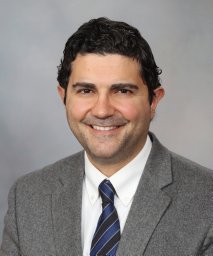 Mohamad Bydon合作论文数Johns Hopkins University40
 Matthew J. McGirt合作论文数Carolina Neurosurgery & Spine Associates;Atrium University Hospital39Scheer Justin K合作论文数University of California38Arjun Sahgal合作论文数38Amit Jain (Jain A)合作论文数37George I. Jallo合作论文数37
 Han Jo Kim合作论文数Hospital for Special Surgery;Orthopaedic Surgery Department, Weill Cornell Medical College36




