City & SocietyEarly View COMMENTARY Writing urban security Setha Low, Corresponding Author Setha Low [email protected] orcid.org/0000-0003-1590-6342 The Graduate Center, City University of New York, New York, New York, USA Correspondence Setha Low, The Graduate Center, City University of New York, 365 Fifth Avenue, New York, NY 10016, USA. Email: [email protected]Search for more papers by this authorMark Maguire, Mark Maguire The Graduate Center, City University of New York, New York, New York, USASearch for more papers by this author Setha Low, Corresponding Author Setha Low [email protected] orcid.org/0000-0003-1590-6342 The Graduate Center, City University of New York, New York, New York, USA Correspondence Setha Low, The Graduate Center, City University of New York, 365 Fifth Avenue, New York, NY 10016, USA. Email: [email protected]Search for more papers by this authorMark Maguire, Mark Maguire The Graduate Center, City University of New York, New York, New York, USASearch for more papers by this author First published: 12 March 2024 https://doi.org/10.1111/ciso.12480Read the full textAboutPDF ToolsRequest permissionExport citationAdd to favoritesTrack citation ShareShare Give accessShare full text accessShare full-text accessPlease review our Terms and Conditions of Use and check box below to share full-text version of article.I have read and accept the Wiley Online Library Terms and Conditions of UseShareable LinkUse the link below to share a full-text version of this article with your friends and colleagues. Learn more.Copy URL Share a linkShare onEmailFacebookTwitterLinkedInRedditWechat No abstract is available for this article. REFERENCES Richard Albro, George E. Marcus, Laura McNamara, and Monica Schoch-Spana, eds. 2012. Anthropologists in the Securityscape: Ethics, Practice, and Professional Identity. Walnut Creek, CA: Left Coast Press. Google Scholar Bigo, Didier. 2008. " Security: A Field Left Fallow." In Foucault on Politics, Security and War, edited by Michael Dillon and Andrew W. Neal, 93–114. Basingstoke, UK: Palgrave Macmillan. 10.1057/9780230229846_5 Web of Science®Google Scholar De Certeau, Michel. 1984. The Practice of Everyday Life, Vol I, trans. Stephen Rendall. Berkeley, Los Angeles, and London: University of California Press. Google Scholar De Certeau, Michel (with Luce Giard and Pierre Mayol). 1998. " The Practice of Everyday Life." In Living and Cooking, trans. Timothy A. Tomasik., Vol II. Minneapolis and London: University of Minnesota Press. Google Scholar Foucault, Michel. 1978. Discipline and Punish: The Birth of the Prison, trans. Alan Sheridan. New York: Pantheon. Google Scholar Foucault, Michel. 2007. Security, Territory, Population: Lectures at the College de France, 1977–1978, trans. Graham Burchell. Basingstoke, UK: Palgrave Macmillan. 10.1057/9780230245075 Web of Science®Google Scholar Grasseni, Cristina. 2004. "Skilled Vision: An Apprenticeship in Breeding Aesthetics." Social Anthropology 12(1): 41–55. 10.1111/j.1469-8676.2004.tb00089.x Google Scholar Gusterson, Hugh. 2004. The People of the Bomb: Portraits of America's Nuclear Complex. Minneapolis: University of Minnesota Press. Google Scholar Setha Low, and Mark Maguire, eds. 2019. Spaces of Security: Ethnographies of Securityscapes, Surveillance, and Control. New York: NYU Press. 10.18574/nyu/9781479863013.001.0001 Google Scholar Maguire, Mark. 2014. " Counterterrorism in European Airports." In The Anthropology of Security: Perspectives from the Frontline of Policing, Counterterrorism, and Border Control, edited by Mark Maguire, Nils Zuraswki, and Catarina Frois, 118–139. London: Pluto Press. Google Scholar Maguire, Mark, and Setha Low. 2024. Trapped: Life under Security Capitalism and How to Escape it. Stanford, CA: Stanford University Press. Google Scholar Early ViewOnline Version of Record before inclusion in an issue ReferencesRelatedInformation
Abstract Chapter 6. Improvising Public Space and the Informal Economy: Sidewalks, Streets, and Public Markets in Buenos Aires, New York City, and Baguio City examines the central role that public space plays in the lives of informal workers. Ethnographic case studies from Latin America, Asia, Europe, and the North America depict how sidewalks, streets, and markets offer workplaces for vendors, trash pickers, nannies, and many others. When viewed from an informal economy perspective, public space offers flexible workplaces, innovative forms of work, integration of immigrants into the local economy, and social capital that can lead to better jobs and supportive relationships. Public spaces play an important role in supporting and promoting the informal economy especially in rapidly growing cities straining to provide economic opportunities and adequate employment.
Abstract Chapter 8. Place Attachment and Cultural Identity: Monuments, Parks, and Neighborhood Public Space in San José, Costa Rica, and the Statue of Liberty and Battery Park City in New York City identifies place attachment and cultural identity as significant aspects of public space use. Culture-related activities such as music, dance, festivals, and celebrations reinforce cultural values, beliefs, and meanings. The removal of monuments and symbolic icons of an oppressive and violent past—and the struggle over these decisions—is essential to recognizing and respecting all people’s cultural histories and collective memories. Symbolic and material aspects of public space also play a crucial role in a community’s response to a crisis or disaster. The examination of the symbolism of the Statue of Liberty and the post-9/11 use of public space at Battery Park City deepen our understanding of how cultural expressions, identities, and continuity are essential aspects of public space.
Abstract Chapter 2. What Is Public Space? answers the question from a personal, cultural, and urban design point of view. It begins by defining public space by what it does or accommodates and explores the many ways that spaces are made “public” by people, meanings, and practices. The muddled distinction of public/private, however, requires a critical rethinking of the term. An alternative perspective purposes a multidimensional definition based on public space characteristics—physical aspects, ownership, governance or management authority and funding, control and influence, symbolic/historical meanings, and political activity. Public spaces can be scored along various scales (high to low, large to small, open to closed) and then defined by their specific characteristics. A brief review of the prehistory of public space that traces its origins back 12,000 years concludes the chapter by highlighting its significance in early human settlements as well as in the present.
Abstract Chapter 4. Rebuilding a Bridge and a Community: Health an Resilience at Walkway Over Hudson, Poughkeepsie, New York tells the story of the rebuilding of a derelict railroad bridge between Poughkeepsie and Highland (in New York State’s Hudson Valley) to create a linear park. The ethnography of Walkway Over the Hudson Historical Park reveals the potential of a resident-initiated intervention to transform the health, well-being, and the resilience of a small city. The over one-mile-long expanse crossing the Hudson River encourages physical exercise and mental health by offering an accessible, safe, and scenic place. The study establishes that this positive relationship is not attributed solely to the presence or absence of green or blue space. Equally important are the social aspects of having a place to walk, socialize, and be with other people.
Abstract Chapter 10. How to Study Public Space? The Toolkit for the Ethnographic Study of Space (TESS) in Tompkins Square Park, Manhattan, New York City and Other Strategies presents a qualitative methodology for undertaking grassroots research and utilizing local knowledge. The Toolkit for the Ethnographic Study of Space (TESS) was designed for students and community members who want to understand everyday social and spatial life. Ethnography—a cultural description of a place—is a way to uncover the rules, beliefs, feelings, and practices that make up public culture. TESS uncovers the dynamics of social contact, public culture, and affective atmosphere that influence use, access, and inclusion. Tompkins Square Park offers an example of how to use TESS to uncover conflicts among residents, regular users, and visitors using behavioral and movement maps, participant observation, interviews, and historical documents. Other methods—questionnaires and surveys, behavioral checklists, digital participatory mapping, Minecraft, and design-based evaluation models—are also reviewed.
Abstract Chapter 1. Why Does Public Space Matter? is an introduction to the concepts of flourishing, social contact, public culture, and affective atmosphere. Six domains—social justice, health, play and recreation, informal economy, cultural identity, and ecological sustainability—structure the presentation of ethnographic evidence. The social dislocation and emotional loss caused by closing public spaces during COVID-19 and the significance of city streets for Black Lives Matter protests reveal the centrality of public space in everyday life. Public spaces enable people to encounter those they would not normally come across and transform “others” into individuals who are recognized and engaged in social interaction and political activities. Public culture develops as strangers watch and converse acquiring new ways of being. A park atmosphere of mutual affinity for a place creates opportunities for social encounters and promotes an “indifference to difference” that encourages an openness to others. Together these processes create the context for human flourishing.
City & SocietyVolume 34, Issue 1 p. 24-29 Forum CUAA: We Have Always Been Critical Engaged Urbanists Setha Low, Setha Low orcid.org/0000-0003-1590-6342 Distinguished Professor of Environmental Psychology, Earth and Environmental Science, Anthropology and Women’s Studies Director of the Public Space Research GroupSearch for more papers by this author Setha Low, Setha Low orcid.org/0000-0003-1590-6342 Distinguished Professor of Environmental Psychology, Earth and Environmental Science, Anthropology and Women’s Studies Director of the Public Space Research GroupSearch for more papers by this author First published: 28 February 2022 https://doi.org/10.1111/ciso.12421Read the full textAboutPDF ToolsRequest permissionExport citationAdd to favoritesTrack citation ShareShare Give accessShare full text accessShare full-text accessPlease review our Terms and Conditions of Use and check box below to share full-text version of article.I have read and accept the Wiley Online Library Terms and Conditions of UseShareable LinkUse the link below to share a full-text version of this article with your friends and colleagues. Learn more.Copy URL Share a linkShare onFacebookTwitterLinked InRedditWechat Volume34, Issue1April 2022Pages 24-29 This article also appears in:What is ‘Critical' About Critical Urban Anthropology? RelatedInformation
The broad decay of twentieth-century American liberalism provides the crucial context for the restructuring of what counts as public space today, and this, in turn, was sparked by a range of social shifts and transformations: reactions against the liberatory maelstrom of 1960s politics; the implosion of official communism after 1989; and the consequent neoliberal onslaught after the 1980s. The clampdown on public space, however, is not simply due to a heightened fear of terrorism after 2001, and it has many local- as well as national-scale inspirations. Many public uses of space are increasingly outlawed and policed in ways unimaginable a few years previously, but these rights were already under concerted attack well before 2001. Public space is traditionally differentiated from private space in terms of the rules of access, the source and nature of control over entry to a space, individual and collective behavior sanctioned in specific spaces, and rules of use.
How can we alleviate the plight of older people during COVID-19? This chapter takes stock and assesses the effectiveness of the efforts against the pandemic in the US, particularly for people over 60. It argues that this age category is often an afterthought for policy makers. The consequences of oversight, the fear of death, increased stigma and discrimination and the consequences of physical distancing and social isolation are adding to the anxiety and loneliness of the elderly. The chapter introduces four principles of the allocation of public space that privilege the old and most vulnerable citizens in parks and on public transit.
Physical and social environments of parks and neighborhoods influence park use, but the extent of their relative influence remains unclear. This cross-sectional study examined the relationship between the physical and social environment of parks and both observed and self-reported park use in low-income neighborhoods in New York City. We conducted community- (n = 54 parks) and individual-level (n = 904 residents) analyses. At the community level, observed park use was measured using a validated park audit tool and regressed on the number of facilities and programmed activities in parks, violent crime, stop-and-frisk incidents, and traffic accidents. At the individual level, self-reported park use was regressed on perceived park quality, crime, traffic-related walkability, park use by others, and social cohesion and trust. Data were collected in 2016–2018 and analyzed in 2019–2020. At the community level, observed park use was negatively associated with stop-and-frisk (β = −0.04; SE = 0.02; p < 0.05) and positively associated with the number of park facilities (β = 1.46; SE = 0.57; p < 0.05) and events (β = 0.16; SE = 0.16; p < 0.01). At the individual level, self-reported park use was positively associated with the social cohesion and trust scale (β = 0.02; SE = 0.01; p < 0.05). These results indicate that physical and social attributes of parks, but not perceptions of parks, were significantly associated with park use. The social environment of neighborhoods at both community and individual levels was significantly related to park use. Policies for increasing park use should focus on improving the social environment of parks and surrounding communities, not only parks' physical attributes. These findings can inform urban planning and public health interventions aimed at improving the well-being of residents in low-income communities.
DISCLAIMER: The designations employed and the presentation of the material in this journal do not imply the expression of any opinion whatsoever on the part of the Secretariat of the United Nations concerning the legal status of any country, territory, city or area or of its authorities, or concerning the delimitation of its frontiers or boundaries, or regarding its economic system or degree of development. The analysis, conclusions and recommendations of this publication do not necessarily reflect the views of the United Nations Human Settlements Programme. Reference in this journal of any specific commercial products, brand names, processes, or services, or the use of any trade, firm, or corporation name does not constitute endorsement, recommendation, or favouring by UN-Habitat or its officers, nor does such reference constitute an endorsement of UN-Habitat.
Public space offers the places, circuits and networks used for contact with the diverse people and different activities that make up our social and psychological world. There is 35 years of ethnographic research evidence that public space is a major contributor to a flourishing society by promoting social justice and democratic practices, informal work and social capital, play and recreation, cultural continuity and social cohesion, as well as health and well-being. During this COVID-19 pandemic, however, we are experiencing a shrinking sense of this world and the resulting isolation tears at the fabric of our lives and exposes how dependent we are on one another for well-being and happiness. At the same time the pandemic highlights the socioeconomic basis of disease vulnerability and exposure risk. Expanding the use of streets, parks and open spaces can help to reinstitute the kinds of connections and relationships that underpin a flourishing society but only if a social justice agenda is kept in mind.
The impact of the U.S. security concerns is not only seen in political and spatial restrictions on public space or inscribed in militarized borders, but also in the increasing penetration of the private realm of home. This domestication of security concerns through the architecture, urban design and management of private residential communities addresses homeowners’ sense of social and financial insecurity through socioeconomic segregation, controlled physical environments and racist discourses. These securitization practices, the securityscapes that are a result of architectural and social infrastructures and how they work can be uncovered through an ethnographic analysis of housing regimes and the affective, discursive and bodily practices that make up and regulate home life.
Across a diverse range of urban geographical contexts, the provision and governance of public spaces frequently generates conflicts of varying intensity involving urban inhabitants and urban authorities. A clear moral and philosophically based argument and evaluative framework is necessary for both critiquing and informing the positions that are taken in public space disputes. In this paper, we develop a model of socially just public space that could inform analysis of, and interventions in, these conflicts. In dialogue with the literatures on urban public space and on social and spatial justice, we offer five propositions about what makes for more just public space. The five propositions concern distributive justice, recognition, interactional justice and encounter, care and repair, and procedural justice. The application of these five propositions is exemplified through brief reflections on the politics of the street in New York City, and ‘broken windows’ style policing of graffiti.
 dana taplin合作论文数3
 Mark Maguire合作论文数Department of Medicine and the Cardiovascular Research Institute, University of California San Francisco3Francis E. Johnston合作论文数3Denise Lawrence-Zuniga合作论文数3suzanne scheld合作论文数2Dan Segal合作论文数2dip t r p richard d walter b comm合作论文数2
 gregory t donovan合作论文数2Theodore Bestor合作论文数2Jennifer Jackson合作论文数2Ellen Lewin合作论文数Department of Anthropology, University of Iowa2
 Kurt Iveson合作论文数School of Geosciences, Faculty of Science, The University of Sydney2
 Anastasia Loukaitou-Sideris合作论文数Luskin School of Public Affairs, University of California, Los Angeles;Department of Urban Planning, University of California, Los Angeles2
 Jen Jack Gieseking合作论文数Department of Pediatrics, University of Hamburg2
 Dona Lee Davis合作论文数2
 Ed Liebow合作论文数Department of Anthropology, College of Arts & Sciences, University of Washington2Janet M. Schreiber合作论文数2
 Michael Mehaffy合作论文数2Katherine Spielmann合作论文数1Leeke Reinders合作论文数1Mary Gray合作论文数1Miodrag Mitrašinović合作论文数1Emily Ferris合作论文数1davisi boontharm合作论文数1Vikas Mehta合作论文数1
 Merham Keleg合作论文数Ain Shams University1
 Mona Helmy合作论文数1Gregor Mews合作论文数Faculty of Creative Industries, Queensland University of Technology1
 Maggie McCormick合作论文数1
 Javier Otero Peña合作论文数Graduate School of Public Health & Health Policy, City University of New York (CUNY),1Josefine Fokdal合作论文数1
 Zoltán Glück合作论文数Amer Univ1Charles Briggs合作论文数1Astrid Ley合作论文数1
 Hendrik Tieben合作论文数1
 Alessandro Melis合作论文数Univ Portsmouth1
 Hanish Kodali合作论文数Graduate School of Public Health & Health Policy, City University of New York (CUNY),1
 Luisa Bravo合作论文数City Space Architecture1Michael Lambek合作论文数Department of Anthropology, Faculty of Arts and Science, University of Toronto1
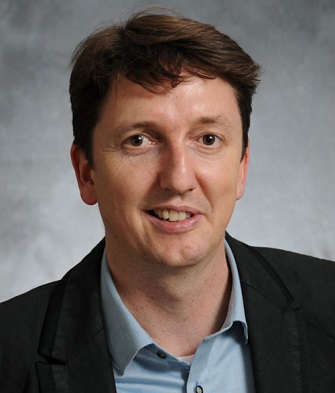 Joshua Barker合作论文数Department of Anthropology, Faculty of Arts and Science, University of Toronto1Lee D. Baker合作论文数Department of African & African American Studies, Trinity College of Arts & Sciences, Duke University1
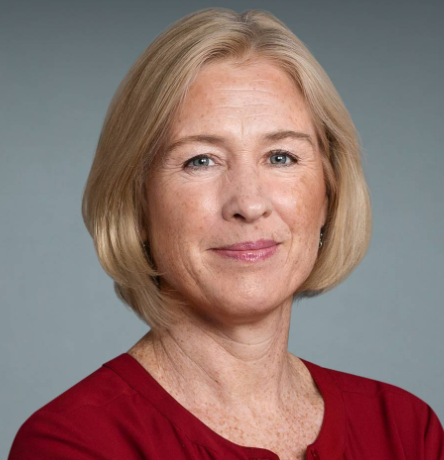 Lorna E. Thorpe合作论文数Division of Epidemiology, Department of Population Health, Grossman School of Medicine, New York University1
 George J. Armelagos合作论文数Department of Anthropology, Emory University1
 Youqin Huang (黄友琴)合作论文数Department of Geography and Planning, University at Albany 1Katarzyna Wyka合作论文数1
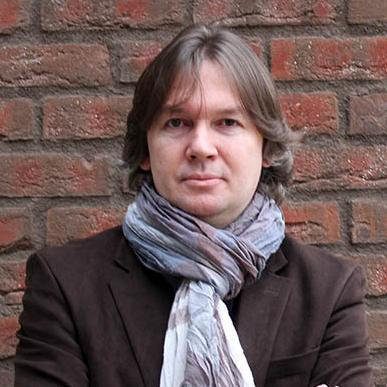 Tigran Haas合作论文数Division of Urban and Regional Studies, Department of Urban Planning and Environment, School of Architecture and the Built Environment, KTH Royal Institute of Technology1
 Kelly R. Evenson合作论文数Department of Epidemiology, Gillings School of Global Public Health, The University of North Carolina at Chapel Hill1
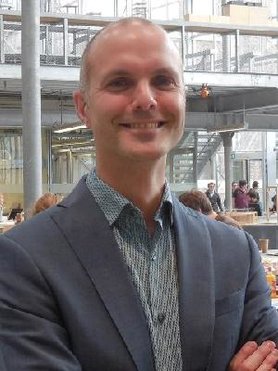 Maurice.G.A.D. Harteveld合作论文数Department of Urbanism, Faculty of Architecture and the Built Environment, Delft University of Technology1Irwin Altman合作论文数1




