The formation of early Mesozoic granitoid plutons in the Qinling Orogen is widely regarded as a result of the collision and accretion between the Yangtze Block and the South Qinling Block during the early Mesozoic, but the specific magmatic process, source composition, tectonic environment and deep dynamic background remain controversial. This study reports the petrology, zircon U–Pb geochronology, and whole-rock geochemistry of diorites from the Liuba and Qingyangyi plutons in the South Qinling, to provide new evidence for understanding the final collision tectonic evolution process of Qinling Orogenic belt. The Liuba and Qingyangyi plutons, located in the central part of the South Qinling region, are primarily composed of quartz diorite and quartz monzodiorite, respectively. The results indicate that the weighted mean crystallization ages of the quartz diorite in the Liuba pluton range from 216.1 ± 0.8 Ma to 217.1 ± 1.3 Ma, with the weighted mean crystallization ages of its MMEs being 215.4 ± 1.0 Ma. The crystallization ages of the quartz monzodiorite in the Qingyangyi pluton range from 214.6 ± 0.9 Ma to 215.4 ± 0.9 Ma, suggesting that both plutons were formed in the late Triassic. The investigated plutons are characterized as right-leaning and have weak negative Eu anomalies on the chondrite-normalized REE patterns diagram. The large ion lithophile elements (LILE) Rb, Ba, Th and K are relatively enriched, while high-field strength elements (HFSE) Nb, Ta, Ti and P are strongly depleted. The formation of numerous MMEs in the Liuba pluton is the product of magmatic mixing. The Liuba and Qingyangyi plutons are the results of crust thickening and partial melting of lower crust caused by the comprehensive late Triassic collision between the Yangtze Block and the North China Block (NCB), and are the manifestation of magmatic intrusion along the South Qinling tectonic belt in the late Triassic period.
We investigate the influence of graphene as an intermediate modification layer on the stability and optoelectronic performance of perovskite solar cells (PSCs). The results indicate that graphene fulfills two critical roles in the sandwich-type MAPbI3/graphene/ZnO (MGZ) heterostructure. As a buffer layer, it reorients MA ions and disrupts N-H center dot center dot center dot O-Zn hydrogen bonds, inhibiting deprotonation and stabilizing organic cations. Consequently, graphene extends the surface half-lifetime of MAPbI3 by 55% compared to the intrinsic perovskite surface and 92% compared to the unmodified MAPbI3/ZnO interface. Functioning as an electron mediator layer, graphene accepts additional electrons from the MAPbI3 layer. It reduces the effective electron mass by 23.4%, enhances photoconductivity by 26%, and establishes efficient electron transport pathways. These findings provide a convincing theoretical basis for the application of graphene as a modification layer in hybrid organic-inorganic PSCs.
Background: The triglyceride-glucose (TyG) index is a surrogate indicator of insulin resistance. Therefore, we aimed to determine the association between TyG index and heart failure (HF) with preserved ejection fraction (HFpEF) in patients with coronary heart disease (CHD) and to explore whether such associations would be modified by different metabolic states. Methods: Among 107,301 CHD patients, 62,794 were included to analyze the relationship between the TyG index and HF. Among them, 8,606 patients who had undergone echocardiography were included to identify different types of HF, including HF with reduced ejection fraction (HFrEF), HF with intermediate-range ejection fraction (HFmrEF), and HFpEF. Among them, 1896 patients were diagnosed with HFpEF. Logistic regression was used to analyze the relationship between the TyG index and HFpEF in CHD patients. In addition, the association between TyG index and HFpEF according to sex, age, blood lipids, and blood pressure was assessed. Results: A baseline analysis of CHD patients divided into four groups according to the tertile level of the TyG index showed significant differences in the related parameters between the groups. In the multi-adjusted models, the TyG index was significantly associated with the risk of HFpEF (odds ratio [OR]: 1.17; 95% confidence interval [CI]: 1.09-1.25). After adjustment for multivariates, TyG index levels for T2 (OR: 1.33; 95% CI: 1.16-1.52) and T3 (OR: 1.52; 95% CI: 1.32-1.74) were associated with increased OR in HFpEF. In addition, the TyG index of CHD patients was significantly associated with HFpEF in older adults aged > 60 years (OR: 1.20; 95% CI: 1.11-1.29), hypertension (OR: 1.27; 95% CI: 1.17-1.37), and dyslipidemia (OR: 1.15; 95% CI: 1.08-1.24). Moreover, the OR (OR: 1.23; 95% CI: 1.11-1.36) in women is higher than in men (OR: 1.17; 95% CI: 1.02-1.22, indicating a stronger association between TyG index and HFpEF in women. Conclusions: Our findings demonstrated a significant association between TyG index and HFpEF in CHD patients. Furthermore, TyG index was independently associated with HFpEF in hypertension, dyslipidemia, and older patients (aged > 60 years). In addition, the association between the TyG index and HFpEF in CHD patients differed according to sex.
BACKGROUND:Mycobacterium tuberculosis belongs to the group of mycobacteria, most of which can cause a delayed hypersensitivity reaction in the body and is a bacterium that causes tuberculosis. Mycobacterium tuberculosis infection often presents with symptoms of tuberculosis toxicity and rarely with respiratory distress. At the same time, chest imaging often shows an ill-defined solid shadow in the apical and posterior segments of the upper lobe and, less frequently, in the dorsal segment of the lower lobe, and less frequently a diffuse nodular shadow. We report a case of AECOPD combined with pulmonary embolism infected with Mycobacterium tuberculosis.METHODS:Bronchoscopy, Next-generation sequencing (NGS).RESULTS:Antacid staining of bronchoalveolar lavage fluid suggested that a small amount of Mycobacterium antacid was visible. NGS was sent for examination and it suggested the presence of Mycobacterium tuberculosis with a sequence number of 5 (reference range ≥ 0). Treatment such as bronchodilation and antituberculosis was given.CONCLUSIONS:In patients with dyspnea, it is crucial to find the causative agent and to promptly improve relevant examinations such as pulmonary arteriography and bronchoscopy, and if necessary, to make a definitive diagnosis by NGS.
Various objective functions in the operation process of unmanned ground combat vehicles (UGVs) have an important impact on the equilibrium of the system. Unbalanced scheduling of unmanned ground combat vehicles and poor target strikes exist in complex urban battlefields. A new multi-weapon target assignment architecture and a multi-objective artificial bee colony (MOABC) algorithm with an elite strategy are proposed to solve these problems. Considering the influence of mutation operator on multi-objective assignment, by introducing the action mechanism of the self-adaptive variation operator and combining the state representation of the nectar source with the overall allocation scheme, the deep Q-learning network with improved multi-objective artificial bee colony (MOADQN) algorithm is proposed. Through comparative analysis with multi-objective artificial bee colony algorithm, non-dominated sorting genetic algorithm-II (NSGA-II), multi-objective particle swarm optimization (MOPSO), the multi-objective evolutionary algorithm based on decomposition with electronic countermeasure (ECM-MOEA/D) and the deep Q-learning network with multi-objective artificial bee colony (MOAIQL) algorithm, the proposed MOADQN algorithm can solve the problems such as poor allocation effectiveness and low gain of traditional algorithms. The proposed MOADQN algorithm has significant advantages in solving multi-objective optimization problems and strong expansion performance in the complex urban environment.
How to achieve good dual-functional selectivity of metal oxide-based sensors to harmful gases remains challenge due to few relevant reports. To this purpose, we selected waste willow catkins as structure-oriented template and carbon source to controllably prepare biomorphic GC/SnO2 sensing material by air calcination of 500 oC. Its tubular morphology is cross-linked by 3.51 wt% biomass-derived graphitic carbon (GC) and small-size nanoparticles. It has great specific surface area, uniform mesopore distribution and rich oxygen vacancies. The synergistic effect of above positive factors promotes the rapid gas transport to sensing layer, and also increases the reactive sites and its resistance modulation ability, thus achieving good dual-functional selectivity. At 92 oC, GC/SnO2 sensor displays large response value of 802 to 10 ppm NO, and exhibits a good response towards 100 ppm acetone at 217 oC (S = 22). Both of the indexes are better than those of most corresponding gas sensors reported presently. Meanwhile, the sensor has short response time, satisfactory long-term stability and humidity tolerance. Moreover, portable temperature-dependent dual-functional gas-sensing mechanism is also discussed.
Introduction Exposure to fine particulate matter (PM), especially PM 2.5 , can induce various adverse health effects in populations, including diseases and premature death, but the mechanism of its toxicity is largely unknown. Methods Water-soluble components of PM 2.5 (WS-PM 2.5 ) were collected in the north of China in winter, and combined in two groups with the final concentrations of 94 μg/mL (C L group, AQI ≤ 100) and 119 μg/mL (C H group, 100 < AQI ≤ 200), respectively. The acute and long-term toxic effects of WS-PM 2.5 samples were evaluated in several aspects such as development, lifespan, healthspan (locomotion behavior, heat stress tolerance, lipofucin). DAF mutants and genes were applied to verify the action of IIS pathway in WS-PM 2.5 induced-effects. RNA-Sequencing was performed to elucidate the molecular mechanisms, as well as ROS production and Oil red O staining were also served as means of mechanism exploration. Results Body length and lifespan were shortened by exposure to WS-PM 2.5 . Healthspan of nematodes revealed adverse effects evaluated by head thrash, body bend, pharyngeal pump, as well as intestinal lipofuscin accumulation and survival time under heat stress. The abbreviated lifespan of daf-2(e1370) strain and reduced expression level of daf-16 and hsp-16.2 indicated that IIS pathway might be involved in the mechanism. Thirty-five abnormally expressed genes screened out by RNA-Sequencing techniques, were functionally enriched in lipid/lipid metabolism and transport, and may contribute substantially to the regulation of PM 2.5 induced adverse effects in nematodes. Conclusion WS-PM 2.5 exposure induce varying degrees of toxic effects, such as body development, shorten lifespan and healthspan. The IIS pathway and lipid metabolism/transport were disturbed by WS-PM 2.5 during WS-PM 2.5 exposure, suggesting their regulatory role in lifespan determination.
Upgrading waste re-utilization has been regarded as an important concept to promote the sustainable development of social economy. Herein, waste catkins were used as carbon source and template to prepare graphitic carbon/Co3O4 composites through cobalt salt immersion, in-situ carbonization and calcination. The obtained Co3O4/C composites inherit the microtubular structure of catkins with ultra-thin tube wall and large tube cavity. Particularly, the sample (Co3O4/C-280) calcined at 280 °C in air shows a morphology of the hollow Co3O4 spheres (av. 50 nm) evenly embedded on the biocarbon tube. As an anode for lithium-ion battery, such unique structure is more conductive to alleviate volume expansion. As expected, Co3O4/C-280 electrode has excellent rate capability at 5 A g−1 and stable long-cycle performance (647.3 mA h g−1, 1800 cycles, 1 A g−1). The presence of pseudo-capacitance behavior plays an important role in improving the capacity of material. The good electrochemical properties of Co3O4/C-280 can be ascribed to the synergistic effect of hollow tubular structure and graphitic carbon. Therefore, the strategy of making waste profitable is in line with the theme of green and sustainable development, and provides a reference for improving lithium storage performance of Co3O4-based anode materials.
BACKGROUND:The CURB-65 scoring system is a simple tool for assessment and prognosis prediction for community-acquired pneumonia (CAP) patients. However, the variations in the performance of CURB-65 in young and elderly patients, underestimation, or overestimation of the severity have often been reported. It is worth noting that the application of biomarkers is helpful for improving the accuracy of the scoring system. In recent years, more and more reports and studies paid attention to procalcitonin (PCT) in respiratory infectious diseases, and its clinical value has attracted increasing attention. The study aimed at investigating the effectiveness of the CURB-65 score combined with PCT in predicting admission of CAP patients to intensive care units (ICU).METHODS:We conducted a retrospective study. We analyzed data from 520 non-immune individuals over the age of 18 in this study. All patients received blood indicators measurement and CURB-65 score calculation on admission. The primary outcome used to assess the probability of a CAP patient was who would get a bed in general ward or ICU. Receiver operating characteristic curves (ROC) were used to evaluate the sensitivity and specificity of the CURB-65 model and PCT combined CURB-65 augmented model in predicting the main outcomes.RESULTS:After analyzing the data from 520 patients, we found that the probability of entering the ICU was 22.1% (115/520). The AUC of Combination 1 (PCT&CURB-65 scores), Combination 2 (WBC&CURB-65 scores), Combination 3 (hs-CRP&CURB-65 scores) and Combination 4 (D-dimer&CURB-65 scores) for predicting CAP patients entering the ICU was 0.92 (95% CI 0.88 - 0.95), 0.91 (95% CI 0.87 - 0.94), 0.89 (95% CI 0.85 - 0.92), and 0.90 (95% CI 0.87 - 0.94), respectively, with statistically significant differences (p = 0.00); the sensitivities were 0.83, 0.82, 0.77 and 0.77, respectively, and the specificities were 0.92, 0.84, 0.90 and 0.91, respectively. PCT was superior to other indexes to improve the sensitivity and specificity of the CURB-65 score.CONCLUSIONS:Procalcitonin improves the accuracy and sensitivity of the CURB-65 score in predicting the probability of CAP patients entering the ICU, and PCT was superior to other indexes to improve the sensitivity and specificity of the CURB-65 score.
This study investigated the relationship between gamma-glutamyltransferase/alanine aminotransferase (GGT/ALT) ratio and carotid plaques in patients with coronary artery disease (CAD). This multicenter retrospective study included 8,255 patients with CAD who were divided according to GGT/ALT quartiles: Q1 (GGT/ALT ≤ 1.00), Q2 (1.00 < GGT/ALT ≤ 1.41), Q3 (1.41 < GGT/ALT ≤ 2.05), and Q4 (GGT/ALT > 2.05). Logistic regression was used to analyze the relationship between GGT/ALT, carotid plaques, and carotid plaque echogenicity. GGT/ALT ratio (odds ratio [OR]: 1.16; 95% confidence interval [CI]: 1.11-1.21; P < .001) was significantly associated with carotid plaque risk. The degree of relevance was higher in men (OR: 1.71; 95% CI: 1.35-2.15; P < .001) than in women (OR: 1.56; 95% CI: 1.28-1.91; P < .001). The ORs value of carotid plaque risk was higher in middle-aged patients (OR: 2.23; 95% CI: 1.78-2.80; P < .001) than in older patients (OR: 1.77; 95% CI: 1.44-2.18; P < .001). The GGT/ALT ratio was significantly associated with different carotid plaque echogenicity, and the highest OR values were for isoechoic plaques (OR: 1.18; 95% CI: 1.12-1.24; P < .001). These findings suggest that the GGT/ALT ratio might be associated with a high risk of developing carotid plaques and different types of plaque echoes and was more significantly associated with isoechoic plaques.
Herein, nanoparticle-supported WO3 sheets were simply prepared by direct pyrolysis of spoiled WCl6 powder. The influence of calcination temperature on their composition and morphology transformation was explored through the characterizations of powder X-ray diffractometer, X-ray photoelectron spectrometer, scanning and transmission electron microscope. Amongst, the W-600 sheet-like structure obtained by calcination at 873 K is cross-linked by homogeneous nanoparticles, and has meso/macro-pore distribution, single-crystal nature and relatively small band gap. These favorable factors promote rapid gas diffusion, increase the electron migration rate, as well as expose more active sites for surface chemical reaction. Especially, under the synergism of surface unsaturated W6+ Lewis acid, the fabricated W-600 sensor achieves dual-sensing to dimethylamine (DMA) and NO2 for the first time. It exhibits a good response (S = 35.3) to 100 ppm DMA at 298 K, and also presents a high response (S = 125) to 1 ppm NO2 at 323 K. The actual detection limit can be as low as 1 ppm (DMA) and 10 ppb (NO2). Meanwhile, this sensor still has reversible response-recovery characteristics, satisfactory stability and moisture resistance. Furthermore, the dual-functional sensing mechanism was also explored in detail.
Xin-Ji-Er-Kang (XJEK) inhibited cardiovascular remodeling in hypertensive mice in our previous studies. We hypothesized that XJEK may prevent isoproterenol (ISO)-induced myocardial hypertrophy (MH) in mice by ameliorating oxidative stress (OS) through a mechanism that may be related to the nuclear factor erythroid 2-related factor 2 (Nrf2)/heme oxygenase-1(HO-1) pathways. Forty SPF male Kunming mice were randomized into 5 groups (n = 8 mice per group): control group, MH group, MH + different doses of XJEK (7.5 g/kg/day and 10 g/kg/day), and MH + metoprolol (60 mg/kg/day). On the eighth day after drug treatment, electrocardiogram (ECG) and echocardiography were performed, the mice were sacrificed, and blood and heart tissues were collected for further analysis. XJEK administration markedly ameliorated cardiovascular remodeling (CR), as manifested by a decreased HW/BW ratio and CSA and less collagen deposition after MH. XJEK administration also improved MH, as evidenced by decreased atrial natriuretic peptide (ANP), brain natriuretic peptide (BNP), and β-myosin heavy chain (β-MHC) levels. XJEK also suppressed the decreased superoxide dismutase (SOD) and catalase (CAT) activities and increased malondialdehyde (MDA) levels in serum of mice with MH. XJEK-induced oxidative stress may be related to potentiating Nrf2 nuclear translocation and HO-1 expression compared with the MH groups. XJEK ameliorates MH by activating the Nrf2/HO-1 signaling pathway, suggesting that XJEK is a potential treatment for MH.
In order to meet the needs of multi-spectral radiation temperature measurement under high temperature background, this paper studies the problems of reflected radiation interference and spectral emissivity difficult to obtain in high temperature and intense reflection environment. First, using discrete triangular surface elements and radiation angle coefficients, an analysis model of high temperature background reflected radiation is constructed to describe the variation characteristics of high temperature background reflected radiation. Secondly, the least squares support vector machine (LSSVM) is optimized by particle swarm optimization (PSO) algorithm, and an emissivity model identification algorithm based on Alpha spectrum-Levenberg Marquarelt (LM) algorithm is proposed, which has stronger applicability and accuracy than existing emissivity model identification methods. Finally, the high temperature background radiation and the emissivity model are combined to construct and solve the multi-spectral target equation, so as to realize the reflected radiation error correction and radiation temperature measurement under the high temperature and intense reflection background. The simulation and experimental comparison with the existing methods show that the temperature measurement error of the radiation temperature measurement method proposed in this paper is below 9.5K, which can effectively correct the reflected radiation error and further improve the temperature measurement accuracy.
BACKGROUNDAs a serious and common out-of-hospital infectious disease, community-acquired pneumonia (CAP) ranks among the leading causes of death in both developing and developed countries. In recent years, the increasing incidence of CAP has led to an increase in the number of hospitalizations. Although CURB-65 (or CRB-65) and pneumonia severity Index (PSI) scoring systems are widely used in CAP prognostic scoring systems, each score had some limitations in predicting whether patients with CAP would require prolonged hospitalization. The aim of this study was to analyze serum inflammatory biomarkers combined with age to establish a novel predictive model for predicting prolonged hospitalization in patients with CAP.METHODSIn a retrospective study, serum inflammatory biomarkers were collected from all enrolled CAP patients, including white blood cell count (WBC), high-sensitivity C-reactive protein (hs-CRP), erythrocyte sedimentation rate (ESR), D-dimer, procalcitonin (PCT), fibrinogen (FIB), and ICU treatment. Length of hospital stay and age were also recorded. The 75th percentile of length of stay in the enrolled population was defined as long hospitalization over time, and the primary predictor of outcome was prolonged hospitalization. Univariate analysis and binary logistic regression analysis were used to explore the independent risk factors which could be components of a new predicting model for prolonged hospitalization in CAP patients. ROC curves were used to evaluate the sensitivity and specificity of the new model, which consisted of the combination of all independent risk factors in predicting the main outcomes.RESULTSThe results showed that among 364 patients with CAP, 85 had extended hospitalization (85/364). Further analysis showed that age, white blood cell, fibrinogen, and high-sensitivity C-reactive protein were independent risk factors for extended hospitalization in patients with CAP. Finally, the AUC of the ROC curve of the new prediction model (the joint model consists of age, WBC, FIB, and hs-CRP) was 0.93 (95% CI 0.90 - 0.96), and the sensitivity and specificity were 87.1% and 87.8%, respectively.CONCLUSIONSSerum inflammatory biomarkers combined age have high specificity and sensitivity in predicting prolonged hospitalization in adult CAP patients.
Ethnopharmacological evidence: The anti-inflammatory effect of Dan-Lou tablets (DLT) have been reported; however, the signaling pathways involved and their role in foam cell formation remains unclear. Aim of the study: The purpose of this study was to determine the molecular target and mechanism of DLT in the treatment of coronary heart disease (CHD), and investigate the role of DLT in inhibiting foam cell formation and the anti-inflammatory effects of RAW 264.7 macrophages. Materials and methods: This study explored and elucidated the main active components, therapeutic targets, and pharmacological mechanisms of DLT treatment for CHD using network pharmacology. Secondly, the accuracy of the interaction of key active compounds with key proteins was verified by molecular docking analysis. Eight chemical compositions were determined from the ethanol extract of DLT (EEDL) by high-performance liquid chromatography. Finally, this study used EEDL intervention with oxidized low-density lipoprotein (ox-LDL) to induce RAW264.7 macrophages to verify the results of network pharmacology. Results: According to network pharmacological analysis, 269 common targets of DLT and CHD were obtained from an online database, and 24 key targets were obtained from further analysis. GO enrichment and KEGG analyses were performed, mainly involving the cAMP, cGMP-PKG, MAPK, and NF-kappa B signaling pathways, and vascular smooth muscle contraction. Molecular docking showed that the active components in DLT docked well with MyD88, NF-kappa B, and p38 MAPK. The eight compounds from the EEDL have been identified as gallic acid, salvianolic acid, puerarin, daidzein, paeoniflorin, salvianolic acid B, cryptotanshinone, and tanshinone IIA with concentrations of 4.62, 4.76, 23.73, 34.24, 14.59, 21.69, 0.34, and 0.47 mu g/mg, respectively. Further in vitro experiments showed that the levels of MyD88 and p-p38 MAPK in RAW 264.7 macrophages induced by ox-LDL increased noticeably. Stimulating the NF-kappa B signaling pathway increased the release of pro-flammatory factors (TNF-alpha and IL-1 beta) and strengthened the inflammatory response (P < 0.05 or P < 0.01), while the levels of MyD88, p38 MAPK, NF-kappa B, TNF-alpha, and IL-1 beta decreased after EEDL treatment (P < 0.05 or P < 0.01). Conclusion: The study demonstrated that the anti-inflammatory activity of the DLT intervention of ox-LDL-induced RAW 264.7 macrophages may involve the MyD88/p38 MAPK/NF-kappa B signaling pathway.
The tolerance of certain multi-drug resistant bacteria to disinfectants may be promoted while the requirements of environmental disinfection have been raised in the high-risk areas of medical institutions during the COVID-19 pandemic. The current research addressed the mechanisms underlying a sharp increase in the detection of methicillin-resistant Staphylococcus aureus (MRSA) observed in a closed-management unit of elderly patients with mental disorders in 2020 as compared with the previous 4 years. We first conducted microbial detection in staff-hand and environment and a molecular epidemiology analysis, rejecting the hypothesis that the MRSA increase was due to an outbreak. Afterward, we turned to disinfectant concentration and frequency of use and analyzed the varied MRSA detection rates with different concentrations and frequencies of disinfection in 2020 and the previous 4 years. The MRSA detection rate increased with elevated concentration and frequency of disinfection, with 1,000 or 500 mg/L two times per day since January in 2020 vs. 500 mg/L 2–3 times per week in 2016–2019. When the disinfectant concentration was reduced from 1,000 to 500 mg/L, the MRSA detection decreased which indicated a modulatory role of disinfectant concentration. With a sustained frequency of disinfection in 2020, the MRSA detection rate was still higher, even after May, than that in the previous years. This suggested that the frequency of disinfection also contributed to the MRSA increase. Overall, the MRSA detection was augmented with the increase in disinfection concentration and frequency during the COVID-19 epidemic, suggesting that highly-concentrated and highly-frequent preventive long-term disinfection is not recommended without risk assessments in psychiatric hospitals.
The crustal low-velocity layers(CLVL) occuring in the middle andlower crust have been found in many regions around the world and correspond mostly to tectonically or seismically active belts with high heat flow.The origin of CLVL has been explained in different ways. In our research, the compressional wave velocity (V_p) of 138 rock samples of the Precambrian basement and intrusions of various ages from the Qinling Orogenic Belt and North China Craton were measured under high temperatures(up to 1500℃) and high pressures(up to 3 GPa)simultaneously according to the relationship of Pand T given by the geotherm of e regions. The exPerimental products have been examlned by microscope and EPMA.54 samples show the characteristic phenomenon of V_p decrease with increasing depth. V_p increases rapidly with depth in the range between 0 and 10km, slowly increase in the range between 10 and 30 km ,and reaches the maximum at 750-920 ℃ and 0.630.90 GPa(corresponding to 21 -30km). Then it gradually decreases to the minimum at 1100-1200℃ and 0.99-1.50 GPa(30-50km). The greatest differences between the maximum and minimum is 1.6 km/s or 21 %. Mineral constitutions and textures of experimental products indicate that the dehydration, phase n and partial melt of water-bearing minerals, such as hornblende and biotite, are responsible for tha V_p decrease ,This would induce the increase in electrical conductivity simultaneously. The results suggest that dehydration melting of hydrous minerals might be an important mechanism for CLVL observed in the continental crust of the study area and probably other parts of the world.
 Yongsheng Liu (刘勇胜)合作论文数School of Geosciences, Yangtze University129
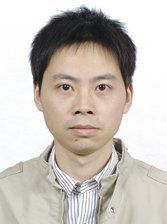 Zhaochu Hu (胡兆初)合作论文数State Key Laboratory of Geological Processes and Mineral Resources, School of Earth Sciences, China University of Geosciences101
 Honglin Yuan (袁洪林)合作论文数State Key Laboratory of Continental Dynamics;Department of Geology, Northwest University69
 Lian Zhou合作论文数42
 Yuanbao Wu (吴元保)合作论文数School of Earth Sciences, China University of Geosciences42
 Shenghong Hu (胡圣虹)合作论文数Faculty of Materials Science and Chemistry, China University of Geosciences41
 Keqing Zong (宗克清)合作论文数China University of Geosciences41
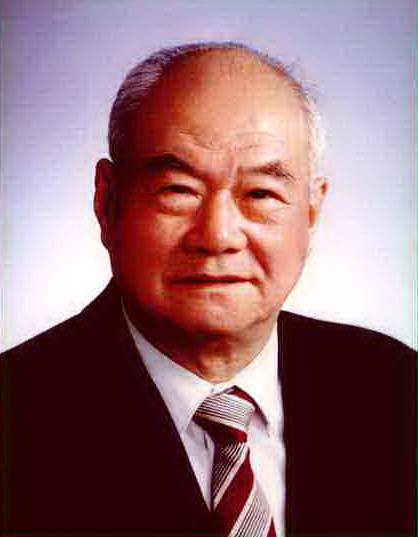 Benren Zhang (张本仁)合作论文数China University of Geosciences35
 Wenliang Xu (许文良)合作论文数College of Earth Sciences, Jilin University32
 Xiaoming Liu合作论文数Department of Earth, Marine and Environmental Sciences, College of Arts and Sciences, The University of North Carolina at Chapel Hill31
 Wenli Ling (凌文黎)合作论文数School of Earth Sciences, China University of Geosciences, Wuhan30
 Roberta L. Rudnick (罗伯塔·鲁德尼克)合作论文数Department of Earth Science, College of Letters and Science, University of California, Santa Barbara26HaiHong Chen (陈海红)合作论文数24
 Caixia Feng (冯彩霞)合作论文数Department of Geology, Northwest University23
 Ruizhong Hu (胡瑞忠)合作论文数Institute of Geochemistry, Chinese Academy of Sciences;University of Chinese Academy of Sciences23
 Shen Liu (刘燊)合作论文数Department of Geology, Northwest University22
 Xiaochi Liu (刘小驰)合作论文数State Key Laboratory of Lithospheric Evolution, Institute of Geology and Geophysics, Chinese Academy of Sciences20
 Hujun Gong (弓虎军)合作论文数Department of Geology, Northwest University20
 Hongfei Zhang (张宏飞)合作论文数School of Earth Sciences, China University of Geosciences, Wuhan;State Key Laboratory of Geological Processes and Mineral Resources, China University of Geosciences, Wuhan20Feng GuangYing合作论文数19
 Zhenmin Jin (金振民)合作论文数School of Earth Sciences, China University of Geosciences19
 Fuyuan Wu (吴福元)合作论文数Institute of Geology and Geophysics, Chinese Academy of Sciences19Ian M. Coulson合作论文数18
 Youqiang Qi合作论文数17Ming Li合作论文数16
 Detlef Günther合作论文数Departement Chemie und Angewandte Biowissenschaften, Eidgenossische Technische Hochschule Zurich14
 Richard J. Walker合作论文数Department of Geology, College of Computer, Mathematical, and Natural Sciences, University of Maryland;Isotope Geochemistry Laboratory, University of Maryland14Saihong Yang合作论文数13
 Lu Yang合作论文数National Research Council Canada13
 Zhengwei Qin合作论文数12
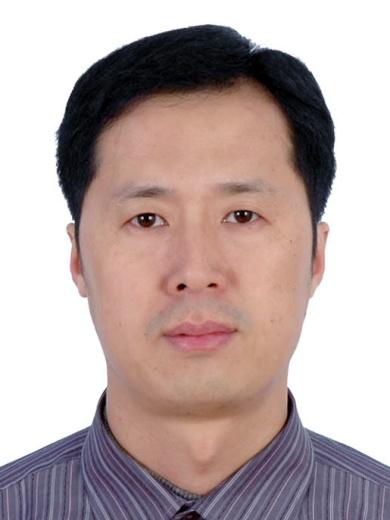 Debin Yang (杨德彬)合作论文数College of Earth Sciences, Jilin University11Hartmut Kern合作论文数11
 Fuping Pei (裴福萍)合作论文数College of Earth Sciences, Jilin University11
 Xuance Wang (王选策)合作论文数Department of Geology, School of Earth Sciences, Yunnan University10
 Changgui Gao合作论文数10QingHai Wang (王清海)合作论文数9
 Shaocong Lai (赖绍聪)合作论文数Department of Geology, Northwest University9
 Wen Zhang (张文)合作论文数State Key Laboratory of Geological Processes and Mineral Resources, China University of Geosciences9Yuhong Yang合作论文数9Luo Tingchuan (骆庭川)合作论文数8Wang Xiaorui (王晓蕊)合作论文数8
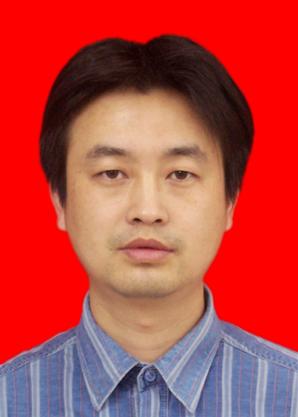 Hao Wang (王浩)合作论文数中国科学院武汉岩土力学研究所8Hailong Yuan合作论文数8
 Richard M. Gaschnig合作论文数University of Maryland, University of Maryland8
 William F. McDonough合作论文数Department of Geology, University of Maryland8ShouLin Lin (林守麟)合作论文数7
 Jianping Zheng (郑建平)合作论文数School of Earth Sciences, China University of Geosciences (Wuhan)7
 Jingliang Guo (郭京梁)合作论文数School of Earth Sciences, China University of Geosciences7




