Underwater object detection is crucial for marine engineering yet challenged by complex optical properties causing blurring, low contrast, and texture loss. Furthermore, deploying deep learning models on resource-constrained platforms necessitates balancing accuracy with latency. We propose a novel lightweight framework based on the Real-Time Detection Transformer (RT-DETR). First, we design the FasterFDBlock backbone, integrating Partial Convolution with Frequency-domain Dynamic Convolution. This utilizes frequency band modulation to adaptively suppress high-frequency noise and enhance edge details, optimizing feature extraction with reduced redundancy. Second, to mitigate small object detail loss, we introduce the AIFI-SEFN encoder, incorporating a Spatially Enhanced Feed-Forward Network to synthesize global semantic context with local spatial data. Third, a Multi-scale Feature Modulation (MFM) module is applied to dynamically weight deep semantic and shallow detailed features, bolstering robustness against scale variations and background interference. Experimental results on the UTDAC2020 dataset show our method achieves a mean Average Precision (mAP) of 72.1%, outperforming the baseline by 1.7%. Crucially, parameters and Floating Point Operations (GFLOPs) are reduced by 27.1% and 24.6%, respectively. With an inference speed of 72.6 FPS, this model offers a highly efficient solution for real-time underwater perception.
Underwater object detection is of great significance to marine ecosystems and underwater biodiversity. However, uneven lighting, color distortion, and noise interference in underwater environments severely impact image quality, significantly reducing detection robustness. With limited computational power and storage space, underwater equipment often cannot meet the demands for efficient processing. As a result, the YOLO algorithm has been widely applied in underwater object detection. This paper proposes a lightweight underwater detector, MAW-YOLOv11, based on multi-scale edge information selection. First, dark channel prior is used to estimate the fog concentration in the image, restoring image clarity and enhancing the recognizability of the target. Next, an innovative Multi-Scale Edge Information Select (MSEIS) module is proposed, and based on MSEIS, the C3kMSEIS module is subsequently introduced. These modules are individually incorporated into the C3K2 module of the backbone network, with the aim of extracting features at multiple scales, emphasizing edge information, and efficiently selecting key features that are highly relevant to the target task, thereby improving the model’s accuracy in recognizing critical targets. Third, the ADown downsampling structure is employed to significantly reduce computational overhead while maintaining the original precision. Finally, by using the boundary box regression loss WIoUv3 based on the dynamic focusing mechanism as the loss function, the model’s attention to low-quality samples is increased, effectively reducing the negative impact of these samples on the model’s performance. Experimental results show that on the URPC dataset, the mAP of MAW-YOLOv11 reaches 81.4%, an improvement of 2.1% over YOLOv11, with a parameter count of 2.11M, a reduction of 0.47M compared to YOLOv11. Comparative experiments with other mainstream object detection algorithms validate the effectiveness and superiority of the proposed method.
Deep neural networks are used to accurately detect, estimate, and predict human body poses in images or videos through deep learning-based human pose estimation. However, traditional multi-person pose estimation methods face challenges due to partial occlusions and overlaps between multiple human bodies and body parts. To address these issues, we propose EE-YOLOv8, a human pose estimation network based on the YOLOv8 framework, which integrates Efficient Multi-scale Receptive Field (EMRF) and Expanded Feature Pyramid Network (EFPN). First, the EMRF module is employed to further enhance the model's feature representation capability. Second, the EFPN optimizes cross-level information exchange and improves multi-scale data integration. Finally, Wise-IoU replaces the traditional Intersection over Union (IoU) to improve detection accuracy through precise overlap measurement between predicted and ground-truth bounding boxes. We evaluate EE-YOLOv8 on the MS COCO 2017 dataset. Compared to YOLOv8-Pose, EE-YOLOv8 achieves an AP of 89.0% at an IoU threshold of 0.5 (an improvement of 3.3%) and an AP of 65.6% over the IoU range of 0.5-0.95 (an improvement of 5.8%). Therefore, EE-YOLOv8 achieves the highest accuracy while maintaining the lowest parameter count and computational complexity among all analyzed algorithms. These results demonstrate that EE-YOLOv8 exhibits superior competitiveness compared to other mainstream methods.
Text data contain a large amount of useful information, and various domain texts obtained after text data classification are the main body of text data research. Domain text data share a common domain background, so the topics in a domain have more overlap and finer differences. The concept in formal concept analysis (FCA) is a bi-aggregation structure of objects and attributes, which is regarded as the unit of human thought. The generation-specialization relationship between concepts, which is a both bidirectional containing and independent relationship, presents a hierarchical structure, which is very suitable for describing the significant or subtle similarity relationship between real categories. Due to the large scale of concept lattices, it is a challenge for FCA theory to deal with domain text data with the characteristics of large scale, no label and long text. This paper proposes a natural clustering method based on FCA, which can effectively discover, in the domain text data, all the topics with the granularity that users are interested in and can flexibly set the interested granularity of the topics. The feature extraction algorithm for domain texts is adopted, which not only effectively reduces the dimension of attributes and highlights the topic characteristics of documents (objects), but also eliminates the influence of noise in data. It makes the structure of the formal concept more concise, the semantics of that more clear, and the topic reflected by that more explicit and interpretable. The comparison with the LDA model on real data shows that our method is an effective, better structured and more interpretable topic detection method.
The safety and reliability of rotating machinery hinge significantly on the proper functioning of rolling bearings. In the last few years, there have been significant advances in the algorithms for intelligent fault diagnosis of bearings. However, the vibration signals collected by machines are inevitably affected by irrelevant noise because of the complex working environments of bearings. So, an end-to-end bearing fault diagnosis method: GMSCNN, a bearing fault diagnosis method based on Gram Matrix (GM) and Multi scale Convolutional Neural Network (MSCNN), is proposed in this paper. In this method, first, GM is used to reduce the noise of the collected vibration signals; Secondly, MSCNN is used for feature extraction, and the characteristics of vibration signals at different frequencies and time scales can be captured by the convolutional kernels of different scales; thirdly, two feature enhancement branches are added, utilizing the undenoised vibration signal as input, to enrich and diversify features while enhancing the model’s expressive and generalization capabilities; Finally, the experimental analysis was conducted on two bearing datasets to indicates that the noise robustness of GMSCNN is strong.
The underwater target detection is the most important part of monitoring for environment, ocean, and other fields. However, the detection accuracy is greatly decreased by the poor image quality resulted from the complex underwater environments. The storage and computing power of underwater equipments are not enough for complex underwater target detection technology. Therefore, many YOLO series algorithms have been applied to underwater target detection. On the basis of YOLOv8, a lightweight underwater detector enhanced by Attention mechanism, GSConv and WIoU, AGW-YOLOv8, is proposed in this paper. Firstly, by the combination of limited contrast adaptive histogram equalization and wavelet transform(LCAHE-WT), the fidelity and detail of images are improved; Secondly, by CBAM, the key channel features can be effectively extracted with retaining spatial information to improve the performance of the network when dealing with complex image tasks; Thirdly, by GSConv, composed of depth-wise separable convolution and regular convolution, the model parameters and computational complexity are reduced; Fourth, the SE attention mechanism is integrated into the C2f module of the neck, and the channel dimension is weighted to make the network more focus on important features, and to further enhance the feature extraction capability; Finally, by the dynamic nonmonotonic mechanism of WIoU, the gradient gain can be reasonably distributed, the harmful gradients of extreme samples can be reduced, and the generalization ability and overall performance of the model are improved. By the experiments on the URPC2020 data-set, it can been proved that the mAP of AGW-YOLOv8 can reaches 82.9%, is 2.5% higher than that of YOLOv8; and the parameters is 2.95M, is lower than 3.01M of YOLOv8.
To date, general object detection methods have made significant progress in recognizing terrestrial scenes; however, identifying underwater organisms in underwater environments presents numerous challenges. The quality of underwater images is often affected by light attenuation and scattering, leading to blurring and loss of detail in the images. To address these challenges and further improve the accuracy of underwater object detection, this paper proposes an underwater object detection model based on an improved YOLOv8n, called ALW-YOLOv8n. Firstly, the ADown module is used to replace certain convolutional modules in the network, effectively reducing feature loss during the down-sampling process while also lowering computational costs. Secondly, in the backbone network, the LSKA module is integrated into the SPPF module, further enhancing the model's feature fusion capability. Finally, to address the limitations of the loss function, the CIoU loss function is replaced with the Wise-WIoU loss function to improve detection accuracy.The experimental results show that ALW-YOLOv8n performs exceptionally well on the URPC dataset, achieving an mAP@0.5 of 82.1%, which is 2.0% higher than the original YOLOv8n model, while reducing the number of parameters by 4.81%. Additionally, on the S-UODAC2020 dataset and the Aquarium dataset, ALW-YOLOv8n achieved 68.8% and 71.7% mAP@0.5, respectively. Finally, extensive experiments were conducted, and the results demonstrate that the model has broad applicability and generalization capabilities across different underwater datasets.
Dynamic topic analysis can examine the data from different perspectives and know the distribution of data with different correlation degrees thoroughly. It is a challenge to perform dynamic topic analysis on domain text data due to the smaller semantic differences among subtopics. This paper proposes a method of dynamically constructing topic hierarchy, which uses formal concept analysis (FCA)-based information retrieval (IR) as the technical basis and sememes as the semantic basis to perform hierarchical processing from fine-grained to coarse-grained on Chinese domain text data according to the topics of user’s query. It can meet the user’s need for different scales of the query results, and realize multi-angle inspection of the whole dataset and high-precision retrieval of the query. Taking sememes as formal attributes reduces the size of the concept lattice and expands the application of FCA technology to large-scale text data. The sememe-based word meaning identification (WMI) algorithm and semantic similarity measurement method for long text enable the topic hierarchy to be fine, and the coarse and fine filtering strategy renders the FCA-based method more efficient. Experimental results based on the open dataset show that the method proposed is an efficient and flexible topic-based hierarchical approach.
For addressing the One-Dimensional Road side unit Deployment (D1RD) problem, a greedy approximate algorithm named Greedy2P3E was proposed two years ago, and its approximation ratio was proved to be at least 2/3 for the D1RD problem with EQual-radius RSUs (D1RD-EQ problem). Can better or even tight approximations for Greedy2P3E be found? In this paper, approximation ratio of Greedy2P3E is re-inspected and tight approximation ratio is found. To this end, a greedy algorithm named Greedy3P4 is first proposed and proved to have a tight approximation ratio of 3/4 for the D1RD-EQ problem. Then, by using Greedy3P4 as a bridge, 3/4 is also proved to be the tight approximation ratio of Greedy2P3E and it is tight for all n≥2. Comparative evaluations are performed on real cases using a real vehicle trajectory dataset. The results show that these greedy algorithms usually return near optimal solutions with a profit more than 98% of the optimal solutions, and the greedy algorithms well outperform the other typical algorithms tested.
The Internet of Things (IoT), including wireless sensors, is one of the highly anticipated contributors to big data; therefore, avoiding misleading or forged data gathering in cases of sensitive and critical data through secure communication is vital. However, due to the relatively long distance between remote cloud and end nodes, cloud computing cannot provide effective and direct management for end nodes, which leads to security vulnerabilities. In this paper, we propose a novel trust evaluation model based on the trust transitivity on a chain assisted by mobile edge nodes, which is used to ensure the reliability of nodes in the Internet of Things and prevent malicious attacks. The mobile edge nodes offer a new solution to solve the above problems with relatively strong computing and storage abilities. Firstly, we design calculation approaches to different trust chains to measure their trust degrees. Secondly, we propose an improved Dijkstra's algorithm for collecting trust information of sensor nodes by mobile edge nodes. Finally, the experimental results show that our trust model based on mobile edge nodes can evaluate sensor nodes more precisely and enhance the security on the Internet of Things.
In order to quantitatively analyze the total alkalinity of water in eco-industrial park, conduct on-line detection of total alkalinity of water in eco-industrial park, and improve the monitoring and dredging ability of total alkalinity of water and related pollutants in eco-industrial park, an on-line detection model of total alkalinity of water in eco-industrial park based on improved genetic algorithm was proposed. The statistical information mining model of total alkalinity and concentration characteristic distribution of related pollutants in eco-industrial park is constructed, the hydrogeological conditions are identified, the characteristic structural parameters of total alkalinity in eco-industrial park are determined, the improved genetic evolutionary algorithm method is adopted to manage the distribution characteristic of total alkalinity and concentration of related pollutants in eco-industrial park, and the aquifer parameters in the evaluation area are simulated. A transfer conduction control model of total alkalinity and related pollutants concentration characteristic distribution in eco-industrial park was established. The diversion rate and throughput of total alkalinity and related pollutants concentration characteristic distribution in eco-industrial park were taken as constraint indicators, and the transfer control of total alkalinity and related pollutants concentration characteristic distribution in eco-industrial park was carried out, so as to realize numerical quantitative detection and analysis of total alkalinity in eco-industrial park. The simulation results show that this method has good performance in online detection of total alkalinity of water quality in eco-industrial park, and has strong dredging ability, which improves the treatment level of total alkalinity of water quality and related pollutants in eco-industrial park.
The consensus mechanism is a key technology to achieve state consistency among distributed nodes and it determines the consensus efficiency and stability of the blockchain system. If the consensus efficiency and stability are improved, that can promote the development of the entire society. Therefore, it is necessary to improve the consensus efficiency and stability of the blockchain system. However, there are many disadvantages in the existing consensus mechanism, such as high communication complexity, low throughput, and poor scalability. For solving these disadvantages, a blockchain consensus mechanism Score‐Based Byzantine Fault Tolerance (SBBFT) is proposed. First, the score of nodes are obtained by Analytical Hierarchy Process (AHP) and SBBFT uses the score of the node to choose a node to be the primary node and acknowledgment node. Second, SBBFT selects c acknowledgment nodes to be an acknowledgment node subset. This subset can change the communication of nodes from all‐to‐all to all‐to‐ c . Moreover, the view change of acknowledgment node subset can make the system resistant to attacks from more malicious nodes. According to the experiment, 900,000 transactions from Ethereum, the result demonstrates SBBFT can significantly reduce the communication complexity, improve the consensus efficiency and stability of the system.
A classifier trained on the label-rich source dataset tends to perform poorly on the unlabeled target dataset because of the distribution discrepancy across different datasets.Unsupervised domain adaptation aims to transfer knowledge from the labeled source dataset to the unlabeled target dataset to solve this problem.Most of the existing unsupervised domain adaptation methods only concentrate on learning domain-invariant features across different domains,but they neglect the discriminability of the learned features to satisfy the cluster assumption.In this paper,we propose Semantic pairwise centroid alignment(SPCA),which is a point-wise method to learn both domain-invariant and discriminative features for homogeneous unsupervised domain adaptation.SPCA utilizes a novel semantic centroid loss to reduce the intraclass distance in feature space by using source data and target High-confidence centroid points(HCCPs).Then a classifier trained on source features is expected to generalize well on target features.Extensive experiments on visual recognition tasks verify the effectiveness of the proposed SPCA and also demonstrate that both domaininvariant and discriminative features learned by SPCA can significantly boost the performance of homogeneous unsupervised domain adaptation.
Network infrastructure and connectivity in the Internet of Things (IoT) applications are becoming increasingly complex and heterogeneous, opening up many challenges including reliability. Many real-world networks exhibit community structure, where the networked devices can be easily grouped into sets with dense internal connections but sparse connections between different sets. Examples of such community-structured networks can be found in diverse IoT applications such as smart grids, smart cities, and military systems. Due to these critical applications, reliability analysis is of great significance for robust and safe design and operation of IoT networks. In this paper, we present an efficient binary decision diagram (BDD)-based approach to analyze the reliability of an IoT network with community structure and subject to random link failures. As efficiency of the BDD-based approach heavily depends on the ordering of input variables, we make novel contributions by proposing efficient ordering heuristics for individual communities and the whole IoT network composed of multiple communities. Performance of the proposed ordering heuristics for IoT networks with either linear interconnection pattern or random interconnection pattern is investigated. As demonstrated through comprehensive experiments, the proposed ordering heuristics provide significantly better performance in model complexity than the traditional ordering heuristics.
Under the combination of Internet-of-Things (IoT) technology and traditional industry, the Industrial IoT (IIoT) came into being and received wide attention from all walks of life. With the increase of the number of IIOT devices in industrial environments, security threats, and quality of service (QoS) issues increase drastically. Internal attack is one type of important security threat that makes service environment worse and less reliable. However, there is no unified and fine-grained trust evaluation mechanism to deal with the threats of internal attack and improve QoS of IIoT. To this end, a unified trustworthy environment based on edge computing is established and maintained, which can timely detect malicious service providers and service consumers, filter unreal information, and recommend credible service providers. Edge computing is introduced as an effective service access point, since it supports collecting service records to perform trust evaluations. Moreover, a service selection method is designed to choose the corresponding trustworthy and reliable service providers based on the trust evaluation and the recording criterion, which has distinctive advantages in the succinct trust management, convenient searching service, and accurate service matching. Experiments validated the feasibility of the proposed trustworthy environment.
This paper models and evaluates the performability of a sliding window system (SWS) with multi-state components. Different components may have different numbers of states, characterized by state probability and performance rate distributions. Multiple consecutive components form groups with identical or different sizes. The accumulation (sum) of performance rates of components within the same group defines the group performance; the minimum of the group performance defines the system performance. The performability of an SWS is concerned with the probability that the system performs at a particular system performance. In this paper, a multi-valued decision diagram (MDD)-based analytical approach is proposed for the performability analysis of SWSs. The approach encompasses a compact system MDD generation based on the group MDD generation and combination, and evaluation of the resultant MDD model to obtain the system performability measures. Case studies are performed to demonstrate the proposed MDD approach as well as effects of component allocation on the system performability.
The proliferation of advanced underwater technology and the emergence of various cloud services promote the horizon of cloud-based underwater acoustic sensor network (UASN). Sending end data to cloud for analysis is becoming a prominent trend, driving cloud computing as an indispensable computing paradigm. However, UASN bears tremendous burdens with respect to data collection from end to cloud, such as large transmission power consumption and high delay, which makes it difficult to meet the delay-sensitive and context-aware service requirements by using cloud computing alone. To this end, a two-level bidirectional data prediction model for end-edge-cloud orchestration is proposed in this article. The mobility and computing ability of edge elements are exploited to analyze and collect data. Edge elements predict the future data based on historical information and trend to decrease acoustic communication. Moreover, a data collection protocol with mobile edge elements is designed. With this protocol, computing paradigms are shifted from centralized cloud to distributed edge, and the differentiated capability of heterogeneous devices is exploited. After extensive experiments, the results show that the data collection cost is dramatically decreased while the bandwidth utilization is increased, which is critical for underwater acoustic communication. The proposed method and protocol strike a good balance between data accuracy and energy consumption for the new end-edge-cloud orchestrated system.
Formal concept analysis (FCA) gets into good graces by increasing big data scientists due to its unique advantages. Concept similarity measurement is the key to the FCA-based application. Most of the previous methods are based on set theory and less concerned with semantic information, whereas those methods focusing on semantic information usually rely on ontologies or knowledge bases to obtain the relevant semantic knowledge. However, it is difficult for knowledge methods to obtain domain knowledge in formal contexts (datasets), which are not suited well for domain text data. To tackle these problems, this paper proposes a novel formal concept similarity measure that synthesizes the Semantic information in knowledge bases and Domain information in the formal context (S&D measure). S&D uses word vectors as the representations of words to obtain the semantic information in general knowledge bases while defining novel semantic relations of intent words to obtain the domain information contained in the data itself. It can measure the similarity relation of concepts more comprehensively and precisely, particularly in a domain textual formal context, and it can be implemented automatically and unsupervisedly without any knowledge base, ontology or external corpus. Compared with other related works, experiments show that this method has a better correlation with human judgment.
Domain adaptation has become a resounding success in learning a domain agnostic model that performs well on target dataset by leveraging source dataset which has related data distribution. Most of existing works aim at learning domain-invariant features across different domains, but they ignore the discriminability of learned features although it is import to improve the model's performance. This paper proposes a novel adversarial sliced Wasserstein domain adaptation network (AWDAN) that uses a shared encoder and classifier along with a domain classifier to enhance the discriminability of the domain-invariant features. AWDAN utilizes adversarial learning to learn domain-invariant features in feature space and simultaneously minimizes sliced Wasserstein distance in label space to enforce the generated features to be discriminative that guarantees the transfer performance. Meanwhile, we propose to fix the weights of the pre-trained CNN backbone to guarantee its adaptability. We provide theoretical analysis to demonstrate the efficacy of AWDAN. Experimental results show that the proposed AWDAN significantly outperforms existing domain adaptation methods on three visual domain adaptation tasks. Feature visualizations verify that AWDAN learns both domain-invariant and discriminative features, and can achieve domain agnostic feature learning.
 Nianmin Yao (姚念民)合作论文数School of Computer Science and Technology, Dalian University of Technology34
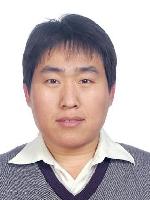 Zhenguo Gao (高振国)合作论文数Harbin Engineering University30
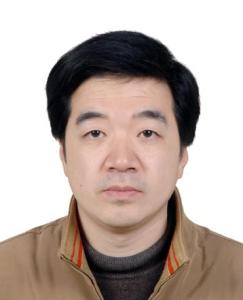 Wenbin Yao (姚文斌)合作论文数School of Computer Science, Beijing University of Posts and Telecommunications13
 Xiaozong Yang (杨孝宗)合作论文数Harbin Institute of Technology12
 Yunlong Zhao (赵蕴龙)合作论文数College of Computer Science and Technology, Nanjing University of Aeronautics and Astronautics10
 Qilong Han (韩启龙)合作论文数College of Computer Science and Technology, Harbin Engineering University10
 Tian Wang (王田)合作论文数BNU-UIC Institute of Artificial Intelligence and Future Networks, Beijing Normal University;College of Computer Science and Technology, National Huaqiao University8
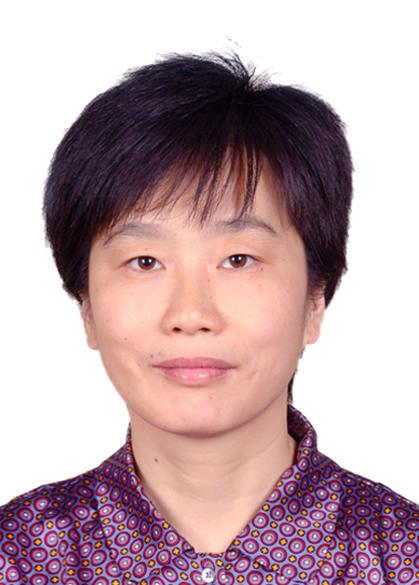 Jing Zhao (赵靖)合作论文数School of Software, Dalian University of Technology8
 LianSuo Wei (魏连锁)合作论文数7
 Nianbin Wang (王念滨)合作论文数哈尔滨工程大学计算机学院软件所7
 Yuchang Mo (莫毓昌)合作论文数华侨大学7Guangzhi Zhang合作论文数7CHEN Jin-zhong (陈金忠)合作论文数6Guochang Gu合作论文数5HAN Yong (韩永)合作论文数5Dongqiu Zhang合作论文数4
 Danjie Chen合作论文数4
 Weijia Jia (贾维嘉)合作论文数School of Artificial Intelligence, Beijing Normal University;Advanced Institute of Natural Sciences, Beijing Normal University, Zhuhai4
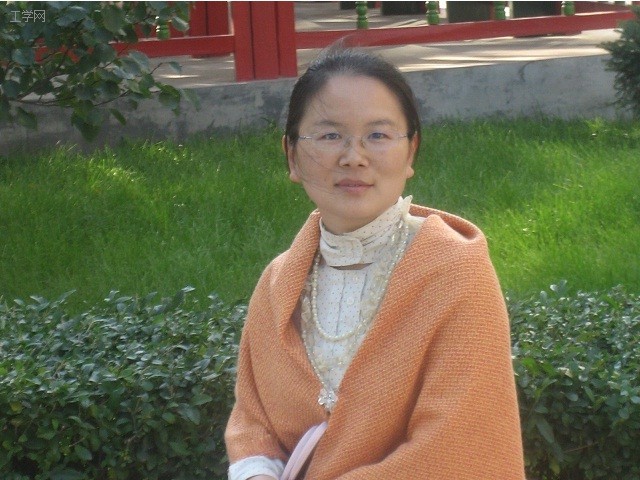 Xiang Li (李香)合作论文数College of Computer Science and Technology,Harbin Engineering University,Harbin ,China4
 Anfeng Liu (刘安丰)合作论文数School of Electronic Information, Central South University4Yun Zhang合作论文数3
 Jun Ni合作论文数3
 ZhangLi Zhou (周长利)合作论文数华侨大学计算机科学与技术学院3
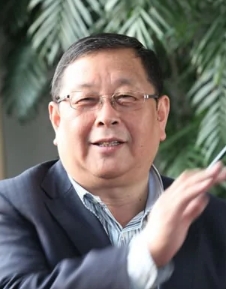 Desen Yang (杨德森)合作论文数Harbin Engineering University3
 Huiqiang Wang (王慧强)合作论文数College of Computer Science and Technology, Harbin Engineering University3
 Ling Wang (王玲)合作论文数School of Computer Science and Technology, Faculty of Computing, Harbin Institute of Technology3
 Guojun Wang (王国军)合作论文数School of Computer Science and Cyber Engineering, Guangzhou University3
 Hsiao-Chun Wu (吳孝純)合作论文数Division of Electrical and Computer Engineering, School of Electrical Engineering and Computer Science, Louisiana State University3
 Haiwei Pan (潘海为)合作论文数College of Computer Science and Technology, Harbin Engineering University;College of Software, Harbin Engineering University3
 Yuhao Wang合作论文数2
 Fugang Wang合作论文数2Chunhua Ma合作论文数2
 Wulin Zhang合作论文数2
 Pan Wang合作论文数2Mei-ling SUN (孙美玲)合作论文数2
 Guangxue Zhang (张广学)合作论文数Faculty of Arts and Sciences, Beijing Normal University2JianMing Zhao (赵建明)合作论文数2HaiFeng Ma (马海峰)合作论文数2Jing Zhang (张菁)合作论文数2Zuopeng Li (黎作鹏)合作论文数2
 Ying Ma (马颖)合作论文数2
 Liudong Xing (邢留冬)合作论文数Department of Electrical and Computer Engineering, College of Engineering, University of Massachusetts Dartmouth2Dexun Jiang (姜德迅)合作论文数1CUI Jian-wen合作论文数1Yin-bao XIE (谢印宝)合作论文数1Hongbo Xu合作论文数1ZHAO Jin-hua合作论文数1
 James Xi Zheng合作论文数School of Computing, Macquarie University1Wei Zhang合作论文数1




