Understanding the molecular mechanisms of abiotic stress responses in plants is instrumental for the development of climate-resilient crops. Key factors in abiotic stress responses, such as the proton-pumping pyrophosphatase (AVP1), have been identified, but their function and regulation remain elusive. Here, we explored the post-translational regulation of AVP1 by the ubiquitin-conjugating enzyme UBC34 and its relevance in the salt stress and phosphate starvation responses of Arabidopsis (Arabidopsis thaliana). Through in vitro and in vivo assays, we established that UBC34 interacts with and ubiquitylates AVP1. Mutant lines in which UBC34 was downregulated showed higher tolerance to salt and low inorganic phosphate (Pi) stresses, while we observed the opposite for plants overexpressing UBC34. Our results showed that UBC34 co-localizes with AVP1, and AVP1 activity is enhanced in the plasma membrane fractions of ubc34 mutants, indicating that UBC34 mediates the turnover of plasma membrane-localized AVP1. We also observed that UBC34 affects the apoplastic pH but not the vacuolar pH of root cells. Based on our results, we propose a mechanistic model in which UBC34 mediates AVP1 turnover at the plasma membrane of root epidermal cells. Downregulation of UBC34 under salt and phosphate starvation conditions enhances AVP1 activity, leading to a higher proton gradient available for sodium sequestration and phosphate uptake.
Pectin is an abundant polysaccharide with essential roles in various biological processes. Despite considerable advances in understanding the regulatory mechanisms of pectin biosynthesis, the influence of phytohormones on this process remains unclear. Here we report that gibberellins (GA) promotes pectin biosynthesis in Arabidopsis. The DELLA proteins, as GA signaling repressors, interact with TRANSPARENT TESTA GLABRA2 (TTG2) and components of the MYB-bHLH-WD40 (MBW) complex, the key regulators of pectin biosynthesis, to repress their transcriptional regulatory activities. Furthermore, the MBW proteins and TTG2 physically interact and synergistically activate the downstream target GLABRA2, whereas this interaction and collaboration are competitively attenuated by DELLAs. Genetic analyses validate that GA-mediated pectin biosynthesis relies on functional TTG2 and MBW proteins. Moreover, the pectin biosynthesis mediated by the GA-DELLA-MBW-TTG2 module contributes to GA-regulated seedling growth. Our findings reveal the significance of the GA-DELLA-MBW-TTG2 signaling cascade in the regulation of pectin biosynthesis and plant development.
Flooding significantly threatens global agricultural productivity, especially under the pressures of climate change. To address this urgent environmental challenge, the development of flooding-tolerant crops is imperative. However, our understanding of the molecular mechanisms underlying flooding tolerance in plants, particularly in crops, remains limited. Our findings demonstrate natural variation in submergence tolerance among diverse sorghum populations. Comparative transcriptomic analyses reveal that the submergence-tolerant accession SC473 exhibits a lower abundance of SbmiR528, a monocot-specific microRNA, compared with its sensitive counterpart SC449. This reduction correlates with an increased accumulation of Superoxide dismutase 2 (SOD2) transcript, which encodes one of the reactive oxygen species (ROS)-scavenging enzymes. We further reveal that the transcription factor SbWRKY76 directly binds the SbMIR528 promoter to activate its transcription. Notably, SbWRKY76 expression is significantly elevated in the submergence-sensitive variety SC449. Overexpression of either SbWRKY76 or SbMIR528 in sorghum results in reduced submergence tolerance. This study represents the first identification of the SbWRKY76-SbmiR528-SbSOD2 module as a novel regulatory axis governing sorghum submergence response by fine-tuning ROS scavenging. These findings offer pivotal targets for breeding or engineering climate-resilient crops to mitigate flooding impacts.
Plants have developed an elaborate immune system to effectively combat diverse pathogens, mainly through intricate signaling pathways. However, more studies will be required to have a better understanding of the activation mechanism of plant immune responses. Here, we report the biological function of SMA1, a nuclear-localized DEAD-box RNA helicase, in plant disease immunity. A point mutation (D634Y) of SMA1 in sma1-1 leads to autoimmunity, partially dependent on the nucleotide-binding leucine-rich repeat receptor protein SNC1. Furthermore, SMA1 interacts with the central immune regulator EDS1 in the nucleus. The intrinsically disordered region of SMA1 is crucial for the formation of SMA1-mediated nuclear condensates (SMNCs), consisting of SMA1 and EDS1. Notably, the formation of SMNCs is triggered by salicylic acid and pathogen infection. Additionally, the D634Y mutation in SMA1 promotes SMNC formation and EDS1 accumulation. Collectively, our findings highlight the significant role of SMA1 in regulating RNA metabolism and its contribution to plant immunity.
This study first identifies the SbC1, an R2R3-MYB transcription factor, specifically function as the key positive regulator for anthocyanin biosynthesis in sorghum coleoptiles. Anthocyanins are pivotal in plant growth, development, and responses to biotic and abiotic stresses. However, the molecular mechanisms underlying anthocyanin biosynthesis in sorghum, one of the major cereal crops worldwide, remain largely unexplored. Here, through genome-wide association study (GWAS), virus induced gene silencing (VIGS) experiment and haplotype analysis, we identified a key R2R3-MYB gene, SbC1, that specifically regulates anthocyanin accumulation in sorghum coleoptiles but not in grain. Further transcriptomic analysis of the coleoptiles of the cultivars HYZ (SbC1) and QKY (sbc1-a mutant allele) demonstrated the positive regulatory role of SbC1 in anthocyanin biosynthesis genes. The SbC1 protein predominantly localizes within the cell nucleus, where it interacts with Tan1. The interaction between SbC1 and Tan1 was confirmed through split-luciferase (Split-LUC), yeast two-hybrid (Y2H), and coimmunoprecipitation (Co-IP) assays. Comparative genomic analysis suggested that the R2R3-MYB transcription factors responsible for anthocyanin biosynthesis exhibit a similar molecular genetic basis in the parallel evolution of organ decoloration across different cereals. Addationnaly, overexpression of SbC1 in the rice Osc1 mutant complete rescue the anthocyanin accumulation defection and enhanced drought resistance compared with the control. In summary, for the first time, we identified the key transcription factor that specifically governs anthocyanin biosynthesis in sorghum coleoptiles. This discovery represents a significant breakthrough in understanding the molecular mechanisms of anthocyanin accumulation in sorghum and offers valuable genetic resources for plant breeding and biotechnology.
The CCCH zinc finger proteins play critical roles in a wide variety of growth, development, and stress responses. Currently, limited reports are available about the roles of animal CCCH proteins in plants. In this study, we report the identification of human TTP (hTTP) with functional similarity to PdC3H17 in a hybrid poplar. hTTP and PdC3H17 shared highly similar tandem CCCH zinc-finger RNA-binding domains. The fragments excluding the CCCH domain of both hTTP and PdC3H17 possessed transcriptional activation activities in yeast cells. Compared to the controls, ectopic expression of hTTP in poplar caused dwarfism, and resulted in significant increases in stem xylem vessel number and photosynthetic and ROS-scavenging abilities, thereby enhancing plant tolerance to drought stress. Our results suggest that hTTP may perform a function in poplar through the PdC3H17-mediated system, and provide an example for the application of animal genes in plants.
Nucleotide binding, leucine-rich-repeat (NLR) proteins are the major intracellular receptors for defending against pathogen infection. The recognition between NLRs and pathogen secreted effectors often triggers a localized programmed cell death termed hypersensitive response (HR). Despite significant progresses have been achieved in understanding canonical NLRs with the N-terminal Toll/interleukin-1 receptor (TIR) domains, the molecular mechanisms underlying TIR-only proteins in plant immune responses remain unclear. In this study, we identified six TIR-containing proteins in maize, including three TIR-only proteins. Functional analysis showed that ZmTIR1 and ZmTIR2, but not ZmTIR3, confer autoactive HR when transiently expressed in N. benthamiana. The autoactivity conferred by ZmTIR1 and ZmTIR2 depends on EDS1-PAD4-RNL module and their putative NADase activities. Interestingly, ZmTIR1 and ZmTIR2 predominantly localize in the punctate dots and likely form condensation, while ZmTIR3 mainly localizes in the cytoplasm and the nucleus. Two specific amino acids in the BB-loop region were identified to be required for ZmTIR1- and ZmTIR2-mediated condensation formation and auto-HR. Furthermore, ZmTIR and ZmTIR2 are induced by Cochliobolus heterostrophus, the causal agent of southern leaf blight (SLB) in maize, and knock-down the expression of ZmTIR1 or ZmTIR2 decreased the resistance to SLB in maize. Our study reveals a novel mechanism of monocot TIR-only proteins in maize immune responses. ### Competing Interest Statement The authors have declared no competing interest.
MicroRNAs (miRNAs) are important regulators of genes expression. Their levels are precisely controlled through modulating the activity of the microprocesser complex (MC). Here, we report that JANUS, a homology of the conserved U2 snRNP assembly factor in yeast and human, is required for miRNA accumulation. JANUS associates with MC components Dicer-like 1 (DCL1) and SERRATE (SE) and directly binds the stem-loop of pri-miRNAs. In a hypomorphic janus mutant, the activity of DCL1, the numbers of MC, and the interaction of primary miRNA transcript (pri-miRNAs) with MC are reduced. These data suggest that JANUS promotes the assembly and activity of MC through its interaction with MC and/or pri-miRNAs. In addition, JANUS modulates the transcription of some pri-miRNAs as it binds the promoter of pri-miRNAs and facilitates Pol II occupancy of at their promoters. Moreover, global splicing defects are detected in janus. Taken together, our study reveals a novel role of a conserved splicing factor in miRNA biogenesis.
C-glycosylated flavones (CGFs) are the main flavonoids in duckweed (Lemna turionifera), known for their diverse pharmacological activities and nutritional values. However, the molecular mechanisms underlying flavonoid metabolism in duckweed remain poorly understood. This study identified a P1-Like R2R3-MYB transcription factor, LtP1L, as a crucial regulator of CGF biosynthesis and transport in L. turionifera. Over-expression of LtP1L led to a six-fold increase in CGF levels, whereas the CRISPR-mediated knockdown of LtP1L caused a drastic 74.3 % decrease in CGF contents compared with the wild type. LtP1L specifically activated the expression of genes encoding key enzymes involved in the biosynthesis of CGFs, including flavanone 3'-hydroxylases (F3'H), flavanone 2-hydroxylases (F2H), and C-glycosyltransferase (CGT). Meanwhile, LtP1L activated genes associated with phenylalanine and phenylpropanoid biosynthesis pathways, such as 3-deoxy-7-phosphoheptulonate synthase (DHS), phenylalanine ammonia-lyase (PAL), cinnamate 4-hydroxylase (C4H), and 4-coumarate: CoA ligase (4CL), redirecting carbon metabolic flux towards flavonoid pathway at the early stages of phenylalanine synthesis. In addition, LtP1L directly bound to a novel AC-like cis-element in the promoter of a tonoplast-localized ATP-binding cassette (ABC) transporter LtABCC4 and activated its expression. Furthermore, the preference of LtABCC4 for isoorientin over orientin during vacuolar transport was evidenced by the significant reduction of isoorientin compared to orientin in the Ltabcc4crispr lines. Altogether, LtP1L acts as a crucial transcriptional orchestrator in coordinating the biosynthesis and intracellular transport of CGFs in duckweed.
Salt stress detrimentally impacts plant growth, imperiling crop yield and food quality. Ameliorating plant resilience and productivity in saline environments is critical for global food security. Here, we report the positive effect of Arthrospira (Spirulina) on plant growth and salt tolerance in Arabidopsis and sweet sorghum. Arthrospira application greatly promotes seed germination and seedling growth in both species under salt stress conditions in a dosage-dependent manner. Application of 6 mg Arthrospira per plate significantly enhances K+/Na+ equilibrium and reactive oxygen species (ROS) scavenging in Arabidopsis, reducing salt-induced toxicity. The primary root length, survival rate, chlorophyll content, photosynthesis, plant height, biomass and yield were all improved in both species. Concurrently, Arthrospira demonstrated the synthesis of compatible solutes, such as trehalose (Tre) and glucosylglycerol (GG), contributing to heightened stress tolerance when co-cultivated with Arabidopsis on plates. Transcriptome analysis revealed dramatic up-/down- regulation of genes involved in phytohormone signal transduction, chlorophyll and photosynthesis metabolism, and phenylpropanoid metabolism in Arabidopsis. Furthermore, the application of Arthrospira exerted a positive influence on the rhizosphere bacteriome structure in sweet sorghum, crucial for nutrient cycling and soil health enhancement. Our findings uncovered the underlying mechanisms of algae-plants interaction in saline soil, proposing strategies to enhance crop productivity and soil quality, thereby addressing the urgent need for sustainable agriculture practices to mitigate salinity’s repercussions amidst climate change challenges.
Biochar amendment has been proven as an effective measure in the remediation of degraded soils, but few reports were focused on the interactive effects and mechanisms of biochar and fertilizer co-application in the amelioration of saline-alkaline soils. In this study, different biochar and fertilizer combinations were applied to investigate the interactive effect on fertilizer use efficiency, soil properties, and Miscanthus growth in a coastal saline-alkaline soil. Compared to the fertilizer or acidic biochar application alone, the combined application of acidic biochar and fertilizer significantly improved soil nutrient availability, ameliorated soil properties in rhizosphere soil. Meanwhile, the bacterial community structure and soil enzyme activities were considerably ameliorated. Additionally, the activities of anti-oxidant enzymes were substantially enhanced and the expression of abiotic stress-associated genes was significantly up-regulated in Miscanthus plants. Ultimately, the combined application of acidic biochar and fertilizer significantly enhanced Miscanthus growth and biomass accumulation in the saline-alkaline soil. Overall, our findings suggest that the combined application of acidic biochar and fertilizer represents a feasible and effective approach for improving plant productivity in saline-alkaline soils.
The Arabidopsis seed coat mucilage is a polysaccharide-rich matrix synthesized by the seed coat epidermal cells. It is a specialized cell wall mainly composed of three types of polysaccharides (i. e. pectin, hemicellulose, and cellulose), and represents as an ideal model system for plant cell wall research. A large number of genes responsible for the synthesis and modification of cell wall polysaccharides have been identified using this model system. Moreover, a subset of regulators controlling mucilage production and modification have been characterized, and the underlying transcriptional regulatory mechanisms have been elucidated. This substantially contributes to the understanding of the molecular mechanisms underlying mucilage synthesis and modification. In this review, we concisely summarize the various genes and regulators involved in seed coat cell differentiation, mucilage biosynthesis and modification, and secondary cell wall formation. In particular, we put emphasis on the latest knowledge gained regarding the transcriptional regulation of mucilage production, which is composed of a hierarchal cascade with three-layer transcriptional regulators. Collectively, we propose an updated schematic framework of the genetic regulatory network controlling mucilage production and modification in the Arabidopsis mucilage secretory cells.
Virus-induced gene silencing (VIGS) is a powerful tool for transient gene functional analysis in plants, especially for monocot species (e.g., grasses) that are recalcitrant to transformation. Despite various VIGS systems that have been developed in different plant species, none was previously available for the bioenergy crop Miscanthus. Here, we report the establishment of an efficient and robust VIGS system mediated by Tobacco Rattle Virus (TRV) in Miscanthus. We first investigated the impact of various factors that may affect gene silencing efficiency using the Miscanthus sinensis Phytoene Desaturase (MsPDS) gene as a visual indicator of photobleaching. Then, we optimized the TRV-elicited VIGS procedure using an orthogonal experimental design with four factors (sprout size, Agrobacterium concentration, vacuum infiltration time, and co-incubation time) each at three levels. The following led to the highest silencing efficiency (similar to 76%): inoculation of germinating seedlings (1.0-2.0 mm), Agrobacterium tumefaciens culture grown to optical density at 600 nm (OD600) of 0.4, vacuum infiltration for 90 min, and co-incubation for 5 h. The VIGS system established was applicable for both M. sinensis and M. lutarioriparius, with comparable gene silencing efficiency. We verified the efficacy of the VIGS system via the functional characterization of the role of a MYB transcription factor, MsMYB112, in salt stress tolerance. Expression of MsMYB112 was successfully knocked down using the VIGS system, and this led to compromised salt tolerance in the silenced Miscanthus plants. The TRV-based VIGS system established may, therefore, substantially facilitate functional genomic studies in Miscanthus.
The mucilage surrounding hydrated Arabidopsis thaliana seeds is a specialized extracellular matrix composed mainly of the pectic polysaccharide rhamnogalacturonan I (RG-I). Although, several genes responsible for RG-I biosynthesis have been identified, the transcriptional regulatory mechanisms controlling RG-I production remain largely unknown. Here we report that the trihelix transcription factor DE1 BINDING FACTOR 1 (DF1) is a key regulator of mucilage RG-I biosynthesis. RG-I biosynthesis is significantly reduced in loss-of-function mutants of DF1. DF1 physically interacts with GLABRA2 (GL2) and both proteins transcriptionally regulate the expression of the RG-I biosynthesis genes MUCILAGE MODIFIED 4 (MUM4) and GALACTURONOSYLTRANSFERASE-LIKE5 (GATL5). Through chromatin immunoprecipitation-quantitative PCR and transcriptional activation assays, we uncover a cooperative mechanism of the DF1-GL2 module in activating MUM4 and GATL5 expression, in which DF1 binds to the promoters of MUM4 and GATL5 through interacting with GL2 and facilitates the transcriptional activity of GL2. The expression of DF1 and GL2 is directly regulated by TRANSPARENT TESTA GLABRA2 (TTG2) and, in turn, DF1 directly represses the expression of TTG2. Taken together, our data reveal that the transcriptional regulation of mucilage RG-I biosynthesis involves a regulatory module, comprising DF1, GL2, and TTG2.
DNA methylation is an important epigenetic modification required for the specific regulation of gene expression and the maintenance of genome stability in plants and animals. However, the mechanism of DNA demethylation remains largely unknown. Here, we show that two SGS3-like proteins, FACTOR OF DNA DEMETHYLATION 1 (FDDM1) and FDDM2, negatively affect the DNA methylation levels at ROS1-dependend DNA loci in Arabidopsis. FDDM1 binds dsRNAs with 5′ overhangs through its XS (rice gene X and SGS3) domain and forms a heterodimer with FDDM2 through its XH (rice gene X Homology) domain. A lack of FDDM1 or FDDM2 increased DNA methylation levels at several ROS1-dependent DNA loci. However, FDDM1 and FDDM2 may not have an additive effect on DNA methylation levels. Moreover, the XS and XH domains are required for the function of FDDM1. Taken together, these results suggest that FDDM1 and FDDM2 act as a heterodimer to positively modulate DNA demethylation. Our finding extends the function of plant-specific SGS3-like proteins.
A ubiquitin receptor highly expressed in the vascular cambium destabilizes the WUSCHEL-related HOMEOBOX protein WOX4 in a ubiquitin-dependent manner to regulate cambial cell division in Populus. Activity of the vascular cambium gives rise to secondary xylem for wood formation in trees. The transcription factor WUSCHEL-related HOMEOBOX4 (WOX4) is a central regulator downstream of the hormone and peptide signaling pathways that maintain cambial activity. However, the genetic regulatory network underlying WOX4-mediated wood formation at the post-transcriptional level remains to be elucidated. In this study, we identified the ubiquitin receptor PagDA1 in hybrid poplar (Populus alba x Populus glandulosa clone 84K) as a negative regulator of wood formation, which restricts cambial activity during secondary growth. Overexpression of PagDA1 in poplar resulted in a relatively reduced xylem due to decreased cambial cell division. By contrast, mutation of PagDA1 by CRISPR/Cas9 resulted in an increased cambial cell activity and promoted xylem formation. Genetic analysis demonstrated that PagDA1 functions antagonistically in a common pathway as PagWOX4 to regulate cambial activity. We propose that PagDA1 physically associates with PagWOX4 and modulates the degradation of PagWOX4 by the 26S proteasome. Moreover, genetic analysis revealed that PagDA1 exerts its negative effect on cambial development by modulating the stability of PagWOX4 in a ubiquitin-dependent manner mediated by the E3 ubiquitin ligase PagDA2. In sum, we have identified a cambial regulatory protein complex, PagDA1-PagWOX4, as a potential target for wood biomass improvement.
EDITORIAL article Front. Plant Sci., 26 October 2022Sec. Plant Development and EvoDevo Volume 13 - 2022 | https://doi.org/10.3389/fpls.2022.1067587
DNA damage response (DDR) in eukaryotes is essential for the maintenance of genome integrity in challenging environments. The regulatory mechanisms of DDR have been well-established in yeast and humans. However, increasing evidence supports the idea that plants seem to employ different signaling pathways that remain largely unknown. Here, we report the role of MODIFIER OF SNC1, 4-ASSOCIATED COMPLEX SUBUNIT 5A (MAC5A) in DDR in Arabidopsis (Arabidopsis thaliana). Lack of MAC5A in mac5a mutants causes hypersensitive phenotypes to methyl methanesulfonate (MMS), a DNA damage inducer. Consistent with this observation, MAC5A can regulate alternative splicing of DDR genes to maintain the proper response to genotoxic stress. Interestingly, MAC5A interacts with the 26S proteasome (26SP) and is required for its proteasome activity. MAC core subunits are also involved in MMS-induced DDR. Moreover, we find that MAC5A, the MAC core subunits, and 26SP may act collaboratively to mediate high-boron-induced growth repression through DDR. Collectively, our findings uncover the crucial role of MAC in MMS-induced DDR in orchestrating growth and stress adaptation in plants.
Plants employ sophisticated mechanisms to control developmental processes and to cope with environmental changes at transcriptional and post-transcriptional levels. MicroRNAs (miRNAs) and long noncoding RNAs (lncRNAs), two classes of endogenous noncoding RNAs, are key regulators of gene expression in plants. Recent studies have identified the interplay between miRNAs and lncRNAs as a novel regulatory layer of gene expression in plants. On one hand, miRNAs target lncRNAs for the production of phased small interfering RNAs (phasiRNAs). On the other hand, lncRNAs serve as origin of miRNAs or regulate the accumulation or activity of miRNAs at transcription and post-transcriptional levels. Theses lncRNA-miRNA interplays are crucial for plant development, physiology and responses to biotic and abiotic stresses. In this review, we summarize recent advances in the biological roles, interaction mechanisms and computational predication methods of the interplay between miRNAs and lncRNAs in plants.
MicroRNAs (miRNAs) are essential regulators of gene expression in metazoans and plants. In plants, most miRNAs are generated from primary miRNA transcripts (pri-miRNAs), which are processed by the Dicer-like 1 (DCL1) complex along with accessory proteins. Serrate-Associated Protein 1 (SEAP1), a conserved splicing-related protein, has been studied in human and yeast. However, the functions of SEAP1 in plants remain elusive. Lack of SEAP1 results in embryo lethality and knockdown of SEAP1 by an artificial miRNA (amiRSEAP1 ) causes pleiotropic developmental defects and reduction in miRNA accumulation. SEAP1 associates with the DCL1 complex, and may promote the interaction of the DCL1 complexes with pri-miRNAs. SEAP1 also enhances pri-miRNA accumulation, but does not affect pri-miRNA transcription, suggesting it may indirectly or directly stabilize pri-miRNAs. In addition, SEAP1 affects the splicing of some pri-miRNAs and intron retention of messenger RNAs at global levels. Our findings uncover both conserved and novel functions of SEAP1 in plants. Besides the role as a splicing factor, SEPA1 may promote miRNA biogenesis by positively modulating pri-miRNA splicing, processing and/or stability.
 Yu Bin合作论文数17
 Yunhai Li (李云海)合作论文数Institute of Genetics and Developmental Biology, Chinese Academy of Sciences10
 Ruibo Hu (胡瑞波)合作论文数中国科学院青岛生物能源与过程研究所10
 Chi Zhang合作论文数Sch Biol Sci, Univ Nebraska9
 Kan Liu合作论文数Univ Nebraska, Sch Biol Sci, Lincoln, NE 68588 USA7Mu Li合作论文数7
 Gongke Zhou (周功克)合作论文数Key Laboratory of Biofuels, Chinese of Academy of Sciences6
 Yan Xu (徐炎)合作论文数College of Horticulture, Northwest A&F University;College of Innovation and Experiment, Northwest A&F University;College of Future Agriculture, Northwest A&F University6
 Shuxin Zhang合作论文数5
 Chen Liangliang (陈亮亮)合作论文数5
 he Guo合作论文数5BangJun Zhou (周邦君)合作论文数4
 Ran Xu (徐冉)合作论文数School of Breeding and Multiplication, Hainan University;College of Tropical Cros, Hainan University4
 Na Li (李娜)合作论文数College of Veterinary Medicine, Northwest A&F University4Weilong Yang合作论文数3Hua Xu合作论文数3
 Congpeng Wang合作论文数3
 Guohua Chai (柴国华)合作论文数中国科学院青岛生物能源与过程研究所3
 Xinwu Pei (裴新梧)合作论文数中国农业科学院生物技术研究所3Ma Wenying合作论文数3
 Xia Li (李霞)合作论文数College of Plant Science & Technology of Huazhong Agricultural University3
 Hongtao Zhao (赵洪涛)合作论文数北京自然博物馆3
 Guodong Ren (任国栋)合作论文数School of Life Sciences, Fudan University3
 Michael Webster Bevan (Mike Bevan)合作论文数John Innes Centre3Ruili Hao合作论文数2weihuan jin合作论文数2Xuhong Zhao合作论文数2
 Xiangxiang Meng (孟翔翔)合作论文数College of Plant Science, Jilin University2Yu Liu合作论文数2Aixia Li合作论文数2Liyi Zhang合作论文数Chinese Acad Sci, State Key Lab Plant Cell & Chromosome Engn, Inst Genet & Dev Biol, Beijing 100101, Peoples R China2Lu Gan合作论文数2Dian Wang合作论文数2
 Yu Wang (王玉)合作论文数School of Life Sciences, Nanjing University2Quan-hui WANG (王全会)合作论文数2
 Huoming Zhou (周火明)合作论文数Changjiang River Scientific Research Institute2
 Yiping Tong (童依平)合作论文数Institute of Genetics and Developmental Biology, Chinese Academy of Sciences2
 Leiying Zheng (郑雷英)合作论文数中国科学院植物研究所2Liu Yaju合作论文数2
 Edgar Cahoon (艾德加·卡洪)合作论文数Center for Plant Science Innovation, University of Nebraska–Lincoln;Cahoon Lab, Department of Biochemistry, University of Nebraska–Lincoln2
 Yueying Zhang合作论文数Chinese Academy of Sciences, China University of Chinese Academy of Sciences2
 Guanfeng Wang (王官锋)合作论文数School of Life Science, Shandong University2Yankun Zhao合作论文数2
 Yunfeng Liu (刘云峰)合作论文数College of Life Science and Technology, Guangxi University2Liu Wuxia合作论文数2
 Xianfeng Tang (唐贤丰)合作论文数Qingdao Institute of Bioenergy and Bioprocess Techinology, Chinese Academy of Sciences;University of Chinese Academy of Sciences2Yingzhen Kong合作论文数2
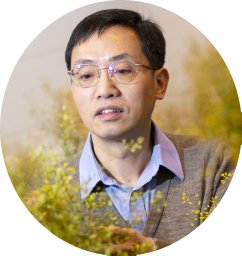 Lirong Zeng合作论文数City University of New York, City University of New York2
 Huihui Yu合作论文数2




