Kuzushiji was one of the most widely used cursive writing systems in pre-modern Japan. Due to its highly cursive forms and extensive glyph variations, most modern Japanese readers are unable to read Kuzushiji characters. Consequently, recent studies have focused on developing automated Kuzushiji character recognition (KCR) methods, which have achieved strong performance on relatively clean Japanese historical document images. Although seals frequently appear in Japanese historical documents, existing methods often fail to maintain recognition accuracy under seal interference, particularly when seals overlap with characters. To address this challenge, we propose a seal-robust KCR framework. Based on character detection, classification, and ordering, the proposed framework additionally incorporates document restoration to mitigate seal interference, thereby improving overall recognition performance. In addition, we introduce a novel synthetic data augmentation strategy to enhance the performance of character detection models. We further correct annotation errors, reconstruct the dataset, and create a synthetic test set to simulate severe seal interference. Experimental results demonstrate the effectiveness of the proposed framework in mitigating the impact of seal interference on KCR. Compared with a conventional baseline and NDLkotenOCR, it achieves relative character error rate (CER) reductions of 39.7
This paper introduces LegalRikai: Open Benchmark, a new benchmark comprising four complex tasks that emulate Japanese corporate legal practices. The benchmark was created by legal professionals under the supervision of an attorney. This benchmark has 100 samples that require long-form, structured outputs, and we evaluated them against multiple practical criteria. We conducted both human and automated evaluations using leading LLMs, including GPT-5, Gemini 2.5 Pro, and Claude Opus 4.1. Our human evaluation revealed that abstract instructions prompted unnecessary modifications, highlighting model weaknesses in document-level editing that were missed by conventional short-text tasks. Furthermore, our analysis reveals that automated evaluation aligns well with human judgment on criteria with clear linguistic grounding, and assessing structural consistency remains a challenge. The result demonstrates the utility of automated evaluation as a screening tool when expert availability is limited. We propose a dataset evaluation framework to promote more practice-oriented research in the legal domain.
Egocentric videos capture how humans manipulate objects and tools, providing diverse motion cues for learning object manipulation. Unlike the costly, expert-driven manual teleoperation commonly used in training Vision-Language-Action models (VLAs), egocentric videos offer a scalable alternative. However, prior studies that leverage such videos for training robot policies typically rely on auxiliary annotations, such as detailed hand-pose recordings. Consequently, it remains unclear whether VLAs can be trained directly from raw egocentric videos. In this work, we address this challenge by leveraging EgoScaler, a framework that extracts 6DoF object manipulation trajectories from egocentric videos without requiring auxiliary recordings. We apply EgoScaler to four large-scale egocentric video datasets and automatically refine noisy or incomplete trajectories, thereby constructing a new large-scale dataset for VLA pre-training. Our experiments with a state-of-the-art pi_0 architecture in both simulated and real-robot environments yield three key findings: (i) pre-training on our dataset improves task success rates by over 20% compared to training from scratch, (ii) the performance is competitive with that achieved using real-robot datasets, and (iii) combining our dataset with real-robot data yields further improvements. These results demonstrate that egocentric videos constitute a promising and scalable resource for advancing VLA research.
Kuzushiji, a pre-modern Japanese cursive script, can currently be read and understood by only a few thousand trained experts in Japan. With the rapid development of deep learning, researchers have begun applying Optical Character Recognition (OCR) techniques to transcribe Kuzushiji into modern Japanese. Although existing OCR methods perform well on clean pre-modern Japanese documents written in Kuzushiji, they often fail to consider various types of noise, such as document degradation and seals, which significantly affect recognition accuracy. To the best of our knowledge, no existing dataset specifically addresses these challenges. To address this gap, we introduce the Degraded Kuzushiji Documents with Seals (DKDS) dataset as a new benchmark for related tasks. We describe the dataset construction process, which involves the assistance of a trained Kuzushiji expert, and define two benchmark tracks: (1) Kuzushiji character and seal detection and (2) document binarization. For the Kuzushiji character and seal detection track, we provide baseline results using several recent versions of YOLO to detect Kuzushiji characters and seals. For the document binarization track, we present baseline results from traditional binarization algorithms, traditional algorithms combined with K-means clustering, two state-of-the-art (SOTA) generative adversarial network (GAN) methods, and our improved conditional GAN (cGAN)-based method. The DKDS dataset and the implementation code for baseline methods are available at https://ruiyangju.github.io/DKDS .
Mistake action detection is crucial for developing intelligent archives that detect workers' errors and provide feedback. Existing studies have focused on visually apparent mistakes in free-style activities, resulting in video-only approaches to mistake detection. However, in text-following activities, models cannot determine the correctness of some actions without referring to the texts. Additionally, current mistake datasets rarely use procedural texts for video recording except for cooking. To fill these gaps, this paper proposes the EgoOops dataset, where egocentric videos record erroneous activities when following procedural texts across diverse domains. It features three types of annotations: video-text alignment, mistake labels, and descriptions for mistakes. We also propose a mistake detection approach, combining video-text alignment and mistake label classification to leverage the texts. Our experimental results show that incorporating procedural texts is essential for mistake detection. Data is available through https://y-haneji.github.io/EgoOops-project-page/.
Learning to use tools or objects in common scenes, particularly handling them in various ways as instructed, is a key challenge for developing interactive robots. Training models to generate such manipulation trajectories requires a large and diverse collection of detailed manipulation demonstrations for various objects, which is nearly unfeasible to gather at scale. In this paper, we propose a framework that leverages large-scale ego- and exo-centric video datasets — constructed globally with substantial effort — of Exo-Ego4D to extract diverse manipulation trajectories at scale. From these extracted trajectories with the associated textual action description, we develop trajectory generation models based on visual and point cloud-based language models. In the recently proposed egocentric vision-based in-a-quality trajectory dataset of HOT3D, we confirmed that our models successfully generate valid object trajectories, establishing a training dataset and baseline models for the novel task of generating 6DoF manipulation trajectories from action descriptions in egocentric vision. Our dataset and code: https://biscue5.github.io/egoscaler-project-page/.
Visual affordance learning is a key component for robots to understand how to interact with objects. Conventional approaches in this field rely on pre-defined objects and actions, falling short of capturing diverse interactions in realworld scenarios. The key idea of our approach is employing textual instruction, targeting various affordances for a wide range of objects. This approach covers both hand-object and tool-object interactions. We introduce text-driven affordance learning, aiming to learn contact points and manipulation trajectories from an egocentric view following textual instruction. In our task, contact points are represented as heatmaps, and the manipulation trajectory as sequences of coordinates that incorporate both linear and rotational movements for various manipulations. However, when we gather data for this task, manual annotations of these diverse interactions are costly. To this end, we propose a pseudo dataset creation pipeline and build a large pseudo-training dataset: TextAFF80K, consisting of over 80K instances of the contact points, trajectories, images, and text tuples. We extend existing referring expression comprehension models for our task, and experimental results show that our approach robustly handles multiple affordances, serving as a new standard for affordance learning in real-world scenarios.
This paper introduces BioVL-QR, a biochemical vision-and-language dataset comprising 23 egocentric experiment videos, corresponding protocols, and vision-and-language alignments. A major challenge in understanding biochemical videos is detecting equipment, reagents, and containers because of the cluttered environment and indistinguishable objects. Previous studies assumed manual object annotation, which is costly and time-consuming. To address the issue, we focus on Micro QR Codes. However, detecting objects using only Micro QR Codes is still difficult due to blur and occlusion caused by object manipulation. To overcome this, we propose an object labeling method combining a Micro QR Code detector with an off-the-shelf hand object detector. As an application of the method and BioVL-QR, we tackled the task of localizing the procedural steps in an instructional video. The experimental results show that using Micro QR Codes and our method improves biochemical video understanding. Data and code are available through https://nishi10mo.github.io/BioVL-QR/
Geoparsing is the task of estimating the latitude and longitude (coordinates) of location expressions in texts. Geoparsing must deal with the ambiguity of the expressions that indicate multiple locations with the same notation. For evaluating geoparsing systems, several corpora have been proposed in previous work. However, these corpora are small-scale and suffer from the coverage of location expressions on general domains. In this paper, we propose Wikipedia Hyperlink-based Location Linking (WHLL), a novel method to construct a large-scale corpus for geoparsing from Wikipedia articles. WHLL leverages hyperlinks in Wikipedia to annotate multiple location expressions with coordinates. With this method, we constructed the WHLL corpus, a new large-scale corpus for geoparsing. The WHLL corpus consists of 1.3M articles, each containing about 7.8 unique location expressions. 45.6% of location expressions are ambiguous and refer to more than one location with the same notation. In each article, location expressions of the article title and those hyperlinks to other articles are assigned with coordinates. By utilizing hyperlinks, we can accurately assign location expressions with coordinates even with ambiguous location expressions in the texts. Experimental results show that there remains room for improvement by disambiguating location expressions.
We propose two tasks for text analytics tools, description generation and log estimation, and a dataset to solve them. Text analytics tools, popular in the digital humanities, provide researchers with various functions for texts based on natural language processing (NLP). Our first task, description generation from operational logs, helps these researchers write papers easily and accurately. Our second task, log estimation given a paper, is just the opposite and helps readers reproduce the analyses in the paper. For those tasks, we created a dataset consisting of descriptions and logs in text analytics experiments. Because our dataset is not large enough, we also propose some methods for data augmentation: swapping a value of each configuration with another value, pseudo-labeling using BERT and NER, pseudo-labeling using BERT and T5, and a combination of them. The highest BLEU score for that model in the description generation task is 36.98, and F1 score in the log generation task is around 0.7.
This paper proposes an approach to improve the runtime efficiency of Japanese tokenization based on the pointwise linear classification (PLC) framework, which formulates the whole tokenization process as a sequence of linear classification problems. Our approach optimizes tokenization by leveraging the characteristics of the PLC framework and the task definition. Our approach involves (1) composing multiple classifications into array-based operations, (2) efficient feature lookup with memory-optimized automata, and (3) three orthogonal pre-processing methods for reducing actual score calculation. Thus, our approach makes the tokenization speed 5.7 times faster than the current approach based on the same model without decreasing tokenization accuracy. Our implementation is available at https://github.com/daac-tools/vaporetto under the MIT or Apache-2.0 license.
Machine comprehension of procedural texts is essential for reasoning about the steps and automating the procedures. However, this requires identifying entities within a text and resolving the relationships between the entities. Previous work focused on the cooking domain and proposed a framework to convert a recipe text into a flow graph (FG) representation. In this work, we propose a framework based on the recipe FG for flow graph prediction of open-domain procedural texts. To investigate flow graph prediction performance in non-cooking domains, we introduce the wikiHow-FG corpus from articles on wikiHow, a website of how-to instruction articles. In experiments, we consider using the existing recipe corpus and performing domain adaptation from the cooking to the target domain. Experimental results show that the domain adaptation models achieve higher performance than those trained only on the cooking or target domain data.
Large language models (LLMs) are accelerating the development of language-guided robot planners. Meanwhile, symbolic planners offer the advantage of interpretability. This paper proposes a new task that bridges these two trends, namely, multimodal planning problem specification. The aim is to generate a problem description (PD), a machine-readable file used by the planners to find a plan. By generating PDs from language instruction and scene observation, we can drive symbolic planners in a language-guided framework. We propose a Vision-Language Interpreter (ViLaIn), a new framework that generates PDs using state-of-the-art LLM and vision-language models. ViLaIn can refine generated PDs via error message feedback from the symbolic planner. Our aim is to answer the question: How accurately can ViLaIn and the symbolic planner generate valid robot plans? To evaluate ViLaIn, we introduce a novel dataset called the problem description generation (ProDG) dataset. The framework is evaluated with four new evaluation metrics. Experimental results show that ViLaIn can generate syntactically correct problems with more than 99% accuracy and valid plans with more than 58% accuracy. Our code and dataset are available at https://github.com/omron-sinicx/ViLaIn.
Video procedural captioning (VPC), which generates procedural text from instructional videos, is an essential task for scene understanding and real-world applications. The main challenge of VPC is to describe how to manipulate materials accurately. This paper focuses on this challenge by designing a new VPC task, generating a procedural text from the clip sequence of an instructional video and material set. In this task, the state of materials is sequentially changed by manipulations, yielding their state-aware visual representations (e.g., eggs are transformed into cracked, stirred, then fried forms). The essential difficulty is to convert such visual representations into textual representations; that is, a model should track the material states after manipulations to better associate the cross-modal relations. To achieve this, we propose a novel VPC method, which modifies an existing textual simulator for tracking material states as a visual simulator and incorporates it into a video captioning model. Our experimental results show the effectiveness of the proposed method, which outperforms state-of-the-art video captioning models. We further analyze the learned embedding of materials to demonstrate that the simulators capture their state transition.
Recognizing event factuality is a crucial factor for understanding and generating texts with abundant references to possible and counterfactual events. Because event factuality is signaled by modality expressions, identifying modality expression is also an important task. The question then is how to solve these interconnected tasks. On the one hand, while neural networks facilitate multi-task learning by means of parameter sharing among related tasks, the recently introduced pre-training/fine-tuning paradigm might be powerful enough for the model to be able to learn one task without indirect signals from another. On the other hand, ever-increasing model sizes make it practically difficult to run multiple task-specific fine-tuned models at inference time so that parameter sharing can be seen as an effective way to reduce the model’s size. Through experiments, we found: (1) BERT-CRF outperformed non-neural models and BiLSTM-CRF; (2) BERT-CRF did neither benefit from nor was negatively impacted by multi-task learning, indicating the practical viability of BERT-CRF combined with multi-task learning.
We propose PYHSCRF, a novel tagger for domain-specific named entity recognition that only requires a few seed terms, in addition to unannotated corpora, and thus permits the iterative and incremental design of named entity (NE) classes for new domains. The proposed model is a hybrid of a generative model named PYHSMM and a semi-Markov CRF-based discriminative model, which play complementary roles in generalizing seed terms and in distinguishing between NE chunks and non-NE words. It also allows a smooth transition to full-scale annotation because the discriminative model makes effective use of annotated data when available. Experiments involving two languages and three domains demonstrate that the proposed method outperforms baselines.
With the spread of the Internet, large volumes of text data related to local communities or societies are being distributed on the Web, and the texts’ contents change significantly with large-scale disasters, political changes, or national elections, among others. If we can estimate the moments at which the texts’ contents change, we can consider that it indicates the possibility that some change occurred in society. Based on the above, this paper explores a new direction for area studies based on informatics compatible with the Internet age to detect Tipping Points in areas.
We present a new multimodal dataset called Visual Recipe Flow, which enables us to learn each cooking action result in a recipe text. The dataset consists of object state changes and the workflow of the recipe text. The state change is represented as an image pair, while the workflow is represented as a recipe flow graph (r-FG). The image pairs are grounded in the r-FG, which provides the cross-modal relation. With our dataset, one can try a range of applications, from multimodal commonsense reasoning and procedural text generation.
 Hirotaka Kameko合作论文数Univ Tokyo, Grad Sch Engn, Tokyo, Japan30
 Graham Neubig合作论文数Language Technologies Institute, School of Computer Science, Carnegie Mellon University27
 Tatsuya Kawahara (河源逹也)合作论文数Graduate School of Informatics, Kyoto University27
 Yoko Yamakata合作论文数Interdisciplinary Information Science Research Division, Information Technology Center, The University of Tokyo23
 Hashimoto, Atsushi (橋本敦史)合作论文数OMRON SINIC X Corp.;Faculty of Science and Technology, Keio University20
 Taichi Nishimura合作论文数LY Corporation19
 Tetsuro Sasada合作论文数18
 Masafumi Nishimura合作论文数14Nobuyasu Itoh合作论文数13Tomohito Arao合作论文数National Institute For Agro-Environmental Sciences11
 Koichiro Yoshino合作论文数Kyoto University10Hirokuni Maeta合作论文数9Keisuke Shirai (白井圭佑)合作论文数Kyoto University8Akira Kawasaki合作论文数8
 Yoshitaka Ushiku (牛久祥孝)合作论文数Ridge-i;NexaScience8
 Satoru Ishikawa合作论文数Soil Environm Div, Natl Inst Agroenvironm Sci8
 Yoshimasa Tsuruoka合作论文数Department of Information and Communication Engineering, Graduate School of Information Science and Technology, The University of Tokyo8Suzushi Tomori合作论文数7
 Masato Mimura合作论文数7Yugo Murawaki (村脇有吾)合作论文数Department of Informatics, Graduate School of Informatics, Kyoto University7Atsushi Ushiku合作论文数Kyoto Univ, Grad Sch Informat, Sakyo Ku, Yoshidahonmachi, Kyoto, Japan6
 Taro Watanabe合作论文数Natural Language Processing Laboratory, Graduate School of Science and Technology, Nara Institute of Science and Technology5
 Yusuke Miyao (宮尾祐介)合作论文数Department of Information Science, Graduate School of Information Science and Technology, University of Tokyo;Department of Computer Science, Graduate School of Information Science and Technology, University of Tokyo5Masato Kuramata合作论文数5Gakuto Kurata合作论文数5hiroki oda合作论文数4Shinji Imahori合作论文数4
 Shuhei Kurita (栗田修平)合作论文数Center for Advanced Intelligence Project, Riken;JST PRESTO;New York University4
 Hiroshi Gitchang Okuno (奥乃博)合作论文数Future Robotics Organization, Waseda University;Kyoto University;Amity University4Koji Baba合作论文数4
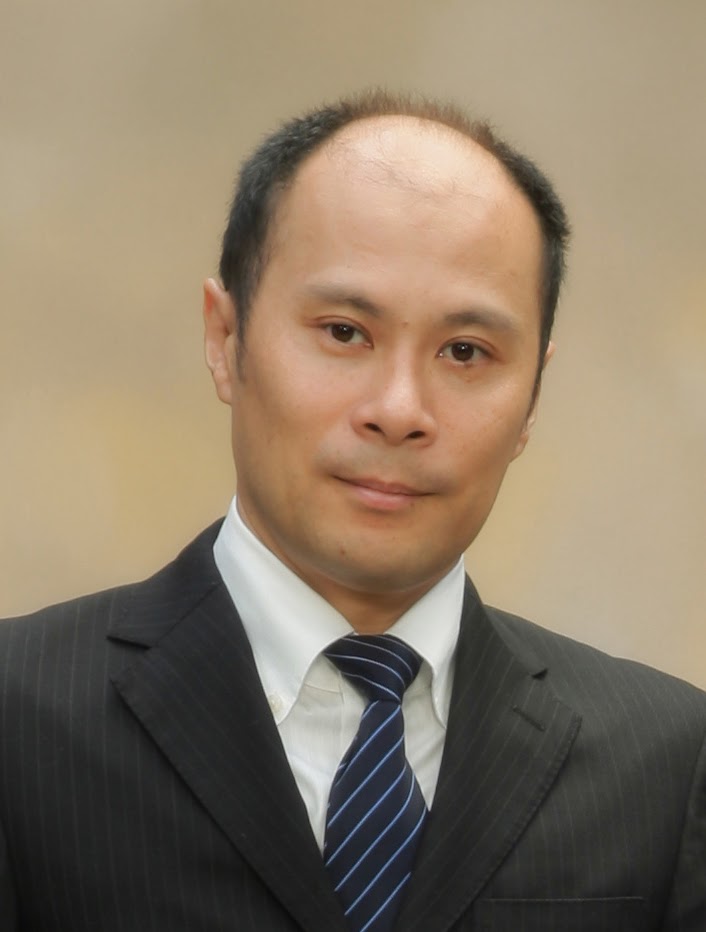 Takashi Ninomiya (二宮崇)合作论文数Graduate School of Science and Engineering, Ehime University4
 Yuji Matsumoto (松本裕治)合作论文数Graduate School of Information Science, Nara Institute of Science and Technology;RIKEN Center for Advanced Intelligence Project4
 Yuya Akita合作论文数4
 Suguru Matsuyoshi合作论文数4Naoki Hirayama合作论文数Faculty of Science, Kanazawa University4Noriko Yamaguchi合作论文数4Daisuke Takuma合作论文数4Shoichiro Hara合作论文数3Hayato Hashimoto合作论文数3Tadashi Abe合作论文数3
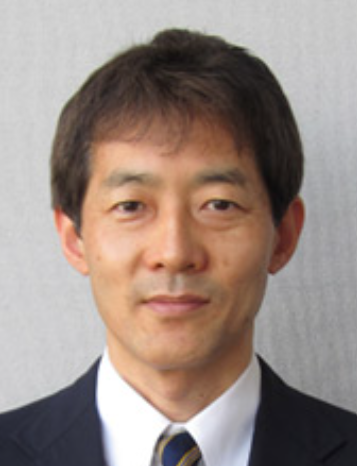 Masaaki Nagata (永田昌明)合作论文数Innovative Communication Laboratory, NTT Communication Science Laboratories3
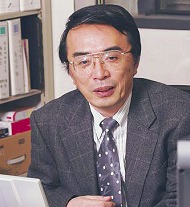 Katsumi Tanaka (田中克己)合作论文数Graduate School of Informatics, Department of Socisl Informatics, Kyoto University3Saeko Yada合作论文数3Daniel Flannery合作论文数3
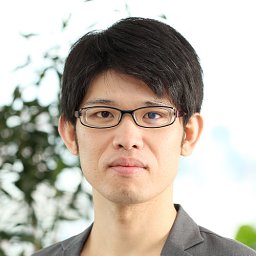 Jun Harashima合作论文数Cookpad Inc3
 Yosuke Nakata合作论文数Kyoto University3
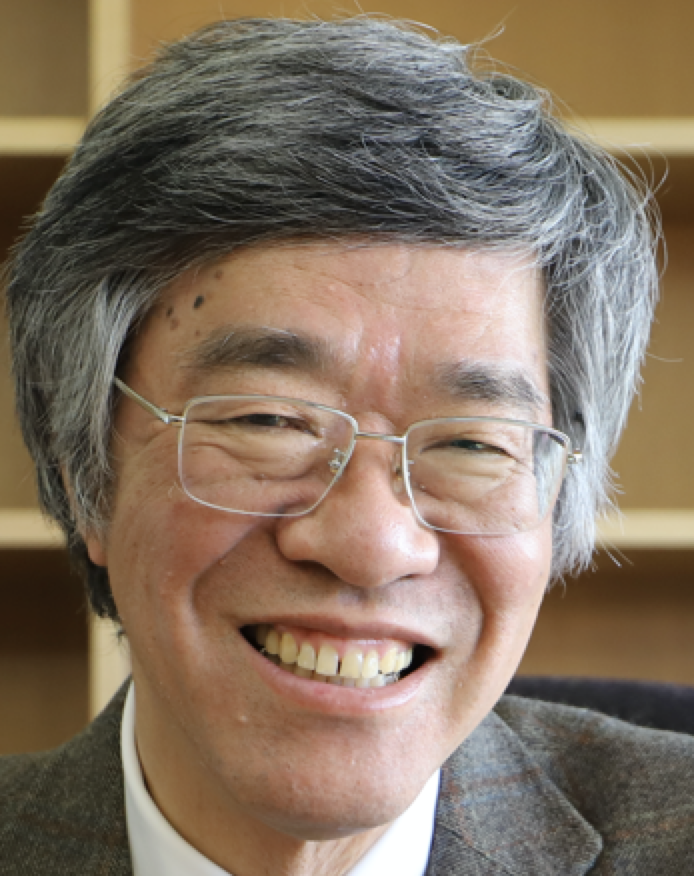 Michihiko Minoh (美濃導彦)合作论文数Faculty of Engineering, Kyoto University;Information Integration Division, RIKEN3
 Katsuhito Sudoh合作论文数NTT Communication Science Laboratories3
 Takuya Funatomi合作论文数Kyoto University3




