Background: Polycystic ovary syndrome (PCOS) is the most common cause of anovulation and one of the main causes of infertility. Management varies with emphasis on the role of herbal medicines in the treatment of polycystic ovary syndrome (PCOS) compared to medical therapy. Objective: The aim of this study is to compare the herbal regimen Vitex agnus-castus var. + Foeniculum vulgare Mill. +Portula caoleracea L) with a medical regimen (spironolactone + cyproterone acetate with ethinyl estradiol) in polycystic ovarian syndrome patients. Method: The clinical trial, which compared two groups of women with polycystic ovary syndrome (PCOS), included 64 participants aged 18 to 42 years, all referred to a gynecological clinic. In a clinical study, the division of patients into case and control groups using random assignment so that both groups are as similar as possible. The control group receives a medical regimen that is compared to the herbal regimen of the case group. Results: The study did not show any statistically significant difference in Follicle-Stimulating Hormone (FSH), Thyroid-Stimulating Hormone (TSH), or Dehydroepiandrosterone Sulfate (DHEA-S) levels between the control and case groups after the intervention (P > 0.05)." the LH level has declined significantly after the intervention in the case group" is a common finding in this research (P = 0.001). The severity or existence of hirsutism (excessive hair growth in androgen-dependent areas of the female body) did not vary significantly between the two groups being compared (P> 0.05). The case group showed a significant reduction in the rate of hair loss (P = 0.001).Ovarian ultrasound Showed Formation of dominant follicles in case and control groups. Conclusion: The Herbal regimen was as effective as the phamacological regimen. Vitex agnus-castus and Fennel, known for their phytoestrogenic properties, induce negative feedback of luteinizing hormone with long-term use, leading to decrease in testosterone production. The synergistic effect of Vitax agnus-castus, Fennel and Purslane combination reduce testosterone levels and accelerates the treatment of PCOS.
Alzheimer's disease via various pathways, including augmented oxidative stress accompanies disturbances in learning, memory and cognitive skills in the human society. The present study was conducted to evaluate the effect of Polygonum aviculare (P. aviculare) on learning and memory in streptozotocininduced Alzheimer in rats. Aerial parts of P.aviculare extracted by percolation method. Total phenolic and flavonoid contents were measured by colorimetric method. Fifty male wistar rats were divided into 5 groups: control, Alzheimer's group, and three groupsAlzheimer's induced and P. aviculare treated. In order to evaluate of learning and memory, initial (IL) and step-through latencies (STL) tests were determined at the end of study using passive avoidance test and alternation behavior percentage was obtained using Y maze. Total phenolic contents of extract were 67.7 +/- 6.3 mg/g and the total flavonoid content was 12.7 +/- 1.3 mg/g. In behaviors test, there was no significant change in IL in Alzheimer's and P. aviculare treated Alzheimer'sgroup as compared to control group. Meanwhile, STL significantly decreased in Alzheimer's group as compared to control group (p<0.005). The existing difference between Alzheimer'sandP. aviculareTreated-Alzheimer'sgroups was statistically significant (p<0.01). Intraperitoneal injection of P. aviculare could enhance the capability of consolidation and recall in Alzheimer'sanimals treated, and improve spatial memory in Alzheimer'sanimals treated group using Y maze.
Melissa officinalis L. ( lemon balm) is one of the more widely cultivated medicinal and aromatic plants that has long been used in traditional medicine to treat many disorders. The present study investigates Melissa officinalis L. hydro-alcoholic extract regarding pituitary-gonadal axis in diabetic mice. Methods: 45 NMRI mice with a mean weight of 35.6±4.5 g were divided into five groups: control group (0.2 ml of physiological serum intraperitoneally injection), diabetic mice (without treatment), and three experiment groups (diabetic groups receiving 50, 100 and 200 mg/kg of Melissa officinalis extract intraperitoneally injection). Melissa officinalis extract was injected intraperitoneally for 14 days. At the end of the experiment, blood samples were taken to determine the biochemical indicators level (glucose, LH, FSH, and testosterone), and the left testicle was weighed and examined histologically. Results: The results showed that the lowest amount of glucose and the highest level of LH were observed in the treatment group at a dose of 100 mg/kg of Melissa officinalis extract. The highest level of FSH was observed at a dose of 200 mg/kg. Histological study of the testis showed a more favorable condition in the experimental group of 200 mg/kg of lemon balm extract (P<0.05). Conclusion: It can be concluded that the use of Melissa officinalis extract is efficient in reducing glucose, improving the levels of LH, FSH, and testosterone in diabetic mice, affecting testicular weight, and improving testicular tissue indices and reproductive function of rats.
Background and Aims: Diazinon is an organophosphorus poison and insecticide that has negative effects on the environment and human health. Lemon balm (Melissa officinalis) is one of the plants that is consumed and has antioxidant compounds. The aim of this study is to investigate the protective effect of lemon balm in diazinon treated rats. Materials and Methods: The aerial parts extract of Melissa officinalis was prepared by maceration method. 56 male Wistar rats were divided to control, sham, diazinon-received(30mg/kg), lemon balm-received (50 and 100 mg/kg) and both diazinon and lemon balm-received groups. All injection was done intraperitoneally for 30 days. The level of alanine aminotransferase and alkaline phosphatase was measured by ELISA. After killing the animals, liver tissue was also stained with hematoxylin-eosin and observed by light microscope. Results: Diazinon caused a significant increase of alkaline phosphatase and alanine aminotransferase and the number of Kupffer cells compared to the control group (P<0.05). In diazinon and Melissa officinalis extract receiving group, the level of these enzymes and Kupffer cells decreased compared to diazinon group(P<0.05). Diazinon decreased the number of hepatocytes compared to the control group(P<0.05). In diazinon and Melissa officinalis extract receiving group, the number of hepatocytes increased compared to the diazinon group(P<0.05). Conclusion: Lemon balm extract improved the effects of diazinon on the liver of mice receiving diazinon.
Introduction: Breast cancer is one of the most common cancers and the principal cause of death in women. One of the mechanisms of cancer cells for the lack of access to the immune system is the production of compounds suppressing immune responses, such as interleukin-10. On the other hand, vascular endothelial growth factor, by binding to its receptors on the surface of endothelial cells, plays a significant role in vascular permeability and tumor vascularity. In this study, the expression of interleukin-10 and vascular endothelial growth factor in breast tumor tissue was investigated in an experimental tumor model. Methods: First, mammary tumors were experimentally induced in Balb/C mice, and RNA was extracted from the tumor tissue. cDNA was synthesized from the extracted RNAs, and the expression level of 10-IL and VEGF genes was evaluated by RT-PCR. Results: The results of data analysis showed that the expression of IL-10 and VEGF genes in the tumor tissue was higher than in the cells of the control group, but this increase in expression was not statistically significant. Conclusions: In general, the expression level of Interleukin-10 and VEGF genes was increased in the experimental tumor model, but broader research and the correlation with other involved factors seem necessary.
Neonatal hypothyroidism is a deficiency of thyroid hormones at birth that can cause lifelong mental and physical disorders in humans. Lack of timely detection could lead to irreversible damage by neonatal hypothyroidism. However, it could be managed quickly and efficiently via timely diagnosis. The screening programs rely on immunoassays to diagnose neonatal hypothyroidism in most countries. This method is time-consuming, needs laboratory equipment, and should be performed by trained and skilled technicians. Given these circumstances, the ELISA method is not a preferable method for the diagnosing of neonatal hypothyroidism. However, it can be used as a confirmatory method in infants with suspected and unknown neonatal hypothyroidism. In the present study, the homemade SR95-1, SR95-2, and SR95-3 anti-β-TSH polyclonal and the commercially available monoclonal antibodies were used to detect β-TSH in a rapid assay kit design hypothyroidism screening. To design the kit, the different combinations of the antibodies were used to establish a sandwich immune-chromatography method. The designed rapid neonatal hypothyroidism tests were used to measure neonatal β-TSH in 100 dry blood samples. This study showed that the best antibody pair in terms of sensitivity is the SR95-1 antibody as capture antibody and the SR95-2 as a conjugated antibody. Using 100 clinical samples, the designed assay was shown to have 94% sensitivity, 83% specificity, and 94% accuracy. The results showed that polyclonal antibodies (SR95-1 as capture) and SR95-2 (as detector) antibodies can detect the reference range of β-TSH in dried blood samples and can be used in the screening of neonatal hypothyroidism.
Colorectal cancer is one of the most lethal cancers with a high mortality rate. Chemotherapy results in drug resistance in some cases; hence, herbal medicines are sometimes used in adjunct with it. Eugenol has been reported to have anti-inflammatory, antioxidant, and anticancer properties. Metabolomics is a study of metabolic changes within an organism using high-throughput technology. The purpose of this research was to investigate the anticancer effects of eugenol and variations in p53, KRAS, and APC gene expression and metabolic changes associated with the abovementioned gene expressions using 1HNMR spectroscopy. The MTT method was used to determine cell viability and its IC50 detected. After treating HT-29 cells with IC50 concentration of eugenol, RNA was extracted and cDNA was obtained from them and the expression of p53, KRAS, and APC genes was measured using the qRT-PCR technique. Metabolites were extracted using the chloroform-ethanol method, lyophilized, and sent for 1HNMR spectroscopy using the 1D-NOESY protocol. Chemometrics analysis such as PLS-DA was performed, and differentiated metabolites were identified using the Human Metabolome Database. Integrated metabolic analysis using the metabolites and gene expression was performed by the MetaboAnalyst website. The observed IC50 for eugenol was 500 μM, and the relative expression of APC and p53 genes in the treated cells increased compared to the control group, and the expression of KRAS oncogene gene decreased significantly. The crucial changes in convergent metabolic phenotype with genes were identified. The results indicate that eugenol exhibits its antitumor properties by targeting a specific biochemical pathway in the cell's metabolome profile due to changes in genes involved in colon cancer.
Ethnopharmacological relevance: Diabetes is a systemic disease, which can cause synaptic defects in the hippocampus. Hippocampus plays a crucial role in learning and memory. Melissa officinalis L. has been used as for memory enhancement in Persian Medicine. Aim of the study: The aim of this study was to evaluate the impact of the hydroalcoholic extract of Melissa officinalis L. on learning and memory, considering its impact on nitric oxide synthase and brain-derived neurotrophic factor expression in the hippocampus of diabetic rats. Materials and methods: Melissa officinalis L. extract was obtained by maceration method. To evaluate phenolic and flavonoid compounds of the extract, the samples were analyzed by HPLC. The animals were randomly divided into 6 groups: vehicle-treated control, Melissa officinalis-treated control (50 mg/kg), vehicle-treated diabetic, and M. officinalis-treated diabetic (25, 50, or 100 mg/kg). Diabetes was induced by streptozotocin And Melissa officinalis L. was administered for 2 weeks once diabetes was induced. Passive avoidance and Y-maze tasks were performed for learning and memory assessment. At the end of learning and memory tasks, rats were sacrificed and their hippocampus removed, lysed, and homogenized. The RNA contents were purified and then used as the template for cDNA synthesis. Real-time PCR was used to evaluate nitric oxide synthase and brain-derived neurotrophic factor genes expression. Results: Rutin was main flavonoid compound and rosmarinic acid was the main phenolic compound of the Melissa officinalis extract. Streptozotocin induced diabetes and impaired learning and memory in diabetic rats. Melissa officinalis treated-control group showed a higher alternation score in the Y-maze task and step-through latency in the passive avoidance task compared to the vehicle treated diabetic group. Melissa officinalis-treated rats showed a higher alternation score in the Y-maze task in all doses compared to the vehicle treated diabetic group (P < 0.05). In addition, in the passive avoidance task Melissa officinalis increased step-through latency (P < 0.05) but not initial latency, in all doses. Furthermore, in diabetic rats, the expression of brain-derived neurotrophic factor and nitric oxide synthase genes decreased. However, hippocampal brain-derived neurotrophic factor and nitric oxide synthase gene expression was increased in Melissa officinalis-treated rats compared to diabetic rats (P < 0.05). Conclusions: Melissa officinalis improved learning and memory in diabetic rats, which may have occurred by increasing brain-derived neurotrophic factor and nitric oxide synthase gene expression.
BACKGROUND: Diabetes mellitus (DM), as a metabolic disease, has a high rate of mortality all over the world. In recent years, there is accumulating evidence that show this complex multifactorial disease has various effects on reproductive system. OBJECTIVES: This study aimed to investigate the effect of hydroalcoholic extract of parsley (Petroselinum cris-pum) leaves on spermatogenesis and pituitary-gonadal axis in male streptozotocin (STZ)-induced diabetic rats. METHODS: In the present study, 60 male rats were divided into 5 groups of 12 animals in each: control, DM control and 3 experimental groups (treated with doses 1, 2, and 4 gr/kg of hydroalcoholic extract of parsley leaves gavage for 28 days). DM was induced 48 h after intraperitoneal injection of a single dose of STZ (65 mg/kg). At the end of the treatment, rats were bled from the heart and follicle-stimulating hormone (FSH), luteinizing hormone (LH) and testosterone levels were measured. The testes of rats were isolated and weighed. Assessment of the sperm motility and evaluation of the seminiferous cells were performed using light microscopy. RESULTS: Comparison of LH, FSH and testosterone in rats treated with doses 1 mg/kg of hydroalcoholic extract of the plant revealed a significant increase as compared to the diabetic control group (P≤0.05). In addition, the results of histopathological evaluation elucidated a significant increase in the sperm cells number, and motility, testis weight, and total sperm count. It also improved condition of the seminiferous cells in the experimental group (1 mg/kg) compared to the diabetic control group (P≤0.001). CONCLUSIONS: It seems that parsley (P. crispum) hydroalcoholic extract can be effective in decreasing repro-ductive disorders in DM patients.
Background: Exposure to organophosphate pesticides, including diazinon, can lead to increased production of free radicals and decreased cellular antioxidant capacity and male infertility.Thymoquinone (TQ) is an active component of Nigella sativa with well documented antioxidant effects.This study evaluated the effects of thymoquinone on oxidative stress induced by exposure to diazinon and semen quality in male rats.Materials and Methods: Twenty-eight male Wistar rats weighing 200-300 g were randomly divided into four groups (n=7, each).The first (control) group received a single intraperitoneal (i.p.) injection of olive oil (medication vehicle).Testicular toxicity was induced in rats of the second and third groups by a single injection of diazinon (20 mg/kg, i.p.).Also, the animals of the second and third groups received the vehicle of TQ (olive oil) or TQ (10 mg/kg/day, i.p.), respectively, for five consecutive days starting 3 days before diazinon administration.The fourth group of animals received thymoquinone (10 mg/kg/day) for five consecutive days without induction of diazinon toxicity.Thirty-six hours later, semen quality was assessed for motility, morphology, and viability of sperms in addition to measurement of malondialdehyde (MDA) level in testis tissue. Results:The results showed that the sperm motility significantly decreased and MDA level significantly increased (P<0.0001) after diazinon exposure whereas thymoquinone increased sperm motility and decreased MDA level (P<0.0001) in testis tissue after exposure to diazinon as compared to the control group.Conclusion: Since diazinon increases lipid peroxidation in sperm plasma membrane through production of free radicals, it can be concluded that administration of thymoquinone as an antioxidant can prevent diazinon toxicity in testis tissue of rats, and improve the quality of semen.
Background & aim: Infertility and its individual and social problems are one of the main and important issues and concerns of couples and about half of all infertility is related to men. Therefore, the aim of this study was to determine the effect of adipose tissue-derived mesenchymal stem cell supernatant (SPAS) product in reducing sperm damage during freezing and thawing. Methods: The present descriptive-analytical cross-sectional study was performed in 20 infertile men referred to Qom University Jihad Infertility Treatment Center in 2017. All of these men had asthenospermia. Samples were prepared from these individuals and then pre-freeze measurements such as; Sperm viability, DNA fragmentation, malondialdehyde and oxidative stress were assessed. After that, the stem cells were frozen with the supernatant product and the same previous studies were performed on the defrosted sample. Data were analyzed using one-way analysis of variance. Results: The results of the present study indicated that sperm survival increased after supernatant defecation. Sperm survival at 25 and 50% concentration was higher than freezing conditions (p <0.05), but no significant difference was seen in DNA doses and oxidative stress in any of the doses (p> 0.05). The amount of malondialdehyde also changed. The amount of malondialdehyde in SPAS and untreated samples was significantly different from the frozen samples (p <0.05). Conclusion: Due to the positive effect on sperm and improving their quality after defecation using fat-derived mesenchymal stem cell supernatant, it may be used as a suitable preservative alone or in combination with other supplements. It seems that the increase in sperm viability in the spasm environment was due to the presence of growth factors in this supernatant.
Objective Zataria is one of the native plants of Iran which is widely used for the treatment of diseases among Iranians. In this study, we investigated the antimicrobial effects of Zataria essential oil on the skin bacteria in rats. Methods Bacterial strains were isolated from the skin of 6 wistar rats and the antimicrobial effects of Zataria essential oil were evaluated by disk diffusion and microbroth dilution methods. In-vivo tests were performed to evaluate the antimicrobial effect of the essential oil by microbial culture as well as allergy tests on the skin of experimental rats compared to controls. Results Three bacterial strains were isolated from the skin of rats identified as Staphylococcus aureus, Corynebacterium and Staphylococcus epidermidis. Minimum Growth Inhibitory Concentration (MIC) and Minimum Bactericidal Concentration (MBC) for the two strains of Staphylococcus aureus and Corynebacterium were obtained 0.39 and 0.78 mg/ml, while for Staphylococcus epidermidis, they were 0.195 and 0.39 mg/ml, respectively. In-vivo test results showed the antibacterial effect of the essential oil on the skin bacteria and no inflammatory effects were observed under the allergy test. Conclusion Zataria essential oil has antimicrobial effects on the skin infections in lower concentrations. The use of this essential oil as an antiseptic and preservative in cosmetics is recommended instead of chemical preservatives that generally have skin side effects.
The results suggest that the ginger extract can reduce morphine-induced neuroinflammation in NAcc.
Introduction: Infertility is one of the most important health problems in developing countries. Long-term exposure to organophosphate insecticides can affect semen quality. This study aimed to investigate the effects of hydroalcoholic extract of Apium graveolens on semen quality and spermatogenesis in subchronic exposure to diazinon in rats. Materials & Methods: This study was conducted on 30 male Wistar rats. The rats were divided into five groups. The rats in group1 (control) did not receive any treatment, those group 2 (sham) were given corn oil and saline (500 µL). Group 3 consisted of rats received diazinon (16 mg/kg body weight). Rats in group 4 and 5 were treated with 100 and 200 mg/kg of hydroalcoholic extract of Apium graveolens and Diazinon, respectively. The number, motility, and viability of sperms were determined after two months, and tissue sections were stained by hematoxylin-eosin after the fixation of testis. Findings: The findings of this study showed that the number and motility of sperms significantly decreased in diazinon group, compared to sham group (P<0.001). The number of sperm remarkably increased in the group that received diazinon and high dose of Apium graveolens extract in comparison with diazinon group (P<0.001). The number of primary spermatocytes and spermatids increased in dose of 200 mg/kg of Apium graveolens extract (P<0.05). In addition, low-dose Apium graveolens extract (100 mg/kg) could significantly increase the sperms motility, compared to diazinon group (P<0.001). Discussion & Conclusions: It seems Apium graveolens extract can improve sperm quality, as well as spermatogenesis against diazinon toxicity.
Differentspecies of Thymus are capable of producing various pharmacological effects. The present paper aimsto investigate the analgesic and anti-inflammatory effects of hydro-alcoholic extract of areal parts of Thymus Carmanicus Jalas. In this experimental research, using the formalin,writhing and tail immersion tests, anti-inflammatory effectswere studied in micebyxylene-induced ear edemaand mercury immersion methods. Male NMRI mice weighing 20-25g were dividedinto five groups: negative control, positive control and three experimental groups, being injectedintraperitoneally by 250, 500 and 1000 mg/kg of hydroalcoholic extracts of Thymus carmanicus . The most effective dose of the extract was selected for the possible involvement of opioidergic systems. Animalsubjects were studied by pretreatment of opioid antagonist, naloxone. The data were analyzed throughANOVA and Tukey's test.Results indicated that in the formalin test, thedoses of 500 and 1000 mg/kg of theextract significantly reduced the score of analgesic in experimental groups(P<0.001).Meanwhile, pretreatment with naloxone inhibited some of the extract induced antinociceptive effects in comparison to controlgroup.In writhing and hot tail immersion tests,all doses of theextract significantly alleviatedpain in experimental groups(P<0.01). Moreover, the xylene-induced ear edema (P<0.001)as well asfoot edema in mercury immersion method was considerably reduced(P<0. 05). This study not onlyshowedthathydroalcoholic extract of areal parts of Thymus c armanicus hasanalgesic and anti-inflammatory effects but also indicated that some of the antinociceptive properties of Thymus carmanicus are mediated by opioidergic mechanism, which in turn validated the traditional uses of the plant in the treatment of pain.
Background: Parkinson’s disease (PD) is a neurodegenerative disorder characterized by progressive loss of dopaminergic neurons in the substantia nigra pars compacta. Although the etiology of PD is unknown, but major biochemical processes such as oxidative stress is largely described. Angiotensin II activates NADPH depending oxidases and produce superoxides formation. Morus nigra L. extract is an Angiotensin Converting Enzyme (ACE) inhibitor and tested for anti-Parkinsonism effects by biochemical and behavioral evaluations.Materials and Methods: In total 48 Male Wistar rats weighting 200-250 g were divided into 4 groups: (1) Sham (normal saline was injected in the left SNC), (2) Neurotoxin (injection of 6-hydroxydopamine into left SNC), (3) Morus nigra L. aqueous extract and (4) captopril. Morus nigra (10 mg/kg) and captopril (5 mg/kg) were daily-injected i.p. from 6 days before neurotoxin injection, until one day after 6-hydroxydopamine injection. Muscle stiffness and apomorphine test were assessed in 6 rats of any groups after two weeks. Protein oxidation, lipid peroxidation and ACE activity were assessed in brains of 6 rats of each group after 24 hours.Results: Rotation test with apomorphine, Rigidity with Murprogo’s test, and lipid peroxidation in sham, captopril and Morus nigra groups were significantly lower than neurotoxin group. Protein oxidation in Morus nigra group was significantly lower than neurotoxin group. Brain ACE activity in neurotoxin, captopril and Morus nigra groups were inhibited.Conclusion: Morus nigra L. extract had protective effects on neuronal oxidation and death and improved signs of PD possibly by ACE inhibition.
Background and Purpose: Alzheimer’s disease is one of the most important neurodegenerative diseases resulting in free radicals and oxidative stress production. Since Cyperus rotundus plant contains anti-oxidant components, the effects of Cyperus rotundus tuber hydroalcoholic extract on learning and memory improvement in the Alzheimer model rats was investigated. Methods and Materials: In this experimental research, Intracerebroventricular streptozotocin injection in the rats created a suitable model of Alzheimer. Rats were divided into 7 groups: control, sham, Alzheimer, Alzheimer + extract treated, and normal + extract treated groups. Treated groups received the extract with dosages of 100 and 200 mg/kg in 21 days. The rate of rat's learning and spatial memory was investigated using passive avoidance learning and Y-maze methods. Results: In the rate of IL (Initial Latency), there was no difference between groups (p>0.001). There is a different meaning in the rate of STL (Step through Latency) between different groups (p<0.001). Considering the Y-maze examination, there was no significant difference between the groups (p>0.001). Conclusion: Results of STZ injection showed significant decrease in memory and learning. Treatment with Cyperus rotundus extract could increase the capability of consolidation and recall.
 Mehrdad Roghani合作论文数School of Medicine, Shahed University13
 Gholamreza Amin合作论文数Faculty of Pharmacy, Tehran University of Medical Sciences10
 Mina Ramezani合作论文数Research and Clinical Center for Infertility, Shahid Sadoughi University of Medical Sciences;Department of Biology, University of Payam-nour;Shahid Sadoughi University of Medical Sciences, University of Payam-nour9
 Tourandokht Baluchnejadmojarad合作论文数School of Medicine, Iran University of Medical Sciences6
 Parisa Kerishchi Khiabani合作论文数College of Basic Sciences, Islamic Azad University5
 Saeed Esmaeili Mahani合作论文数Dept Biol, Shahid Bahonar Univ Kerman5
 a janan合作论文数4m r lakpour合作论文数4Mahboubeh Balvardi合作论文数4
 Seyed Ali Ziai合作论文数Institute of Medicinal Plants, ACECR4
 Naseri Mohsen合作论文数4
 Mahmood Abedinzade合作论文数4
 Shahrbanoo Oryan合作论文数Department of Biology, Sciences and Research Campus, Azad University4Tahereh Rabani合作论文数4f ramazanali合作论文数3zeinab niknami合作论文数3
 Soheila Ebrahimi合作论文数Dept Biol, Payame Noor Univ3
 Zahra Nazari合作论文数Golestan Univ Med Sci, Gorgan Congenital Malformat Res Ctr, Gorgan, Iran3Mohammad Kamalinejad合作论文数Faculty of Pharmacy, Shahid Beheshti University of Medical Sciences3
 Ashraf Moini合作论文数Department of Chemistry, Texas A&M University3
 Javad Cheraghi合作论文数Faculty of Veterinary Medicine, University of Ilam3
 Reza Aflatoonian合作论文数Academic Unit of Reproductive and Developmental Medicine;University of Sheffield;Academic Unit of Reproductive and Developmental Medicine, University of Sheffield3
 H. Fallah Huseini合作论文数Department of Pharmacology;Institute of Medicinal;Department of Pharmacology, Institute of Medicinal3Morteza Piri合作论文数3
 Mohammad Nabiuni合作论文数Department of Cell and Molecular Biology, Faculty of Biological Sciences, Kharazmi University3
 Narguess Yassa合作论文数Department of Pharmacognosy;Faculty of Pharmacy;Tehran University of Medical Sciences;Faculty of Pharmacy, Tehran University of Medical Sciences3
 Mehdi Abbasnejad合作论文数2e noori合作论文数2Shima Torkzadeh-Mahani合作论文数2salehi parvin合作论文数2
 Seyyed Ali Mard合作论文数2Jamal Omidi Masome合作论文数2poordahandeh uranus合作论文数2Saeid Rezaei Zarchi合作论文数2
 Mohammad Nasehi合作论文数2
 Latifeh Karimzadeh Bardeei合作论文数Cellular & Mol Res Lab, Kharazmi Univ2
 Ali Mohebbi合作论文数Food and Drug Safety Research Center, Tabriz University of Medical Sciences2
 Majid Ghorbani Nohooji合作论文数Medicinal Plants Research Center, Institute of Medicinal Plants2
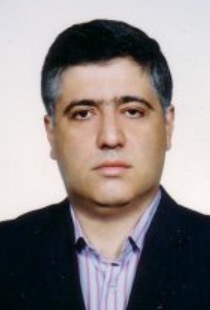 Seyed Nasser Ostad合作论文数Department of Pharmaceutical Biomaterials, School of Pharmacy, Tehran University of Medical Sciences2Nili-Ahmadabadi Amir合作论文数2
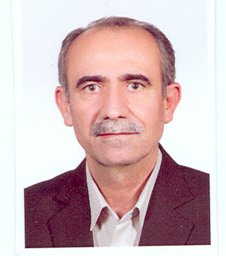 Alireza Sarkaki合作论文数Physiol Res Ctr, Ahvaz Jundishapur Univ Med Sci2
 Arezoo Khoradmehr合作论文数Research and Clinical Center for Infertility, Shahid Sadoughi University of Medical Sciences2
 Namdar Yousofvand合作论文数Faculty of Sciences, Razi University of Kermanshah2Kolahdooz M合作论文数Department of Biology, Payamenoor University2
 Imani Saber合作论文数Chemical Injuries Research Center, Baqiyatallah University of Medical Sciences2Jalali Maryam合作论文数2
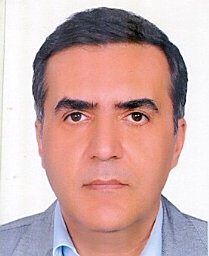 Fardin Amidi合作论文数Faculty of Medicine, Tehran University of Medical Sciences2
 Omid Sabzevari合作论文数Faculty of Pharmacy, Tehran University of Medical Sciences2
 Ghasem Saki合作论文数2




