This commentary provides a short review of the history and current state of transition studies, and explores how a deepened exchange with economic geographers could be fostered at the geography of sustainability transitions interface along three fronts. First, we argue that a combined transitions-economic geography perspective allows elucidating how the coevolution of technologies, institutions, and actor networks creates multiscalar and spatially uneven opportunity spaces for transformative change. Second, it provides a deeper process-based understanding of structural change trajectories, emphasizing the social construction of material and institutional elements and their alignment into socio-technical configurations that work in addressing wicked sustainability problems. Third, it creates novel inroads for conceptualizing-and critically questioning-normative, policy-related concerns around how to achieve more just, resilient, and environmentally sustainable futures. The article concludes with epistemological and strategic considerations on how to further advance geography of transitions perspectives.
This paper empirically investigates how local actors manage potential impacts and uncertainties associated with a new high-speed rail (HSR) access. The provision of such supra-regional transport infrastructure offers significant benefits to accessed cities and regions. However, the main challenge lies in transforming the potentials into actual local impacts. We conducted expert interviews in four German cities equipped with HSR stations to examine ways and practices of local responsible actors in this context. The study focuses on the voiced objectives and approaches, the instruments and actions used, and the factors that facilitate or impede leveraging potential impacts. Using the conceptual framework of strategic planning, we show that both linear and adaptive strategies are required to cope with uncertainties. Furthermore, anticipation of potential impacts by politicians and planners with a long-term horizon can prove advantageous in the face of complex dynamics. Promising and necessary progress could be made through enhanced cooperation and coordination with Germany's HSR operator and by taking greater account of local concerns with regard to a stronger integration of HSR-related transport and spatial planning.
Purpose This paper aims to contribute to research on hybrid organisations operating within the information and communication technology for development paradigm to foster socio-economic inclusion through the capacity building of marginalised individual youth to enable their entry and participation in the formal labour market. Design/methodology/approach Using a qualitative research design, the authors investigated impact sourcing service providers and their beneficiaries to unpack how hybrid organisations fulfil their social mission and to provide a nuanced understanding of their needed capabilities. Data triangulation through document analysis, participant observation and semi-structured interviews were conducted for the empirical findings’ robustness and in-depth analysis. Findings This paper illuminates how hybrids strived to build beneficiaries' capabilities through empirically grounded approaches of “standardised” and “individualised” skills development, which were strongly connected to the perceived capabilities among the beneficiaries. Organisations that practiced the “individualised” approach imparted technical knowledge and, depending on individual needs, relevant social skills. Critically, the empirical findings call into question the effectiveness of the scalability model, as the results showed that the creation of standardised, low-skilled and low-paid jobs contradicts the idealised self-help status that employment advocates. In addition, the findings underline the central role of constant experimentation, resilience and organisational learning in revamping capabilities of hybrid organisations. Remarkably, compared to organisations committed to the “standardised” technical competency path, the results underscored the difficulties that organisations taking an “individualised" approach face in developing organisational capabilities for their financial sustainability. Further, organisations engaged in standardised” skills development were found to readapt their business model to the economic value and kept the wording of dual mission as a narrative. Originality/value The paper makes a conceptual and empirical contribution bringing together two separately developed literature strands – the organisational capability approach and – the individual capability approach, to enhance a more profound understanding of how both capabilities are connected to each other in the dual-mission orientation of hybrids embedded in resource-poor environments, global value chains, Global South, hybrid organisations, organisational and individual capability building.
Systemic research on social innovation has made substantial progress in recent years. However, despite these advances, we lack solid evidence on social innovations comparable to economic-technological innovations. In light of the normative turn in research and innovation policies from fixing market, state and transformational failure towards societal challenges, measuring social innovation is essential for informed decision-making of social innovation actors. This chapter reviews the rare previous research on measuring social innovation and introduces an integrated measurement model that offers advancing research in this area. It can assist policymakers in understanding better the conditions for and the actions taken by social innovators and develop policies in support of social innovation.
Social innovation is a transformational process affecting social practices by providing more social value to society. We know that social innovation is driven by a multitude of actors from different sectors and that varying context conditions and social discourses play a major role in shaping social innovation. However, the three levels of organizations, regional context, and resonance in discourse have rarely been conceptually linked to each other, not to speak of operationalized as measures. In this article, we review the rare previous research measuring social innovation, develop an integrated measurement model that offers to advance research in this area, and demonstrate how the model has been tested empirically. We discuss what our research contributes to improving our understanding of the complexities of social innovation, and the shaping of emergent social practices more generally.
A key challenge in sustainability transitions research is to better understand the huge variety and spatial unevenness of transitions paths. Institutions and institutional change have been identified as critical issues, as regional institutional settings significantly influence the pace and scope of sustainability transitions. However, the complex institutional dynamics underpinning 'Regional Transition Paths to Sustainability' (RTPS) are not well understood. Underexplored is in particular the link between short time gradual changes on the micro-level and long-term transformative change on the system level. In order to add to a more profound understanding of these processes, a focus on organizational change is valuable. The basic argument made in this article is that the emergence of new temporary and more permanent forms of organization has the potential to enable de-institutionalization and new institutionalization processes simultaneously. As we will show, new organizational forms also serve as a means to make institutional dynamics visible. The contribution of this paper is thus twofold: By combining insights from sustainability transition theory, evolutionary economic geography and neoinstitutional organization theory, we develop an original conceptual framework. By developing and applying the methodological approach of a 'transition topology', the potential of this framework for comparative research on actors and processes in different regional transition path to sustainability is revealed.
Using data on the emergence of music genres from 1970 to 2015, this paper examines the relative importance of related and unrelated diversification processes for symbolic knowledge creation. Modelling 33 urban music scenes from Northern America and Europe as network-based symbolic knowledge bases allows for the testing of whether new genres are related or unrelated to pre-existing knowledge bases. The results show that new music genres spawn mainly from local knowledge sources in the centre of music scenes. However, symbolic knowledge creation rarely happens without contributions of extra-local knowledge. These unrelated diversification processes are grounded in the anchoring of trends and fashions originating elsewhere.
This article investigates the relation between different forms of (related) variety found in urban music scenes and innovation in music. While related variety has been found to be positively associated with several indicators of regional economic development and technological innovation, it remains unclear whether its merits also benefit innovation in creative industries. As innovation in creative industries is based on symbolic knowledge, the degree of variety in local contexts may affect the creativity of artists differently than the innovativeness of engineers and scientists. To test whether specialization, unrelated variety, or (semi)related variety is linked to innovation in creative industries, this contribution applies the concept of related variety to the context of urban music scenes. As innovation in creative industries is hidden from traditional innovation data, we utilize volunteered, geographic, and user-generated information from the social music platform last.fm. From relatedness measures between music genres, we generate our own classification system of music, which is used to calculate different related variety metrics of music scenes. Furthermore, our database allows for the identification of innovation in music as the emergence and combination of music genres. The results of this article suggest that semirelated variety promotes innovation in music, while related variety is only positively associated with combinatorial knowledge dynamics. Additionally, specialization limits innovation in music scenes. Hence, policy concerned with creative industries needs to analyze not only aggregate data but also the composition of regional symbolic knowledge bases.
Standards are increasingly being geared towards addressing social and ecological concerns in global production networks, but to facilitate sustainable development locally, global standards need to integrate the context-specific needs of actors in developing countries. However, most standards are still developed in the Global North, while the inclusion of actors from developing countries remains limited. Nonetheless, there is recent evidence of some countries from the Global South proactively influencing transnational and global standard setting and, in these processes, knowledge is a decisive factor. Accordingly, in this article we argue that a dynamic and knowledge-based perspective can provide more detailed insights into how actors from developing countries contribute to standard setting processes. In this respect, special types of organizations – namely knowledge-intensive intermediaries (KIIs) – play an essential, yet unrecognized, role. Here, to illustrate the strategies that KIIs use to influence global standard setting, we investigate the South African organization ‘Fair Trade in Tourism’.
Although contemporary policy making is substantially affected by consultants, little is known about the interconnection of their role inside policy making networks and their key product – knowledge. This paper matches the approaches on Policy Mobilities (PM) and Territorial Knowledge Dynamics (TKD) to fill this theoretical gap. By exploring the synergies of both concepts, a research agenda is suggested that enables to investigate the multi-facetted entanglements of knowledge and policy making dynamics as well as what stake consultants have in this complex assemblage. Accordingly, this paper claims appreciation of ‘variegated consultocracies’ rather than global homogeneity of consultants’ engagement in policy making processes by explicating better integration of ‘scale, ‘time’, and actors’ embeddedness into PM. The paper thus primarily aims to provide a solid theoretical and methodological basis for exploring the complex dynamics consultants take part in, and how they in turn impact policy making processes.
Die Bedeutung der regionalen Ebene in der „großen Transformation“ zur Nachhaltigkeit wird immer wieder hervorgehoben. Dennoch weiß man noch wenig über die Entstehung, Entwicklung und Durchsetzung regionaler Transitionspfade zur Nachhaltigkeit. Insbesondere ist unklar, wie Veränderungen auf der Mikro-Ebene der Akteure langfristig zu Veränderungen in der Ausrichtung eines regionalen Pfades führen. Um zu zeigen, wie nachhaltige Handlungsweisen in einer Region generiert und stabilisiert werden, wird der regionale Transitionspfad der Region Augsburg in Form einer transition topology dargestellt. Die Langzeitstudie zeigt die wichtige Funktion neuer Organisationsformen auf, um verfestigte institutionelle Strukturen in der Region aufzubrechen und die Durchsetzung nachhaltigerer Handlungsweisen zu ermöglichen. Die Ergebnisse machen außerdem deutlich, inwieweit intermediäre Organisationen wie die Wirtschaftsförderung diese Dynamiken unterstützen können.
In response to complex and pressing environmental and social problems, sustainability innovations that have the potential to contribute to long-term socio-ecological transformations, have become increasingly important. However, these innovations seem to differ distinctively from recognized technological and economic forms of innovation by their formation and scaling processes, actor constellations, and the complexity of knowledge combination. Due to cognitive and institutional diversity in the development of sustainability innovation, combining knowledge bases transnationally is considerably challenging. This article illustrates such a case of knowledge bases combination by a comparative institutional analysis and innovation biographies of German-Chinese innovation projects in the green building sector. To grasp the largely underexplored dynamics of territorial and relational geographies in transnational sustainability innovation, this article places micro-dynamics and their institutional foundation center stage. Conceptually, recent evolutionary institutional geography approaches and knowledge-based theories are linked with the aim of contributing to both the geography of sustainability transitions and the ongoing debate in evolutionary economic geography. Thereby a deeper exploration of path dynamics and a more profound integration of agency and institutional changes is made possible.
While there has recently been an increased interest in urban and regional transitions to sustainability, there are little profound insights about the emergence, design and enforcement of regional transition paths to sustainability (RTPS). The latter are characterized by organizational and institutional dynamics that affect multiple regimes and cannot fully be captured with the niche-regime categories of the multilevel perspective (MLP). This paper is therefore based on recent approaches from evolutionary economic geography (EEG) that focus on how actors at the micro-level use the plasticity of paths to enact change. The transition path and underlying micro-dynamics over more than 30 years in the Augsburg region revealed in an empirical study are visualized in the form of a transition topology. The results show that RTPS do not exclusively originate in protected spaces. Actors use the interpretative flexibility of institutions and establish organizational proximity between different institutional logics thereby eroding institutional consolidations and allowing new configurations within the path. Gradual institutional changes lead to more fundamental changes in social practices over the long run.
Standards and certification systems have gained importance in facilitating sustainable development processes in global production and consumption networks. However, they are mainly developed in the Global North while actors from developing countries mostly remain passive standard takers. Currently, the majority of standards are primarily resource-oriented, while social criteria are less integrated. The result is a lack of acceptance due to low levels of embeddedness. Which requirements standards have to fulfill in order to facilitate a sustainable development is still widely unanswered. The paper intends to make mainly a conceptual contribution to the evolutionary trajectories of sustainable standards, which explicitly include the social dimension. Conceptually, neo-institutional approaches in organizational theory, focusing on institution building, and the research on innovation and knowledge dynamics are combined. Empirically, the evolutionary trajectory of the sustainability standard Fair Trade in Tourism South Africa (FTTSA) (since 2013 Fair Trade in Tourism FTT) is analysed from a transnational, knowledge-based perspective, based on 63 interviews conducted with different actor groups.
Standards and certification systems have gained importance in facilitating sustainable development processes in global production and consumption networks. However, they are mainly developed in the Global North while actors from developing countries mostly remain passive standard takers. Currently, the majority of standards are primarily resource-oriented, while social criteria are less integrated. The result is a lack of acceptance due to low levels of embeddedness. Which requirements standards have to fulfill in order to facilitate a sustainable development is still widely unanswered. The paper intends to make mainly a conceptual contribution to the evolutionary trajectories of sustainable standards, which explicitly include the social dimension. Conceptually, neo-institutional approaches in organizational theory, focusing on institution building, and the research on innovation and knowledge dynamics are combined. Empirically, the evolutionary trajectory of the sustainability standard Fair Trade in Tourism South Africa (FTTSA) (since 2013 Fair Trade in Tourism FTT) is analysed from a transnational, knowledge-based perspective, based on 63 interviews conducted with different actor groups.
The aim of the paper is to contribute both conceptually and empirically to a deeper understanding of the territorial shaping of knowledge combination and its development dynamics underpinning innovation. The importance of combining and integrating knowledge bases from different sources, geographical scales and heterogeneous actors is increasingly recognized in innovation studies. Yet, the question of what limits or enables knowledge combinations in innovation processes and what generates relatedness among unrelated knowledge bases in time and space is not fully answered. Conceptually the paper suggests a more specific focus on microfoundations and temporality by taking into account the economics of organization in more detail. This appears a particularly promising approach, as the causal relations and mechanisms across and between aggregated levels such as firms, sectors, regions, or nations are not well understood. Empirically the paper explores the micro-dynamics of knowledge combination and its territorial shaping from a transnational perspective. German-Chinese innovation projects in sustainable construction are investigated by using the methodology of innovation biography. This method allows following the time-space path of innovation. It enables capturing knowledge interactions and their unfolding in multi-scalar and cross-sectoral ways. The results underline a very dynamic geography of organization and barriers for knowledge integration at the micro-level rooted in organizational and institutional path dependencies. The investigation in the interplay between more permanent and temporary organizational forms and its geography holds a large potential for further research to provide new insights into the spatiality of combining knowledge bases in innovation processes.
An increasing importance of mobile and com- plex forms of working and living has been noticed in re- cent mobility research. These developments are closely linked to the socio-economic structural change toward a knowledge economy and to changes in the organization of employment. So far only few empirical results indicate that knowledge workers are more mobile than other em- ployees. However, the relationship between knowledge-in- tensive activities and job-related—especially the so-called circular—mobility has not been systematically examined in-depth. Merging interdisciplinary mobility research with the spatial innovation and knowledge science seems to be a promising approach for utilizing synergy potentials that allow a more differentiated analysis of the fluid, spatiotem- poral connection between knowledge work and its complex implications for the job-related circular mobility.
The development of standards and certification programmes in global tourism has gained importance in the production-consumption-nexus. This paper deals with the 'Fair Trade in Tourism South Africa' standard, one of the first innovative service standards with a focus on the social dimension of sustainability. Until now, there has been little detailed exploration in the evolutionary trajectories of sustainable tourism standards from a knowledge-based perspective. This paper contributes to a deeper understanding of standard creation in global-local interaction processes over time and its impacts on the micro level of firms. Conceptually, it builds on two scientific debates: the neo-institutional approaches in organisational theory focusing on institution building and the research on innovation and knowledge dynamics. Empirically, it is based on 32 interviews conducted with different actor groups.
 Annika Surmeier合作论文数Grad Sch Business, Univ Cape Town6
 Benjamin Klement合作论文数Dept Geog, Philipps Univ Marburg6
 Gesa Pflitsch合作论文数3
 Judith Terstriep合作论文数Inst Work & Technol, Westphalian Univ2Georg Mildenberger合作论文数2
 Gorgi Krlev合作论文数2
 Hubert Schmitz合作论文数Institute of Development Studies, University of Sussex2
 Henrik Halkier合作论文数Center for Regional Udvikling2iris dieterich合作论文数1
 Koen Frenken合作论文数Copernicus Institute of Sustainable Development, Utrecht University1
 Christian Binz合作论文数EAWAG, Swiss Federal Institute of Aquatic Science and Technology1
 Bernhard Truffer合作论文数Copernicus Institute of Sustainable Development, Faculty of Geosciences, University of Utrecht1
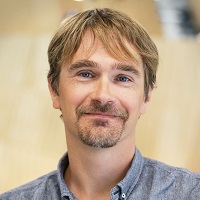 Lars Coenen合作论文数Mohn Centre for Innovation and Regional Development, Western Norway University of Applied Science/The University of Melbourne1
 James T. Murphy合作论文数International Corporation1Katrin Kappes合作论文数1Heiner Depner合作论文数1
 Harald Bathelt合作论文数Department of Geography & Planning, Faculty of Arts & Science, University of Toronto;Department of Geography, University of Toronto1Jean-Marc Zuliani合作论文数1
 Cornelia Storz合作论文数Department of Business Administration and Economics & Centre for Japanese Studies;University of Marburg;Department of Business Administration and Economics & Centre for Japanese Studies, University of Marburg1
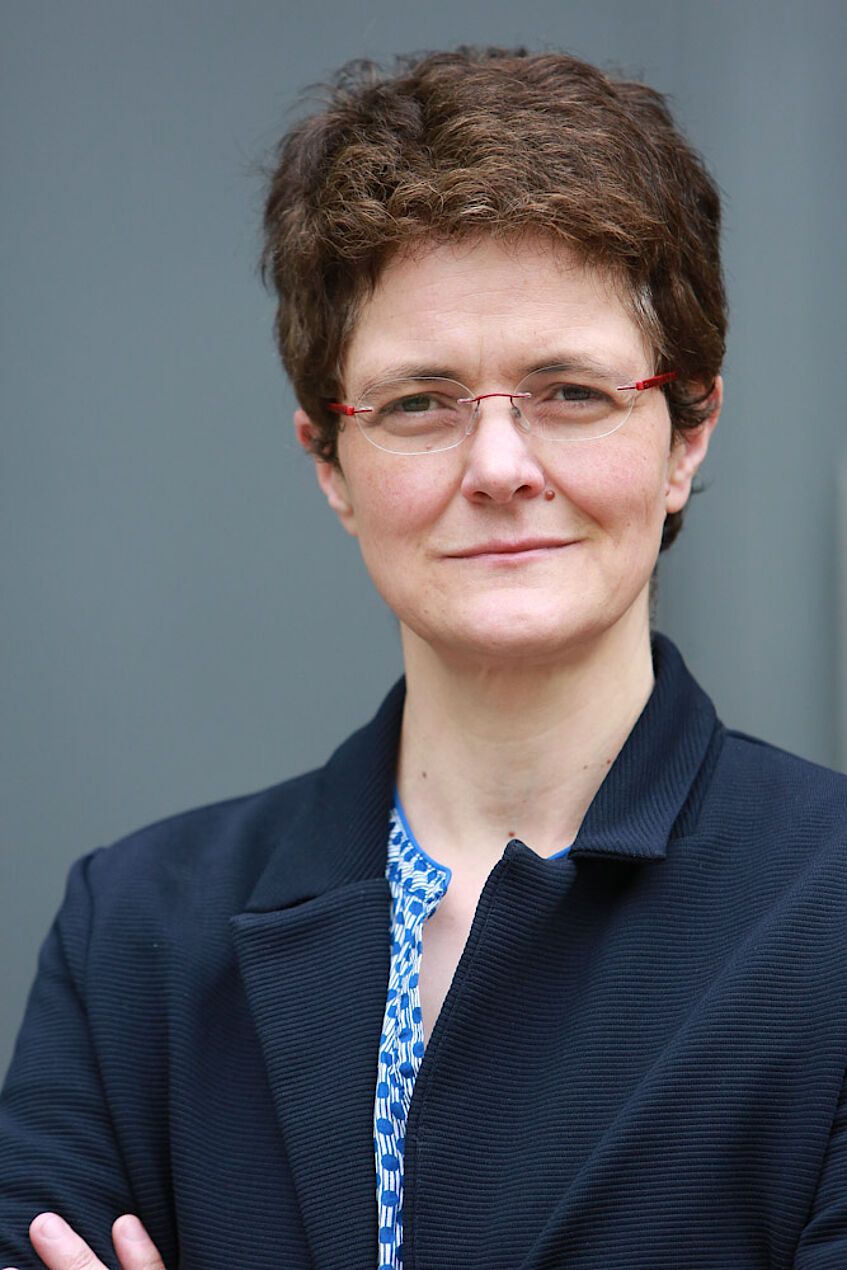 Michaela Trippl合作论文数Department of Geography and Regional Research, University of Vienna/Department of Working Life and Innovation, University of Agder1Guy Jalabert合作论文数1
 James Simmie合作论文数Department of Planning, Oxford Brookes University1




