Coastal marshes are key habitats contributing to organic carbon (OC) storage but remain understudied in Nordic regions regarding Blue Carbon processes. This study quantified OC stocks in above- and below-ground plant biomass and in the top 50 cm-soil across 12 grazed and ungrazed marshes, spanning a major environmental gradient, and assessed how biotic (plant communities, livestock grazing) and abiotic (soil properties, environmental conditions) drivers shape OC storage. Soil OC stocks accounted for similar to 73 % of total OC in grazed sites and similar to 63 % in ungrazed ones and was higher in grazed sites (99.7 +/- 57.9 Mg ha-1) than in ungrazed sites (78.2 +/- 44.2 Mg ha-1). Grazing and the large-scale environmental gradient strongly structured plant communities, partly by regulating reed (Phragmites australis), prevalent in ungrazed sites. Abiotic soil properties were major large-scale drivers of soil OC storage, while grazing affected soil OC storage indirectly through plant composition. Soil OC increased with finer textures, whereas vegetation and grazing effects were variable and locally expressed. Aboveground OC stocks were reduced by grazing, both directly through biomass removal and indirectly by reducing reed dominance. Belowground OC stocks were driven by plant community composition and indirectly by grazing effects on vegetation. Root biomass was concentrated in the top 15 cm in grazed sites and deeper (15-50 cm) in ungrazed sites, reflecting contrasting plant strategies. Overall, soil OC stocks in Nordic coastal marshes fall within the lower range of global estimates. These findings highlight the need to consider soil processes, grazing and environmental gradients in the sustainable management of Nordic coastal marshes and their carbon storage potential.
Freshwater ecosystems, though covering less than 1% of Earth's surface, harbor around 10% of all species. Pressures like pollution, water extraction, and habitat loss can exhibit complex interactions in their effects on freshwater biodiversity. Understanding the effects of these pressures on ecosystem services and functions of freshwater systems is crucial for effective environmental policies, and asks for availability of species data. We therefore compiled European monitoring data on macroinvertebrates from European, national, and regional biomonitoring and analysed their representativeness with respect to river size, land use as well as their suitability to derive biodiversity trends. The dataset consists of over 2.3 million macroinvertebrate abundance records from 2010 to 2015, spanning 28 European countries. Geographically, data are concentrated in central Europe and England and are not evenly representative across space or river types. They vary regarding reporting units, general sampling methods, and taxonomic levels (mainly species level). These differences hamper European-scale biodiversity comparisons. The WFD primarily focuses on assessing the "ecological status" of water bodies, which can be achieved using a menu of methods and many biodiversity research questions require improvements in harmonization of taxonomic resolutions and in method standardization to enable accurate transnational comparisons. This study emphasizes the need for improved European coordination and support in collecting, validating, exchanging, and sharing freshwater biodiversity data to enable meaningful comparisons among countries. It also delivers an open-access database that enables analyses of trends and ecological scenario development, offering further opportunities to enhance freshwater biodiversity conservation and management.
Coastal ecosystems play a crucial role in greenhouse gas (GHG) dynamics but are less studied than open oceans or terrestrial systems. This study measured concentrations of carbon dioxide (CO2), methane (CH4), and nitrous oxide (N2O) in six shallow bays of the wider Stockholm Archipelago during spring (April) and autumn (September-October) 2024 using cavity ring-down spectroscopy combined with a water equilibration system. We explored how GHG levels relate to bay physical characteristics (i.e. topographic openness, sediment properties vegetation cover) and seawater properties (temperature, salinity, dissolved-oxygen saturation, chlorophyll-a, organic carbon, and nutrient concentrations), revealing significant seasonal variation of concentrations. Surface water pCO2 ranged from 225-1372 ppm, CH4 from 3.6-580 nmol L-1, and N2O from 8-20.8 nmol L-1 with pCO2 and CH4 higher in autumn and N2O higher in spring. CH4 concentrations below 250 nmol L-1 were negatively correlated with N2O, while higher CH4 levels showed a positive correlation, suggesting differences in the dominant sedimentary microbial pathways. Most bays acted as net GHG sinks in April and sources in September, with only one bay showing net source behaviour in both seasons. One bay that is subject to substantial human impacts (e.g. dredging, high nutrient loading, reduced vegetation cover) showed CO2-equivalent CH4 emissions that surpassed CO2 uptake in this particular bay. CO2-equivalent fluxes ranged from -195.2 to 793.6 mg CO2 eq. m-2 d-1 (median: 131.5 mg CO2 eq. m-2 d-1). This study is distinctive in simultaneously measuring all three major GHGs across multiple bays in relation to diverse environmental controls, offering a uniquely integrated understanding of coastal GHG dynamics. These findings highlight the variability and complexity of coastal ecosystems and demonstrate the importance of high-resolution measurements for accurate up-scaling of fluxes from these dynamic environments.
Ecological succession provides a critical framework to evaluate and predict the effects of successional dynamics within plant communities on ecosystem functions, which has become increasingly relevant in recent years as humans adapt to a world that is progressively shaped by anthropogenic disturbances. To date, we lack a mechanistic understanding of how environmental gradients shape succession of functional diversity within aquatic plant communities, complicating our ability to predict the C sink potential of aquatic plant meadows. This makes it imperative to explore the factors underlying shifts in functional community structure and associated functions provided by aquatic plants across broad environmental gradients. We conducted a field survey in August–September 2023, where we sampled 20 soft‐bottom sites along a strong (50 km) gradient of environmental variables (i.e., exposure and salinity) in the northern Baltic Sea. Spatial differences in the functional community structure and biomass‐bound C stocks were influenced by an interplay between wave exposure, depth and salinity. The functional community structure of aquatic plant meadows shifted from more conservative strategies under high hydrodynamic forces to more acquisitive strategies under relatively benign environmental conditions. Functional trait variation across meadows was driven by both intraspecific variation (ITV) and species turnover, but their relative role was highly variable. Biomass‐bound C stocks were mainly influenced by light availability. Overall, our study illustrates the importance of addressing ITV and that the functional community structure and biomass‐bound C stocks of aquatic plant meadows were shaped by an interplay between wave exposure, depth, and salinity. This highlights the complexity in assessing ecosystem services provided by vegetated coastal ecosystems and the need to improve our understanding of the relationships among the environment, species traits, and ecosystem functioning for developing effective measures of ecosystem conservation.
Functional plant traits that influence fitness or performance provide a powerful tool for understanding and predicting how plants interact with their environment, respond to ecological changes, and contribute to ecosystem processes. To this day, most trait-based ecological studies in both terrestrial and aquatic ecosystems have assumed that species turnover is the main driver of trait variation, by using a single species-specific value for each trait. Evidence is growing that intraspecific trait variation (ITV) is non-negligible, but we are lacking a comprehensive framework on the mechanisms that shape the extent of ITV at the community level and the consequences of ITV for indices of plant community structure. This is a major bottleneck for functional ecology when considering ecosystems characterized by relatively low species richness, which typically exhibit higher variation within traits of a species (ITV) at local scales. We conducted a field survey in August-September 2023, where we sampled 20 soft bottom sites dominated by different aquatic vascular plants, along a strong (50 km) gradient of environmental variables (i.e. exposure and salinity) in the northern Baltic Sea. Sampled traits included specific leaf area, maximum height, root depth, and root-to-shoot ratio, which capture key variation in plant life-history strategies. ITV explained a large proportion of trait variability in CWM patterns; however, the importance of ITV was trait specific and potentially modulated by abiotic context. ITV's response to environmental stress was highly variable across sites, but for most singular traits, the extent of ITV was positively correlated with environmental stress. That the extent of ITV for multivariate phenotypes across plant organs did not respond to environmental stress, could imply trait integration. Our study illustrates that the assumption of negligible ITV and species turnover being the main driver of trait variation, may not hold true for ecosystems characterized by low species richness and high micro-environmental heterogeneity. This highlights that ITV is not trivial and that it should be taken into consideration if one wants to make decisions based on trait-based studies in these ecosystems.
Coastal ecosystems play a significant role in the cycling of greenhouse gases (GHGs), yet they remain understudied compared to open oceans and terrestrial systems. Here, we present measurements of carbon dioxide (CO₂), methane (CH₄), and nitrous oxide (N₂O) concentrations from shallow coastal environments along the Swedish Baltic Sea coast and Auckland, New Zealand, highlighting the variability and drivers of GHG dynamics across diverse habitats.In the Baltic Sea, we conducted measurements in April and September 2024, utilizing cavity ring-down spectroscopy coupled with a water equilibration system. Our focus was on shallow coastal bays in the wider Stockholm archipelago, including eutrophic and habitat-altered bays. These environments exhibited exceptionally high CH₄ concentrations in the surface water reaching up to 580 nmol L-1, suggesting the potential for significant CH₄ emissions. Notably, CH₄ concentrations below 200 nmol L-1 showed a negative correlation with N₂O, while CH₄ levels above 200 nmol L-1 revealed a distinct shift to a positive correlation with N₂O. We hypothesize that this transition reflects a change in oxygen availability, where hypoxic conditions (0.2< O2 < 2 mL L-1) favor CH₄ production and reoxygenation of euxinic sediments contributes to an additional late-summer N₂O peak. Furthermore, GHG concentrations in the surface seawater were associated with environmental parameters such as water retention time, vegetation coverage, total organic carbon content, turbidity, chlorophyll-a concentration, pH, and total phosphorus levels.Expanding our investigation to coastal systems in the suburban regions of Auckland, New Zealand, in January 2025 we conducted a spatial survey across a range of coastal habitats, including tidal flats, mangroves and river estuaries. By linking the findings from the Baltic Sea with emerging insights from New Zealand’s coastal systems, we aim to better understand the influence of habitat type, redox conditions, and nutrient dynamics on GHG emissions in coastal zones globally.Our comparative study underscores the need for integrated approaches to better understand GHG emissions in coastal zones, which are often subject to compounded anthropogenic pressures, such as excessive nutrient inputs and habitat alteration. These findings contribute to the broader understanding of coastal zones as dynamic interfaces in the global carbon and nitrogen cycles and the development of evidence-based policies.
Coastal vegetated ecosystems are being increasingly recognized for their capacity to capture carbon, provide long-term biogenic storage, and alleviate nutrient pollution. To assess the ability of shallow, vegetated coastal bays to function as blue carbon and nutrient (nitrogen and phosphorus) sinks, we collected sediment cores in nine shallow enclosed bays (representative of the EU Habitats 1153 and 1154) in the archipelago areas of Sweden (Stockholm), Åland Island, and southwestern Finland. Our study showed strong uniformity of carbon and nutrient storage, substantial accumulation of carbon and nutrients, and minimal regional differences in carbon, nitrogen, and phosphorus sediment stocks. These findings are noteworthy given the large area (142 km2) the shallow enclosed bays cover and the multiple important ecosystem services they provide in the northern Baltic Sea seascape. An initial first-order estimate for the shallow bay ecosystems across the study region indicates that these ecosystems potentially store 84,000 to 430,000 t organic carbon over the top 25 cm sediment. The positive correlation between carbon and nitrogen stocks, and the potentially organically bound nature of phosphorus in sediment, suggests that climate regulation services can be managed in unison with nutrient management efforts. The findings, also considering the consistent pattern of slow sedimentation and accumulation, underscore the importance of protecting shallow coastal bays as carbon and nutrient sinks in the Baltic Sea region.
While marine seagrass habitats are acknowledged as sinks for carbon and nutrients, much less is known about sequestration in brackish-water vegetation. Here, we quantify the amount of organic carbon (C-org) and total nitrogen (TN) in shallow bay sediments (0-25 cm) in the brackish Baltic Sea and assess how it varies with morphometric isolation from the sea, catchment characteristics and abundance of brackish-water vegetation. The sedimentary C-org and TN content per surface area varied across the bay isolation gradient (mean C-org: 2500-4600 g/m(2); mean TN: 320-570 g/m(2)), with enclosed bays having the highest percentage content of C-org and TN, but low sediment density (< 0.1 g cm(3)), while open bays had more compact sediment with lower percentage content of C-org and TN. The influence of catchment and vegetation characteristics on the sediment C-org and TN content was less clear, suggesting that coastal morphology affecting hydrodynamic exposure is an important determinant of C and TN accumulation in brackish-water bays. The results show that morphometrically isolated shallow coastal areas constitute significant sinks for carbon and nitrogen, which should be considered in management and in any regional estimates of blue carbon and nutrient sequestration functions.
CORRECTION article Front. Mar. Sci., 31 May 2023Sec. Marine Fisheries, Aquaculture and Living Resources Volume 10 - 2023 | https://doi.org/10.3389/fmars.2023.1154309
Hypoxia is presently seen as the principal driver behind the decline of the former dominating Eastern Baltic cod stock (EBC; Gadus morhua). It has been proposed that both worsening conditions for reproduction and lower individual growth, condition, and survival are linked to hypoxia. Here, we elucidate the ecological envelope of EBC in terms of salinity stratification, oxygen content, and benthic animal biomasses, and how it has affected EBC productivity over time. The spawning conditions started deteriorating in the Gotland Deep in the 1950s due to oxygen depletion. In contrast, in the Bornholm Basin, hydrographic conditions have remained unchanged over the last 60 years. Indeed, the current extent of both well-oxygenated areas and the frequency of hypoxia events do not differ substantially from periods with high EBC productivity in the 1970s-1980s. Furthermore, oxygenated and therefore potentially suitable feeding areas are abundant in all parts of the Baltic Sea, and our novel analysis provides no evidence of a reduction in benthic food sources for EBC over the last 30 years. We find that while reproduction failure is intricately linked to hydrographic dynamics, a relationship between the spread of hypoxia and the decline in EBC productivity during the last decades cannot be substantiated.
Explaining the recent decline of eastern Baltic cod (EBC) remains scientifically challenging. Brander proposes in a comment to Svedang et al. that the observed trend in oxygen in SD 25 supports the idea that juvenile cod are balancing the physiological cost of living under mild hypoxia by offsetting the risk of being eaten by diving seals and cormorants in shallower water with more oxygen. There are a number of objections to this conjecture, besides the fact that supporting observations are missing. Hence, it is difficult to reconcile the long-term development of EBC under varying oxygen conditions with the hypothesis that a small reduction in oxygen content can explain the current strong and uniform decline in growth observed in the entire southern Baltic Sea.
Kustekosystemen är mycket viktiga för både biologisk mångfald och ekosystemtjänster, men påverkas samtidigt negativt av ett kontinuerligt ökat nyttjande av kustzonen för boende och olika verksamheter. Ekologisk kompensation är ett förvaltningsverktyg som syftar till att gottgöra oundviklig skada på naturmiljöer, exempelvis arter, naturtyper, ekosystemfunktioner och upplevelsevärden, i samband med mänsklig verksamhet. Verktyget har dock hittills använts i mycket begränsad omfattning i grunda kustmiljöer. Inom projektet ECOCOA, finansierat av Naturvårdsverket, har vi fokuserat på att utvärdera förutsättningarna för ökad användning av ekologisk kompensation i kustområden, som ett av flera verktyg som kan stöda miljövården. Projektets slutrapport (Bergström m.fl. 2021) ger en övergripande bild av samtliga resultat, medan vi i föreliggande rapport ger en fördjupning av de mer konkreta problem som kan uppstå vid handläggning av miljöärenden i förvaltningen, och möjliga lösningar på kort och lång sikt. Rapporten riktar sig i första hand till handläggare som vill utveckla tillämpningen av ekologisk kompensation vid vattenverksamhetsärenden, till tekniska råd vid markoch miljödomstolar, samt miljökonsulter och andra som kan behöva insyn i hur ekologisk kompensation kan användas och vidareutvecklas inom svensk kustmiljöförvaltning. I rapporten återger vi hur man hanterar ekologisk kompensation i svenska kustområden idag, till exempel hur handläggare arbetar med att mäta skada och bedöma omfattningen av kompensationsbehov. Vi beskriver även problematiken med småskaliga anmälningspliktiga ärenden, där den sammanlagda påverkan från många små exploateringar ger upphov till betydande förluster av biologisk mångfald och ekosystemtjänster. Slutligen beskriver vi hur den så kallade särskilda fiskeavgiften, som syftar till att tillvarata fiskeintresset i samband med vattenverksamhetsfrågor, tillämpas idag, samt analyserar hur beräkningsgrunderna skulle kunna utvecklas för att stärka användningen av ekologisk kompensationen som verktyg. Vår sammanställning och utvärdering utgår från ett generellt ramverk som utvecklats inom ECOCOA för att skatta skada och identifiera kompensationsbehov. Ramverket baseras på en kaskadmodell, som visar kopplingar mellan ekosystemets struktur, funktion, ekosystemtjänster och nyttigheter för människor. Modellen kan användas för att synliggöra hur verksamheter påverkar arter och livsmiljöer och vilka kostnader och förluster detta medför. Ramverket kan även användas för att bedöma i vilken omfattning en föreslagen åtgärd faktiskt kompenserar för de förluster som verksamheten innebär. Här följer en kort sammanfattning av resultaten som presenteras i rapporten: • En enkätundersökning riktad till aktörer inom kustförvaltningen visar att ekologisk kompensation i praktiken tillämpas mycket sällan inom kustmiljöförvaltningen idag, och att det finns ett stort behov av att ta fram riktlinjer för dess tillämpning, som stöd till handläggare, konsulter, domstolar och andra aktörer. På en mer generell nivå omfattar detta även ett behov av att förbättra kunskapen om restaureringsmetoder samt att ta fram metoder för värdering av skador på naturvärden. Det finns även ett behov av resurser för Sammanfattning 6 handläggare i form av tid och stöd för att tillämpa ekologisk kompensation i kustförvaltningen. • En utvärdering av befintliga domslut för ett antal tillståndspliktiga (dvs. storskaliga) vattenverksamhetsärenden visar att biologisk mångfald och ekosystemtjänster mycket sällan beaktas på ett sätt som är i linje med Sveriges åtaganden inom till exempel konventionen för biologisk mångfald och EU:s biodiversitetstrategi, där en bärande princip är att ingen nettoförlust ska ske. Det finns ett förbättringsutrymme som borde kunna mötas direkt genom en ökad kunskapsdelning mellan aktörer, och en förbättrad praxis gällande tillämpning av ekologisk kompensation. Samtidigt uppstår flera mer komplexa frågor som berör till exempel behovet av en gemensam fysisk planering och identifiering av lämpliga kompensationsåtgärder, där ett kunskapsbyggande behövs. • Småskalig kustexploatering, exempelvis bryggbyggen och små muddringar, är en särskilt utmanande fråga. Enskilda små ingrepp är anmälningspliktiga (dvs. sällan tillståndspliktiga), och trots att det vid handläggningen av dessa ärenden ställs krav på miljöhänsyn kan det ofta inte bedömas som skäligt att kräva att exploatören själv utför ekologisk kompensation. Den sammanlagda påverkan av dessa många små ingrepp är dock betydande, och det är angeläget att utforma ett system där även småskalig vattenverksamhet kompenserar för sina miljökostnader. Vi undersöker hur ett system för ekologisk kompensation som även omfattar småskalig exploatering skulle kunna se ut, i relation till konceptet habitatbanker eller kompensationspooler, där exploatören kan bidra ekonomiskt till habitatrestaureringar i stället för att själv utföra dem. • Den särskilda fiskeavgiften syftar till att kompensera för skador från vattenverksamheter på fisket och skulle kunna betraktas som ett förvaltningsverktyg för kompensation av en viss typ av förlust. I rapporten utvärderar vi hur det rådande fiskeavgiftssystemet fungerar och utforskar hur det kan fungera ur ett kompensationsperspektiv, samt ger förslag på hur beräkningsmodellen kan utvecklas. Sammantaget finns det ett stort behov av att utveckla ekologisk kompensation som ett av de verktyg som kan bidra till att motverka den allt snabbare förlusten av biologisk mångfald och ekosystemfunktioner. Parallellt behövs ytterligare åtgärder för att stärka skyddet av de känsligaste livsmiljöerna i kustzonen, eftersom bevarande av fungerande livsmiljöer är att föredra som ett mer kostnadseffektivt verktyg än restaurering av störda miljöer.
Environmental compensation should address negative impacts from human activities on nature, including loss of biodiversity and ecosystem services. However, successful compensation, achieving no net loss, requires broad quantitative information on different types of losses and gains. We find that the scope of compensatory schemes varies in what is considered compensable, which makes it challenging to apply a conceptual approach consistently across schemes with different needs. We propose a flexible yet structured framework for determining which values should be compensated and how. Our framework focuses specifically on habitat deterioration and is illustrated with a case study involving loss of eelgrass habitat. The framework helps identify compensation needs and selects among suitable compensation options, merging science-based information with normative issues and local concerns. By integrating the ecosystem services cascade model, it encompasses aspects from biodiversity structure to human wellbeing. The framework prefers in-kind compensation because this targets the structure level and thus meets compensation needs in all subsequent levels of the cascade model; further, it is more likely to capture non-instrumental values (i.e. in nature) and reduce exposure to uncertainty. We highlight the importance of spatial aspects of ecosystem functions, services and their subsequent impacts on wellbeing. Although our selection hierarchy assumes a "similar and nearby" principle for habitat restoration (preference for in-kind/on-site), this criterion is not universal. We underscore the hierarchy's implicit normative assumptions and suggest that apparent disagreement about who should benefit may be traced to an unresolved conflict between egalitarianism and utilitarianism.
Ekosystembaserad havsforvaltning anges som ett viktigt verktyg for att na Sveriges miljomal. Denna rapport tar ett forsta steg i riktning mot ett vetenskapligt underlag for att stodja ekosystembaserad havsforvaltning i ett pilotomrade i sodra Bottenhavet. Ekosystemkomponenter (dvs. arter och livsmiljoer) som ar viktiga for modellering av ekosystemet identifieras och deras status samt faktorer som paverkar dem redovisas. Aven kunskapsluckor kopplade till paverkansfaktorer diskuteras, samt hur dessa paverkansfaktorer integreras med ekosystemkomponenterna, liksom vilka ekosystemtjanster som ekosystemkomponenterna bidrar till. Manga av ekosystemkomponenterna har inte god miljostatus, sarskilt grunda bottnar som har ett hogt exploateringstryck. Orovackande nog saknas det overvakning av bade grunda kustnara mjukbottnar och utsjobankar, fastan dessa omraden ar av intresse for exploatering samtidigt som de har hog biodiversitet och ar kopplade till manga ekosystemtjanster. Dock finns det en del data tillgangligt i omradet som kan anvandas vid modellering for att ta fram kartor over ekosystemkomponenter och aven ekosystemtjanster, som kan vara viktiga underlag for ekosystembaserad forvaltning i sodra Bottenhavet. I flera fall ar kunskapen om belastningar i sodra Bottenhavet och hur de kopplar till statusen av ekosystemkomponenter relativt god, men det saknas information om kumulativa effekter av paverkansfaktorer. Manga av de marina arter som finns langst in i Ostersjon lever har vid sin nordliga utbredningsgrans, vilket kan innebara att de ar extra kansliga for manskliga belastningar och klimatforandring. Storskaligt fiske efter stromming i utsjon och dess effekter pa strommingsbestanden kan paverka ekosystemets funktion. Strommingen ar talrik och spelar en stor roll i sodra Bottenhavets ekosystem. Eftersom stromming vandrar mellan utsjon och kusten kan den koppla samman naringsvavar i kust och utsjo. I Bottenhavets omrade kan man se tydliga intressekonflikter gallande resursforvaltning. Traditionella lokala naringar baserar sig mycket pa fiske av stromming och laxfisk, men vikande fangster av den mer storvuxna stromming som fiskas for humankonsumtion, liksom av laxfisk, skapar problem for det kustnara yrkesfisket. Har finns en uppenbar konkurrenssituation bade med det storskaliga pelagiska fisket i utsjon och med naturliga predatorer. Dessa konflikter ar svara att losa med de forvaltningsmetoder som anvands idag. Sodra Bottenhavets ekosystem skulle sannolikt gynnas av en mer helhetsbaserad forvaltning av fiskbestanden och livsmiljoer, utifran samtliga faktorer som paverkar dem. I kustomradet galler detta aven, inte minst, de omraden dar gosens och sikens status ar mycket svag, liksom viktiga omraden for rekrytering av gadda. En sadan mer helhetsbaserad forvaltning innefattar en samplanering av fiskeregleringar, skyddade omraden och atgarder for att restaurera och skydda diverse livsmiljoer. Forbattring av livsmiljoer for fisk forvantas aven gynna andra delar av den biologiska mangfalden och ekosystemtjanster, inklusive olika arters motstandskraft och formaga att anpassa sig till pagaende klimatforandringar.
Marine Protected Areas (MPAs) are an important tool for management and conservation and play an increasingly recognised role in societal and human well-being. However, the assessment of MPAs often lacks a simultaneous consideration of ecological and socio-economic outcomes, and this can lead to misconceptions on the effectiveness of MPAs. In this perspective, we present a transdisciplinary approach based on the Delphi method for mapping and evaluating Marine Protected Areas for their ability to protect biodiversity while providing Ecosystem Services (ES) and related human well-being benefits – i.e., the ecosystem outputs from which people benefit. We highlight the need to include the human dimensions of marine protection in such assessments, given that the effectiveness of MPAs over time is conditional on the social, cultural and institutional contexts in which MPAs evolve. Our approach supports Ecosystem-Based Management and highlights the importance of MPAs in achieving restoration, conservation, and sustainable development objectives in relation to EU Directives such as the Marine Strategy Framework Directive (MSFD), the Maritime Spatial Planning Directive (MSPD), and the Common Fisheries Policy (CFP).
Abstract Improving the health of coastal and open sea marine ecosystems represents a substantial challenge for sustainable marine resource management, since it requires balancing human benefits and impacts on the ocean. This challenge is often exacerbated by incomplete knowledge and lack of tools that measure ocean and coastal ecosystem health in a way that allows consistent monitoring of progress towards predefined management targets. The lack of such tools often limits capabilities to enact and enforce effective governance. We introduce the Baltic Health Index (BHI) as a transparent, collaborative and repeatable assessment tool. The Index complements existing, more ecological‐oriented, approaches by including a human dimension on the status of the Baltic Sea, an ecosystem impacted by multiple anthropogenic pressures and governed by a multitude of comprehensive national and international policies. Using a large amount of social–ecological data available, we assessed the health of the Baltic Sea for nine goals that represent the status towards set targets, for example, clean waters, biodiversity, food provision, natural products extraction and tourism. Our results indicate that the overall health of the Baltic Sea is suboptimal (a score of 76 out of 100), and a substantial effort is required to reach the management objectives and associated targets. Subregionally, the lowest BHI scores were measured for carbon storage, contaminants and lasting special places (i.e. marine protected areas), albeit with large spatial variation. Overall, the likely future status of all goals in the BHI averaged for the entire Baltic Sea is better than the present status, indicating a positive trend towards a healthier Baltic Sea. However, in some Baltic Sea basins, the trend for specific goals was decreasing, highlighting locations and issues that should be the focus of management priorities. The BHI outcomes can be used to identify both pan‐Baltic and subregional scale management priorities and to illustrate the interconnectedness between goals linked by cumulative pressures. Hence, the information provided by the BHI tool and its further development will contribute towards the fulfilment of the UN Agenda 2030 and its Sustainability Development Goals. A free Plain Language Summary can be found within the Supporting Information of this article.
Assessing the influence of habitat patch dynamics on faunal communities is a growing area of interest within marine ecological studies. This study sets out to determine fish assemblage composition in Zostera marina (L.) meadows and ascertain how habitat structural complexity and seascape structure (i.e. composition and configuration of habitat patches) influenced these assemblages in the northern Baltic Sea. Using ten seascapes (600 m in diameter), the fish assemblage was surveyed both in summer and autumn using beach seine. We found that the fish assemblage was clearly dominated by sticklebacks, followed by pipefish and with a general absence of larger piscivorous species. Biomass of fish did not differ between seasons, and low-level carnivores dominated the trophic structure. Overall, at the larger seascape-scale in summer, the proportion of bare soft sediment showed a negative relationship with fish biomass, while diversity of patches was found to exhibit a positive association with fish biomass. At the smaller habitat scale, both seagrass shoot height and density had a negative influence on fish biomass in both seasons. This study outlines new knowledge regarding how the mosaic of habitat patches shape seagrass fish assemblages in the northern Baltic Sea.
Sustainable management of coastal and inland water areas requires knowledge of how tourism and recreation affects the ecosystems. Here, we present the first systematic review and meta-analysis to quantify to what extent recreational boat traffic and infrastructure for mooring affect the abundance of submerged vegetation on soft bottoms. Our systematic search yielded 25 studies containing data on effects of boat traffic, docks and mooring buoys on vegetation abundance. The abundance below docks was on average 18% of that in controls, and areas with boat traffic had on average 42% of the abundance in control areas. Mooring buoys often created scour areas without vegetation. However, the effects were variable and there were too few studies to test the reasons for this variability. We conclude that boating can cause significant declines in submerged vegetation but that informed management of boat traffic and improved design of docks and buoys can reduce negative impacts.
The productivity of the Eastern Baltic cod (EBC) has been severely reduced over the last 25 years, for reasons that remain unclear. The size distribution of EBC has become increasingly truncated, condition and health status have deteriorated, and sexual maturation has started to occur at increasingly smaller sizes. Despite an increasing trend in recruitment during this period, reduced growth or increased mortality rates after the recruitment phase have resulted in decreasing landing levels and low profitability in the cod fishery, whereas the scientific community has difficulties in disentangling the causes of the decline of EBC. We studied changes in metabolic status in EBC between the capture years of 1995 and 2015, by investigating two aspects of fish metabolism that can be extracted retrospectively from otolith (earstone) morphometry and nitrogen content. Changes in relative otolith size to fish size are related to the metabolic history of the individual fish, and the otolith nitrogen content reveals the level of protein synthesis and feeding rate. Because otoliths accrue continuously on their surface and are biological stable (inert), the chemical content of the otolith trajectory reflects the timeline of the fish. We measured the N/Ca ratio as a proxy for protein content in EBC otolith along distal radius traverses from the core to the edge of the otolith by using secondary ion mass spectrometry (SIMS). Here we show that the otoliths have become smaller at a given fish size, and the ratio of N/Ca has increased over the studied period. These proxies reveal significant metabolic changes during the same period as the condition, and stock productivity has declined. We discuss potential mechanisms behind the metabolic changes, including elevated temperature and compensatory feeding due to nutrient deficiencies. Such changes in food quality may, in turn, relate to still unrecognized but on-going ecosystem shifts, where climate change could be the ultimate driver.
 Mats Blomqvist合作论文数9
 Henrik Pavia合作论文数Department of Marine Sciences, University of Gothenburg9
 Joakim P. Hansen合作论文数8
 Josefin Sagerman合作论文数7
 Lena Kautsky合作论文数7
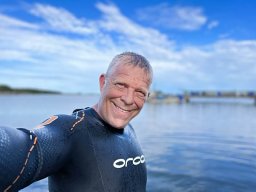 Alf Norkko合作论文数National Institute of Water and Atmospheric Research6
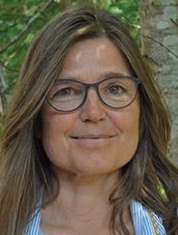 Dorte Krause-Jensen合作论文数Department of Ecoscience, Aarhus University;Department of Bioscience, Arctic Research Centre, Aarhus University6Susanne Qvarfordt合作论文数5
 Villnäs Anna合作论文数Tvärminne Zoological Station, University of Helsinki5
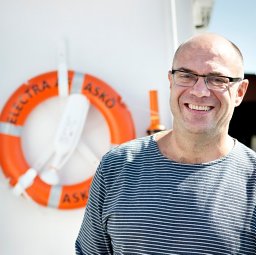 Christoph Humborg合作论文数Department of Applied Environmental Science, Stockholm University5
 Antonia Nystrom Sandman合作论文数5
 Linda Kumblad合作论文数5Hans Kautsky合作论文数5
 Ulf Bergstrom合作论文数Institute of Coastal Research, Swedish Board of Fisheries5
 Henrik Svedang合作论文数Dept Aquat Resources, Swedish Univ Agr Sci5
 Lena Bergstrom合作论文数Inst Coastal Res, Swedish Univ Agr Sci4Christina Halling合作论文数4
 Charlotte Berkström合作论文数Department of Systems Ecology, Stockholm University4
 Emil Rydin合作论文数4
 Jacob Carstensen合作论文数Department of Ecoscience, Aarhus University;Arctic Research Centre, Aarhus University4
 Stina Annika Tano合作论文数Dept Ecol Environm & Plant Sci, Stockholm Univ3
 H. Michael Tulldahl合作论文数Swedish Def Res Agcy FOI, SE-58111 Linkoping, Sweden3
 Maria Eggertsen合作论文数Department of Ecology, Environment and Plant Sciences, Stockholm University3
 Swantje Enge合作论文数3
 Andrea Belgrano合作论文数National Center for Genome Resources3
 Per-Olav Moksnes合作论文数Department of Marine Ecology, University of Gothenburg3
 Goran Sundblad合作论文数3
 Martin Isaeus合作论文数Department of Botany, Stockholm University3
 Bo G Gustafsson合作论文数3
 Martin Gullström合作论文数Minor Field Study;Committee of Tropical Ecology;Uppsala University;Committee of Tropical Ecology, Uppsala University3
 Christoffer Boström合作论文数Environmental and Marine Biology, Åbo Akademi University3
 Julika Zinke合作论文数2Andreas Skriver Hansen合作论文数Department of Economy and Society, University of Gothenburg2Andrea Morf合作论文数2
 Martin Dahl合作论文数Consejo Superior de Investigaciones Cientificas (CEAB-CISC),, Centro de Estudios Avanzados de Blanes2
 Nils Hedberg合作论文数Baltic Sea Centre, Stockholm University2
 Gustafsson Camilla合作论文数Tvärminne Zoological Station, University of Helsinki2
 Anna Sobek合作论文数2
 Martin Whitehouse合作论文数Department of Geosciences, Naturhistoriska Riksmuseet2
 Amelia Buriyo合作论文数2
 Nils Kautsky合作论文数Department of Ecology, Environment and Plant Sciences, Stockholm University2
 Oleg P Savchuk合作论文数Department of Systems;Stockholm University2
 Linus Hasselström合作论文数Division for Water and Environmental Engineering, Department of Sustainable Development, Environmental Science and Engineering, School of Architecture and the Built Environment, KTH Royal Institute of Technology2
 Veijo Tapio Jormalainen合作论文数Department of Biology, University of Turku2
 Mats Bjork合作论文数Botany Department, Stockholm University2
 Andrius Garbaras合作论文数Nuclear & Environmental Research Laboratory, Center for Physical Sciences & Technology, Savanoriu ave. 231, LT-02300 Vilnius, Lithuania2
 Patrik Kraufvelin合作论文数Environmental and Marine Biology, Åbo Akademi University2
 Tore Soderqvist合作论文数International Institute of Ecological;Royal Swedish Academy of Sciences;International Institute of Ecological, Royal Swedish Academy of Sciences2
 Thorsten Blenckner合作论文数Erken Laboratory, Uppsala University2




