Animal songs can change within and between populations as the result of different evolutionary processes. When these processes include cultural transmission, the social learning of information or behaviours from conspecifics, songs can undergo rapid evolutions because cultural novelties can emerge more frequently than genetic mutations. Understanding these song variations over large temporal and spatial scales can provide insights into the patterns, drivers and limits of song evolution that can ultimately inform on the species’ capacity to adapt to rapidly changing acoustic environments. Here, we analysed changes in fin whale (Balaenoptera physalus) songs recorded over two decades across the central and eastern North Atlantic Ocean. We document a rapid replacement of song INIs (inter-note intervals) over just four singing seasons, that co-occurred with hybrid songs (with both INIs), and a clear geographic gradient in the occurrence of different song INIs during the transition period. We also found gradual changes in INIs and note frequencies over more than a decade with fin whales adopting song changes. These results provide evidence of vocal learning in fin whales and reveal patterns of song evolution that raise questions on the limits of song variation in this species.
As an Arctic gateway, the Norwegian Sea sustains a rich diversity of seasonal and resident species of soniferous animals, vulnerable to the effects of climate change and anthropogenic activities. We show the occurrence of seasonal patterns of acoustic signals in a small canyon off Northern Norway, and investigate cetacean vocal behavior, human-made noise, and climatic contributions to underwater sound between January and May 2018. Mostly median sound levels ranged between 68.3 and 96.31 dB re 1 μPa 2 across 1/3 octave bands (13 Hz–16 kHz), with peaks in February and March. Frequencies under 2 kHz were dominated by sounds from baleen whales with highest rates of occurrence during winter and early spring. During late-spring non-biological sounds were predominant at higher frequencies that were linked mainly to ship traffic. Seismic pulses were also recorded during spring. We observed a significant effect of wind speed and ship sailing time on received sound levels across multiple distance ranges. Our results provide a new assessment of high-latitude continental soundscapes in the East Atlantic Ocean, useful for management strategies in areas where anthropogenic pressure is increasing. Based on the current status of the local soundscape, we propose considerations for acoustic monitoring to be included in future management plans.
Mechanisms driving song learning and conformity are still poorly known yet fundamental to understand the behavioural ecology of animals. Broadening the taxonomic range of these studies and interpreting song variation under the scope of cultural evolution will increase our knowledge on vocal learning strategies. Here, we analysed changes in fin whale ( Balaenoptera physalus ) songs recorded over two decades across the Central and Northeast Atlantic Ocean. We found a rapid (over 4 years) replacement of fin whale song types (different inter-note intervals - INIs) that co-existed with hybrid songs during the transition period and showed a clear geographic pattern. We also revealed gradual changes in INIs and note frequencies over more than a decade with all males adopting both rapid and gradual changes. These results provide evidence of vocal learning of rhythm in fin whale songs and conformity in both song rhythm and note frequencies.
Singing behaviour by male humpback whales (Megaptera novaeangliae) has traditionally been associated with low-latitude breeding grounds. However, in recent years, this vocal behaviour has been increasingly reported outside these areas. All singers in a given population sing the same version of a song and this song is continually evolving over time with modifications on different levels within the song structure. Tracing changes in whale song will help to undercover the drivers underlying this vocal display and contribute to the understanding of animal culture and its evolution. To determine the progressive changes in songs found on a subarctic feeding ground and migratory stopover, a detailed analysis of humpback whale song recordings from Northern Norway was conducted. Passive acoustic data from the Lofoten-Vesterålen Ocean Observatory (LoVe), collected using a bottom-moored underwater hydrophone, were used from January - April 2018 and January 2019. Two measures of the song structure were examined: (1) sequence similarities using the Levenshtein distance and (2) song complexity using a principal component analysis (PCA). In total, 21 distinct themes were identified which presented highly directional, structural changes over time. Two themes from 2018 reoccurred in 2019, whereas all other themes in 2019 appeared to be evolved versions of 2018 themes. All songs grouped into three general clusters, reflecting the rapid evolution over the study period. With all sampled animals singing the same version of the song, this might indicate that the singers are either from the same breeding population or that song learning occurred before the study period. Song complexity appeared to follow the trend of song progression; songs became more complex as they evolved over the months in 2018 and decreased in complexity between the years, returning to a more simplified song in 2019. The results confirm that humpback whale song exhibits a rapid progression on a shared subarctic feeding ground, with strong potential for song exchange and opportunities for cultural transmission between populations in the North Atlantic.
Effective ocean management requires integrated and sustainable ocean observing systems enabling us to map and understand ecosystem properties and the effects of human activities. Autonomous subsurface and surface vehicles, here collectively referred to as “gliders”, are part of such ocean observing systems providing high spatiotemporal resolution. In this paper, we present some of the results achieved through the project “Unmanned ocean vehicles, a flexible and cost-efficient offshore monitoring and data management approach—GLIDER”. In this project, three autonomous surface and underwater vehicles were deployed along the Lofoten–Vesterålen (LoVe) shelf-slope-oceanic system, in Arctic Norway. The aim of this effort was to test whether gliders equipped with novel sensors could effectively perform ecosystem surveys by recording physical, biogeochemical, and biological data simultaneously. From March to September 2018, a period of high biological activity in the area, the gliders were able to record a set of environmental parameters, including temperature, salinity, and oxygen, map the spatiotemporal distribution of zooplankton, and record cetacean vocalizations and anthropogenic noise. A subset of these parameters was effectively employed in near-real-time data assimilative ocean circulation models, improving their local predictive skills. The results presented here demonstrate that autonomous gliders can be effective long-term, remote, noninvasive ecosystem monitoring and research platforms capable of operating in high-latitude marine ecosystems. Accordingly, these platforms can record high-quality baseline environmental data in areas where extractive activities are planned and provide much-needed information for operational and management purposes.
Male humpback whales (Megaptera novaeangliae) are known to produce long complex sequences of structured vocalizations called song. Singing behavior has traditionally been associated with low latitude breeding grounds but is increasingly reported outside these areas. This study provides the first report of humpback whale songs in the subarctic waters of Northern Norway using a long-term bottom-moored hydrophone. Data processed included the months January–June 2018 and December 2018–January 2019. Out of 189 days with recordings, humpback whale singing was heard on 79 days. Singing was first detected beginning of January 2018 with a peak in February and was heard until mid-April. No singing activity was found during the summer months and was heard again in December 2018, continuing over January 2019. A total of 131 song sessions, including 35 full sessions, were identified throughout the study period. The longest and shortest complete sessions lasted 815 and 13 min, respectively. The results confirm that singing can be heard over several months in winter and spring on a high latitude feeding ground. This provides additional evidence to the growing literature that singing is not an explicit behavior confined to low latitude breeding grounds. The peak of song occurrence in February appears to coincide with the reproductive cycle of humpback whales. Finally, this study indicates that song occurrence on a subarctic feeding ground likely aids the cultural transmission for the North Atlantic humpback whale population.
Monitoring whale strandings are a key aspect of ecosystem management as stranded animals can provide indications on ecosystem health, pollution and adverse effects due to anthropogenic activities. Most mass mortality events are reported for toothed whales and rarely involve baleen whales. In the course of one month in spring 2020, 17 whales belonging to seven different species, stranded on the shores of Northern Norway, above the Arctic circle. This multi-species event included humpback ( Megaptera novaeangliae) , fin ( Balaenoptera physalus) and sperm whales ( Physeter macrocephalus ), that were accompanied by northern bottlenose whales ( Hyperoodon ampullatus ), a white-beaked dolphin ( Lagenorhynchus albirostris ), a long-finned pilot whale ( Globicephala melas ) and a harbour porpoise ( Phocoena phocoena ). We discuss some potential causes of death based on the previous literature and available information for the area, highlighting the need for further investigation on cetacean strandings at high latitudes. Ultimately, the reasons for the stranding could only be identified by a thorough examination of all the animals, which was unfortunately not conducted. As the threats to polar ecosystems and access to local shores are likely to increase, reports of cetacean mortality are also expected to surge, particularly in high latitude regions where climate variations and anthropogenic activities are increasing. This study makes recommendations for future steps and considerations for monitoring networks and standardized sampling methods for future marine mammal stranding events. Finally, we suggest that national and international efforts based on the collaborative relationships are implemented, considering the multiple facets of animal ecology and health as an achievable step in the near future.
To achieve effective management and understanding of risks associated with increasing anthropogenic pressures in the ocean, it is essential to successfully and efficiently collect data with high spatio–temporal resolution and coverage. Autonomous Underwater Vehicles (AUVs) are an example of technological advances with potential to provide improved information on ocean processes. We demonstrate the capabilities of a low-power AUV buoyancy glider for performing long endurance biological and environmental data acquisition in Northern Norway. We deployed a passive acoustic sensor system onboard a SeagliderTM to investigate presence and distribution of cetaceans while concurrently using additional onboard sensors for recording environmental features (temperature, salinity, pressure, dissolved oxygen, and chlorophyll a). The hydrophone recorded over 108.6 h of acoustic data during the spring months of March and April across the continental shelf break and detected both baleen and odontocete species. We observed a change in cetacean detections throughout the survey period, with humpback whale calls dominating the soundscape in the first weeks of deployment, coinciding with the migration toward their breeding grounds. From mid-April, sperm whales and delphinids were the predominant species, which coincided with increasing chlorophyll a fluorescence values associated with the spring phytoplankton blooms. Finally, we report daily variations in background noise associated with fishing activities and traffic in the nearby East Atlantic shipping route. Our results show that gliders provide excellent platforms for collecting information about ecosystems with minimal disturbance to animals, allowing systematic observations of our ocean biodiversity and ecosystem dynamics in response to natural variations and industrial activities.
Lofoten-Vesterålen (LoVe) is a productive coastal shelf-slope area and an environment sensitive to external stressors. This is a region with complex dynamics where the Norwegian Coastal Current and the Norwegian Atlantic Slope Current meet and mix, and commercially and ecologically important species of fish go through early vulnerable life stages drifting through during planktonic life stages. The LoVe Ocean Observatory is a cabled multi-purpose observation network in development, where the first node was installed and has been in operation since 2013. The main objective of the observatory is to significantly increase knowledge of the physical, chemical, and biological environment of the LoVe shelf-slope-system. The observatory nodes are equipped with a range of sensors including active and passive acoustic sensors. Echosounders monitor vertical distribution and density of marine organisms and flux of biomass across the observatory transect. Hydrophones provide continuous monitoring of anthropogenic noise and vocalizing marine mammals and fish. In this work we examine the active and passive acoustic time series from the first years of operation of the observatory, with emphasis on periods of co-occurrence of lower trophic level organisms and top predators.
The overall aim of the GLIDER project is to demonstrate an innovative, flexible and cost-efficient offshore monitoring and data management approach. GLIDER consists in the deployment of 3 ocean autonomous and mobile platforms, a Sea glider (Kongsberg), a Sailbuoy (Offshore Sensing) and a Wave Glider (Maritime Robotics), fitted with a well proven suite of sensors to collect chemical, physical and biological data of the ocean space. The aim is to increase the sampling of high quality marine environmental data and provide more flexible sampling schemes. These state-of-the-art platforms can move in space, provide long-term and real-time monitoring, and in addition reduce costs and CO2 emission compared to other traditional measurement approaches. A data management e-platform has been developed along with scientists and consultants to ensure a high integration of the collected data. The e-platform will allow to manage the data from storage approach, to visualization tools, and finally to allow interpretation and use for different end users. We have successfully deployed the three vehicles fitted with sensors from March to September 2018 in the Lofoten - Vesterålen area along the Norwegian coast above the Arctic circle (67°16'48''N 14°24'00''E ) with the objective to get a better understanding of the ecosystem during the spawning period of the Atlantic cod. The data collected revealed that the autonomous vehicles provide scientific information of a completely undisturbed ecosystem unlike what is collected from traditional research vessels from which instruments are deployed. The survey provided significant gain on the understanding on the dynamic and timing of biological events over large spatial and temporal scale. Furthermore, we have successfully assimilated data in real time into oceanographic model in order to improve the forecast. Currently, data are being analyzed to understand the ecosystem from the primary production to zooplankton, fish larvae, adult fish and sea mammals. Analysis will offer i) baseline data on a large spatial scale ii) professional solutions to industry operating in the marine environment iii) scientific data for improving knowledge in ecosystem functioning and structure and iv) input data into existing models (oceanography, weather and ecology).
Recent technology developments have turned present-day unmanned systems into realistic alternatives to traditional marine animal survey methods. Benefits include longer survey durations, improved mission safety, mission repeatability, and reduced operational costs. We review the present status of unmanned vehicles suitable for marine animal monitoring conducted in relation to industrial offshore activities, highlighting which systems are suitable for three main monitoring types: population, mitigation, and focal animal monitoring. We describe the technical requirements for each of these monitoring types and discuss the operational aspects. The selection of a specific sensor/platform combination depends critically on the target species and its behaviour. The technical specifications of unmanned platforms and sensors also need to be selected based on the surrounding conditions of a particular offshore project, such as the area of interest, the survey requirements and operational constraints.
Seismic surveying of the Arctic is important for several reasons, but also introduces some challenges. One is theconcern that seismic data may affect the hearing of marine mammals living there, including true seals. We performedtwo seismic experiments on floating ice on Svalbard in the Norwegian Arctic in early March 2016 and late May 2017,just before and right after the ringed seal breeding period. We used a single airgun below ice and detonating cord onice, measured sound levels in the water column, compared these with hearing capabilities of true seals found fromprevious studies, and observed the animals’ reactions when exposed to seismic waves in the field. We found thatthese actual seismic experiments have little potential to cause physical hearing damage, but temporary behaviouralchange may occur. We also observed a difference in measured sound levels, frequency content, and animal reactions,depending on the type of source used.
Due to retreating sea ice and predictions of undiscovered oil and gas resources, increased activity in Arctic shelf sea areas associated with shipping and oil and gas exploration is expected. Such activities may accidentally lead to oil spills in partly ice-covered ocean areas, which raises issues related to oil spill response. Net Environmental Benefit Analysis (NEBA) is the process that the response community uses to identify which combination of response strategies minimises the impact to environment and people. The vulnerability of Valued Ecosystem Components (VEC's) to oil pollution depends on their sensitivity to oil and the likelihood that they will be exposed to oil. As such, NEBA requires a good ecological knowledge base on biodiversity, species' distributions in time and space, and timing of ecological events. Biological resources found at interfaces (e.g., air/water, ice/water or water/coastline) are in general vulnerable because that is where oil can accumulate. Here, we summarize recent information about the seasonal, physical and ecological processes in Arctic waters and evaluate the importance these processes when considering in oil spill response decision making through NEBA. In spring-time, many boreal species conduct a lateral migration northwards in response to sea ice retraction and increased production associated with the spring bloom. However, many Arctic species, including fish, seabirds and marine mammals, are present in upper water layers in the Arctic throughout the year, and recent research has demonstrated that bioactivity during the Arctic winter is higher than previously assumed. Information on the seasonal presence/absence of less resilient VEC's such as marine mammals and sea birds in combination with the presence/absence of sea ice seems to be especially crucial to consider in a NEBA. In addition, quantification of the potential impact of different, realistic spill sizes on the energy cascade following the spring bloom at the ice-edge would provide important information for assessing ecosystem effects.
Unmanned aerial vehicles (UAVs) are increasingly being recognized as potentially useful for detection of marine mammals in their natural habitats, but an important consideration is the associated uncertainties in animal detection. We present a study based on field trials using UAVs to carry out image-based monitoring of cetaceans in two fjords in northern Norway. We conducted 12 missions to assess the effects of both environmental- and aircraft-related variables on detection certainty. Images were inspected for animal presence and its associated detection certainty. Images were also assessed for potentially important covariates such as wave turbulence (sea state), luminance, and glare. Aircraft variables such as altitude, pitch, and roll were combined into a single variable-pixel size. We recorded a total of 50 humpback whales, 63 killer whales (KW), and 118 unidentified sightings. We also recorded 57 harbor porpoise sightings. None of the environmental conditions (sea state, glare, and luminance) affected the detection certainty of harbor porpoises. In contrast, increasing sea state and luminance had negative and positive effects, respectively, on the detection certainty of humpback and KW. The detection certainty was not significantly affected by pixel size for both harbor porpoises, and humpback and KW. Our results indicate that at lower altitudes, variations in aircraft position (pitch and roll) do not have a variable effect on detection certainty. Overall, this study shows the importance of measuring variability in both environmental and flight-related variables, in order to attain unbiased estimates of detectability for UAV-based marine mammal surveys, particularly in Arctic and sub-Arctic regions.
We analyze group size, swimming direction and the orientation of fin whales relative to a fast ferry in the Bay of Biscay. Fin whale groups (≥3 individuals) were on average closer to the vessel than single individuals and pairs (F1,114 = 4.94, p = 0.028) and were more often observed within a high-risk angle ahead of the ferry (binomial probability: p = 7.60 × 10⁻¹¹). Also, small groups tend to swim in the opposite direction (heading of 180°) of the ferry at the starboard side (binomial test: p = 6.86 × 10⁻⁵) and at the portside (binomial test: p = 0.0156). These findings provide valuable information to improve shipping management procedures in areas at high risk for collisions.
 Geir Pedersen合作论文数6
 Luca Tassara合作论文数4Ulf Lindstrøm合作论文数4
 Martin Biuw合作论文数Gatty Marine Laboratory, University of St Andrews4
 Lionel Camus合作论文数4
 Magnus Aune合作论文数Akvaplan-niva AS3
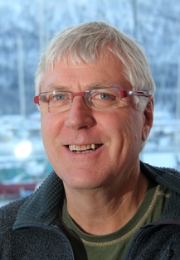 Stig Falk Petersen (S Falk Petersen)合作论文数Norwegian Polar Institute3Malin Daase合作论文数Polarmiljøsenteret, Norwegian Polar Institute3Peygham Ghaffari合作论文数2Tor Langeland合作论文数2Sigurd Tjostheim合作论文数2Jeremy Cook合作论文数2Inger Graves合作论文数2Joel Pederick合作论文数2Geir Gramvik合作论文数2
 Tiago A. Marques合作论文数2
 Andreia Pereira合作论文数2David Peddie合作论文数2Raul Primicerio合作论文数2
 Miriam Romagosa合作论文数IMAR – Instituto do Mar, Universidade dos Açores2
 Kanchana Bandara合作论文数Corresponding author.2Katherine M. Dunlop合作论文数Pram Ctr, Inst Marine Res2
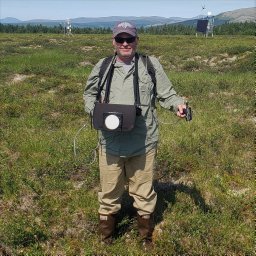 Daniel J. Hayes合作论文数Director, Wheatland Geospatial Laboratory2
 David K. Mellinger合作论文数College of Earth, Ocean, and Atmospheric Sciences, Oregon State University2
 Papale Elena合作论文数Life Sciences and Systems Biology Department, University of Torino2
 Pierre Blevin合作论文数Centre d'Etudes Biologiques de Chizé (CEBC),, CNRS2
 Kai Håkon Christensen合作论文数Department of Geosciences, The Faculty of Mathematics and Natural Sciences, University of Oslo;Division for Ocean and Ice, Research and Development Department, Norwegian Meteorological Institute2
 Marianne Helene Rasmussen合作论文数Húsavík Research Center, University of Iceland2Sünnje L. Basedow合作论文数2
 Monica A. Silva合作论文数Departamento de Oceanografia e Pescas;Rua Tenente Valadim;Departamento de Oceanografia e Pescas, Rua Tenente Valadim2Jean-Yves Royer合作论文数2
 JoLynn Carroll合作论文数2Robert P. Dziak合作论文数Cooperative Institute for Marine Resource Studies, Oregon State University2
 Rui Prieto合作论文数Centro do Instituto do Mar (IMAR), Universidade dos Açores2Peer Fietzek合作论文数2
 Salve Dahle合作论文数Akvaplan-niva AS, Polar Environmental Centre2
 Vigdis Tverberg合作论文数Polar Environmental Centre, Norwegian Polar Institute2
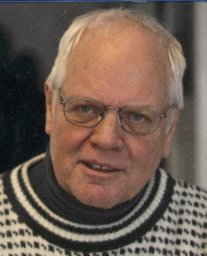 Kai Sørensen合作论文数Norwegian Institute for Water Research (NIVA), P.O. Box 173, Kjelsaas, N-0411 Oslo Norway2
 L. Matias合作论文数CGUL, University of Lisbon2
 Arantza Ugalde合作论文数2
 Giuseppa Buscaino合作论文数Consiglio Nazionale delle Ricerche U.O. di Capo Granitola dell’Istituto per l’Ambiente Marino2
 Irma Cascão合作论文数Instituto do Mar (IMAR),, Universidade dos Açores2Heidi Ahonen合作论文数2
 Sharon Nieukirk合作论文数2Ann Kristin Sperrevik合作论文数2
 Trond Kristiansen合作论文数University of Bergen;Department of Biology;Department of Biology, University of Bergen2
 Stian Solbo合作论文数2
 Joanne O'Brien合作论文数Marine Biodiversity Research Group;Galway-Mayo Institute of Technology;Marine Biodiversity Research Group, Galway-Mayo Institute of Technology2Roy Wyatt合作论文数1




