Objectives: Auditory processing disorder (APD) is an auditory perception impairment causing problems in a child’s learning ability and communication skills. Therefore, the identification of this disorder in children is a priority. The prevalence of this disorder in children in Persian-speaking societies has not yet been widely explored. This project aims to evaluate APD among students in Isfahan City, Iran. Methods: A total of 605 school-aged children (323 girls and 282 boys) were selected from 15 primary schools in Isfahan City. Multiple auditory processing assessment (MAPA) tests were performed. Results: A total of 5.57% of girls and 10.63% of boys were suspected to APD. The APD prevalence was 7.93%. The male-to-female ratio was 1.9 times. Discussion: The prevalence reported in this study is consistent with global values. Screening for this disorder is vital to reduce adverse effect.
Mustard Lung (ML) refers to respiratory complications caused by sulfur mustard (SM) exposure, a chemical warfare agent. This study explores the inflammatory profile of SM-exposed veterans with serious ML, aiming to distinguish it from other respiratory diseases. The aim is also to comprehend the role of inflammatory markers in disease severity. A study was conducted on 257 male SM-exposed veterans and 64 unexposed control subjects. Inflammatory markers in serum and sputum samples were measured using the ELISA technique. Clinical evaluations identified the SM-exposed group as the patients with serious problems. Statistical analyses were conducted to compare groups. SM-exposed veterans exhibited decreased serum levels of IL-1α, IL-8, IL-17, GM-CSF, and NO compared to controls, while other markers did not differ significantly. Intriguingly, inflammatory patterns in ML subgroups, including those resembling Bronchiolitis Obliterans (BO), Chronic Bronchitis (CB), and asthma, differed from the corresponding cases of these diseases as reported in prior literature. Additionally, certain factors demonstrated notable decreases in concentration in severe ML cases compared to controls. The study reveals substantial changes in inflammatory markers in ML patients, highlighting their distinctive profile compared to other respiratory conditions. Despite some similarities with asthma, BO, and CB, the ML shows discernible variations in the levels of most inflammatory markers. Furthermore, the severity of ML impacted the serum levels of specific factors. These findings support the notion of classifying ML as a separate pulmonary condition, distinct from CB, BO, and asthma, opening avenues for further research and tailored treatment strategies.
Sulfur mustard (SM) induced pulmonary disorder is a heterogeneous disease characterized by uncontrolled inflammatory immune responses. In this cross-sectional study carried out in Isfahan-Iran, our objective was to thoroughly evaluate the clinical health and peripheral blood leukocyte profiles of adult veterans exposed to SM 25-30 years. In total, 361 people were studied in two groups, 287 chemical veterans with pulmonary complications and 64 healthy individuals as a control group. The participants underwent a comprehensive lung evaluation, including physical examination, Pulmonary Assessment, and Spirometry Assessment. Blood samples were collected in EDTA-treated tubes and flow cytometry analysis was employed to study different population of leukocytes including lymphocytes, monocytes, and natural killer cells. In our results, SM-exposed patients showed a significant increase in mean WBC and lymphocyte absolute count. However, the frequency of CD14+ monocytes and CD3+ CD4+ CD25+Hi as regulatory T cell subsets significantly decreased in SM-exposed patients. In addition, there was a negative correlation between CD45+ CD14+ cells and residual volume (RV). The population of NK cells showed a negative correlation with forced expiratory volume in the first one second to the forced vital capacity (FEV1/FVC). On the other hand, the percentage of CD19+ B cells positively correlated with Mid-maximum expiratory flow (MMEF) rate, ppm Reading, Carboxyhemoglobin (CoHb), and FEV1, and it was negatively correlated with airway resistance (RAW). Evaluation of CD3+ CD8+ cytotoxic T cells frequency negatively correlated with CoHb, ppm Reading, total lung capacity (TLC), and RV. Furthermore, the count of CD3+ CD4+ T cells demonstrated a negative correlation with TLC. The percentage of CD3+ CD4+ CD25+ cells was positively correlated with ppm reading and CoHb. Overall, our findings revealed modifications in total lymphocyte dynamics and a decrease in the percentage and absolute number of regulatory T cells, compromising the regulatory arm of the immune system to modulate SM-induced inflammatory damages.
Background: During the Iran-Iraq war, the Iraqi regime frequently used sulfur mustard gas as a weapon in various residential areas, including Sardasht, causing multiple and severe long-term destructive effects on all living organisms, including humans. The pulmonary system is among the most essential organs with varying severity involved in sulfur mustard chemotoxicity in the long term. This study aimed to evaluate the effects of Rad23B (rs1805329) polymorphism on the severity of lung complications in patients exposed to SM gas 30 years ago. Materials and Methods: The study explored 106 severe and 105 mild PBMC patients exposed to SM gas. Furthermore, 47 PBMC samples were added to the study as a non-exposed group (control). Genotyping of rs1805329 was performed using Polymerase Chain Reaction-Restriction Fragment Length Polymorphism (PCR-RFLP). Results: The results revealed no significant differences in genotype frequencies between the mild, severe, and the unexposed group. Moreover, no statistically significant difference was observed in genotypic frequency in all co-dominant, dominant, recessive, and over-dominant models. Conclusion: The obtained data indicated that the rs1805329 of Rad23B was not associated with the severity of the lung complications of patients exposed to sulfur mustard 30 years ago.
Background: This study aimed to evaluate the prevalence of domestic and non-domestic violence (outside home) in Iran during 2015. Methods: This descriptive cross-sectional study was conducted on individuals aged 15 and older living in urban and rural areas of Iran. A total of 36,600 people from 31 provinces of Iran were selected by systematic and cluster random sampling using the postal code available in the country’s post office software. A researcher-made survey questionnaire was used for evaluating violence. The data were analyzed using SPSS software version 20. Results: A total of 23.1% of individuals have admitted domestic violence towards their families in the last 12 months, and 8.1% have admitted non-domestic violence in the past 30 days. The prevalence of domestic and non-domestic violence was higher among males than females and in urban areas than rural places. In addition, the highest prevalence rate of domestic violence in the last 12 months was related to Lorestan province. Tehran province had the highest prevalence rate of non-domestic violence during the last 30 days. However, the lowest prevalence rate of domestic and non-domestic violence was related to Qom province. Conclusions: Based on the results, the prevalence rate of 23.1% of domestic violence and 8.1% of non-domestic violence necessitates preventing and treating this social problem. Therefore, health authorities need to take necessary action to raise awareness and reduce the risk-taking behaviors of the population in Iran.
BACKGROUND: The aim of this study was to evaluate the relationship between the early/late complete ST-resolution and short-term cardiovascular outcomes in patients undergoing primary angioplasty. METHODS: This was a prospective cross-sectional study of patients with acute myocardial infarction who candidate for primary percutaneous coronary intervention (PCI) during 1 year. An ECG obtained at the time of admission, 90 minutes and 24 hour after PCI. Patients were followed up for in hospital and 1-year outcomes and then data assessed according to the ST segment resolution (STR) (complete >= 70% and incomplete <70% STR). RESULTS: Overall, 124 patients included in the study. The rates of complete STR were 44.4% after 90 minutes and 82.3% after 24 hours. Patients with early complete STR had significant lower rates of heart failure after 1-year follow-up (32% versus 46%, OR: 1.88, 95% CI: 1.42-2.50, P=0.005) but not like patients with late STR. No significant relationship was observed between early/late complete STR and re-infarction, stroke, re-hospitalization and death during 1-year follow-up (P>0.05). Moderate correlations were found between percentage of ST resolution after 90 minutes and EF before discharge and final EF (correlation coefficient: 0.395 and 0.488, respectively, P<0.001). CONCLUSIONS: Early complete STR can be an indicator for development of heart failure after 1-year follow-up.
The severe acute respiratory syndrome-coronavirus 2 (SARS-CoV-2) spread rapidly all over the world in late 2019 and caused critical illness and death in some infected patients. This study aimed at examining several laboratory factors, especially inflammatory and immunological mediators, to identify severity and mortality associated biomarkers. Ninety-three hospitalized patients with confirmed coronavirus disease 2019 (COVID-19) were classified based on disease severity. The levels of biochemical, hematological, immunological, and inflammatory mediators were assessed, and their association with severity and mortality were evaluated. Hospitalized patients were mostly men (77.4%) with an average (standard deviation) age of 59.14 (14.81) years. The mortality rate was significantly higher in critical patients (85.7%). Increased serum levels of blood sugar, urea, creatinine, uric acid, phosphorus, total bilirubin, serum glutamic-oxaloacetic transaminase, serum glutamic-oxaloacetic transaminase, lactic dehydrogenase, C-reactive protein, ferritin, and procalcitonin were significantly prevalent (p=0.002, p<0.001, p<0.001, p=0.014, p=0.047, p=0.003, p<0.001, p<0.001, p<0.001, p<0.001, P<0.001, and p<0.001, respectively) in COVID-19 patients. Decreased red blood cell, hemoglobin, and hematocrit were significantly prevalent among COVID-19 patients than healthy control subjects (p<0.001 for all). Troponin-I, interleukin-6, neutrophil/lymphocyte ratio (NLR), procalcitonin, and D-dimer showed a significant association with the mortality of patients with specificity and sensitivity more than 60%. Age, sex, underlying diseases, blood oxygen pressure, complete blood count along with C-reactive protein, lactic dehydrogenase, procalcitonin, D-dimer, and interleukin-6 evaluation help to predict the severity and required management for COVID-19 patients. Further investigations are highly recommended in a larger cohort study for validation of the present findings.
Abstract Objectives Postprandial distress syndrome (PDS) is associated with food indigestion. Efficacy of drugs used against PDS is limited whereas dietary modifications were shown to have important beneficial effects. Traditional Persian Medicine (TPM) sages suggested a dietary regimen known as Persian metabolic diet (PMD) for the management of PDS patients. In this study, the efficacy of PMD in alleviating the symptoms of PDS was explored. Methods This single-center, parallel-group, randomized clinical trial included 56 patients whom were randomly allocated to PMD group (29 participants) and Optional diet (OD) group (27 participants). They were instructed to follow the protocol for two weeks. Using a standard validated questionnaire, all outcomes were evaluated at baseline, end of the intervention period, and end of follow-up time. Results At the end of the intervention period, comparing the changes of severity scores between the groups showed a statistically significant difference in week 2 (p-value<0.001) and week 8 (p-value<0.001) follow-up comparing to the baseline. Similarly, at the end of the follow-up period, epigastric fullness, epigastric discomfort, and bloating were significantly improved in the PMD group (p<0.001). Conclusions This diet prepared based on Persian medicine seems to be effective in relieving the symptoms of patients with PDS.
Introduction: The CC chemokine receptor 5 (CCR5) is known as the main co-receptor in human immunodeficiency virus (HIV) infection. Accumulating evidence verified 32bp deletion in both alleles of CCR5 provides natural resistance to HIV infection. Accordingly, recent therapeutic approaches are based on gene and cell therapies by inducing this resistance. Allogeneic transplantation of stem cells with CCR5Δ32 homozygous to HIV infected people has been considered as an efficient strategy. Objectives: The aim of this study was to determine CCR5 Δ32 mutation frequency in healthy and HIV-infected individuals in Zanjan province, in Iran and also detecting appropriate candidate for future therapeutic approaches. Patients and Methods: In this study, blood samples were collected from 102 HIV infected patients and 204 healthy controls in ethylene diamine tetra-acetic acid (EDTA) pre-coated tubes. DNA extraction was performed and analyzed for CCR5Δ32 mutation by GAP-PCR in both groups and followed by 2% gel agarose electrophoresis. The Δ32 genotype frequency was statistically determined. Results: Our finding demonstrated that 3 HIV infected patients displayed CCR5 mutation, while 204 healthy controls showed one CCR5 Δ32/Δ32 homozygote mutation. We observed that Δ32 mutation frequency is 0.82% in Zanjan province (χ2 =47.58, P<0.001). Conclusion: Reduction in CCR5 mutation frequency as well as the other polymorphisms related to HIV resistance, can lead to the development of HIV infection epidemiology. Migration, natural selection and genetic admixture can elucidate various distribution of Δ32 allele frequency in different populations, like as north Europeans that reduce gradually to south. The result of this study can facilitate the presentation of suitable Δ32 donors to HIV infected patients in therapeutic approaches.
The aim of this study was to evaluate the effect of individual therapy (PLISSIT Model) versus group therapy (Sexual Health Model) on the quality of life of Iranian women with breast cancer. Three-arm parallel-group randomized controlled trial conducted on 75 women with breast cancer attended to Mehraneh Charity Center in Zanjan in 2015–2016. The participants were allocated into three groups of the PLISSIT model, the SHM, and a routine care group. The study tool included demographic checklist and quality of life questionnaire, which completed by all groups at baseline, 6, and 12 weeks follow-ups. Data were analyzed using chi-square, ANOVA, Kruskal–Wallis, and Friedman tests. At the baseline, there were no significant differences in dimensions of quality of life between the three groups. Also, at 6 and 12 weeks follow-ups, almost all dimensions of the quality of life in all groups improved significantly (all Ps < 0.001). However, there were no significant differences between the three groups at these phases. The study revealed that both the PLISSIT Model and grouped SHM have similar effects on improving the quality of life of women. There was not enough evidence of the superiority of one model over another.
Background: Few studies have examined the risk factors among Iranians attempting suicide. Objectives: The present study aimed to explore the risk factors of suicide among patients admitted to hospitals due to suicide attempts. Patients and Methods: Suicidal participants (N = 200, 104 males and 96 females, aged 18 to 40) were recruited via judgmental sampling method, and non-suicidal participants (n = 300, 166 males and 134 females, aged from 18 to 40) were selected via a convincing sampling method. The participants completed a battery of questionnaires on family strength, religious identification, substance use, hopelessness, depression, sexual, emotional, and physical abuse, impulsive aggression, neuroticism, suicidal ideation, family discord, stressful life events, and anxiety. Data were analyzed by independent t-test, chi-square and hierarchical logistic regression. Results: The current use of cigarettes/hookah, lifetime non-prescribed medication use, suicidal ideation (suicidal thoughts/tendencies), and depression significantly predicted suicide attempts. In addition, lower levels of religious belief were significantly associated with a higher likelihood of attempting suicide. Conclusions: Suicide prevention programs should explore the efficacy of treating individuals with substance abuse disorders, depression, and suicidal thoughts/tendencies for the reduction of suicide attempts. Furthermore, family, media, and school-based programs to internalize religious values would be valuable components of prevention programs for suicide in Iran.
Background: According to the instructions of Iranian traditional medicine (ITM), modification of breast milk through nursing mothers, is the first step in the treatment of infant disorders. In fact, maternal lifestyle, especially diet and eating habits, can change the quality and quantity of breast milk. The modern medical literature emphasizes that exclusive breastfeeding is the optimal nutrition for infants with gastroesophageal reflux disease (GERD). Objectives: The present study was conducted to evaluate the effect of maternal eating principles and diet based on ITM on infantile GERD symptoms. Methods: Exclusive-breastfeeding, under 5-month infants with clinical diagnosis of GERD and their nursing mothers, were selected for this 6-weeks parallel randomized, controlled trial. All participants were randomly assigned to the intervention and the control group. The mothers of infants in the intervention group received ITM-based dietary principles, and feeding-positioning modifications were trained to the mothers of all infants of both groups, because of observation of ethical issues (not deprived of standard treatment). Age-Specific Questionnaire for Infants (GSQ-I) was used to assess the frequency and intensity of the GERD symptoms. Measuring the difference between the mean Composite Symptom Score (CSS) in week 0, 4, and 6, between the intervention group and the control group, was the main outcome of this study. Results: Both the intervention and control groups had statistically significant differences in the mean CSS of week 4 and 6 compared with baseline (P < 0.05). Also, there was a significant reduction of the mean CSS values in the intervention group compared to the control group (P < 0.05). Conclusions: Maternal eating principles and diet based on Iranian Traditional Medicine appears to affect the reduction of infantile GERD signs and symptoms.
Introduction: Proper exposure and management of removed tooth from the alveolar sac are essential to ensure its long-term prognosis. This study aimed to assess the parents’ knowledge about damaged and avulsed teeth and their immediate treatment in children aged 6-12 years in Zanjan. Collected data using a standard information questionnaire. Materials & Methods: In a cross-sectional study in 1397 from all areas of Zanjan city in a systematic circular method 19 primary schools for girls were selected. A 23-item questionnaire was distributed among all grades one through six to assess parents’ awareness of how to deal with dental trauma in these schools. Chi-square statistical test was used to analyze the data. The significance level was considered 0.05. Results: 44.6% of parents had previous exposure to dental injuries, and 71.9% of them declared the removed tooth from the alveolar sac to be unsustainable. More than 50% go to the dentist if they notice looseness and bleeding with contusions, broken crowns and dislodged teeth. 92.9% of parents expressed their interest in training for more information on how to deal with dental injuries. Conclusion: Parents with the diploma and university education had more information about trauma and avulsion. Most parents were unaware of the proper intermediate environment for the location of the tooth, and most parents declared the tooth removed from the alveolar sac unsuitable.
Introduction: Sulfur mustard (SM) is a potent toxic agent that cause local and systemic changes in the human body such as dysregulation of the immunological system. This gas affects different organs such as lungs, skin, eyes and the gastrointestinal tract. Methods: 128 veterans with SM-induced eye injuries were examined and compared to 31 gender- and age-matched healthy controls. Serum levels of IgM, IgE, IgA, IgG, and IgG subclasses were measured using ELISA method. Results: There was no significant difference in IgM level between two groups with abnormal and normal ocular conditions except for those having bulbar conjunctiva-limbal ischemia and bulbar conjunctiva-hyperemia abnormalities. There were not significant difference in IgA, IgE, and IgG levels between two groups with and without ocular problem also between study groups. IgG1 level in some ocular abnormalities were significantly lower than the healthy control-groups. IgG2 level in SM-exposed participants with stromal abnormality was higher in the SM-exposed groups without this problem. IgG2 levels in the exposed group with some ocular problems were significantly increased compared with control. IgG3 level in all patients did not reveal any significant changes compared with the controls except the fundus abnormality. IgG4 level was not significantly different between two groups with normal and abnormal ocular conditions. Nonetheless, IgG4 level in the exposed participants with some ocular abnormalities significantly increased compared with the controls. Conclusion: The results showed SM exposure could alter immunoglobulins level compared with healthy controls and the changes of IgG2 and IgG1 levels were associated with some ocular problems.
The aim of this study was to separate the chemical victims of mustard gas into exposed to and non-exposed groups to sulfur mustard using classical discriminant analysis and two-state logistic regression and selection of the best analysis.
1. Social Determinants of Health Research Center, Zanjan University of Medical Sciences, Zanjan, Iran 2. Metabolic Diseases Research Center, Social Determinants of Health Research Center, Zanjan University of Medical Sciences, Zanjan, Iran 3. Dept. of Pediatrics, Ayatollah Mousavi Hospital, School of Medicine, Zanjan University of Medical Sciences, Zanjan, Iran 4. Dept. of Psychiatric, Shahid Beheshti Hospital, School of Medicine, Zanjan University of Medical Sciences, Zanjan, Iran 5. Community Oriented Medical Education, Zanjan University of Medical Sciences, Zanjan, Iran
1. Student Research Committee, School of Medicine, Zanjan University of Medical Sciences, Zanjan, Iran 2. Dept. of Biostatistics and Epidemiology, School of Medicine, Zanjan University of Medical Sciences, Zanjan, Iran 3. Dept. of Entomology, School of Medicine, Zanjan University of Medical Sciences, Zanjan, Iran 4. Dept. of Environmental Sciences, School of Sciences, University of Zanjan, Zanjan, Iran
Background: Application of technology for education accounts for an important aspect of expansion of the information technology in the present century. Objectives: This study aims to examine the degree of readiness of the faculty member of Zanjan University of Medical Sciences for e-Teaching. Methods: This descriptive-cross-sectional study focused on the degree of readiness of 70 faculty member of Zanjan University of Medical Sciences in 2014. It followed the simple randomized sampling method. The readiness of faculty member was assessed from five dimensions, including organizational support, perceived value, and time commitment, working skill, access to computer, internet and attitude towards e-Teaching, using a standard questionnaire. The data were analyzed using descriptive statistics indices, Pearson correlation coefficient and Logistic Regression Model at 95% confidence interval. Results: The university faculty member were in adequate level of readiness in terms of organizational support (46.4%), positive attitude towards e-Teaching (49.3%); the skill of work with computer (49.3%), time commitment (44.9%), access to computer (49.3%) and positive perceived value (45.6%). The predictive variables of the university faculty member’ readiness were appropriate in terms of organizational support, access to computer and in term of, perceived value, age and gender of the university faculty member in term of, perceived time obligation, skill in work with computer and organizational support. Conclusion: The results showed that readiness of the the faculty member of Zanjan University of Medical Sciences for e-Teaching was in a relatively appropriate level. Expanson of the technological infrastructure, holding empowerment workshops in order for improvement of the required skill and changing attitude of the university faculty member for e-Teaching are suggested
The Prevalence and Risk Factors of Asthma, Allergic Rhinitis, and Eczema in Primary School Children, Zanjan, Iran
Objective: The present study was conducted to investigate the effect of Viola odorata extracted syrup on the quality and patterns of sleep in patients with depression or obsessive-compulsive disorder (OCD) as add-on therapy. Design: A pilot double-blind randomized placebo-controlled trial. Settings/Location: Psychiatric Clinic of Imam Hossein Hospital, Tehran, Iran. Subjects: Participants were 16-15 years of age with mild and moderate depression or OCD having insomnia. Interventions: This pilot study was conducted on patients with insomnia divided into two groups with depression (40 patients) or OCD (43 patients). Each group randomly assigned into two arms with the same conditions at baseline. The intervention arm daily received 5 mL V. odorata syrup every 12 h for 4 weeks, and the control arm received 5 mL placebo syrup every 12 h for 4 weeks. None of the participants was deprived of their routine treatment for depression or OCD. Outcome measures: The scores of insomnia symptoms were evaluated using total score of the Pittsburgh Sleep Quality Index (PSQI) and the scores of its components, the depression score using the final Beck depression inventory-II (BDI-II) score, and OCD score using the Yale-Brown Obsessive-Compulsive Scale (YBOCS). Results: The total PSQI score was found to be improved significantly in the intervention arms with depression or OCD (p < 0.001) compared with the corresponding control arms. Significant improvements were also observed in the final mean difference of BDI-II (p = 0.009) and YBOCS (p = 0.001) scores in the intervention arms. Conclusions: V. odorata syrup significantly improved insomnia symptoms and the scores of depression and OCD.
 Tooba Ghazanfari合作论文数School of Medical Sciences, University of Shahed72
 Ziaei Saeideh合作论文数Faculty of Medical Sciences, Tarbiat Modares University42
 Roya Yaraee合作论文数Department of Immunology, Shahed University42
 Zuhair Mohammad Hassan合作论文数Department of Immunology, School of Medical Sciences, Tarbiat Modares University40Mohammad Reza Vaez Mahdavi合作论文数39Mohammad Mehdi Naghizadeh合作论文数Imam Khomeini Hospital Complex, Tehran University of Medical Sciences37Mohammad Reza Soroush合作论文数26
 Hassan Ghasemi合作论文数Department of Ophthalmology, Shahed University25
 Shahryar Pourfarzam合作论文数Department of Internal Medicine, Shahed University22Sussan K. Ardestani合作论文数18Sakine Moaiedmohseni合作论文数18
 Naseri Mohsen合作论文数16
 Elham Faghihzadeh合作论文数16Ali Montazeri合作论文数16Jalaleddin Shams合作论文数16
 Noorbala Ahmad Ali合作论文数Imam Hospital, Tehran University of Medical Sciences14
 Anoshirvan Kazemnejad合作论文数Faculty of Medical Sciences, Tarbiat Modarres University14
 Faramarz Fallahi合作论文数Department of Cardiology, Shahed University13
 Asadi-Lari Mohsen合作论文数Dept Epidemiol, Iran Univ Med Sci12Abdollah Moossavi合作论文数Department of Audiology, Iran University of Medical Sciences12
 Farzad Ahmadi合作论文数Department of Nursing, Faculty of Medical Sciences, Tarbiat Modares University12Abbas Foroutan合作论文数12Yones Lotfi合作论文数12
 Ahmad Hajebi合作论文数Tehran Psychiatric Institute, Iran University of Medical Sciences (IUMS),11
 Massoumeh Ebtekar合作论文数School of Medical Sciences, Tarbiat Modares University11Zeinab Ghazanfari合作论文数Department of Health Education, Tarbiat Modares University;Department of Public Health, Ilam University of Medical Sciences;Tarbiat Modares University, Ilam University of Medical Sciences11Mohammad R. Soroush合作论文数10
 Shahin Akhondzadeh合作论文数Psychiatric Research Center, Tehran University of Medical Sciences10
 Vaismoradi Mojtaba合作论文数Fac Nursing & Hlth Sci, Nord Univ10Mahmoud Babaei合作论文数10
 Fazlollah Ghofranipour合作论文数Department of Health Education, Faculty of Medical Sciences, Tarbiat Modares University10mehdi abdolvahab合作论文数9Mohammad Reza Jalali Nadoushan合作论文数8
 Ghassem Mohammadkhani合作论文数School of Rehabilitation Sciences, Tehran University of Medical Sciences8Ebrahim Hajizadeh合作论文数Tarbiat Modares University8
 Farzad Eskandari合作论文数Department of Statistics, Allameh Tabataba i University8
 Abbas Rezaei合作论文数Faculty of Engineering and Computational Research Center, Razi University8
 Lamyian Minoor合作论文数8
 Bazarganipour Fatemeh合作论文数Fertility &amp;infertility research center, Hormozgan University of medical sciences;Fertility &amp; infertility research center, Hormozgan University of medical sciences8
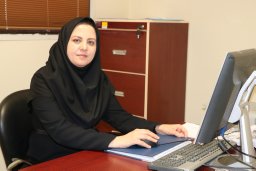 Maleki Azam合作论文数School of Nursing and Midwifery, Department of Midwifery8
 Amina Kariminia合作论文数Department of Pediatrics, University of British Columbia8
 Mahmoud Mahmoudi合作论文数Immunology Research Center, Mashhad University of Medical Sciences8Ahia Garshasbi合作论文数8Javad Naserian合作论文数8
 Nasrin Hanifi合作论文数7
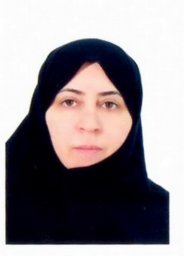 Azita Kiani Asiabar合作论文数Tarbiat Modares University7
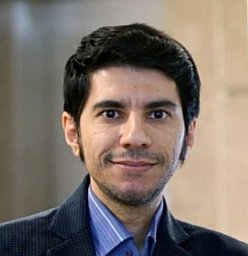 Mohamad Amin Pourhoseingholi合作论文数Gastroenterol & Liver Dis Res Ctr, Shahid Beheshti Univ Med Sci7
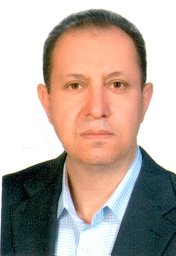 Parviz Owlia合作论文数Molecular Microbiology Research Center, Faculty of Medicine, Shahed University7
 Koorosh Kamali合作论文数7




