Background Gastric cancer is often accompanied by a loss of MUC6, but its pathogenic role in gastric carcinogenesis remains unclear. Method Muc6 knockout (Muc6-/-) mice and Muc6-dsRED mice were newly generated. Tff1Cre, Golph3-/-, R26-Golgi-mCherry, Hes1flox/flox, Cosmcflox/flox, A4gnt-/- mice were also used. Histology, DNAs and RNAs, proteins, and sugar chains were analyzed by whole exon DNA sequence, RNA sequence, immunohistochemistry, lectin-binding assays, and LC-MS analysis. Gastric organoids and cell lines were used for in vitro assays and xenograft experiments. Result Deletion of Muc6 in mice spontaneously causes pan-gastritis and invasive gastric cancers. Muc6-deficient tumor growth was dependent on MAPK activation, mediated by Golgi stress-induced upregulation of GOLPH3. Glycomic profiling revealed aberrant expression of mannose-rich N-linked glycans in gastric tumors, detected with Banana lectin in association with lack of MUC6 expression. We identified a precursor of clusterin as a binding partner of mannose glycans. MAPK activation, Golgi stress responses, aberrant mannose expression are found in a separate Cosmc- and A4gnt-deficient mouse models which lack normal O-glycosylation. Banana lectin-drug conjugates proved an effective treatment for mannose-rich murine and human gastric cancer. Conclusion We propose that Golgi stress responses and aberrant glycans are important drivers of, and promising new therapeutic targets for gastric cancer.
Trastuzumab deruxtecan (T-DXd) has demonstrated remarkable efficacy as a third- or later-line chemotherapy for human epidermal growth factor receptor 2 (HER2)-positive advanced gastric and gastroesophageal junction adenocarcinomas. However, it may cause pneumonitis, and its efficacy in rare histologies such as gastric adenocarcinoma with enteroblastic differentiation (GAED) remains unclear. A 74-year-old woman with unresectable HER2-positive GAED and lung metastasis received T-DXd as a fifth-line chemotherapy. Treatment was discontinued after 15 cycles owing to drug-induced pneumonitis; however, the patient achieved a sustained complete response for 14 months without subsequent chemotherapy or the exacerbation of pneumonitis. T-DXd was effective in HER2-positive GAED.
Normal epithelial cells exert their competitive advantage over RasV12-transformed cells and eliminate them into the apical lumen via cell competition. However, the internal or external factors that compromise cell competition and provoke carcinogenesis remain elusive. In this study, we examine the effect of sequential accumulation of gene mutations, mimicking multi-sequential carcinogenesis on RasV12-induced cell competition in intestinal epithelial tissues. Consequently, we find that the directionality of RasV12-cell extrusion in Wnt-activated epithelia is reversed, and transformed cells are delaminated into the basal lamina via non-cell autonomous MMP21 upregulation. Subsequently, diffusively infiltrating, transformed cells develop into highly invasive carcinomas. The elevated production of MMP21 is elicited partly through NF-κB signaling, blockage of which restores apical elimination of RasV12 cells. We further demonstrate that the NF-κB-MMP21 axis is significantly bolstered in early colorectal carcinoma in humans. Collectively, this study shows that cells with high mutational burdens exploit cell competition for their benefit by behaving as unfit cells, endowing them with an invasion advantage.
Background and Aims:Although Helicobacter pylori is the most important bacterial carcinogen in gastric cancer (GC), GC can emerge even after H. pylori eradication. Studies suggest that various constituents of the gastric microbiome may influence GC development, but the role of individual pathogens is unclear. Methods:Human gastric mucosal samples were analyzed by 16SrRNA sequencing to investigate microbiome composition and its association with clinical parameters, including GC risk. Identified bacteria in the stomach were cocultured with gastric epithelial cells or inoculated into mice, and transcriptomic changes, DNA damage, and inflammation were analyzed. Bacterial reads in GC tissues were examined together with transcriptomic and genetic sequencing data in the cancer genome atlas dataset. Results:Patients after Helicobacter pylori eradication formed 3 subgroups based on the microbial composition revealed by 16SrRNA sequencing. One dysbiotic group enriched with Fusobacterium and Neisseria species was associated with a significantly higher GC incidence. These species activated prooncogenic pathways in gastric epithelial cells and promoted inflammation in mouse stomachs. Sugar chains that constitute gastric mucin attenuate host-bacteria interactions. Metabolites from Fusobacterium species were genotoxic, and the presence of the bacteria was associated with an inflammatory signature and a higher tumor mutation burden. Conclusion:Gastric microbiota in the dysbiotic stomach is associated with GC development after H. pylori eradication and plays a pathogenic role through direct host-bacteria interaction.
The mechanism of H. pylori-induced atrophy and metaplasia has not been fully understood. Here, we demonstrate the novel role of Apoptosis signal-regulating kinase 1 (ASK1) and downstream MAPKs as a regulator of host immune responses and epithelial maintenance against H. pylori infection. ASK1 gene deficiency resulted in enhanced inflammation with numerous inflammatory cells including Gr-1+CD11b+ myeloid-derived suppressor cells (MDSCs) recruited into the infected stomach. Increase of IL-1β release from apoptotic macrophages and enhancement of TH1-polarized immune responses caused STAT1 and NF-κB activation in epithelial cells in ASK1 knockout mice. Dysregulated immune and epithelial activation in ASK1 knockout mice led to dramatic expansion of gastric progenitor cells and massive metaplasia development. Bone marrow transplantation experiments revealed that ASK1 in inflammatory cells is critical for inducing immune disorder and metaplastic changes in epithelium, while ASK1 in epithelial cells regulates cell proliferation in stem/progenitor zone without changes in inflammation and differentiation. These results suggest that H. pylori-induced immune cells may regulate epithelial homeostasis and cell fate as an inflammatory niche via ASK1 signaling.
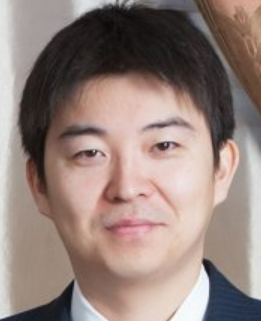 Yoku Hayakawa (早河翼)合作论文数Faculty of Medicine, The University of Tokyo9
 Masahiro Hata合作论文数6Mitsuhiro Fujishiro (藤城光弘)合作论文数Department of Gastroenterology & Hepatology, Nagoya University Graduate School of Medicine6
 Junya Arai合作论文数5Mayo Tsuboi合作论文数4Hiroaki Fujiwara合作论文数4Ushiku Tetsuo合作论文数4Ken Kurokawa合作论文数4Suzuki Nobumi合作论文数4Yukiko Oya合作论文数3Ihara Sozaburo合作论文数3
 Timothy Cragin Wang合作论文数Herbert Irving Comprehensive Cancer Center, Columbia University;Division of Digestive and Liver Diseases, Columbia University3Yoshihiro Hirata (平田喜裕)合作论文数Institute of Medical Science, The University of Tokyo3Chie Uekura合作论文数2Niikura Ryota合作论文数2
 Daniel Worthley合作论文数Colonoscopy Clinic2Hiroto Kinoshita合作论文数2Hayato Nakagawa合作论文数Department of Gastroenterology, University of Tokyo2
 Susan L. Woods合作论文数School of Nursing (W.C., K.A.P.),, University of California at San Francisco;School of Nursing (S.L.W.),, University of Washington;and College of Nursing (D.J.W.),, University of Illinois at Chicago;University of Washington, University of Illinois at Chicago2Valerie P. O'Brien合作论文数1Keita Murakami合作论文数1Gota Fujisawa合作论文数1Junpei Kurauchi合作论文数1Eilma Akter合作论文数1Kojiro Ishibashi合作论文数1Rei Ishibashi合作论文数1Chihiro Shiomi合作论文数1Yu Miyakawa合作论文数1Atsuo Yamada合作论文数1Shinya Tanaka合作论文数1Nariaki Odawara合作论文数1
 Hancheng Lin (林汉成)合作论文数School of Forensic Medicine and Science, Fudan University1Koji Miyabayashi合作论文数1Kazuki Nakai合作论文数1Yukihiro Shiraki合作论文数1
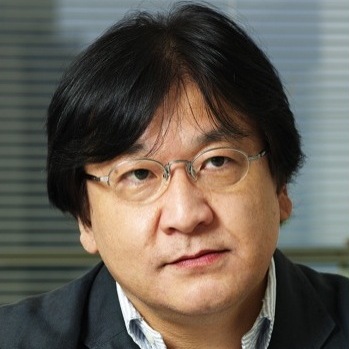 Masanori Hatakeyama合作论文数Department of Pathology, Immunology and Microbiology, Graduate School of Medicine, University of Tokyo1
 Jun Koseki合作论文数Graduate School of Medicine, Osaka University;Graduate School of Medicine, Osaka University1Masamitsu Konno合作论文数Graduate School of Medicine, Osaka University;Graduate School of Medicine, Osaka University1Yamano Shotaro合作论文数1
 Takashi Kudo合作论文数1Mizuno Seiya合作论文数1Aya Ushiku (牛久綾)合作论文数Division of Integrative Genomics, Graduate School of Medicine, The University of Tokyo1
 Michihiro Mutoh合作论文数1Shin Maeda (前田愼)合作论文数Department of Gastroenterology, School of Medicine, Yokohama City University1Kitamoto Sho合作论文数Graduate School of Medical and Dental Sciences, Kagoshima University1
 Yuki Matsushita合作论文数Graduate School of Biomedical Sciences, Nagasaki University1Hayashi Takeru合作论文数1Ohashi Akihiro合作论文数1
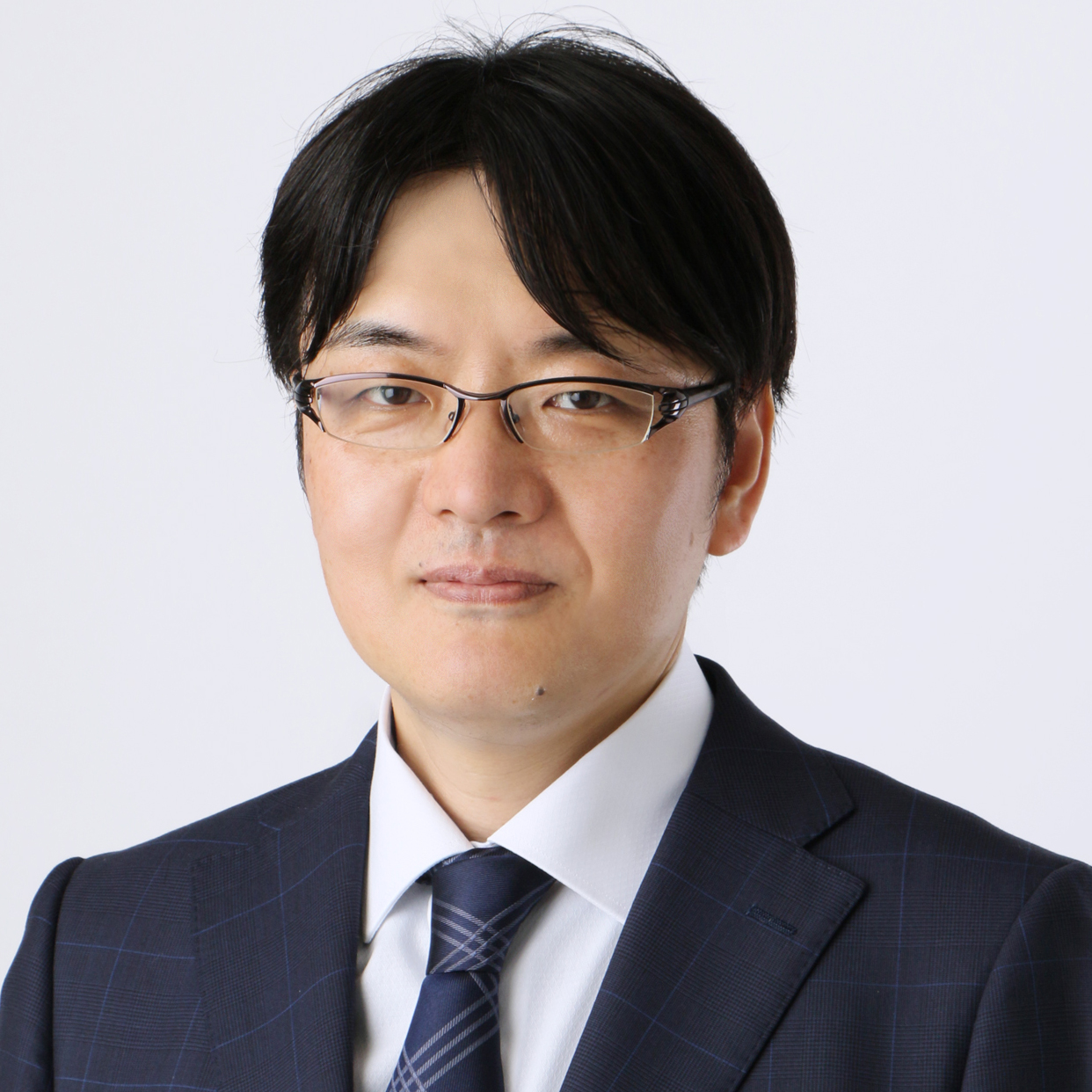 Atsushi Enomoto (榎本篤)合作论文数Center for Neurological Diseases, Graduate School of Medicine, Nagoya University1




