Severe localized erosion in 90 degrees elbows remains a critical challenge in gas-solid two-phase pipeline systems. This study proposes and investigates a novel grooved elbow design aimed at modulating flow transitions and significantly enhancing erosion resistance. Employing the Reynolds Stress Transport Model (RSTM) coupled with the Discrete Phase Model (DPM), a systematic numerical investigation is conducted to evaluate the effects of key groove geometric parameters, namely length, inner angle, number, and depth, on both hydrodynamic characteristics and particle erosion behaviors. The results reveal that the groove structures fundamentally alter the internal flow field by breaking down high-intensity longitudinal secondary-flow vortices into smaller, fragmented near-wall micro-vortices. This hydrodynamic modification effectively deflects high-energy particle trajectories and mitigates localized particle concentration. Quantitatively, under optimal configurations, the grooved elbow achieves a remarkable reduction in the severe erosion area by up to 78% and decreases the maximum erosion rate by approximately 40.1%, with only a moderate pressure drop penalty of 9.6%. Ultimately, this research provides a structurally simple, cost-effective passive flow-control solution to extend the service life of pipeline systems, presenting broad potential applications in chemical, energy, and hydraulic engineering.
Low-temperature industrial waste heat recovery is critical for clean fossil fuel utilization and industrial carbon reduction. However, flue gas heat exchangers operating in dust-laden environments suffer from severe ash deposition, which severely impairs long-term energy-saving performance. Most existing optimization studies focus on ideal dust-free conditions, and no systematic framework yet simultaneously balances heat transfer efficiency, flow loss, and ash deposition resistance. To address this gap, this work develops an integrated data-driven multi-objective optimization framework for in-line tube bundle heat exchangers under gas-solid two-phase flow conditions. A dedicated experimental test rig is constructed to acquire thermal-hydraulic and ash deposition data across varied structural parameters (transverse pitch ST, longitudinal pitch SL, bypass clearance ratio SE) and flue gas velocities (4–10 m/s). A Bayesian-optimized polynomial ridge regression (PRR) surrogate model is established to replace costly and time-consuming physical experiments, effectively overcoming the multicollinearity and overfitting limitations of traditional regression methods. After comparing five multi-objective algorithms, NSGA-II is selected to generate Pareto optimal fronts at three typical velocities (5, 7, and 9 m/s), with representative compromise solutions screened via multi-criteria decision-making (MCDM). Quantitative results show that the surrogate model achieves coefficients of determination R2 above 0.99 for both effective Nusselt number (Nue) and pressure drop (Δp). Experimental validation of four compromise solutions yields maximum relative deviations of 10.5% for Nue and 6.5% for Δp, respectively. Continuous 60-min dust-laden tests demonstrate that the optimal structure (ST = 42.5 mm, SL = 52.4 mm, SE = 0.766) delivers a heat transfer degradation rate as low as 5.4% while maintaining balanced thermo-hydraulic performance. This study reveals that structural parameters exert a dual regulation mechanism on both baseline clean-state performance and long-term ash deposition dynamics. The proposed framework provides reliable mechanistic guidance for heat exchanger design in high-dust flue gas environments, offering a robust pathway to balance heat transfer enhancement, flow resistance reduction, and anti-fouling durability.
Accurately modeling acoustic-enhanced heat and mass transfer remains difficult due to the nonlinear acoustic-fluid coupling. To address this challenge, the Lattice Boltzmann Method (LBM) is naturally advantageous for capturing the intricate interaction between acoustic and flow fields. Based on the fundamental framework of the LBM point source method (PSM), the governing equations for a point source within a background flow are derived. This derivation adopts the continuity and momentum equations, along with a small-disturbance assumption. Furthermore, the Oscillation Momentum Method (OMM) is proposed. The OMM incorporates the momentum oscillations generated by a point acoustic source into the discrete Lattice Boltzmann equations as a forcing term, effectively overcoming the limitation of the PSM that occupy fluid boundary nodes. Moreover, the reliability of the derived equations and the proposed methodology are systematically validated through several benchmark cases. Consequently, this work advances the theory and application of LBM in elucidating the mechanisms of acoustic-enhanced heat and mass transfer.
Hybrid photovoltaic/thermal (PV/T) systems offer a highly efficient pathway for solar energy utilization. However, traditional PV/T technologies possess a rigid electrical-to-thermal output ratio, which limits their operational dispatchability against fluctuating user demands. Furthermore, maximizing their deployment in built environments is severely hindered by spatial constraints. To bridge the gap between operational flexibility and compact land use, this work introduces a novel photovoltaic photothermal tunable system (PV/PT) that integrates a stationary parabolic reflector with a two-dimensionally trackable and rotatable receiver. Governed by near-axis optics, this compact architecture eliminates the inter-collector mutual shading inherent in conventional parabolic trough designs. Concurrently, the rotatable receiver enables on-demand mechanical switching between electricity generation and thermal collection modes. To precisely elucidate the underlying optical and thermodynamic mechanisms, a multi-dimensional coupled model, which integrates three-dimensional Monte Carlo ray tracing (MCRT) and transient thermal-electrical analysis, was established and experimentally validated. Optical analyses reveal that the receiver maintains a high intercept factor (>90%) across a wide range of incident angles by following an optimized elliptical trajectory. Thermodynamically, the system achieves a thermal efficiency of 76.8% (at a concentration ratio of 16 and 200 degrees C) and a concentrated PV efficiency of 25.0%, while significantly reducing the land footprint by 41.4% compared to conventional technologies. Crucially, transient thermal analysis demonstrates the system's rapid dispatchability, achieving stable mode transitions within 160 s. Economic analysis further indicates a 14.5% reduction in capital cost (265.6 vs. 310.7 USD/kW) compared to conventional PV and Li-battery hybrids, achieved primarily through the elimination of electrochemical storage. This integrated system presents a scientifically robust and economically viable solution for renewable energy integration in land-constrained environments.
As vertical latent heat thermal energy storage (LHTES) systems grow increasingly complex, accurate and efficient prediction of melting time and thermal performance is pivotal to enabling rapid iterative design of LHTES systems. This study focuses on a twisted finned-tube LHTES system, with the ratio of shell-to-tube diameter (D1/ D2), the ratio of straight to twisted fin height (H1/H2), number of fins (Nf), and number of fin periods (Np) as design variables. A dataset comprising 30 samples was established by combining the optimal Latin hypercube sampling method with numerical simulations. Furthermore, a systematic comparison was conducted among five machine learning algorithms, namely Bayesian-optimized backpropagation neural network, polynomial ridge regression, support vector machine, Gaussian process regression (GPR), and gradient boosting decision tree. Results demonstrate that the GPR model exhibits the best performance in capturing the strong nonlinear characteristics of phase-change processes, with root mean square error values below 1.0 for both melting time and total thermal energy storage. In contrast, ensemble learning algorithms tend to overfit under small-sample conditions. Further feature importance analysis confirms that D1/D2 is the dominant factor affecting the system's thermal performance. Moreover, expanding the heat transfer area by increasing Nf has a more pronounced effect on reducing melting time than flow field structural optimization achieved by adjusting the Np or H1/H2. The GPR surrogate model developed in this study provides an efficient tool for the intelligent design of twisted finned LHTES systems.
Under deep air-staged combustion, the secondary air flow rate of swirl burners is greatly reduced, making outlet recirculation structure, gas-solid mixing and early ignition behavior critical for stable combustion and low NOx emissions. This work examines the effects of primary air cone geometry on aerodynamic fields, fuel-air mixing and gas-solid flow in a centrally fuel-rich swirl burner for a 600 MWe wall-fired boiler. A cold model is employed for single-phase flow visualization, temperature-tracer mixing and three-dimensional phase-Doppler anemometry (PDA), validated on a 600 MWe industrial unit. As the primary air cone length decreases from 49 mm to 0 mm, the central recirculation zone (CRZ) length increases from 0.57d to 1.51d and its maximum diameter from 0.68d to 0.91d, while the axial onset of recirculation shifts ~70 mm toward the burner outlet. Shorter cones intensify the CRZ, promote earlier and stronger primary-secondary air mixing, increase radial and tangential mixing velocities, and drive fine particles outward, whereas longer cones preserve axial momentum, weaken the CRZ and maintain a strongly fuel-rich core near the centerline. PDA results further indicate that particle back-flow, concentration stratification and size segregation are highly sensitive to cone geometry. Industrial tests show that moving the primary-air outlet 0.1 m away from the burner wall shifts ignition downstream, reduces burner-throat gas temperatures (e.g. from 747°C and 823°C to 451°C and 714°C at two representative burners), and lowers NOx emissions from 344 to 313 mg/m³ at 6% O₂; compared with the pre-retrofit level of 663 mg/m³, this corresponds to an overall reduction of 52.8%. These findings demonstrate that optimizing primary air cone length and outlet position effectively coordinates ignition stability and ultra-low NOx emissions, providing practical design guidance for large wall-fired boilers under deep air-staged combustion and flexible load conditions.
In the field of ultrasonic enhanced heat transfer, the acoustic flow effect is the most common physical effect that enhances the heat transfer rate. This paper investigated the phase change heat storage process with enhanced acoustic flow effect under low sound power. First, the simulated work revealed the impacts of different acoustic vibration surface area on the phase change heat storage process under same sound power. The results show that the decreasing area of the acoustic vibration surface can improve the melting rate, which has the optimal value of the area. The general laws of forced convection and natural convection on promoting the melting process of phase change material (PCM) were further discussed. Then, the effectiveness and economy of the enhanced effect were quantitatively analyzed. The results indicate a strong correlation between the melting time of PCM and economy of the strengthening effect. Finally, the research further indicates that the acoustic flow effect not only promotes the melting of PCM, but also leads to the reduction of total heat storage. The significance of this study lies in providing a theoretical foundation for the development of new heat storage device.
Severe localized erosion in 90-degree elbows is a critical issue in gas-solid two-phase flow pipeline systems. To mitigate this problem, this study proposes a novel elbow structure equipped with a vortex chamber. Computational Fluid Dynamics (CFD) coupled with the Taguchi orthogonal experimental design was utilized to optimize three core geometric parameters: vortex chamber radius (r), truncation angle (alpha) and horizontal offset distance (h). The Reynolds Stress Model (RSM) and Discrete Phase Model (DPM) combined with the Oka erosion model were employed to investigate the flow field, particle dynamics, and erosion characteristics. The results of detailed statistical analysis revealed that the vortex chamber radius has the most significant impact on erosion intensity. Through a multi-index comprehensive evaluation balancing erosion resistance and pressure drop, the optimal structural combination was determined as r of 60 mm, alpha of 0 degrees, and h of-6 mm. Compared with the standard elbow, this optimal configuration reduces the maximum erosion intensity by approximately 46.5% while maintaining pressure drop within an controllable range. The anti-erosion mechanism is primarily attributed to the chamber's ability to capture high-speed particles and generate a stable recirculating vortex, which dissipates particle kinetic energy and shifts the high-shear zone away from the outer wall.
This study investigates the critical challenge of low heat release rates in vertical latent heat thermal energy storage units, proposing an innovative discontinuous fin configurations. A numerical model of the wax solidification process was developed using the enthalpy-porosity method, with a focus on analyzing how the discontinuous fin structure regulates temperature field distribution and solidification rate. The results demonstrate that optimizing the fin geometric parameters leads to a significant enhancement in thermal energy storage performance. The main fin length (L1) has a critical value of 15 mm. Variations in L1 below 15 mm result in negligible differences in solidification performance, while further increases in L1 lead to a gradual increase in the total solidification time. Additionally, the dimensionless bifurcation angle alpha has an optimal range of 0.45-0.6, which yields the shortest solidification time. The optimized discontinuous fin configuration (L1 = 15 mm, alpha = 0.45) achieves a 22.14 % reduction in solidification time and a 28.45 % increase in heat release rate compared to conventional longitudinal fins. This study elucidates the mechanism by which discrete fins enhance the solidification process, providing a robust theoretical foundation and critical design parameters for the development of next-generation high-efficiency thermal energy storage units.
Low-temperature economizers are essential facilities for waste heat recovery and energy conservation in coalfired power units. However, ash deposition on tube bundles seriously impairs heat transfer performance and restricts efficient unit operation. In this study, a hot-state experimental platform for in-line smooth tube bundles was established to investigate the effects of structural and operational parameters on ash deposition behavior and thermal performance. The influences of transverse tube pitch, longitudinal tube pitch, flue gas velocity, and fly ash concentration were systematically analyzed using the control variable method. The results show that the transverse tube pitch presents a typical V-shaped effect on both ash deposition mass and heat transfer degradation, and an optimal pitch range of 36-44 mm achieves a favorable balance between heat transfer capacity and anti-fouling performance. A smaller longitudinal pitch effectively suppresses ash accumulation, while an excessive pitch leads to severe ash deposition with negligible influence on heat transfer attenuation. Increasing flue gas velocity significantly reduces ash deposition and improves thermal stability by enhancing flow scouring and particle peeling. In contrast, higher fly ash concentration aggravates particle agglomeration and ash layer densification, thereby exacerbating heat transfer deterioration. This work provides reliable experimental references for the structural optimization, parameter adjustment, and fouling mitigation strategy design of lowtemperature economizer tube bundles.
Thick electrodes are crucial for achieving high-energy-density lithium-ion batteries, yet their performance is fundamentally constrained by severe mass-transport limitations. Despite substantial efforts in electrode structural engineering, conflicting viewpoints on gradient-particle-size, gradient-porosity, and oriented-pore structures continue to hinder rational electrode design. Here, enabled by stochastic reconstruction and a physically informed parameter mining strategy, we develop a high-fidelity microstructure-resolved transport-electrochemical-thermal coupled model. Based on this framework, we systematically quantify how individual and combined electrode structures regulate transport pathways, spatially inhomogeneous reaction, and macroscopic performance in thick electrodes. By decomposing total overpotential loss, visualizing multiscale transport process, and introducing diffusion characteristic time as a unifying descriptor, we reveal that optimal oriented-pore electrode structure requires balancing pore-channel volume with surrounding matrix porosity, whereas gradient-particle-size and -porosity redistribute local diffusion kinetics and reaction fronts in a strongly rate-dependent manner. Based on these insights, we reconcile their conflicting effects and propose a hybrid oriented-pore design for wide-rate operation, with larger particles and higher porosity on the top layer and smaller particles and lower porosity on the bottom layer. This design greatly improves capability retention by 18.4% at 4C. Beyond this demonstration, our work establishes a forward-design roadmap for next-generation thick electrodes, offering physically grounded guidelines tailored to segmented application scenarios spanning low-rate, high-rate, and wide-rate operation.
Physics-based digital modeling is increasingly becoming a vital tool for accelerating battery technology innovation. Yet, existing methods often require extensive datasets and still struggle to achieve rapid and accurate decoupling of geometric, thermodynamic and kinetic parameters, limiting model generalization across diverse scenarios. Here, we propose a physics-informed parameter identification framework that extracts the complex electrochemical-thermal coupling relationships of lithium-ion batteries (LIBs) from three-representative voltage curves, achieving both efficiency and fidelity. First, electrode balancing information is obtained by inverse identification from OCV curves, laying the foundation for the next modeling. Second, a multi-scenario sensitivity analysis reveals that alternating external stimuli trigger distinct parameter sensitivities, indicating an effective pathway for partially decoupling key parameters. Inspired by these findings, a hierarchical identification framework is established to progressively extract parameters, effectively mitigating overfitting, local minima, and slow convergence. Finally, the extracted parameter set is validated against experimental data under 10 diverse operating conditions. The calibrated model achieves an average MAE of 27.5 mV for voltage and 0.65 degrees C for temperature rise, exhibiting exceptional accuracy and robustness. Moreover, it successfully captures the nonlinear transition in long-term cyclic aging from linear capacity fade to accelerated degradation and exhibits strong cross-dimensional transferability. This work develops an efficient offline parameter extracted framework based on data-physics fusion, enabling high-fidelity digital modeling of LIBs and offering good scalability to next-generation chemistries.
The combustion of high-ash, alkali and alkaline earth metal (AAEM)-rich fuels, and biomass is highly prone to cause ash deposition on boiler heating surfaces. This problem not only reduces boiler thermal efficiency and increases flue gas resistance but may even lead to unplanned shutdowns, with the situation becoming increasingly severe under deep peak-shaving operations. Ash deposition results from the synergistic effects of multiple mechanisms including inertial impaction and thermophoresis, and is complexly influenced by factors such as the physicochemical properties of flue gas and fly ash, operating conditions, and heating surface structures. Existing reviews have primarily focused on slagging issues caused by high-alkali fuels or biomass combustion, while lacking systematic summarization of ash deposition processes on low-temperature heating surfaces. This paper comprehensively reviews recent progress in ash deposition on boiler heating surfaces. It begins with a detailed analysis of five interconnected stages: ash particle formation, transport, deposition, removal, and deposit layer growth. Then it systematically introduces numerical prediction methods for ash deposition characteristics, including adhesion models, removal models, and deposit layer growth prediction in numerical simulations. Experimental findings from cold-state, hot-state, and on-site studies are summarized, covering ash deposition distribution patterns and acid/water vapor condensation coupling effects. Control technologies such as structural optimization, material enhancement, and machine learning-based predictive control are reviewed. Finally, the paper thoroughly analyzes challenges in current research and suggests future directions. This review provides significant reference value for both academic research and industrial applications related to boiler heating surface ash deposition, contributing to ensuring safe and economical boiler operation and promoting the low-carbon transformation of the energy industry.
As an emerging active control strategy, acoustic technology has been widely applied to regulate fluid flow and heat transfer process. This study investigates the interaction mechanism between localized directional acoustic waves and natural convection in a square enclosure using the Lattice Boltzmann Method (LBM). Meanwhile, the impacts of acoustic actuation position, flow intensity, and acoustic geometric length on flow and heat transfer are systematically elucidated. The results reveal that the regulatory outcome is fundamentally governed by the actuation configuration: assisting positions intensify flow circulation and enhance heat transfer, whereas opposing positions yield converse suppressive effects. This modulation originates from the attenuation of directional waves, which induces localized acoustic streaming that initially alters local dynamics before propagating to reshape the global flow field. Furthermore, a competitive mechanism between acoustic and buoyancy forces is identified. Under the opposing configuration, sufficiently high acoustic intensity will generate vortices dominated by streaming. This competition is quantitatively evaluated using two newly proposed criteria. Moreover, the geometric length defines the acoustic streaming barrier that reconstructs flow and thermal fields. The impact of geometric length is non-monotonic on enhancement or attenuation of convection, exhibiting an optimal value that correlates with the background flow field.
The structural parameters of a twisted fin-tube latent heat thermal energy storage (LHTES) unit directly dictate its thermal response performance; however, multi-parameter coupling effects make it challenging for traditional optimization methods to balance thermal efficiency and engineering manufacturability. This study proposes a machine learning-assisted multi-objective collaborative optimization method. A Bayesian Optimization-Gaussian Process Regression (BO-GPR) surrogate model is employed to establish a nonlinear mapping between structural parameters and thermal response indicators. The Non-dominated Sorting Genetic Algorithm II (NSGA-II) is combined with VIKOR for solution selection, and the SHAP framework is used to quantitatively reveal the influence patterns and interaction effects of each parameter. CFD validation shows that the maximum relative error between predicted and simulated results is 5.99%. A comparative study of bi-objective (melting time-heat storage capacity) and tri-objective (including manufacturability) optimization frameworks indicates that the tri-objective optimization reduces the complete melting time by approximately 6% and improves the manufacturability index by 91.07%, at the cost of a 34.61% reduction in heat storage capacity, thereby achieving an effective balance between thermal performance and engineering manufacturability. This study provides a theoretical basis and technical reference for the engineering design of twisted-fin-tube phase change thermal energy storage systems.
To enhance the heat transfer efficiency of latent heat storage devices, this study proposed a novel composite fin structure and applied it to vertical shell-and-tube latent heat thermal energy storage (LHTES) units. The enthalpy-porosity method was used for numerical simulation of the phase change process, and the heat storage and release performance of different units was systematically evaluated. The results indicated that the novel configuration, combining longitudinal and twisted fins, significantly enhanced both natural convection and heat conduction, effectively compensating for the heat transfer limitations of traditional longitudinal and annular fins. Compared with conventional longitudinal fins, it reduced the complete melting and solidification time of the phase change material (PCM) by 32.57 % and 23.05 %. Although its complete solidification time was slightly longer than that of conventional annular fins, it achieved the highest heat storage and release rates. When the PCM reached a phase change fraction of 0.95, the heat storage and release capacities of this structure were 10.9 % and 3.4 % higher than those of annular fins, respectively. This study provides theoretical guidance for the design and development of new large-scale, high-efficiency latent heat storage devices.
Cavitation enhancing effect is closely related to the asymmetric characteristics of the collapse process of near wall cavitation bubbles in the direction perpendicular to the wall. Therefore, this work established a cavitation bubble evolution model, in which the lattice Boltzmann method (LBM) was combined with the Runge-Kutta method (RK) that incorporates the nine-point discretization scheme characteristic of LBM. The model could effectively demonstrate the collapse behavior of near-wall cavitation bubbles under acoustic field intervention. The simulation results revealed that the bubble collapse behavior displays a fluctuating relationship with acoustic wavelength, and the frequency of this fluctuation increases as the wavelength decreases. Meanwhile, the acoustic amplitude only enhances the amplitude of the fluctuation, but does not change its period. This fluctuation characteristic originates from the inherent wave nature of the acoustic field. Then, a decrease of the near wall distance will enhance the intensity of cavitation bubble collapse, but it hardly affects this fluctuation characteristic. Finally, the increasing initial pressure difference affects the number of collapses, which results in a redistribution of the bubble's energy during multiple collapses. Additionally, the collapsed states with the similar the proportional energy released exhibit similar this fluctuation characteristic.
The intermittency and fluctuation of renewable energy, together with the spatial and temporal mismatch of industrial waste heat, have made thermal energy storage systems an effective solution to these challenges. In this study, the thermal performance of a multi-tube latent heat thermal energy storage unit during charging and discharging processes is systematically investigated through experiments. The latent heat thermal energy storage unit employs paraffin as the phase change material and water as the heat transfer fluid, with its core component being a latent heat thermal energy storage unit equipped with a novel longitudinal fin structure. The experiments focus on elucidating the heat transfer mechanisms and temperature distribution characteristics, while also examining the effects of the inlet temperature and volumetric flow rate of the heat transfer fluid on the phase-change rate and average power. The results demonstrate that the novel latent heat thermal energy storage unit exhibits excellent temperature uniformity and rapid thermal response. Compared with the charging process, the novel latent heat thermal energy storage unit shows more pronounced advantages during discharging. Relative to the conventional latent heat thermal energy storage unit with longitudinal straight fins, the solidification time is reduced by 27.14%, and the discharging power is increased by 46.01%. Regarding variable operating conditions, the effects of the heat transfer fluid inlet flow rate differ markedly. High flow-rate conditions (≥9 L/min) are more suitable for charging, whereas low flow-rate conditions (≤6 L/min) are more favorable for discharging. In terms of inlet temperature, the 65 °C/35 °C condition provides the best temperature uniformity and the shortest phase-change duration, while the 75 °C/25 °C condition yields the highest charging/discharging capacity and rates. Accordingly, the inlet flow rate and temperature can be flexibly adjusted to meet practical thermal storage and heat exchange requirements. The proposed novel vertical multi-tube latent heat thermal energy storage unit can be modularly integrated to enable cyclic charging and discharging under high thermal loads, demonstrating strong potential for industrial-scale applications in large-capacity thermal energy storage and utilization.
The utilization of supercritical CO2 (sCO2) for cooling aero-engine combustion chambers can effectively alleviate the hydrocarbon fuel slagging issue in hypersonic vehicles. Nevertheless, research on sCO2 heat transfer and performance optimization in regenerative cooling channels under high heat flux unilateral heating conditions remains limited. Influence of heat flux, mass flux, operating pressure and heating position on the flow dynamics and heat transfer was numerically investigated. Results indicated that wall temperature (Tw) peak intensified with increase of heat flux and decrease of pressure and mass flux. Heat transfer deterioration (HTD) can be alleviated by elevating inlet temperature above the pseudo-critical temperature Tin>Tpc. Furthermore, temperature non-uniformity coefficient served as an effective predictor of heat sink performance of regenerative cooling channels. A lower coefficient indicated a higher heat sink utilization rate. Analysis revealed that turbulent kinetic energy within the boundary layer was primary factor governing heat transfer performance. Friction loss dominated and acceleration loss comprised approximately 1/4 of total pressure drop. Comparative assessment demonstrated that top heating led to the highest Tw, whereas side heating induced the greatest pressure drop. Finally, sinusoidal wavy channels were proposed, with amplitude A=0.2mm and period p=4mm exhibiting optimal flow and heat transfer capabilities for various heating position.
In this work, molecular dynamics simulations were conducted to explore the effects of surface wettability and roughness on the bubble evolution characteristics during the ultrasonic cavitation process. In the calculation, the vibrating wall models with different wettabilities and varying roughness were constructed to reveal the cavitation process of water molecules under periodic ultrasonic excitation. The simulated results indicated that the hydrophobic surface facilitates the early formation of bubbles, but the hydrophilic wall contributes to the stabilization of bubble structures and their expansion into the bulk liquid. Meanwhile, the cavitation effect can be enhanced with the increasing roughness due to the generation of geometric traps. In addition, the geometric traps can promote the generation and persistence of bubbles near the boundary. Finally, the appearance, growth, and collapse of bubbles were related to the oscillation of pressure.
 Dongwei Zhang (张东伟)合作论文数School of Mechanical and Power Engineering, Zhengzhou University38
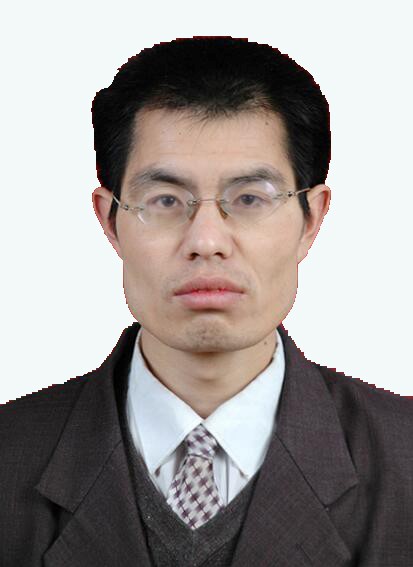 Junjie Zhou (周俊杰)合作论文数School of Mechanical and Power Engineering, Zhengzhou University21
 Xuehong Wu (吴学红)合作论文数郑州轻工业学院能源与动力工程学院20
 Yaling He (何雅玲)合作论文数School of Energy and Power Engineering, Xi'an Jiaotong University16
 Feilong Wang (王飞龙)合作论文数College of Energy and Power Engineering, Nanjing University of Aeronautics and Astronautics15
 Chao Shen (沈超)合作论文数School of Civil Engineering, Zhengzhou University15
 Lin Wang (王林)合作论文数河南科技大学15
 Yinsheng Yu合作论文数9Jian Guan合作论文数7Zhanwei WANG (王占伟)合作论文数7
 YongGang Lei (雷勇刚)合作论文数College of Civil Rngineering, Taiyuan University of Technology7Zhao Kai合作论文数6Hang Li合作论文数6SongXuan Chen (陈宋璇)合作论文数6
 Xiuzhen Li (李秀珍)合作论文数6
 Ming-Jia Li (李明佳)合作论文数School of Mechanical Engineering, Beijing Institute Technology6Xinyu Xie合作论文数5Cao Shuang合作论文数5Luotong Fu合作论文数5Liang Ding合作论文数5Yang Yu合作论文数5
 Heqing Tian (田禾青)合作论文数School of Mechanical and Power Engineering, Zhengzhou University5
 Chaxiu Guo (郭茶秀)合作论文数School of Mechanical and Power Engineering, Zhengzhou University5
 Yubing Tao (陶于兵)合作论文数Department of Thermo-Fluid Science and Engineering, School of Energy and Power Engineering, Xi 'an Jiaotong University5
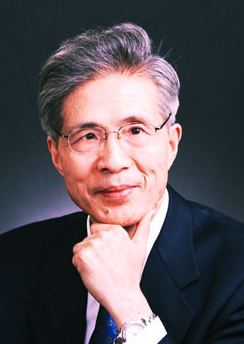 Wenquan Tao (陶文铨)合作论文数MOE Key Laboratory of Thermo-Fluid Science and Engineering, School of Energy and Power Engineering, Xi'an Jiaotong University;Xi’an Jiaotong-Liverpool University5
 Francis A. Kulacki合作论文数Department of Mechanical Engineering,
College of Science and Engineering, University of Minnesota5
Francis A. Kulacki合作论文数Department of Mechanical Engineering,
College of Science and Engineering, University of Minnesota5 Xiang Qin (秦翔)合作论文数4
 Zixiang Tong (童自翔)合作论文数School of Human Settlements and Civil Engineering, Xi'an Jiaotong University4
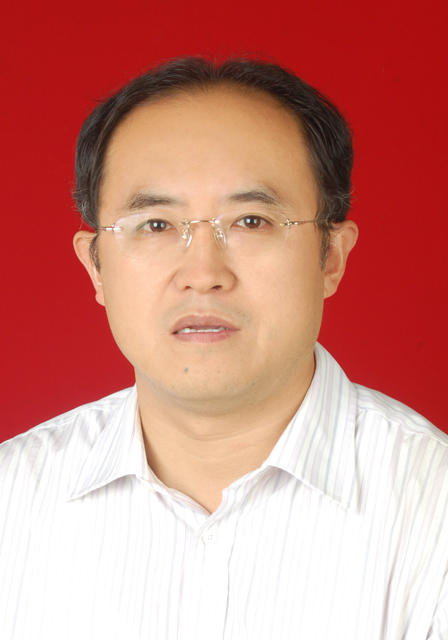 Qinxin Zhao (赵钦新)合作论文数School of Energy and Power Engineering, Xi'an Jiaotong University4Mengxiao Lan合作论文数3Zhuantao He合作论文数3Zihao Zhao合作论文数3
 Zhicong Li (李智聪)合作论文数3Ranran SHENG (绳冉冉)合作论文数3
 Deping Liu (刘德平)合作论文数School of Mechanical and Power Engineering, Zhengzhou University3ZhiJuan Chang合作论文数3
 Weihua Cai (蔡伟华)合作论文数School of Energy and Power Engineering, Northeast Electric Power University3Tianzhen Gao (高天真)合作论文数3
 Hailiang Cao (曹海亮)合作论文数School of Mechanical and Power Engineering, Zhengzhou University3Xiaoliang Ha (哈晓亮)合作论文数2Bo Shen合作论文数2Mingzhi Li合作论文数2Cai LV合作论文数2Jiangbao Song合作论文数2
 Jiaheng Chen合作论文数2Wanwan Li合作论文数2Fan Zhang合作论文数2Zhan-Bin Liu合作论文数2
 Yunjin Ao合作论文数2




