Ensuring the safety of autonomous vehicles (AVs) in long-tail scenarios remains a critical challenge, particularly under high uncertainty and complex multi-agent interactions. To address this, we propose RiskNet, an interaction-aware risk forecasting framework, which integrates deterministic risk modeling with probabilistic behavior prediction for comprehensive risk assessment. At its core, RiskNet employs a field-theoretic model that captures interactions among ego vehicle, surrounding agents, and infrastructure via interaction fields and force. This model supports multidimensional risk evaluation across diverse scenarios (highways, intersections, and roundabouts), and shows robustness under high-risk and long-tail settings. To capture the behavioral uncertainty, we incorporate a graph neural network (GNN)-based trajectory prediction module, which learns multi-modal future motion distributions. Coupled with the deterministic risk field, it enables dynamic, probabilistic risk inference across time, enabling proactive safety assessment under uncertainty. Evaluations on the highD, inD, and rounD datasets, spanning lane changes, turns, and complex merges, demonstrate that our method significantly outperforms traditional approaches (e.g., TTC, THW, RSS, NC Field) in terms of accuracy, responsiveness, and directional sensitivity, while maintaining strong generalization across scenarios. This framework supports real-time, scenario-adaptive risk forecasting and demonstrates strong generalization across uncertain driving environments. It offers a unified foundation for safety-critical decision-making in long-tail scenarios.
Traffic hysteresis, a phenomenon observed daily in traffic characterized by flow and density loops on the fundamental diagram, is attributed to intra/inter-driver heterogeneity. Despite extensive analysis, a systematic method to measure hysteresis accounting for these heterogeneities, ensuring the traffic state over each measurement time window remains within an approximate speed, is still missing. This gap becomes more pronounced with the advent of mixed traffic, including automated vehicles (AVs) and human-driven vehicles (HDVs), whose behaviors can significantly differ. This paper investigates an optimal method for measuring traffic hysteresis loops, applicable to both AVs and HDVs, without requiring detailed knowledge of car-following behaviors. Specifically, by representing vehicle trajectories as a directed graph, finding the optimal hysteresis measurement window involves finding an optimal matching that accommodates intra/inter-driver heterogeneity and minimizes speed differences within response time boundaries. We further formulate the matching problem as a variant of the minimum-cost network flow problem, commonly encountered in the logistics domain. A binary integer programming model is proposed, which can be efficiently solved using state-of-the-art solvers. We prove the feasibility and boundedness of our framework to ensure its broad applicability. To validate our method, we compared it with the prevailing parallelogram measurement method in a pure AV scenario under single-frequency oscillation. Our method proved to be more effective, providing more accurate estimates close to theoretical derivations. Subsequently, we applied our method to general traffic conditions, demonstrating that it yields a lower speed variation within measurement regions. Through a series of quantitative analyses on hysteresis, our framework also suggests that the prevailing method may overestimate hysteresis.
This study develops a dynamic fundamental diagram (FD) framework tailored to mixed traffic environments comprising automated vehicles (AVs) and human-driven vehicles (HDVs). Describing function analysis is employed to derive approximate linear transfer functions for nonlinear HDV car-following models. A sequence-based stochastic dynamic FD is then formulated for mixed platoons, enabling the evaluation of hysteresis in the evolution of flow-density relations across different vehicle sequencing scenarios and AV penetration levels. Monte Carlo simulation results reveal that (i) differences in AV-HDV sequencing significantly alter the size of traffic hysteresis loops; and (ii) higher AV shares generally dampen hysteresis magnitude and variability, yet the net impact depends on how AVs are distributed within the platoon. The results suggest that traffic hysteresis in mixed environments is governed not only by the composition of AVs and HDVs, but also by how their interactions unfold through sequencing.
Traffic flow heterogeneity, stemming from diverse behaviors of its agents, presents a fundamental challenge in developing accurate predictive and descriptive models that are at the heart of understanding traffic. This paper adopts a data decomposition framework to address the limitations of global data aggregation methods that often obscure individual agent behaviors in traffic systems. We propose a decomposition framework that represents each agent's data as a sum of population-level common component and agent-specific personalized component. The common component is learned as a shared temporal subspace across agents, while personalized components are extracted in an orthogonal complement, yielding an interpretable separation between common and personalized behavior. Through stylized experiments we show that pooled learning can collapse under heterogeneity, misleading traffic-level interpretation. Whereas the proposed decomposition recovers agent-level behavior, enhancing interpretability. We further apply the method to empirical driving data to perform behavioral analysis, personalization, and behavioral clustering across different agents. The framework provides a bottom-up bridge between traffic agent heterogeneity and traffic-level analysis.
Traffic waves, the spatiotemporal propagation of congestion, are a key feature of traffic flow. As Adaptive Cruise Control (ACC) systems gain widespread adoption and show promise for improving both efficiency and safety, understanding how these waves evolve under ACC becomes increasingly important. Yet most existing analyses rely on steady-state metrics (e.g., equilibrium spacing) and neglect the ACC control-law parameters, such as feedback gains, that fundamentally shape higher-order traffic dynamics. To overcome this limitation, we embed the ACC control law directly into the momentum equation while retaining mass conservation law. The result is a higher-order macroscopic model whose dynamics are governed by a second-order partial differential equation equivalent to the linear ACC feedback law. Analyzing the flux Jacobian confirms that the system is strictly hyperbolic, thereby preserving anisotropy and ensuring physical consistency. The derivation also shows that traffic wave evolution depends on both the initial state and the ACC control parameters. We analyze wave-propagation characteristics, linear degeneracy, admissible discontinuities, and their connection to ACC string stability, with the corresponding derivations. Numerical experiments confirm that the second-order model yields markedly lower vehicle-pair speed deviations along wave paths than a first-order model subject to the same non-steady disturbances, underscoring both the necessity of a second-order treatment and the soundness of the proposed framework.
This study investigates the presence of an energy and environmental rebound effect from the adoption of autonomous vehicle (AV) ride-sharing technologies. We take an adoption pattern and market share competition framework to show how environmental gains from increased fuel efficiency and favorable travel attributes of AVs may be offset by unintended modal shifts. The analysis is informed by a revealed and stated preference (RP/SP) travel survey data collected in Chicago, Illinois. Our results show that while AV ride-sharing reduces emissions when replacing personal vehicles, it frequently substitutes energy-efficient modes such as walking and biking, thereby undermining these gains. Specifically, we show that substituting a one-mile walking trip with an AV ride-sharing trip requires the displacement of up to six miles of personal vehicle travel to offset the resulting emissions. This non-linearity in magnitude of substitution works against AV technologies in the current competition between traditional, public, and micro-mobility options. The study reveals a systematic environmental rebound effect with important implications for the next-era transportation systems. All codes used in this study are made available in the attached Supplementary Information.
This paper presents a stochastic calibration method based on Approximate Bayesian Computation (ABC). This method is applied to calibrate two car-following control models: linear control and model predictive control (MPC). The method is likelihood-function-free, where the likelihood function is replaced by simulation to approximate the posterior distribution of model parameters. This structure affords flexibility to calibrate posterior joint distributions of complex models, even those without analytical closed forms such as MPC. Two experiments were conducted to evaluate how well the proposed method reproduces: (i) marginal and joint distributions of model parameters, using synthetic data and (ii) vehicle trajectories (acceleration, speed, and position), using field data involving two commercial adaptive cruise control (ACC) systems. The results showed that the ABC method can reproduce marginal and joint distributions reasonably well for the linear controller as well as the non-analytical MPC-based controller, which was previously infeasible. The method can also robustly characterize the commercial ACC behavior at the trajectory level, which suggests that the simple linear controller better describes their behavior.
This paper is concerned with the behavior of voluntary driver interventions in automated vehicles in car-following, initiated by the driver in non-safety-critical situations rather than by the system. Specifically, this study analyzes the dynamic process of voluntary driver intervention through evidence accumulation (EA) modeling, which describes the evolution of the driver’s distrust in automation, ultimately resulting in intervention. The model is calibrated using data from a driving simulator experiment. The experimental data also suggests that driver interventions can instigate substantial traffic disturbances that are amplified through upstream traffic. Based on the findings, we develop a car-following control for AVs by embedding the calibrated EA model in a deep reinforcement learning (DRL) framework. Numerical experiments demonstrate that the proposed control can effectively mitigate unnecessary driver interventions while improving traffic stability. The code supporting the findings of this study are available in Github page.
This paper presents an analytical modeling framework for partially automated traffic, incorporating cascading driver intervention behaviors. In this framework, drivers of partially automated vehicles have the flexibility to switch driving modes (either AV or HDV) under lockout constraints. The cascading impact is captured by making the switching probability leader-dependent, highlighting the influence of the leading vehicle on mode choice and the potential propagation of mode changes throughout traffic. Due to the complexity of this system, traditional Markov-based methods are insufficient. To address this, the paper introduces an innovative semi-Markov chain framework with lockout constraints, ideally suited for modeling the system dynamics. This framework reformulates the system as a nonlinear model whose solution can be efficiently approximated using numerical methods from control theory, such as the Runge-Kutta algorithm. Moreover, the system is proven to be a piecewise affine bilinear system, with the existence of solutions and both local and global stability established via Brouwer's Fixed Point Theorem and the 1D Uncertainty Polytopes Theorem. Numerical experiments corroborate these theoretical findings, confirming the presence of cascading impacts and elucidating the influence of modeling parameters on traffic throughput, thereby deepening our understanding of the system's properties.
Ensuring fairness in the coordination of connected and automated vehicles at intersections is essential for equitable access, social acceptance, and long-term system efficiency, yet it remains underexplored in safety-critical, real-time traffic control. This paper proposes a fairness-aware hierarchical control framework that explicitly integrates inequity aversion into intersection management. At the top layer, a centralized allocation module assigns control authority (i.e., selects a single vehicle to execute its trajectory) by maximizing a utility that accounts for waiting time, urgency, control history, and velocity deviation. At the bottom layer, the authorized vehicle executes a precomputed trajectory using a Linear Quadratic Regulator (LQR) and applies a high-order Control Barrier Function (HOCBF)-based safety filter for real-time collision avoidance. Simulation results across varying traffic demands and demand distributions demonstrate that the proposed framework achieves near-perfect fairness, eliminates collisions, reduces average delay, and maintains real-time feasibility. These results highlight that fairness can be systematically incorporated without sacrificing safety or performance, enabling scalable and equitable coordination for future autonomous traffic systems.
Lane changes (LCs) in congested traffic are complex, multi-vehicle interactive events that pose significant safety concerns. Providing early warnings can enable more proactive driver assistance system and support more informed decision-making for drivers under LCs. This paper presents an interaction-aware Lane-Changing Early Warning (LCEW) system designed to issue reliable early warning signals based on future trajectory predictions. We first investigate the stochastic nature of LCs, characterized by (i) variable-size multi-vehicle interactions and (ii) the direct and indirect risks resulting from these interactions. To model these stochastic interactions, a Social Spatio-Temporal Graph Convolutional Neural Network framework informed by mutual information (STGCNN-MI) is introduced to predict multi-vehicle trajectories. By leveraging a MI-based adjacency matrix, the framework enhances trajectory prediction accuracy while providing interpretable representations of vehicle interactions. Then, potential collisions between the LC vehicle and adjacent vehicles (direct risks) or among the non-adjacent vehicles (indirect risks) are identified using oriented bounding box detection applied to the predicted trajectories. Finally, a warning signal is generated to inform the LC driver of location of potential collisions within the predicted time window. Traffic simulation experiments conducted in SUMO demonstrate that the proposed interaction-aware LCEW improves both vehicle-level safety and overall traffic efficiency, while also promoting more natural behavioral adaptation.
Heavy vehicles (HVs) pose a significant challenge to maintaining a smooth traffic flow on the freeway because they are slower moving and create large blind spots. It is therefore desirable for the followers of HVs to perform lane changes (LCs) to achieve a higher speed and a safer driving environment. Understanding LC behaviors of vehicles behind HVs is important because LCs can lead to highway capacity drop and induce safety risks. In this paper, a drift-diffusion model (DDM) is proposed to model the LC behavior of cars behind HVs. In this drift-diffusion (DD) process, vehicles consider the surrounding traffic environment and accumulate evidence over time. A LC is made if the evidence threshold is exceeded. By obtaining vehicle trajectories with LC intentions in the Third Generation Simulation (TGSIM) dataset through clustering and fitting them with the DDM, we find that a lower initial headway makes the drivers more likely to LC. Furthermore, a larger distance to the follower on the target lane, an increasing target gap size, and a higher speed difference between the target lane and the leading HV increases the rate of evidence accumulation and leads to a LC execution sooner.
While physics models for predicting system states can reveal fundamental insights owing to their parsimonious structure, they may not always yield the most accurate predictions, particularly for complex systems. As an alternative, neural network (NN) models usually yield more accurate predictions; however, they lack interpretable physical insights. To articulate the advantages of both physics and NN models while circumventing their limitations, this study proposes a physics-enhanced residual learning (PERL) framework that adjusts a physics model prediction with a corrective residual predicted from a residual learning NN model. The integration of the physics model preserves interpretability and tremendously reduces the amount of training data compared with pure NN models. We apply PERL to a vehicle trajectory prediction problem with real-world trajectory data of both a human-driven vehicle (HV) and an autonomous vehicle (AV), using an adapted Newell car-following model as the physics model and four kinds of neural networks (Gated Recurrent Unit (GRU), Convolution long short-term memory (CLSTM), Variational Autoencoder (VAE), and the Informer model) as the residual learning model. We compare this PERL model with pure physics models, NN models, and other physics-informed neural network (PINN) models. The results reveal that PERL yields the best prediction when the training data are small. The PERL model converges quickly during training. Moreover, compared with the NN and PINN models, the PERL model requires fewer parameters to achieve similar predictive performance. A sensitivity analysis revealed that the PERL model consistently outperforms the physics models, NN models and PINN models with different physics and residual learning models given a small training dataset. Among these, the PERL model based on CLSTM achieved the most accurate predictions.
This paper proposes a generic cooperative control framework for connected and automated vehicles (CAVs) for compound maneuvers of car-following, merging, and diverging on curved paths. The proposed framework is illustrated through a roundabout example. The framework is based on the "virtual car-following" concept, where multiple conflicting streams of CAVs are transformed onto a single, straight virtual axis. With this transformation, the control of compound maneuvers is simplified into a car-following and lane-keeping control problem. This is facilitated by firstly applying curvilinear coordinates to each approach to transform the vehicle kinematic motions along a curved path into longitudinal and lateral movements on a straight path. Then the transformed paths for all the conflicting vehicle streams are rotated onto the same virtual axis with respect to the merging/diverging point to form a virtual car-following stream. Traffic conflicts are then resolved through virtual car-following control, paired with lane-keeping control. Specifically, a serial distributed model predictive control (MPC) with a time-varying horizon is designed to fulfill these control tasks simultaneously. Numerical simulations are conducted for a single-lane roundabout scenario. The results showed that the proposed strategy is capable of actively generating gaps for vehicles to safely merge, reducing voids, and dampening traffic disturbances as manifested by speed variations.
Truck parking on freight corridors faces the major challenge of insufficient parking spaces. This is exacerbated by the Hour-of-Service (HOS) regulations, which often result in unauthorized parking practices, causing safety concerns. It has been shown that providing accurate parking usage prediction can be a cost-effective solution to reduce unsafe parking practices. In light of this, existing studies have developed various methods to predict the usage of a truck parking site and have demonstrated satisfactory accuracy. However, these studies focused on a single parking site, and few approaches have been proposed to predict the usage of multiple truck parking sites considering spatio-temporal dependencies, due to the lack of data. This paper aims to fill this gap and presents the Regional Temporal Graph Convolutional Network (RegT-GCN) to predict parking usage across the entire state to provide more comprehensive truck parking information. The framework leverages the topological structures of truck parking site locations and historical parking data to predict the occupancy rate considering spatio-temporal dependencies across a state. To achieve this, we introduce a Regional Decomposition approach, which effectively captures the geographical characteristics of the truck parking locations and their spatial correlations. Evaluation results demonstrate that the proposed model outperforms other baseline models, showing the effectiveness of our regional decomposition. The code is available at https://github.com/raynbowy23/RegT-GCN.
Car following (CF) models are fundamental to describing traffic dynamics. However, the CF behavior of human drivers is highly stochastic and nonlinear. As a result, identifying the best CF model has been challenging and controversial despite decades of research. Introduction of automated vehicles has further complicated this matter as their CF controllers remain proprietary, though their behavior appears different than human drivers. This paper develops a stochastic learning approach to integrate multiple CF models, rather than relying on a single model. The framework is based on approximate Bayesian computation that probabilistically concatenates a pool of CF models based on their relative likelihood of describing observed behavior. The approach, while data-driven, retains physical tractability and interpretability. Evaluation results using two datasets show that the proposed approach can better reproduce vehicle trajectories for both human driven and automated vehicles than any single CF model considered.
An accurate and robust localization system is crucial for autonomous vehicles (AVs) to enable safe driving in urban scenes. While existing global navigation satellite system (GNSS)-based methods are effective at locating vehicles in open-sky regions, achieving high-accuracy positioning in urban canyons such as lower layers of multi-layer bridges, streets beside tall buildings, tunnels, etc., remains a challenge. In this paper, we investigate the potential of cellular-vehicle-to-everything (C-V2X) wireless communications in improving the localization performance of AVs under GNSS-denied environments. Specifically, we propose the first roadside unit (RSU)-based cooperative localization framework, namely CV2X-LOCA, that only uses C-V2X channel state information to achieve lane-level positioning accuracy. CV2X-LOCA consists of four key parts: data processing module, coarse positioning module, environment parameter correcting module, and vehicle trajectory filtering module. These modules jointly handle challenges present in dynamic C-V2X networks. Extensive simulation and field experiments show that CV2X-LOCA achieves state-of-the-art performance for vehicle localization even under noisy conditions with high-speed movement and sparse RSU coverage environments. While focusing on AV localization, CV2X-LOCA also can extend to other C-V2X-equipped road users. The study results also provide insights into future investment decisions for transportation agencies regarding deploying RSUs cost-effectively.
This paper presents a cooperative two-dimensional trajectory planning algorithm for connected and automated vehicle (CAV) platoons. Specifically, the proposed algorithm generates two-dimensional optimal trajectories for CAVs with car-following relationships cooperatively within a complex road geometry. By extending the simplified Newell’s car-following model, we propose a two-dimensional Newell’s car-following model as an equilibrium car-following policy for CAVs. Based on this, a multi-objective constrained optimization is systematically formulated under a Cartesian coordinate. Due to the constraint’s complexity, a new solving algorithm based on the rapid random tree (RRT) technique is proposed. To test the effectiveness of our proposed models and algorithm, numerical simulation experiments with a real-world road geometry are conducted. Results indicate that our proposed method is able to generate trajectories for CAV platoons which are close to the equilibrium condition with smooth controls, while avoiding road obstacles. We further extend the definition of a one-dimensional car-following control string stability to a two-dimensional case. By this definition, we find that the proposed method can achieve empirical two-dimensional string stability, ensuring that both lateral and longitudinal disturbances are attenuated through vehicular strings.
This paper describes a framework for learning Automated Vehicles (AVs) driver models via knowledge sharing between vehicles and personalization. The innate variability in the transportation system makes it exceptionally challenging to expose AVs to all possible driving scenarios during empirical experimentation or testing. Consequently, AVs could be blind to certain encounters that are deemed detrimental to their safe and efficient operation. It is then critical to share knowledge across AVs that increase exposure to driving scenarios occurring in the real world. This paper explores a method to collaboratively train a driver model by sharing knowledge and borrowing strength across vehicles while retaining a personalized model tailored to the vehicle's unique conditions and properties. Our model brings a federated learning approach to collaborate between multiple vehicles while circumventing the need to share raw data between them. We showcase our method's performance in experimental simulations. Such an approach to learning finds several applications across transportation engineering including intelligent transportation systems, traffic management, and vehicle-to-vehicle communication. Code and sample dataset are made available at the project page https://github.com/wissamkontar.
This paper proposes a methodology to estimate uncertainties in automated vehicle (AV) dynamics in real time via Bayesian inference. Based on the estimated uncertainty, the method aims to track the car-following (CF) performance of the AV to support strategic actions to maintain desired performance. Our methodology consists of three sequential components: (i) the Stochastic Gradient Langevin Dynamics (SGLD) is adopted to estimate parameter uncertainty relative to vehicular dynamics in real time, (ii) dynamic monitoring of car-following stability (local and string-wise), and (iii) strategic actions for control adjustment if anomaly is detected. The proposed methodology provides means to gauge AV car-following performance in real time and preserve desired performance against real time uncertainty that are unaccounted for in the vehicle control algorithm.
 Danjue Chen合作论文数Georgia Institute of Technology;Department of Civil and Environmental Engineering;Department of Civil and Environmental Engineering, Georgia Institute of Technology29
 Wissam Kontar合作论文数Dept Civil & Environm Engn, Univ Wisconsin19
 Zhou Yang (杨周)合作论文数School of Mechanical Engineering and Automation, Northeastern University18
 Robert L. Bertini合作论文数School of Civil and Construction Engineering, College of Engineering, Oregon State University15
 Jorge Laval合作论文数Jorge Laval's Traffic Flow Lab, School of Civil and Environmental Engineering, College of Engineering, Georgia Institute of Technology;School of Civil and Environmental Engineering, College of Engineering, Georgia Institute of Technology14
 Zuduo Zheng合作论文数School of Civil Engineering, Queensland University of Technology/Faculty of Engineering, Architecture and Information Technology, Queensland University of Technology10
 David A. Noyce合作论文数Department of Civil and Environmental Engineering, College of Engineering, University of Wisconsin-Madison9
 Xinzhi Zhong合作论文数Minist Educ, Key Lab Rd & Traff Engn, Tongji Univ9
 Anupam Srivastava合作论文数Institut fur Technische;Thermodynamik und Thermische;Uni Versitat Stuttgart;Institut fur Technische, Uni Versitat Stuttgart8
 Andrea Hicks合作论文数Department of Civil and Environmental Engineering, College of Engineering, University of Wisconsin-Madison7
 Youngjun Han合作论文数Univ Wisconsin, Dept Civil & Environm Engn, Madison, WI 53706 USA7
 Yang Zhou合作论文数6
 Soohyuk Bang合作论文数6
 Christopher M. Monsere合作论文数Department of Civil & Environmental Engineering, Portland State University6
 Christine Marie Buisson合作论文数Lab. d'Ingénierie Circulation Transports, Univ. de Lyon6
 Michael J. Cassidy合作论文数Department of Civil & Environmental Engineering, University of California, Berkeley6
 Kristin Tufte合作论文数Department of Computer Science ;Portland State University6Paulina Reina合作论文数5Oren Eshel合作论文数5
 Aurélien Duret合作论文数5Xin Wang合作论文数4
 Jiwan Jiang合作论文数4
 Sikai Chen合作论文数Lyles School of Civil Engineering, Purdue University4
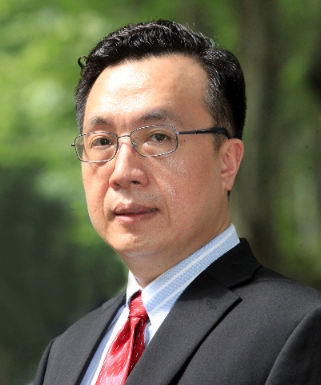 Bin Ran (冉斌)合作论文数4
 Sirisha Kothuri合作论文数4Ernie Perry合作论文数3
 Zihao Sheng合作论文数Shanghai Engineering Research Center of Intelligent Control and Management3
 Yuzhuang Pian (骈宇庄)合作论文数华南理工大学3
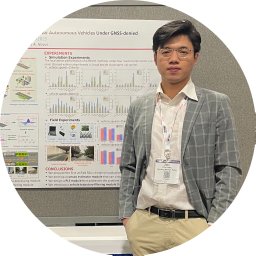 Zilin Huang (黄紫林)合作论文数School of Civil Engineering and Transportation, South China University of Technology3
 Steven T. Parker合作论文数The University of Wisconsin - Madison3
 Andreas Hegyi合作论文数Department of Transport and Planning, Faculty of Civil Engineering and Geosciences, Delft University of Technology3
 Madhav Chitturi合作论文数University of Illinois at Urbana-Champaign3
 John Lee合作论文数Department of Industrial and Systems Engineering, University of Wisconsin-Madison;Department of Civil and Environmental Engineering, Center for Quality and Productivity Improvement, University of Wisconsin-Madison;Department of Mechanical and Industrial Engineering, University of Iowa3
 Pitu Mirchandani合作论文数School of Computing and Augmented Intelligence, Arizona State University3tiffany barkley合作论文数2
 Rei Tamaru合作论文数2
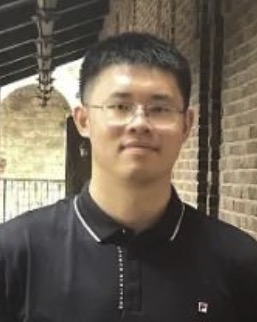 Shen Li (李深)合作论文数Department of Civil Engineering, School of Civil Engineering, Tsinghua University2Zhenhao Zhou合作论文数2kavya sambana合作论文数2zhuoyang zhou合作论文数2
 Qian Chen合作论文数Southeast University2Srinivasa Srivatsav Kandala合作论文数Decis Theater, Arizona State Univ2
 Tienan Li合作论文数2Zhen Zhang合作论文数2
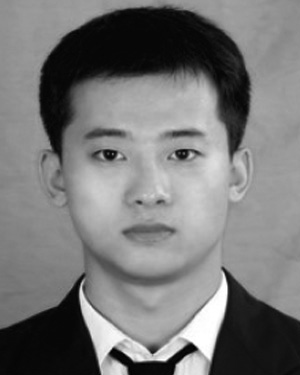 Jiaming Wu合作论文数Jiangsu Key Laboratory of Urban ITS, Southeast University, Jiangsu Province Collaborative Innovation Center of Modern Urban Traffic Technologies, Si Pai Lou #2, Nanjing 210096, China2
 Fan Ding (丁璠)合作论文数School of Transportation, Southeast University2
 Xiaobo Qu (曲小波)合作论文数School of Vehicle and Mobility, Tsinghua University2
 Meng Wang合作论文数“Friedrich List” Faculty of Transport and Traffic Sciences, Technische Universität Dresden;Institute of Traffic Telematics, Technische Universität Dresden2
 Xiaopeng Li合作论文数2




